

Best Foods for Kidney Stones: What to Eat and Avoid for Faster Recovery & Prevention
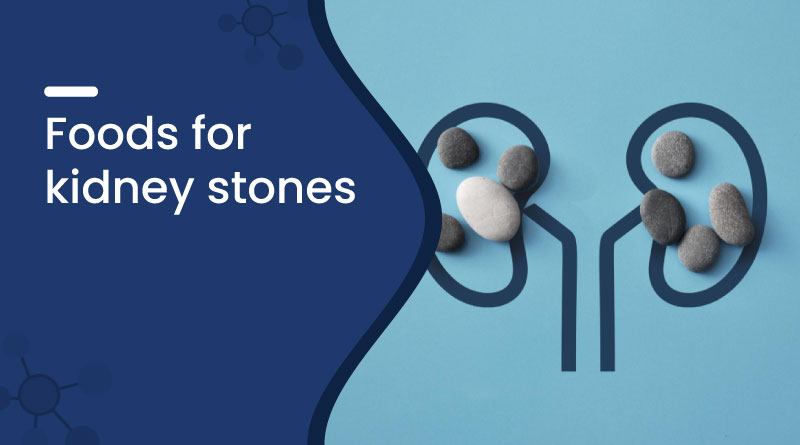
Kidney stones are common, but they can be very painful, and millions of people suffer from this condition. The cases might be on the rise due to modern dietary habits that lead to mineral buildup in the kidneys.
If ignored, this can become serious and lead to extreme pain, UTIs, and damage to the kidneys. The diet we take plays a significant role in preventing and treating kidney stones. It may also improve kidney function and maintain urinary system health.
Through this blog, you will learn which foods to eat during a kidney stone, which foods to avoid, and a suggested diet chart for kidney stone patients.
Kidney stones are a common urinary condition resulting from the buildup of minerals in the kidneys, and therefore, it is important to have knowledge of their causes, symptoms, and health risks.
What are Kidney Stones?
Kidney stones are solid, crystal-like objects that form in the kidney and are made of minerals and salts. This illness occurs when urine is concentrated and minerals such as calcium, oxalate and uric acid clump together to form kidney stones.
Types of Kidney Stones
There are many kinds of kidney stones, with variable composition and origin. Knowing the sorts of stones helps to know how to prevent and treat them.
|
Type of Kidney Stone |
Description |
|
Calcium Oxalate Stones |
Most common; formed from oxalate-rich foods. |
|
Uric Acid Stones |
Often linked to high-protein diets. |
|
Struvite Stones |
Usually associated with urinary tract infections. |
|
Cystine Stones |
Rare; caused by genetic conditions. |
Causes of Kidney Stones
Kidney stones can form as different minerals get deposited in the kidneys and crystallise. This may happen due to the following reasons:
- Low water intake
- High-sodium or high-protein diets
- Obesity and metabolic disorders
- Family history of kidney stones
- Certain medical conditions (e.g., gout, hyperparathyroidism)
Symptoms and Complications of Kidney Stones
Symptoms and signs of kidney stones vary with the size and location of the kidney stones in the urinary system. Possible symptoms are:
- Sharp ache in lower back, sides or stomach
- Pain/burning when passing urine
- Frequent urination in small amounts
- Blood in the urine, which is pink, red or brown in colour
- Cloudy, unpleasant-smelling urine
- Nausea and vomiting.
- Chills and fever, which may suggest an infection
Nutrients That Help Prevent Kidney Stones
Some nutrients are capable of preventing the formation of kidney stones through different ways. Helpful nutrients can be:
- Citrate: Derived from citrus fruits; stops crystal formation.
- Calcium (moderate intake): Binds oxalate to decrease stone risk.
- Magnesium: Reduces crystal formation.
- Potassium: Helps to balance urine pH.
- Vitamin B6: Lowers oxalate levels in urine.
Which Foods Are Best for Kidney Stones?
Choosing the best food for kidney stone patients can aid in reducing the risk of recurrence, promoting kidney well-being, and inhibiting kidney stones through adequate hydration and nutritional balance.
|
Category |
Examples of Foods |
How They Help |
|
Citrate-Rich Foods |
Lemons, oranges, sweet lime, grapefruit |
Binds to calcium to prevent crystal formation |
|
High water content foods |
Watermelon, cucumber, oranges, and tomatoes |
Dilute urine to prevent the chance of stone development |
|
Calcium-rich foods (in moderation) |
Milk, curd, paneer, fortified plant-based milk |
Bind oxalate to lessen the chance of stone formation |
|
Fibre-Rich Foods |
Whole grains, oats, fruits, vegetables, legumes |
Enhance digestion and lower absorption |
|
Foods Low in Sodium |
Fresh fruits, vegetables, and homemade meals |
Lower urinary calcium |
Also Read - Best Juice for Kidney Stones
Foods to Avoid If You Have Kidney Stones
Diet plays a significant role in affecting the chances of getting kidney stones. Just like certain foods help to prevent kidney stones, some foods might increase the risk. Here are some foods that you should avoid.
|
Food Type |
Examples |
Why to Avoid |
|
High-Oxalate Foods |
Spinach, beetroot, nuts, chocolates, tea |
Increase risk of calcium oxalate stones |
|
Excess Animal Proteins |
Red meat, poultry, eggs |
Raise the risk of uric acid stones |
|
Added Sugars & Processed Foods |
Sugary drinks, packaged snacks |
Promote stone formation |
|
Vitamin C Supplements |
High-dose tablets |
Convert to oxalate in the body |
Foods to Avoid for Different Types of Kidney Stones
From a medical perspective, some foods can naturally break down kidney stones by managing urine composition, pH balance, and crystal formation.
- Lemon water or citrus juice helps break down tiny calcium stones
- Watermelon, cucumber, oranges (fruits that hydrate)
- Moderate dairy intake helps to reduce oxalate absorption.
Note: These do not replace medical treatments.
Kidney Stone Diet Chart: Sample Indian Meal Plan for Prevention
A well-planned diet for kidney stone prevention includes a well-hydrated and nutritious plan, which helps dilute urine and minimise the chances of stone formation.
Here is a suggested diet chart for renal calculi or kidney stone prevention.
|
Meal |
Food Options |
|
Early Morning |
Warm water with lemon juice, which is a rich source of citrate |
|
Breakfast |
Oatmeal with fresh fruits (apple or papaya) + a glass of low-fat milk |
|
Mid-Morning Snack |
Coconut water or a bowl of watermelon |
|
Lunch |
Whole wheat roti or brown rice + mixed vegetable curry + curd + salad (cucumber, carrot) |
|
Evening Snack |
Roasted chana or sprouts salad + herbal tea |
|
Dinner |
Light meal with dal, sautéed vegetables, and 1–2 chapatis |
|
Bedtime |
A glass of water or diluted buttermilk |
Healthy Lifestyle Habits to Reduce Kidney Stone Risk
Besides making dietary changes, you can also follow some lifestyle changes to reduce your risk of getting a kidney stone. Some of these changes are as follows:
- Stay hydrated during the day
- Keep your weight normal
- Exercise regularly
- Avoid holding your urine for a long time
- Avoid unnecessary supplements
- Restrict your salt and protein intake
- Manage your health conditions
Myths and Facts About Kidney Stones
There are many common misconceptions about kidney stones that can lead to confusion; understanding the facts can help in better prevention, timely treatment, and overall kidney health management.
|
Myth |
Fact |
|
Drinking less water prevents stones |
Drinking enough water helps prevent stones. |
|
Only men get kidney stones |
Both men and women can get kidney stones. |
|
All stones are the same |
Stones vary in type and require different care. |
|
Avoiding calcium prevents stones |
Normal calcium intake may help reduce risk. |
|
Surgery is always needed |
Many stones pass naturally. |
|
Only older people get stones |
Kidney stones can occur at any age. |
|
Milk causes kidney stones |
Balanced intake does not increase risk. |
|
Stones don’t come back |
Stones can recur without proper care. |
|
Pain is always severe |
Some stones cause mild or no symptoms. |
|
Diet doesn’t matter |
Diet plays a key role in prevention. |
When to See a Doctor?
Though small kidney stones can pass naturally, it is important to get timely medical attention to prevent complications and get the right treatment.
A doctor will be able to help diagnose the type of stone, identify the underlying causes, and offer the right dietary and treatment suggestions. Seek medical help immediately if:
- Severe or persistent pain that does not get better
- Blood in urine or trouble passing urine
- Fever, chills, or signs of infection
- Repeated episodes of kidney stones
- Nausea or vomiting that makes it hard to stay hydrated
Also Read: Ayurvedic Medicine for Kidney Stone
Conclusion
To effectively manage kidney stones, it is essential to ensure an appropriate diet, adequate hydration, and a healthy lifestyle. A well-managed diet plays a crucial role in reducing the chances of recurring kidney stones. Sticking to a well-balanced Indian diet for kidney stone patients can be an effective measure.
At the same time, it is essential to ensure reduced salt, oxalate, and protein content. With appropriate dietary care and medical advice, it is possible to effectively manage and even prevent kidney stones, thus promoting health and well-being.
Frequently Asked Questions (FAQs)
Ans.To help prevent kidney stones, include citrus fruits, adequate water, whole grains, fruits, and moderate calcium-rich foods. These support urine dilution, reduce crystal formation, and promote overall kidney health effectively.
Ans.Diet plays a major role in prevention, especially when combined with proper hydration. However, other factors like genetics and medical conditions also influence the risk of kidney stone formation.
Ans.Citrus fruits like lemons, oranges, and sweet lime are especially helpful, as they contain citrate that prevents stone formation. Water-rich fruits like watermelon also help keep urine diluted and reduce the risk.
Ans.Yes, a low-oxalate diet can benefit kidney stone patients, especially those prone to calcium oxalate stones. Reducing high-oxalate foods helps limit crystal formation and lowers the risk of recurrence.
Ans.Drinking plenty of water is essential to prevent kidney stones. Fluids like lemon water, coconut water, and fresh fruit juices can also help dilute urine and reduce stone-forming substances.
Ans.You can include vegetables like cucumber, carrots, and tomatoes. These are hydrating and low in oxalates, helping maintain urine dilution and reducing the chances of stone formation when consumed regularly.
Ans.Spinach is high in oxalates and should be limited in kidney stone patients. Excess intake may increase the risk of calcium oxalate stones, especially in individuals prone to recurrence.
Ans.A healthy breakfast may include oatmeal with fruits and low-fat milk. This combination provides fibre, hydration, and balanced nutrients that help reduce the risk of kidney stone formation.
Ans.Yes, drinking enough water is one of the most effective ways to prevent kidney stones. It helps dilute urine and reduces the concentration of minerals that form stones.
Ans.Most people should aim for enough water to produce clear or light-yellow urine, usually around 2.5 to 3 litres daily, depending on climate, activity level, and individual health needs.
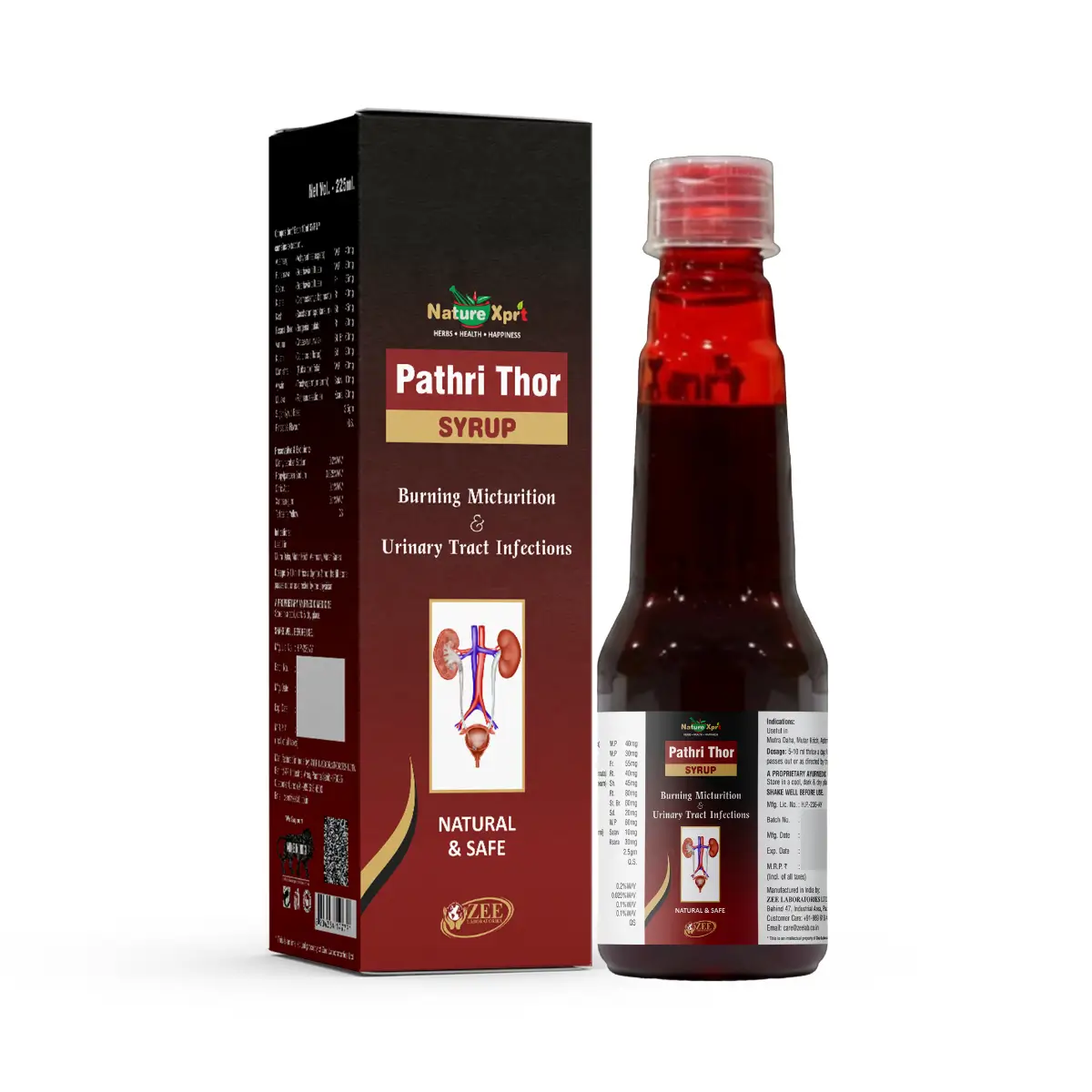
Aparmarg (40 mg) + Punarnava (30 mg) + Gokhru (55 mg) + Kusha (40 mg) + Kash (45 mg) + Pasana Bhed (80 mg) + Varuna (60 mg) + Kulath (20 mg) + Manjishta (60 mg) + Ajwain (10 mg) + Mulaka (30 mg)
225ml In 1 Bottle

Potassium Citrate Monohydrate I.P. (1100 mg) + Citric Acid Monohydrate I.P. (334 mg)
200ml in 1 Bottle
References
Recent Blogs






Disclaimer : Zeelab Pharmacy provides health information for knowledge only. Do not self-medicate. Always consult a qualified doctor before starting, stopping, or changing any medicine or treatment.
Related Products


₹ 0
0
Items added
Quick Links
Categories
Our Policies

Our Socials


Subscribe

2026 Copyright By © Zeelab Pharmacy Private Limited. All Rights Reserved
Our Payment Partners

 Added!