
Best Foods for Migraine Relief: What to Eat & Avoid
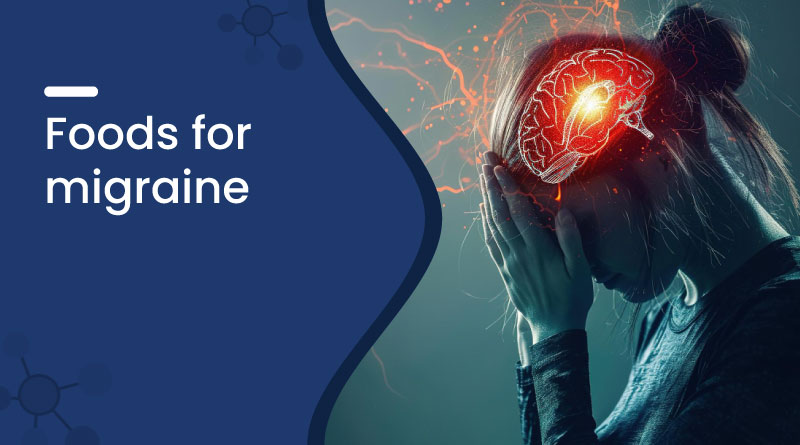
Migraines are not just headaches—they are a complex neurological disorder affecting nearly 1 in 5 women and 1 in 15 men globally. These attacks can cause throbbing pain, nausea, sensitivity to light and sound, and fatigue, significantly impacting daily life.
While medications are often necessary, diet plays a crucial role in managing migraine frequency and severity. Certain foods can trigger migraines, while others may help regulate brain chemistry, reduce inflammation, and stabilise energy levels.
This guide covers:
- Best foods for migraine relief
- Foods to avoid
- A migraine-friendly diet plan
- Evidence-based nutritional strategies
What is a Migraine?
Migraine is a neurological disorder characterised by recurring one-sided throbbing headaches. It is associated with altered brain waves, nerve sensitivity, and chemical imbalances.
Common Symptoms of Migraine:
- One-sided throbbing headache
- Nausea and vomiting
- Sensitivity to light, sound, and smell
- Visual disturbances (aura)
Major Causes & Risk Factors:
- Hormonal changes
- Stress and anxiety
- Irregular sleep patterns
- Dietary triggers
Migraine vs Headache: Key Differences
Unlike regular headaches, migraines involve neurological changes and may include symptoms like aura, nausea, and extreme sensitivity to environmental stimuli.
|
Feature |
Migraine |
Regular Headache |
|
Cause |
Neurological disorder |
Stress, tension, dehydration |
|
Pain Type |
Throbbing, often one-sided |
Mild to moderate, both sides |
|
Symptoms |
Nausea, aura, light & sound sensitivity |
Usually, no additional symptoms |
|
Duration |
4–72 hours |
A few minutes to hours |
|
Severity |
Moderate to severe |
Mild to moderate |
How Diet Affects Migraines (Science Explained)
Diet also plays an important role in migraines, as some foods may trigger migraines, while others may help reduce the number of migraines.
- Blood Sugar & Migraine Link: Lack of regular meals may trigger migraines.
- Role of Serotonin in Migraines: Diet may affect the level of certain brain chemicals that trigger migraines.
- Vasodilation: Certain foods may trigger migraines by causing the blood vessels to dilate.
What Deficiency Causes Migraines?
Certain nutrient deficiencies are strongly linked to frequent migraine attacks. When the body lacks essential vitamins and minerals, it can affect nerve function, brain chemistry, and blood vessel regulation—leading to headaches.
Common Deficiencies Linked to Migraines:
- Magnesium Deficiency (Magnesium Deficiency Migraine): Low magnesium levels are one of the most common causes of migraines. Magnesium helps relax blood vessels and regulate nerve signals. A deficiency may trigger increased brain excitability and migraine attacks.
- Vitamin B2 (Riboflavin) Deficiency: Vitamin B2 plays a key role in energy production in brain cells. Low levels may contribute to poor mitochondrial function, which is linked to migraines.
- Vitamin B12 Deficiency (Vitamin Deficiency Headache): Vitamin B12 supports nerve health. A deficiency can lead to neurological symptoms, including headaches and fatigue.
- Vitamin D Deficiency: Low vitamin D levels may increase inflammation and are often associated with chronic headaches and migraines.
Tip: A balanced diet or doctor-recommended supplements can help correct these deficiencies and reduce migraine frequency.
9 Common Food Triggers for Migraines (Foods to Avoid)
Dietary factors are among the most common and modifiable triggers of migraine. These triggers vary between individuals, but certain foods and eating patterns are frequently associated with migraine onset.
1. Caffeine (Excess or Withdrawal)
Caffeine can have a dual role in migraine:
- Excess intake may overstimulate the brain and trigger headaches
- Withdrawal (sudden reduction) can also provoke migraines
Sources: Coffee, tea, energy drinks, cola beverages
2. Aged and Fermented Foods (Tyramine-rich Foods)
These foods contain tyramine, which can affect blood vessels and trigger migraines.
Examples:
- Aged cheeses (cheddar, blue cheese, parmesan)
- Processed meats (salami, sausages, pepperoni)
- Fermented foods (kimchi, soy sauce, pickles)
3. Chocolate
Chocolate may trigger migraines in some people due to:
- Caffeine content
- Beta-phenylethylamine, which can influence brain chemicals
4. Alcohol (Especially Red Wine)
Alcohol is a well-known trigger due to:
- Histamine and sulfites
- Dehydration effects
Red wine is most commonly linked with migraine attacks.
5. Monosodium Glutamate (MSG)
MSG is a flavour enhancer that may overstimulate nerve pathways.
Common sources:
- Fast foods
- Packaged snacks
- Instant noodles and processed meals
6. Artificial Sweeteners
Sweeteners such as aspartame may alter neurotransmitter activity and trigger migraines in sensitive individuals.
Sources: Diet sodas, sugar-free products, low-calorie sweeteners
7. Processed and Packaged Foods
These foods often contain preservatives, nitrates, and additives, which are known migraine triggers.
Examples:
- Chips, cookies, ready-to-eat meals
- Processed meats
- Frozen and canned foods
8. Skipping Meals or Fasting
Irregular eating habits can lead to low blood sugar (hypoglycemia), which is a strong trigger for migraines.
9. Dehydration
Inadequate fluid intake can reduce blood volume and oxygen supply to the brain, potentially triggering migraine attacks.
Best Foods Recommendations for Migraine Relief
Your diet plays an important role when it comes to managing health issues. Being mindful of what you eat can benefit you in the best way possible.
Similarly, certain nutrients can help regulate factors that may lower the frequency or intensity of migraine attacks.
Including these foods in your daily diet can complement overall migraine care.
|
Category |
Foods to Include |
Helps to |
|
Magnesium-Rich Foods |
Spinach, almonds, pumpkin seeds, bananas |
Relax the blood vessels and prevent migraines before they occur |
|
Riboflavin (Vitamin B2)-Rich Foods |
Milk, eggs, yoghurt, mushrooms |
Produce energy in the brain cells and prevents migraines |
|
Omega-3 Fatty Acid Foods |
Fatty fish (salmon, mackerel), flaxseeds, walnuts |
Reduce migraine pain and intensity |
|
Hydrating Foods |
Watermelon, cucumber, oranges, and coconut water |
Prevent dehydration, which is known to trigger migraines |
|
Low-Glycemic Index Foods |
Oats, whole grains, lentils, apples |
Maintain the level of glucose in the blood, thereby preventing migraines |
Also Read - Magnesium for Migraines & Headaches
Top Natural Foods That Help Prevent Migraines
Including the right foods for migraine prevention in your daily diet can help reduce migraine frequency, common dietary triggers, and improve brain health. Some foods that you should eat for migraine headache relief include:
- Ginger: Has anti-inflammatory properties and helps alleviate nausea accompanying migraine headaches
- Bananas: Supply magnesium and potassium, which help maintain nerve function and prevent migraine headaches
- Yoghurt: Helps to support the gut-brain axis, which may influence migraine headaches
- Leafy Greens: Rich in antioxidants and magnesium to relax blood vessel walls and support brain function
Best Drinks for Migraine Relief
Staying hydrated is essential for preventing and managing migraines. Certain drinks can help reduce inflammation, balance electrolytes, and support brain function during a migraine attack.
What to Drink During Migraine:
- Coconut Water
Rich in natural electrolytes like potassium, coconut water helps prevent dehydration—a common migraine trigger. - Herbal Teas (Ginger, Peppermint, Chamomile)
Herbal teas have calming and anti-inflammatory properties. Ginger tea may also help reduce nausea associated with migraines. - Electrolyte Drinks
Electrolyte-rich fluids help restore mineral balance in the body and prevent headache triggers caused by dehydration. - Plain Water
Even mild dehydration can trigger migraines. Drinking water throughout the day is one of the simplest and most effective preventive measures.
Tip: Avoid sugary drinks, alcohol, and excessive caffeine, as they may worsen migraine symptoms.
Migraine Diet Plan (Sample Daily Meal Plan)
A diet chart for migraine patients can be quite helpful in maintaining a constant energy level and avoiding the most common migraine triggers.
|
Meal |
Suggested Options |
|
Breakfast |
Oatmeal with nuts and banana |
|
Mid-Morning Snack |
Fresh fruits such as apples or oranges, along with a few seeds |
|
Lunch |
Brown rice, veggies, and protein (chicken or legumes) |
|
Evening Snack |
Yoghurt with flaxseeds or walnuts |
|
Dinner |
Grilled fish or paneer along with greens and whole grains |
Best Eating Habits to Prevent Migraines
When it comes to preventing migraines, when you eat can be just as important as what you eat, as long gaps between meals may trigger headaches.
- Eat every 3–4 hours
- Avoid long gaps between meals
- Maintain consistent meal timings
- Never skip breakfast
Migraine Diet Do’s and Don’ts (Quick Checklist)
A clear set of dietary dos and don’ts can simplify your daily choices and reduce the chances of unknowingly triggering a migraine.
Healthy Diet Practices to Prevent Migraines
- Stay well hydrated
- Eat balanced, regular meals
- Track trigger foods
- Include magnesium-rich foods
Dietary Habits to Avoid During Migraines
- Skip meals
- Consume excess caffeine
- Eat highly processed foods
- Ignore hydration
Elimination Diet for Migraines (Step-by-Step Guide)
An elimination diet can help identify specific foods that may trigger migraines, thereby enabling more personalised management of the condition.
- Identifies triggers: Helps in the identification of specific foods that may trigger or worsen migraine attacks
- Systematic approach: Involves the elimination of specific trigger foods and their gradual reintroduction
- Food diary tracking: Helps identify patterns and possible triggers through the recording of meals and symptoms
- Encourages mindful eating: Promotes awareness of food choices and their effects
- Should be guided: Best followed under medical or nutritional supervision for safety and accuracy.
4 Supplements for Migraine Relief (Backed by Science)
Certain supplements may help reduce the frequency and severity of migraines, especially when dietary intake is insufficient.
1. Magnesium Supplements:
Magnesium may help relax blood vessels and regulate nerve function, thereby reducing migraine frequency.
Zeelab ZMA Tablet
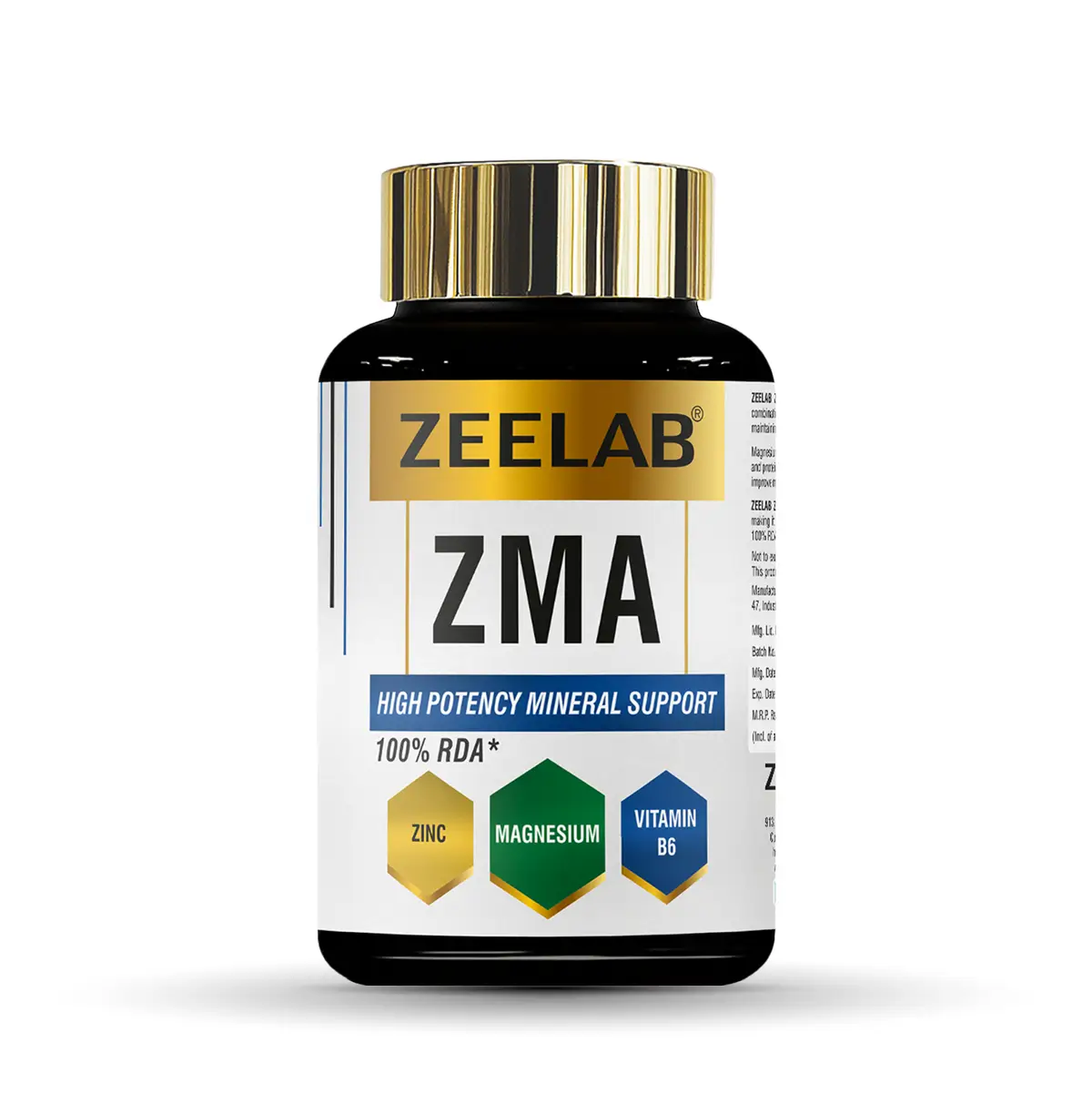
A combination of magnesium, zinc, and vitamin B6 that may support migraine relief by relaxing nerves, reducing fatigue, and improving sleep quality.
- Composition: Magnesium Aspartate + Zinc + Vitamin B6 (+ L-Lysine)
- Benefits: Helps reduce migraine frequency, supports nerve function, improves sleep, and lowers fatigue
2. Riboflavin (Vitamin B2) Supplements:
Vitamin B2 can support energy production in brain cells and may help prevent migraines.
My12 Plus Tablet

A multivitamin supplement containing vitamin B12, folic acid, and antioxidants that supports nerve health, energy production, and may help reduce migraine-related fatigue and neurological discomfort.
- Composition: Methylcobalamin (Vitamin B12) + Folic Acid + Alpha Lipoic Acid + Vitamins (B1, B2, B6, A, E) + Zinc + Selenium + Biotin
- Benefits: Supports nerve health, reduces fatigue, improves energy, and may help manage migraine-related symptoms
Zecobax Z Multivitamin Capsule
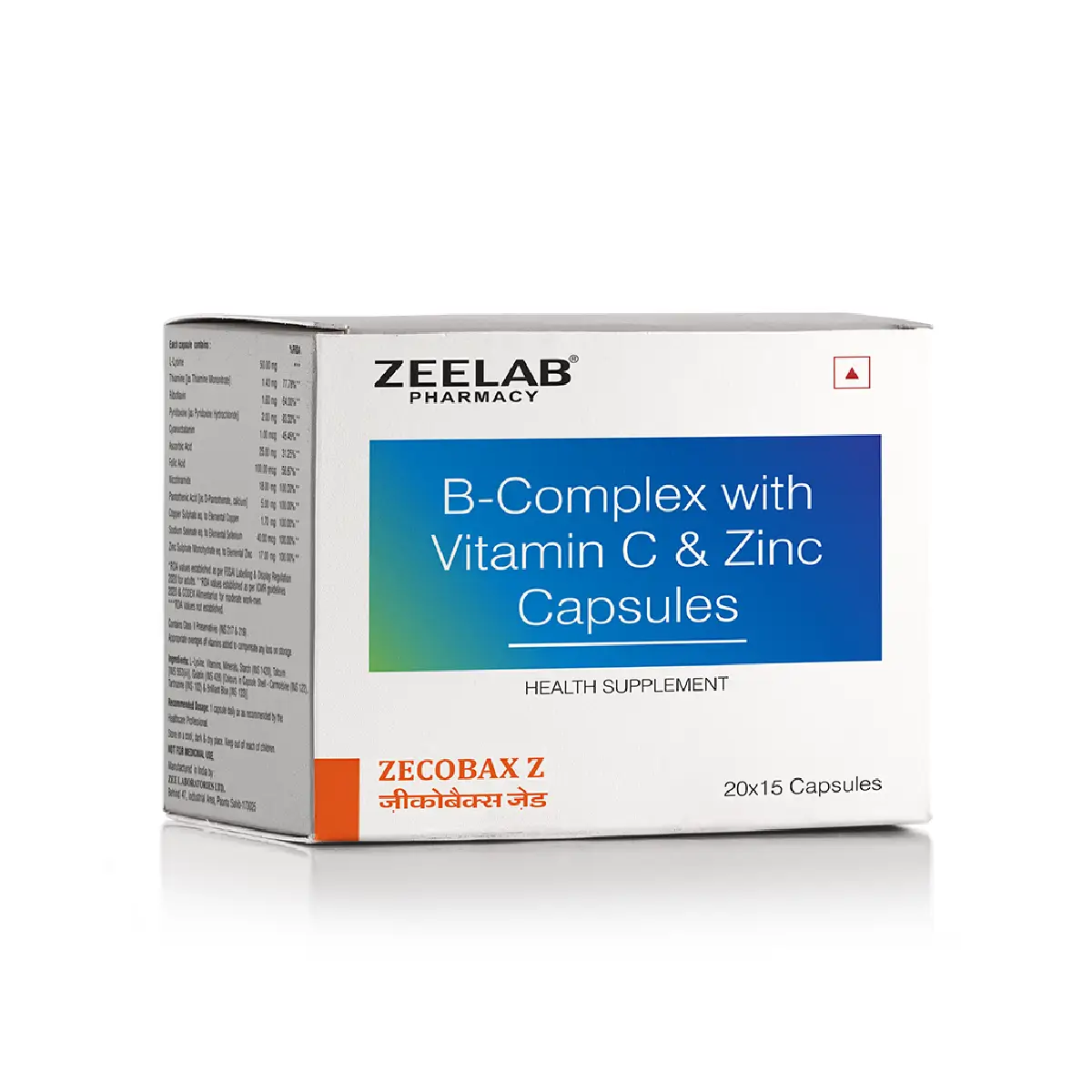
Zecobax Z Multivitamin Capsule with B-complex vitamins, vitamin C, and zinc that supports nerve health, reduces fatigue, and may help manage migraine-related weakness and nutritional deficiencies.
- Composition: Lysine + Vitamin B1 + Vitamin B2 + Vitamin B6 + Vitamin B12 + Vitamin C + Folic Acid + Niacinamide + Zinc + Pantothenic Acid + Copper + Selenium
- Benefits: Supports nerve health, reduces fatigue, boosts energy, and may ease migraine-related weakness
3. Coenzyme Q10:
It can aid mitochondrial function and may lower the frequency of migraine attacks.
Cozy 10 Capsule
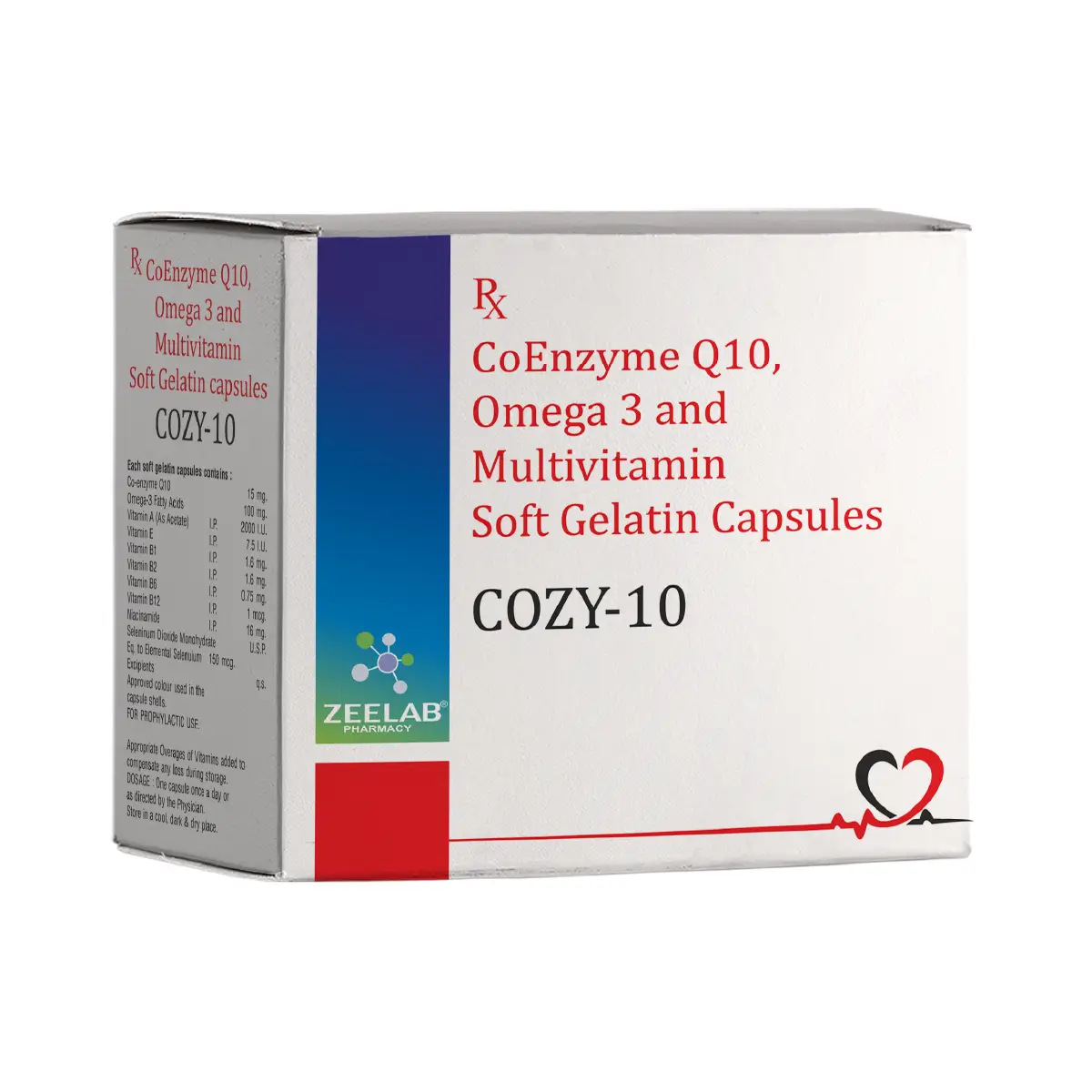
A nutritional supplement containing Coenzyme Q10, omega-3 fatty acids, and essential vitamins that supports overall nutritional balance and helps meet daily micronutrient requirements.
- Composition: Coenzyme Q10 + Omega-3 Fatty Acids + Vitamin A + Vitamin E + Vitamin B1 + Vitamin B1 + Vitamin B2 + Vitamin B6 + Vitamin B12 + Selenium + Niacinamide
- Benefits: Supports brain health, reduces inflammation, improves energy, and may help prevent migraines
Cozy Q 100 Capsule
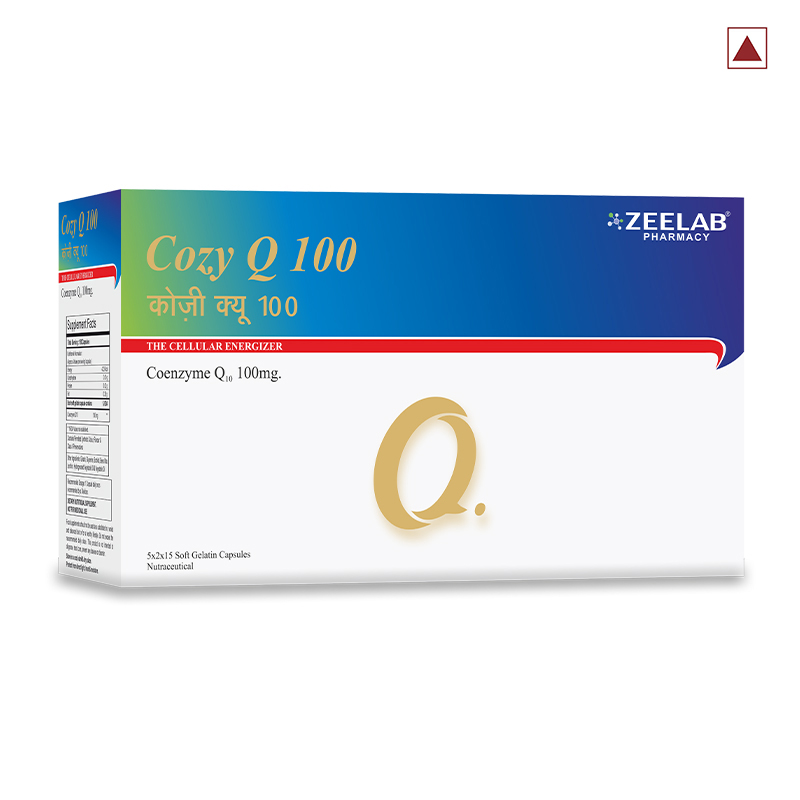
This Coenzyme Q10 supplement may support cellular energy production and antioxidant activity, helping maintain overall health and protect cells from oxidative stress.
- Composition: Coenzyme Q10 (100 mg)
- Benefits: Supports energy production, protects cells, and promotes overall cardiovascular and cellular health
4. Omega-3 fatty acids:
Omega-3 fatty acids help reduce inflammation and support overall brain health.
Zeelab Omega 3 Fish Oil Capsules
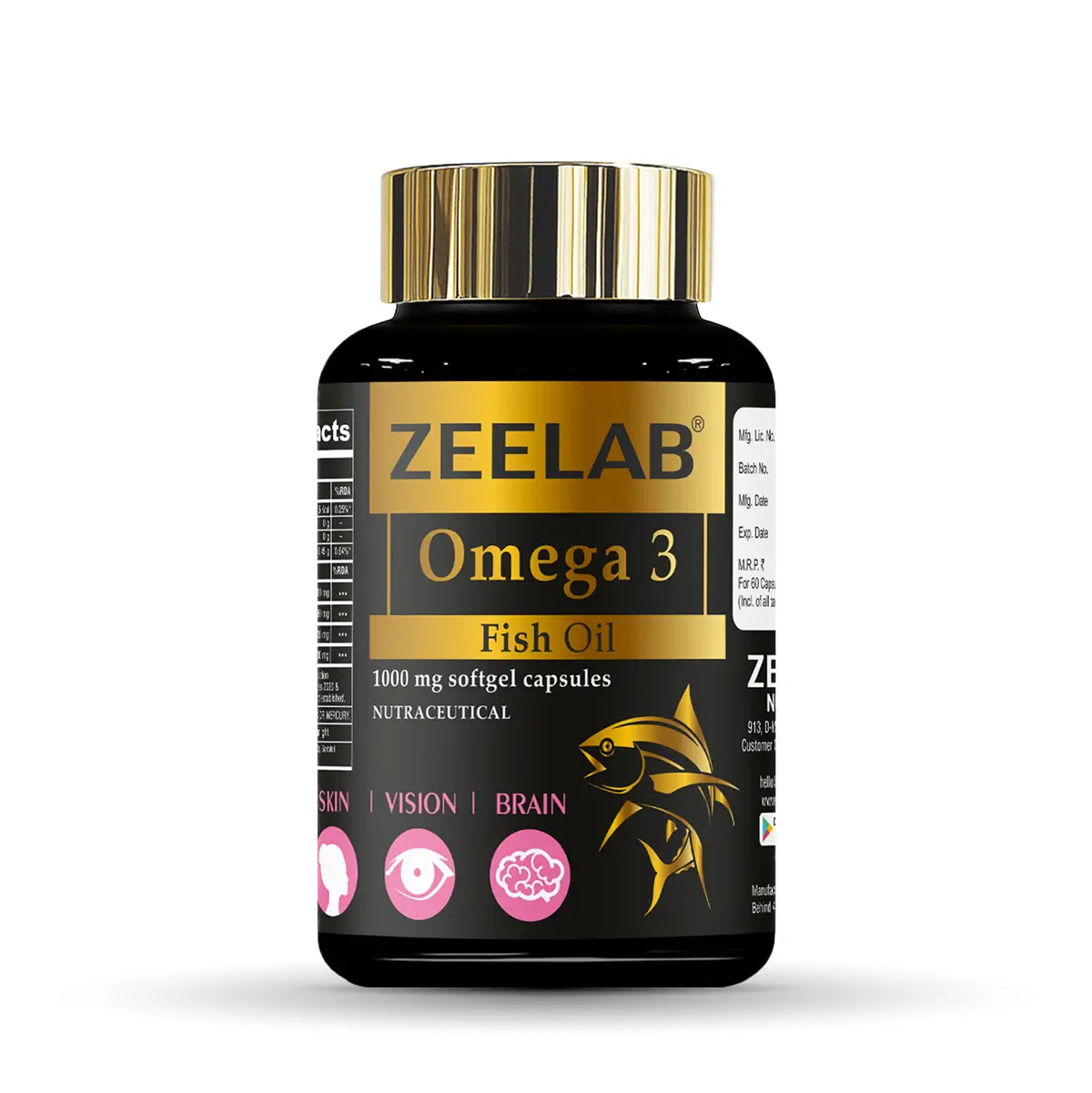
A fish oil supplement containing omega-3 fatty acids is designed to provide essential nutrients and support overall nutritional intake as part of a balanced daily routine.
- Composition: Omega-3 Fatty Acids (Fish Oil 1000 mg providing EPA & DHA)
- Benefits: Supports brain function, reduces inflammation, and helps maintain overall health and wellness
Vitazem 5G Softgel Capsule

Vitazem 5G Softgel contains omega-3 fatty acids, antioxidants, and herbal extracts that help meet daily nutritional needs and support overall health and wellness.
- Composition: Omega-3 Fatty Acids (EPA & DHA) + Green Tea Extract + Ginseng + Ginkgo Biloba + Grape Seed Extract + Glutathione + Multivitamins & Minerals
- Benefits: Supports energy levels, brain function, immunity, and helps manage nutritional deficiencies
Lifestyle Tips to Manage Migraines Naturally
Along with a balanced diet, certain lifestyle habits can help in better migraine management and overall well-being.
- Maintain regular meal timings to avoid blood sugar fluctuations
- Stay well hydrated by drinking adequate water throughout the day
- Follow a consistent sleep routine and avoid irregular sleep patterns
- Practice stress management techniques like yoga, meditation, or deep breathing
- Limit screen exposure, especially during or before migraine episodes
- Include regular, moderate physical activity in your daily routine
- Observe and track personal triggers to better prevent migraine attacks
How to Get Instant Relief from Migraine Attacks
If a migraine hits suddenly, knowing a few quick relief techniques can make a big difference in how you feel.
- Drink water immediately
- Rest in a dark, quiet room
- Apply a cold compress
- Take a small amount of caffeine (if tolerated)
- Practice deep breathing
Clinical Research on Diet and Migraine
Research shows that nutrition plays a key role in managing migraines, as certain nutrients directly affect brain function, inflammation, and energy balance.
a) Magnesium Deficiency is Linked to Migraines
Low magnesium levels are commonly seen in people with migraines. Magnesium helps regulate nerve activity and relax blood vessels, and adequate intake may reduce the frequency and severity of attacks.
b) Riboflavin (Vitamin B2) Supports Brain Energy
Riboflavin supports energy production in brain cells. Since migraines are linked to impaired energy metabolism, it may help in reducing migraine frequency.
c) Omega-3 Fatty Acids Reduce Inflammation
Omega-3 fatty acids have anti-inflammatory effects and support vascular health, which may help lower migraine intensity and occurrence.
d) Stable Blood Sugar Helps Prevent Attacks
Irregular meals and blood sugar fluctuations can trigger migraines. Eating balanced, regular meals helps maintain stable energy levels and reduces the risk of attacks.
Overall, a nutrient-rich and balanced diet can support better migraine management alongside medical care.
When to See a Doctor for Migraines
Although migraines are common, some situations should not be ignored. Seeking timely medical advice can help identify underlying causes and ensure proper management.
- Frequent or severe migraines that interfere with daily activities
- Sudden and intense headache, unlike previous episodes
- Migraines not improving with usual medications
- Headache accompanied by vision changes, confusion, or weakness
- Persistent nausea or vomiting with migraine attacks
- Noticeable change in migraine pattern, duration, or intensity
Conclusion
Migraines can indeed be quite challenging to manage, but certain changes to your daily routine can help. Keeping a check on your migraine trigger foods list and eating the right food can help you control your migraines to a certain extent.
A balanced diet for migraine sufferers, along with proper hydration. While results may vary from person to person, sticking to a diet and routine and consulting a doctor in severe cases can help you take control of your health and well-being.
Frequently Asked Questions
Q. Can diet really affect migraines?
A. Yes, diet plays a significant role in migraines. Certain foods can trigger attacks, while others help regulate brain chemicals, reduce inflammation, and stabilise energy levels, supporting better migraine control.
Q. How to reduce migraine headaches?
A. Reducing migraine headaches involves maintaining regular meals, staying hydrated, managing stress, getting proper sleep, and avoiding known trigger foods. Including nutrient-rich foods like magnesium and omega-3 sources may also support better migraine control.
Q. What foods should I avoid to prevent migraines?
A. Common migraine-trigger foods include processed foods, aged cheeses, alcohol, artificial sweeteners, and excess caffeine, as they can affect blood vessels or brain chemicals linked to migraine attacks.
Q. What foods help migraines go away?
A. Foods rich in magnesium, riboflavin, and omega-3 fatty acids, such as leafy greens, nuts, fatty fish, and whole grains, may help reduce migraine symptoms and support overall brain and nerve function.
Q. Is caffeine good or bad for migraines?
A. Caffeine can help relieve migraines in small amounts but may trigger headaches if consumed excessively or stopped suddenly, making moderation and consistency important for migraine management.
Q. What to eat for breakfast when suffering from migraines?
A. A balanced breakfast like oats with nuts and bananas or whole grains with yoghurt helps stabilise blood sugar levels, provides essential nutrients, and may reduce the chances of triggering migraine symptoms.
Q. What is a migraine-friendly diet?
A. A migraine-friendly diet includes whole, unprocessed foods, regular meals, and nutrients like magnesium and omega-3s, while avoiding known trigger foods to help reduce migraine frequency and severity.
Q. What fruits are good for migraine relief?
A. Bananas, apples, oranges, and watermelon are some common fruits for migraine relief that provide hydration, vitamins, and minerals to support brain health and may help reduce migraine triggers.
Q. How can a food diary help with migraines?
A. A food diary helps track meals and symptoms, making it easier to identify personal trigger foods and patterns, allowing better dietary management of migraines.
Q. Can fasting or a keto diet cause migraines?
A. Yes, fasting can trigger migraines due to low blood sugar. The keto diet may also cause headaches initially due to dehydration and electrolyte imbalance.
Q. Are migraines linked to gut health?
A. Yes, poor gut health can trigger migraines by affecting inflammation and brain chemicals through the gut-brain connection.
Q. Can skipping meals trigger migraines?
A. Yes, skipping meals can cause blood sugar drops, which may trigger migraines. Eating regular, balanced meals helps maintain energy levels and reduces the risk of attacks.
Recent Blogs






Disclaimer : Zeelab Pharmacy provides health information for knowledge only. Do not self-medicate. Always consult a qualified doctor before starting, stopping, or changing any medicine or treatment.
Related Products


₹ 0
0
Items added
Quick Links
Categories
Our Policies

Our Socials


Subscribe

2026 Copyright By © Zeelab Pharmacy Private Limited. All Rights Reserved
Our Payment Partners

 Added!