

Best Medicine for Ear Piercing Infection: A Complete Guide to Antibiotic Ointments, Creams & Healing
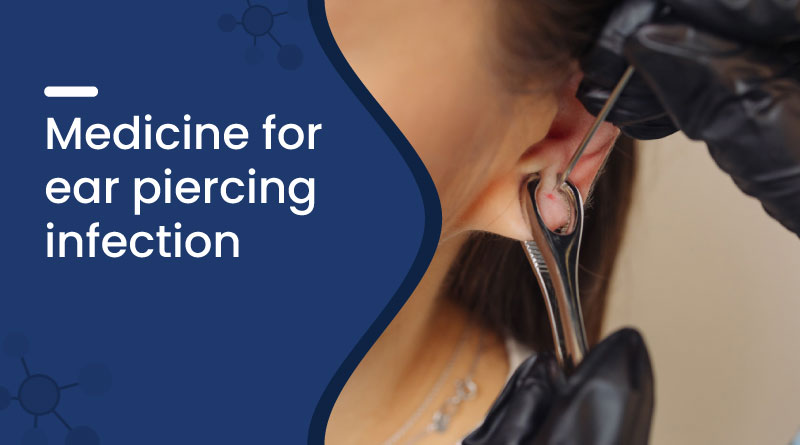
If you experience swelling, redness, pain and some kind of discharge after getting your ears pierced, chances are that the piercing got infected by bacteria. This ear piercing infection is very common in cases of poor hygiene or when aftercare is not followed.
Mild infections can improve with regular and proper cleaning, but if your symptoms keep worsening, you may need an ear piercing infection cream, piercing healing cream or ointment for ear piercing infection.
Bacitracin and mupirocin are the most commonly recommended medicines for ear piercing infections, which are usually available as topical creams.
This blog explains the common causes, symptoms, ear piercing infection treatment options and preventive measures to deal with an infected ear piercing.
What is an Ear Piercing Infection?
An ear piercing infection occurs when harmful germs or bacteria enter the pierced skin and cause inflammation.
It may develop in the earlobe or cartilage after a new piercing and may require appropriate ear piercing infection treatment.
Some redness, tenderness and mild swelling can be normal during the initial healing period. Increasing pain, warmth, swelling, or pus may indicate an infection that may require medicine for ear piercing infection.
What Causes an Ear Piercing Infection?
Your ear piercings can get infected by bacteria, even before they heal completely, for the following reasons:
- Using unclean or non-sterile tools during piercing
- Touching the area with dirty hands
- Wearing low-quality or allergic earrings
- Not cleaning the area properly
- Tight earrings causing friction
How Do I Know If My Ear Piercing Is Infected?
Pay attention to how the skin reacts around the piercing in the first few days because not every ear piercing can lead to an infection.
You should know the common symptoms of ear piercing infection, such as:
- Redness and tenderness
- Pain or a throbbing sensation
- Swelling around the earring hole
- Discharge (yellow, white, or green)
- Itching or burning
- Crusting or scabs
Common Medicines to Treat Ear Piercing Infection
Doctors may recommend antibiotics for ear piercing infection when a bacterial infection is suspected.
Depending on the infection, a suitable medicine for ear piercing infection, such as a topical antibiotic ointment or cream, may be recommended.
Common medicines used for bacterial skin infections include:
|
Medicine Name |
How it works |
|
Mupirocin |
Controls bacterial growth by inhibiting protein production |
|
Bacitracin |
Interferes with bacterial cell-wall formation |
|
Fusidic Acid |
Blocks protein production and prevents bacterial growth. |
Also Read: Medicine For Bacterial Infection
Best Creams and Ointments for Ear Piercing Infection
Zeelab Pharmacy offers ear piercing infection creams and ointments that may help manage symptoms caused by bacterial skin infections when recommended by a healthcare professional.
Here you can find WHO-GMP-certified antibiotic ointment for ear piercing, including options for an ear piercing infection ointment or cream for ear piercing infection at an affordable price.
Mupicin Mupirocin Ointment
Mupicin contains mupirocin and may be used as an ear piercing infection ointment for certain bacterial skin infections. It works by stopping bacterial growth and may support healing of infected skin.
- Composition: Mupirocin 2% w/w
- Benefits: Helps control susceptible bacterial infections and supports healing of the infected skin.
Zosporin Skin Ointment
Zosporin can be used as an ointment for ear piercing infections when appropriate. It has antibacterial properties that help reduce bacterial growth in the pierced area.
- Composition: Bacitracin 400 IU + Neomycin 3400 IU + Polymyxin B 5000 IU
- Benefits: Helps control bacterial skin infections and supports healing of minor infected skin injuries.
How to Apply Antibiotic Cream to an Ear Piercing?
If a doctor recommends an antibiotic ointment for an ear piercing or an ear piercing infection cream, use it as directed.
Applying a lot more than recommended will not make the infection heal faster.
- Thoroughly wash hands with soap and water.
- Use sterile saline to clean the pierced skin.
- Dry the area gently with a paper towel.
- Apply the recommended amount of ear piercing ointment or piercing ointment evenly.
Note: Do not apply steroid creams to an infected piercing without a doctor’s recommendation, as they may aggravate the infection.
Also Read: Antifungal Powders For Fungal Skin Infections
How Long Does an Ear Piercing Infection Take to Heal?
The healing time for an ear piercing infection depends on its severity, location, and treatment. Mild infections may start improving within a few days with proper cleaning and appropriate treatment, while more serious infections can take longer to heal.
To support healing:
- Keep the piercing clean and dry.
- Avoid touching, twisting, or squeezing the area.
- Use any recommended medicine exactly as directed.
- Avoid changing the jewellery until the infection has improved.
If pain, swelling, redness, or discharge gets worse or does not improve, consult a healthcare professional. Cartilage piercing infections should be assessed promptly, as they can become more serious.
How to Prevent an Ear Piercing Infection?
It is easy to prevent an ear piercing infection through simple habits that mainly include good hygiene.
The following tips may help to prevent piercing infections:
- Wash your hands before touching the piercing.
- Regularly clean the pierced area as recommended.
- Avoid touching or twisting the earring.
- Do not swim until the piercing is totally healed.
- Use appropriate materials for your earring, and do not change it until healing is complete.
- Make sure that you clean your towels, pillowcases and earphones and do not lend them to other people.
When Should You See a Doctor for an Ear Piercing Infection?
Sometimes an infection can improve with proper ear piercing infection treatment, but there are some symptoms that need medical attention. Seek the advice of a doctor if you experience:
- Intense or worsening pain
- Swelling
- Pus or persistent discharge
- Spreading redness
- Fever or feeling unwell
- Infection of an ear cartilage piercing
- No improvement with treatment
Conclusion
An ear piercing infection may cause pain, redness, swelling and discharge. Keeping the area clean and avoiding unnecessary touching are important initial steps.
Antibiotic medicines in the form of a cream or ointment may be used for bacterial infections when recommended by a doctor after evaluation.
If symptoms are severe, spreading, or involve cartilage, consult a healthcare professional promptly for appropriate ear piercing infection treatment.
Frequently Asked Questions (FAQs)
Ans.Mupirocin and bacitracin are the best medicines for treating a bacterial ear piercing infection when used as per the doctor’s instructions.
Ans.Mupicin and Zosporin Ointment from Zeelab Pharmacy are among the best topical treatments for ear piercing infections commonly caused by bacterial growth.
Ans.Increasing redness, swelling, warmth, pain, or yellow, green, or white pus around the piercing can indicate an infection.
Ans.Keep the area clean and avoid squeezing the bump. A small lump may be irritation or trapped fluid rather than an infection.
Ans.Mild infections may need gentle cleaning and appropriate topical treatment, but worsening symptoms, pus, or fever require medical evaluation.
Ans.Yes, gentle saline cleaning can help keep a piercing clean. Avoid harsh substances and follow appropriate aftercare instructions.
Ans.Yes, an antibiotic cream or ointment may be prescribed for some bacterial piercing infections, particularly mild, localised infections.
Ans.Keep the piercing clean, avoid touching or squeezing it, and use prescribed treatment correctly rather than applying multiple products.
Ans.Usually, leave the jewellery in unless a doctor advises removal, because removing it may allow the piercing channel to close.
Ans.In mild cases, ear piercing infections heal in 3 or 4 days, but the healing time varies with infection severity and treatment.
Ans.Gold jewellery does not guarantee infection prevention. Proper piercing technique, hygiene, aftercare, and suitable jewellery are more important for reducing infection risk.
Ans.Yes, an old piercing can become infected after injury, irritation, reactions from jewellery material, or bacterial exposure, even if it healed previously.
Ans.Clean the area gently and avoid squeezing it. Pus or bleeding with swelling, pain, or warmth should be assessed by a healthcare professional.
Ans.See a healthcare professional if symptoms persist or worsen, as you may need different treatment or evaluation for another underlying cause.
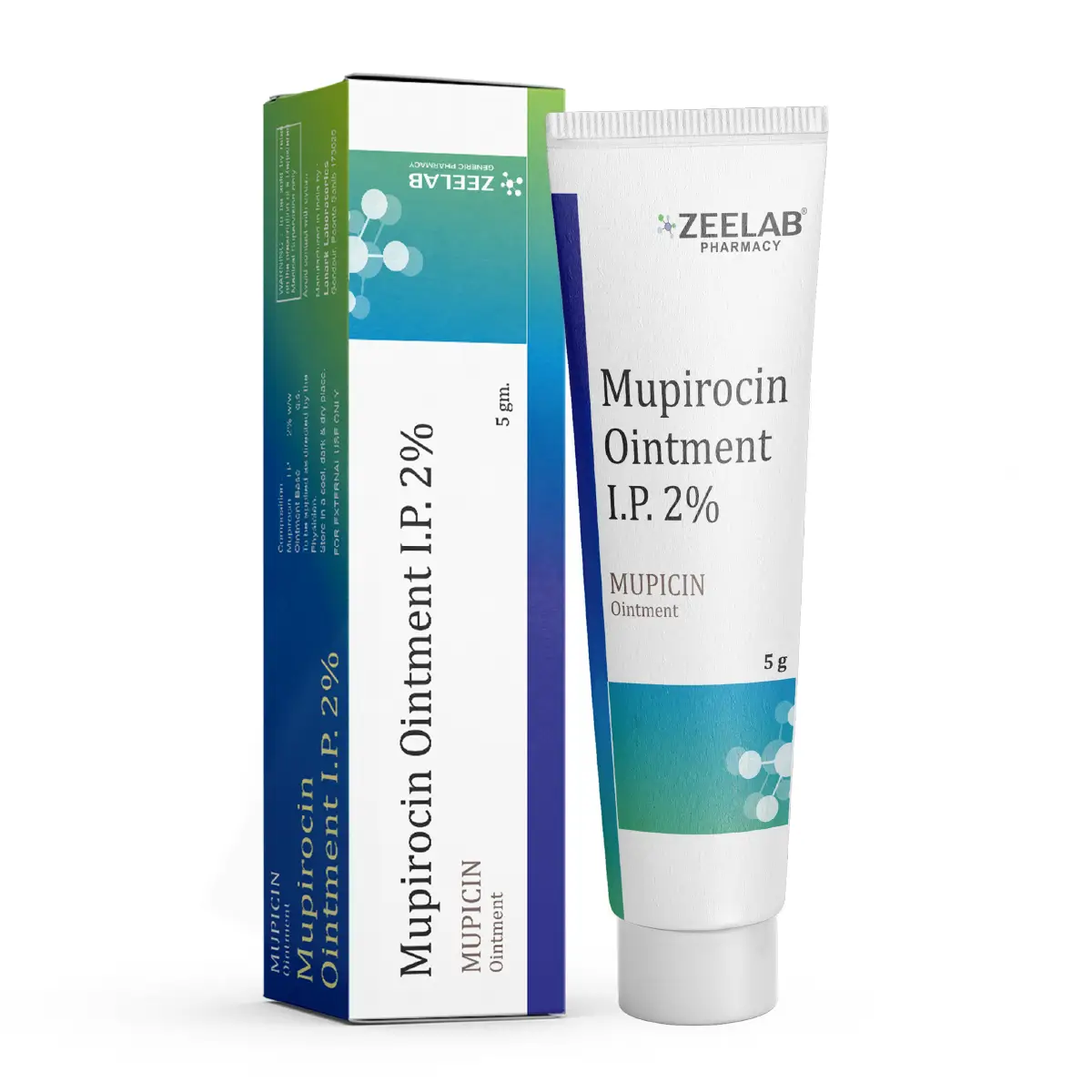
Mupirocin (2% w/w)
5gm In 1 Tube
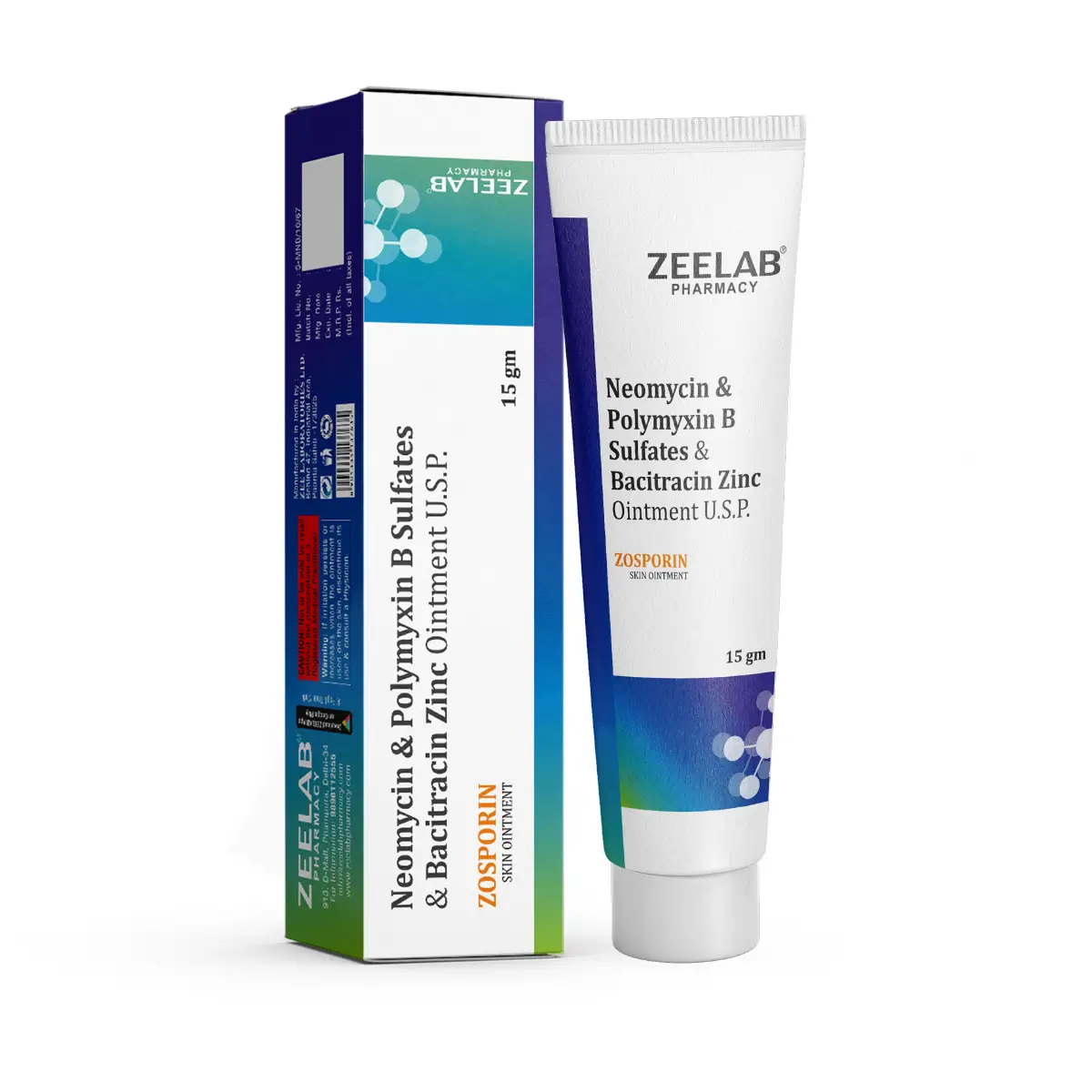
Bacitracin (400IU) + Neomycin (3400IU) + Polymyxin B (5000IU)
15gm In 1 Tube
References
- https://pmc.ncbi.nlm.nih.gov/articles/PMC12110840/
- https://www.ncbi.nlm.nih.gov/books/NBK537336/
- https://pmc.ncbi.nlm.nih.gov/articles/PMC1781501/
- https://my.clevelandclinic.org/health/diseases/21503-infected-ear-piercing
- https://www.nhs.uk/conditions/infected-piercings/
- https://www.ncbi.nlm.nih.gov/books/NBK572081/
Recent Blogs





Disclaimer : Zeelab Pharmacy provides health information for knowledge only. Do not self-medicate. Always consult a qualified doctor before starting, stopping, or changing any medicine or treatment.
Related Products


₹ 0
0
Items added
Quick Links
Categories
Our Policies

Our Socials


Subscribe

2026 Copyright By © Zeelab Pharmacy Private Limited. All Rights Reserved
Our Payment Partners

 Added!