

Best Sunscreen for Monsoon Season in India: A Complete Guide to Choosing the Right SPF
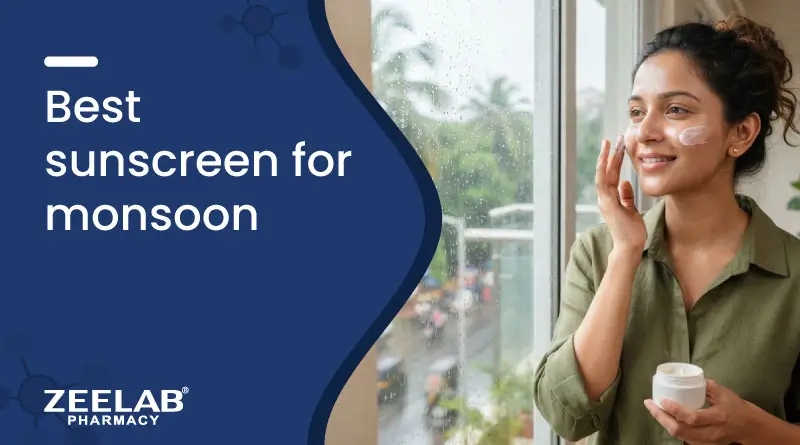
We often skip applying sunscreen during the gloomy days of monsoon when the sky is covered with clouds, and the sun is not always visible. But do you know it's not exactly the sunlight but its UV rays that we need to protect ourselves from?
Almost 80% of UV rays can still pass through the clouds and damage your skin. And for cloudy-day UV exposure protection, it is necessary to use the right sunscreen during the monsoon.
In this blog, we guide you on how to choose the best sunscreen for the rainy season, what features it should have, and how to include it in your daily routine to keep your skin protected from harmful UV rays.
Do You Really Need Sunscreen During Monsoon?
Yes, definitely. You need to apply sunscreen even during the monsoon since clouds cannot block out the harmful UVA and UVB rays. UV rays are present all year long and can reach wherever you are (even indoors).
Even on cloudy days and rainy days, a person needs to use sunscreen because:
- UV rays can penetrate clouds and reach the ground.
- These rays can cause skin pigmentation, dark spots, premature ageing, and uneven skin tone.
Which Sunscreen is Best for Monsoon?
The best sunscreen during the rainy season will be one that is light and does not easily wash off. These are useful features, but the best sunscreen also relies on your skin type, texture choice and daily activities.
|
Skin Type |
Best Texture |
Look For |
|
Oily |
Gel / Matte |
Oil-free, Non-comedogenic |
|
Dry |
Cream |
Hydrating ingredients |
|
Combination |
Lotion / Gel |
Lightweight formula |
|
Sensitive |
Mineral / Fragrance-Free |
Broad-spectrum protection |
What to Consider While Choosing Sunscreen for Monsoon?
Some important factors like your skin type and daily lifestyle must be considered to select the right sunscreen for yourself. These two things really affect what formula and texture are suitable for you.
While choosing, consider:
- Your skin type
- Where you spend most of your time, indoor or outdoor
- Humidity level
- How much you sweat
- Rain exposure
- Daily sun exposure time
SPF 30 vs SPF 50: Which SPF Is Better During Wet Season?
SPF (Sun Protection Factor) is a measure of how well a sunscreen will protect you from UVB rays.
SPF 50 sunscreens are the best to avoid sun damage during monsoon since they offer a bit more UVB protection than SPF 30.
|
SPF |
Best For |
Benefit |
|
SPF 30 |
Daily use and limited outdoor exposure |
Blocks 97% of UVB radiation |
|
SPF 50 |
Sensitive skin and long outdoor activities |
Blocks around 98% of UVB rays |
Also Read: SPF 30 vs SPF 50
What does PA Rating Mean?
Just like SPF measures protection from UVB rays, PA (Protection Grade of UVA) rating is for UVA protection levels. UVA radiation can cause tanning, pigment and premature skin ageing.
For daily use, choose a broad-spectrum sunscreen with PA+++ or PA++++ for good UVA protection.
|
PA Rating |
UVA Protection |
|
PA++ |
Moderate |
|
PA+++ |
High |
|
PA++++ |
Very High |
Best Sunscreen for Different Skin Types During Monsoon
Your skin type is an essential factor when selecting the best sunscreen. If you have oily skin, you should get a non-greasy sunscreen. If you have dry skin, moisturising formulas are good. If you have sensitive skin, use a mild formulation sunscreen.
The right sunscreen formula would not only make you comfortable but also ensure maximum protection every day.
Skin Type + Texture + Broad-Spectrum Protection + SPF = The Right Sunscreen.
Best sunscreen for oily skin in monsoon
For oily skin type, you need a broad-spectrum sunscreen with SPF 30+ that is lightweight, gel-based, or matte-finish. These characteristics make a sunscreen more comfortable for oily skin, and it also does not add extra shine to the face.
Features of a good sunscreen for oily skin include:
- Gel or matte-finish sunscreen
- Oil-free formula
- Non-comedogenic
- Broad-spectrum SPF 30 to 50
- Quick-absorbing finish
Best sunscreen for dry skin in monsoon
If you have dry skin, opt for a cream-based sunscreen that has moisturising ingredients such as hyaluronic acid, glycerin, or ceramides. This will moisturise your skin and help protect it from UV rays.
A suitable sunscreen for dry skin may be one with:
- A cream base
- Moisturising agents
- SPF 50+
- Nourishing Formulation
- Smoothing moisturising finish
Sunscreen for combination skin during monsoon
People with combination skin type feel both dryness and greasiness on different parts of their face. Water-resistant, oil-free gel sunscreens with broad-spectrum SPF 50 can help hydrate dry spots and prevent greasiness in oily areas (like the T-zone).
The best sunscreen for combination skin with both dry and oily areas should include:
- Lightweight lotion or gel
- SPF 30-50
- Non-greasy formula
- Quick-absorbing texture
- Balanced hydration
Sunscreen for sensitive skin during monsoon
If you have sensitive skin, you need to take extra care while picking a sunscreen. Use a mild, water-resistant sunscreen without fragrance; this helps to prevent negative effects or irritation.
Sensitive skin-friendly sunscreens can be:
- Mineral sunscreen
- Fragrance-free formula
- Broad-spectrum protection
- SPF 30+
- Gentle, skin-friendly ingredients
Sunscreen for acne-prone skin in monsoon
In the rainy season, lightweight, oil-free gel or fluid sunscreens with broad-spectrum SPF 30+ or higher work best for people prone to acne and breakouts because of rain and humidity.
Using regular heavy sunscreens may worsen acne. So look for:
- Oil-free sunscreen
- Non-comedogenic formulations
- Gel or lightweight texture
- SPF 30–50
- Matte or quick-absorbing finish
Which Sunscreen Texture Works Best During Monsoon?
How a sunscreen feels on your skin, whether it is comfortable or heavy, depends on its texture. Wearing a lightweight or water-based sunscreen is a good choice in the monsoon.
|
Texture |
Best For |
|
Gel |
Oily and acne-prone skin |
|
Cream |
Dry skin |
|
Water-based |
Humid weather |
|
Matte |
Oily skin |
|
Lightweight lotion |
Combination skin |
Features to Look for Before Buying a Sunscreen
Reading the product label can help you choose a sunscreen that offers both comfort and effective protection. Besides SPF, look for features that match humid weather and your skin's needs.
- Broad-spectrum protection
- SPF 30 or above
- PA+++ or PA++++
- Water-resistant
- Sweat-resistant
- Oil-free (for oily skin)
- Non-comedogenic
- Quick-absorbing
- No white cast
Top 4 Sunscreen Recommendations for Rainy Season by Zeelab Pharmacy
Choose a sunscreen that suits your skin type and daily routine. Here are some affordable Zeelab Pharmacy sunscreens that provide broad-spectrum UV protection and are comfortable to wear during the monsoon season.
Sunscreen Lotion SPF 30
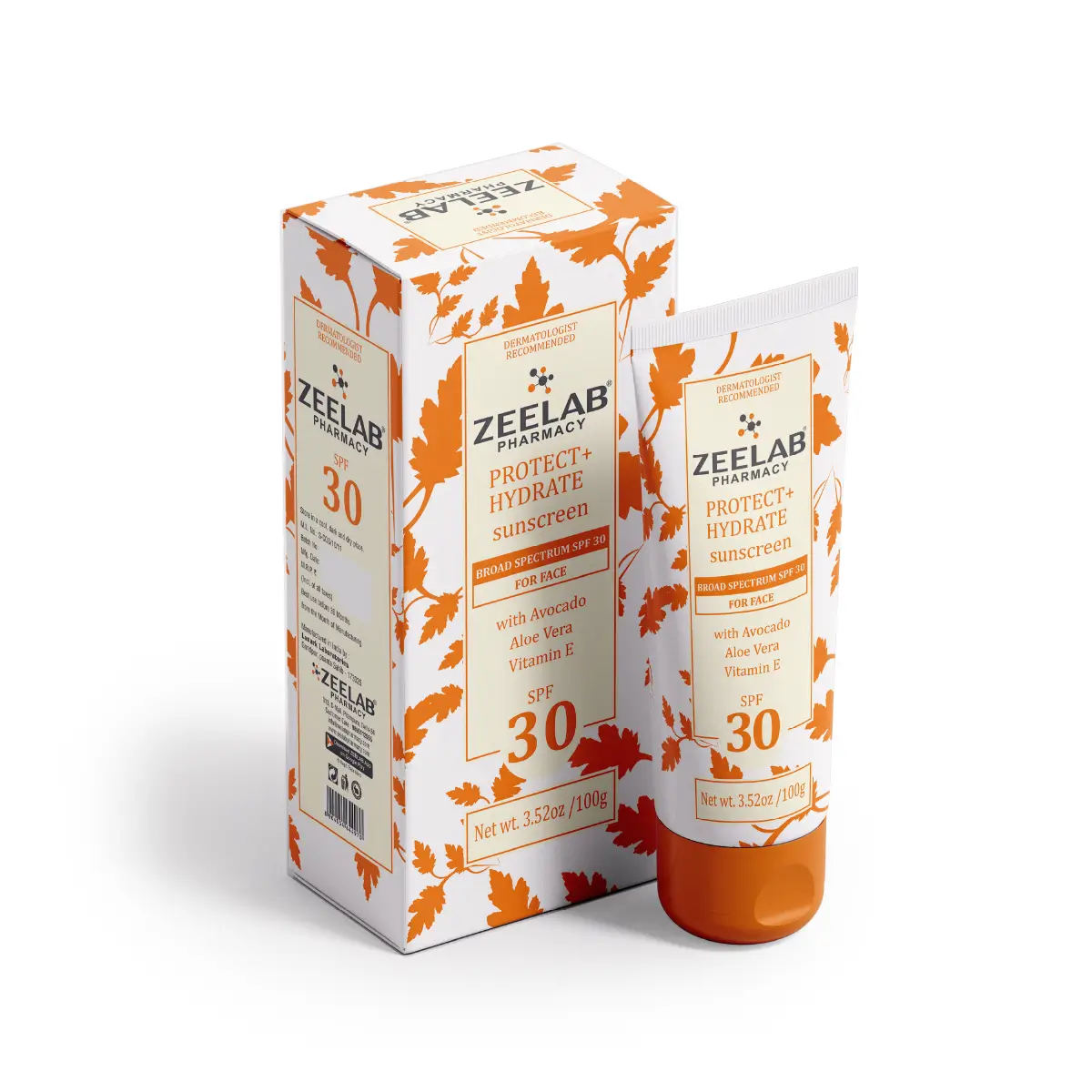
A lightweight broad-spectrum SPF 30 sunscreen for monsoon that protects skin from UV rays of the sun.
- Composition: Avocado Extract + Aloe Vera + Vitamin E + Vitamin C + Vitamin A + Shea Butter + Calamine + D-Panthenol + Titanium Dioxide
- Benefits: Helps protect skin from daily UVA and UVB exposure.
- Suitable Skin Type: Normal, combination, and oily skin
Sunscreen SPF 50+
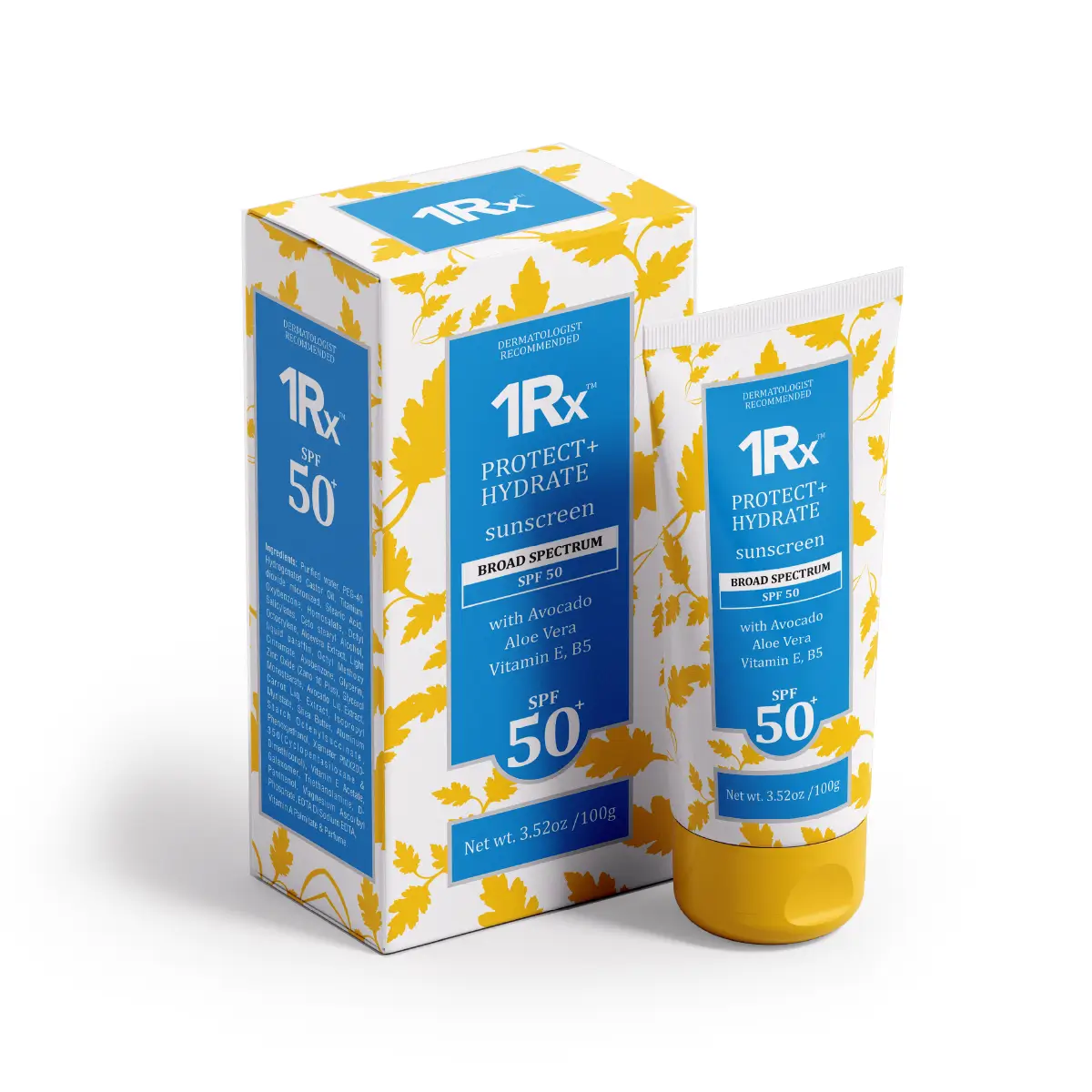
An SPF 50+ sunscreen formulated to provide broad-spectrum UV protection during prolonged outdoor exposure in the monsoon.
- Composition: Avacado + Aloevera + Vitamin E
- Benefits: Provides enhanced sun protection during prolonged outdoor activities.
- Suitable Skin Type: All skin types, especially frequent outdoor users
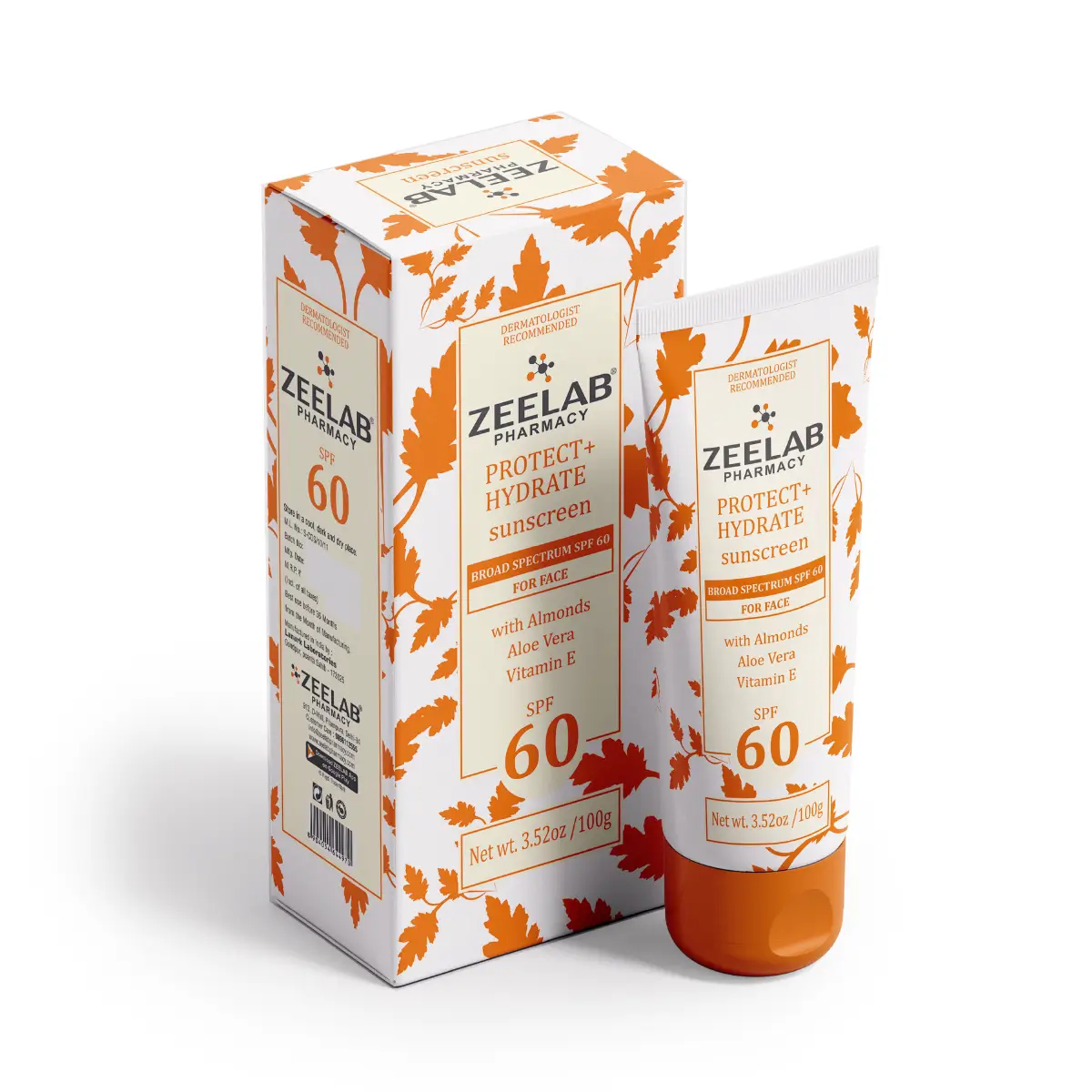
Sunscreen Lotion SPF 60
A lightweight sunscreen lotion that shields skin from harmful UV rays in the wet season.
- Composition: Purified Water + Homosalate + Octocrylene + Oxybenzone + Octisalate + Titanium Dioxide + Avobenzone + Aloe Vera + Glycerin + PEG-100 Stearate + Glyceryl Stearate + Almond Oil + Dimethicone + Beeswax + Vitamin E + Fragrance
- Benefits: Protects skin while remaining comfortable for daily use in monsoon.
- Suitable Skin Type: Normal, oily, and combination skin
Sunscreen SPF 80+
A high SPF sunscreen lotion that provides broad-spectrum UV protection for everyday monsoon wear.
- Composition: Avocado + Carrot + Vitamin B5 + Vitamin A + Vitamin E + Aloe Vera + Shea Butter
- Benefits: Delivers reliable daily sun protection for regular use.
- Suitable Skin Type: Normal, dry, and combination skin
How to Apply Sunscreen Correctly in the Rainy Season
Even the best sunscreen won’t be effective if you don’t apply it properly. The correct amount used at the right time will help protect from UV rays during the monsoon.
- Cleanse and moisturise your face.
- Use the two-finger rule for the face and neck.
- Apply 15 to 20 minutes before going outdoors.
- Use sunscreen before makeup.
- Cover the neck, ears, and hands.
Common Sunscreen Mistakes During Monsoon
Sometimes we make common mistakes like skipping sunscreen, using too little, choosing the wrong ones, or not reapplying. Avoid making these mistakes, or it will affect the sunscreen’s effectiveness.
- Skipping sunscreen on overcast days
- Applying too little
- Forgetting to reapply
- Focusing only on SPF
- Ignoring the PA rating
- Using heavy winter formulations
- Using expired sunscreen
Also Read: Best Sunscreen for Summer in India
Should You Reapply Sunscreen During Rainy Season?
Yes, you should definitely reapply sunscreen during the rainy season. The increased humidity during this time can cause sweating, or getting caught in rain can wash away the sunscreen you applied. Reapply:
- Every 2–3 hours outdoors
- After heavy sweating
- After getting wet in the rain
- At least once during long indoor days near windows
How to Layer Sunscreen with Your Monsoon Skincare Routine
The order in which you apply skincare products has a huge impact on the results. A face wash, moisturiser, a serum and sunscreen are the most common products of a skincare routine.
The correct order of using them should be:
- Face wash
- Serum
- Moisturiser
- Sunscreen
When Should You See a Dermatologist?
Sun protection can help safeguard healthy skin, but some skin conditions require professional care.
If you continue to experience the following symptoms even after regular sunscreen use, see a dermatologist for a full checkup and therapy.
- Stubborn pigmentation
- Excessive tanning
- Sun allergy
- Light sensitivity
- Repeated sunburn or rashes on the skin
Conclusion
A sunscreen is used for protection from the harmful UV rays of the sun. Some people use sunscreen only during the summer, but applying sunscreen, even during the cloudy days of monsoon, is equally important.
UV rays can pass through the clouds and cause skin damage. Keep your skin type in mind and use a good sunscreen with SPF 30+, PA rating, and the right texture to shield your skin from the harmful effects of UV rays.
Frequently Asked Questions (FAQs)
Ans.For daily monsoon use, Zeelab Sunscreen Lotion SPF 50 Plus is a great choice, offering broad-spectrum protection with a lightweight, comfortable formula suitable for humid weather.
Ans.For oily skin during monsoon, Zeelab Sunscreen Lotion SPF 60 is a suitable choice because its lightweight formula feels comfortable without leaving excessive greasiness.
Ans.Yes. Sunscreen is essential during monsoon because UVA and some UVB rays can penetrate clouds and still damage your skin.
Ans.Yes. You should use sunscreen every day during the rainy season, even if it's cloudy or raining, to protect against harmful UV rays.
Ans.No. Clouds only reduce some ultraviolet radiation. Most UVA rays and a portion of UVB rays still reach your skin through cloud cover.
Ans.Yes. Wearing sunscreen indoors is recommended if you sit near windows or receive natural daylight, as UVA rays can pass through glass.
Ans.Apply sunscreen after your moisturiser and before makeup. It should always be the final skincare step to create an effective protective barrier.
Ans.Yes. Reapply sunscreen every two to three hours when outdoors and after excessive sweating or rain exposure to maintain consistent sun protection.
Ans.SPF 30 is sufficient for everyday use, while SPF 50 is better for prolonged outdoor activities, sensitive skin, or extended sun exposure during rainy days.
Ans.PA+++ or PA++++ is best for the monsoon because it provides high UVA protection, helping reduce tanning, pigmentation, and signs of premature skin ageing.
Purified Water + Homosalate + Octocrylene + Oxybenzone + Octisalate + Titanium Dioxide + Avobenzone + Aloe Vera + Glycerin + PEG-100 Stearate + Glyceryl Stearate + Almond Oil + Dimethicone + Beeswax + Vitamin E + Fragrance
100gm In 1 Tube
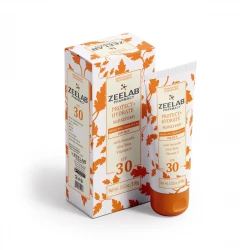
Avocado Extract + Aloe Vera + Vitamin E + Vitamin C + Vitamin A + Shea Butter + Calamine + D-Panthenol + Titanium Dioxide
100gm In 1 Tube
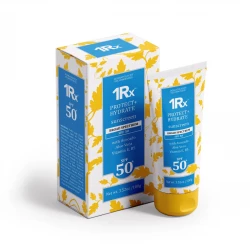
Avacado + Aloevera + Vitamin E
100gm in 1 Tube
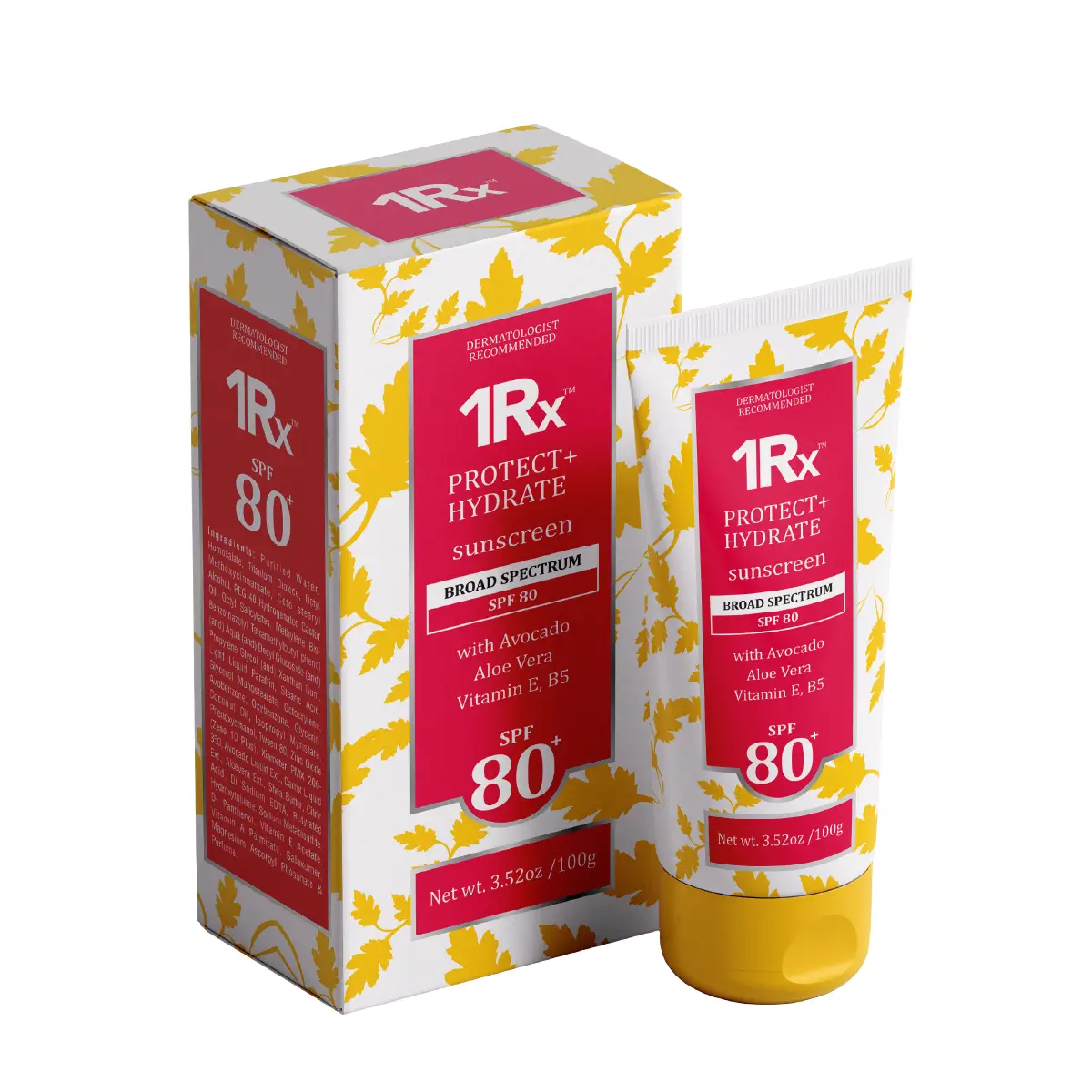
Avocado + Carrot + Vitamin B5 + Vitamin A + Vitamin E + Aloe Vera + Shea Butter
100gm In 1 Tube
References
Recent Blogs





Disclaimer : Zeelab Pharmacy provides health information for knowledge only. Do not self-medicate. Always consult a qualified doctor before starting, stopping, or changing any medicine or treatment.
Related Products


₹ 0
0
Items added
Quick Links
Categories
Our Policies

Our Socials


Subscribe

2026 Copyright By © Zeelab Pharmacy Private Limited. All Rights Reserved
Our Payment Partners

 Added!