
Best Calcium Tablets for Pregnancy – Bone & Baby Health Support
During pregnancy, a woman’s body requires higher amounts of nutrients to support both her health and the baby’s development. One such essential nutrient is calcium, which plays a vital role in the formation of the baby’s bones, teeth, heart, and muscles, while also helping maintain the mother’s bone strength and reducing the risk of high blood pressure.
A lack of calcium during pregnancy can lead to complications for both the mother and the baby. When dietary intake is not sufficient, calcium supplements are often recommended to meet these increased needs.
This guide covers the importance of calcium during pregnancy, recommended dosage, the right time to take calcium tablets, and important safety tips to ensure a healthy pregnancy.
Why Calcium is Important During Pregnancy?
Calcium is essential during pregnancy as it supports the healthy growth and development of the baby. It helps in forming strong bones and teeth and also plays a key role in the proper functioning of the baby’s heart, muscles, and nervous system, especially during the later stages of pregnancy.
For the mother, adequate calcium intake helps maintain bone strength and prevents calcium loss from her body.
It may also reduce the risk of complications like high blood pressure and supports important functions such as muscle movement and blood clotting, making it vital throughout pregnancy.
Role of Calcium in Fetal Development
Calcium plays a crucial role in the baby’s overall development and supports several vital functions, including:
- Formation of strong bones and teeth
- Proper development of the heart, muscles, and nervous system
- Supporting normal growth and structural development of the fetus
Benefits of Calcium for Pregnant Women
Adequate calcium intake during pregnancy also offers several benefits for the mother, such as:
- Maintains bone strength and prevents bone loss
- Helps reduce the risk of pregnancy-induced hypertension
- Supports muscle function and blood clotting
- Prevents symptoms of calcium deficiency, like cramps and weakness
Also Read: Best Calcium Supplement For Women
Symptoms of Calcium Deficiency in Pregnancy
Calcium deficiency during pregnancy can affect both the mother and the baby. Common symptoms include:
- Muscle cramps or spasms (especially in legs)
- Back pain and bone discomfort
- Weak or brittle nails
- Tooth problems or gum issues
- Fatigue and weakness
- Tingling or numbness in fingers and toes
- Increased risk of high blood pressure during pregnancy
- In severe cases, bone weakness or fractures
Daily Calcium Requirement During Pregnancy
During pregnancy, a woman’s body needs higher amounts of nutrients, including calcium, to support both maternal health and the baby’s development.
Maintaining adequate calcium intake is essential for strong bones, proper fetal growth, and preventing deficiency-related complications.
Trimester-wise Calcium Requirement:
|
Trimester |
Daily Calcium Requirement |
Notes |
|
First Trimester |
~1,000 mg/day |
Basic requirement to support early development |
|
Second Trimester |
~1,000–1,200 mg/day |
Increased need as the baby’s bones start developing rapidly |
|
Third Trimester |
~1,000–1,300 mg/day |
The highest requirement is due to maximum bone mineralisation in the fetus |
Note: The exact calcium requirement may vary depending on age, diet, and individual health conditions. Always consult your doctor for personalised recommendations.
What Happens if Calcium Levels are Low in Pregnancy?
Low calcium levels during pregnancy can affect both the mother and the developing baby, leading to several health complications if not addressed on time.
Effects on Mother
- Muscle cramps and weakness
- Back pain and bone discomfort
- Increased risk of high blood pressure and preeclampsia
- Weak bones with long-term deficiency
Effects on Baby
- Poor bone and teeth development
- Low birth weight
- Risk of delayed growth
Natural Sources of Calcium for Pregnant Women
Apart from taking supplements, if you also include natural food sources in your diet, the results can become even better. Some of the best calcium-rich foods are listed below.
- Dairy products like milk, curd, cheese, paneer
- Dark green vegetables like spinach, kale, broccoli
- Seeds and nuts like almonds, sesame, and chia
- Ragi and whole grains
- Tofu and soy products
- Calcium-fortified food items like cereal and juices
- Dried fruits like figs, raisins
- Pulses like chickpeas and kidney beans
Who Needs Calcium Supplements During Pregnancy?
Not all pregnant women require calcium supplements, but certain conditions and dietary gaps can increase the need for additional intake. In such cases, supplements may be recommended to meet the body’s higher calcium demands during pregnancy.
You may need calcium supplements if you have:
- Low calcium intake from the diet
- Diagnosed with calcium deficiency
- Teenage pregnancy (higher nutritional needs)
- Lactose intolerance or limited dairy consumption
- Vitamin D deficiency (affects calcium absorption)
- Twin or multiple pregnancy
- Doctor’s recommendation based on health condition
Tip: Always consult your doctor before starting calcium supplements to ensure the right dosage and safety.
When to Start Taking Calcium Tablets During Pregnancy?
Calcium supplements should be started at the right time during pregnancy to ensure proper fetal development and maternal health. The exact timing may vary based on individual needs and your doctor’s advice.
General Recommendations:
- Usually advised from the second trimester, when the baby’s bone development increases rapidly
- May be started earlier if there is low dietary intake or calcium deficiency
- Often prescribed along with Vitamin D3 to improve calcium absorption
- Should be taken separately from iron supplements (maintain at least a 2-hour gap)
- Always follow your doctor’s guidance for the correct dosage and timing
Note: Do not self-medicate—consult your physician for personalised recommendations.
Best Time to Take Calcium Tablets During Pregnancy
Taking calcium tablets at the right time is important for better absorption and effectiveness.
Proper timing helps support the baby’s growth while maintaining the mother’s bone strength and overall health.
Recommended Timing & Tips
|
Recommendation |
Details |
|
Timing with meals |
Take calcium tablets after meals to improve absorption and reduce stomach discomfort |
|
Best time of day |
Prefer morning or afternoon; avoid taking them late at night |
|
Dose division |
Split into smaller doses if taking higher amounts for better absorption |
|
With iron supplements |
Do not take calcium and iron together; maintain at least a 2-hour gap |
|
With Vitamin D |
Take along with Vitamin D (if advised) to enhance absorption |
How to Improve Calcium Absorption Naturally During Pregnancy
Getting enough calcium is important, but proper absorption is equally essential during pregnancy. Here are simple ways to improve calcium absorption naturally:
- Take with Vitamin D3: Sunlight exposure or supplements help your body absorb calcium better
- Avoid Tea/Coffee Around Intake: Caffeine can reduce calcium absorption
- Maintain Gap with Iron: Keep at least a 2-hour gap between calcium and iron supplements
- Eat Magnesium-rich Foods: Nuts, seeds, and whole grains support calcium metabolism
- Stay Active: Light exercise helps improve bone strength and calcium utilization
- Split Doses: Smaller doses are absorbed better than a single high dose
Tip: Combining the right diet with proper supplement timing ensures maximum benefit for both mother and baby.
Recommended Calcium Tablet Dosage in Pregnancy
The dosage of calcium in pregnant women varies depending on the amount recommended per day, the calcium tablet dosage during pregnancy, and its correct administration to ensure proper supplement intake and advantages.
|
Aspect |
Details |
|
Standard Dose |
Most tablets contain 500–600 mg elemental calcium; usually, 1–2 tablets daily are prescribed |
|
Daily intake |
Typically, one or two tablets per day, based on individual requirements |
|
When to Take |
Take after meals for better absorption and to reduce stomach discomfort |
|
Dose Division |
Split doses if taking more than one tablet for improved absorption |
|
Doctor’s Advice |
Always follow your doctor’s recommended dose and timing |
Types of Calcium Supplements for Pregnancy
Different types of calcium supplements can be taken during pregnancy, each having its own advantages depending on how easily it is absorbed by the body.
|
Type of Calcium Supplement |
Key Features |
Best For |
|
Calcium is high; it can be taken with meals |
Used for general purposes, an affordable choice |
|
|
Highly absorbable; can be taken without meals |
Digestion issues, insufficient stomach acid production |
|
|
Enhances absorption of calcium |
Good for bone density and fetal growth |
|
|
Calcium + Magnesium & Zinc |
Helps muscles and nourishment |
Nutritional supplements advantages |
|
Calcium + Folic Acid/Multivitamins |
Contains several nutrients |
Meeting combined nutritional needs |
|
Liquid Calcium (Syrup/Drops) |
Very easy to take |
Trouble ingesting tablets |
Best Calcium Tablets Recommendation for Pregnancy in India by Zeelab Pharmacy
With many options available, choosing the right calcium tablet during pregnancy is important to meet your daily nutritional needs and support overall health.
Below are some carefully selected calcium supplements that may help maintain adequate calcium levels during pregnancy.
Calvirich Calcium 500 Tablet
Calvirich Calcium Tablet helps meet calcium requirements in pregnancy, supporting bone strength and fetal development with added vitamin D3 for better calcium absorption and overall health.
- Composition: Calcium Carbonate (1250 mg equivalent to Elemental Calcium 500 mg) + Vitamin D3 (250 I.U)
- Benefits: Supports strong bones, improves calcium absorption, reduces deficiency risk, aids fetal development.
Calvirich Orotate 500 Tablet
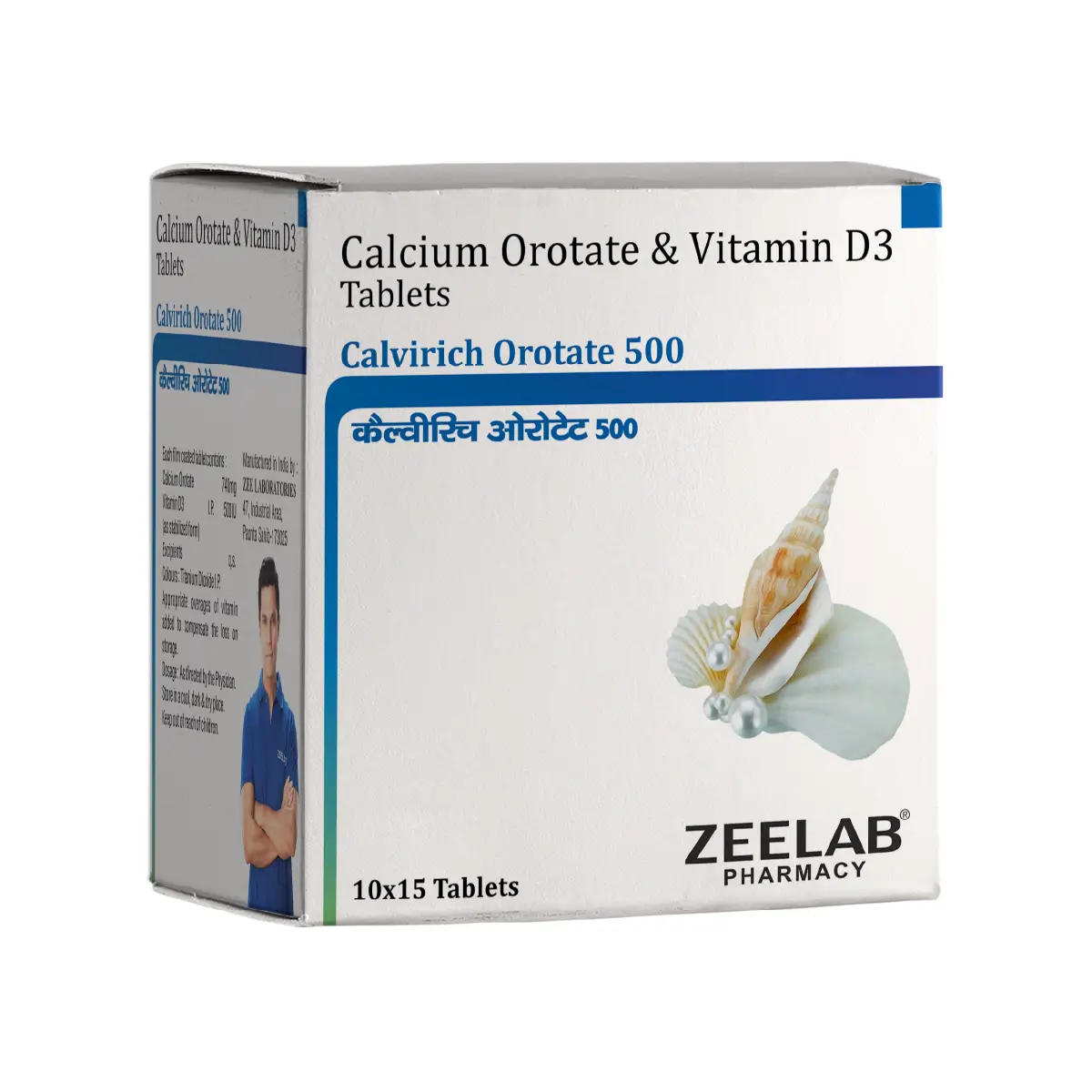
Calvirich Orotate 500 Tablet is a calcium and vitamin D3 supplement useful for pregnant women, elderly individuals, and those with low calcium intake, supporting bone health and overall calcium balance.
- Composition: Calcium Orotate (740 mg) + Vitamin D3 (500 IU)
- Benefits: Improves calcium absorption, strengthens bones, supports muscles, prevents deficiency, and enhances overall skeletal health.
Calvirich Orotate 1000 Tablet
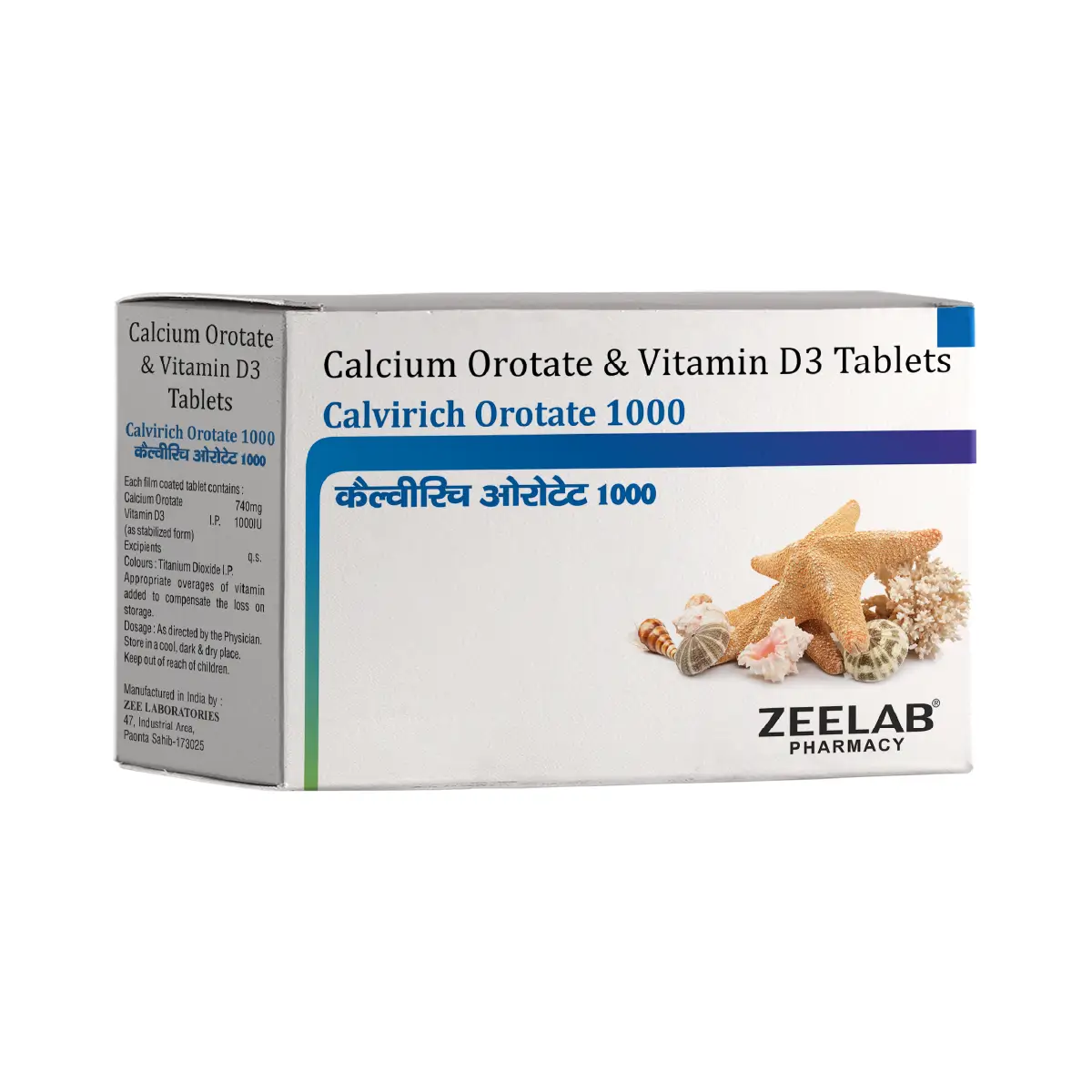
Calvirich Calcium Orotate 1000 Tablet is a calcium supplement commonly used to address calcium deficiency in pregnancy and other conditions requiring increased calcium intake and nutritional support.
- Composition: Calcium Orotate (740mg) + Vitamin D3 (1000IU)
- Benefits: Enhances absorption, strengthens bones, maintains calcium levels, supports joints and overall bone health.
Travocal F Calcium Supplement Tablet
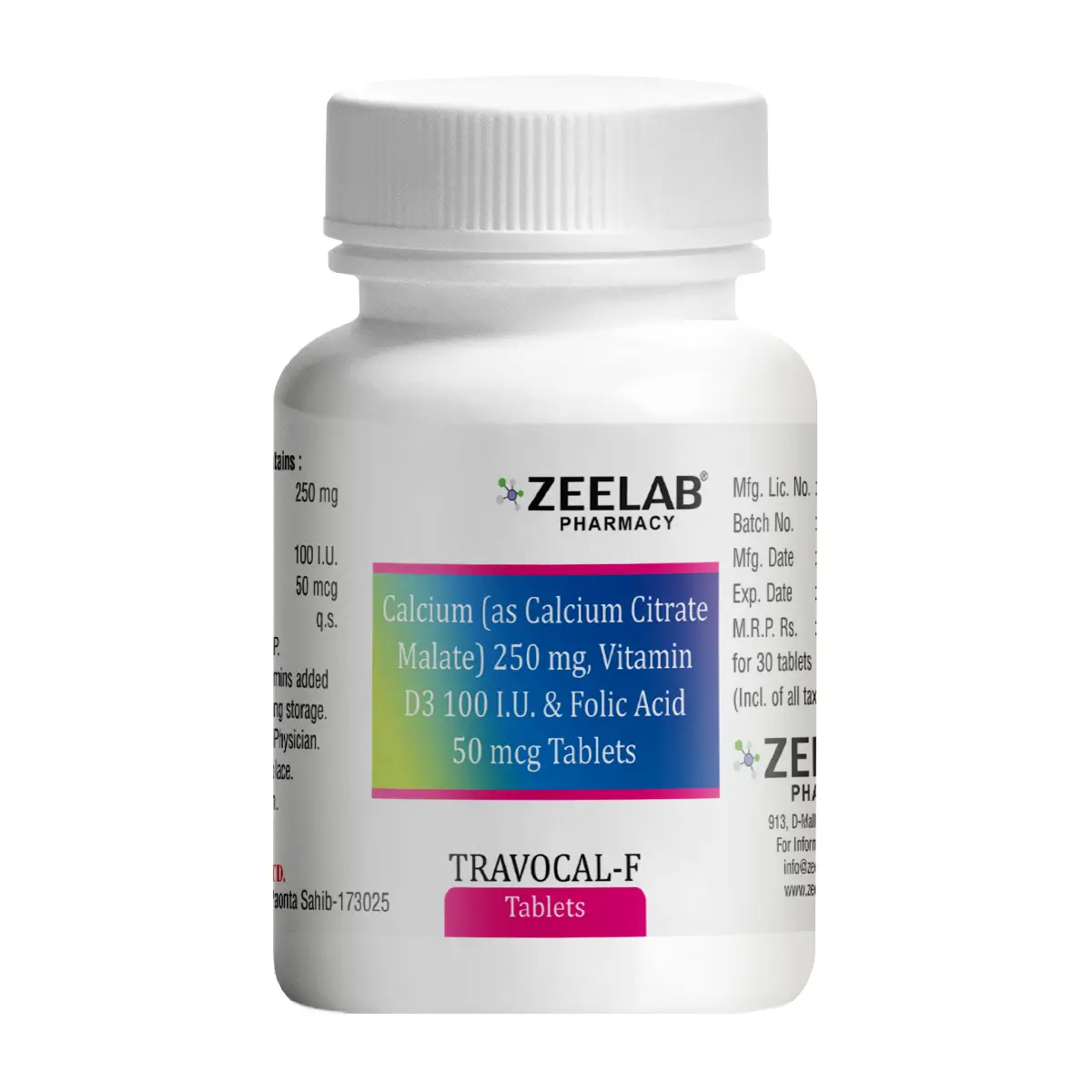
Travocal F Calcium Supplement Tablet is a combination of calcium, vitamin D3, and folic acid, commonly used to support nutritional needs in pregnancy and manage calcium deficiency conditions.
- Composition: Elemental Calcium ( As Calcium Citrate Malate) (250mg) + Vitamin D3 100 IU + Folic Acid (50mcg)
- Benefits: Supports bone health, improves calcium absorption, aids red blood cell formation, and maintains nutritional balance.
Calvirich 123 Tablet
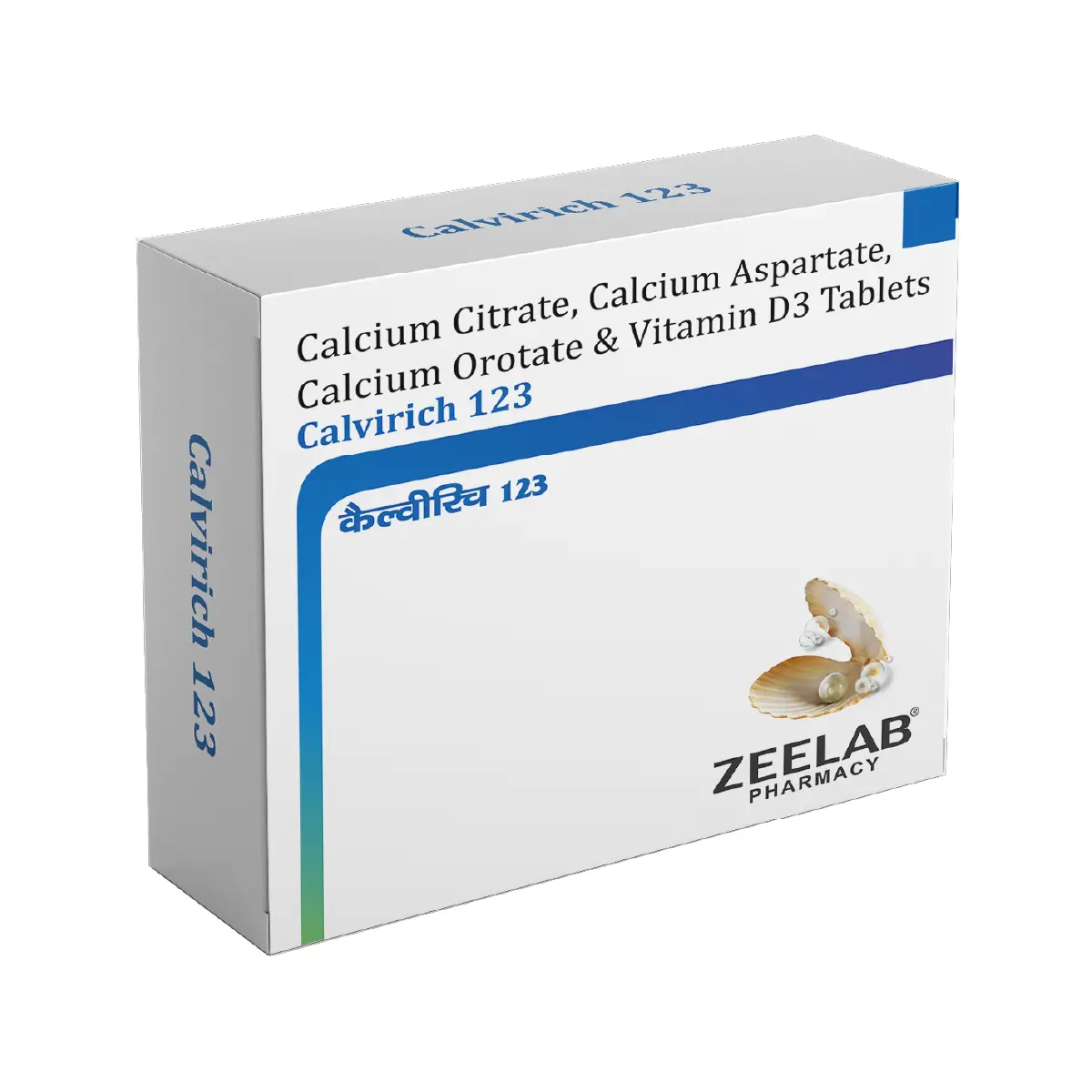
Calvirich 123 Tablet is a combination calcium supplement containing multiple calcium salts and vitamin D3, commonly used where increased calcium intake and nutritional support are required.
- Composition: Calcium Citrate (750mg) + Calcium Aspartate (500mg) + Calcium Orotate (100mg) + Vitamin D3 (500iu)
- Benefits: Supports bone strength, improves calcium levels, aids muscle function, and enhances overall nutritional balance.
How to Choose the Right Calcium Tablet During Pregnancy?
Choosing the right calcium tablet during pregnancy is essential to ensure proper absorption, meet increased nutritional needs, and support the health of both the mother and the developing baby.
Key Factors to Consider
- Consult Your Doctor: Always seek medical advice, as the dosage depends on your individual health needs
- Check Elemental Calcium: Look for the actual calcium content, not just the compound weight
- Choose the Right Form: Calcium carbonate is best taken with food, while calcium citrate can be taken anytime
- Look for Vitamin D3: Helps improve calcium absorption in the body
- Verify Quality & Purity: Choose trusted brands with proper quality certifications
- Assess Tolerability: Some forms may cause less stomach discomfort than others
- Check for Interactions: Inform your doctor about other medications you are taking
- Read Labels Carefully: Understand serving size and total daily intake
- Consider Budget & Availability: Select an affordable option that is easily available
Benefits of Calcium Tablets During Pregnancy
Women may get the following benefits by taking the right calcium tablet dose during pregnancy:
- Strong Bones & Teeth for Baby: Helps develop strong bones and good teeth formation, particularly in later stages of pregnancy.
- Prevents Maternal Bone Loss: Calcium ensures that there is no loss of calcium in the mother's bones.
- Reduces Risk of Preeclampsia: Proper intake of calcium may reduce the chances of suffering from high blood pressure complications.
- Supports Heart, Muscles & Nerves: Supports proper functioning of the heart, contraction of muscles, and the working of nerves.
- Helps in Blood Clotting: Important in aiding blood clots that occur during childbirth.
- Prevents Deficiency Symptoms: Helps prevent cramps, tiredness, and fatigue due to calcium deficiency.
Safety Tips for Taking Calcium Tablets
Taking calcium tablets correctly during pregnancy is important to ensure safety and effectiveness. Following the right practices can help maximise absorption while reducing the risk of side effects or interactions.
- Follow Doctor’s Advice: Take supplements only as prescribed by your healthcare provider
- Do Not Exceed Dosage: Stick to the recommended amount; excess intake may cause side effects
- Take With Food: Helps improve absorption and reduces stomach discomfort
- Maintain a Gap with Iron: Keep a few hours gap between calcium and iron supplements
- Monitor Side Effects: Consult your doctor if you experience discomfort or unusual symptoms
- Check Ingredients: Avoid supplements with unnecessary additives or excessive Vitamin D
- Track Total Intake: Include calcium from both diet and supplements to avoid overdose
- Store Properly: Keep tablets in a cool, dry place and away from children
- Avoid Drug Interactions: Inform your doctor about any other medications you are taking
- Choose Trusted Brands: Opt for quality-tested and reliable supplements
What to Avoid While Taking Calcium Supplements
Certain foods, medications, and habits can interfere with calcium absorption. Avoiding these can help improve effectiveness and ensure safe use during pregnancy.
- Taking calcium with iron supplements: Both nutrients compete for absorption; maintain at least a 2-hour gap
- Excess caffeine intake: Tea and coffee can reduce calcium absorption
- High-oxalate foods around intake: Foods like spinach and beetroot may interfere if consumed at the same time
- Skipping Vitamin D: Low Vitamin D levels can reduce calcium absorption
- Overdosing: Taking more than the recommended amount without medical advice can cause side effects
- Certain medications: Some antibiotics and thyroid medicines may interact with calcium
- Ignoring kidney issues: Pre-existing kidney conditions should be discussed with a doctor before supplementation
- Using unverified brands: Avoid low-quality or non-prescribed supplements
Side Effects of Calcium Tablets During Pregnancy
Calcium tablets are generally safe during pregnancy when taken as recommended. However, in some cases—especially with higher doses or improper use—mild side effects may occur.
- Constipation or bowel discomfort
- Bloating and gas (flatulence)
- Nausea or stomach irritation
- Increased risk of kidney stones (with excessive intake)
- Reduced iron absorption (if taken together with iron supplements)
- Rarely, hypercalcemia (high calcium levels due to overuse)
When to Stop Taking Calcium Tablets?
Calcium tablets are usually taken throughout pregnancy and may also be continued after delivery, especially during the breastfeeding period when calcium needs remain high.
Key Points to Consider
- Duration varies: Depends on your diet, calcium levels, and overall health
- Postpartum needs: Calcium may still be required during breastfeeding
- Do not stop suddenly: Always consult your doctor before discontinuing supplements
When to See a Doctor?
Consulting a doctor at the right time is essential to ensure the safe and effective use of calcium supplements during pregnancy and to avoid potential complications.
- Before starting supplements, determine whether you need calcium and the appropriate dosage
- Experiencing side effects: Such as severe stomach pain, persistent constipation, or allergic reactions
- Have existing medical conditions: Including kidney disease, thyroid disorders, or other health concerns
- Unsure about dosage or duration: To get personalised guidance on correct intake
Conclusion
Calcium plays a vital role in ensuring a healthy pregnancy, supporting both the baby’s development and the mother’s well-being. From building strong bones and teeth to reducing the risk of complications, maintaining adequate calcium levels is essential throughout this journey.
Whereas good nutrition is the backbone, dietary supplements may assist in filling the nutritional gaps when required.
With knowledge of proper doses, appropriate timing, and safety measures, you can consume calcium tablets efficiently.
Follow all instructions from the doctor and your body’s requirements for a healthy and comfortable pregnancy period.
Frequently Asked Questions (FAQs)
Ans.Calcium tablets help meet increased nutritional needs during pregnancy. They support the baby’s bone, teeth, and muscle development while protecting the mother’s bone strength and reducing the risk of complications like high blood pressure.
Q. Why are calcium tablets important during pregnancy?
Ans.Most pregnant women need around 1,000 mg of calcium daily, which may increase to 1,300 mg in teenagers. This includes both dietary sources and supplements, depending on individual nutritional intake and medical advice.
Q. How much calcium per day during pregnancy?
Ans.While a balanced diet can provide calcium, many women may still develop a deficiency. In such cases, calcium tablets are recommended to ensure adequate intake.
Q. Are dietary sources of calcium enough during pregnancy?
Ans.A calcium-rich diet helps, but it may not always be sufficient due to increased demands. Consult a doctor to decide if supplements are needed.
Q. Can diet alone meet calcium needs during pregnancy?
Ans.Drinking milk contributes to calcium intake, but it may not fully meet pregnancy requirements. Your doctor may still recommend supplements based on your diet.
Q. Can I skip calcium tablets if I drink milk daily?
Ans.Calcium tablets are usually started in the second trimester when the baby’s bones begin developing rapidly. However, they may be started earlier if needed.
Q. When should I start taking calcium tablets during pregnancy?
Ans.Yes, calcium is generally safe in the first trimester when taken as recommended, especially if there is a deficiency or low intake.
Q. Is calcium safe in the first trimester of pregnancy?
Ans.No, calcium and iron should not be taken together as they interfere with each other’s absorption. Maintain at least a 2-hour gap.
Q. Can I take calcium and iron together?
Ans.Symptoms include muscle cramps, weak bones, fatigue, and an increased risk of high blood pressure. It may also affect the baby’s development.
Q. What are the symptoms of low calcium in pregnancy?
Ans.Calcium tablets may cause mild side effects like constipation, bloating, or nausea. These are usually manageable with proper intake.
Q. Can calcium tablets cause side effects in pregnancy?
Ans.Calcium supplements are typically continued throughout pregnancy and sometimes during breastfeeding. The duration depends on your doctor’s advice.
Q. When should I stop taking calcium tablets in pregnancy?
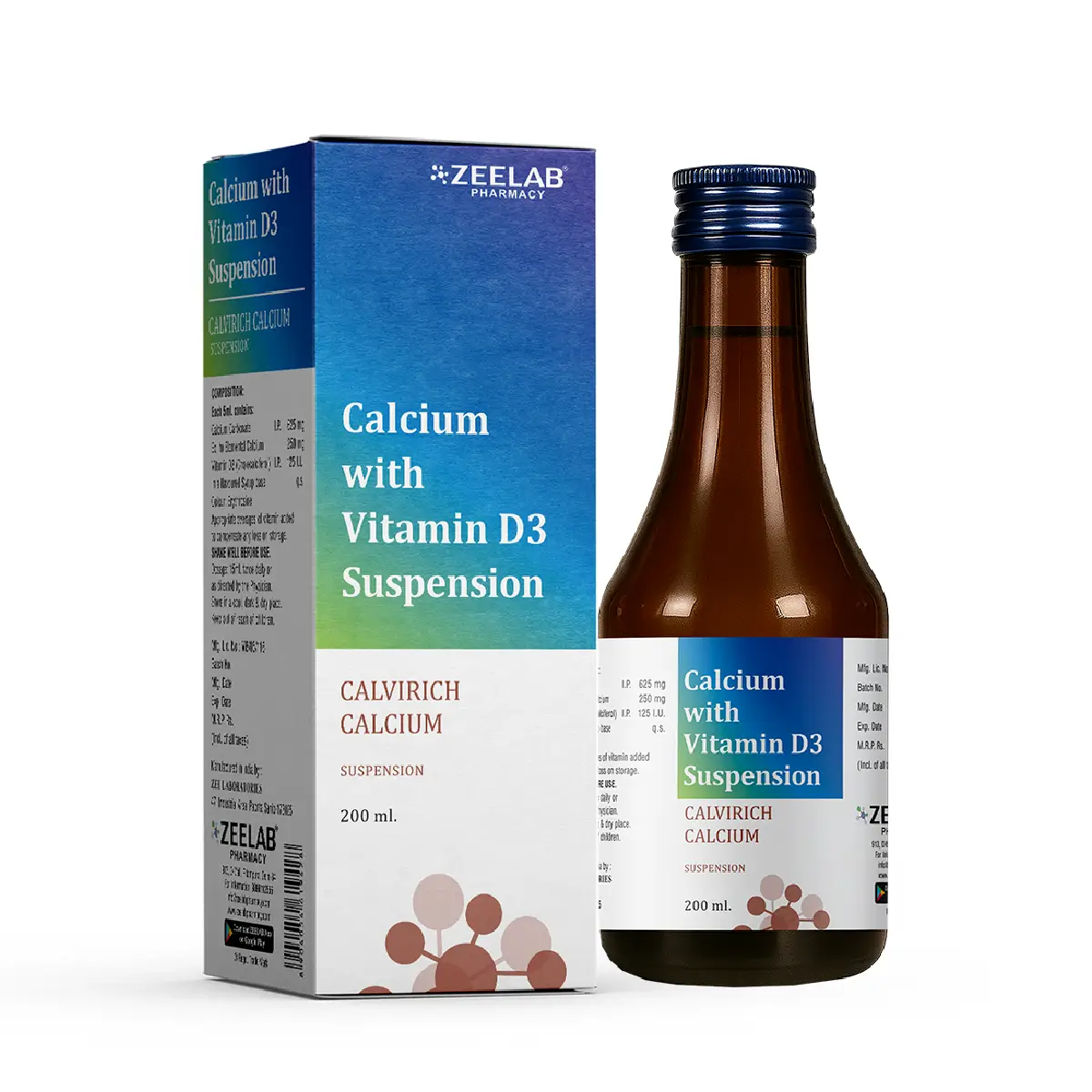
Calcium Carbonate 625 mg (eq. to Elemental Calcium 250 mg) + Cholecalciferol (Vitamin D3) 125 IU
200ml In 1 Bottle
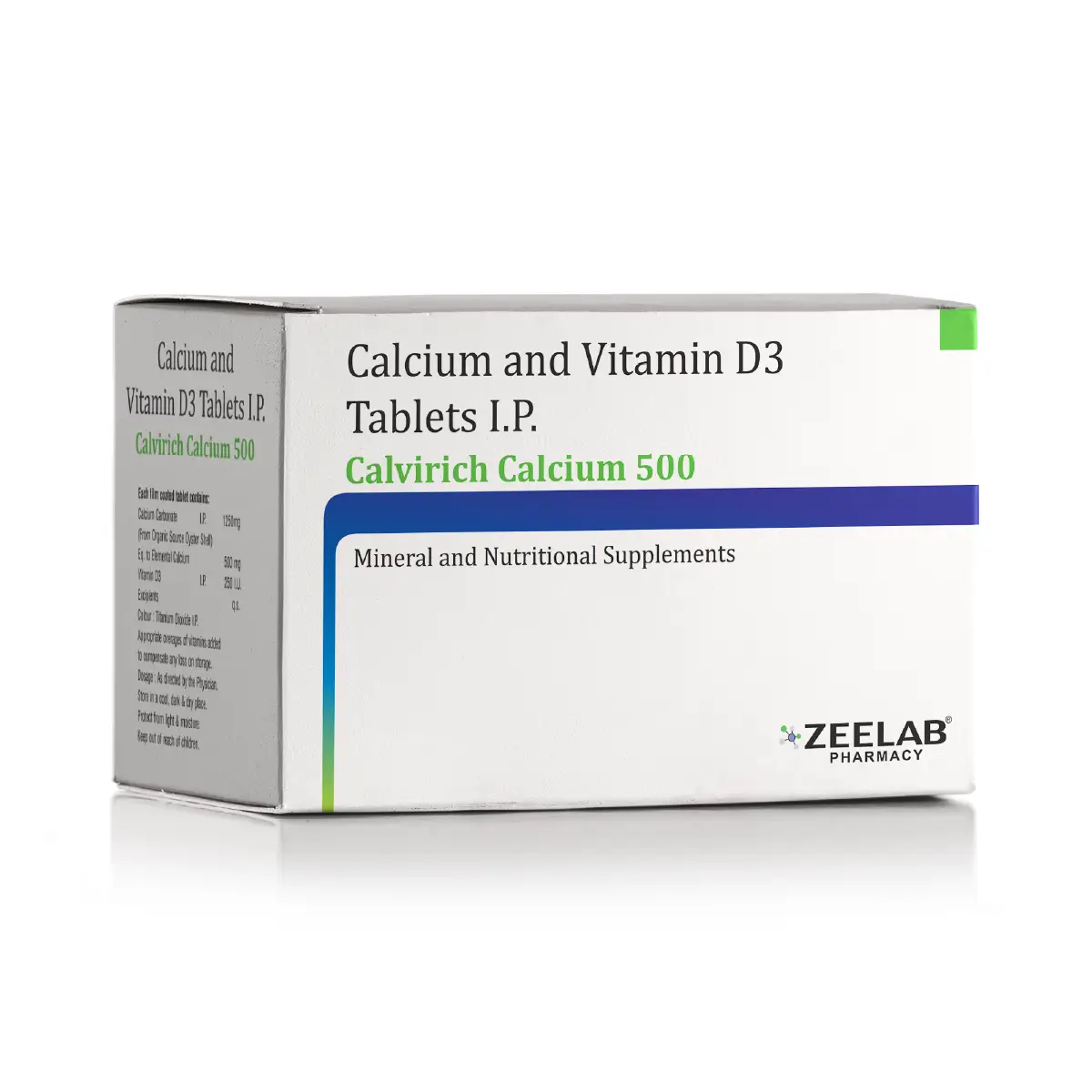
Calcium Carbonate (1250 mg equivalent to Elemental Calcium 500 mg) + Vitamin D3 (250 I.U)
15 Tablets In 1 Strip
References
- https://pmc.ncbi.nlm.nih.gov/articles/PMC5561751/
- https://www.annualreviews.org/content/journals/10.1146/annurev.nutr.20.1.249
- https://academic.oup.com/nutritionreviews/article-abstract/70/7/397/1846543
- https://link.springer.com/article/10.1186/1471-2458-11-s3-s18
- https://pubmed.ncbi.nlm.nih.gov/40731825/
Recent Blogs






Disclaimer : Zeelab Pharmacy provides health information for knowledge only. Do not self-medicate. Always consult a qualified doctor before starting, stopping, or changing any medicine or treatment.
Related Products






 Added!