
Diabetes Medicine Names With Price in India
Among your known ones, there must be at least one person who is diabetic; that's how common this long-term condition is.
Diabetes occurs when the body either doesn’t produce enough insulin or cannot use it effectively, leading to high blood sugar levels.
According to the WHO, the number of people with diabetes has skyrocketed to 830 million, meaning 1 in 7 adults globally now lives with the condition, yet more than half are not getting the medicine they need.
For its management, anti-diabetic medicines play a huge role in maintaining blood sugar under control, especially when lifestyle changes alone are not enough.
As diabetic cases are rapidly increasing in India, affordable treatment has become the need of the hour. Well, the good news is that Zeelab Pharmacy offers several cost-effective and generic medicines for diabetes.
This blog helps you explore the best diabetes medicines in India (with prices), along with all the important things about diabetes that you should know.
What is Diabetes?
Diabetes is a chronic condition in which the body is unable to properly regulate blood sugar (glucose) levels due to insufficient insulin production or the body’s inability to use insulin effectively.
Types of Diabetes and Their Treatment Options
Diabetes affects people in different ways, and its treatment depends on the type and severity of the condition. Each type requires a specific approach to manage blood sugar levels effectively and prevent complications.
Let’s briefly look at the different types of diabetes and their treatment options.
Type 1 Diabetes Treatment
When a person is suffering from Type 1 diabetes, insulin is not produced by the body; therefore, it is necessary to take insulin treatments through injection daily, along with regular blood sugar monitoring and a healthy lifestyle.
Type 2 Diabetes Treatment
In Type 2 diabetes, the body either does not produce enough insulin or does not use it properly, leading to high blood sugar levels.
In comparison to Type 1 diabetes, this one is more common and is usually managed with a healthy diet, regular exercise, weight control, and oral medicines, while insulin may be added if blood sugar is not well controlled.
Gestational Diabetes Treatment
Diabetes during pregnancy is a condition where a woman develops high blood sugar. It usually happens due to hormonal changes and often goes away after delivery, but it needs proper care during pregnancy.
Treatment of gestational diabetes includes a healthy diet, regular exercise, blood sugar monitoring, and insulin if needed, under a doctor’s supervision.
Do All Diabetes Patients Need Medicine?
Not all diabetes patients need medicine, especially in the early stages of Type 2 diabetes. In some cases, blood sugar can be managed with lifestyle changes, but medicines may be needed to prevent complications.
- Early Type 2 diabetes may be managed with diet and exercise
- Medicines are needed if blood sugar remains high
- Type 1 diabetes requires insulin
- Treatment depends on individual health and condition
Diabetes Medicine Classification
Diabetes medicines are classified based on how they work to control blood sugar levels, with each drug class targeting a different mechanism in the body.
Here’s a simple explanation of common diabetes drug classes:
- Biguanides (Metformin): Helps lower the body's sugar production and increases insulin resistance. Often, the first medicine prescribed for Type 2 diabetes.
- Sulfonylureas: Act on the pancreas to increase insulin secretion.
- DPP-4 Inhibitors: Improve the release of insulin and reduce the excess production of glucose.
- SGLT2 Inhibitors: Assist in eliminating excess sugar through urination.
- Thiazolidinediones: Enhance the sensitivity of the body to insulin, hence increasing its effectiveness.
- Insulin Therapy: Direct administration of insulin due to insufficient production by the body.
How Diabetes Medicines Work in the Body
Diabetes medicines control blood sugar by increasing insulin, improving its use, reducing sugar production in the liver, or removing excess glucose from the body.
|
Mechanism |
What it does |
Example medicines |
|
Increase insulin release |
Stimulates the pancreas to release more insulin |
Glimepiride, Sitagliptin |
|
Reduce glucose production |
Lowers sugar production in the liver |
Metformin |
|
Improve insulin sensitivity |
Helps the body use insulin more effectively |
Pioglitazone |
|
Remove sugar via urine |
Excretes excess glucose through urine |
Dapagliflozin |
Diabetes Medicine Names List in India
Here is a quick overview of commonly prescribed diabetes medicines in India, along with their drug class and how they work to control blood sugar levels. This list of oral hypoglycemic drugs helps you understand different treatment options used in managing diabetes effectively.
Check the commonly used diabetes medicines below:
|
Medicine Name |
Drug Class |
How it Works |
|
Biguanide |
Reduces sugar production in the liver |
|
|
Sulfonylurea |
Increases insulin release |
|
|
DPP-4 Inhibitor |
Boosts insulin after meals |
|
|
SGLT2 Inhibitor |
Removes excess sugar via urine |
|
|
Thiazolidinedione |
Improves insulin sensitivity |
|
|
Insulin (Human/Analogue) |
Insulin Therapy |
Replaces or supplements insulin |
Popular Diabetes Tablets Names with Price in India
This section covers commonly prescribed diabetes tablets in India along with their prices, helping you compare options easily.
It also includes affordable generic medicines, making it easier to find cost-effective treatments without compromising on quality or effectiveness.
|
Product Name |
Salt Name |
Price (For 10 Tablets) |
|
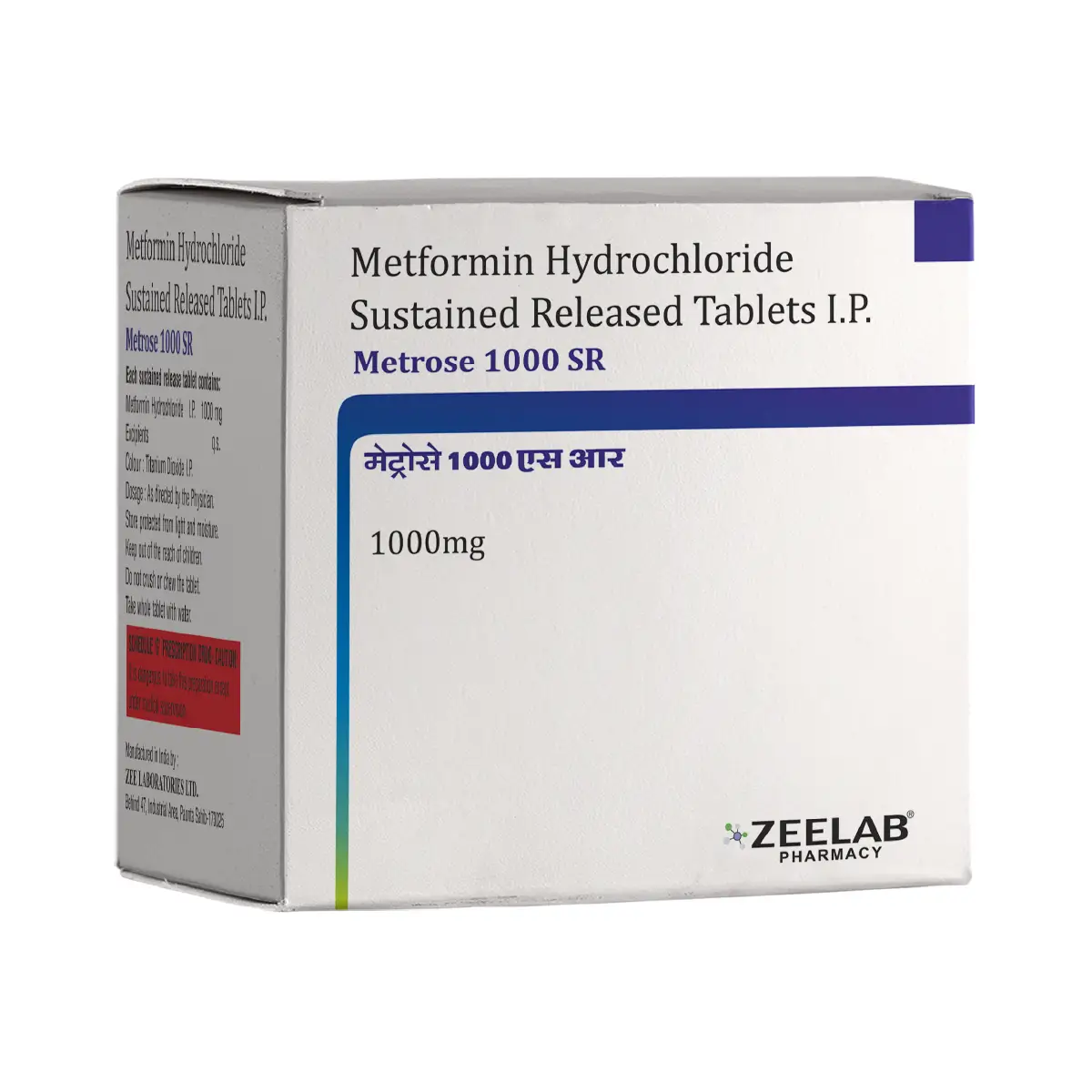
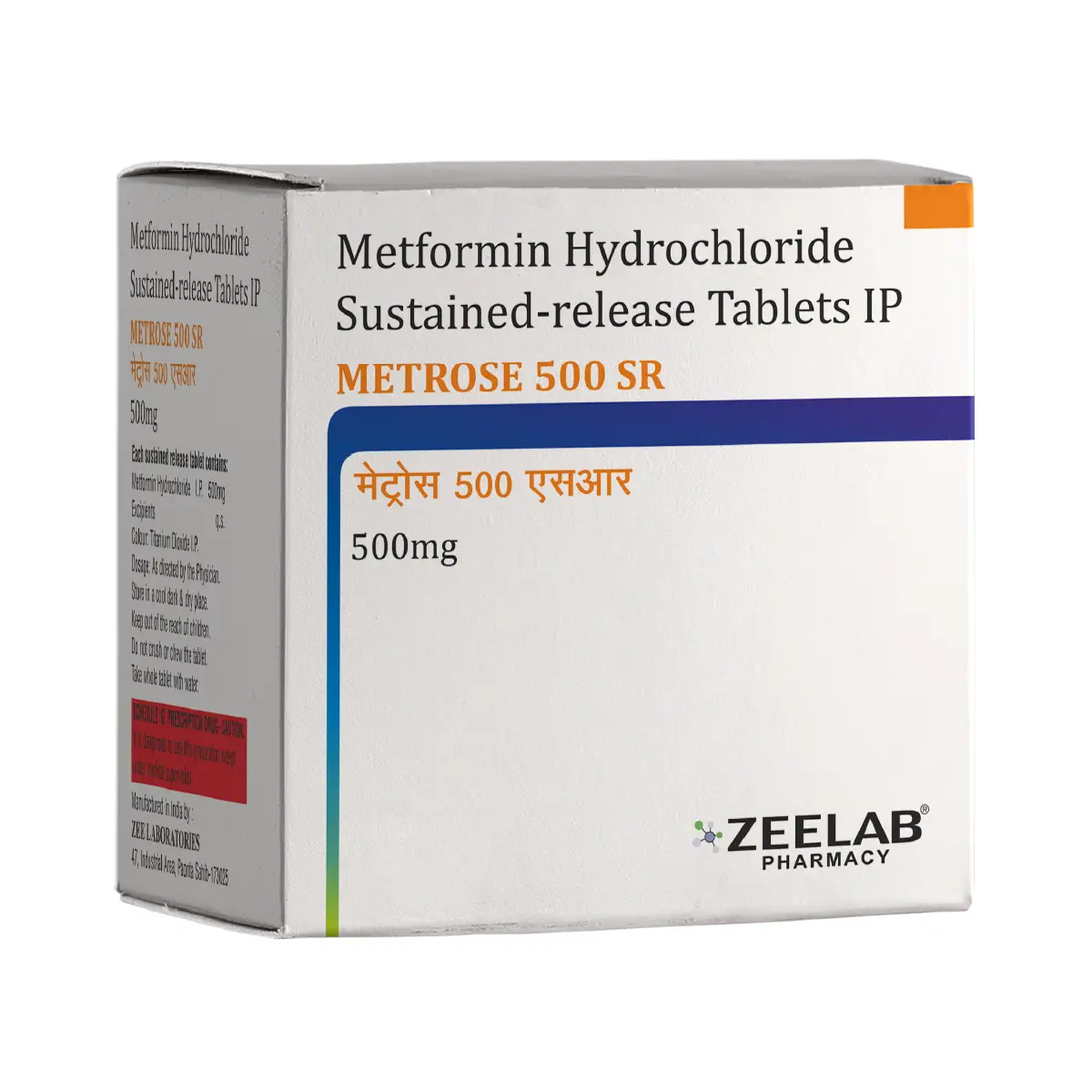
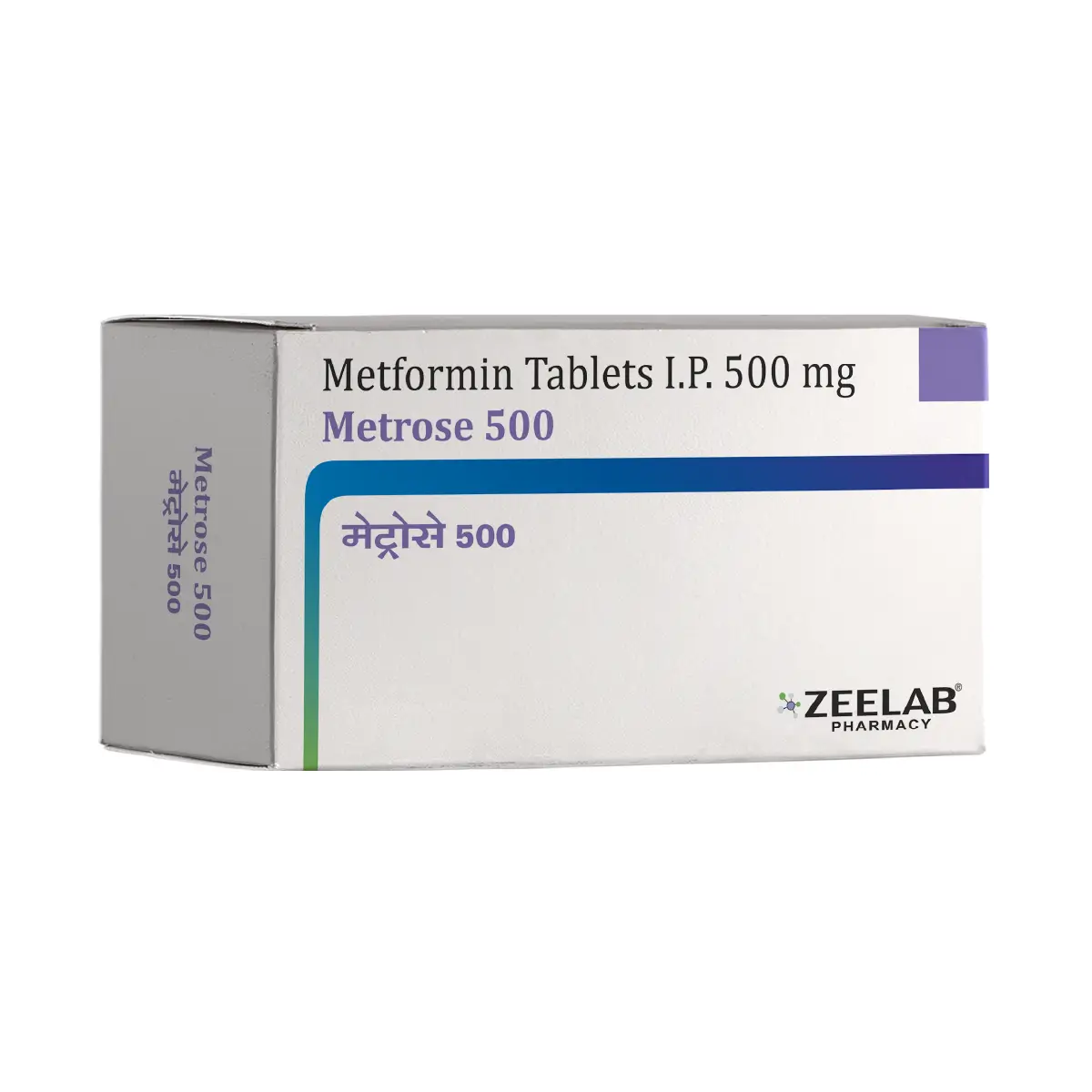
Metrose 500 Tablet |
Metformin (500mg) |
₹7 |
|
Sitazee M 1000 Tablet |
Sitagliptin (50 mg) + Metformin (1000 mg) |
₹60 |
|
Dapazee M 1000 XR Tablet |
Dapagliflozin (10 mg) + Metformin (1000 mg) as Extended Release |
₹115 |
|
Glyzee Trio 1 Tablet |
Glimepiride (1mg) + Metformin (500mg) + Voglibose (0.2mg) |
₹42.5 |
|
Glyzee 2 Tablet |
Glimepiride (2mg) |
₹24 |
|
Dapazee 10 Antidiabetic Tablet |
Dapagliflozin (10mg) |
₹69 |
Metrose 500 Tablet
Metrose 500 is a commonly prescribed 500 mg metformin diabetes tablet, used to manage Type 2 diabetes by helping maintain stable blood sugar levels.
- Composition: Metformin (500mg)
- Benefits: Helps lower blood sugar, improves insulin use, and supports better diabetes control.
Sitazee M 1000 Tablet
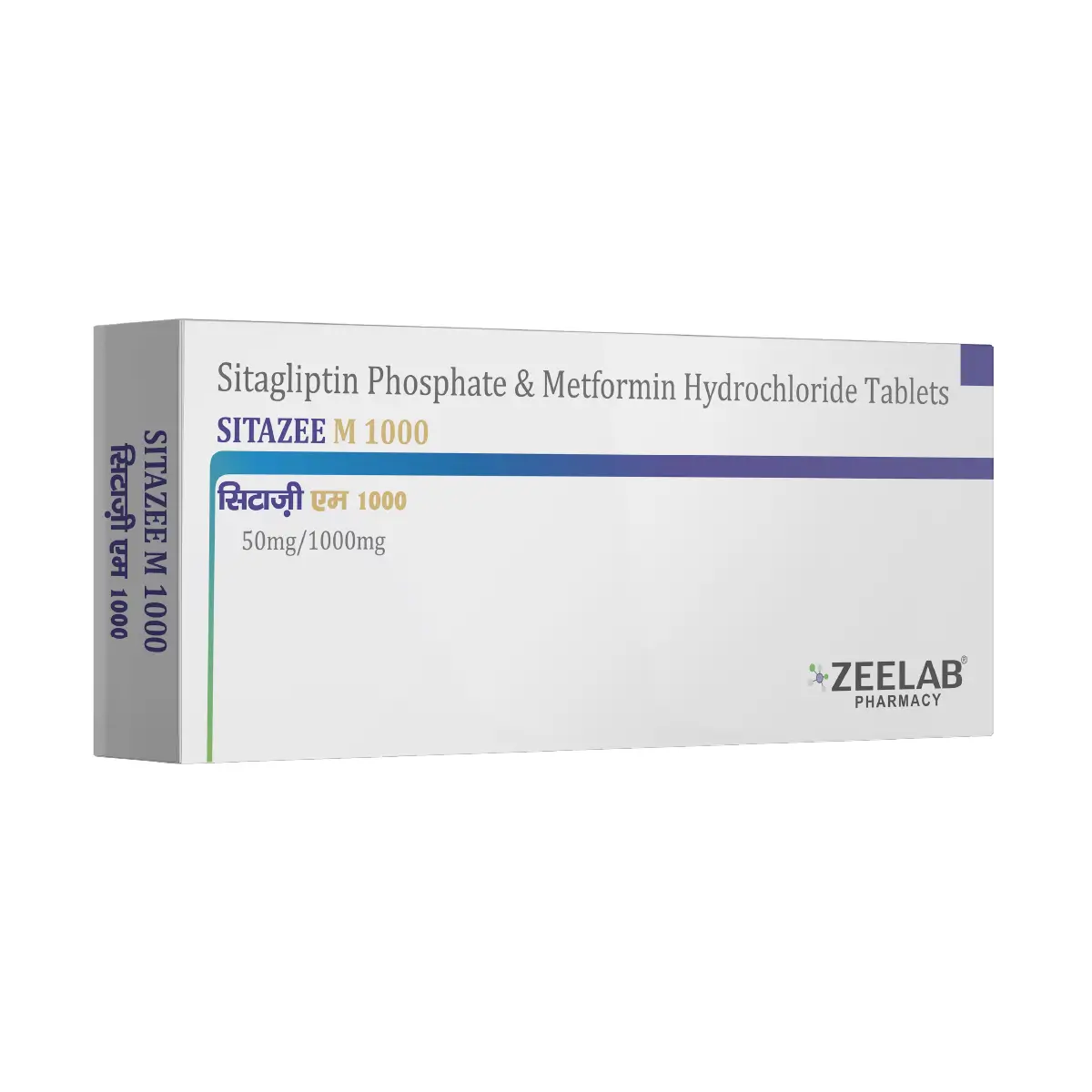
Sitazee M 1000 is one of the commonly used tablets for type 2 diabetes, combining sitagliptin and metformin to help control blood sugar levels effectively.
- Composition: Sitagliptin (50 mg) + Metformin (1000 mg)
- Benefits: Helps control blood sugar, improves insulin release, and supports better glucose management.
Dapazee M 1000 XR Tablet
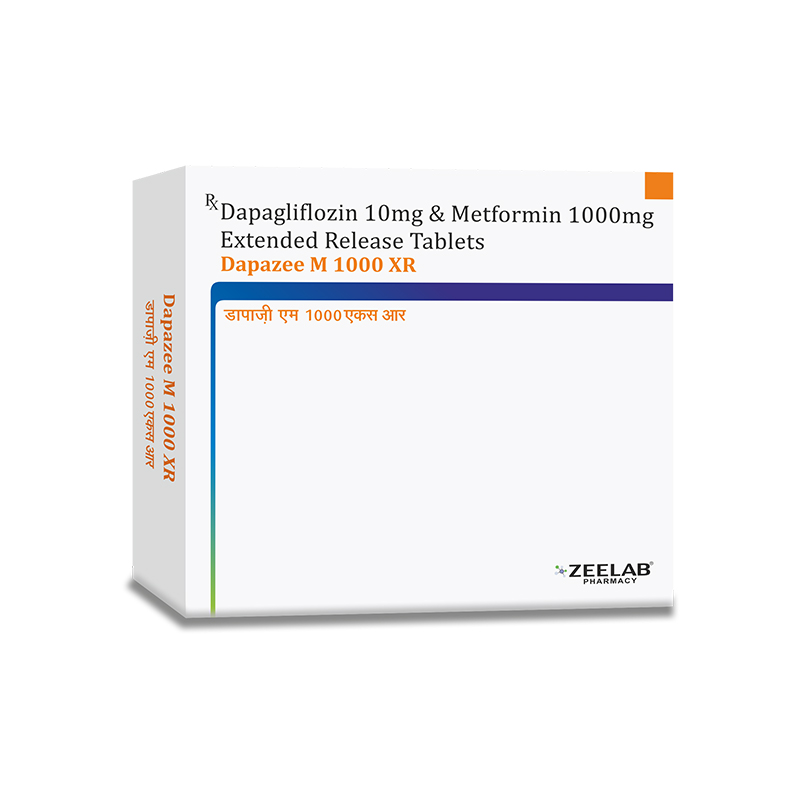
Dapazee M 1000 XR is a commonly prescribed medicine for type 2 diabetes, combining dapagliflozin and metformin to help control blood sugar levels effectively.
- Composition: Dapagliflozin (10 mg) + Metformin (1000 mg) as Extended Release
- Benefits: Helps lower blood sugar, removes excess glucose, and improves insulin sensitivity.
Glyzee Trio 1 Tablet
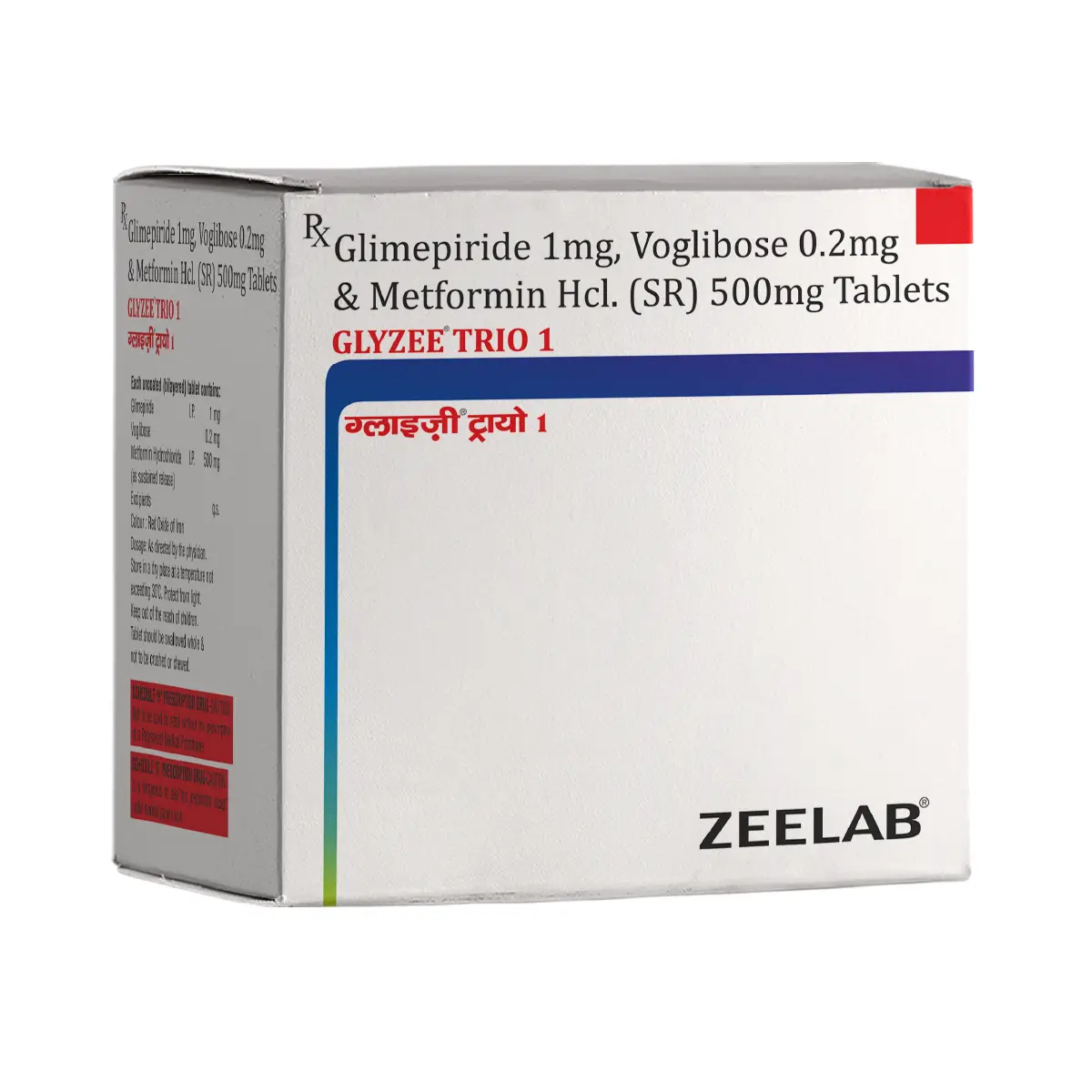
Glyzee Trio 1 is among the commonly used oral diabetes medicines, combining glimepiride, metformin, and voglibose to help control blood sugar levels effectively in Type 2 diabetes.
- Composition: Glimepiride (1mg) + Metformin (500mg) + Voglibose (0.2mg)
- Benefits: Helps control blood sugar, improves insulin action, and reduces post-meal glucose spikes.
Glyzee 2 Tablet
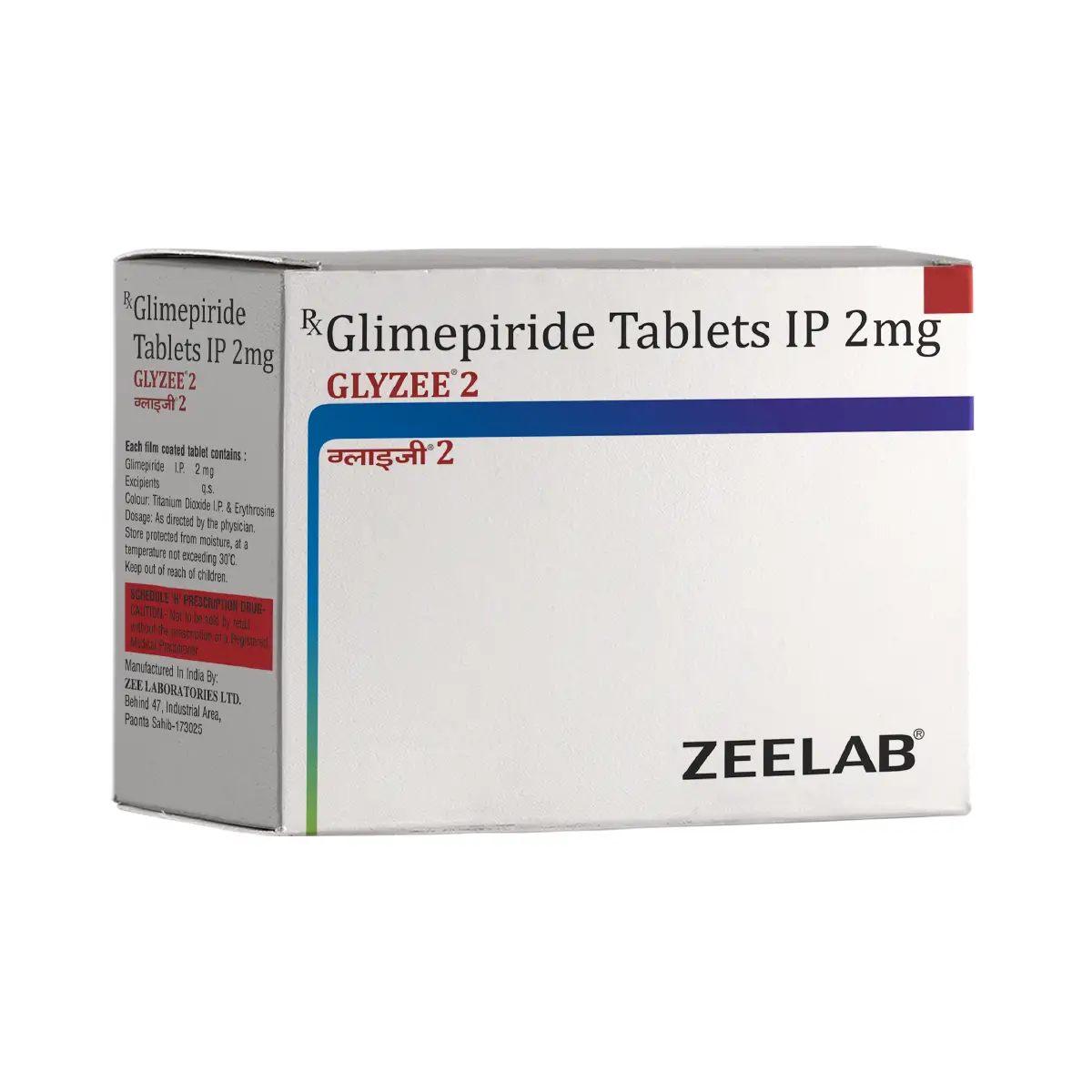
Glyzee 2 is a commonly prescribed diabetes medicine tablet containing glimepiride, used to manage Type 2 diabetes by increasing insulin release and lowering blood sugar levels.
- Composition: Glimepiride (2mg)
- Benefits: Helps lower blood sugar, improves insulin release, and reduces diabetes-related complications.
Dapazee 10 Antidiabetic Tablet
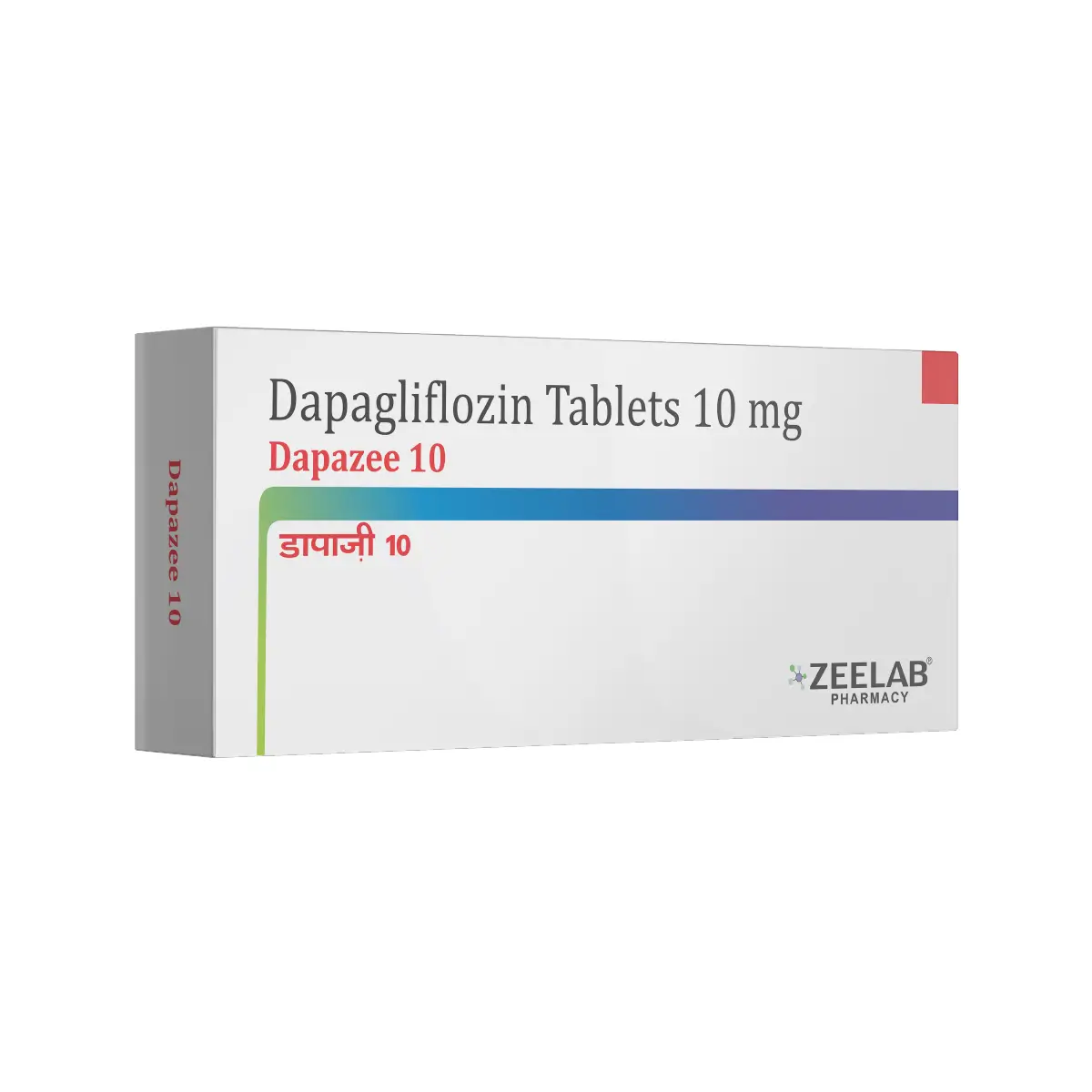
Dapazee 10 is an antidiabetic tablet containing dapagliflozin that helps manage Type 2 diabetes by lowering blood sugar levels through excess glucose removal via urine.
- Composition: Dapagliflozin (10mg)
- Benefits: Helps control blood sugar, supports weight management, and reduces diabetes-related complications.
Best Generic Diabetes Medicines Recommended by Zeelab Pharmacy
The best diabetes medication is dependent on the condition and glucose level of each person. Most doctors prescribe medications based on efficiency and safety.
- Best First-Line Medicine: Metformin is often prescribed as a first-line drug for type 2 diabetes. This drug works to reduce sugar levels and increase insulin efficiency.
- Best Combination Medicines: When metformin is alone ineffective, a combination therapy and second-line diabetes drugs are used for better control. Eg, Metformin + others.
- Latest Diabetes Medicines in India (SGLT2, DPP-4): Newer options like SGLT2 and DPP-4 inhibitors help control sugar with added benefits and fewer side effects in many cases.
Insulin vs Tablets – Which is Better for Diabetes?
Depending on whether one has type 1 or type 2 diabetes and other health-related factors, one can choose to either take insulin or tablets.
|
Factor |
Insulin |
Tablets |
|
Best for |
Type 1 and advanced Type 2 diabetes |
Mostly Type 2 diabetes |
|
How it works |
Replaces or adds insulin directly |
Helps body use insulin better or reduce sugar production |
|
Mode of use |
Injection or insulin pen |
Oral tablets |
|
Speed of action |
Fast and effective |
Gradual effect |
|
Flexibility |
Requires careful dose adjustment |
Easier to take and manage |
|
Risk of low sugar |
Higher risk |
Lower risk (varies by medicine) |
Diabetes Medicine Dosage Guide
Diabetes medicine dosage varies based on blood sugar levels, type of diabetes, and overall health. Always follow your doctor’s prescribed dose and avoid self-adjustment for safe, effective control.
- Start low, adjust gradually: Doctors usually begin with a low dose and increase if needed.
- Common dosage range: Medicines like Metformin are often prescribed between 500 mg and 1000 mg.
- SR / ER tablets: Sustained or extended-release forms are taken once daily for a steady effect and fewer side effects.
- Insulin dosage: Highly individualised and may change based on meals and sugar readings.
How to Choose the Right Diabetes Medicine?
Management of diabetes varies from person to person based on their needs; that's why the medicine used in diabetes is strictly decided by a doctor only.
The following points are considered while choosing an allopathic medicine for diabetes.
- Type of diabetes: Treatment varies between Type 1 and Type 2.
- Blood sugar levels: Determine the extent of treatment required.
- Overall health: Factors such as heart disease or kidney problems influence medication selection.
- Side effects risk: Certain drugs can lead to hypoglycemia or digestive problems.
- Lifestyle: Daily habits, diet, and physical activities matter.
- Cost and affordability: Treatment must be affordable for the long term.
- Insulin timing: Based on its type, some may be taken before meals, while others are taken daily or twice daily.
When to Take Diabetes Medicines?
The correct schedule for taking medications is crucial in maintaining normal glucose levels all day long. While a specific schedule can depend on the medication itself and instructions from a doctor.
- Before meals: Normally taken 15–30 minutes before mealtime to regulate spikes of blood glucose.
- With meals: Improves efficiency and minimises the risk of stomach irritation.
- After meals: Certain drugs have enhanced absorption when taken right after meals.
- Once daily: Should always be taken at the same time daily for consistency.
- Multiple doses: Must be spaced out evenly for consistent blood sugar levels.
Precautions While Taking Diabetes Medicines
It is important to take glucose-lowering drugs in the right manner and dosages for efficient blood sugar regulation. Following basic measures can help one enhance their outcome while avoiding complications.
- Follow prescribed dosage: Do not adjust the dosage without your doctor's approval.
- Take medicines on time: Timing will aid in maintaining constant blood glucose levels.
- Monitor blood sugar regularly: Helps track effectiveness and avoid complications.
- Do not skip meals: Fasting may lead to hypoglycemia.
- Be aware of side effects: Report unusual signs such as dizziness and fatigue.
- Limit alcohol intake: It can influence glucose and drug response.
- Inform your doctor: Share details about other medicines or health conditions.
Side Effects of Diabetes Medicines
If you follow the proper prescribed dosages of blood sugar-lowering medicines, there will be fewer chances of side effects.
However, depending on the type of medicine and individual response, some people may experience mild to moderate side effects like:
- Low blood sugar, particularly when using insulin or specific drugs
- Nausea or abdominal distress
- Diarrhoea or digestive issues
- Weight gain or occasional weight loss
- Headache or lightheadedness
- Skin irritations, such as itching or rashes
- Frequent urination (with certain medications)
Tips to Manage Diabetes Along with Medicines
Managing diabetes is more effective when medicines are combined with healthy lifestyle habits. Following a balanced routine helps keep blood sugar levels stable and prevents complications.
- Eat a balanced, low-sugar diet
- Exercise regularly (at least 30 minutes daily)
- Monitor blood sugar levels often
- Take medicines on time as prescribed
- Maintain a healthy body weight
- Avoid smoking and limit alcohol
- Manage stress through relaxation techniques
- Go for regular medical check-ups
Read more - Best Foods for Sugar Patients
Conclusion
Managing diabetes may seem challenging, but with the right knowledge and treatment approach, it becomes much more manageable. From understanding different medicine types to choosing affordable options in India, staying informed is key to better control.
Medicines, along with a healthy lifestyle and regular monitoring, can help maintain stable blood sugar levels and prevent complications.
Always follow your doctor’s advice and avoid self-medication. With consistent care and the right choices, living a healthy and balanced life with diabetes is absolutely possible.
Frequently Asked Questions (FAQs)
Ans.The best diabetes medicine varies for each person. Metformin is commonly the first choice for Type 2 diabetes, but doctors may prescribe other medicines or insulin depending on blood sugar levels and overall health.
Q. What is the best diabetes medicine?
Ans.Metformin is usually the first-line treatment for Type 2 diabetes. It helps reduce sugar production in the liver and improves insulin sensitivity.
Q. What is the first-line treatment for Type 2 diabetes?
Ans.Common generic diabetes drugs include metformin, glimepiride, sitagliptin, and dapagliflozin, which are effective and affordable options.
Q. What are the common generic drugs used for diabetes?
Ans.Diabetes tablets work by improving insulin use, increasing insulin release, reducing sugar production, or removing excess glucose from the body.
Q. How do diabetes tablets work?
Ans.In early Type 2 diabetes, lifestyle changes may help control blood sugar, but many people eventually need medicines.
Q. Can we control diabetes without medicine?
Ans.Yes, in early cases, it can be managed with diet, exercise, and weight control.
Q. Can Type 2 diabetes be controlled without medicine?
Ans.No, insulin is essential for Type 1 diabetes, while many Type 2 patients manage with tablets initially.
Q. Do all diabetes patients need insulin?
Ans.It depends on the medicine. Some are taken before meals, others with or after food—follow your doctor’s advice.
Q. When should I take diabetes medicine?
Ans.The timing varies by medicine type, but taking it as prescribed helps maintain stable blood sugar levels.
Q. When is the best time to take diabetes medicine?
Ans.They are generally safe when prescribed, but may not suit everyone depending on health conditions.
Q. Are blood sugar-lowering medicines safe for everyone?
Ans.Some people may experience mild side effects like low sugar, nausea, or dizziness.
Q. Are there side effects to diabetes medicines?
Ans.No, it is not safe. Always consult a doctor.
Q. Can I take diabetes medicines without a prescription?
Ans.No, they don’t cure diabetes, but help control blood sugar levels effectively.
Q. Can diabetes medicines cure diabetes permanently?
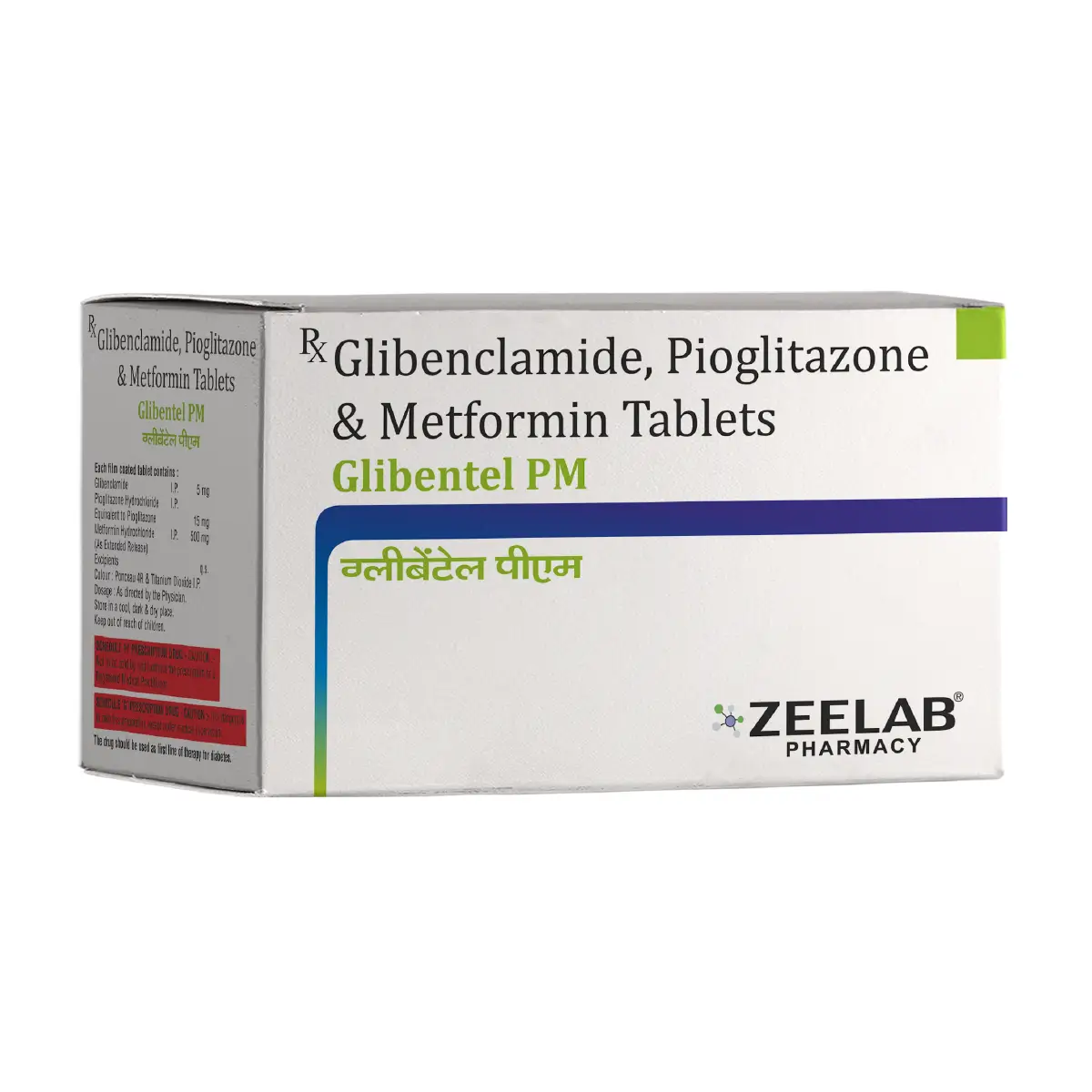
Glibenclamide (5mg) + Metformin (500mg) + Pioglitazone (15mg)
10 Tablets In 1 Strip
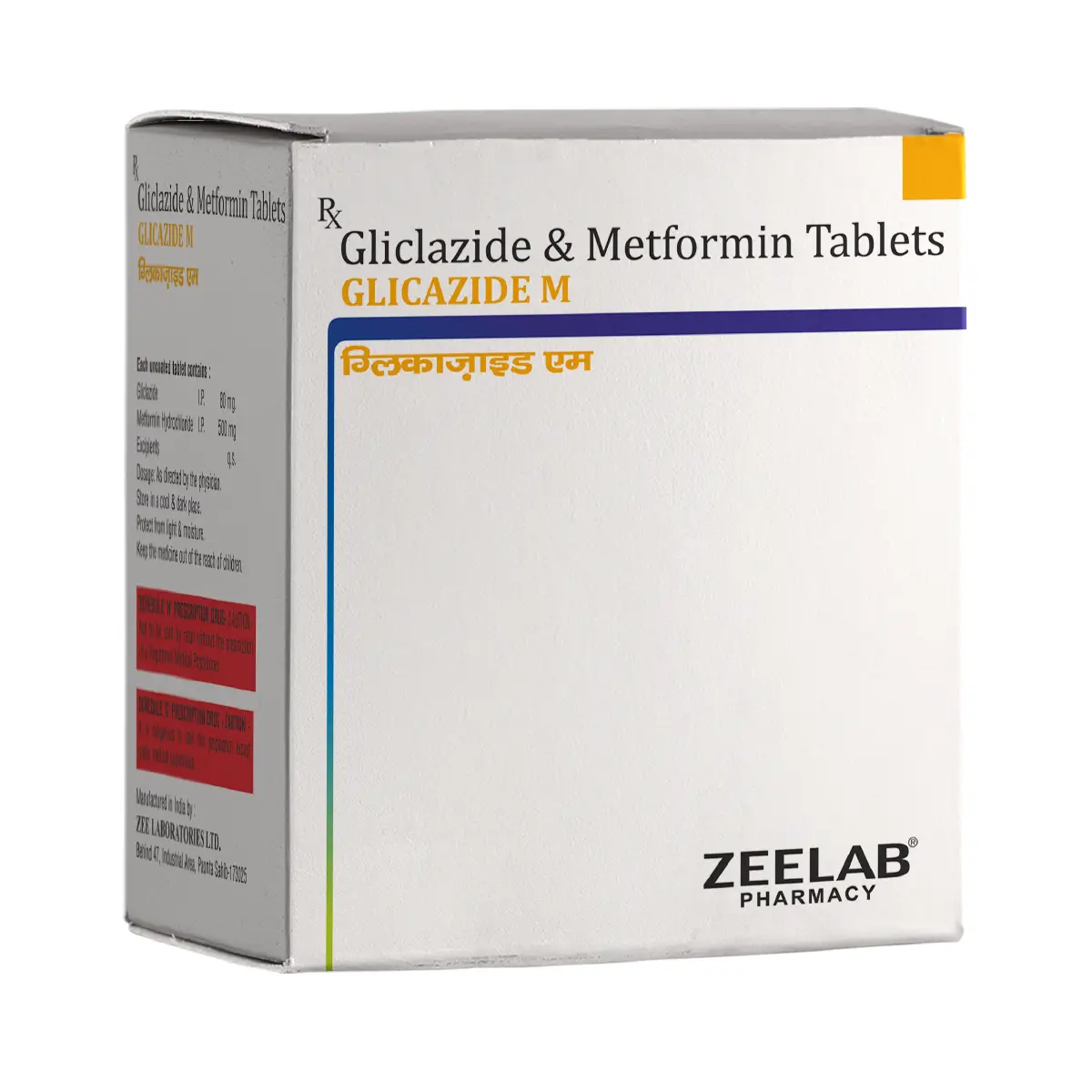
Gliclazide (80mg) + Metformin (500mg)
10 Tablets In 1 Strip
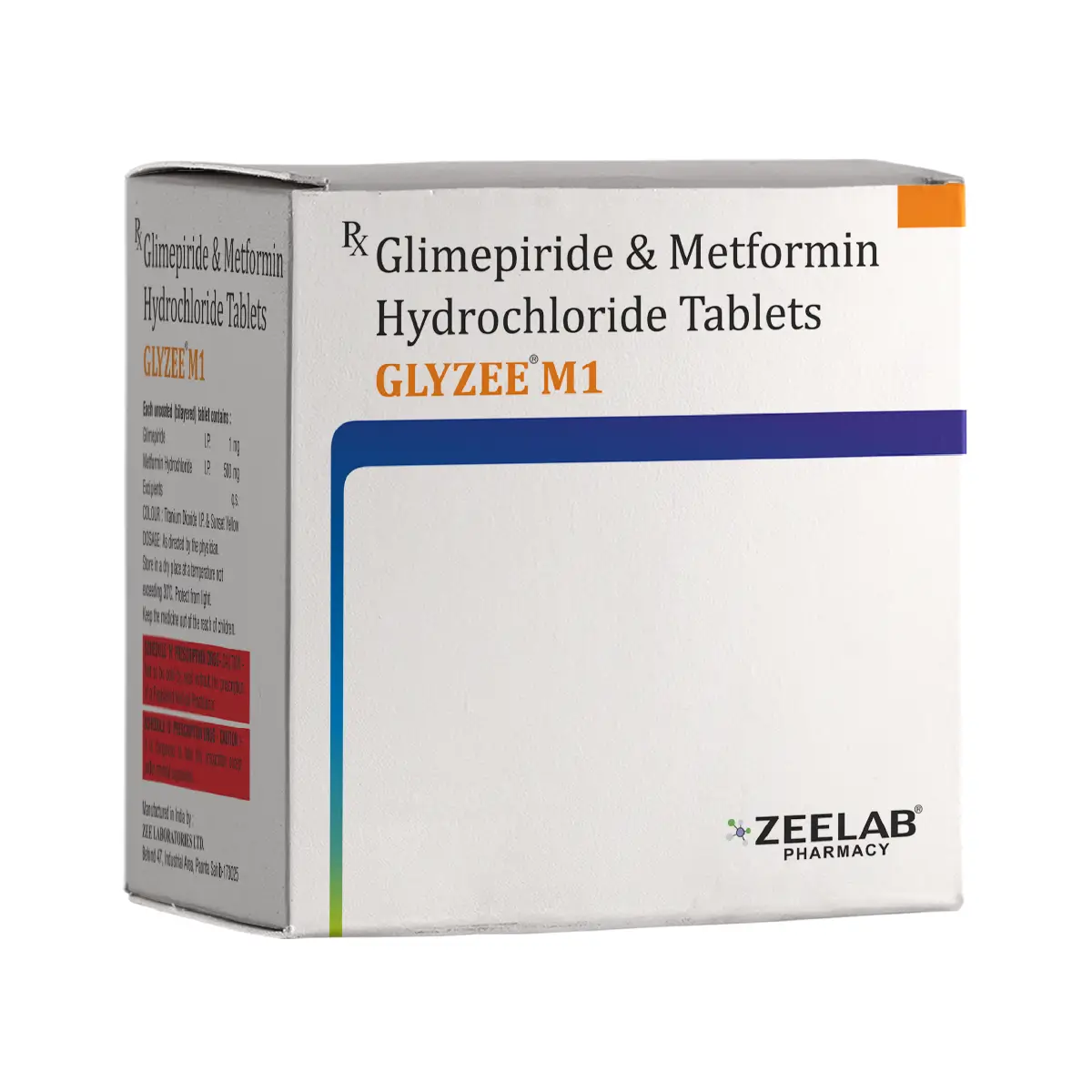
Glimepiride (1mg) + Metformin Hydrochloride (500mg)
15 Tablets In 1 Strip
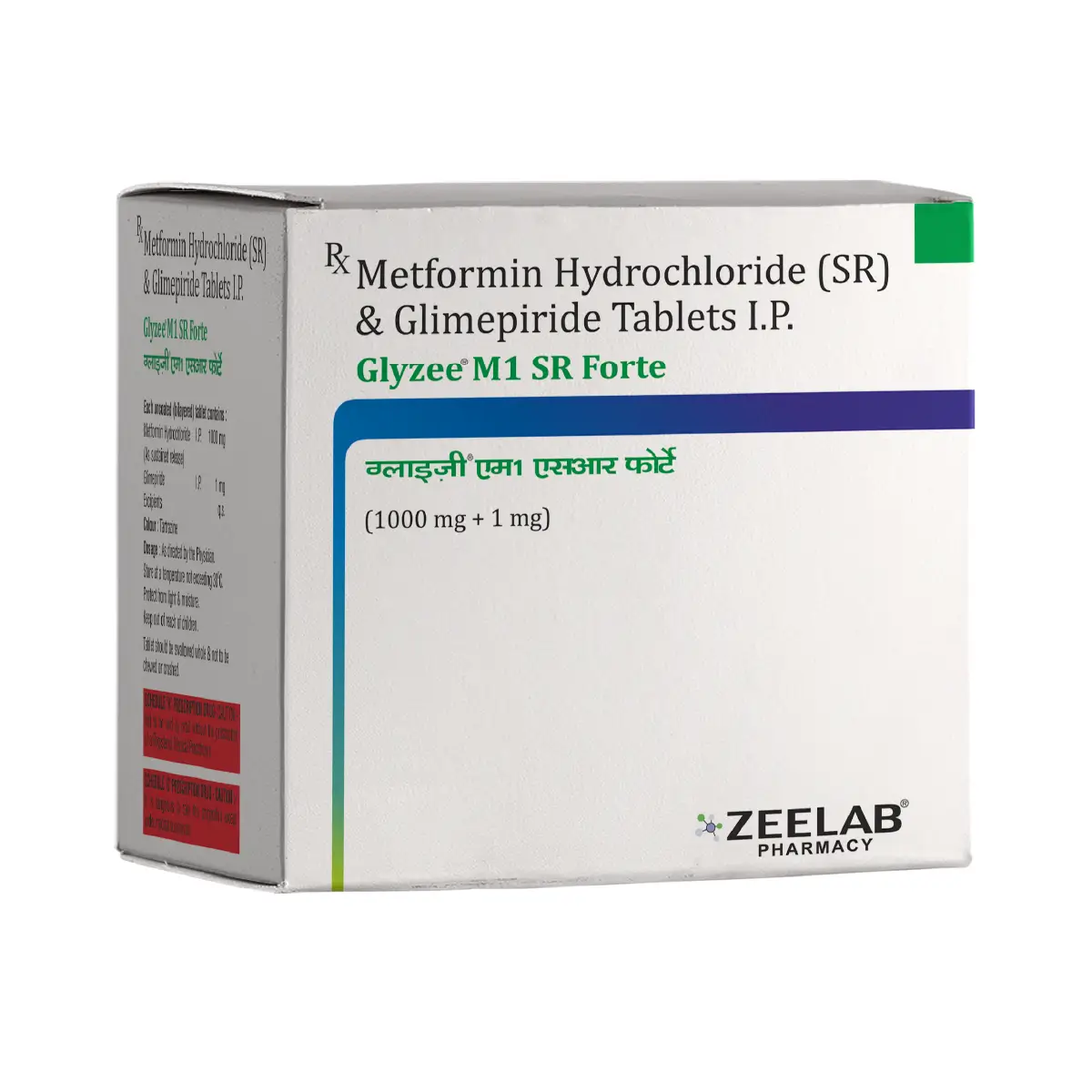
Glimepiride (1mg) + Metformin (1000mg) SR
15 Tablets In 1 Strip
Glimepiride (2mg) + Metformin (500mg)
15 Tablets In 1 Strip
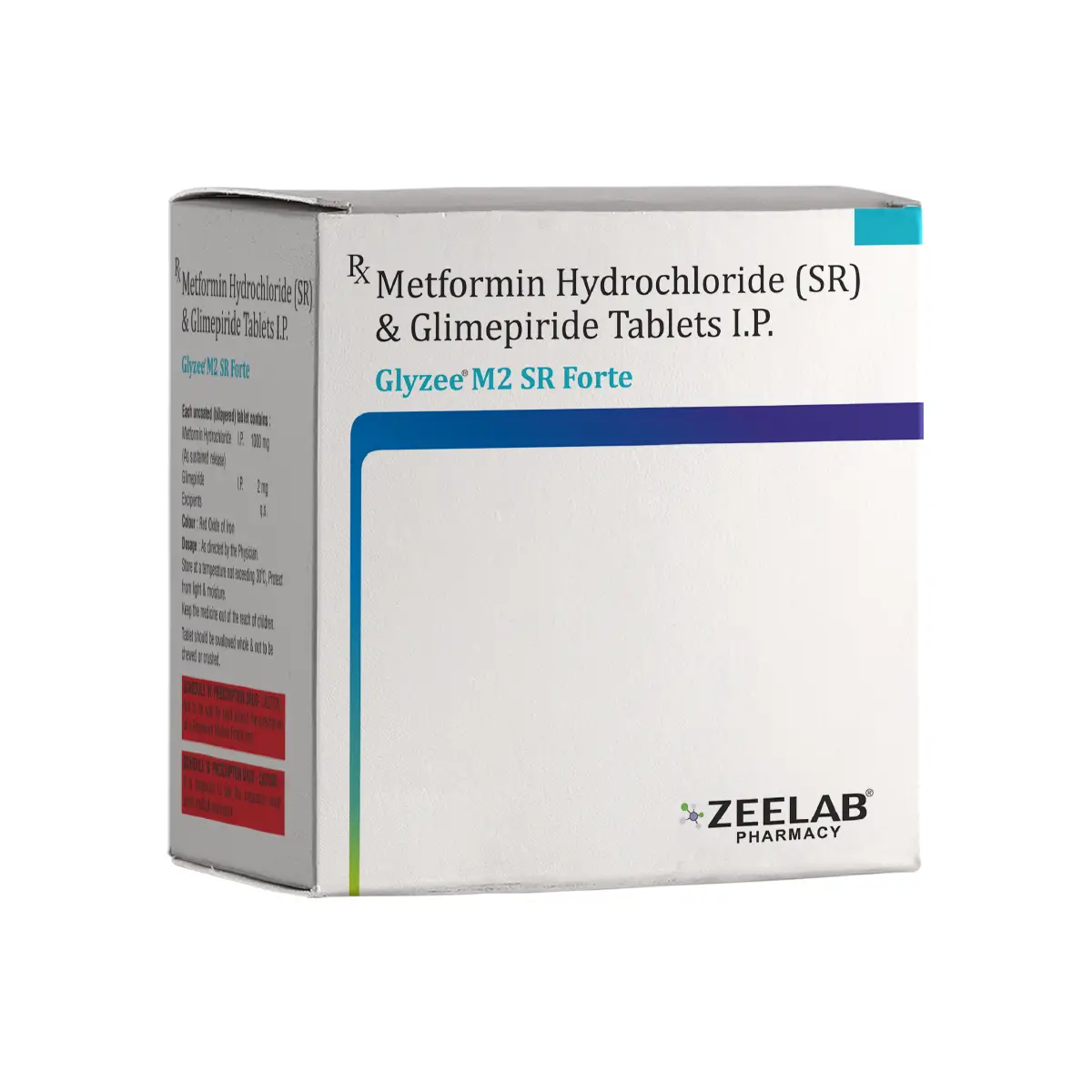
Glimepiride (2mg) + Metformin (1000mg) (Sustained Release)
15 Tablets In 1 Strip
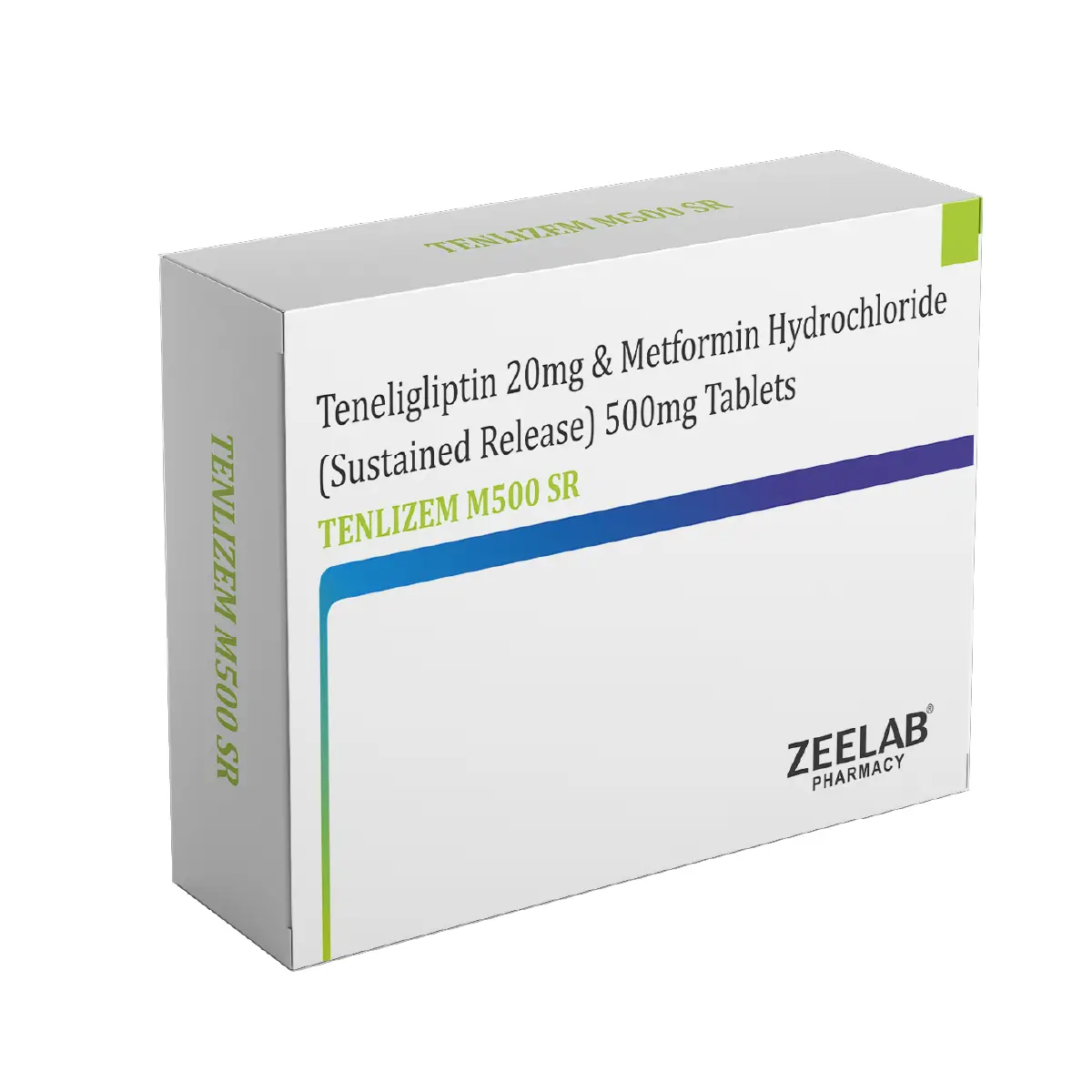
Metformin (500mg) SR + Teneligliptin (20mg)
10 Tablets In 1 Strip
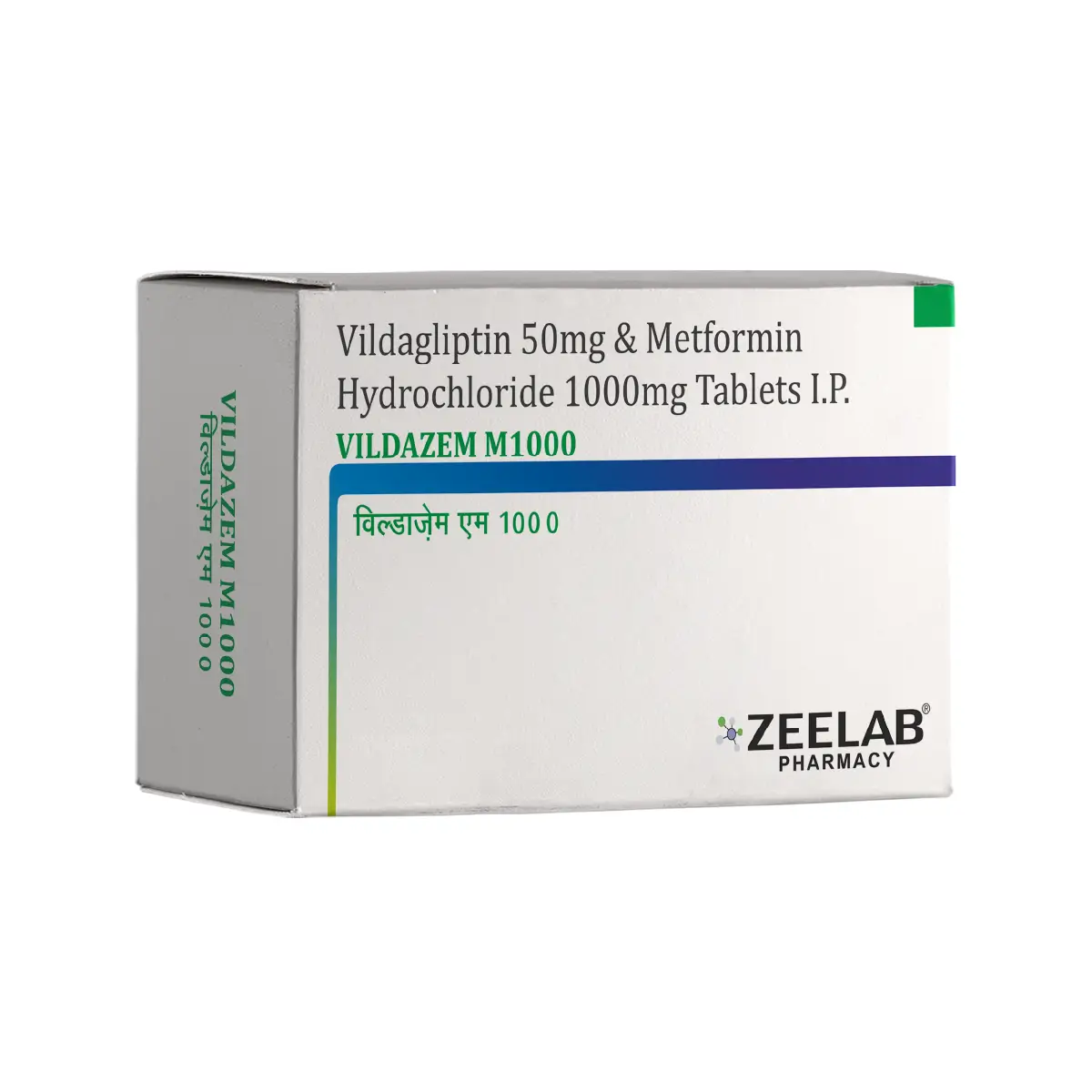
Metformin (1000mg) + Vildagliptin (50mg)
10 Tablets In 1 Strip
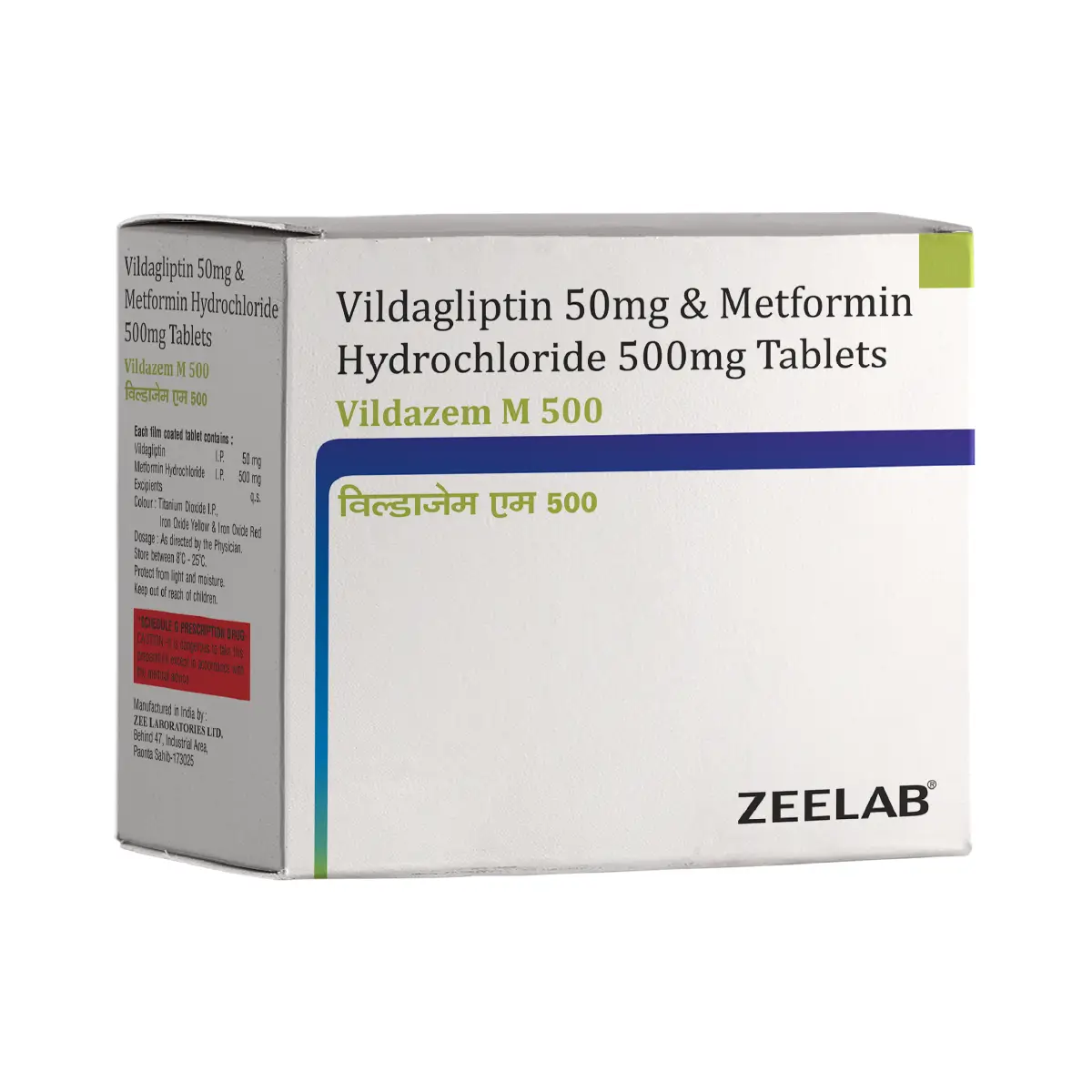
Metformin (500mg) + Vildagliptin (50mg)
15 Tablets In 1 Strip
Metformin (850mg) + Vildagliptin (50mg)
10 Tablets In 1 Strip
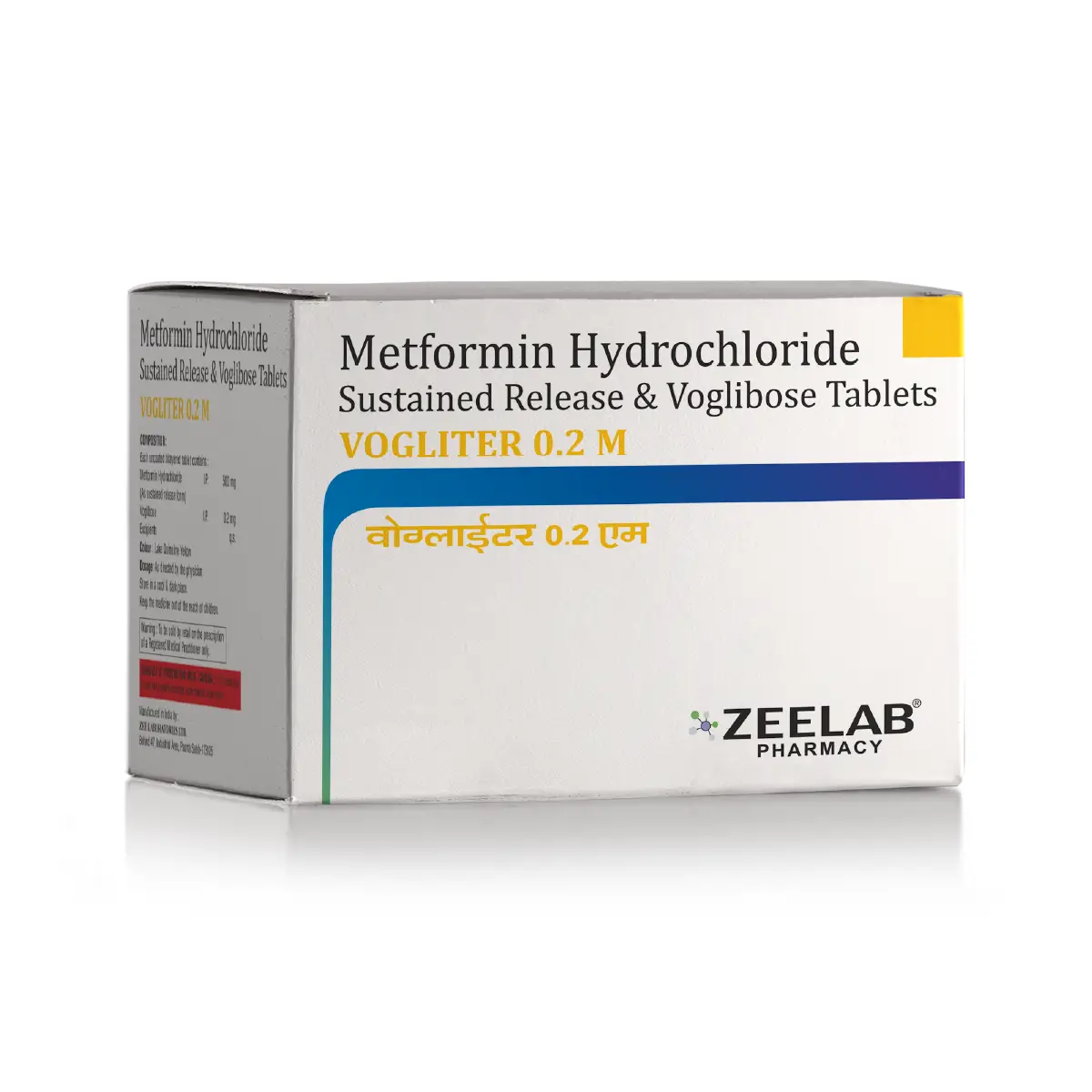
Metformin (500mg) + Voglibose (0.2mg)
10 Tablets In 1 Strip
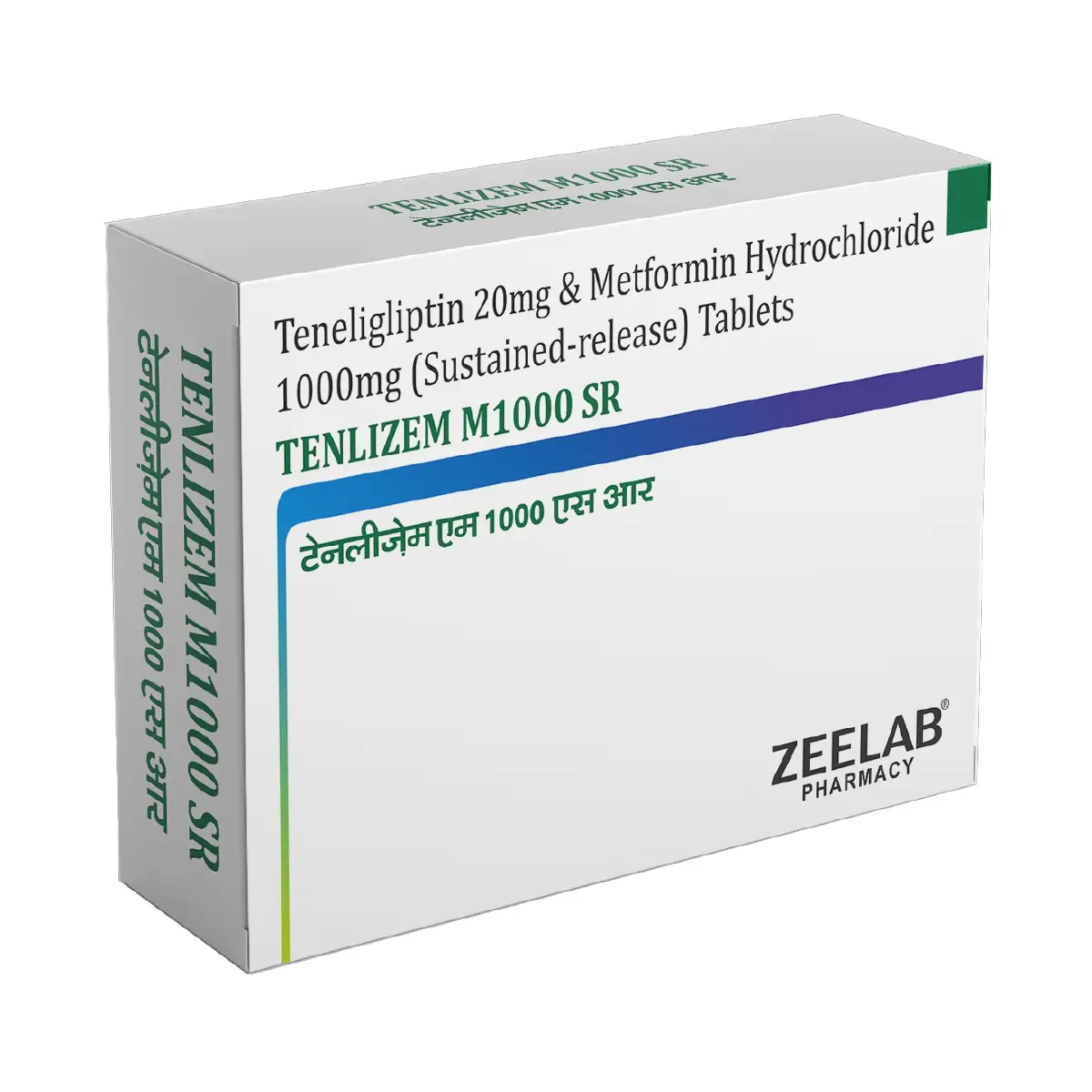
Metformin (1000mg) SR + Teneligliptin (20mg)
10 Tablets in 1 strip
References
- https://www.who.int/news-room/fact-sheets/detail/diabetes
- https://diabetes.org/about-diabetes/diagnosis
- https://www.ncbi.nlm.nih.gov/books/NBK551501/
- https://www.fda.gov/files/for%20consumers/published/Diabetes-Medicines.pdf
- https://books.google.com/books?hl=en&lr=&id=B3OSDwAAQBAJ&oi=fnd&pg=PA1&dq=+k+d+tripathi+&ots=1928jKvUai&sig=ZMCtXIJRXV5YQrKQeVBR-VPm3rQ
Recent Blogs






Disclaimer : Zeelab Pharmacy provides health information for knowledge only. Do not self-medicate. Always consult a qualified doctor before starting, stopping, or changing any medicine or treatment.
Related Products

₹ 0
0
Items added
Quick Links
Categories
Our Policies

Our Socials


Subscribe

2026 Copyright By © Zeelab Pharmacy Private Limited. All Rights Reserved
Our Payment Partners

 Added!