

Vitamin A Supplements for Dry Eyes: Benefits, Dosage & When to Take Them
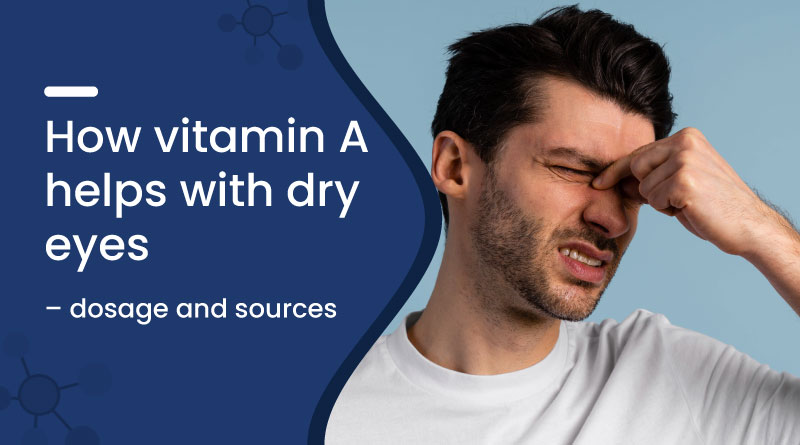
Dry eye is becoming an increasingly common concern worldwide, affecting people of all ages. Many people wonder which vitamin deficiency causes dry eyes. From what has been studied, Vitamin A plays a crucial role in maintaining the health of the eye’s surface.
It supports the production of mucin, which helps stabilise the tear film and keeps the eyes properly lubricated and protected. Without sufficient Vitamin A, the eye surface can become dry, irritated, and more vulnerable to damage.
Through this blog, we will learn about dry eye syndrome, its causes, symptoms, the importance of vitamin A for eye health, and the natural sources of vitamin A.
What is Dry Eye Syndrome?
Dry eye is a condition that occurs when the eyes do not produce enough tears or when tears evaporate too quickly, leading to symptoms such as irritation, redness, burning, and blurred vision. There is no one specific reason for this, but many different factors, like increased screen time, environmental pollution, ageing, or certain health conditions.
What is Vitamin A?
Vitamin A is a fat-soluble vitamin essential for vision, immunity, and maintaining healthy epithelial tissues such as the eyes, skin, and mucous membranes. It exists in two main forms:
- Preformed Vitamin A (retinol): Found in animal-based foods like dairy, eggs, and liver
- Provitamin A carotenoids: Found in plant-based foods such as carrots, spinach, and sweet potatoes
Because it is fat-soluble, Vitamin A is absorbed along with dietary fats and stored in the liver for future use. It plays a vital role in supporting the retina, strengthening immune defences, and maintaining the integrity and moisture of epithelial surfaces, including the eye’s protective lining.
Role of Vitamin A in Eye Health
Vitamin A is required for the maintenance of the structure, function, and protection of the eyes. It maintains various parts of the eye, which are essential for clear vision and proper lubrication. Key roles of Vitamin A include:
- Supports tear film stability: Helps maintain the production of mucin, which is necessary to maintain a moist and comfortable feel.
- Protects the cornea: It offers a smooth surface, which allows the cornea to carry out its functions properly.
- Supports night vision: It is required for the synthesis of rhodopsin, a pigment in the eyes that enables night vision.
- Maintains conjunctival health: Prevents dryness and damage to the eye’s outer protective layer.
- Reduces risk of eye surface damage: This helps protect against irritation, inflammation, and dryness.
Can Vitamin A Deficiency Cause Dry Eyes?
Vitamin A is important in keeping the eyes lubricated and in maintaining the health of the ocular surface. This is achieved by ensuring mucin production by conjunctival goblet cells.
When Vitamin A levels are low:
- Mucin production decreases
- The tear film becomes unstable
- The eye's surface becomes dry and irritated
This leads to symptoms such as burning, redness, and a gritty feel.
Vitamin A Deficiency-Induced Dry Eye is one manifestation of a condition known as Xerophthalmia—a set of changes induced by inadequate intake of Vitamin A.
There are stages of development of xerophthalmia.
- Conjunctival dryness
- Bitot's spots
- Corneal Dryness and Ulceration
- Keratomalacia (severe or Early signs and symptoms of dry eye syndrome can also be the first manifestation of vitamin A deficiency. If untreated, xerophthalmia can cause irreversible vision loss.
Symptoms of Vitamin A Deficiency Linked to Dry Eyes
One of the most important jobs of Vitamin A is to ensure the health of eye lubrication. When the level of this vitamin is very low within the body, it can affect the tears and the quality of eye tissue, causing uncomfortable dry eyes.
Recognising the link between dry eyes and Vitamin A deficiency is important for early care.
- Persistent eye dryness: Feeling of dryness even after blinking
- Burning or stinging sensation: Irritation and discomfort in the eyes
- Redness: Due to irritation and reduced eye surface protection
- Gritty or sandy feeling: Feeling of a foreign body in the eye
- Increased sensitivity to light: Discomfort in bright environments
- Blurred vision: Caused by an unstable tear film
- Difficulty seeing in low light: Early symptom associated with Vitamin A deficiency
Best Vitamin A Supplement Recommendations for Eye Health by Zeelab Pharmacy
Choosing a quality supplement can help support overall eye health and maintain adequate Vitamin A levels. Zeelab Pharmacy offers WHO-GMP-certified options that are carefully formulated and cost-effective, making them a reliable recommendation for supporting long-term eye wellness.
Zeelab Vision Capsules
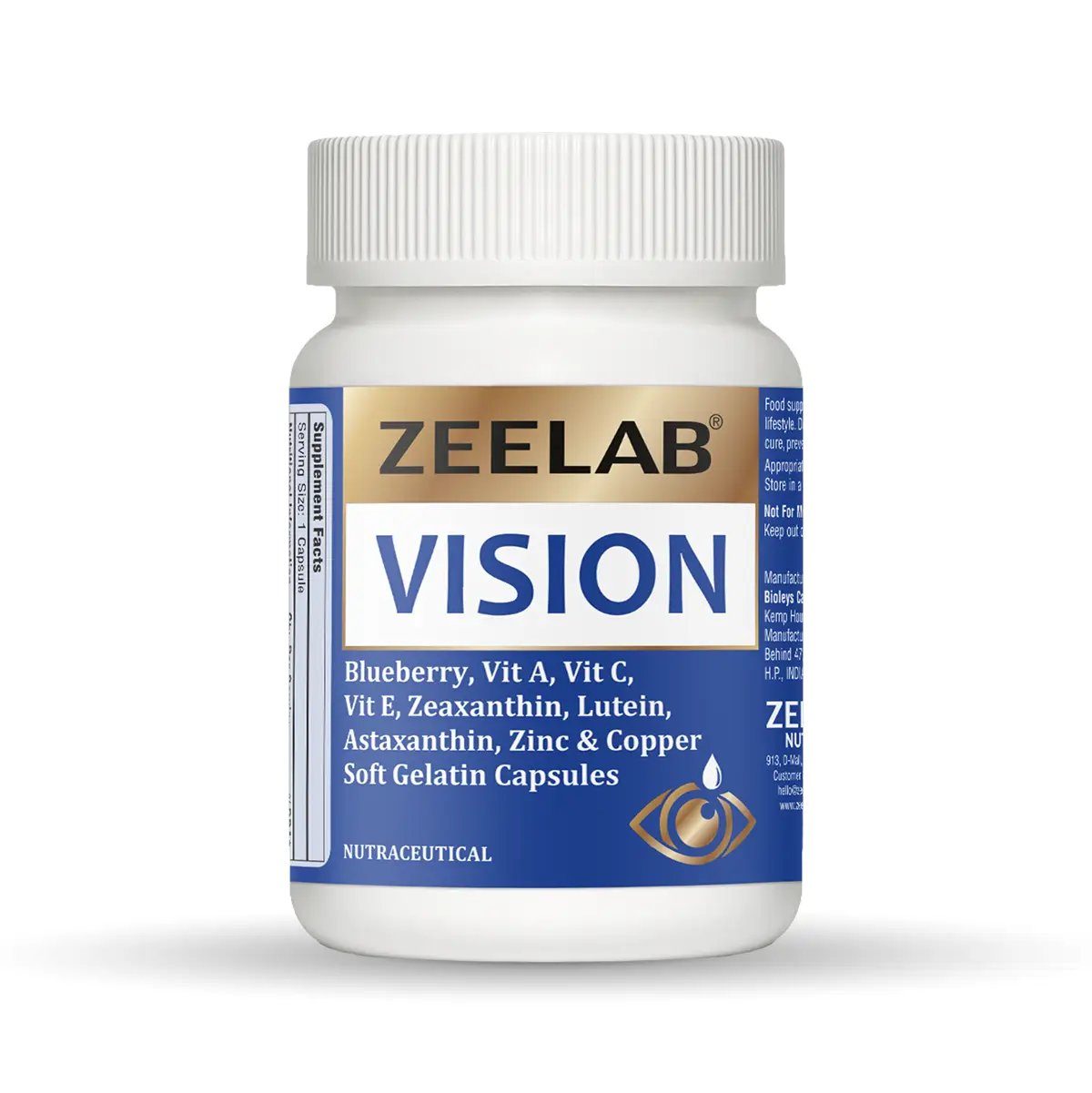
Zeelab Vision Capsule is a nutritional eye health supplement containing Vitamin A, lutein, zeaxanthin, and antioxidants that help support retinal function, protect eye cells from oxidative stress, and maintain healthy vision and eye surface health.
- Composition: Vitamin A, Vitamin C, Vitamin E, Zinc, Lutein, Zeaxanthin, and antioxidant nutrients.
- Benefits: Supports eye health, improves vision clarity, protects the retina, and reduces oxidative eye damage.
- How to Take: Take one capsule daily after meals, or as advised by your healthcare professional.
Also Read: Best Vitamin A Supplements for Night Blindness
Recommended Vitamin A Dosage for Dry Eyes
Many people experiencing dryness very often should know how much vitamin A to take for dry eyes to support proper tear production. The recommended dosage depends on age, gender, and deficiency status, and should always follow medically approved daily intake guidelines.
|
Category |
Recommended Dosage |
Important Notes |
|
Adult Men (RDA) |
~900 mcg RAE/day |
Supports normal eye surface health and tear function |
|
Adult Women (RDA) |
~700 mcg RAE/day |
Helps maintain eye lubrication and epithelial integrity |
|
Therapeutic Dosage |
As prescribed by a doctor |
Used only in confirmed deficiency with medical supervision |
|
Upper Safe Limit |
3,000 mcg RAE/day (adults) |
Exceeding this can lead to toxicity and liver-related issues |
|
Pregnancy |
Only as medically advised |
Excess amounts can lead to increased risk of fetal complications |
|
Children |
Lower, age-specific doses |
Should be taken only as indicated in pediatric patients |
|
Chronic Liver Disease |
Requires medical supervision |
The liver stores Vitamin A, increasing the risk of accumulation and toxicity |
How Vitamin A Helps Relieve Dry Eyes?
Vitamin A plays an important role in maintaining normal tear function and protecting the eye's surface. That is why it supports the health of tissues responsible for lubrication and helps to prevent dryness, irritation, and discomfort.
Understanding how vitamin A deficiency causes dry eyes helps explain its importance in maintaining eye moisture and comfort.
- Supports mucin production: Helps produce mucin, a key tear film component that keeps the eye surface moist
- Maintains healthy eye surface cells: Prevents damage and dryness of the cornea and conjunctiva
- Improves tear film stability: It allows equal spreading of the tears and their stay on the eye for a longer period.
- Reduces eye surface inflammation: Supports epithelial repair and protects against irritation
- Prevents severe dryness conditions: Helps in reducing xerophthalmia conditions caused by Vitamin A deficiency.
Best Natural Sources of Vitamin A for Eye Health
When we have any type of health issue, we always look for natural methods to cure it. Similarly, in the case of dry eye, we look for what vitamin deficiency causes dry eyes or what vitamins are good for dry eyes and how diet can help improve symptoms.
|
Source Type |
Food Sources |
Vitamin A Form |
|
Animal-based sources |
Liver, egg yolk, whole milk, cheese, butter |
Retinol (active form, easily absorbed) |
|
Dairy products |
Fortified milk, yoghurt, dairy spreads |
Retinol |
|
Orange and yellow vegetables |
Carrots, sweet potatoes, pumpkin |
Beta-carotene (converted to Vitamin A in the body) |
|
Green leafy vegetables |
Spinach, kale, and fenugreek leaves |
Beta-carotene |
|
Fruits |
Mango, papaya, apricot, cantaloupe |
Beta-carotene |
|
Fortified foods |
Fortified cereals, fortified dairy alternatives |
Added Vitamin A |
When Are Vitamin A Supplements Needed for Dry Eyes?
Vitamin A supplementation could be indicated in cases where nutritional deficiency or nutritional insufficiency is associated with dry eye. Supplementation aids in re-establishing the normal function of the ocular surface, supporting tear production, and facilitating the healing of dry and traumatised tissues.
When supplementation is needed: In confirmed Vitamin A deficiency, in individuals with poor nutrition or malabsorption conditions, and when dry eye symptoms persist despite adequate topical treatment.
|
Forms of Vitamin A |
Description |
|
Retinol |
Active form, readily used by the body |
|
Retinyl palmitate |
Stable and commonly used in supplements |
|
Beta-carotene |
Plant-based precursor converted into Vitamin A as needed |
|
Oral supplements |
Help correct underlying deficiency and improve overall eye health |
How Long Does It Take for Vitamin A to Improve Dry Eyes?
Vitamin A may begin improving mild dry eye symptoms within 2–4 weeks of adequate intake, while moderate deficiency may take up to 1–2 months. Severe deficiency can require several months for full recovery. Improvement depends on nutritional status, supplementation, and medical guidance.
Can Dry Eyes Be a Sign of Nutritional Deficiency?
Yes, dry eyes may sometimes signal a nutritional imbalance. Certain nutrients are essential for tear production and eye surface health.
Deficiencies that may contribute to dry eyes include:
- Vitamin A deficiency – affects tear film stability and eye surface lubrication
- Omega-3 deficiency – increases inflammation and tear evaporation
- Zinc deficiency – reduces Vitamin A utilisation in the eyes
- Vitamin D deficiency – may worsen eye surface inflammation
Correcting these deficiencies through a balanced diet or supplements can help improve symptoms and protect long-term eye health.
Is Vitamin A Safe for Long-Term Eye Health?
Yes, Vitamin A is safe for long-term eye health when consumed within recommended limits through diet or medically advised supplements. However, excessive intake from high-dose supplements may cause toxicity, liver damage, and other health complications.
Safe use includes:
- Consuming Vitamin A through natural foods
- Following recommended daily intake guidelines
- Taking supplements only under medical advice
Excess intake may cause:
- Headache and dizziness
- Liver-related complications
- Bone and vision problems
- Increased risks during pregnancy
Balanced intake helps maintain tear stability, protects the cornea, and supports long-term eye comfort.
Risks of Excess Vitamin A
Though Vitamin A is vital for the eyes, can too much vitamin A lead to complications? Yes, too much Vitamin A, if consumed through supplements, can lead to complications or toxicity as it is a fat-soluble vitamin and can accumulate in the body when ingested in large quantities. Too much Vitamin A can lead to:
- Headache, dizziness: Common early manifestations of headache and dizziness
- Nausea and Vomiting: Caused by irritation and systemic effects
- Dry Skin and Irritation: Although it plays a significant role in the health of the skin and the eye.
- Blurred vision: This results from the effects of pressure or toxicity
- Liver damage: Too much Vitamin A is deposited into the liver, which can lead to damage.
- Bone-related issues: Excessive intake may compromise bone strength
- Increased risk during pregnancy: High doses can interfere with fetal development
However, the amounts of Vitamin A supplements to be used should be limited and monitored by a doctor to avoid health risks.
Also Read: Vitamin A benefits for skin health
Who is at Higher Risk of Vitamin A Deficiency?
Generally, vitamin A deficiency can happen to anyone of any age; however, some individuals have increased susceptibility to deficiency because of their eating habits, health status, and nutritional requirements.
Identifying high-risk individuals helps prevent dry eyes and supports healthy eye surface function.
- Individuals with poor dietary intake
- People with malabsorption disorders (Celiac disease, Crohn’s disease, or chronic diarrhoea)
- Individuals with chronic liver disease
- Children and adolescents
- Pregnant and breastfeeding women
- Older adults
- People with prolonged illness or malnutrition
Also Read: Vitamin A for healthy hair growth
Vitamin A vs Other Nutrients for Dry Eyes
Many people wonder which vitamins are good for dry eyes, as multiple nutrients work together to support tear production and eye surface health. While Vitamin A is essential, other nutrients also play supportive roles in maintaining proper lubrication.
|
Nutrient |
Role in Dry Eye Health |
Key Benefit |
|
Vitamin A |
Maintains eye surface integrity and supports the production of mucin |
Helps keep eyes properly lubricated |
|
Omega-3 Fatty Acids |
Reduces inflammation and improves tear film quality |
Assists in preventing tear evaporation |
|
Vitamin D |
Maintains immune system equilibrium and relieves eye surface inflammation |
Helps improve overall eye comfort |
|
Zinc |
Helps to transport and use Vitamin A properly |
Supports proper Vitamin A function |
|
Balanced Nutrient Intake |
Combines multiple nutrients for better tear stability |
Offers comprehensive support in dry eye management |
The balanced consumption of the above-mentioned nutrient groups will ensure the quality of tears, along with the health of the eyes.
Lifestyle Tips to Improve Dry Eyes Along with Vitamin A
Certain lifestyle habits help improve tear quality and reduce symptoms of dry eye, in addition to maintaining adequate Vitamin A intake. These simple measures support overall eye comfort and protect the eye surface.
- Follow a balanced diet: Include Vitamin A-rich foods along with other nutrients that support eye health.
- Take regular screen breaks: Try following the rule of 20-20-20 to reduce eye strain.
- Blink frequently: Allows even distribution of tears over the surface of the eye.
- Stay well hydrated: One can retain good tear production through adequate intake of water.
- Use a humidifier if needed: This can help prevent dryness, which could result from dry indoor air.
- Avoid excessive air exposure: Limit the amount of time that the eyes are exposed to fans, AC, and pollution.
- Maintain proper eye hygiene: Keep the eyelids and eye surface clean and healthy.
Also Read: Vitamin A for reducing wrinkles
When to See a Doctor for Dry Eyes?
Occasional dryness is common, but persistent or severe symptoms may require medical evaluation. Consulting a doctor helps identify the underlying cause and ensures appropriate treatment. You should see a doctor if you experience.
- Dry eye symptoms lasting for several weeks
- Persistent redness, irritation, or burning sensation
- Blurred vision affecting daily activities
- Increased sensitivity to light
- No improvement with artificial tears or home care
- Symptoms associated with poor nutrition or health conditions
Early diagnosis helps prevent complications and protects long-term eye health.
Also Read: How Vitamin A supports eczema healing?
Conclusion
Dry eye syndrome can significantly affect daily comfort and visual quality, especially when linked to underlying nutritional issues. Among essential nutrients, Vitamin A plays a key role in maintaining tear film stability and protecting the eye surface.
Many people ask, what is the best vitamin for dry eyes? Vitamin A stands out due to its role in supporting eye lubrication and epithelial health.
Identifying and addressing vitamin deficiency dry eyes through proper diet, lifestyle changes, and medical guidance can help improve symptoms. Maintaining balanced nutrition is an important step toward protecting long-term eye health and comfort.
Frequently Asked Questions (FAQs)
Ans.Vitamin A helps maintain the eye’s surface and supports mucin production, which keeps tears stable. This improves lubrication, reduces irritation, and protects the eyes from dryness, discomfort, and long-term damage caused by tear film instability.
Ans.Vitamin A is considered to be one of the best vitamins for dry eyes because it is essential in the maintenance of stability in the tear film, as well as the cornea. The vitamin also ensures the health of the epithelial cells.
Ans.Adults generally need about 700–900 mcg RAE of Vitamin A daily. Higher doses may be prescribed only in deficiency cases. Always consult a doctor before taking supplements to avoid toxicity and ensure safe treatment.
Ans.Improvement depends on deficiency severity. Mild symptoms may improve within weeks of proper intake, while severe deficiency may take longer. Consistent nutrition and medical guidance help restore tear stability and eye surface health.
Ans.Vitamin A-rich foods include carrots, sweet potatoes, spinach, mangoes, eggs, milk, and liver. These foods support eye surface health, improve tear stability, and help reduce dryness caused by nutritional deficiency.
Ans.Yes, Vitamin A supports rhodopsin production for night vision and maintains eye surface health. This improves visual clarity and reduces dryness, irritation, and discomfort caused by tear instability.
Ans.Vitamin A is essential for children’s eye health because it supports normal vision, maintains eye surface moisture, and protects against dryness. It also helps prevent night vision problems and supports healthy eye development during growth.
Ans.Yes, taking Vitamin A daily is safe when consumed within recommended limits. It supports tear stability and eye surface health. Avoid high-dose supplements unless prescribed, as excessive intake may cause toxicity and health complications.
Ans.Vitamin A supplements may help treat dry eyes caused by a deficiency. They restore eye surface health and tear stability. However, supplements should only be taken under medical supervision to prevent overdose and toxicity risks.
Ans.Animal sources provide ready-to-use Vitamin A, making them more effective for correcting deficiency quickly. Plant sources are safer and beneficial for long-term maintenance, as the body converts beta-carotene based on its needs.
Blueberry Ext (100 mg) + Vitamin A (840 mcg) + Vitamin C (40 mg) + Vitamin E (10 mg) + Zeaxanthin (4 mg) + Lutein (75 mg) + Astaxanthin (12 mg) + Zinc (10 mg) + Copper (0.75 mg)
28 Capsules Per Jar
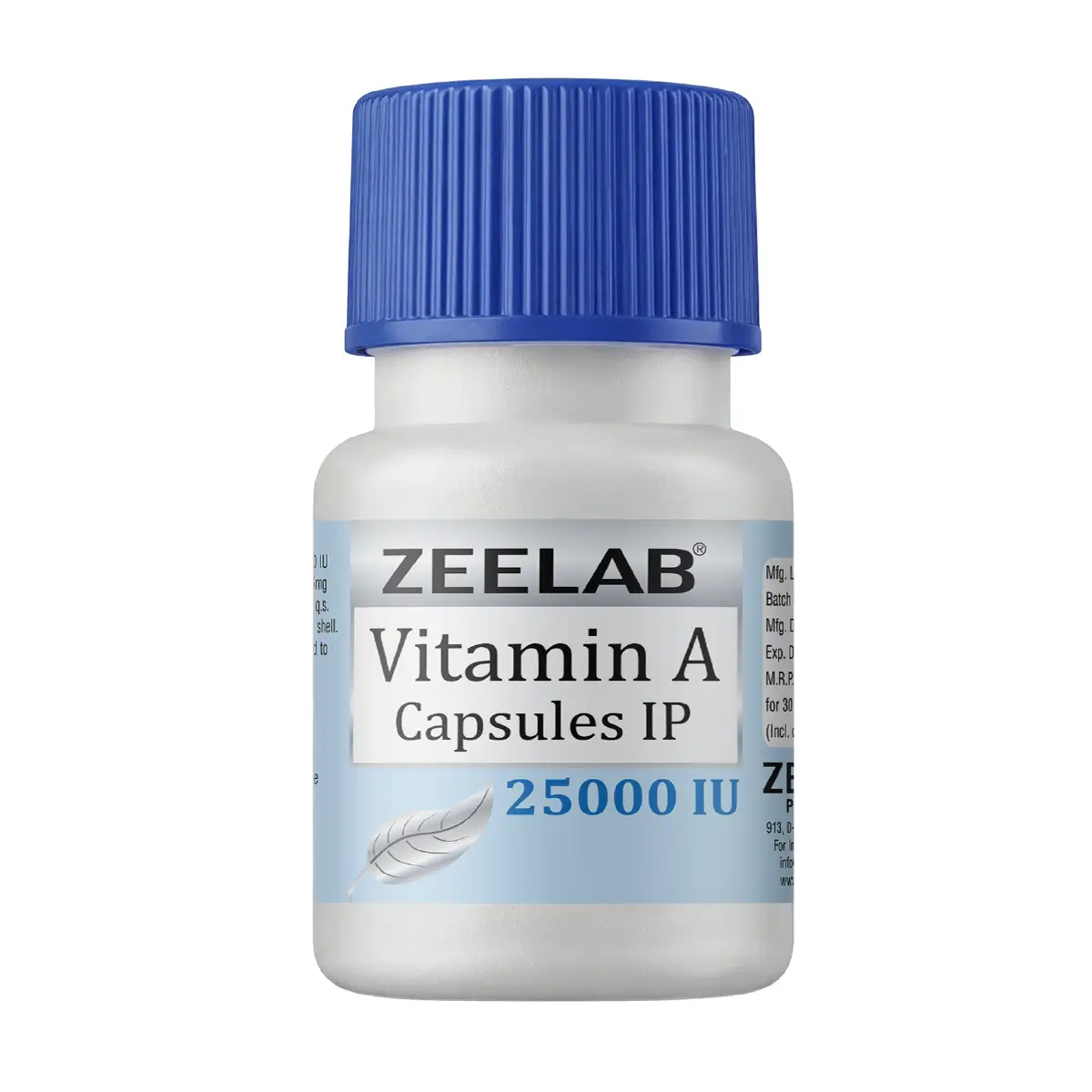
Vitamin A (25000 IU) Eq. To Retinol (7.5mg)
30 Capsules In 1 Jar
References
Recent Blogs






Disclaimer : Zeelab Pharmacy provides health information for knowledge only. Do not self-medicate. Always consult a qualified doctor before starting, stopping, or changing any medicine or treatment.
Related Products


₹ 0
0
Items added
Quick Links
Categories
Our Policies

Our Socials


Subscribe

2026 Copyright By © Zeelab Pharmacy Private Limited. All Rights Reserved
Our Payment Partners

 Added!