

Pantoprazole vs Omeprazole: Differences, Uses & Side Effects
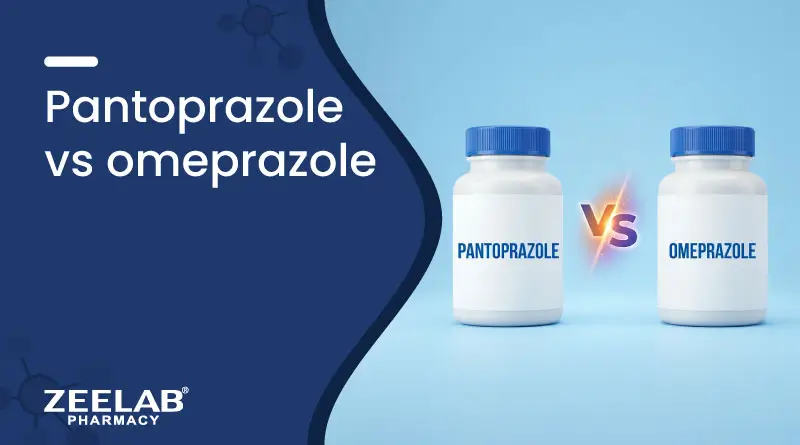
Pantoprazole and omeprazole are two commonly used medicines for different acid-related stomach problems such as acidity, heartburn, acid reflux, GERD, gastritis and stomach ulcers.
Both of these are part of the proton pump inhibitor (PPI) class that works by lowering acid production within the stomach.
Their purpose are similar, but the real difference comes when you talk about the dosage, mode of action, duration, its availability, etc.
In this blog, we will compare pantoprazole vs omeprazole, along with their respective applications, benefits, side effects, key differences, and precautionary measures.
What is Pantoprazole?
It is a prescription medicine that reduces the amount of acid your stomach makes. The drug is a proton pump inhibitor (PPI) that blocks acid-producing pumps in the lining of the stomach.
How Pantoprazole Works
Pantoprazole works by blocking the action of the proton pumps in the stomach lining that produce acid.
You can also get relief from several gastric problems as the acid levels in the stomach reduce. It also allows the stomach plenty of time to repair any damage from acids.
Common Uses of Pantoprazole
As pantoprazole is commonly used to manage conditions caused by excess stomach acid, it may help to ease:
- Acid reflux
- Heartburn
- GERD
- Gastritis
- Stomach ulcers
- Erosive esophagitis
- Excess acid production
- Zollinger-Ellison syndrome
What is Omeprazole?
Omeprazole is an over-the-counter (non-prescription) medicine used to reduce the production of acid in the stomach. It also belongs to the class of proton pump inhibitors (PPIs) and inhibits the action of acid-producing pumps.
How Omeprazole Works
Omeprazole also works in the same way as pantoprazole, i.e. by stopping the action of proton pumps found within the lining of the stomach and reducing acid production.
Common Uses of Omeprazole
Omeprazole can be used for the following:
- Acid reflux
- Heartburn
- GERD
- Gastritis
- Stomach ulcers
- Erosive esophagitis
- H. pylori infection
- Excess acid production
Pantoprazole vs Omeprazole: Key Differences
This quick table will help you to compare and understand the difference between omeprazole and pantoprazole.
|
Comparison Point |
Pantoprazole |
Omeprazole |
|
Drug class |
Proton pump inhibitor |
Proton pump inhibitor |
|
Uses |
GERD, reflux, ulcers, gastritis |
GERD, reflux, ulcers, gastritis, H. pylori infection |
|
Common strengths |
20 mg, 40 mg |
10 mg, 20 mg, 40 mg |
|
Time to work |
May take 1–3 days for full relief |
May take 1–3 days for full relief |
|
Duration |
Long-term acid suppression |
Long-lasting acid control |
|
Side effects |
Headache, nausea, stomach ache, flatulence |
Headache, nausea, stomach pain, gas |
|
Drug interactions |
Usually, fewer interaction concerns |
Can interact with various medications |
|
Food timing |
Usually taken before meals |
Normally consumed before food |
|
Availability in India |
Prescription medication |
Commonly found without a prescription (OTC) |
Pantoprazole vs Omeprazole for Acid Reflux
Either of these medications can help manage acid reflux by lowering stomach acid and controlling symptoms such as heartburn and regurgitation.
Learn more about the medicine for GERD acid reflux.
Which medicine will suit a person better is decided through the symptoms, medical history, other medication usage, and their doctor’s input.
|
Feature |
Omeprazole |
Pantoprazole |
|
GERD Relief |
Effective |
Effective |
|
Heartburn Relief |
Fast symptom relief |
Long-lasting relief |
|
Healing Esophagitis |
Effective healing |
Effective healing |
|
Long-Term Use |
More drug interactions |
Fewer drug interactions |
Pantoprazole vs Omeprazole for GERD
Pantoprazole and omeprazole are both effective PPIs used to manage GERD by reducing stomach acid and controlling reflux symptoms. Both can begin to lower acid levels within hours, but it may take 1 to 3 days to notice relief.
Your doctor will help you choose the right treatment for severe GERD based on the severity of your symptoms, your response to treatment, and other medications you take.
Pantoprazole vs Omeprazole for Gastritis and Stomach Ulcers
Both pantoprazole and omeprazole decrease stomach acid in people with gastritis and ulcers. By reducing the amount of acid, they may help reduce irritation, heal ulcers, and protect the stomach lining.
The better option depends on the cause of gastritis or ulcer, symptom severity, other medicines being taken, and the doctor’s advice. Neither medicine should be taken for long periods without medical guidance.
Also Read: Best Foods for Gastric Ulcer Relief
Best Pantoprazole and Omeprazole Medications in India from Zeelab Pharmacy
Looking for reliable medicines for acidity, acid reflux, or GERD? Here are some commonly used pantoprazole and omeprazole medications available in India for acid-related stomach problems.
Omeride 20 Capsule
Omeride 20 Capsule contains omeprazole, a proton pump inhibitor commonly prescribed for managing acid-related stomach conditions such as acidity, acid reflux, GERD, and ulcers.
- Composition: Omeprazole (20mg)
- Benefits: Helps reduce stomach acid and provides relief from acidity, reflux, and heartburn symptoms.
Pantoride 20 Tablet
Pantoride 20 Tablet contains pantoprazole and is commonly prescribed for various digestive conditions associated with increased stomach acid and acidity-related discomfort.
- Composition: Pantoprazole (20mg)
- Benefits: Supports stomach acid control and helps relieve common acidity-related digestive discomforts.
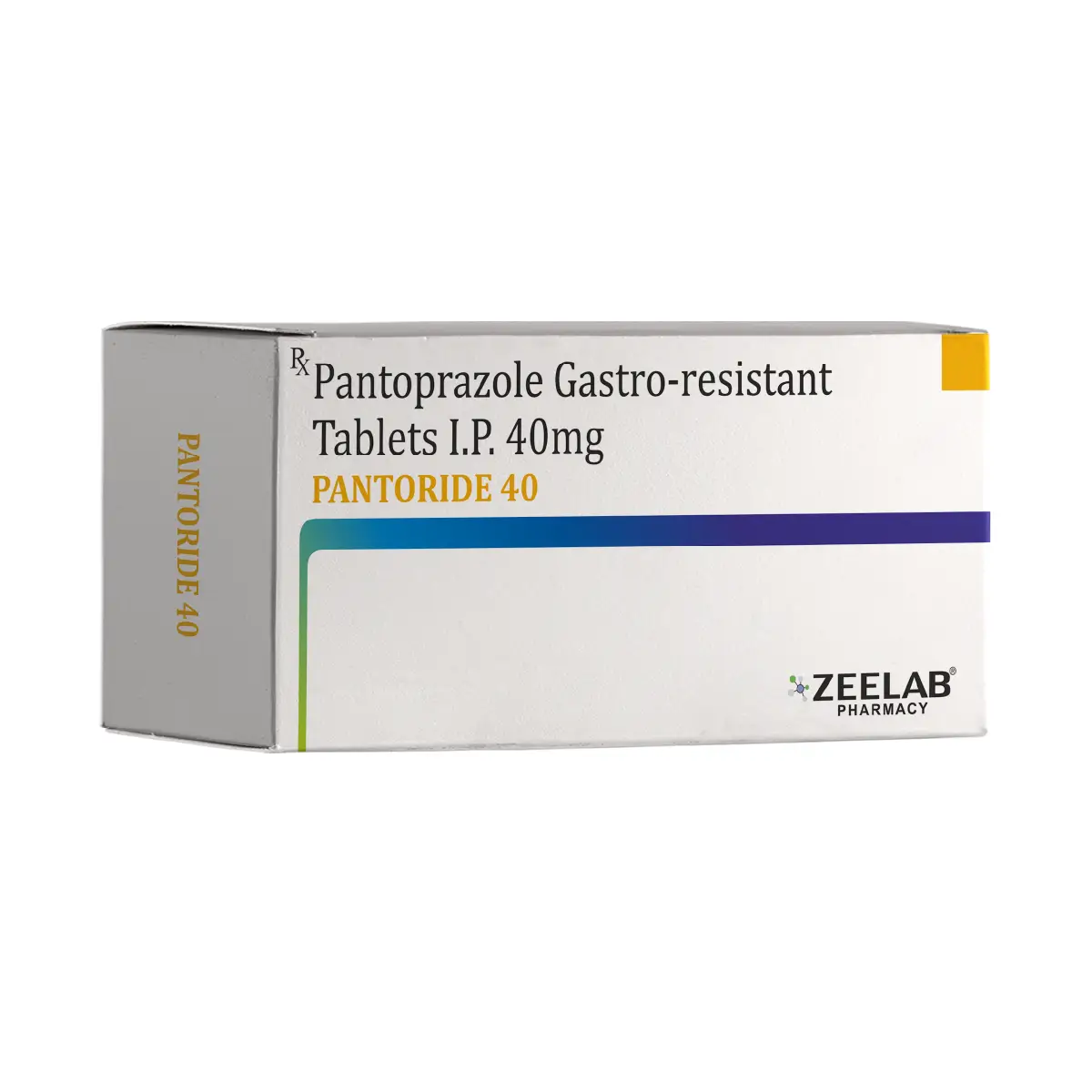
Pantoride 40 Tablet
Pantoride 40 Tablet is a pantoprazole-based prescription medicine commonly used for managing acid-related stomach conditions caused by excess stomach acid production.
- Composition: Pantoprazole (40mg)
- Benefits: Helps manage acidity, acid reflux, heartburn, and other acid-related stomach discomforts.
Pantoride Injection
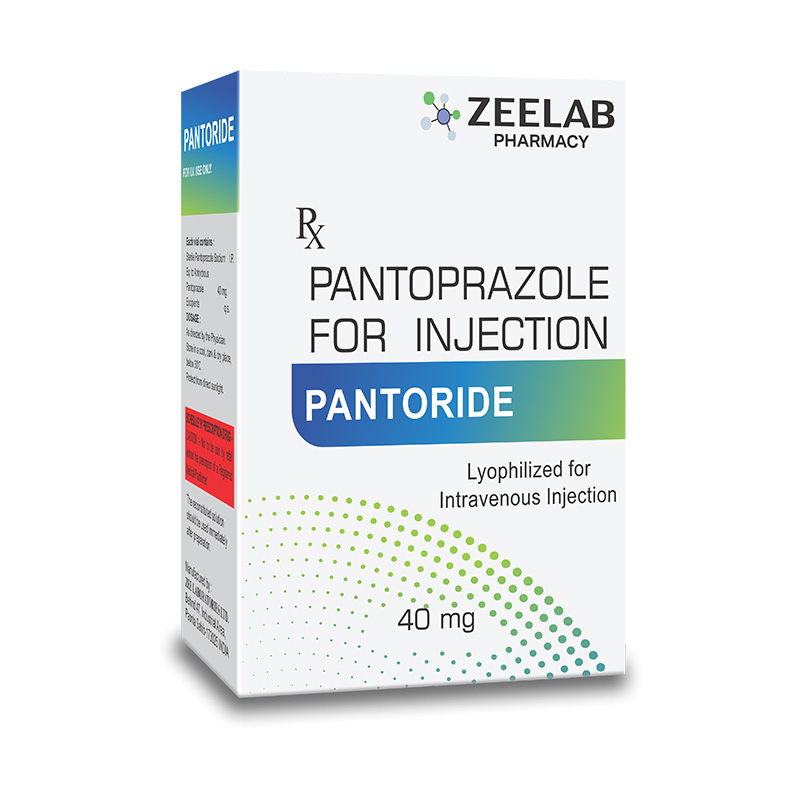
Pantoride Injection is a pantoprazole formulation generally used in hospitals for patients who are unable to take oral acid-reducing medicines.
- Composition: Pantoprazole (40mg)
- Benefits: Helps control stomach acid levels when oral acid-reducing medicines cannot be taken.
Pantoprazole and Omeprazole Side Effects
Pantoprazole and omeprazole have similar side effects because both are PPIs and work in the same way.
|
Common Side Effects |
Serious Side Effects |
|
Headache |
Severe allergic reaction |
|
Nausea |
Persistent diarrhoea |
|
Stomach pain |
Low magnesium symptoms |
|
Gas or bloating |
Kidney problems |
|
Diarrhoea |
Liver-related symptoms |
|
Constipation |
Severe stomach pain |
Note: Long-term use may increase the risk of low magnesium, vitamin B12 deficiency, weak bones, kidney problems, and gut infections. Use them for the duration advised by a doctor.
Also Read: Best Medicine for Stomach Pain
Drug Interactions: Pantoprazole vs Omeprazole
Pantoprazole and omeprazole can interact with some medicines, so it is important to tell your doctor about all ongoing prescriptions, supplements, and over-the-counter medicines before use.
|
Interaction Type |
Pantoprazole |
Omeprazole |
|
Clopidogrel |
Usually preferred if a PPI is required |
May lower clopidogrel effect |
|
Antifungals & antibiotics |
May interfere with the absorption of certain antifungals |
May interfere with absorption; additionally used with antibiotics for H. Pylori |
|
Iron supplements |
May lower iron absorption |
May lower iron absorption |
|
Antidepressants & blood thinners |
Fewer interaction issues, but caution is required |
May interact with certain antidepressants and blood thinners |
Pantoprazole vs Omeprazole for Long-Term Use
Pantoprazole and omeprazole are generally safe in the short term if used for the time period your doctor recommends.
For long-term use, pantoprazole may be the preferred choice for some patients, as there are fewer concerns about it interacting with certain medicines.
Both medicines have risks when used long-term, such as
- vitamin B12 deficiency,
- weak bones,
- kidney problems and gut infections
Pantoprazole vs Omeprazole During Pregnancy and Breastfeeding
Pantoprazole and omeprazole should be used during pregnancy or breastfeeding only when recommended by a doctor.
- During breastfeeding, small amounts may pass into breast milk, so medical advice is important before use.
- Avoid self-medicating, especially during pregnancy or while nursing.
How to Take Pantoprazole and Omeprazole Correctly?
Taking pantoprazole or omeprazole the right way helps the medicine work better and reduces the chances of side effects.
- Take as advised by your doctor.
- Usually taken before meals, preferably before breakfast.
- Swallow the tablet or capsule whole with water.
- Do not crush, chew, or break it unless your doctor says so.
- Do not take extra doses for faster relief.
- If you miss a dose, take it when you remember, unless it is almost time for the next dose.
- Do not stop long-term treatment suddenly without medical advice.
Pantoprazole vs Omeprazole: Which One Should You Choose?
No doubt that both pantoprazole and omeprazole are useful in treating acid reflux, GERD, gastritis, and ulcers.
However, which is the best will depend on various factors such as your symptoms and any other medications that you are taking.
It is better to avoid self-medication and consult a doctor for the same.
Conclusion
While comparing pantoprazole and omeprazole, it is found that both of these work in the same way and are used for the management of similar issues.
But even after belonging to the same class of PPIs, they might differ from each other concerning factors such as drug interactions, strengths, accessibility, and safety with continuous usage.
This is why it is advisable that one should not practice self-medication and should always consult a physician to know which PPI drug would be the best choice for you.
Frequently Asked Questions (FAQs)
Ans.Omeprazole and pantoprazole are used to treat acidity, acid reflux, GERD, gastritis, heartburn, and stomach ulcers by reducing stomach acid production.
Ans.The main difference is their drug interactions, dosage options, availability, and how they are processed by the body during treatment.
Ans.No, they are different medicines, but both belong to the proton pump inhibitor class and reduce excess stomach acid similarly.
Ans.Both can help manage gastritis by lowering stomach acid. The better option depends on symptoms, medical history, and the doctor’s advice.
Ans.Both may be used for long-term GERD treatment, but the choice depends on symptoms, drug interactions, and individual treatment response.
Ans.Both are generally safe when prescribed correctly, though pantoprazole may have fewer interaction concerns with certain medications.
Ans.Pantoprazole may be preferred in some patients because it usually has fewer interactions with medicines like clopidogrel and blood thinners.
Ans.Omeprazole is widely used, easily available, and commonly prescribed for acid reflux, GERD, ulcers, and H. pylori-related conditions.
Ans.Yes, but switching between PPIs should only be done under medical guidance to ensure proper dose and symptom control.
Ans.Omeprazole and pantoprazole are usually not taken together because both belong to the same drug class and work similarly.
Ans.Omeprazole may be available over the counter in some countries, while pantoprazole often requires a prescription from a doctor.
Ans.Avoid alcohol, smoking, overeating, spicy foods, and unnecessary long-term use without medical advice while taking proton pump inhibitors.
Pantoprazole (40mg)
1 Injection In 1 Vial
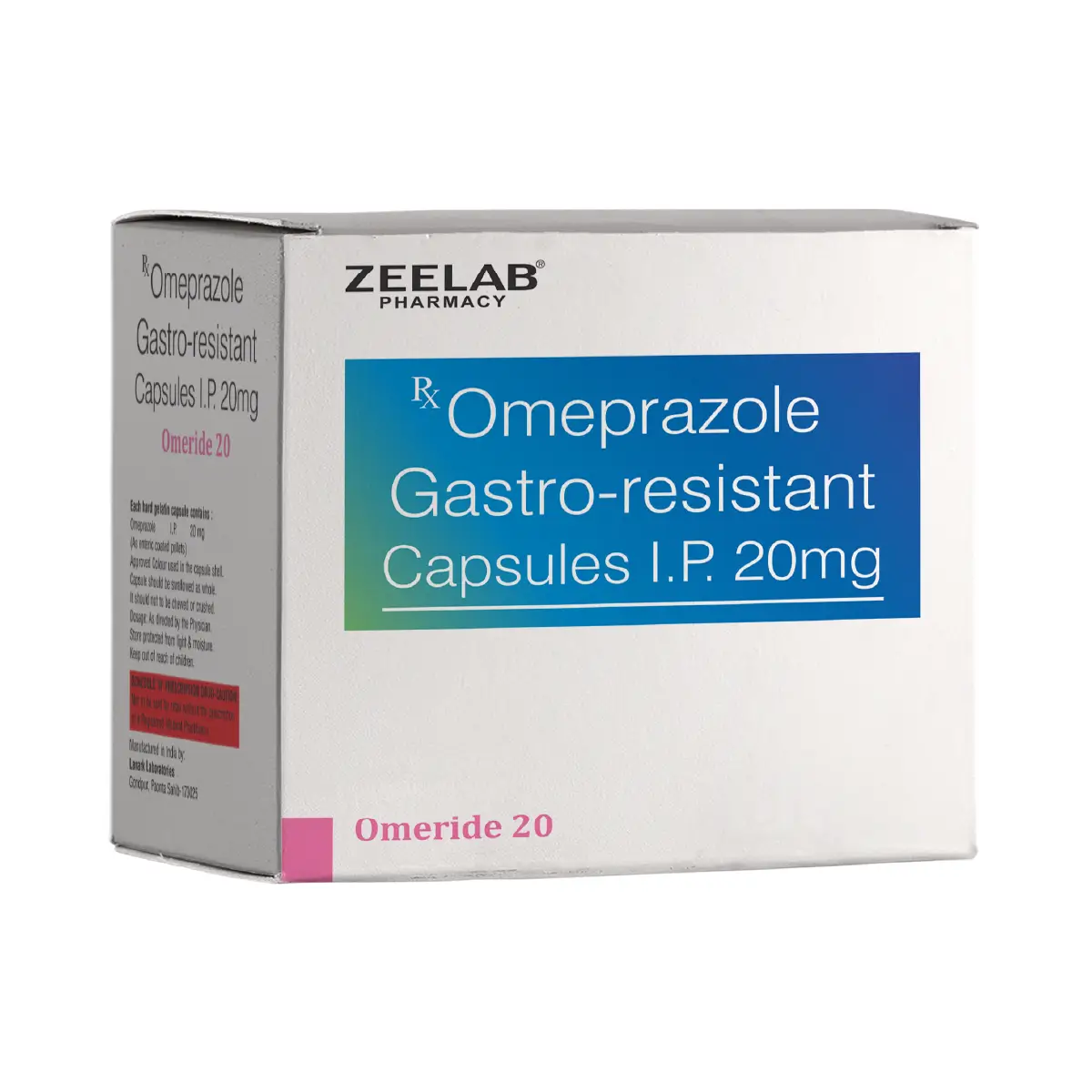
Omeprazole (20mg)
15 Capsules in 1 strip
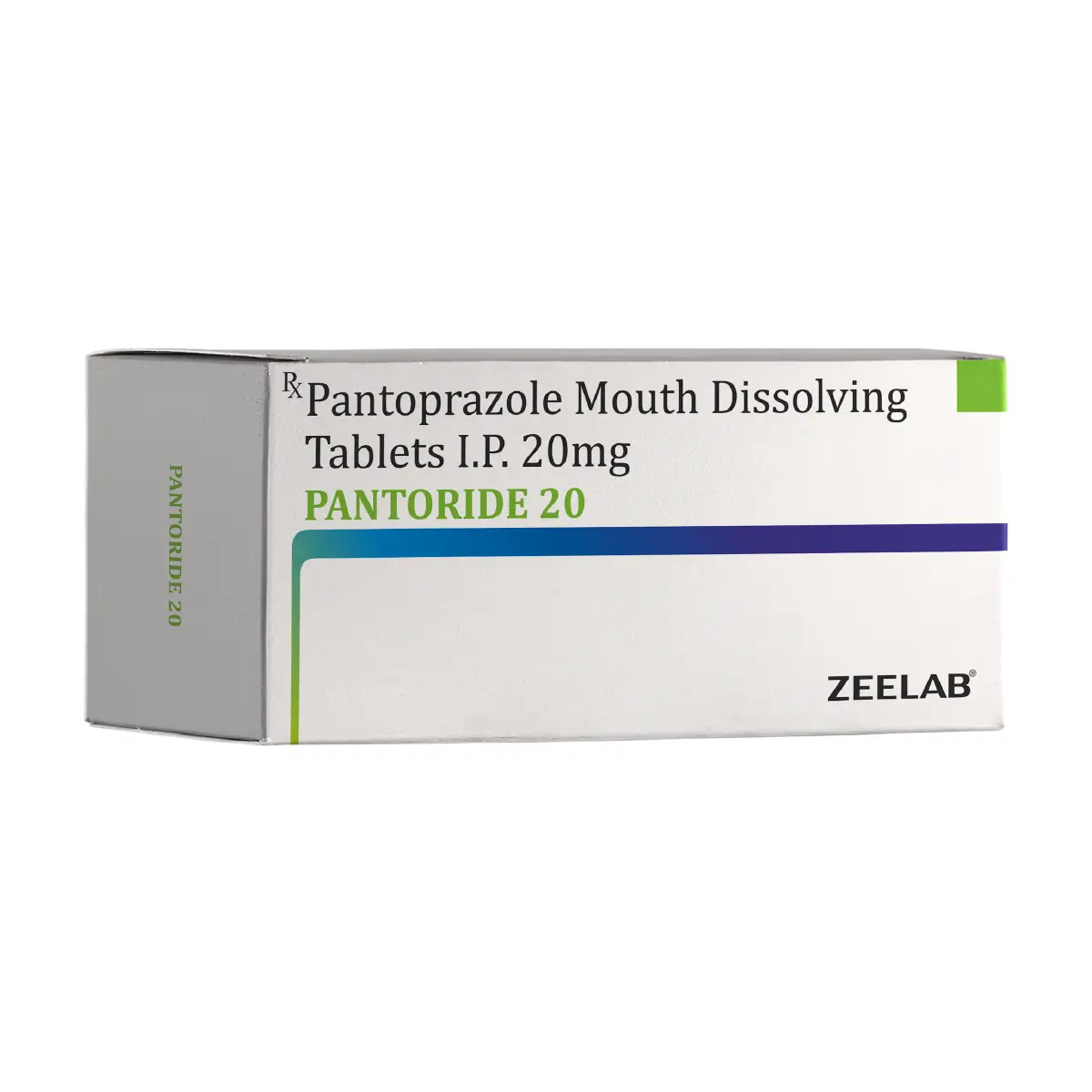
Pantoprazole (20mg)
30 Tablets In 1 Strip
References
Recent Blogs





Disclaimer : Zeelab Pharmacy provides health information for knowledge only. Do not self-medicate. Always consult a qualified doctor before starting, stopping, or changing any medicine or treatment.
Related Products


₹ 0
0
Items added
Quick Links
Categories
Our Policies

Our Socials


Subscribe

2026 Copyright By © Zeelab Pharmacy Private Limited. All Rights Reserved
Our Payment Partners

 Added!