

Best Shampoo for Monsoon Season in India: How to Choose the Right Shampoo for Your Hair Type

The monsoon season brings rain and relief from the extreme heat of summer, but it also brings hair problems!
Rainwater and constant humid weather are not good for your hair & scalp health and result in issues like dandruff, oily scalp, hair fall, frizz, and itchiness.
You can manage these issues by keeping your scalp clean, and to do that, you need to choose the right shampoo.
Through this blog, you’ll get to learn what type of shampoo you should be using during the rainy season, which ingredients are the best, and some tips to keep your hair healthy.
Why Your Hair Needs a Different Shampoo During the Monsoon
Changing seasons have a huge impact on our hair. Monsoon’s arrival results in higher humidity levels, which cause many hair issues like oil and dirt buildup on the scalp, a sweaty scalp, hair fall, hair breakage, dandruff, and fungal infections.
Your regular shampoo may not be enough to manage such issues. Therefore, for proper cleaning and hair care during the monsoon season, choosing the right shampoo is important.
Common Hair Problems During the Rainy Season
During the monsoon season, hair problems become so common that almost every person is tense because of them. People commonly face the following hair issues when the rainy season comes:
- Hair Fall: Temporary hair shedding because of humidity and strand weakening.
- Oily or Greasy Scalp: Sweat and sebum build up on the scalp, making the scalp look greasy and the hair flat & dirty.
- Dandruff: Moisture on the scalp may result in the growth of yeast that causes flakes.
- Itchy Scalp: Oil, sweat, pollution, and dandruff may irritate the scalp.
- Frizzy Hair: Humidity causes swelling of the hair shafts, giving the appearance of frizzed hair.
- Dry and Damaged Hair: Repeated exposure to rainwater and frequent shampooing may make hair dry and brittle.
How to Choose the Best Shampoo for Monsoon?
Shampoos help in cleaning your scalp, which eventually supports the good health of your hair during the rainy season.
So, when deciding which shampoo is best for the monsoon, you should consider two things: your hair type and the particular hair concern.
1) Choose a Shampoo According to Your Hair Type
People with different hair types need to choose products accordingly. This table will help you understand which type of shampoo will suit your hair type during the rainy season.
|
Hair Type |
Choose a Shampoo That... |
|
Oily Hair |
Cleans excess oil without over-drying the scalp |
|
Dry Hair |
Contains moisturising ingredients like aloe vera or glycerin |
|
Frizzy Hair |
Helps smooth the hair and reduce moisture loss |
|
Curly Hair |
Is sulphate-free and hydrating |
|
Chemically Treated Hair |
Is gentle, pH-balanced, and colour-safe |
2) Choose a Shampoo Based on Your Hair Concern
Why will you use an anti-dandruff shampoo if the issue is hair fall? For monsoon haircare, go for shampoos that target the hair issue that you are facing.
- For hair fall, look for ingredients like biotin or caffeine.
- If you have dandruff, choose anti-dandruff ingredients, like pyrithione or ketoconazole.
- If your scalp is itchy, opt for calming solutions containing tea tree oil, aloe vera, etc.
- If you have an oily scalp, you can use clarifying shampoos with salicylic acid or tea tree oil.
- And if you have a sensitive scalp, choose mild, pH-balanced and perfume-free shampoos.
What to Look for in a Monsoon Shampoo Before Buying?
Before buying a shampoo, you should consider a few things, as the monsoon causes various hair problems, and the use of the wrong products can worsen the condition.
Before buying, you need to check:
- Active ingredients
- Hair type suitability
- Sulphate-free or mild cleansing claims
- pH-balanced formula
- Expiry date
- Instructions and warnings for medicated shampoos
Some beneficial ingredients are explained below:
|
Ingredient |
Benefits |
Best For |
|
Tea Tree Oil |
Helps control excess oil and dandruff |
Oily scalp |
|
Neem |
Supports scalp hygiene |
Dandruff-prone scalp |
|
Aloe Vera |
Hydrates and soothes the scalp |
Dry hair |
|
Salicylic Acid |
Removes excess oil and buildup |
Oily scalp |
|
Biotin |
Supports healthy-looking hair |
Hair fall |
|
Caffeine |
Helps strengthen hair |
Weak hair |
|
Zinc Pyrithione |
Helps manage dandruff |
Flaky scalp |
|
Ketoconazole |
For persistent dandruff under medical guidance |
Severe dandruff |
Ingredients to Avoid During the Monsoon
Some ingredients are very common in shampoos, but they can cause significant damage. So, along with choosing good ingredients, avoid the following ingredients as well.
- Strong sulphates: Strip hair of its natural oils and leave it frizzy and dry.
- Heavy silicones: Easily form build-ups to create oily hair.
- Drying alcohols: Lead to dry and damaged hair.
- Too much artificial scent: Irritates a sensitive and wet scalp.
Herbal or Medicated Shampoo: Which is Better During Monsoon?
Herbal shampoos can be a great option for hair care and everyday washing during the monsoon.
Some main ingredients include:
- Tea Tree Oil & Neem have the natural ability to fight bacteria and fungus.
- Amla, Bhringraj & Shikakai improve the strength of roots and give shine.
- Aloe Vera provides a soothing effect on an itchy or dry scalp.
However, for dandruff, itching, or any scalp infection, it is recommended to opt for a prescribed shampoo.
Can One Shampoo Solve Every Monsoon Hair Problem?
A big NO. The rainy season can lead to a wide range of hair problems, and a single shampoo cannot resolve them all.
You will need to use shampoos that treat a particular issue at a time. You may even need to switch to different shampoos and consult a dermatologist in case of severe hair problems.
How Often Should You Wash Your Hair During Monsoon?
How frequently you should wash your hair depends on your hair type. A general frequency of hair washing is stated in the following table.
|
Hair Type |
Recommended Frequency |
|
Oily Hair |
Every 1 or 2 days |
|
Normal Hair |
2 or 3 times a week |
|
Dry Hair |
About twice a week |
|
Curly Hair |
Once or twice a week, depending on scalp condition |
Common Mistakes to Avoid While Choosing a Shampoo During the Monsoon
Avoid these common mistakes to keep your hair healthy:
- Buying shampoo based only on advertisements
- Ignoring your hair and scalp type
- Using the same shampoo throughout the year
- Overwashing your hair
- Leaving rainwater on your scalp for long periods
- Expecting shampoo alone to stop hair fall
Additional Tips to Keep Your Hair Healthy During the Rainy Season
Along with choosing the right shampoo, try to incorporate some daily good habits into your routine. It may include:
- Dry your hair properly after every wash.
- Avoid tying wet hair.
- Clean combs and hair brushes regularly.
- Eat a balanced diet rich in protein and vitamins.
- Stay hydrated.
- Limit excessive heat styling.
Best Zeelab Shampoo Recommendations for Every Monsoon Hair Concern
Keep your hair healthy throughout the rainy season with Zeelab Pharmacy's range of shampoos, specially formulated to address common monsoon concerns like dandruff, oily scalp, hair fall, and dryness.
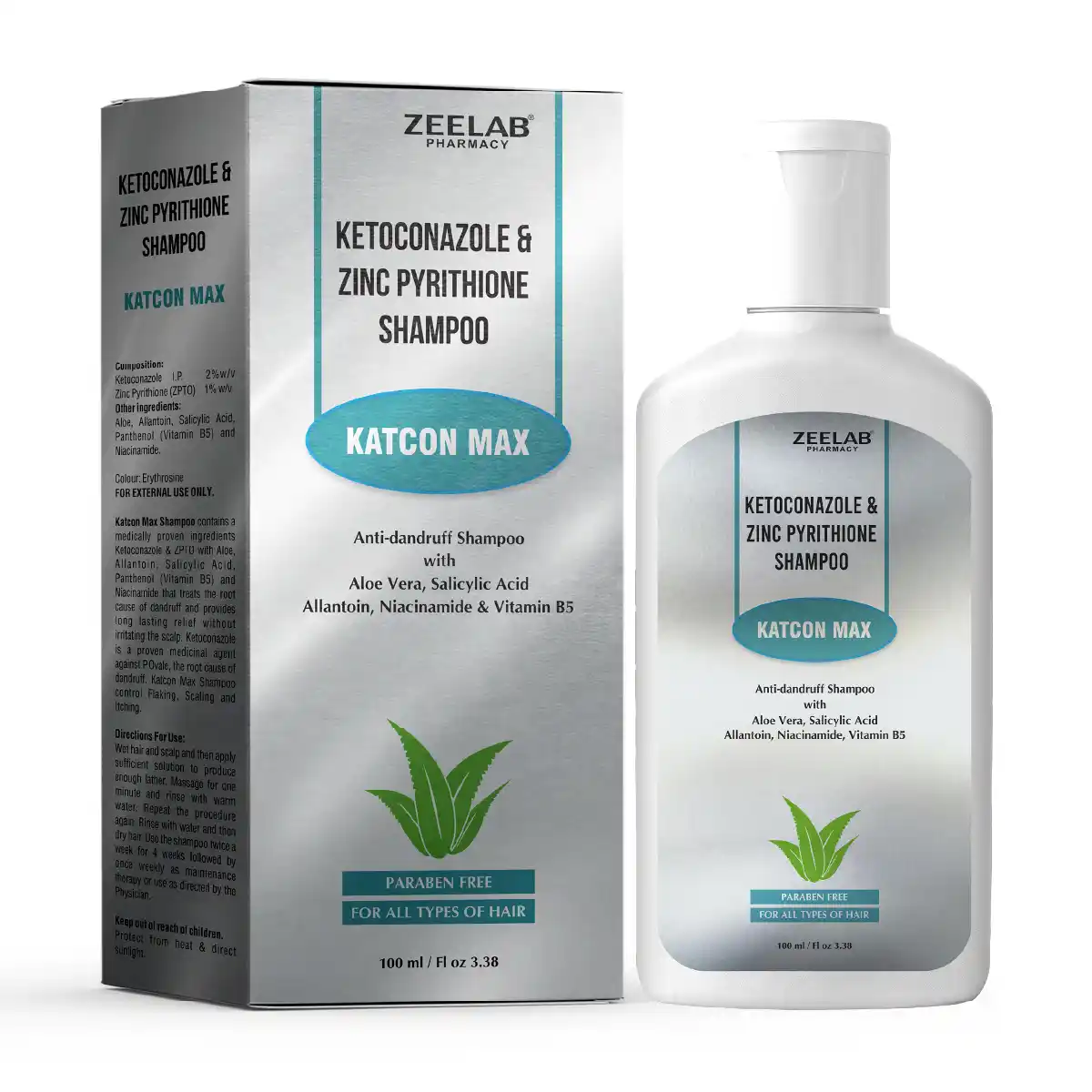
Katcon Max Shampoo
A medicated shampoo that gently cleanses the scalp and targets dandruff-causing fungi, making it suitable for monsoon scalp care.
- Composition: Ketoconazole (2% w/v) + Zinc Pyrithione (1% w/v) + Aloe Vera + Salicylic Acid + Niacinamide + Vitamin B5 + Allantoin
- Best For: Persistent dandruff, itchy scalp, oily scalp
- Why We Recommend It: Helps keep the scalp clean during humid weather.
- Suitable For: Adults with dandruff-prone scalps.
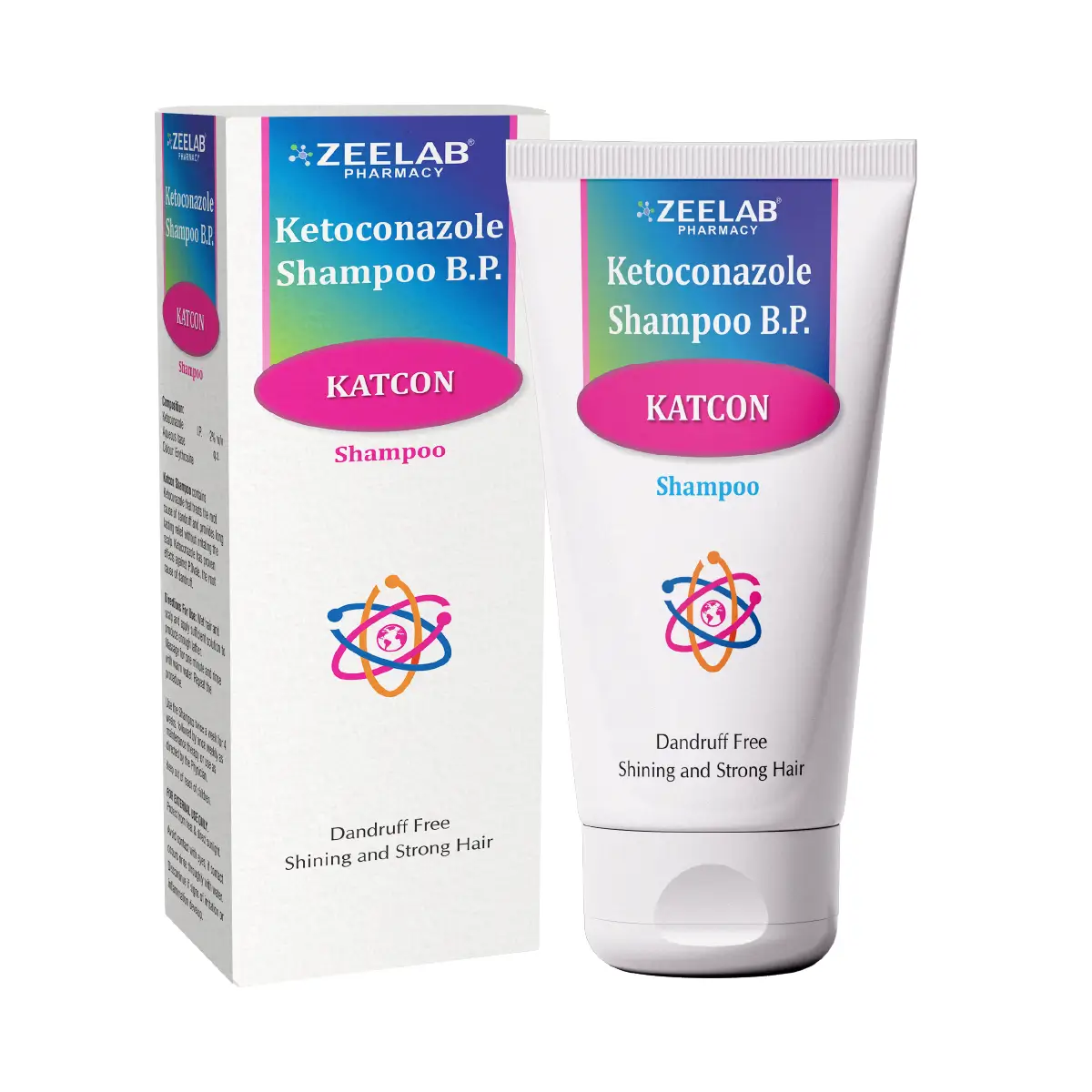
Katcon Ketoconazole 2% Shampoo
A medicated shampoo that gently cleanses the scalp and helps manage dandruff and fungal scalp concerns during the monsoon.
- Composition: Ketoconazole (2% w/v)
- Best For: Dandruff, scalp itching, fungal scalp concerns
- Why We Recommend It: Suitable for stubborn dandruff and scalp flakes.
- Suitable For: People with persistent dandruff (use under medical guidance).
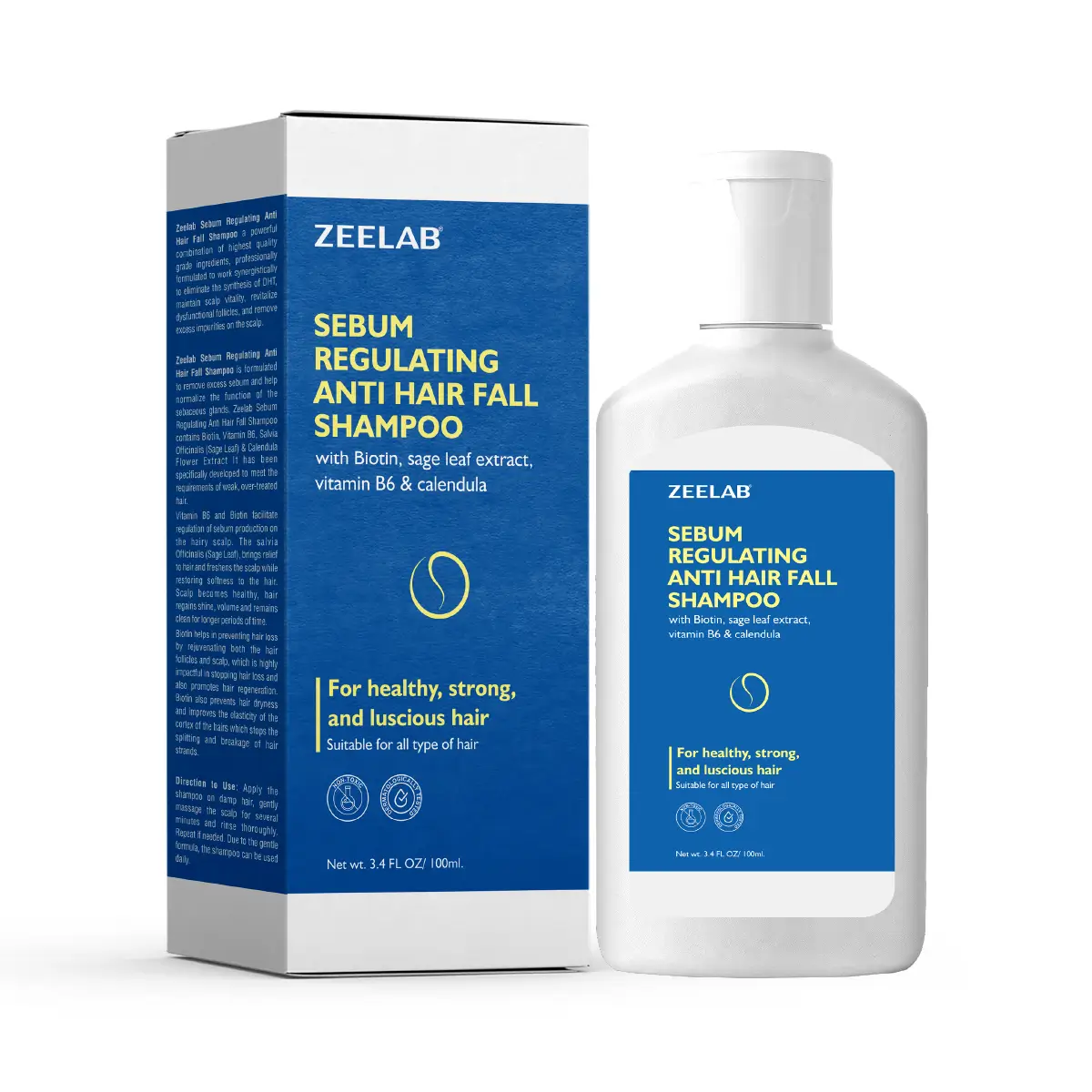
Zeelab Sebum Regulating Anti Hair Fall Shampoo
A sebum-balancing shampoo enriched with beneficial ingredients and natural oils that gently cleanses excess oil while nourishing the scalp and hair.
- Composition: Aloe Vera + D-Panthenol (Pro-Vitamin B5) + Vitamin B6 + Milk Protein + Calendula Extract + Sage Leaf Extract + Wheat Germ Oil + Biotin (Vitamin B7) + Almond Oil + Coconut Oil + Olive Oil
- Best For: Oily scalp, greasy hair, seasonal hair fall
- Why We Recommend It: Helps keep the scalp fresh and clean during the monsoon.
- Suitable For: Men and women with oily or combination hair.
Milk Protein Hair Shampoo with Biotin
It is a good shampoo for humid weather, having milk protein and biotin that gently remove dirt and excess oil while helping maintain soft, manageable hair.
- Composition: Aloe Vera + Milk Protein + D-Panthenol + Biotin + Wheat Germ Oil + Olive Oil + Coconut Oil + Almond Oil
- Best For: Dry, damaged, weak, or frizzy hair
- Why We Recommend It: Helps keep hair soft and manageable.
- Suitable For: Normal, dry, and chemically treated hair.
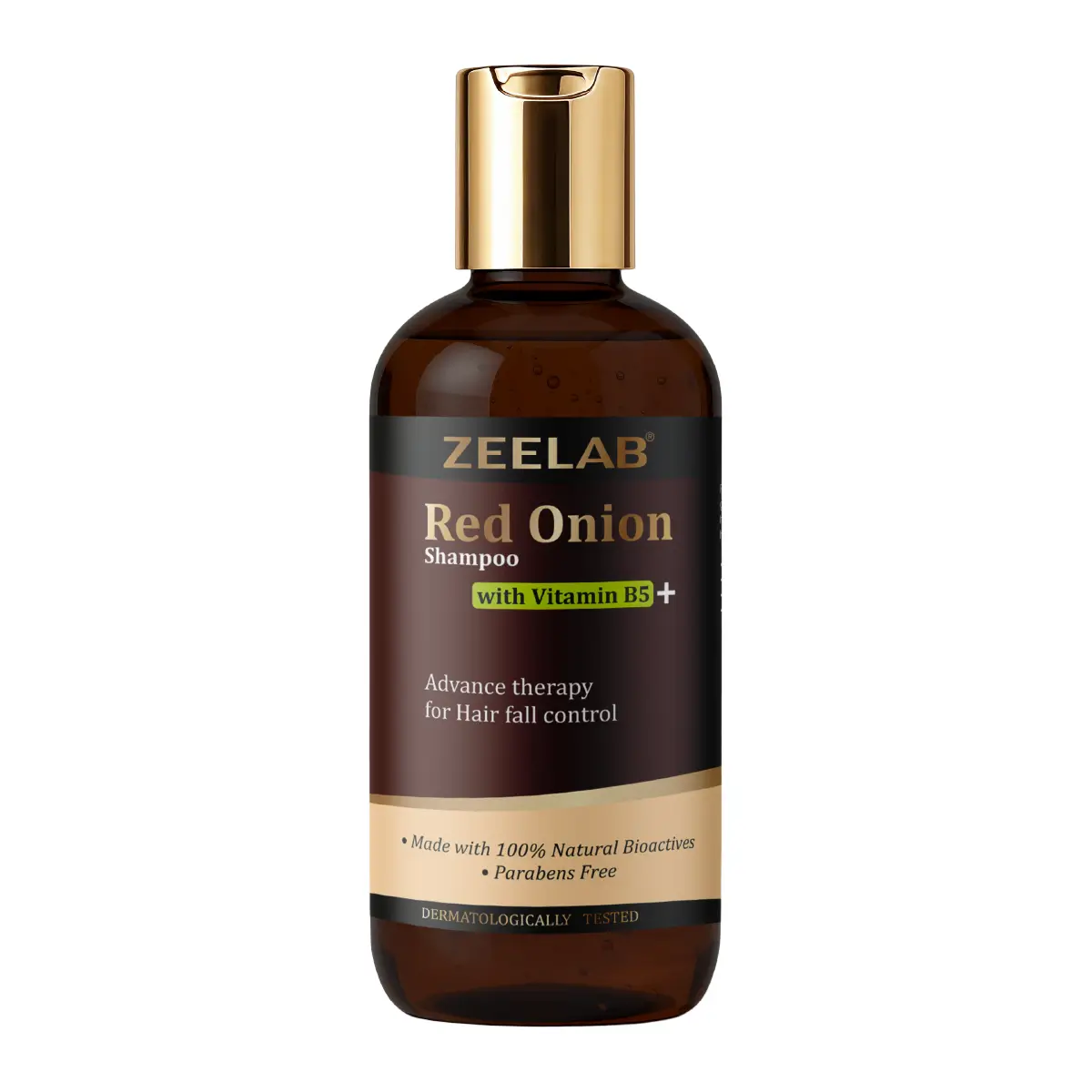
Zeelab Red Onion Shampoo With Vitamin B5
A cleansing shampoo with onion extract and vitamin B5 that removes dirt and excess oil as part of your regular monsoon hair care routine.
- Composition: Onion Extract + Vitamin B5 + Activated Dimethicone + Glycerine + Cocamidopropyl Betaine + Sodium Laureth Sulfate + Aqua
- Best For: Weak hair, seasonal hair fall, dull hair
- Why We Recommend It: Helps keep the scalp clean during humid weather.
- Suitable For: Men and women for everyday hair care.
Conclusion
Hair problems during the monsoon season are common. Caring for your scalp health is really important to prevent such problems; using the right shampoo can help with that.
You need to use a shampoo that will not only target your hair concern but also suit your hair type. Choose the right ingredients, avoid the bad ones, and follow healthy habits for strong and smooth hair throughout the rains.
Frequently Asked Questions (FAQs)
Ans.Choose a shampoo based on your hair type and scalp concern. Lightweight, gentle formulas with suitable ingredients work best during the monsoon.
Ans.Look for ingredients like tea tree oil, aloe vera, neem, biotin, salicylic acid, or zinc pyrithione based on your specific hair concern.
Ans.Sulphate-free shampoos are suitable for dry, curly, or chemically treated hair, while oily scalps may benefit from stronger cleansing formulations.
Ans.Most people should shampoo two to three times weekly. Oily scalps may need more frequent washing depending on sweat and oil buildup.
Ans.Yes. Washing your hair after rain helps remove dirt, pollutants, and impurities that may accumulate on the scalp and hair.
Ans.Light oiling before shampooing may suit dry hair, but avoid excessive oil if your scalp becomes oily during the monsoon.
Ans.A suitable shampoo supports scalp health and reduces buildup, but hair fall may require additional care depending on the underlying cause.
Ans.Choose a moisturising shampoo with aloe vera, milk proteins, or nourishing oils to help manage frizz and improve hair smoothness.
Ans.A hydrating shampoo with moisturising ingredients like aloe vera, biotin, milk protein, or natural oils is suitable for dry, frizzy hair.
Ans.High humidity and sweat can encourage dandruff-causing microorganisms, increasing the chances of flakes, itching, and scalp irritation during the monsoon.
Ans.High humidity can increase frizz, weaken hair strands, and make the scalp oilier, affecting overall hair manageability during the rainy season.
Ans.Use a medicated shampoo if you have persistent dandruff, severe itching, or fungal scalp infections, preferably under medical guidance.
Ketoconazole (2% w/v)
60ml In 1 Tube

Aloe Vera + Milk Protein + D-Panthenol + Biotin + Wheat Germ Oil + Olive Oil + Coconut Oil + Almond Oil
300ml shampoo in bottle
Aloe Vera + D-Panthenol (Pro-Vitamin B5) + Vitamin B6 + Milk Protein + Calendula Extract + Sage Leaf Extract + Wheat Germ Oil + Biotin (Vitamin B7) + Almond Oil + Coconut Oil + Olive Oil
100ml In 1 Bottle
Onion Extract + Vitamin B5 + Activated Dimethicone + Glycerine + Cocamidopropyl Betaine + Sodium Laureth Sulfate + Aqua
300ml In 1 Bottle
Ketoconazole (2%w/v) + Zinc Pyrithione (ZPTO) (1%w/v) + Aloe Vera + Salicylic Acid + Niacinamide + Vitamin B5 + Allantoin
100ml In 1 Bottle
References
- https://medlineplus.gov/druginfo/meds/a682816.html
- https://www.nhs.uk/conditions/dandruff/
- https://pmc.ncbi.nlm.nih.gov/articles/PMC2887514/
- https://www.researchgate.net/profile/Cr-Subscription/publication/345604945_Formulation_and_Evaluation_of_Herbal_Anti-Dandruff_Shampoo_from_Bhringraj_Leaves/links/5fa92373299bf10f73301b7c/Formulation-and-Evaluation-of-Herbal-Anti-Dandruff-Shampoo-from-Bhringraj-Leaves.pdf
Recent Blogs





Disclaimer : Zeelab Pharmacy provides health information for knowledge only. Do not self-medicate. Always consult a qualified doctor before starting, stopping, or changing any medicine or treatment.
Related Products


₹ 0
0
Items added
Quick Links
Categories
Our Policies

Our Socials


Subscribe

2026 Copyright By © Zeelab Pharmacy Private Limited. All Rights Reserved
Our Payment Partners

 Added!