

Monsoon Hair Care Routine: 10 Expert Tips to Take Care of Your Hair During the Rainy Season

Monsoon acts as a relief after the scorching heat during the summer season. Getting drenched in rain brings back childhood memories, but is that good for your hair?
After the fun part is over, your hair gets to meet with humidity, which is more like an enemy for your hair.
Humidity causes frizziness, dandruff, hair fall, greasiness, and dryness. Honestly, who wants all this?
So, here are some hair care tips for the rainy season, along with a well-described monsoon hair care routine that will help you maintain your pretty hair and enjoy the monsoon.
Why Does Your Hair Need Extra Care During the Monsoon?
In the rainy season, there is always a lot of high humidity and moisture in the environment, which will affect your hair as well as your scalp.
- High humidity makes the hair shaft swell, resulting in frizz.
- Sweating makes the scalp oily.
- A damp scalp creates an environment for fungus and causes dandruff.
- Seasonal hair shedding may become more noticeable.
- Wet hair becomes weaker and breaks more easily.
It is very normal for your hair to become chaotic during the rainy season; hence, special care is required to maintain it.
Common Hair Problems During the Rainy Season
Rain is not a great friend to our hair. You may face many different hair issues during this season. Some of them are:
- Hair Fall: High humidity increases seasonal shedding. We usually lose 50-100 strands a day, but during monsoon, that goes up to 150-200.
- Frizzy Hair: Our hair acts like a sponge and swells up due to the absorption of moisture from the environment, leading to frizz.
- Oily Scalp: High humidity levels lead to the production of more oil and increased sweating; hence, your scalp becomes oily and tends to collect dirt.
- Dandruff and Itchy Scalp: Moisture in the hair makes it a suitable place for fungal growth, resulting in dandruff, itchiness and irritation.
- Hair Breakage: Wet hair is more prone to breakage. Rough towel drying or combing wet hair increases breakage.
Monsoon Hair Care Routine: 10 Expert Tips
Now that we are done with the introduction, let’s come to the main concern of the blog.
These are some of the best tips that will help in the management of hair and should definitely be included in a rainy season hair care routine.
1. Clean the Scalp, NOT Overwash
When you keep your scalp clean, it reduces the chances of fungal growth, sweat and dirt buildup.
- Wash your hair 2 or 3 times a week (or as your hair type) using a mild shampoo.
- Avoid using shampoo every day if not required.
2. Dry Your Hair Properly After Rain or Hair Wash
Drying your wet hair immediately is important to avoid fungal growth.
- Use a microfibre towel to pat dry or a hair dryer.
- Avoid hard rubbing of hair or tying wet hair.
- Avoid keeping your hair wet after getting caught in the rain.
3. Oil Your Hair the Right Way
Oiling is really healthy for your hair, and so is doing it in the right way.
- Lightly apply oil 30 to 60 minutes before shampooing.
- Coconut oil is good for most hair types.
- Almond or argan oil is good for dry hair.
- Those with an oily scalp should avoid overnight heavy oiling.
4. Use Conditioner Every Time You Shampoo
Using a conditioner is really important because it helps prevent the two most common issues, frizz and breakage.
- Apply the conditioner only to the hair length and not to the scalp.
- Expert Tip: People with fine hair can consider using a lightweight conditioner to help keep hair manageable.
5. Avoid Combing Wet Hair
Wet hair is easily breakable and stretches more; hence, combing it can cause more hair to break.
- Make sure your hair has dried before brushing it.
- Use a wide-tooth comb.
- Start gently detangling from the ends.
6. Protect Your Hair From Rainwater
Try to avoid getting your hair wet in the rain. It may have impurities.
- Carry and use an umbrella on rainy days.
- Wash hair if completely drenched.
7. Eat a Hair-Healthy Diet
Hair health is highly affected by your diet. Including the following foods and nutrients can help:
|
Nutrient |
Food Sources |
|
Protein |
Eggs, lentils, paneer |
|
Spinach, chickpeas, raisins |
|
|
Pumpkin seeds, nuts, beans |
|
|
Biotin |
Eggs, almonds, sweet potatoes |
|
Vitamin D |
Fatty fish, egg yolk, fortified milk |
|
Omega-3 Fatty Acids |
Salmon, flaxseeds, wal |
If diet is not enough to provide these, you can also consider taking supplements after consulting a doctor.
8. Limit Heat Styling and Chemical Treatments
During the rainy season, the hair is already strained and, thus, further use of hair styling and chemical treatments becomes harmful.
- Avoid using a hair straightener and curling iron.
- Avoid chemical treatments and bleaching.
9. Keep Hair Accessories Clean
We use various kinds of hair accessories regularly; if kept clean, they can help us to prevent infections. Some of the accessories include:
- Hair brushes
- Combs
- Towels
- Pillow covers
- Hair bands
10. Choose Products Based on Your Hair Type
Different hair types have different needs. Here is a quick guide for the same.
|
Hair Type |
What Works Best |
|
Oily Hair |
Lightweight shampoo |
|
Dry Hair |
Moisturising conditioner |
|
Curly Hair |
Leave-in conditioner |
|
Fine Hair |
Lightweight volumising products |
|
Frizzy Hair |
Anti-frizz serum |
Best Monsoon Hair Care Routine Based on Your Hair Type
Different hair types require different care routines. Some may need frequent shampooing, while others may not.
Using the wrong routine for your hair type can do more harm than good. Let’s explore how to care for each hair type.
Monsoon Hair Care for Oily Hair
- Wash frequently with a mild shampoo.
- Avoid heavy oils.
- Choose lightweight products.
Monsoon Hair Care for Dry Hair
- Use moisturising shampoos and conditioners.
- Apply a light hair serum.
- Limit shampooing.
Monsoon Hair Care for Curly Hair
- Deep condition regularly.
- Use leave-in conditioners.
- Avoid brushing dry curls.
Monsoon Hair Care for Frizzy Hair
- Apply anti-frizz serum.
- Avoid too much heat styling.
- Use sulphate-free shampoos if suitable.
Monsoon Hair Care for Long Hair
- Keep hair loosely tied outdoors.
- Trim split ends regularly.
Monsoon Hair Care for Chemically Treated Hair
- Use protein-rich conditioners.
- Minimise heat styling.
- Protect hair from rainwater.
Best Hair Care Products for Monsoon from Zeelab Pharmacy
Wondering how to take care for your hair in the Indian monsoon? While preventive measures are good, you also need to include the right products in your hair care routine in the monsoon.
Check out these products by Zeelab Pharmacy for common seasonal hair problems.
Zeelab Sebum Regulating Anti Hair Fall Shampoo
A gentle cleansing shampoo formulated to remove excess oil, dirt, and impurities while maintaining scalp hygiene, making it suitable for regular use during the humid monsoon season.
- Composition: Aloe Vera + D-Panthenol (Pro-Vitamin B5) + Vitamin B6 + Milk Protein + Calendula Extract + Sage Leaf Extract + Wheat Germ Oil + Biotin (Vitamin B7) + Almond Oil + Coconut Oil + Olive Oil
- Benefits: Cleanses oily scalp, reduces buildup, keeps hair fresh during humid weather.
Katcon Shampoo
A medicated shampoo formulated to cleanse the scalp while helping manage dandruff-causing microorganisms. It is suitable for maintaining scalp hygiene during the damp monsoon season.
- Composition: Ketoconazole (2% w/v)
- Benefits: Helps control dandruff, relieves scalp flakes, supports a cleaner, healthier scalp.
Zeelab Anti Hair Fall Conditioner
A nourishing conditioner applied to hair lengths after shampooing to smooth the hair cuticle, improve moisture balance, and make hair easier to manage during the monsoon.
- Composition: Sunflower Oil + Wheat Germ Oil + D-Panthenol + Olive Oil + Aloe Vera Extract + Lactic Acid + Milk Protein
- Benefits: Reduces frizz, improves softness, and helps minimise hair breakage after washing.
Zeelab Minoxil Pro Hair Growth Serum
A lightweight leave-in hair serum containing Redensyl, Procapil, Anagain, and botanical extracts that is applied directly to the scalp as part of a regular hair care routine.
- Composition: Redensyl (3%) + Procapil (3%) + Anagain (2%) + Rosemary Oil (1%)
- Benefits: Supports healthier-looking hair, nourishes the scalp, complements daily hair care routine.
Zeelab Hair Growth Oil
A blend of herbal oils and essential oils is used as a pre-shampoo treatment to nourish the scalp and hair before cleansing, especially during the rainy season.
- Composition: Bhringraj Oil + Brahmi Oil + Amla Oil + Onion Seed Oil + Fenugreek Oil + Pumpkin Seed Oil + Rosemary Essential Oil + Argan Oil + Jojoba Oil + Tea Tree Essential Oil + Neem Oil + Avocado Oil + Grape Seed Oil + Almond Oil + Olive Oil + Coconut Oil + Vitamin E + Peppermint Essential Oil + Lavender Essential Oil
- Benefits: Nourishes scalp, conditions hair, supports stronger, healthier-looking hair with regular use.
How Often Should You Wash Your Hair During Rainy Season?
The frequency of hair washing depends on a person’s hair type and needs.
Normally, people with oily scalp need to wash their hair more frequently than those with a normal scalp.
|
Scalp Type |
Recommended Washing |
|
Oily |
Every 2 days |
|
Normal |
2 or 3 times weekly |
|
Dry |
1 or 2 times weekly |
|
After heavy rain exposure |
Wash as needed |
Also Read: Best Shampoo for Monsoon Season
Natural Home Remedies for Monsoon Hair Care
Monsoon hair care home remedies may support hair care, but should not replace medical treatment for persistent scalp or hair conditions.
|
Remedy |
Benefit |
|
Aloe vera gel |
Soothes itchy scalp |
|
Coconut oil (pre-shampoo) |
Reduces protein loss |
|
Yoghurt and fenugreek mask |
Helps moisturise hair |
|
Hibiscus hair mask |
Supports healthier-looking hair |
|
Coconut milk mask |
Softens dry hair |
Common Monsoon Hair Care Myths and Facts
Many myths about hair health during the monsoon can lead to confusion and often make people take the wrong decision.
We have broken down some common monsoon hair care myths.
|
Myth |
Fact |
|
Hair fall always increases permanently during the monsoon. |
Seasonal shedding is usually temporary. |
|
Oiling overnight cures dandruff. |
Too much oiling may worsen fungal growth on oily scalps. |
|
Rainwater is naturally clean. |
Rainwater may contain pollutants. |
|
Conditioner causes hair fall. |
Conditioner reduces breakage when used correctly. |
Hair Care Mistakes to Avoid During Monsoon
Well, no doubt, following the right routine for maintaining hair health during monsoon is great, but you also need to avoid making common mistakes like:
- Leaving hair wet for long periods
- Sleeping with wet hair
- Using very hot water
- Heavy oiling on an oily scalp
- Skipping conditioner
- Using dirty combs
- Excessive heat styling
- Tight hairstyles on wet hair
Monsoon Hair Care: Quick Do's and Don'ts
In an overview of the whole blog, this is a simple table to guide what you should do and don’t.
|
Do’s |
Don’ts |
|
Dry your hair after getting wet. |
Don't tie wet hair. |
|
Keep your scalp clean and dry. |
Don't leave heavy oil on an oily scalp. |
|
Use an anti-dandruff shampoo for a flaky scalp (if recommended). |
Don't skip conditioner. |
|
Eat protein and nutrient-rich foods. |
Don't use a fine comb on wet hair. |
|
Follow simple hair care tips during the monsoon consistently. |
Don't overwash your hair. |
When Should You See a Dermatologist?
While hair problems like frizziness, breakage, dandruff, and greasiness are too common and harmless, never confuse them with signs that may indicate something serious. Consult a doctor in the following cases:
- Hair fall lasting more than 6 to 8 weeks
- Patchy hair loss
- Severe dandruff
- Persistent scalp itching
- Scalp pain or swelling
- Pus-filled bumps
- Foul-smelling scalp discharge
- Suspected fungal infection
Conclusion
In conclusion, we can say that the rainy season brings a lot of hair problems, such as hair fall, frizz, dandruff, oily scalp, etc.
But the management of these problems is simple and can be done through cleanliness, proper drying, eating the right foods, and choosing the right haircare products.
Taking care of hair during monsoon is not difficult; just following these practical tips can keep your hair healthier, stronger, and easier to manage throughout the monsoon.
Frequently Asked Questions (FAQs)
Ans.Yes, mild hair fall during monsoon is normal due to seasonal shedding, humidity, and scalp changes. However, excessive or prolonged hair loss should be evaluated by a dermatologist.
Ans.Humidity does not permanently damage hair, but it can make it frizzy, difficult to manage, and more prone to breakage by causing the hair shaft to absorb excess moisture.
Ans.Hair becomes frizzy after rain because humidity causes the hair cuticle to absorb moisture and swell. This disrupts the hair's smooth surface, making it appear rough, puffy, and difficult to manage.
Ans.Yes, dandruff may become more common during the monsoon because humidity and a damp scalp promote fungal growth, leading to flakes, itching, and scalp irritation.
Ans.Yes, dandruff may become more common during the monsoon because humidity and a damp scalp promote fungal growth, leading to flakes, itching, and scalp irritation.
Ans.Wash your hair 2-3 times a week or according to your scalp type. If your scalp is oily or your hair gets soaked in rain, you may need to wash it more often.
Ans.No, daily hair washing is usually unnecessary unless your scalp becomes very oily or sweaty. Overwashing can strip natural oils and make hair dry and brittle.
Ans.Yes, light pre-shampoo oiling is beneficial during the monsoon. Apply a small amount of oil 30 to 60 minutes before washing and avoid heavy overnight oiling on oily scalps.
Ans.Use a conditioner after shampooing and apply a lightweight anti-frizz serum to damp hair. Avoid excessive brushing and let your hair air dry whenever possible.
Ans.Keep your scalp clean, dry your hair thoroughly, use conditioner, avoid combing wet hair, eat a balanced diet, and protect your hair from rainwater to reduce hair fall and frizz.
Ans.A mild shampoo is best for regular monsoon hair care. If you have dandruff or a flaky scalp, use an anti-dandruff shampoo recommended by a healthcare professional.
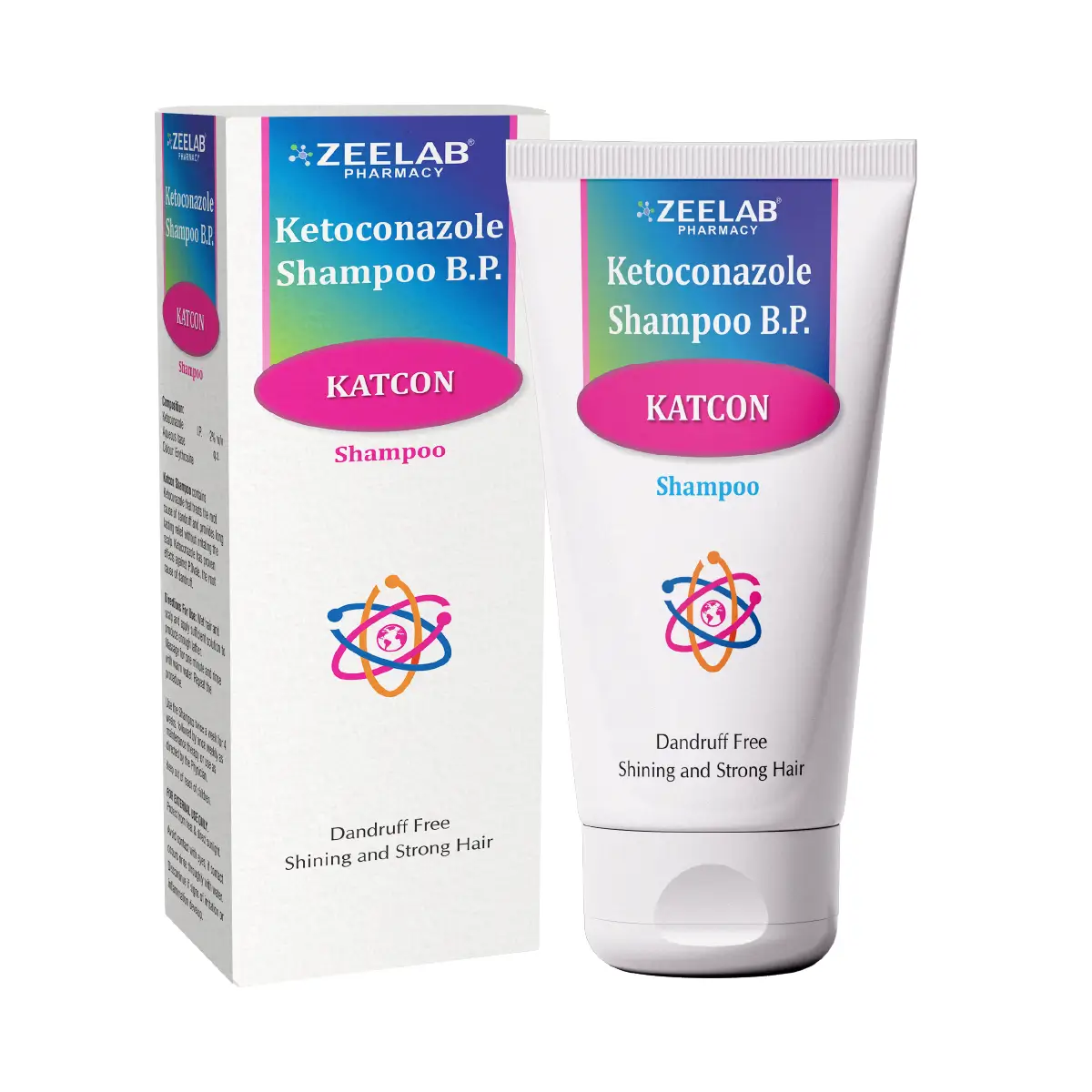
Ketoconazole (2% w/v)
60ml In 1 Tube
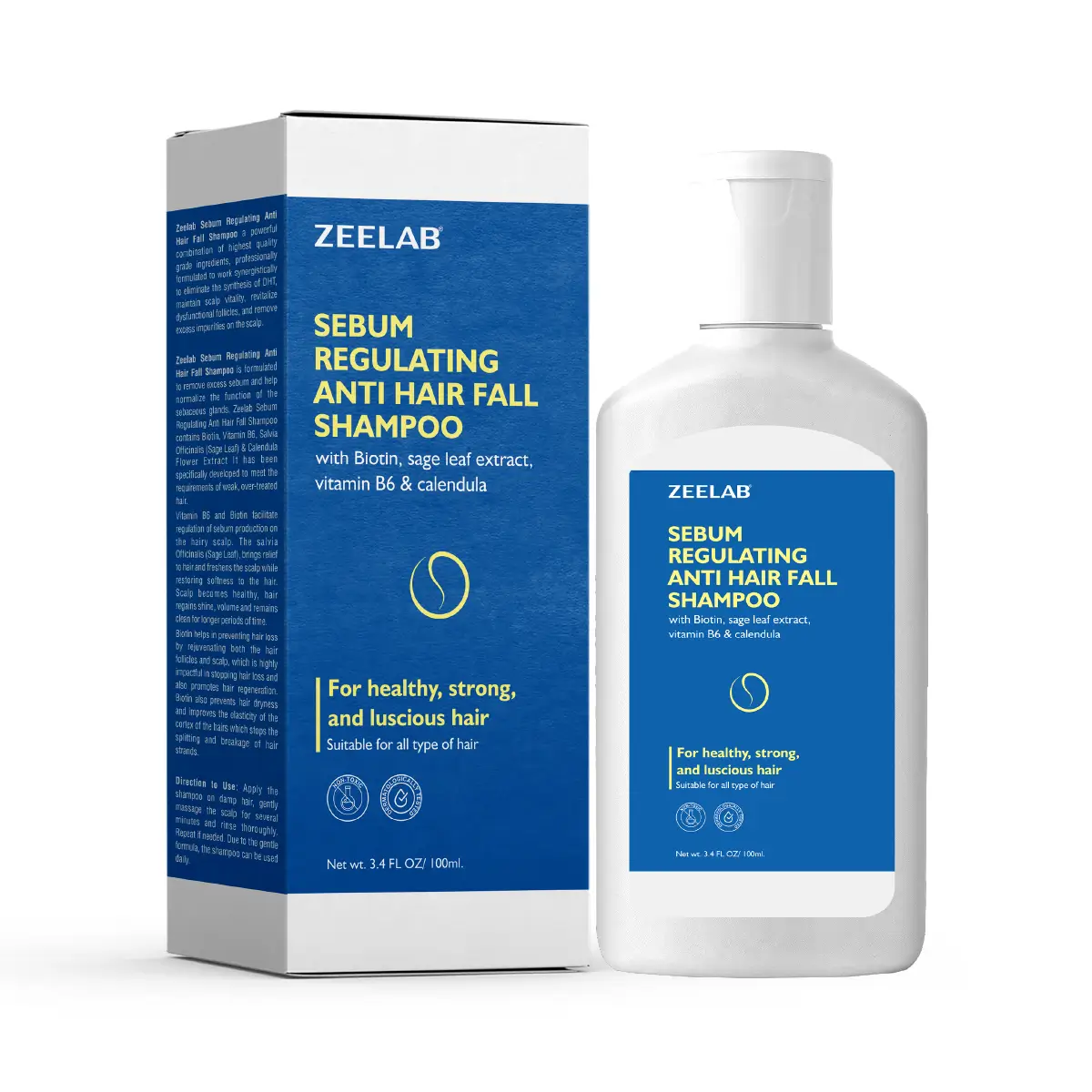
Aloe Vera + D-Panthenol (Pro-Vitamin B5) + Vitamin B6 + Milk Protein + Calendula Extract + Sage Leaf Extract + Wheat Germ Oil + Biotin (Vitamin B7) + Almond Oil + Coconut Oil + Olive Oil
100ml In 1 Bottle
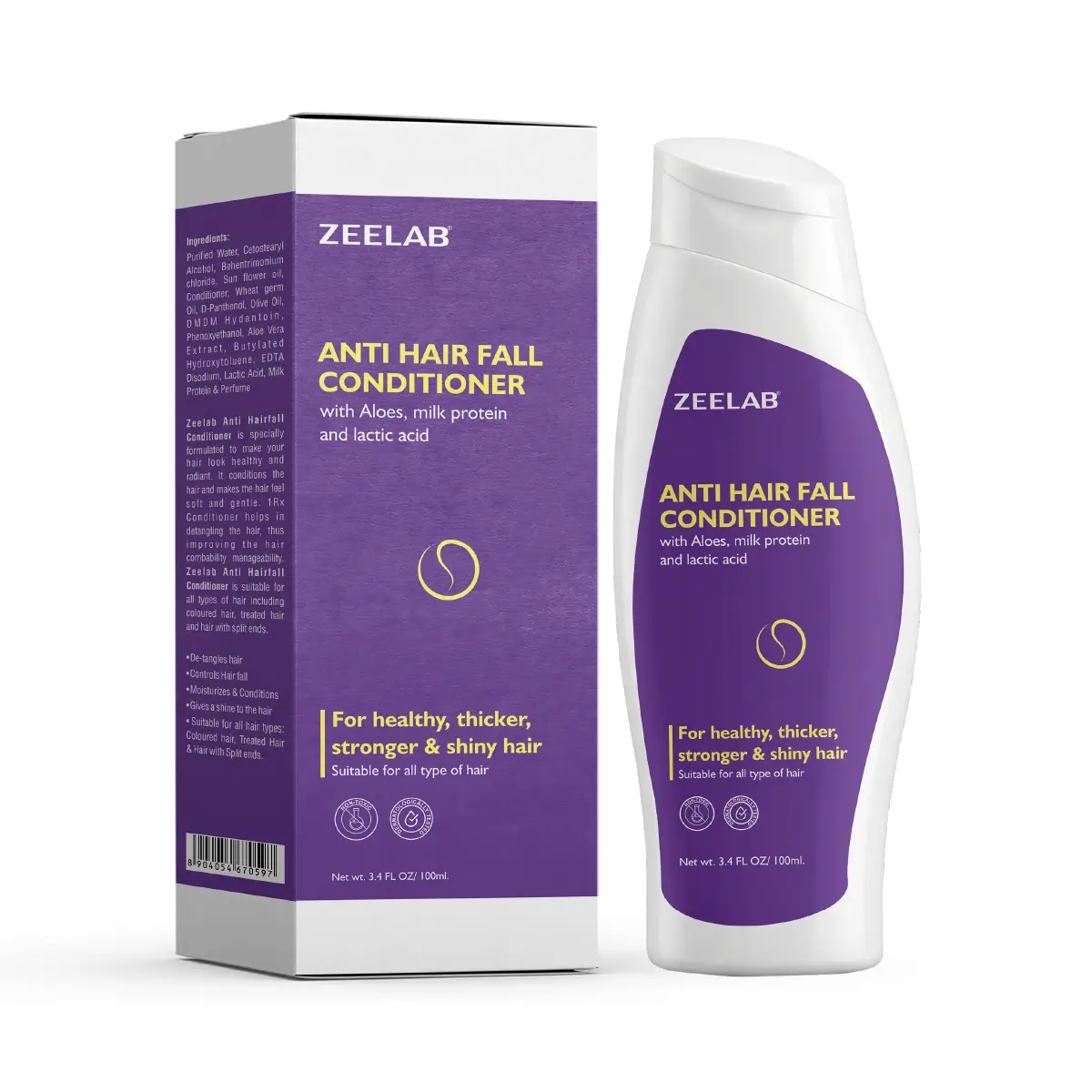
Sunflower Oil + Wheat Germ Oil + D-Panthenol + Olive Oil + Aloe Vera Extract + Lactic Acid + Milk Protein
100ml In 1 Bottle
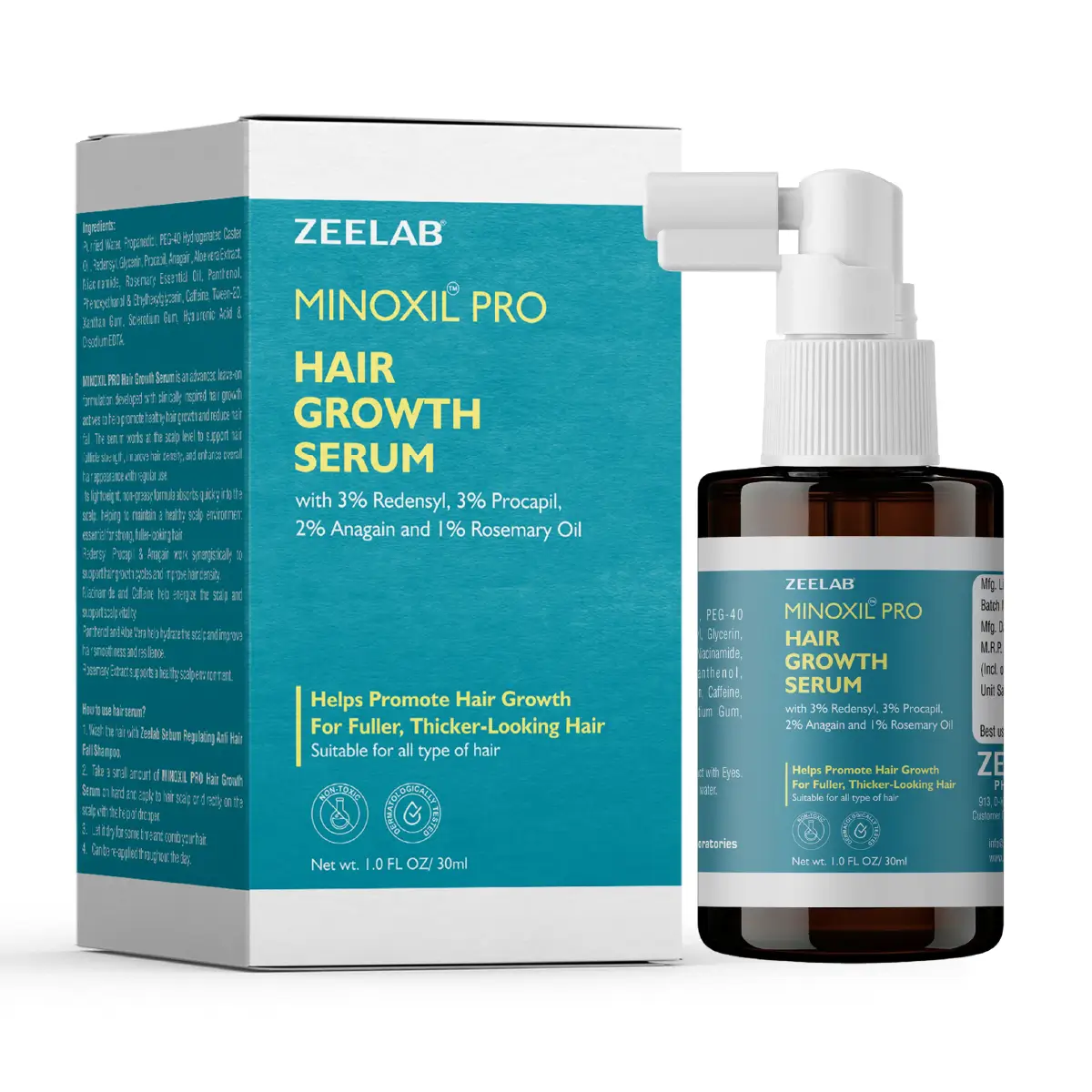
Redensyl (3%) + Procapil (3%) + Anagain (2%) + Rosemary Oil (1%)
30ml In 1 Bottle
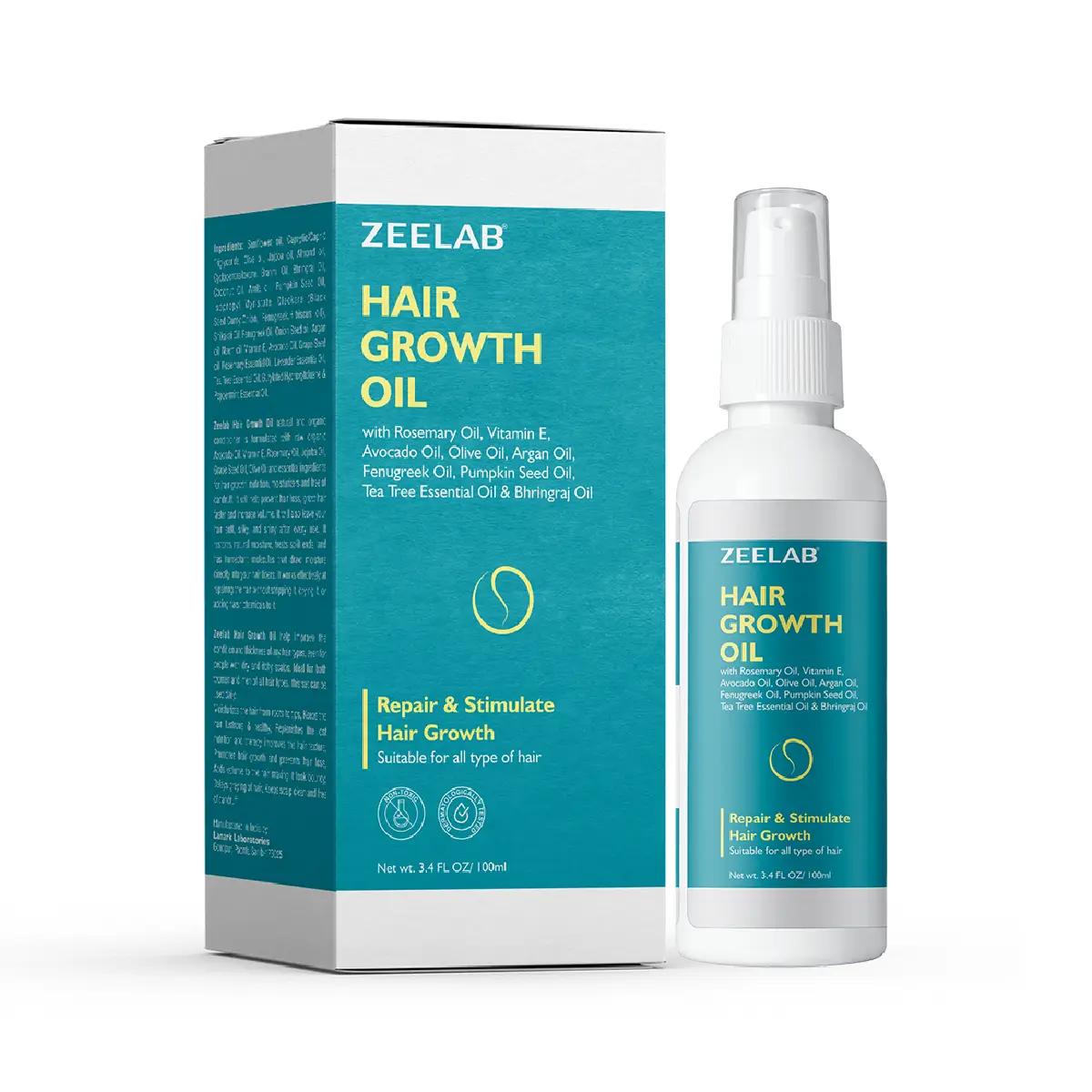
Bhringraj Oil + Brahmi Oil + Amla Oil + Onion Seed Oil + Fenugreek Oil + Pumpkin Seed Oil + Rosemary Essential Oil + Argan Oil + Jojoba Oil + Tea Tree Essential Oil + Neem Oil + Avocado Oil + Grape Seed Oil + Almond Oil + Olive Oil + Coconut Oil + Vitamin E + Peppermint Essential Oil + Lavender Essential Oil
100ml In 1 Bottle
References
Recent Blogs





Disclaimer : Zeelab Pharmacy provides health information for knowledge only. Do not self-medicate. Always consult a qualified doctor before starting, stopping, or changing any medicine or treatment.
Related Products


₹ 0
0
Items added
Quick Links
Categories
Our Policies

Our Socials


Subscribe

2026 Copyright By © Zeelab Pharmacy Private Limited. All Rights Reserved
Our Payment Partners

 Added!