

Hair Fall During Monsoon: Top 10 Tips to Stop Hair Fall in the Rainy Season
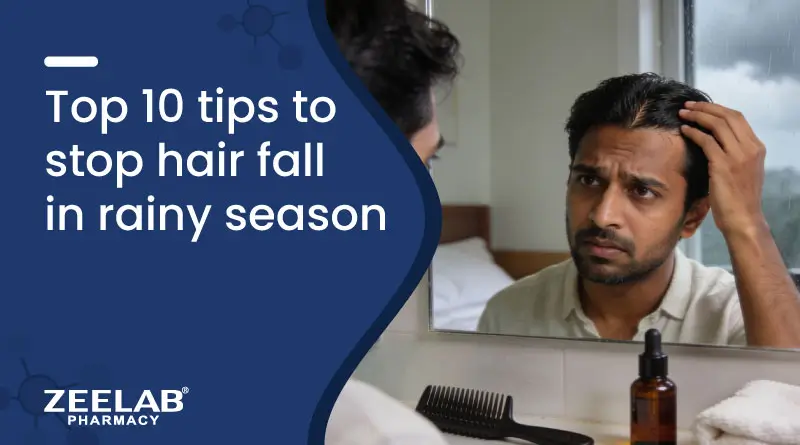
Monsoon brings joy as it cools down the extreme heat of summer. But while reducing the heat, the monsoon increases humidity in the environment.
This rise in humidity leads to many different hair problems; hair fall is one of the main issues. The humid air and fallen hair strands found everywhere make you even more irritated.
Taking care of hair, especially during the monsoon, becomes important. Let's read the relationship between the rainy season and hair fall, and how to reduce hair fall in the monsoon through the selected top 10 tips.
Why Does Hair Fall Increase During Monsoon?
Usually, people experience more hair fall during the rainy season due to several factors that come along with the rains.
The following are the reasons for excessive hair fall in the monsoon.
|
Cause |
How It Leads to Hair Fall |
|
High humidity |
Weakens hair strands and increases breakage |
|
Sweaty scalp |
Excess oil and sweat clog follicles |
|
Dandruff and fungal infections |
Cause inflammation and weaken roots |
|
Rainwater and pollution |
Irritate the scalp and damage hair |
|
Poor nutrition |
Weakens hair roots |
|
Wet hair handling |
Increases breakage |
|
Heat styling |
Damages already fragile hair |
Is Hair Fall During Monsoon Normal?
It is normal to lose 50 to 100 strands of hair a day, but during the monsoon, you may face more fallen strands, and that is completely normal considering the high humidity.
Usually, this increased hair shedding is temporary and may also resolve naturally in some people.
You don’t really need to be worried about it, except when you see some extreme signs, which are discussed in the further sections of the blog.
How Can You Reduce Hair Fall During Monsoon?
The rainy season leads to various changes in the environment, resulting in too much hair fall during the monsoon.
If you are thinking whether this hair fall can be prevented? Yes, that’s possible through a healthy haircare routine for monsoon and some preventive measures. Be mindful of the following:
- Keep your scalp clean.
- Use a shampoo that’s suitable for your scalp type.
- Avoid getting your hair wet in the rain.
- Don’t leave your hair wet.
- Take the right nutritious diet.
Hair Fall vs Hair Breakage During Monsoon
Hair fall and hair breakage are two different things that often confuse people. Both these problems can be seen during the rainy season, but hair fall is the more common one. Let’s see the difference between the two:
|
Hair Fall |
Hair Breakage |
|
Hair falls from the root |
Hair breaks from the middle or ends |
|
A white bulb may be visible |
No white bulb at the broken end |
|
More common during the monsoon |
Also common due to humidity and wet hair |
|
Often linked to scalp health, seasonal shedding, or nutrition |
Usually caused by rough handling, dryness, heat, or chemical damage |
|
Needs scalp-focused care |
Needs conditioning and damage protection |
Signs That Your Hair Fall Needs Attention During the Rainy Season
Knowing that hair fall is common in the monsoon season, we may confuse this hair fall with other signs that may indicate a much more serious issue.
Watch for the following signs for early detection and treatment:
- Excessive hair fall while washing or on the pillow every morning
- Noticeable hair thinning
- Widening hair part
- Bald patches
- Persistent dandruff
- Itchy scalp
- Redness or scalp pain
Top 10 Tips to Prevent Hair Fall During Monsoon Season
Everybody loves their hair, and when they experience hair fall, even if it's not too much, they can get stressed. During the rainy season, hair shedding naturally increases, but it can be managed through simple changes in daily routine.
Here are the top 10 tips to control hair fall in the monsoon.
1. Keep Your Scalp Clean
Your scalp is the main reason for many of your hair problems. Keeping it clean can really help to prevent oil buildup, dandruff, and infections.
- Wash regularly according to your scalp type.
- Regularly detangle with a clean, wide-tooth comb.
2. Never Leave Your Hair Wet
Wet hair is fragile; hence, they break easily. After washing or getting caught in rain, dry your hair completely with a clean, soft towel.
- Don’t tie wet hair.
- Avoid harsh rubbing with a towel.
- Try air drying if possible.
3. Avoid Getting Exposed to Rainwater
Rainwater cannot always be pure; there is a high chance that rainwater contains harsh pollutants because of increasing pollution, which can damage your hair.
- Use an umbrella.
- Wash your hair if completely drenched in rain.
4. Choose the Right Shampoo and Conditioner for Your Scalp Type
To clean your scalp, you need a shampoo that ain’t harsh on your scalp. While a conditioner is important to prevent frizz and breakage.
|
Scalp Type |
Recommended Care |
|
Oily |
Use a balancing shampoo with a light conditioner |
|
Dry |
Shampoo that also provides moisturisation and a nourishing conditioner |
|
Sensitive |
Fragrance-free shampoo and conditioner |
|
Dandruff-prone |
Anti-dandruff shampoo with a lightweight conditioner |
5. Manage Stress
Stress can cause more hair shedding.
- Get proper sleep of 7 to 8 hours.
- Practice yoga and meditate daily.
6. Oil Your Hair the Right Way
Hair oiling is very important for keeping your hair soft and shiny.
- Gently massage with the lightweight hair oil.
- Avoid excessive oiling if you have an oily scalp.
7. Eat a Hair-Healthy Diet
Good nutrition leads to healthy hair. Incorporate food items that contain nutrients such as protein, iron, zinc, biotin, omega-3, etc.
8. Stay Hydrated
It is crucial to drink lots of water for a healthy scalp and the proper functioning of the body, for hair to grow well.
9. Avoid Heat Styling, Tight Hairstyles, and Chemical Treatments
Your hair is more prone to damage in humid weather. Heating and using chemicals will only make the situation worse. Avoid:
- Hair dryers and straighteners
- Chemical treatments
- Tight hairstyles
10. Treat Dandruff and Scalp Infections Early
Ignoring dandruff and scalp infections for a long time can cause more shedding and discomfort. You should examine your scalp on a regular basis and see a doctor immediately.
- Use a medicated shampoo if advised.
- Consult a dermatologist if symptoms persist.
Hair Care Mistakes That Can Make Hair Fall Worse During Monsoon
Hair fall can worsen if you don’t care for your hair and keep making the following mistakes:
- Sleeping with wet hair
- Tying wet hair
- Washing with very hot water
- Skipping shampoo for too long
- Applying too much oil
- Aggressive towel drying
- Overusing styling tools
- Frequent chemical treatments
- Using dirty combs or towels
Home Remedies for Hair Fall During Monsoon
If you are looking for natural ways to treat hair shedding, you may look at these home remedies, which are not only simple but also have minimal side effects.
Remember that these remedies cannot help when hair fall is due to medical reasons or hormonal changes.
|
Home Remedy |
Benefits |
How to Use |
|
Aloe Vera Gel |
Soothes the scalp |
Apply for 20 to 30 minutes, then rinse. |
|
Onion Juice |
Promotes hair growth |
Apply for 15 to 20 minutes, then wash. |
|
Fenugreek (Methi) |
Nourishes your hair and prevents breakage |
Apply the paste for 30 minutes, then rinse. |
|
Coconut Oil + Curry Leaves |
Moisturises and strengthens hair |
Massage into scalp and wash off after 1-2 hours. |
|
Green Tea Rinse |
Supports scalp health |
Use cooled green tea as a final rinse. |
|
Egg Hair Mask |
Strengthens hair with protein |
Apply for 20 minutes, then rinse with cool water. |
Also Read: Home Remedies for Dandruff
Best Foods to Reduce Hair Fall During Rainy Season
When the body is healthy from within, your hair will become healthy on its own. Taking the right nutrients in the diet can help reduce hair fall by making hair stronger.
|
Nutrient |
Sources |
Tip |
|
Protein |
Eggs, Dal, Paneer |
Try including protein in every meal |
|
Spinach, Lentils |
Take with foods rich in Vitamin C |
|
|
Zinc |
Pumpkin seeds |
Eat a handful several times a week |
|
Eggs, Almonds |
Maintain a balanced diet |
|
|
Omega-3 |
Walnuts, Flaxseeds |
Add them to breakfast or when snacking |
|
Vitamin D |
Sunlight, Fortified foods |
Take 10-15 minutes of sunlight in the morning |
Can Rainwater Cause Hair Fall?
When pure, rainwater is great for your hair. But with the increasing pollution in urban areas, acid rain has become common and makes rainwater polluted.
When polluted rainwater stays on the scalp, it may temporarily irritate the scalp and worsen dandruff and scalp infections.
This is why it is highly advised to wash and dry your hair after getting drenched in rain.
How Long Does Monsoon Hair Fall Last?
Under normal conditions, seasonal hair shedding is seen only for a few weeks during the monsoon. As the weather starts to change, hair starts regrowing.
However, when it takes more than 2-3 months, you should visit a dermatologist.
Best Haircare Products for Managing Hairfall in Monsoon
Explore Zeelab Pharmacy's trusted hair care products that cleanse, nourish, and protect your hair, making them ideal additions to your monsoon hair care routine.
Zeelab Hair Growth Oil
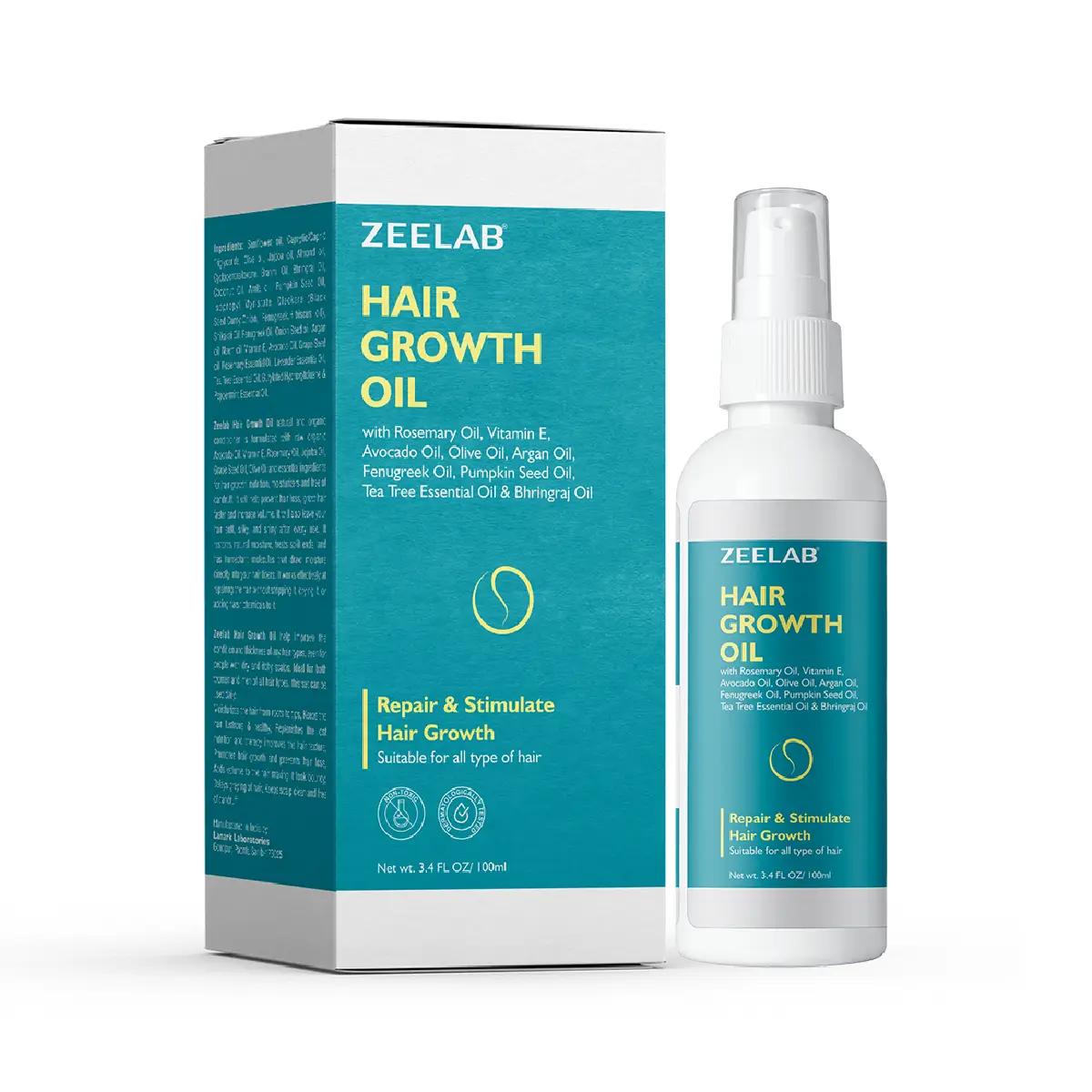
A herbal hair oil formulated with nourishing botanical oils and essential oils that moisturise the scalp and hair, making it suitable for a balanced monsoon hair care routine.
- Composition: Bhringraj Oil + Brahmi Oil + Amla Oil + Onion Seed Oil + Fenugreek Oil + Pumpkin Seed Oil + Rosemary Essential Oil + Argan Oil + Jojoba Oil + Tea Tree Essential Oil + Neem Oil + Avocado Oil + Grape Seed Oil + Almond Oil + Olive Oil + Coconut Oil + Vitamin E + Peppermint Essential Oil + Lavender Essential Oil
- Benefits: Supports scalp nourishment, helps reduce breakage, and maintains healthy-looking hair during the monsoon.
Zeelab Bhringraj Hair Oil
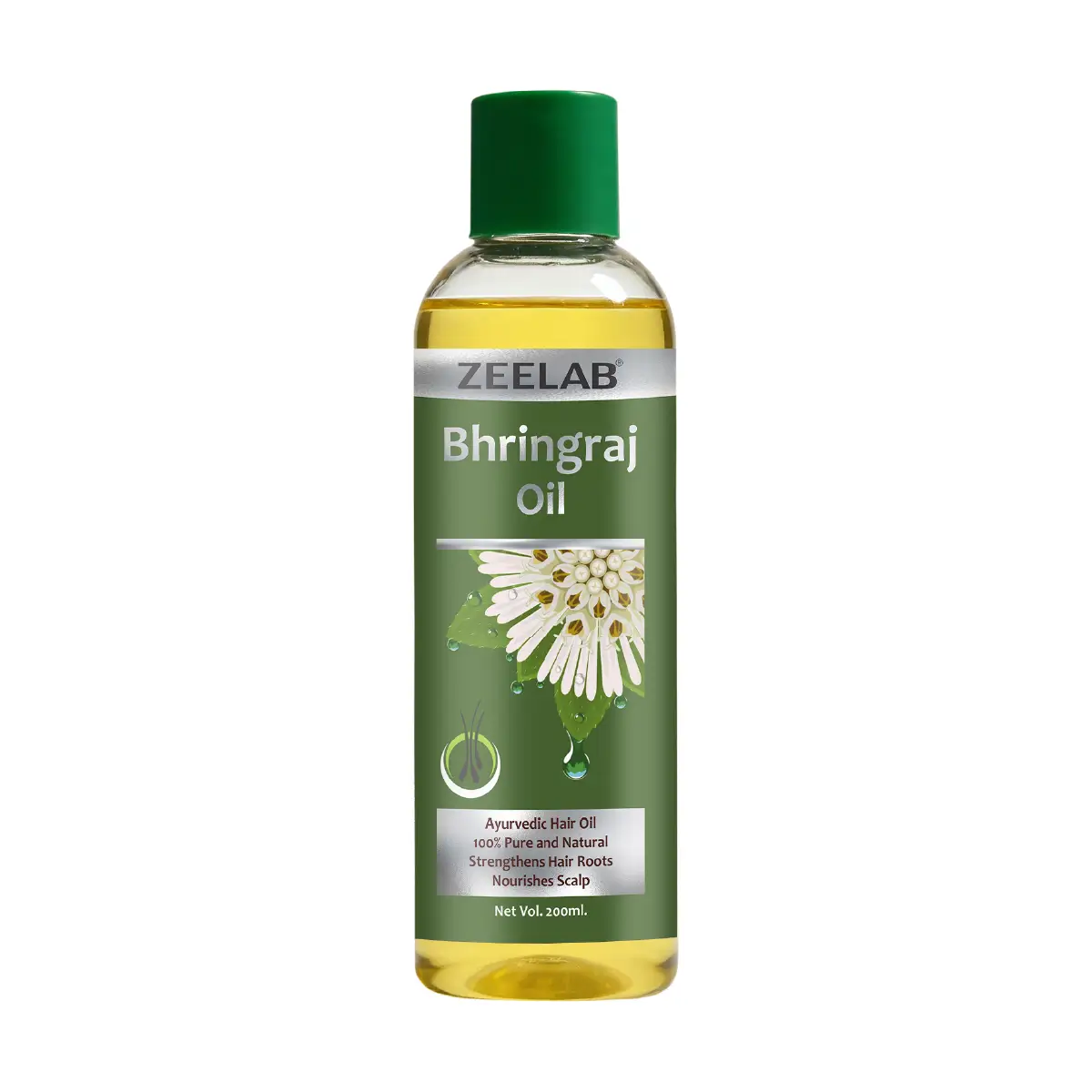
An Ayurvedic hair oil containing Bhringraj and traditional herbs that nourishes the scalp and conditions hair as part of regular monsoon hair care.
- Composition: Bhringraj + Brahmi + Amla + Sesame Oil + Harad + Bahera + Nagar Motha + Kachur + Lodhra + Manjistha + Bavachi + Bariyar + Chandan + Anantamul + Henna + Mulethi + Jatamansi + Kooth
- Benefits: Helps nourish the scalp, strengthen hair, and improve overall hair manageability.
Coconut Oil
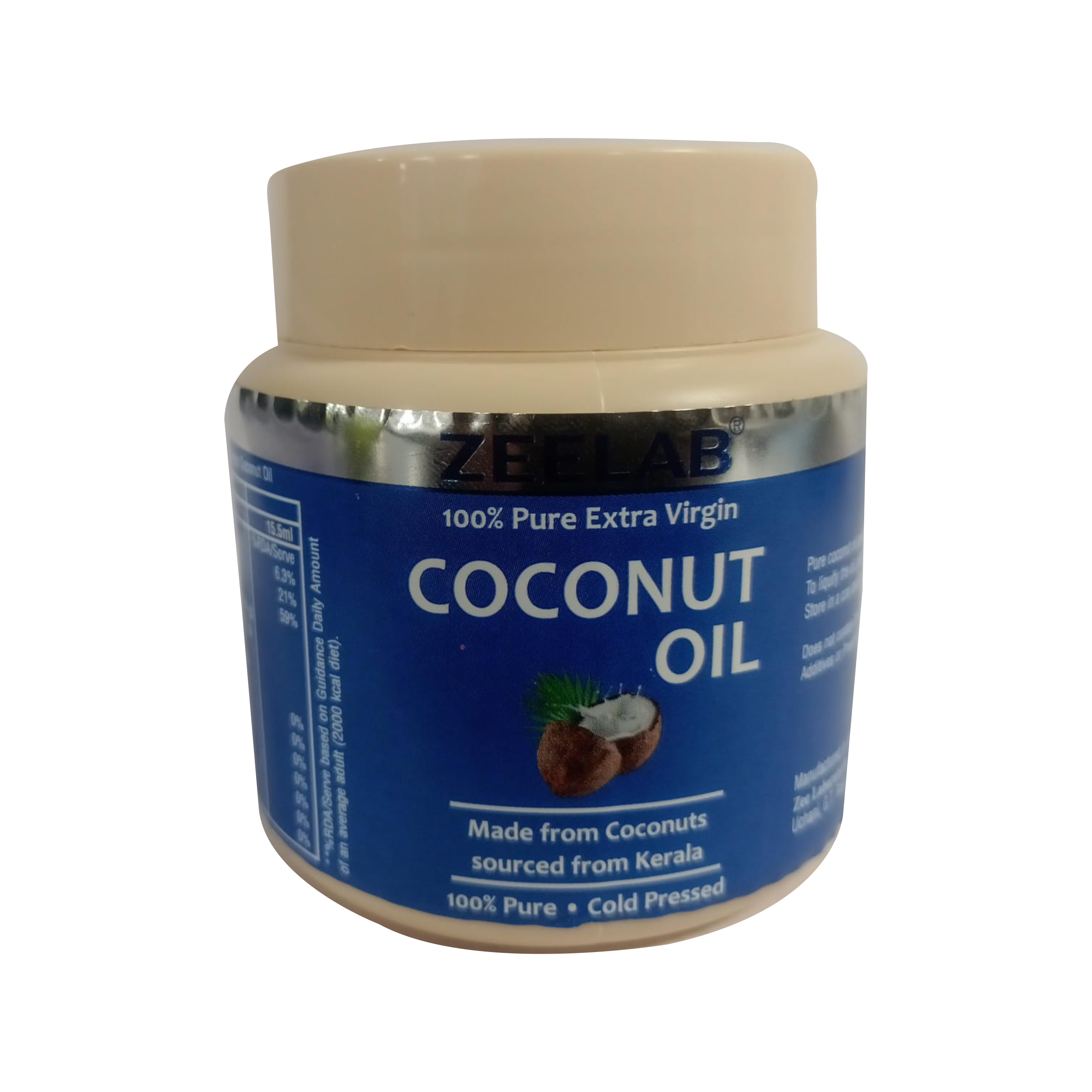
A 100% pure extra virgin coconut oil that moisturises the hair and scalp, making it a simple addition to a monsoon hair care routine.
- Composition: 100% Pure Coconut Oil (Sourced from Kerala)
- Benefits: Helps reduce dryness, improves softness, and minimises hair breakage during humid weather.
Zeelab Sebum Regulating Anti Hair Fall Shampoo
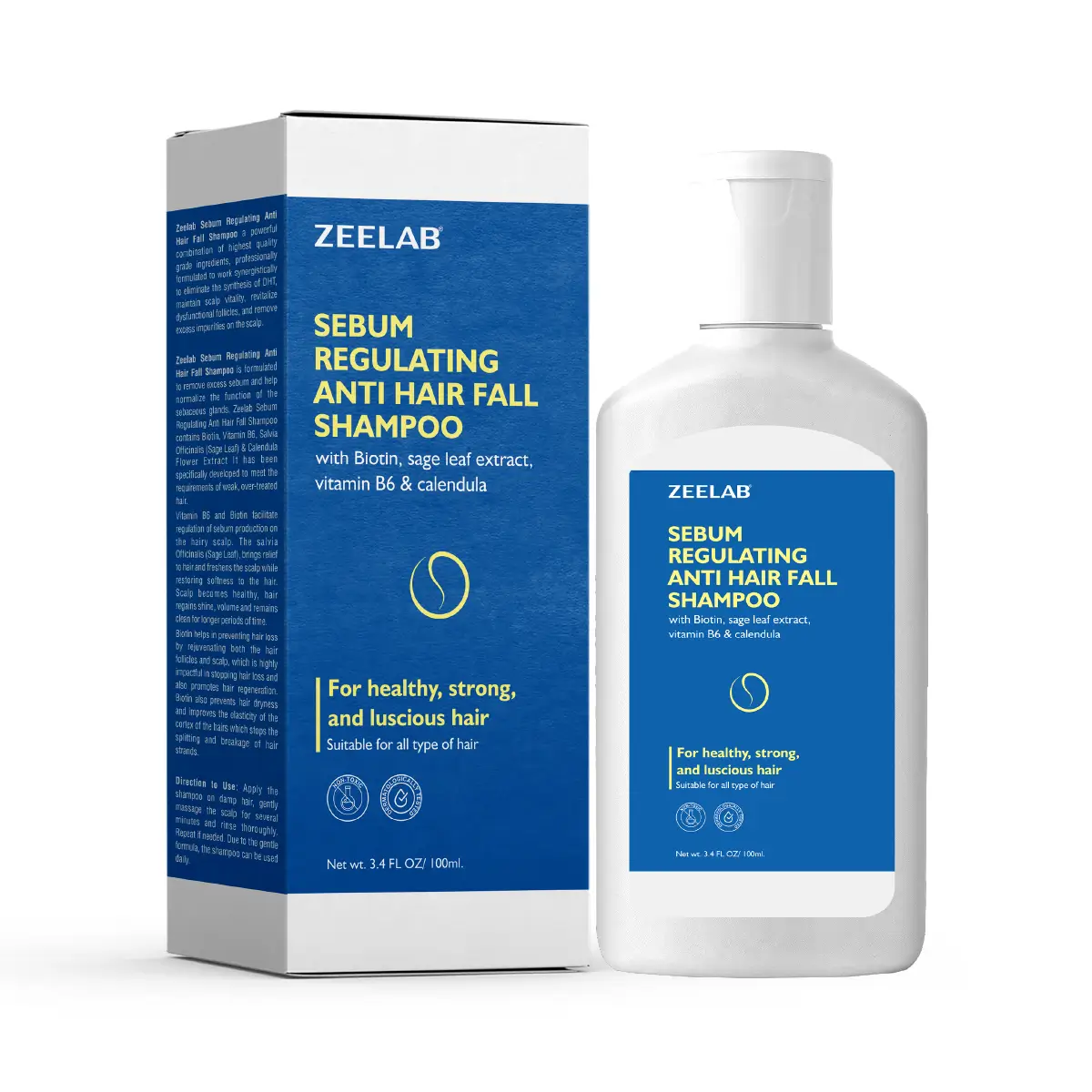
A gentle shampoo formulated to cleanse excess oil, sweat, and scalp impurities while supporting a clean scalp, making it suitable for monsoon hair care.
- Composition: Aloe Vera + D-Panthenol (Pro-Vitamin B5) + Vitamin B6 + Milk Protein + Calendula Extract + Sage Leaf Extract + Wheat Germ Oil + Biotin (Vitamin B7) + Almond Oil + Coconut Oil + Olive Oil
- Benefits: Helps control excess oil, refreshes the scalp, and supports healthier-looking hair.
Katcon Max Shampoo
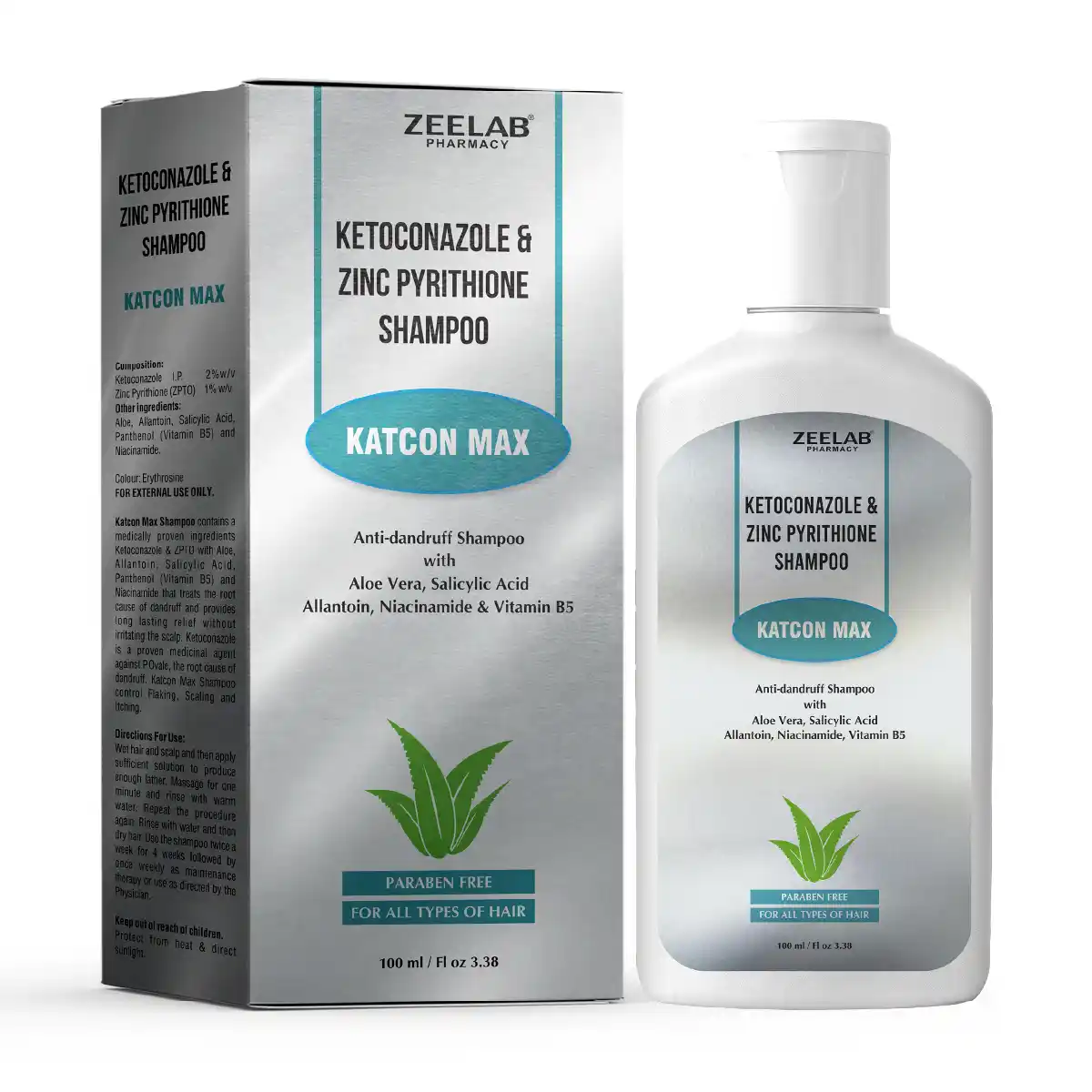
A medicated shampoo containing ketoconazole and zinc pyrithione that cleanses the scalp and helps manage dandruff-related scalp concerns common during the rainy season.
- Composition: Ketoconazole (2%w/v) + Zinc Pyrithione (ZPTO) (1%w/v) + Aloe Vera + Salicylic Acid + Niacinamide + Vitamin B5 + Allantoin
- Benefits: Helps control dandruff, relieves scalp itching, and supports a cleaner, healthier scalp.
Zeelab Anti Hair Fall Conditioner
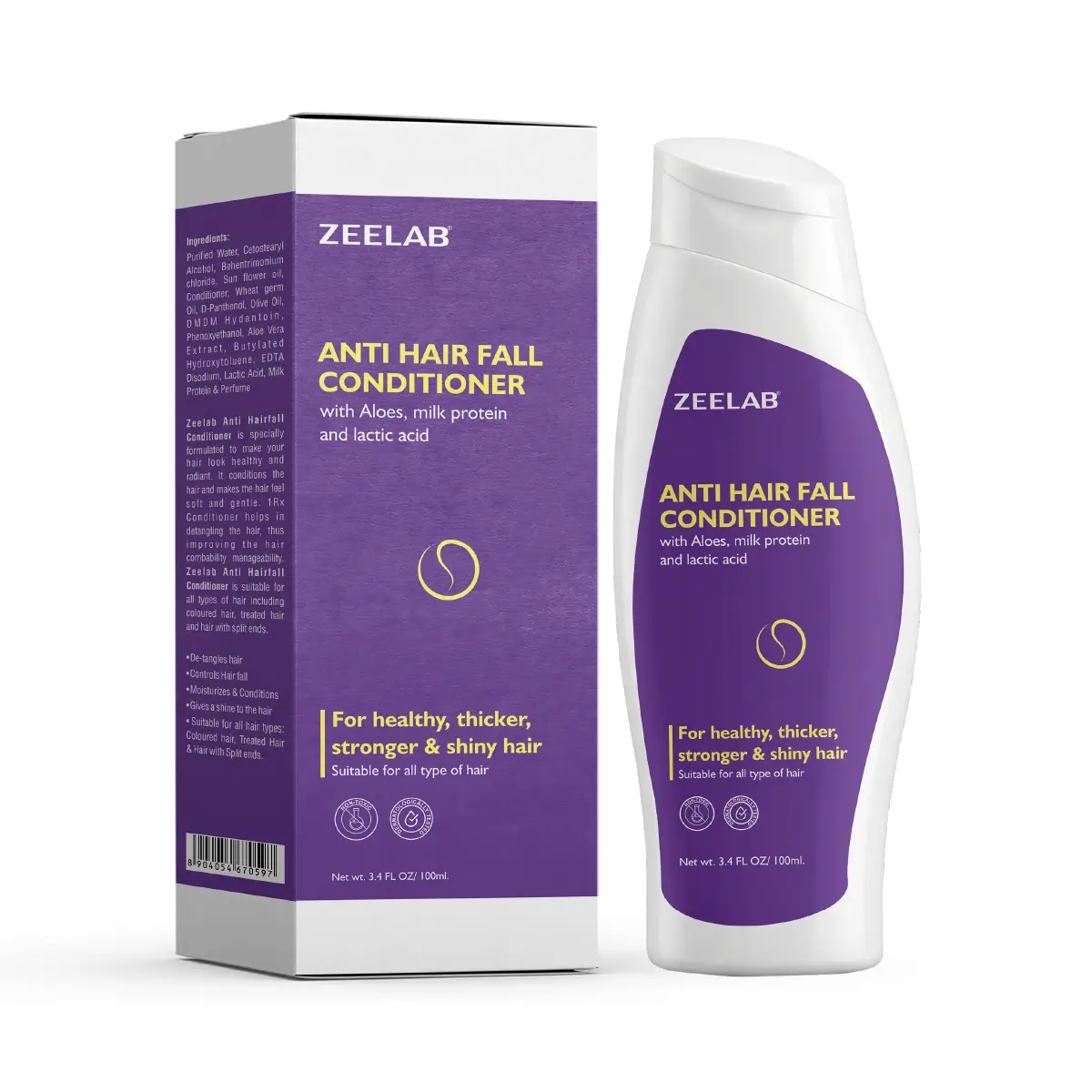
A nourishing hair conditioner enriched with moisturising ingredients that coats hair strands after shampooing, making them smoother and easier to manage during the monsoon.
- Composition: Sunflower Oil + Wheat Germ Oil + D-Panthenol + Olive Oil + Aloe Vera Extract + Lactic Acid + Milk Protein
- Benefits: Helps reduce hair breakage, improves softness, and keeps hair smooth and manageable.
Myths vs Facts about Monsoon Hair Fall
There are many things that we have heard from people around us that are just myths. Here are some of them, along with the real facts.
|
Myth |
Fact |
|
Hair fall during the monsoon is permanent |
Most seasonal shedding is temporary |
|
Oiling stops all hair fall |
Oiling supports hair care but cannot treat every cause |
|
Washing hair causes hair fall |
Washing removes hair already in the shedding phase |
|
Cutting hair reduces hair fall |
Hair fall starts at the root, not the ends |
|
Dandruff directly causes baldness |
It may increase shedding through inflammation, but it doesn't directly cause baldness |
When Should You See a Dermatologist?
Hair fall in the monsoon season is normal, but you should not neglect the following signs and immediately go to a doctor.
- Hair fall lasts longer than 2 or 3 months.
- Hair falls out in clumps.
- Bald patches appear.
- Your hair part becomes noticeably wider.
- You have severe dandruff or scalp infections.
- There is scalp pain, swelling, or pus.
- Hair fall started after illness, childbirth, surgery, or rapid weight loss.
Also Read: Best Shampoo for Monsoon Season
Conclusion
It is natural for hair to fall during the rainy season, but it is only temporary. High humidity, dandruff, scalp buildup and weak hair strands are some of the factors that cause hair fall.
Good scalp health and a nutritious diet can help in reducing hair shedding in the rainy season.
Some common mistakes, such as leaving hair wet, using harsh products, washing too much, tying wet hair and using frequent styling heat equipment, can reduce hair fall to some extent.
Frequently Asked Questions (FAQs)
Ans.Yes. Mild hair fall during the monsoon is common due to seasonal shedding, humidity, and scalp changes. It usually improves after the rainy season.
Ans.High humidity, excess sweat, oily scalp, dandruff, fungal infections, and seasonal hair shedding can all contribute to increased hair fall during the monsoon.
Ans.Common causes include humidity, scalp buildup, dandruff, fungal infections, poor nutrition, stress, wet hair handling, and excessive heat or chemical styling.
Ans.Humidity does not directly cause hair fall, but it weakens hair strands, increases scalp oil, and may worsen dandruff, leading to more shedding.
Ans.Yes. Dandruff can irritate the scalp and cause inflammation, which may increase temporary hair shedding if left untreated during the monsoon.
Ans.Keep your scalp clean, dry your hair properly, eat a balanced diet, avoid heat styling, treat dandruff early, and manage stress.
Ans.Yes, but use lightweight oils in moderation. Avoid excessive oiling, especially if you have an oily scalp or dandruff during the monsoon.
Ans.Yes. Wash your hair after getting drenched to remove dirt, pollutants, and impurities that may irritate the scalp and worsen dandruff.
Ans.Aloe vera, fenugreek, onion juice, coconut oil, and green tea may support healthy hair, but they cannot treat underlying medical hair loss.
Ans.Eat protein-rich foods, leafy greens, lentils, eggs, nuts, seeds, and vitamin C-rich fruits to support healthy hair growth and stronger roots.
Ans.Seasonal monsoon hair fall usually lasts a few weeks and often improves as the weather changes. Persistent shedding needs medical evaluation.
Ans.Consult a dermatologist if hair fall lasts over 2–3 months, occurs in clumps, causes bald patches, or is accompanied by scalp pain or infection.
References
Recent Blogs






Disclaimer : Zeelab Pharmacy provides health information for knowledge only. Do not self-medicate. Always consult a qualified doctor before starting, stopping, or changing any medicine or treatment.


₹ 0
0
Items added
Quick Links
Categories
Our Policies

Our Socials


Subscribe

2026 Copyright By © Zeelab Pharmacy Private Limited. All Rights Reserved
Our Payment Partners

 Added!