

Kojic Acid vs Retinol: Which Is Better for Dark Spots, Hyperpigmentation & Skin Lightening?

Hyperpigmentation is one of the most common skin concerns in India. It appears as dark spots, uneven skin tone and patches of discolouration. Factors such as frequent sun exposure, acne scars, skin inflammation and naturally high levels of melanin can make these concerns more noticeable.
Many individuals experience dullness, tanning or stubborn spots that take time to heal. Understanding these causes helps choose the right skin care routine and ingredients that support brighter, more even-looking skin. When trying to fade these spots, people often wonder what is better: kojic acid or retinol.
They work in very different ways. Kojic Acid tries to stop melanin production to fade dark spots, and Retinol speeds up the skin's process of renewal for quicker skin lightening.
This blog will look at the pros and cons, safety, how fast they work, and whether they're good for Indian skin. This guide comes from Zeelab Pharmacy. We are known for providing affordable, dermatologist-approved pigmentation solutions that really work.
How Pigmentation Forms and Why Kojic Acid & Retinol Help
Pigmentation usually starts when your skin undergoes too much sun exposure, inflammation or acne. These stress factors switch on your melanocytes, the cells that make melanin, and cause them to produce more pigment than necessary.
Over time, this excess melanin comes to the surface and appears as tanning, dark spots or uneven skin tone.
That's where smart skin care ingredients come in. Kojic acid helps slow down melanin production by blocking tyrosinase, the main enzyme involved in pigment formation. Retinol works alongside this by speeding up your skin's natural renewal process, helping to rapidly remove old, pigment-heavy cells to reveal fresh, clear skin. Together, they help brighten your complexion and gradually reduce visible pigmentation.
So, kojic acid and retinol both help reduce melanin and brighten the skin, but in different ways that work well together. If you are careful when using kojic acid or retinol, you can heal hyperpigmentation, dark spots, and uneven skin tone, especially if you have melasma or acne scars.
What is Kojic Acid?
Kojic acid comes from fermented fungi. People often use it to treat pigmentation, dark spots, and melasma. It is a strong tyrosinase inhibitor, which means it prevents melanin from forming (Melanin blocker). That's why it works so well for reducing hyperpigmentation, skin brightening and tough spots.
Why Kojic Acid Works So Well for Pigmentation?
When comparing kojic acid vs retinol, both are great at attacking hyperpigmentation. They both interfere with tyrosinase, which helps reduce melanin production.
So, if you want to cure dark spots, then these are the best options, which are very useful for Indian skin. Understand the benefits of pigmentation in these five points here.
- Sunspots: It is great for treating spots caused by sun damage. Kojic acid may help fade dark spots and brighten your skin.
- Melasma: Kojic acid helps improve melasma by reducing excess melanin production, gently brightening the skin, and supporting the removal of dead skin cells.
- Superficial Dark Patches: Instead of making your skin glow, it helps in healing dark spots of the skin by removing dead skin cells. It evens out your skin tone by using a blend of ingredients that treat skin blemishes.
- Acne Scars: Kojic acid lightens post-acne pigmentation by blocking melanin.
- Overall Skin Brightening: Using kojic acid instead of retinol can help make your skin brighter and stop new dark spots from forming if you use it regularly.
Who Should Use Kojic Acid?
Kojic acid is a great option for beginners, those who have sensitive skin, or want something milder than retinol. It is good for Indian weather and can help with things like pigmentation, melasma, acne scars, hyperpigmentation and dark spots.
Instead of reinforcing cell turnover like retinol, it slows down melanin production. If you are trying to choose between kojic acid and retinol for dark spots, kojic acid is a safe way to gradually brighten your skin without causing much irritation. This is a good option if you want a gentle balance between exfoliation and brightening, and it's often more comfortable for Indian skin.
How Fast Kojic Acid Works (Realistic Timeline: 4–12 Weeks)
Kojic acid and retinol for pigmentation and dark spots. Kojic acid blocks melanin production, and retinol accelerates cell turnover and fades pigmentation. Both can brighten the skin and improve the complexion, but they take different times to work.
|
Feature |
Kojic Acid |
Retinol |
|
Primary Action |
Inhibits melanin synthesis through tyrosinase inhibition (melanin reduction). |
Accelerates cell turnover and pigment dispersion; Reduces melanin and produces collagen. |
|
Best For |
Hyperpigmentation and dark spots, mild melasma, uneven tone. |
Dark spots and signs of ageing, uneven texture, acne scars, and Deep pigmentation. |
|
Results Timeline |
Visible improvements often begin in 4-6 weeks; Profound changes for 8-12 weeks. |
Typically noticeable fading in 8-12+ weeks; Continuous improvement with use. |
|
Mechanism |
Blocks tyrosinase to limit melanin formation (skin lightening). |
Boosts cell turnover, exfoliating pigmented cells for new skin. |
|
Tolerability |
Generally gentler, suitable for many; risk of irritation at higher concentrations. |
More potent, but higher irritation risk; best introduced gradually. |
Retinol for Hyperpigmentation: What It Is & How It Works
Retinol is a powerful cell turnover accelerator, which helps your skin renew faster. It can fade away dark spots and smooth the texture of your skin. It’s helpful for discolouration that is hard to get rid of because it works on the deeper layers of your skin.
What is Retinol?
Retinol, a type of vitamin A, is really popular in skin care for dark spots because it helps your skin renew itself. Unlike products that directly block melanin, retinol works by speeding up cell turnover, so those pigment cells are pushed out faster.
It also helps in exfoliation, leaving your skin looking clear and boosting collagen for a glowing look. So, it's like getting two benefits together. Retinol also helps reduce melanin transfer to new cells, improving skin health. This makes retinol a great choice for dealing with things like acne scars, sun damage, and age spots, as long as you use it regularly.
Retinol Benefits for Pigmentation
Retinol helps with skin discolouration by speeding up cell turnover and getting rid of dead skin, which can lighten dark spots.
It works better than just using simple brightening products, so it's a great choice if you are picking between exfoliating and brightening.
- Retinol for pigmentation: It speeds up the renewal of skin cells, thereby gradually reducing dark spots and discolouration caused by excess melanin.
- Retinol for dark spots: Its goal is to repair old, damaged skin cells, reduce the appearance of sunspots, age spots and acne scars, and help new, healthy skin grow.
- Exfoliation vs brightening: Retinol works to exfoliate your skin from the inside out. It gets rid of damaged skin layers faster than superficial treatments, meaning it can heal pigmentation issues quickly and permanently.
- Retinol for acne scars: Smoothes uneven texture and boosts collagen, helping depressed scars and deep PIH scars fade more evenly with continued use.
- Retinol for melasma: Regulates colour distribution while improving absorption of brightening ingredients, making melasma patches lighter and more uniform over time.
Who Should Use Retinol?
Retinol works well for deep pigmentation and tough dark spots because it helps peel away old skin instead of just making it brighter, leading to clearer and smoother skin.
If you're new to retinol or have sensitive skin, start slow or skip the strong stuff. It's good for long-term anti-ageing and can help with skin texture, fading spots and boosting skin renewal and collagen production if you use it right.
Kojic Acid vs Retinol: Side-by-Side Comparison for Pigmentation?
Choosing between kojic acid vs. retinol for pigmentation depends on your skin type, goal concerns, and desired speed of visible results.
Quick Data Insights for Readers
To decide whether kojic acid or retinol is better for treating skin spots, you should know how they reduce melanin and brighten the skin, and whether they are right for your skin type.
- Kojic Acid: It stops melanin from forming where it starts, so it's great for dark spots on the surface. Kojic acid is good for correcting uneven skin tone, even if your skin is sensitive.
- Retinol: Increases cell turnover by 30-40%, increases the effectiveness of retinol for pigmentation and dark spots on deeper layers.
- Kojic acid works quickly on surface-level discolouration because it directly slows down melanin production. Thanks to this fast, targeted action, many people notice visible brightening sooner compared to retinol. If you are looking for quicker results for dark spots or uneven skin tone, kojic acid is often the go-to option
- Retinol Depth: Works deeper, giving long-term structural changes and better results for stubborn pigmentation, acne scars, and pigmentation treatment ingredients.
- Safety: Kojic acid vs retinol for sensitive skin shows that kojic acid is gentler, whereas retinol may irritate if used incorrectly.
Side-by-Side Comparison Table
Compare kojic acid vs retinol for pigmentation, dark spots, melasma and acne scars, highlighting speed, effectiveness and skin safety.
|
Comparison Point |
Kojic Acid |
Retinol |
|
How It Works |
Tyrosinase inhibitor → Blocks melanin production, making it ideal for kojic acid vs retinol for pigmentation concerns. |
Boosts cell turnover → Removes pigmented cells gradually |
|
Works Best For |
Sunspots, melasma, mild pigmentation. Safe for sensitive skin, ideal for Indian skin. |
Deep pigmentation, acne scars, and anti-ageing. Needs a careful introduction for Indian skin, especially for beginners. |
|
Speed of Results |
4–6 weeks. Works faster on superficial spots (which works faster: kojic acid or retinol). |
8–12 weeks. Effective but slower for visible changes. |
|
Effectiveness for Dark Spots |
Very good for surface pigmentation (kojic acid vs retinol for dark spots). |
Excellent for stubborn or deep spots. |
|
Effectiveness for Melasma |
Better tolerated, less irritation (is kojic acid safer than retinol). |
Can irritate melasma-prone skin; use cautiously. |
|
Effectiveness for Acne Marks |
Good for discolouration. |
Great for texture improvement and discolouration (kojic acid vs retinol for acne scars). |
|
Sensitive Skin Friendly? |
Yes, generally safe. |
Not always; may irritate. |
|
Suitable for Daytime? |
Yes, with sunscreen. |
No, recommended only at night. |
|
Overall Safety |
High; minimal side effects. |
Medium; some risk of redness, peeling, or irritation. |
Can You Use Kojic Acid and Retinol Together?
Yes, you can use kojic acid and retinol together, but be careful. Especially if your skin is Indian, as it can irritate.
Safe Routine Methods
- AM/PM: To treat dark spots, divide your active ingredients by time of day to avoid skin irritation and get the best results.
- Morning: Kojic Acid and Sunscreen First, apply kojic acid to protect your skin from sun damage, then apply a broad-spectrum sunscreen.
- Night: Retinol Use retinol only at night. It helps renew your skin cells while avoiding UV exposure and discomfort.
Alternate Nights Method
- Night 1: Retinol: Apply Retinol to cleansed skin to promote cell turnover and effectively improve pigmentation.
- Night 2: Kojic Acid: Use kojic acid on dark spots to inhibit melanin and brighten skin safely.
- Night 3: Hydrating Routine: Focus on moisturiser and nourishing serums to restore the skin barrier and prevent irritation.
Warnings & Sunscreen Musts
Be careful when you mix kojic acid and retinol. If your skin is easily irritated, you might get redness, peeling, or other problems if you're not careful. So, make sure to take care of your skin and use sun protection.
- If you have very sensitive skin, it's best not to use kojic acid and retinol together. This mix could cause redness, irritation, or peeling.
- You must use sunscreen every day. It keeps your skin safe from sun damage, stops dark spots from getting worse, and lowers skin sensitivity when using kojic acid or retinol.
Best Product Recommendations for Dark Spots & Pigmentation from Zeelab Pharmacy
Here are some products from Zeelab Pharmacy at affordable prices. Most preferred and dermatologist-approved products, as well as similar affordable ranges, are safe and effective. Additionally, Zeelab Pharmacy products are WHO-GMP, ISO and FDA certified.
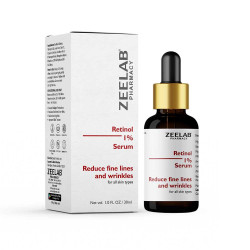
Zeelab Retinol 1% Face Serum
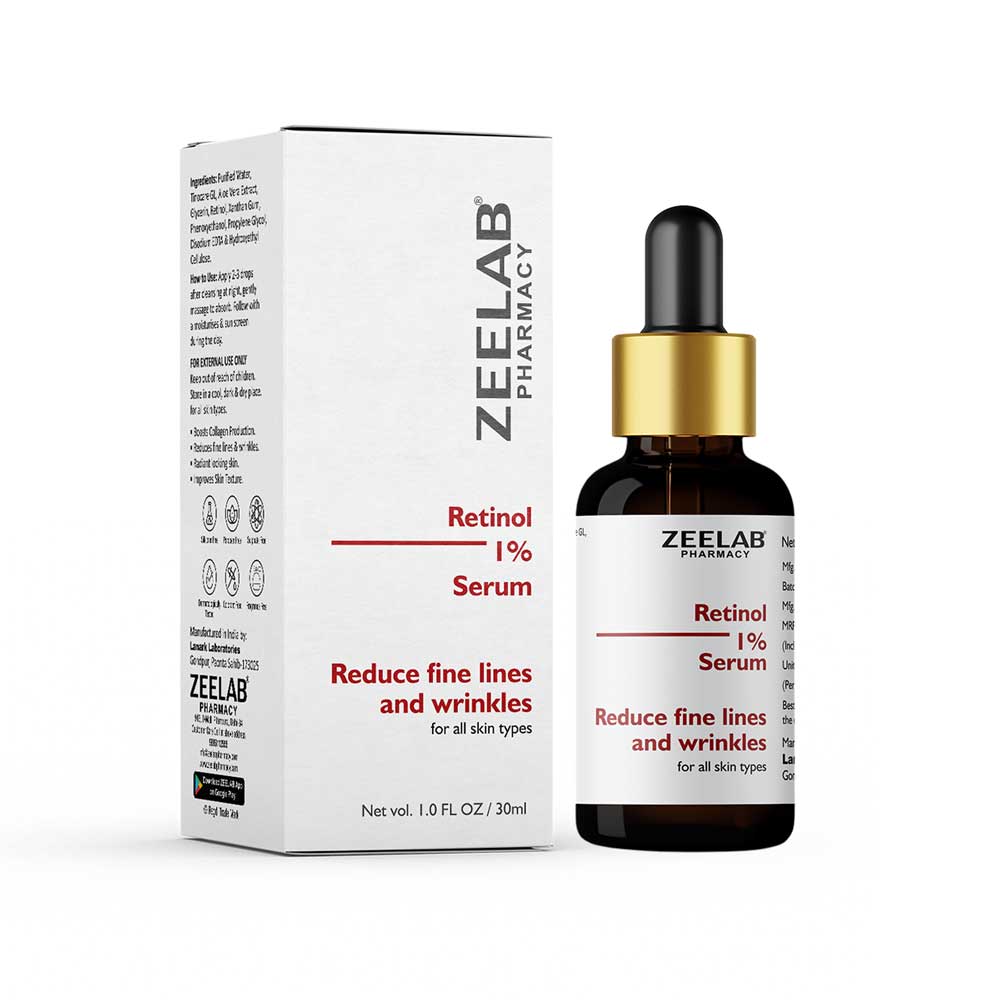
Zeelab Retinol 1% Face Serum is a great skincare product, especially designed to reduce signs of ageing and acne. It is a WHO GMP-certified product, ensuring high-quality and safe manufacturing standards.
- Composition: Retinol 1% Serum
- What it does: It can fade dark spots, help your skin create new cells, smooth things out and give you a clean, glowing, youthful look.
- How to use: Use a small amount at night on dry skin, moisturise afterwards, and apply sunscreen every morning.
Kojic Acid and Vitamin C Cream
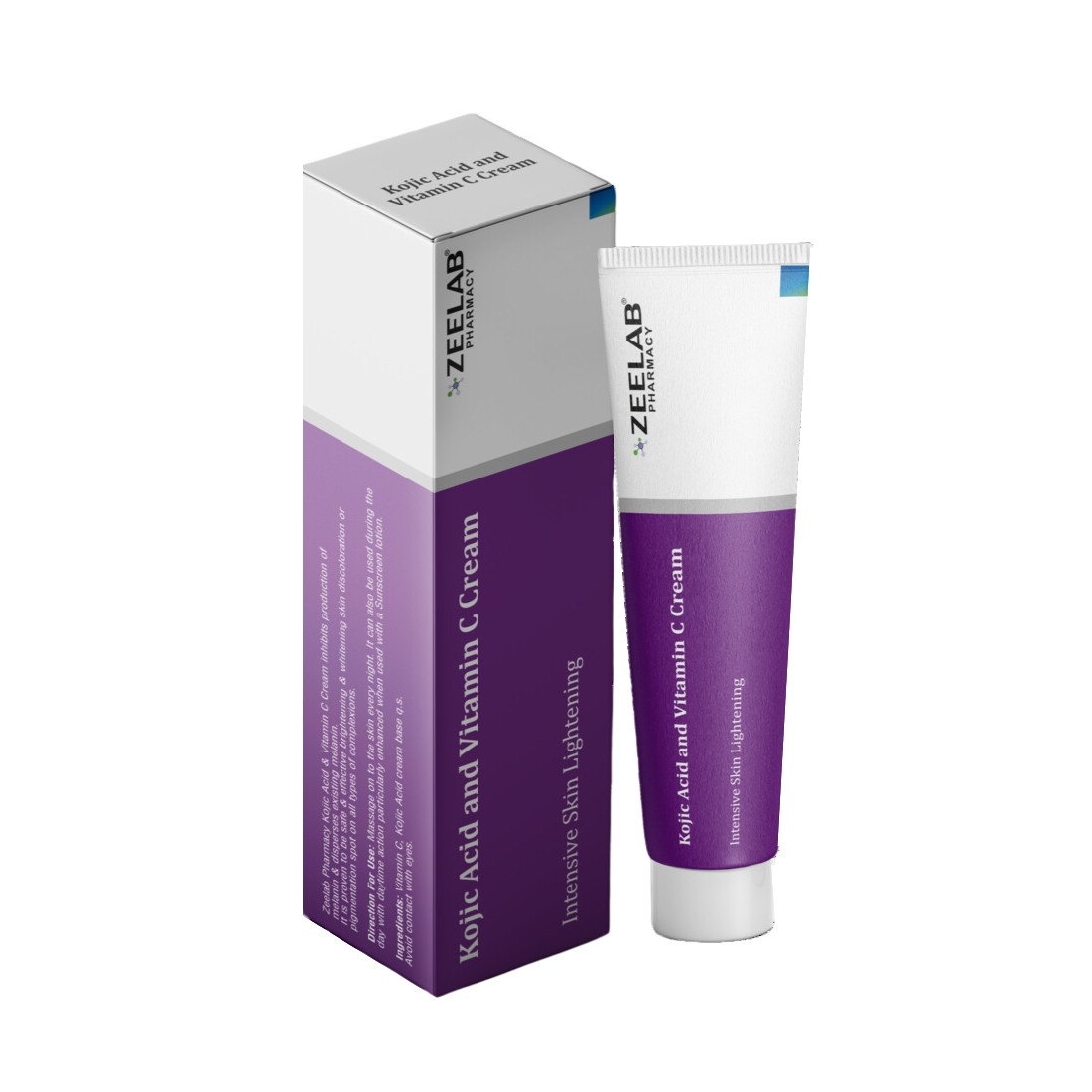
Kojic Acid Cream with Vitamin C - Filters are great, but clear skin is even better. Banish dark spots and blemishes safely with ZEELAB Kojic Acid and Vitamin C Cream For Face, and it helps reduce hyperpigmentation.
- Composition: Kojic Acid 2% & Vitamin C
- What it does: Brightens dark spots, reduces pigmentation, evens skin tone and enhances radiance with antioxidant protection.
- How to use: Apply a thin layer to cleansed skin once daily at night, followed by moisturiser.
Zeeglow Glycolic Acid Arbutin and Kojic Acid Cream
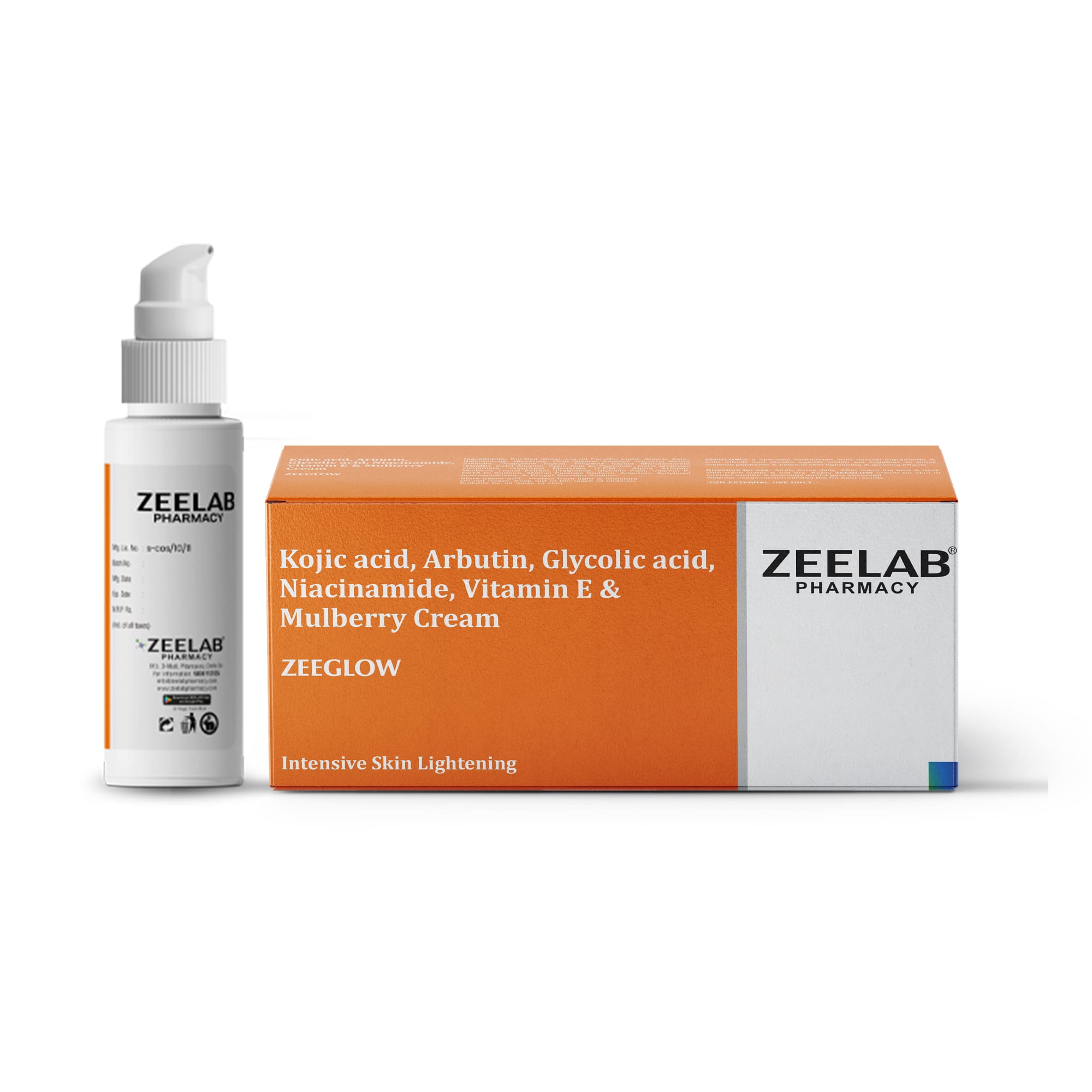
Zeeglow Glycolic Acid Arbutin And Kojic Acid Dipalmitate Cream is a skincare solution designed to enhance your skin’s natural radiance. This cream combines Glycolic Acid, Arbutin, and Kojic Acid Dipalmitate to help brighten and even out your skin tone.
- Composition: Kojic Acid, Arbutin, Glycolic Acid, Niacinamide, Vitamin E & Mulberry Cream
- What it does: Brightens dark spots, reduces pigmentation, smoothens skin tone, and gently exfoliates for clearer radiance.
- How to use: Apply a thin layer nightly on clean skin; follow with moisturiser and mandatory morning sunscreen.
Conclusion
Kojic acid is great for melasma, uneven skin, and sensitive skin as it gently and quickly brightens with little irritation. Retinol is better for darker pigmentation, acne scars and anti-ageing as it increases cell turnover and collagen.
Together, they are a strong duo controlling melanin and renewing the skin, but introduce them slowly to avoid irritation. For safe, budget-friendly results, Zeelab has affordable, clinically backed options for pigmentation, dark spots, and general skin health, making it a dependable choice for daily brightening and lasting skin repair.
Frequently Asked Questions
Q. Is kojic acid good for skin lightening?
A. Yes, Kojic Acid effectively inhibits melanin production, helping to lighten dark spots, pigmentation and uneven skin tone. It's mild, so even people with sensitive skin can use it, and it gradually brightens your skin if you use it regularly.
Q. Is retinol good for pigmentation and dark spots?
A. Retinol helps your skin produce new cells faster, which reduces dark spots and complexion problems. It also softens your skin and can provide relief from small wrinkles and acne scars. It is great for making your skin look young and glowing.
Q. Which is safer: kojic acid or retinol?
A. Kojic acid is usually a safer choice for sensitive skin because it doesn't irritate it much. Retinol is strong and works well, but it may cause redness, peeling, or dryness, especially when you first start using it or if you have sensitive skin.
Q. Kojic acid vs retinol for melasma — which works better?
A. Kojic acid is gentle, so it works well for sensitive skin with melasma. Retinol can give you better results because it goes deeper. Usually, if you use both together while being checked by a doctor, your melasma might get better quicker and be more obvious.
Q. Which fades acne scars faster: kojic acid or retinol?
A. Retinol helps fade acne scars quickly by stimulating collagen production and skin turnover. Kojic acid mostly just deals with skin colour issues, so it takes longer to see results on scars, and the changes aren't as big.
Q. Kojic acid vs retinol results time — what to expect?
A. Kojic acid can brighten skin in about a month or two. Retinol might take longer, like a month and a half to three months, to help with spots and scars, but it's great for anti-ageing and making your skin smoother over time.
Q. Can kojic acid be used daily?
A. Yes, mild concentrations of kojic acid can be used daily, preferably at night. Always pair with sunscreen during the day to prevent UV-induced pigmentation and irritation.
Q. Can retinol be combined with kojic acid?
A. Using both can really brighten things up and fade scars, but try using them on different days or layering them to avoid irritating your skin. Always remember to put on moisturiser afterwards, and sunscreen in the morning.
Q. Who should avoid kojic acid or retinol?
A. Both products might cause a reaction if you have sensitive or allergy-prone skin. If you're pregnant or breastfeeding, don't use retinol. It's a good idea to test both products on a small area of skin before using them regularly.
Q. What are the common side effects of kojic acid and retinol?
A. Kojic acid may cause mild irritation or redness. Retinol may initially cause dryness, peeling, and sensitivity. Proper use, moisturization, and sunscreen minimise side effects.
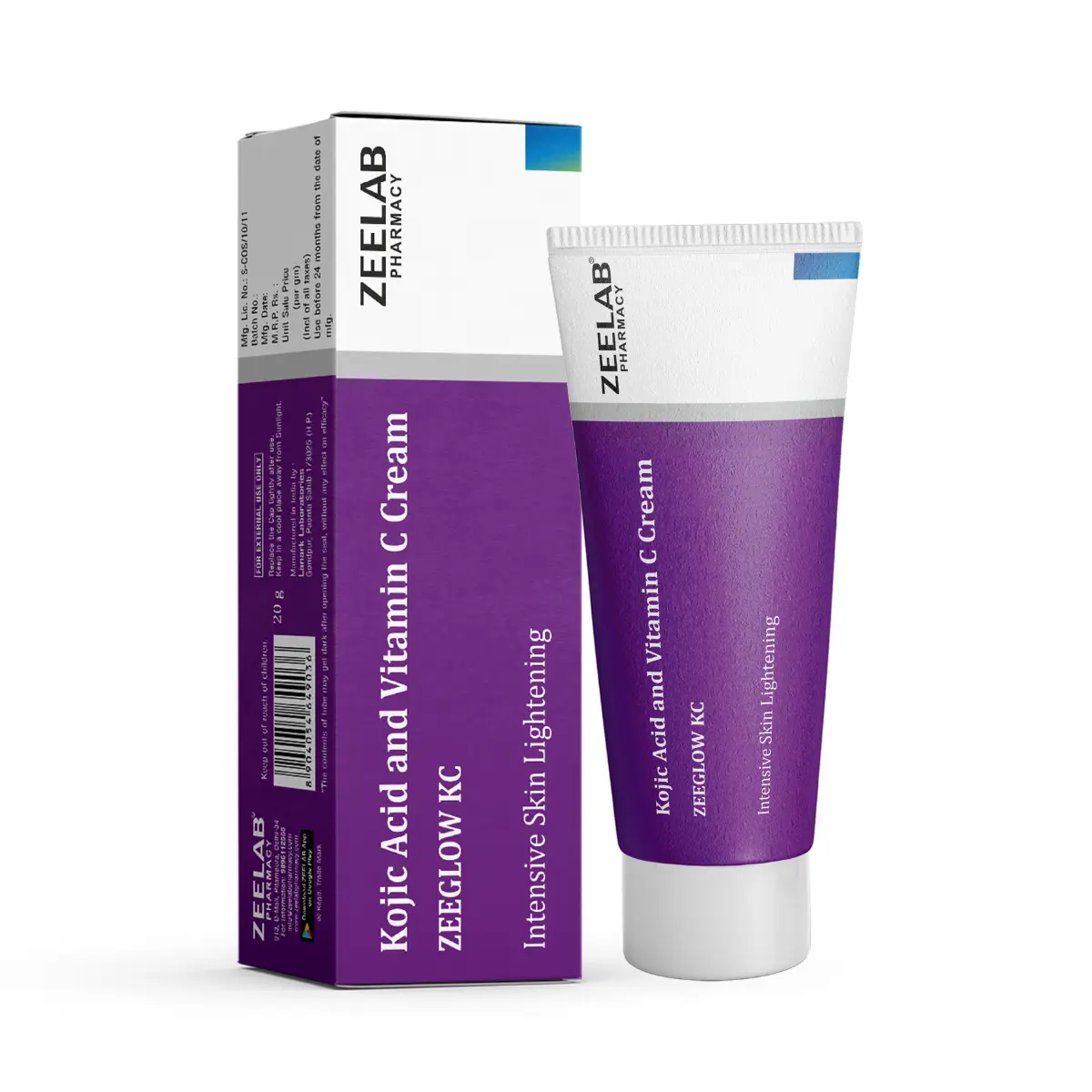
Kojic Acid 2% + Vitamin C
20gm In 1 Tube
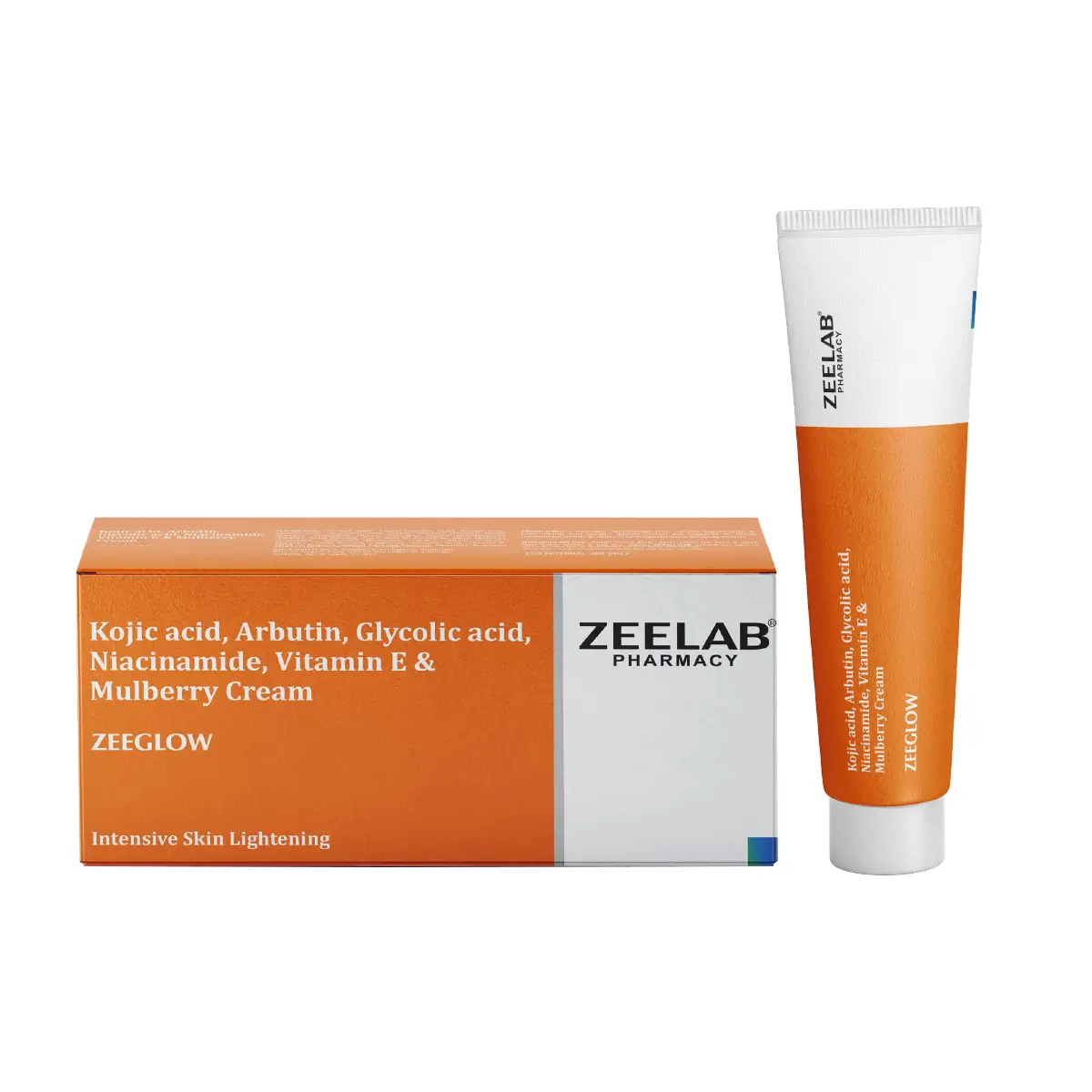
Kojic Acid + Arbutin + Glycolic Acid + Niacinamide + Vitamin E + Mulberry
25gm in 1 tube
Recent Blogs






Disclaimer : Zeelab Pharmacy provides health information for knowledge only. Do not self-medicate. Always consult a qualified doctor before starting, stopping, or changing any medicine or treatment.
Related Products


₹ 0
0
Items added
Quick Links
Categories
Our Policies

Our Socials


Subscribe

2026 Copyright By © Zeelab Pharmacy Private Limited. All Rights Reserved
Our Payment Partners

 Added!