

Best Medicine for Uric Acid in India: High Uric Acid Medicine Names, Uses & Treatment Options
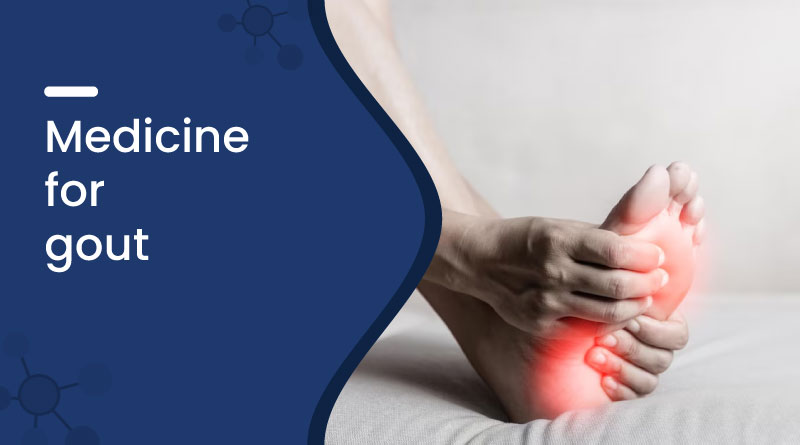
High uric acid levels in the body, or you can say hyperuricemia, are a condition that often leads to several health complications.
A rise in uric acid often shows no symptoms until its crystals start to form. This buildup may cause problems like gout - a type of inflammatory arthritis.
Allopurinol and febuxostat are commonly used uric acid medicines to reduce uric acid levels in the body. Other gout medicines are also available for managing gout attacks.
So, if you are also searching for the best medicine for uric acid, medicine for uric acid control, or a uric acid tablet to help reduce uric acid, this blog will help you. Along with this, you will also learn what lifestyle and dietary habits to be careful about.
What is High Uric Acid (Hyperuricemia)?
Hyperuricemia means an increase in uric acid levels in the blood, also known as high uric acid. This rise can be a result of overproduction of uric acid while breaking down purines from certain foods.
The normal uric acid level in the body can vary for different groups.
|
Gender |
Common normal uric acid range |
|
Men |
3.4–7.0 mg/dL |
|
Women |
2.4–6.0 mg/dL |
When uric acid levels become too high, they can form crystals in and around joints. This may cause uric acid symptoms and gout symptoms such as sudden pain, swelling, redness and tenderness.
Causes of High Uric Acid Levels
High uric acid in the body can increase because of different factors in every person.
Some of the most common causes of increased uric acid include:
- Eating too much purine-rich foods
- Drinking a lot of alcohol, especially beer
- Over-consumption of sugary foods
- Obesity
- Kidney dysfunctioning
- High BP
- Certain medications
- Genetic disorders
Symptoms of High Uric Acid in the Body
Many people experience almost no symptoms of high uric acid at all due to high uric acid levels in the body. Noticeable uric acid symptoms are only seen when it develops into Gout.
This problem usually affects the big toe but can also involve the ankles, knees, wrists, fingers and other joints.
Possible gout symptoms include:
- Sudden, intense joint pain
- Swelling around the affected joint
- Redness and warmth
- Joint tenderness
- Difficulty moving the affected joint
Common Medicines for Uric Acid Control
Uric acid control medicines are very helpful in the management and treatment of certain health problems.
The following listed uric acid medicines are commonly used as medicine to reduce uric acid and support long-term gout management.
|
Medicine |
Common purpose |
|
Allopurinol |
Lowers uric acid and is useful for long-term gout control |
|
Reduces the production of uric acid |
|
|
Probenecid |
Helps lower uric acid levels and prevent gout attacks |
List of Best Tablets For Uric Acid Control In India
Managing high uric acid often requires the right uric acid medicine along with healthy habits. Zeelab Pharmacy offers commonly used uric acid tablets for uric acid and gout management.
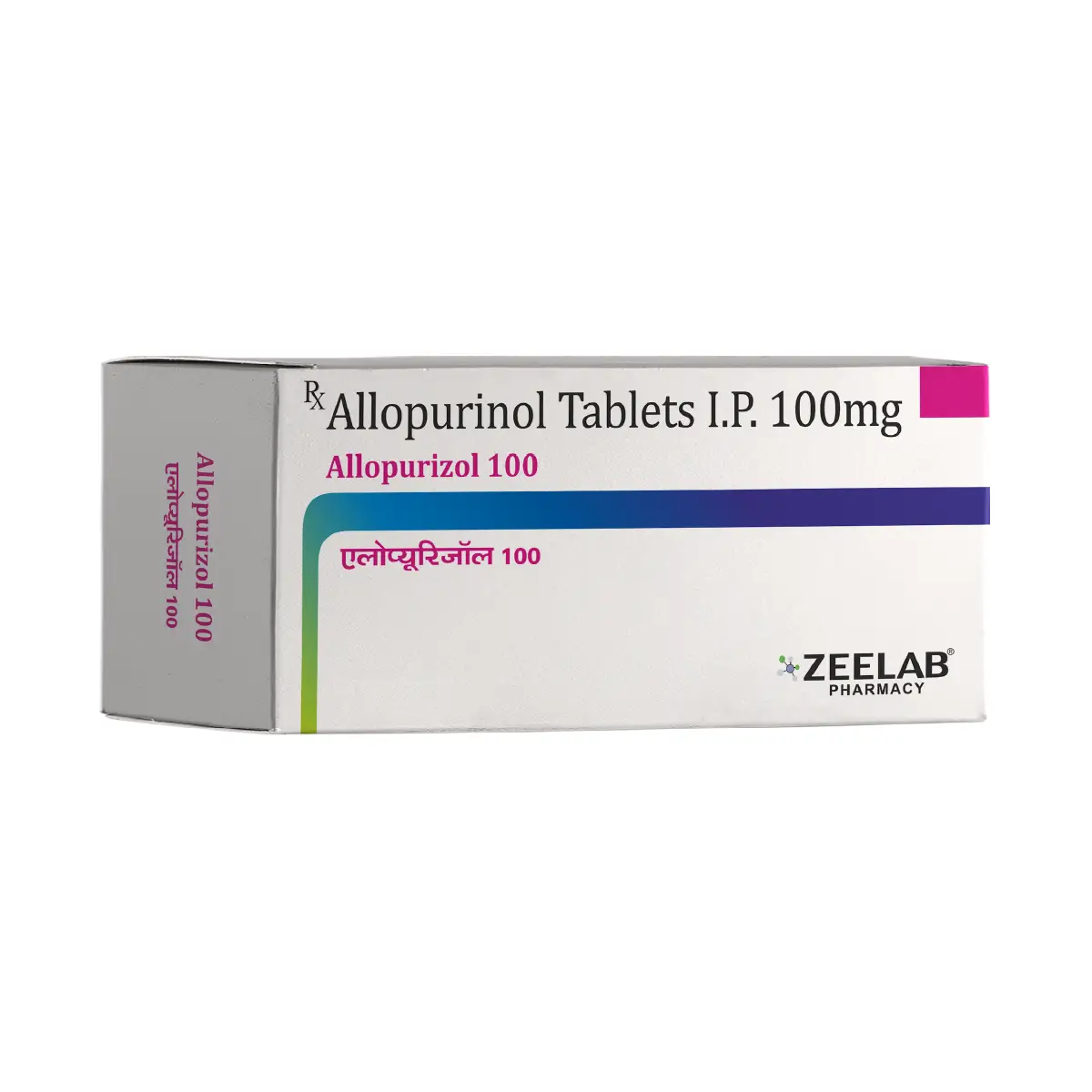
Allopurizol 100 Tablet
Allopurizol 100 is a common uric acid tablet name in India. It contains 100 mg of allopurinol, which helps to control high uric acid in the blood.
- Composition: Allopurinol 100 mg
- Benefits: Helps lower elevated uric acid levels and supports long-term gout management.
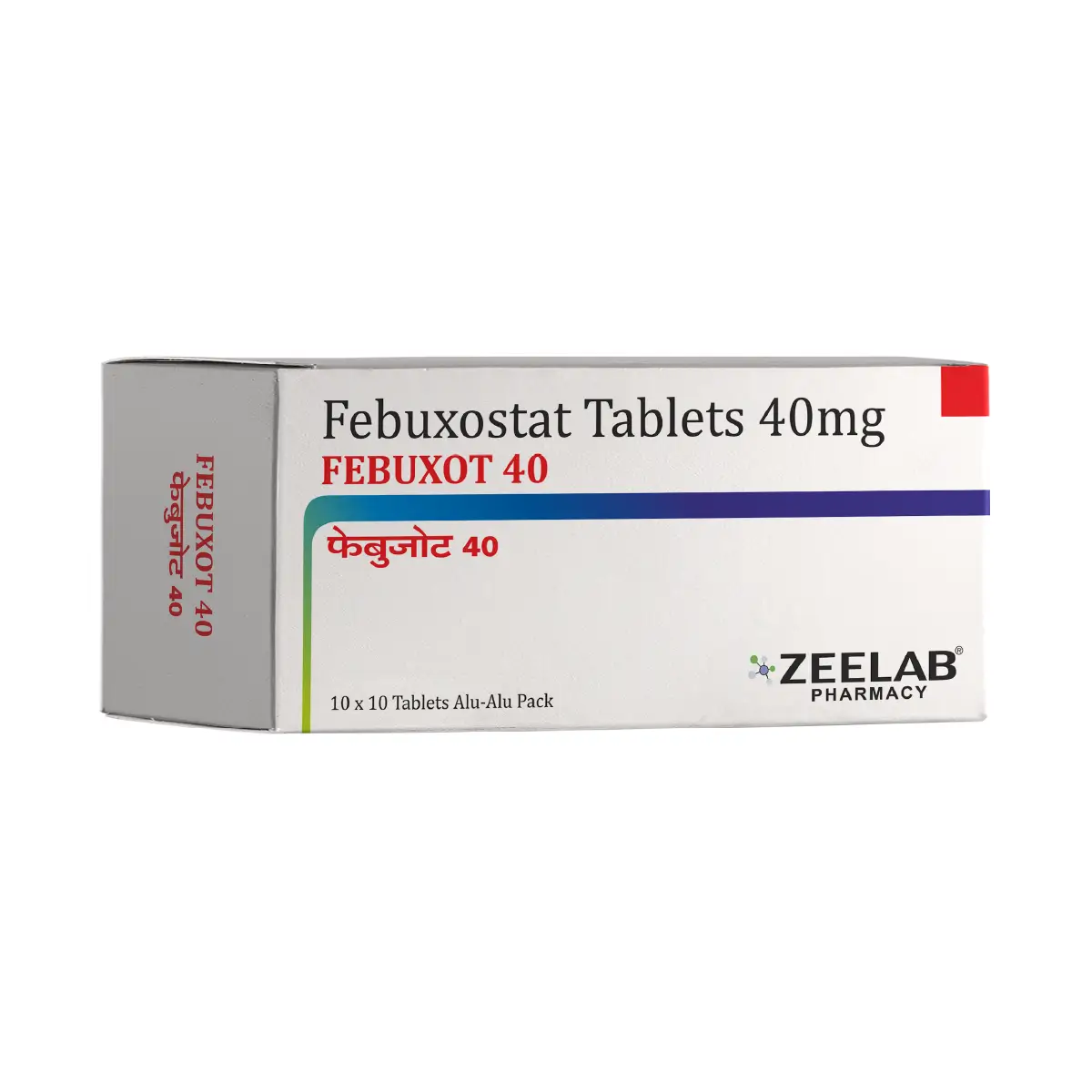
Febuxot 40 Tablet
Febuxot 40 is commonly used as a tablet to reduce uric acid in the body. It works to inhibit the enzyme that supports uric acid production.
- Composition: Febuxostat 40 mg
- Benefits: Helps lower high uric acid levels and supports long-term gout management.
Side Effects of Uric Acid Controlling Medicines
Uric acid-controlling medicines can help lower uric acid levels, but they may cause side effects of uric acid medicine depending on medicine type, dosage, and a person’s own health conditions.
Common uric acid medicine side effects may include:
- Nausea or stomach discomfort
- Diarrhoea
- Headache
- Dizziness
- Skin rash
- Joint discomfort, especially when starting treatment
Foods to Avoid When Uric Acid Is High
Along with taking uric acid treatment tablets, avoiding certain foods can help in even better management of high uric acid levels in the blood. Foods to avoid with gout include:
- Organ meats such as liver and kidney
- Red meat in large portions
- Seafood such as sardines, anchovies and shellfish
- Beer
- Sugary or fructose-rich foods
- A lot of fruit juice
Lifestyle Tips to Control Uric Acid Naturally
Medicines work better when combined with healthy lifestyle habits. Simple changes can help control uric acid naturally, reduce high uric acid, and reduce the risk of future attacks.
- Stay hydrated to help your kidneys function properly.
- Maintain a healthy weight to reduce your risk of high uric acid.
- Be active and exercise daily.
- Try to limit alcohol, especially beer.
- Follow a well-rounded diet rich in vegetables, whole grains, fruits and low-fat dairy products.
Also Read: Ayurvedic Medicine for Uric Acid
When Should You See a Doctor for High Uric Acid?
See a doctor if you have high uric acid on a blood test, repeated joint pain or symptoms that may indicate gout. It is very important to take a doctor's advice in the following cases:
- Sudden and severe joint pain with swelling
- Frequent gout attacks
- You already have kidney stones or related issues
- Ongoing medications that affect uric acid
- There is no improvement even after taking appropriate medicines
Conclusion
Uric acid treatment medicines are used to manage gout and control high uric acid levels, helping reduce the risk of future gout attacks. These drugs are required to help avoid joint damage, kidney stones and repeated attacks.
If you are looking for trusted uric acid tablets for uric acid level management at an affordable price, Zeelab Pharmacy offers commonly used medicines for uric acid control. Proper diagnosis, correct treatment, increasing awareness and regular medicine usage are important to relieve disease signs.
With the right treatment choice and lifestyle changes, you can manage high uric acid, avoid complications and improve quality of life.
Frequently Asked Questions (FAQs)
Ans.Allopurinol and febuxostat are commonly prescribed uric acid medicines to reduce high uric acid levels, but the suitable medicine for high uric acid depends on individual health and medical history.
Ans.High uric acid may cause no symptoms, but crystal buildup can lead to sudden joint pain, swelling, redness, and tenderness.
Ans.High uric acid means excess uric acid in the blood, while gout occurs when uric acid crystals build up in joints, causing pain and inflammation.
Ans.Rest the affected joint, apply a cold pack, stay hydrated, and use prescribed gout medicines as directed by your doctor.
Ans.Treatment duration varies; uric-acid-lowering medicines may be needed long term, while pain-relieving medicines are usually used during gout attacks.
Ans.Follow your prescribed treatment duration and do not stop or change medicines without medical advice, even when symptoms improve.
Ans.Gout can be effectively managed with proper uric acid control, medicines, diet, and lifestyle changes, although ongoing treatment may sometimes be necessary.
Ans.Yes, persistently high uric acid can contribute to uric acid kidney stones, particularly when excess uric acid is eliminated through urine.
Ans.Limit alcohol, sugary drinks, organ meats, and excessive red meat or certain seafood, and maintain healthy hydration and weight.
Ans.See a doctor for sudden severe joint pain, repeated gout attacks, persistent swelling, kidney stones, or symptoms that do not improve.
Allopurinol (100mg)
10 Tablets In 1 Strip
Febuxostat (40mg)
10 Tablets In 1 Strip
References
Recent Blogs






Disclaimer : Zeelab Pharmacy provides health information for knowledge only. Do not self-medicate. Always consult a qualified doctor before starting, stopping, or changing any medicine or treatment.
Related Products


₹ 0
0
Items added
Quick Links
Categories
Our Policies

Our Socials


Subscribe

2026 Copyright By © Zeelab Pharmacy Private Limited. All Rights Reserved
Our Payment Partners

 Added!