

Best Medicine for Typhoid Fever: A Complete Typhoid Medication Name List & Treatment Guide
Typhoid fever is a serious bacterial infection caused by Salmonella Typhi and remains a major health concern worldwide, particularly in areas with inadequate sanitation and access to safe drinking water.
As of 2019, an estimated 9 million people get sick from typhoid and 110,000 people die from it every year.
Spread through contaminated food and water, typhoid fever may cause prolonged fever, fatigue, headache, nausea, abdominal pain, constipation or diarrhoea, and sometimes a rash, while severe cases can lead to serious complications or death, making timely diagnosis and proper treatment essential.
Azithromycin, Ceftriaxone and Ciprofloxacin are commonly prescribed antibiotic medicines for the treatment of typhoid fever. The right typhoid fever medicine is chosen based on antibiotic resistance patterns and the severity of the patient’s condition.
This blog is a guide to typhoid fever medicine, typhoid antibiotics, and common antibiotic medicines prescribed by doctors for typhoid treatment.
What is Typhoid Fever?
Typhoid fever is a serious bacterial infection caused by Salmonella Typhi, which enters the body through contaminated food or water.
It usually affects the digestive system first and may eventually spread to the whole body through the bloodstream, affecting organs such as the liver, spleen and nervous system.
Early Signs and Symptoms of Typhoid Fever
If you get infected with Salmonella Typhi, the following typhoid symptoms may develop gradually and become more severe without proper treatment:
- Fever (up to 104°F) that persists for several days
- Headache
- Weakness and tiredness
- Stomach or abdominal pain
- Loss of appetite
- Nausea
- Constipation or diarrhoea
- Cough in some people
How is Typhoid Fever Diagnosed?
Diagnosis of an illness starts by considering your symptoms, followed by lab testing for confirmation. Proper testing helps identify the infection and prescribe the right typhoid treatment medicine.
Since typhoid symptoms may look like those of other infections, lab testing is important for accurate diagnosis.
|
Test |
Purpose |
|
Blood culture |
Main test used to identify Salmonella Typhi |
|
Stool culture |
Detects the bacteria, particularly in later stages of infection |
|
Antibiotic susceptibility test |
Helps identify which antibiotics are likely to work |
|
Widal test |
Very common, but not always very accurate |
Common Medicines to Treat Typhoid Fever
Typhoid fever treatment medicines include specific antibiotics for typhoid that are prescribed based on the level of infection, the patient's condition, and bacterial or antibiotic resistance patterns.
|
Medicine Name |
Common Use |
|
Azithromycin (Oral) |
Mild to moderate cases |
|
Ciprofloxacin (Oral) |
Considered when susceptibility confirms it is appropriate |
|
Ceftriaxone (Injection) |
In serious cases |
|
Cefixime (Oral) |
For selected uncomplicated cases |
Best Tablets for Typhoid Fever Treatment in India
Here are some commonly prescribed typhoid tablets and medicines for managing typhoid fever.
These typhoid fever medicines are selected based on effectiveness, resistance patterns, and doctor recommendations for safe recovery.
|
Tablet Name |
Composition |
|
Zithrozem 500 |
Azithromycin 500 mg |
|
Cirozin 250 |
Ciprofloxacin 250 mg |
|
Sefjim 200 |
Cefixime 200 mg |
Zithrozem 500 Tablet
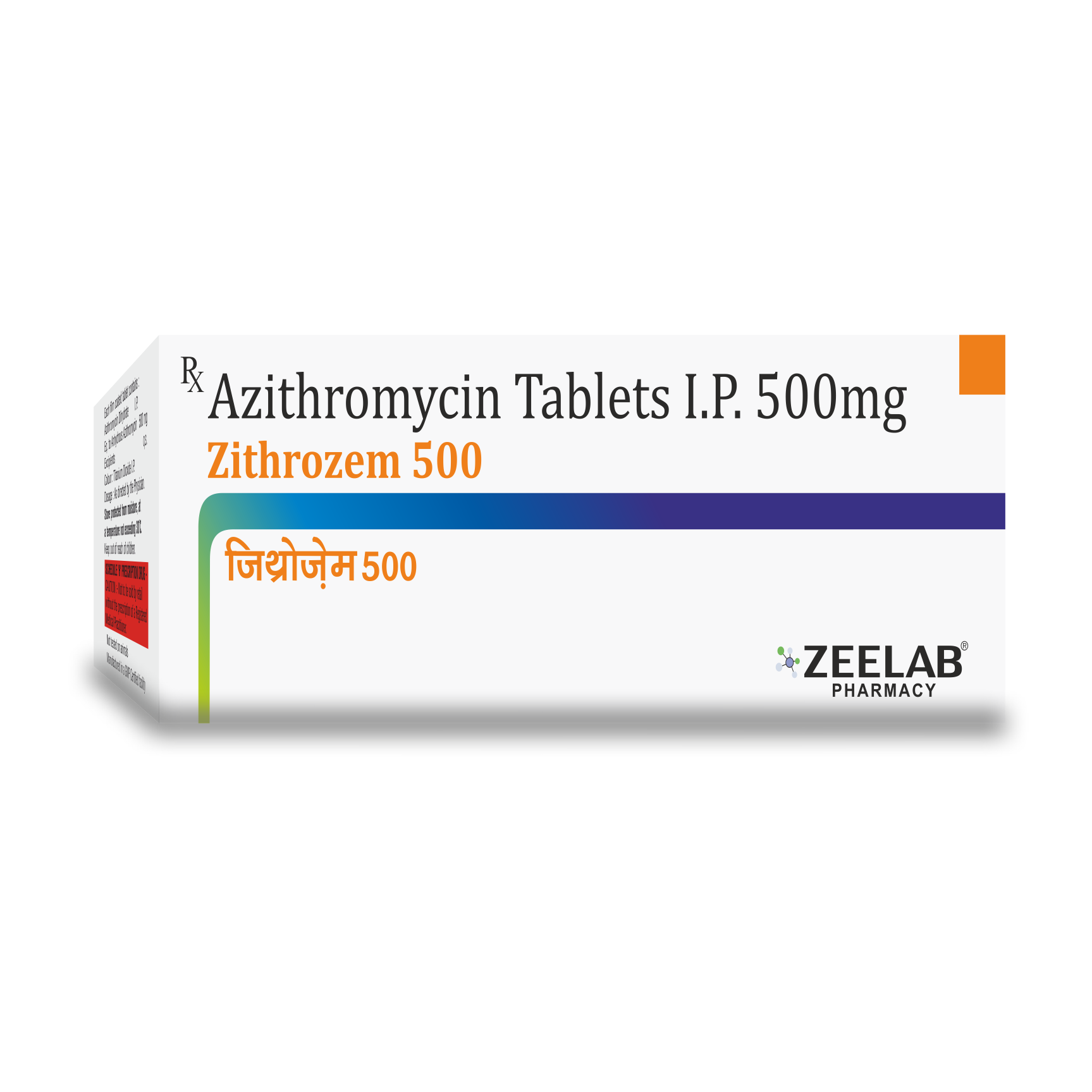
Zithrozem 500 is a commonly prescribed antibiotic tablet for typhoid fever. With 500 mg of azithromycin, it can inhibit bacterial protein synthesis and treat selected infections.
- Composition: Azithromycin 500 mg
- Benefits: Used for bacterial infections, including selected typhoid cases when prescribed by a doctor.
Cirozin 250 Antibiotic Tablet
Cirozin 250 is often prescribed by a doctor as a typhoid fever tablet containing 250 mg ciprofloxacin. It works by interfering with bacterial DNA replication.
- Composition: Ciprofloxacin 250 mg
- Benefits: Used for susceptible bacterial infections, including typhoid when specifically prescribed.
Sefjim 200 Antibacterial Tablet

Sefjim 200 Tablet is an antibiotic containing cefixime that works by interfering with bacterial cell-wall formation. It may be prescribed for selected typhoid infections.
- Composition: Cefixime 200 mg
- Benefits: Used for susceptible bacterial infections, including selected typhoid cases under medical supervision.
Which Antibiotic is Used for Typhoid Fever?
The best antibiotic for typhoid fever depends on the severity of the infection, antibiotic resistance patterns, test reports, and the patient's overall health status; all these are evaluated by a doctor.
- Mild cases: Oral antibiotics like azithromycin or cefixime in some cases are usually prescribed.
- More complicated cases: Ceftriaxone may be injected in hospital settings.
- If there is antibiotic resistance, the antibiotic may need to be changed after proper testing.
Typhoid Fever Antibiotic Dosage and Treatment Duration
The dosage and duration of typhoid fever medication vary for every patient according to their age, weight, infection severity, and other medical conditions they may have.
Some general guidelines related to the dosage and duration of typhoid fever antibiotics include:
- Take the antibiotic exactly as prescribed.
- Follow the prescribed timing and duration.
- Do not increase or reduce the dose yourself.
- Do not stop treatment early because the fever has improved.
- Children generally require age- and weight-appropriate dosing.
Also Read: Best Foods for Typhoid Patients
Side Effects of Typhoid Antibiotics
Antibiotics are commonly used as a treatment for typhoid. Their use is usually safe when taken as per the doctor’s instructions, but a few mild typhoid medicine side effects may still occur, such as:
- Nausea or vomiting
- Diarrhoea
- Stomach discomfort
- Headache
- Dizziness
- Skin rash
Precautions While Taking Typhoid Medicines
A few simple precautions can make typhoid treatment safer and reduce the risk of spreading the infection.
- Take antibiotics only when prescribed by a doctor.
- Complete the prescribed course.
- Do not share antibiotics with others.
- Avoid using leftover antibiotics from a previous illness.
- Drink sufficient fluids unless your doctor has advised fluid restriction.
- Get adequate rest and eat easily digestible foods.
- Wash your hands thoroughly after using the toilet.
- Avoid preparing food for others while you may still be infectious.
When Should You See a Doctor for Typhoid Fever?
Some symptoms or signs indicate the need for urgent medical attention when you are already suffering from typhoid fever. These signs may include:
- Persistent or worsening fever
- Severe abdominal pain
- Repeated vomiting
- Severe weakness or confusion
- Signs of dehydration
- Blood in the stool
- Abdominal swelling or severe digestive symptoms
Conclusion
Typhoid fever is a serious bacterial infection that needs prescribed antibiotics for its treatment. As the recurrence of bacterial infections is very common, it is important to complete the full course of typhoid antibiotic medication to treat typhoid fever.
At Zeelab Pharmacy, you can find typhoid fever medicines in India. All the medicines are WHO-GMP-Certified and available at a price up to 90% cheaper than other branded medicines. This ensures that quality and safety standards are followed during manufacturing.
Frequently Asked Questions (FAQs)
Ans.Azithromycin, Ceftriaxone and Ciprofloxacin are commonly used medicines for typhoid fever. Doctors select the appropriate antibiotic based on infection severity, antibiotic resistance and susceptibility results.
Ans.Typhoid treatment commonly lasts around 7 to 14 days, depending on the antibiotic, infection severity, treatment response and susceptibility results.
Ans.Many uncomplicated typhoid cases can be treated with oral antibiotics. In severe or complicated infections, doctors may recommend injectable antibiotics such as ceftriaxone.
Ans.Typhoid should not be left untreated. Antibiotics help clear the infection, reduce complications and shorten illness, while untreated infection can become serious.
Ans.Typhoid medicines can be used safely in children when prescribed appropriately, with antibiotic selection and dosage based on age, weight, severity and medical guidance.
Ans.Take the missed dose when remembered unless it is nearly time for the next dose. Do not double the dose without medical advice.
Ans.Common antibiotic side effects may include nausea, vomiting, diarrhoea, stomach discomfort, headache and skin reactions. Seek medical help for severe or unusual symptoms.
Ans.Fever can continue for several days after starting antibiotics. If it does not improve within five days, contact your doctor for reassessment.
Ans.Yes, typhoid can relapse after treatment, sometimes within one to three weeks. Further medical evaluation and antibiotic treatment may then be required.
Ans.Drink safe water and fluids, and choose light, easily digestible foods. Avoid unsafe water, unhygienic foods and foods that worsen nausea or diarrhoea.
Ans.No, a positive Widal test alone cannot reliably confirm acute typhoid because it may produce false-positive results. Blood culture is preferred for diagnosis.
Ans.Yes, typhoid can spread when food or water becomes contaminated with faeces from an infected person or carrier, especially in places with poor sanitation.
Ans.Complete prescribed antibiotics, wash hands thoroughly, drink safe water, practise food hygiene and avoid preparing food for others until medically cleared.
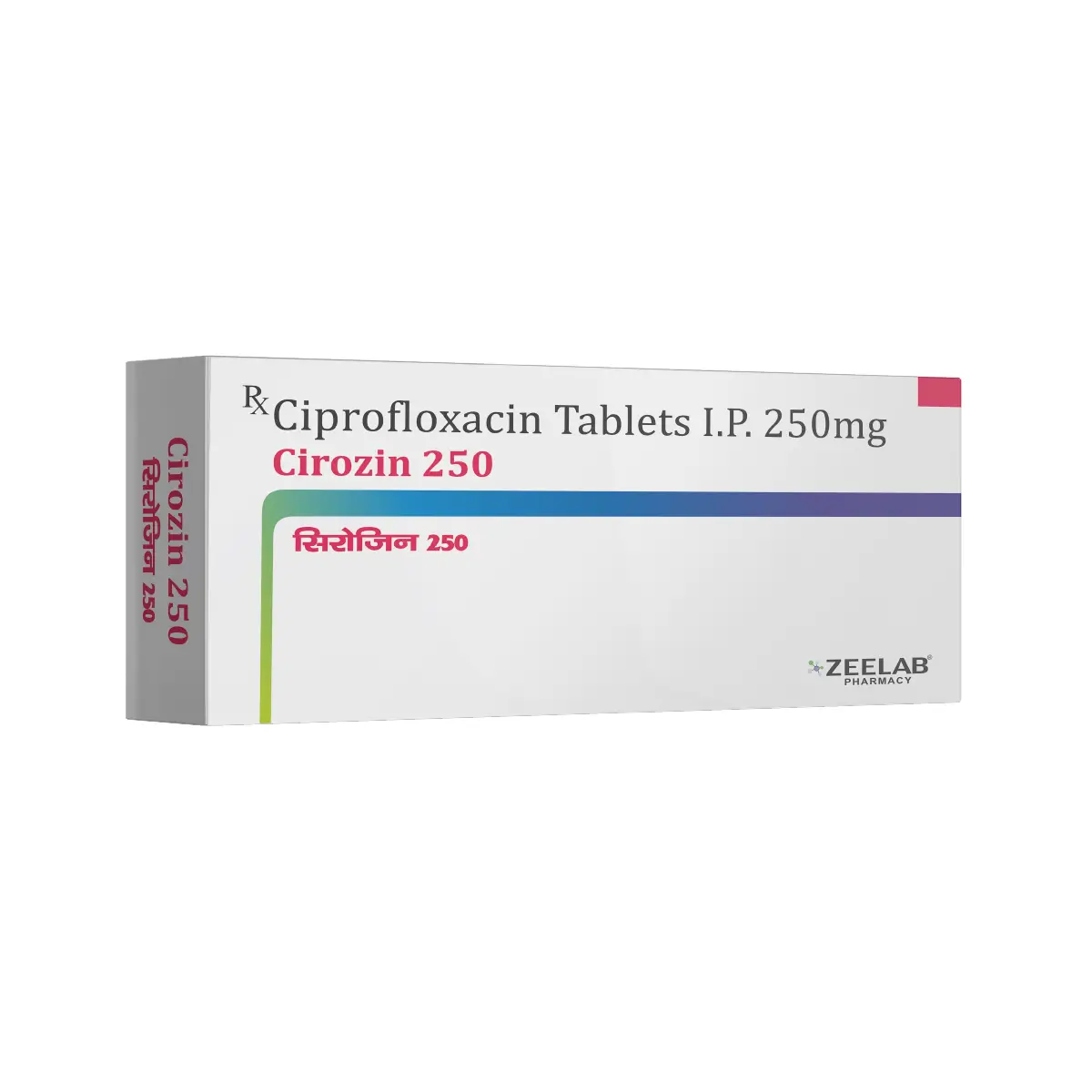
Ciprofloxacin (250mg)
10 Tablets In 1 Strip

Cefixime (200mg)
10 Tablets In 1 Strip
Azithromycin (500 mg)
5 Tablets In 1 Strip
References
- https://pmc.ncbi.nlm.nih.gov/articles/PMC11513656/
- https://www.sciencedirect.com/science/article/pii/S1198743X14613732
- https://www.nhs.uk/conditions/typhoid-fever/
- https://www.who.int/news-room/fact-sheets/detail/typhoid
- https://health.py.gov.in/typhoid-fever
- https://www.nhs.uk/conditions/typhoid-fever/
- https://www.cdc.gov/typhoid-fever/hcp/clinical-guidance/index.html
Recent Blogs






Disclaimer : Zeelab Pharmacy provides health information for knowledge only. Do not self-medicate. Always consult a qualified doctor before starting, stopping, or changing any medicine or treatment.
Related Products


₹ 0
0
Items added
Quick Links
Categories
Our Policies

Our Socials


Subscribe

2026 Copyright By © Zeelab Pharmacy Private Limited. All Rights Reserved
Our Payment Partners

 Added!