
What is Moringa? A Complete Guide to Uses, Nutrition, Dosage & Side Effects
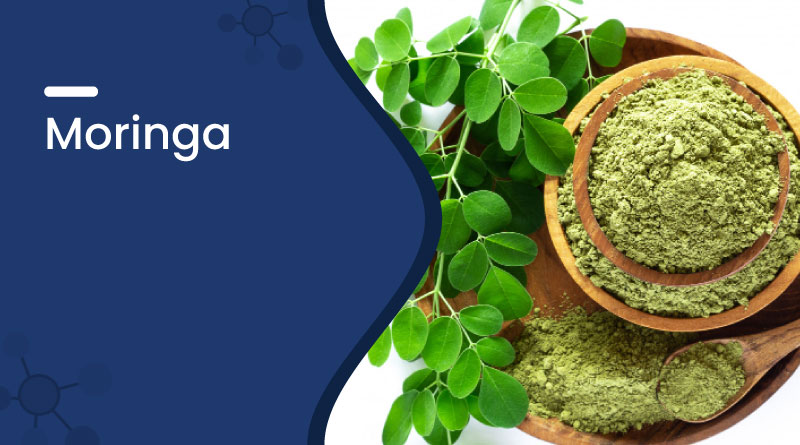
Drumstick tree (Moringa oleifera) is a plant loaded with so many nutritional and medicinal benefits. It is a native plant of certain regions of Asia and Africa and has been used for centuries in traditional medicine to ensure health and wellness.
Recently, the buzz around moringa benefits has been growing due to its extraordinary effects on immunity, energy levels, and metabolic health. This is the exact reason for being called a “Miracle tree”.
Through this blog, you will understand why moringa or drumstick is considered a superfood, the health benefits of it, and how you can include it in your diet.
What is Moringa (Drumstick Tree)?
Moringa is a fast-growing, drought-resistant plant native to parts of Asia and Africa. It belongs to the Moringaceae family and is commonly known as the drumstick tree, miracle tree (a traditional name), and horseradish tree.
Almost every part of the moringa plant is used due to its nutritional and medicinal value. The leaves are rich in vitamins and antioxidants, while the pods, commonly known as drumsticks, are widely used in cooking. The seeds are primarily used for oil extraction, and the flowers are also consumed in some traditional diets.
Moringa oil, extracted from its seeds, is valued for both culinary and skincare purposes. Because of its versatility and high nutrient density, moringa is widely considered a functional superfood.
Nutritional Value of Moringa (Per 100g Leaves)
So, moringa is believed to be a nutrient-dense superfood because of its high nutrient-rich content of necessary vitamins, minerals, plant protein, and antioxidants.
Moringa leaves, in particular, are rich in various nutrients necessary for the immune system, bones, energy, and overall well-being.
Below is a brief overview of some of the nutrient content of moringa leaves per 100 grams:
|
Nutrient |
Approximate Amount |
Key Benefit |
|
Vitamin A |
7500–8000 IU |
Supports vision, immunity, and skin health |
|
Vitamin C |
200–220 mg |
Boosts immunity and acts as a powerful antioxidant |
|
Vitamin E |
100–120 mg |
Protects cells from oxidative stress |
|
Calcium |
400–450 mg |
Strengthens bones and teeth |
|
Iron |
6–8 mg |
Helps in red blood cell production and prevents anaemia |
|
Potassium |
250–300 mg |
Supports heart health and fluid balance |
|
Magnesium |
40–50 mg |
Aids muscle and nerve function |
|
Plant Protein |
8–9 g |
Supports muscle repair and growth |
|
Antioxidants (Flavonoids & Polyphenols) |
High (variable) |
Fights inflammation and chronic diseases |
Top 7 Health Benefits of Moringa in Our Body
Moringa is highly valued for its numerous health benefits due to its rich nutritional and antioxidant properties. Regular consumption of moringa may support overall health and wellness in several ways.
1. Supports Immunity
Moringa is rich in Vitamin A, Vitamin C, and antioxidants that help strengthen the body’s natural defence system and protect against infections.
2. Helps Manage Blood Sugar Levels
Some studies suggest that moringa may help maintain healthy blood glucose levels. People with diabetes should consult a doctor before regular use.
3. Promotes Heart Health
Moringa contains plant compounds that may support cardiovascular health by helping reduce cholesterol levels and improve overall heart function.
4. Reduces Inflammation
The antioxidant compounds present in moringa may help lower inflammation associated with various chronic conditions.
5. Boosts Energy Levels
Moringa provides essential nutrients that help reduce fatigue and improve overall energy and vitality.
6. Supports Digestion
Moringa may aid digestion and promote better gut health due to its natural fibre content and beneficial plant compounds.
7. Enhances Skin and Hair Health
The vitamins and antioxidants in moringa contribute to improved skin hydration and repair while also supporting stronger and healthier hair.
What Does Research Say About Moringa?
Research on moringa (Moringa oleifera) suggests that its rich antioxidant and bioactive compounds may support various aspects of health, although more large-scale human studies are needed to confirm these effects.
- Quercetin: May help support healthy blood pressure levels
- Chlorogenic acid: May help regulate blood sugar
- Antioxidants: Help reduce oxidative stress and inflammation
Note: More large-scale human studies are needed to confirm long-term effects.
Uses of Moringa in Daily Life
Moringa has been valued for centuries in traditional systems of medicine and continues to be extensively utilised today for nutrition, wellness, and personal care.
Its versatility makes it a popular choice across both household remedies and modern health practices.
|
Category |
Uses |
|
Culinary Uses |
The leaves and pods, also known as drumsticks, are used in soups, curries, and powders. |
|
Herbal and Nutritional Supplements |
Available in powder, capsules, and teas to support immunity, energy, and overall health. |
|
Skin and Hair Care |
The oil of the plant is generally used for moisturising the skin, improving texture, and hair care. |
|
Traditional Medicine |
Ayurvedic and folk medicine use the herb to boost digestion, reduce inflammation, and improve well-being. |
How to Use Moringa? Best Ways to Consume
Moringa can be incorporated into your daily routine in various simple and effective ways. Depending on the form, it can be used for both nutritional and wellness purposes:
Moringa Powder
- Add 1–2 teaspoons to smoothies, juices, or warm water
- Sprinkle over salads or soups
Fresh Drumsticks
- Used in curries and soups
- Consume the inner pulp after cooking
Moringa Tea
- Steep dried leaves in hot water for 5–10 minutes
- Optional: add lemon or honey
Moringa Oil
- Apply directly to skin or hair for nourishment
Best Time to Take Moringa
The best time to take moringa depends on your health goals, as it can support energy, metabolism, and overall wellness when taken at the right time of day.
- Morning: Supports energy levels
- Before meals: May support blood sugar balance
- Evening: General nutrition (if tolerated)
Recommended Dosage of Moringa
The appropriate dosage of moringa can vary depending on the form, individual health needs, and overall diet. It is generally advisable to start with a small amount and gradually increase as needed.
Below is a simple guide to commonly used forms and their typical dosage:
|
Form |
Recommended Dosage |
|
Moringa powder |
1–2 teaspoons (2–5 grams) per day |
|
Moringa capsules/tablets |
500–1000 mg, 1–2 times daily |
|
Moringa tea |
1 cup, 1–2 times daily |
General Dosage Guidance:
- Always follow product label instructions for accurate dosing.
- Consult a healthcare professional before regular use, especially if you are pregnant, breastfeeding, or taking any medications.
Possible Side Effects of Moringa
Moringa is generally safe when consumed in moderation, but some individuals may experience mild side effects, especially with excessive intake:
- Digestive issues: May cause nausea, bloating, or diarrhoea in high amounts.
- Low blood sugar: Can reduce glucose levels, which may be risky for diabetics on medication.
- Low blood pressure: May lead to an excessive drop in blood pressure in some individuals.
- Allergic reactions: Rarely, some people may experience sensitivity or allergic symptoms.
Note: Certain parts, like the root and bark, may not be safe during pregnancy.
Best Moringa Supplement Recommendations from Zeelab Pharmacy
Moringa supplements are a convenient way to obtain their nutritional benefits, especially for those who cannot include fresh moringa regularly in their diet.
However, they should be used as a supplement to a balanced diet, not a replacement, and it is advisable to follow recommended dosages and consult a healthcare professional before regular use.
Zeelab Moringa Capsule
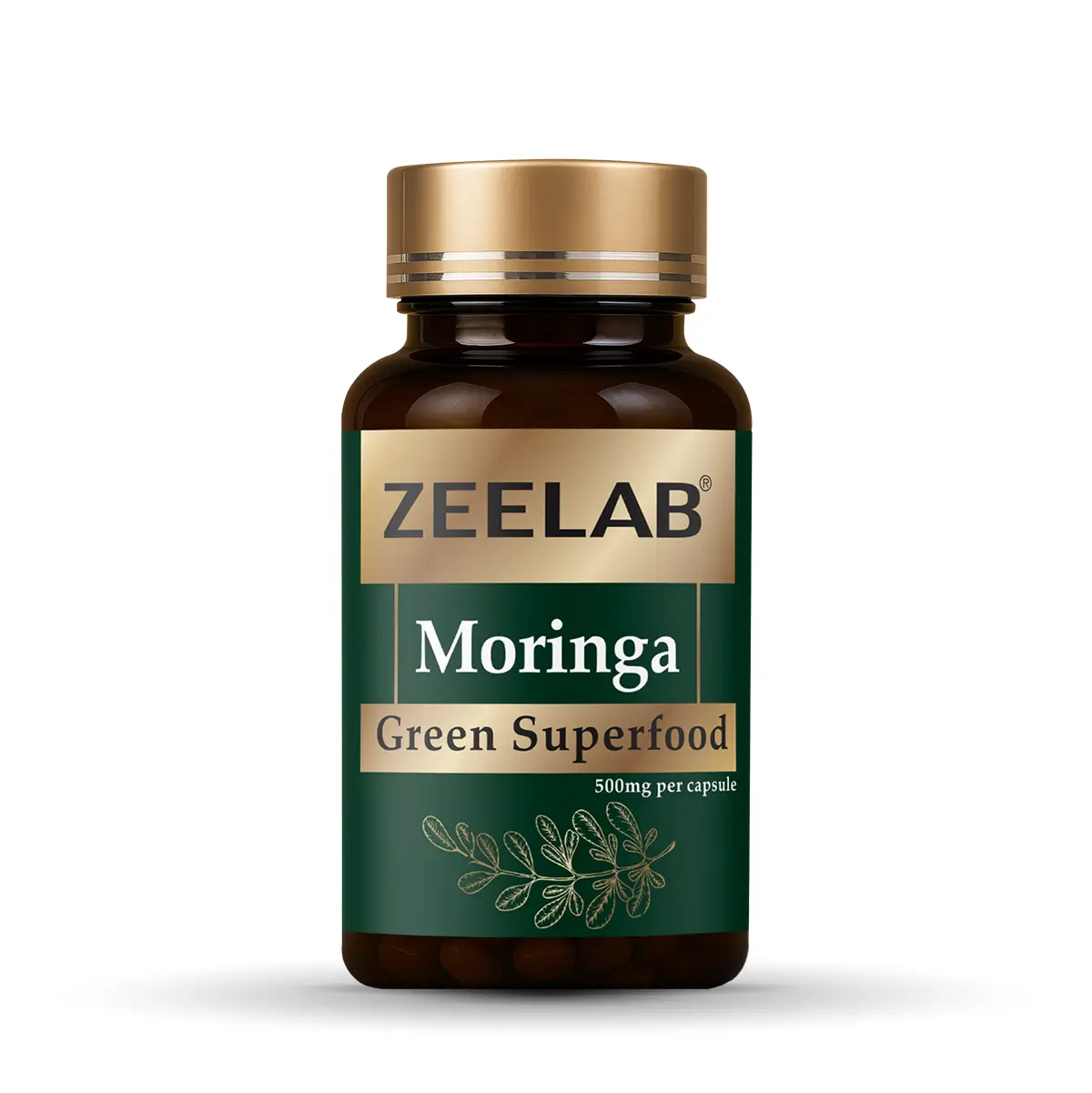
These Moringa oleifera Capsules contain 500 mg pure moringa leaf powder, offering a nutrient-rich, antioxidant-packed supplement that supports energy, immunity, and overall wellness.
- Composition: Moringa Oleifera Powder (500mg)
- Benefits: Boosts immunity, improves digestion, enhances energy, and supports healthy skin and hair.
Who Should Avoid Moringa?
While moringa is generally safe, certain individuals should use caution or avoid it unless advised by a healthcare professional:
- Pregnant women: Especially avoid root and bark, as they may have harmful effects.
- Breastfeeding mothers: Limited evidence on safety, so use with medical guidance.
- People on diabetes medication: May lower blood sugar levels excessively.
- Individuals with low blood pressure can further reduce their blood pressure levels.
- Those taking thyroid medications may interfere with thyroid function in some cases.
- People with known allergies: Avoid if sensitive to moringa or related plants.
Also Read: Best Supplements to Control Blood Sugar Naturally
Safety Tips for Using Moringa
To ensure safe and effective use of moringa, it is important to follow some basic precautions:
- Use in moderation: Avoid excessive intake to prevent unwanted side effects.
- Start with small amounts: Gradually increase dosage to assess tolerance.
- Choose quality products: Opt for reliable and well-sourced moringa supplements or powders.
- Avoid certain plant parts: Do not consume root or bark due to potential toxicity.
- Monitor existing conditions: Be cautious if you have diabetes, low blood pressure, or thyroid issues.
- Consult a healthcare professional: Especially if pregnant, breastfeeding, or taking medications.
Conclusion
Moringa is called a "Miracle tree" because each of its parts is loaded with several nutritional and health benefits. Packed with essential vitamins, minerals, and antioxidants that play a vital role in maintaining a healthy heart, enhancing energy, and boosting immunity.
It will also be easy for you to include it in your daily diet, as it is available in both natural and supplement form. However, just like any other supplement, Moringa oleifera capsules or powder should be used responsibly and in the right amounts as directed by a professional doctor.
Frequently Asked Questions
Q. What are the health benefits of Moringa, AKA Drumstick?
A. Moringa may help support immunity, digestion, heart health, and energy levels. It is rich in vitamins, minerals, antioxidants, and plant compounds that may help reduce inflammation and support overall well-being.
Q. How to use moringa leaves?
A. Moringa leaves can be consumed fresh, cooked, or dried. They are commonly added to soups, curries, or salads, or brewed as tea. You can also use powdered leaves in smoothies for added nutrition.
Q. Is moringa good for diabetes?
A. Moringa may help support healthy blood sugar levels, which is why it is often discussed in diabetes-friendly diets. However, it should not replace prescribed treatment, and medical advice is important before regular use.
Q. What happens if I eat moringa daily?
A. Eating moringa daily in moderate amounts may support immunity, energy levels, and overall nutrition. However, excessive intake may cause digestive discomfort or affect blood sugar and blood pressure, so balanced consumption is important.
Q. Is moringa safe to take every day?
A. Moringa is generally considered safe in moderate amounts for many people. However, daily use should be within recommended limits, and people with medical conditions should consult a healthcare professional first.
Q. Why is moringa called the miracle tree?
A. Moringa is called the miracle tree because nearly every part of the plant is useful. Its impressive nutritional value and wide traditional use for health and wellness have made it highly popular.
Q. Is moringa good for skin and hair?
A. Moringa may benefit skin and hair because it contains antioxidants, vitamins, and healthy plant compounds. Moringa oil is also commonly used to moisturise skin and nourish dry or damaged hair.
Q. Can moringa support immunity?
A. Yes, moringa may help support immunity because it contains vitamin C, vitamin A, and antioxidants. These nutrients help protect cells from damage and support the body’s natural defence system.
Q. How should I use moringa powder?
A. You can add Moringa powder to smoothies, juices, soups, or warm water. A small amount is often enough, and it can be a simple way to increase daily nutrient intake naturally.
Q. Are moringa capsules effective?
A. Moringa capsules can be a convenient way to consume moringa, especially for people who do not use fresh leaves or powder. Their effectiveness depends on quality, dosage, and regular, appropriate use.
Q. How long does moringa take to work?
A. Moringa may start showing benefits within 1–2 weeks, but noticeable results like improved energy, digestion, or immunity can take 4–8 weeks with regular use.
Q. How long should I take moringa for the best results?
A. For best results, moringa should be taken consistently for at least 4–8 weeks as part of a balanced diet and healthy lifestyle.
Recent Blogs






Disclaimer : Zeelab Pharmacy provides health information for knowledge only. Do not self-medicate. Always consult a qualified doctor before starting, stopping, or changing any medicine or treatment.
Related Products


₹ 0
0
Items added
Quick Links
Categories
Our Policies

Our Socials


Subscribe

2026 Copyright By © Zeelab Pharmacy Private Limited. All Rights Reserved
Our Payment Partners

 Added!