

Stop Bruising Easily: How Vitamin K Helps in Blood Clotting
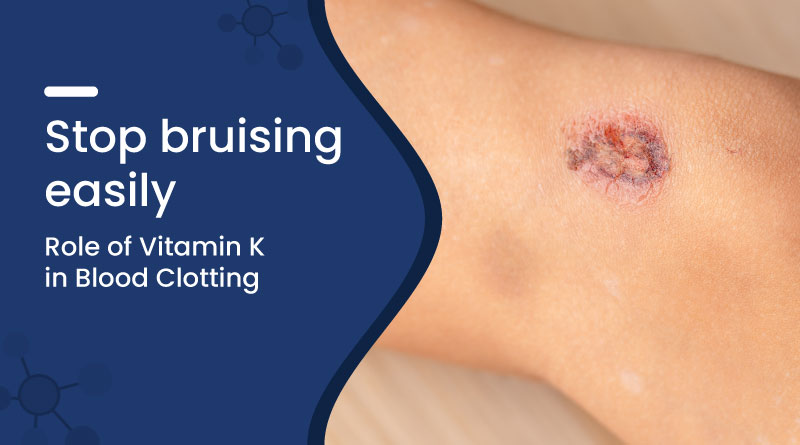
Bruising too easily? You might be lacking Vitamin K, a key nutrient that helps your blood clot properly. Without enough of it, even minor bumps can lead to large, purple marks. In this blog, we’ll break down the role of Vitamin K in blood clotting, how its deficiency affects your body, and what you can do to maintain healthy levels naturally.
What is Vitamin K, and How Does it Help in Blood Clotting?
Vitamin K is a fat-soluble vitamin essential for blood clotting. It activates proteins that help your blood coagulate, preventing excessive bleeding from minor injuries. Without enough Vitamin K, your body can't produce these clotting factors effectively.
There are two main types:
- Vitamin K1 (phylloquinone) – found in leafy greens
- Vitamin K2 – found in fermented foods and animal products
Both support healthy clotting, but K1 is more directly linked with preventing bruising and bleeding.
Why Do You Bruise Easily with Low Vitamin K?
When your Vitamin K levels are low, your blood takes longer to clot. This can cause:
- Frequent or unexplained bruises
- Heavy bleeding from small cuts
- Nosebleeds
- Blood in urine or stool
In short, Vitamin K deficiency weakens the clotting process, making your blood vessels more prone to leakage.
What Causes Vitamin K Deficiency?
Many factors can cause low Vitamin K levels:
- Poor dietary intake (not eating enough green vegetables)
- Chronic use of antibiotics
- Liver disorders (since clotting factors are produced in the liver)
- Fat absorption issues (common in conditions like celiac or Crohn’s disease)
- Newborns are naturally low in Vitamin K and often need supplementation
Which Foods Are Rich in Vitamin K?
To naturally boost your Vitamin K levels, add the following to your diet:
| High in Vitamin K1 (Plant-Based) | High in Vitamin K2 (Fermented/Animal-Based) |
|---|---|
|
|
Eating a balanced diet rich in these foods supports clotting and reduces the risk of bruising.
Who Needs Extra Vitamin K the Most?
Some people are more likely to have a Vitamin K deficiency:
- Older adults with poor diets
- People with digestive disorders
- Patients on long-term antibiotics or blood thinners
- Newborn babies (they usually receive Vitamin K shots at birth)
If you fall into one of these categories, keep an eye on signs like easy bruising or prolonged bleeding.
How Can You Boost Vitamin K Levels Safely?
- Eat leafy greens daily – Add spinach, kale, or collard greens to meals.
- Use healthy fats – Vitamin K is fat-soluble, so pair it with olive oil or nuts for better absorption.
- Avoid overusing antibiotics – Only use them when prescribed.
- Consult your doctor before taking Vitamin K supplements, especially if you're on blood thinners.
Is Vitamin K Safe for Everyone?
In most cases, Vitamin K is safe when consumed through food. However, if you're on blood-thinning medication (like warfarin), consult your doctor before increasing intake or taking supplements, as it may interfere with your treatment plan.
Conclusion
If you bruise easily, it might not just be clumsiness—it could be a sign of low Vitamin K. This powerful nutrient keeps your blood clotting system in check and reduces unnecessary bleeding. Focus on a Vitamin K-rich diet, understand your risk factors, and consult a healthcare provider if symptoms persist. Healing begins from within.
Frequently Asked Questions (FAQs)
Ans.Yes, Vitamin K supports blood clotting and can reduce bruising caused by minor injuries or weak blood vessels.
Ans.You may bruise easily, bleed excessively, and heal slowly from wounds or cuts.
Ans.Adults generally need about 90–120 mcg per day, depending on age and gender.
Ans.Only under medical supervision. Vitamin K can affect how blood thinners work.
Ans.Yes, it helps in wound healing and supports bone strength by regulating calcium levels.

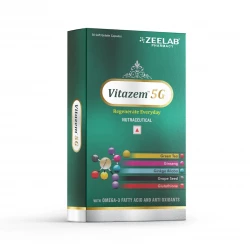
Omega-3 Fish Oil (250mg) (Providing EPA 45mg & DHA 30mg) + Cyanocobalamin (2.20mcg) + Cholecalciferol (10mcg) + Vitamin K2-7 (45mcg) + Folic Acid (120mcg) + Calcium Citrate Maleate (500mg) + Manganese Sulphate (Eq. to Elemental Manganese 1.50mg) + Zinc Sulphate Monohydrate (Eq. to Elemental Zinc 2.73mg) + Boron (as Boron Proteonate 1.50mg)
10 Capsules In 1 Strip
Omega 3 Fatty Acids (EPA 90 mg + DHA 60 mg) + Green Tea Extract (10 mg) + Ginseng (42.50 mg) + Ginkgo Biloba Extract (10 mg) + Grape Seed Extract (15 mg) + Glutathione (10 mg) + Lactic Acid Bacillus (500 Lacs Spores) + Citrus Bioflavonoids (20 mg) + Natural Mixed Carotenoids (11.33 mg, 10%) + Vitamin D3 (200 IU) + Wheat Germ Oil (25 mg) + Vitamin K1 (10 mcg) + Vitamin B6 (1 mg) + Vitamin B12 (1 mcg) + Thiamine (1.4 mg) + Niacinamide (18 mg) + Ascorbic Acid (40 mcg) + Folic Acid (120 mcg + 30 mcg) + Choline Hydrogen Tartrate (25 mg) + Lutein (250 mcg, 10%) + Piperine (5 mg) + Calcium (20 mg) + Phosphorous (15.45 mg) + Iron (10 mg) + Zinc (12 mg) + Iodine (120 mcg) + Magnesium (30 mg) + Manganese (1.5 mg) + Copper (0.5 mg) + Chromium (50 mcg) + Molybdenum (25 mcg) + Selenium (20 mcg) + Potassium (4 mg) + Chloride (3.6 mg)
15 Capsules In 1 Strip
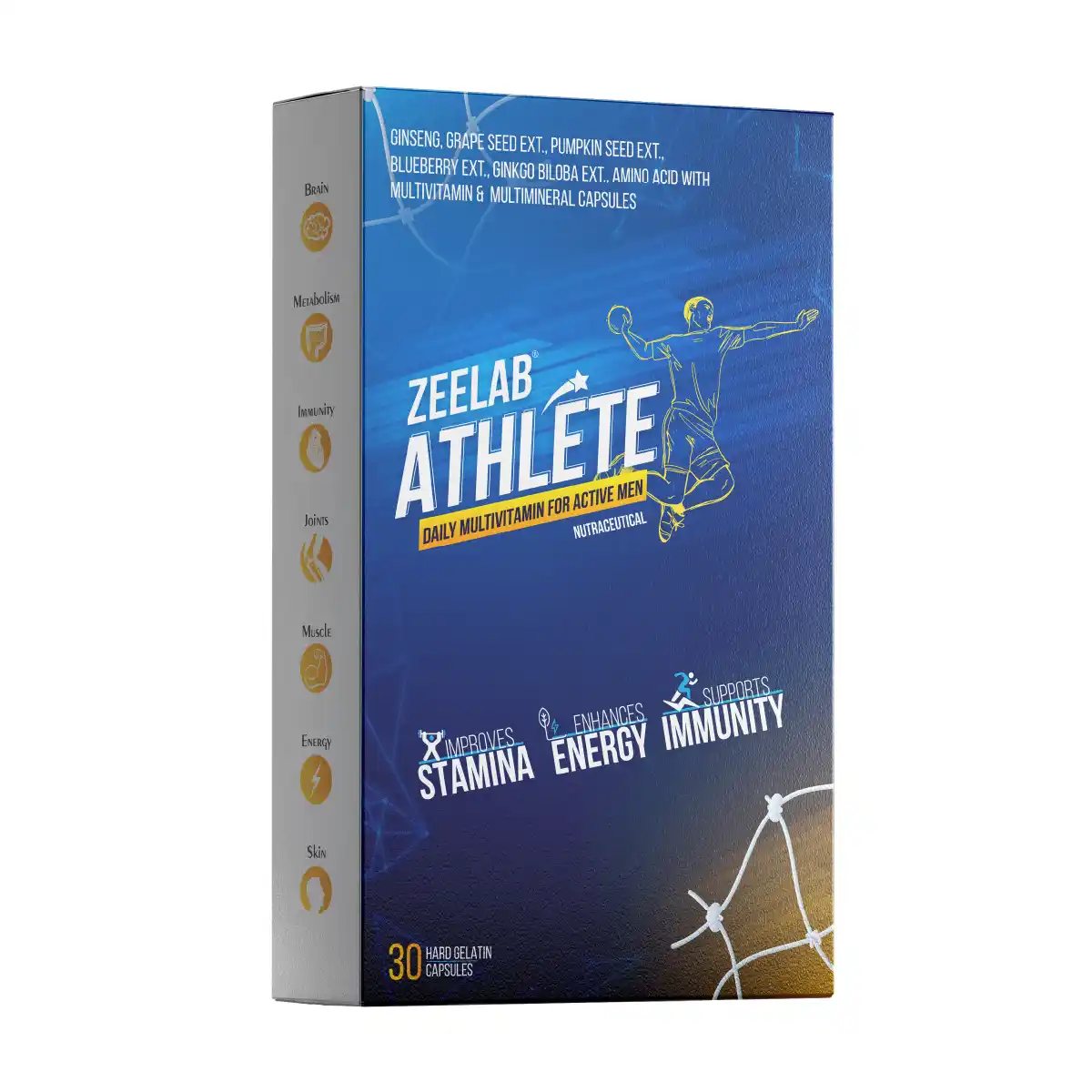
Pumpkin Seed Extract (40 mg) + Blueberry Extract (30 mg) + Garcinia Cambogia Extract (40 mg) + Beta Alanine (5 mg) + Ginkgo Biloba Extract (150 mg) + Ginseng Extract (Panax Ginseng) (100 mg) + Beta Vulgaris Powder (5 mg) + Turmeric Extract (100 mg) + Grape Seed Extract (100 mg) + Lycopene (10000 mcg) + L-Isoleucine (30 mg) + L-Leucine (30 mg) + L-Lysine (30 mg) + L-Arginine (30 mg) + L-Valine (15 mg) + L-Glutamine (30 mg) + L-Proline (2.5 mg) + Taurine (30 mg) + Choline (25 mg) + Vitamin A (1000 mcg) + Vitamin B1 (1.8 mg) + Vitamin B2 (2.5 mg) + Vitamin B6 (2.4 mg) + Vitamin B12 (2.2 mcg) + Vitamin C (40 mg) + Vitamin D3 (15 mcg) + Vitamin E (10 mg) + Vitamin K2 (55 mcg) + Folic Acid (176.47 mcg) + Vitamin B3 (18 mg) + Vitamin B5 (5 mg) + Chromium (50 mcg) + Copper (1.7 mg) + Manganese (4 mg) + Molybdenum (19.8 mcg) + Selenium (40 mcg) + Boron (1.5 mg) + Phosphorus (30 mg) + Zinc (17 mg) + Iron (19 mg)
30 Capsules In 1 Box
Recent Blogs





Disclaimer : Zeelab Pharmacy provides health information for knowledge only. Do not self-medicate. Always consult a qualified doctor before starting, stopping, or changing any medicine or treatment.
Related Products


₹ 0
0
Items added
Quick Links
Categories
Our Policies

Our Socials


Subscribe

2026 Copyright By © Zeelab Pharmacy Private Limited. All Rights Reserved
Our Payment Partners

 Added!