

What Is Generic Medicine? Meaning, Benefits, Safety, and Difference Between Generic and Branded Medicines
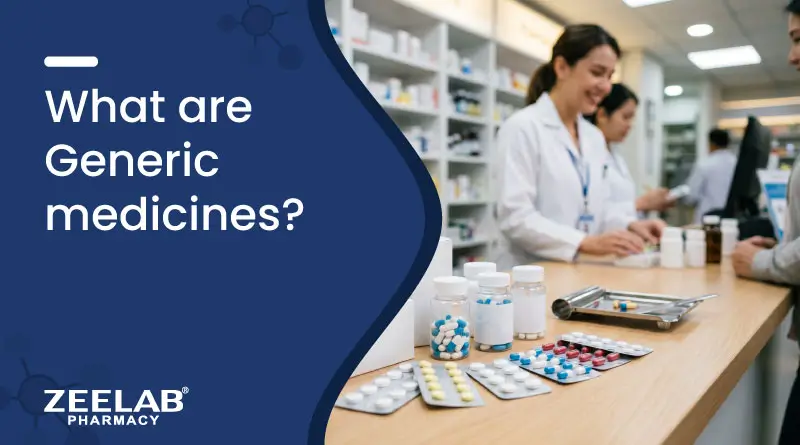
Cheaper does not necessarily mean lower quality. In the case of medicines, there is a common misconception that only branded or expensive drugs are effective. However, this is not always true.
Generic drugs are cost-effective medicines that have the same active ingredients as branded medicines and work in the same way in the body, ensuring the effectiveness is similar to branded ones.
They are affordable because of lower investment in research & development during production, and even their marketing is cheap.
This blog is dedicated to clearing the misconceptions about generic medicines, their effectiveness, benefits, safety, approval process, and comparing them with branded medicines.
What are Generic Medicines?
Generic medicines are affordable alternatives to branded medicines that contain the same active ingredients (APIs). They are designed to work similarly and provide comparable therapeutic benefits.
Generic medicines are manufactured after the patent of the original branded drug expires and are approved only after meeting the required safety, quality, and effectiveness standards.
How Generic Medicines Work?
Generic and branded medicines work in a similar way because they contain the same active ingredients. After taking the medicine, the active ingredient gets absorbed into the body and helps treat the condition.
Although generic medicines may differ in packaging, colour, shape, or appearance, they are designed to provide similar effectiveness, safety, and therapeutic results as branded medicines.
Generic Medicine vs Branded Medicine
Generic and branded medicines are both used for the same treatment purposes and contain the same active ingredients.
The main differences usually relate to pricing, branding, packaging, and marketing rather than how the medicine works.
|
Feature |
Generic Medicine |
Branded Medicine |
|
Price |
More affordable |
More expensive |
|
Active Ingredient |
Same API |
Same API |
|
Effectiveness |
Similar therapeutic effect |
Similar therapeutic effect |
|
Safety |
Approved by regulatory authorities |
Approved by regulatory authorities |
|
Packaging |
Usually simple |
Brand-specific packaging |
|
Appearance |
May vary |
Usually fixed |
|
Marketing Cost |
Lower |
Higher |
|
Approval |
Bioequivalence required |
Clinical and regulatory approval |
Also Read: Generic Medicines vs. Branded Medicines: A Conflict
Why Are Generic Medicines Cheaper Than Branded Medicines?
Branded medicines are often more expensive because companies invest heavily in research, clinical trials, marketing, advertising, and patent protection.
Generic medicines, however, are usually available at lower prices for several reasons:
- They do not require repeated research and development costs.
- They are manufactured after the original drug patent expires.
- Manufacturers spend less on advertising and marketing.
- Packaging and branding costs are usually lower.
- Competition among multiple manufacturers helps reduce prices.
Is Generic Medicine Safe in India?
Generic medicines are generally considered safe in India when they are approved by regulatory authorities and manufactured according to required quality standards.
They undergo evaluation processes to ensure their safety, quality, and effectiveness before reaching patients.
Some important points to understand include:
- Generic medicines are approved after undergoing bioequivalence testing.
- Bioequivalence means the medicine releases the same active ingredient at a similar rate and produces a similar effect as branded medicines.
- This helps ensure comparable safety, quality, and therapeutic effectiveness.
- In India, regulatory authorities oversee the approval process for generic medicines.
- Many manufacturers also follow WHO-GMP standards for manufacturing practices.
- WHO-GMP standards help maintain quality, safety, and consistent production of medicines.
How Are Generic Medicines Approved in India?
Before a generic medicine is made available in the Indian market, it must go through several regulatory steps to ensure its safety, quality, and effectiveness.
These checkpoints help confirm that the medicine meets required standards before approval.
Some important stages in the approval process include:
- Patent Expiry: Generic medicines can be manufactured only after the patent of the original branded drug expires.
- Generic Drug Development: The manufacturer develops the medicine using the same active ingredient, dosage, and route of administration as the branded version.
- Bioequivalence Testing: Studies are conducted to ensure that the generic medicine works similarly and is absorbed by the body in the same way as the branded medicine.
- CDSCO Approval: The medicine receives approval after the regulatory authority verifies safety, quality, and required documentation.
- Manufacturing Quality Checks: Manufacturing facilities are evaluated to ensure they meet GMP requirements and maintain proper quality standards.
Do Generic Medicines Have the Same Composition?
Generic medications are manufactured in such a way that their treatment effectiveness resembles that of branded medications without compromising on the necessary quality and safety factors.
- Generic medicines contain the same active ingredient as branded medicines.
- Some inactive ingredients, such as colours or flavouring agents, may differ.
- The colour, taste, shape, or packaging of generic medicines may look different.
- Despite these differences, their effectiveness and therapeutic action remain similar.
Benefits of Generic Medicines
Generic medicines provide several advantages, especially for individuals looking for affordable healthcare options without compromising safety and quality.
Some key benefits of generic medicines include:
- Affordable Cost: Generic medicines are usually cheaper than branded medicines, helping reduce overall healthcare expenses.
- Similar Effectiveness: They contain the same active ingredients and are designed to work similarly to branded medicines.
- Better Accessibility: Lower prices make medicines more accessible for long-term and regular treatments.
- Regulated Quality Standards: Generic medicines must meet required safety, quality, and approval standards before being available for use.
- Wide Availability: Many generic medicines are easily available through pharmacies and healthcare providers.
Who Can Use Generic Medicines?
Generic medicines can be used by many people when prescribed by a doctor or healthcare professional. Since they contain the same active ingredients as branded medicines, they are commonly used for both short-term and long-term treatments.
People who may use generic medicines include:
- Individuals looking for affordable treatment options
- Patients with long-term conditions like diabetes or high blood pressure
- People requiring regular medications
- Adults and children when prescribed appropriately
- Patients seeking cost-effective alternatives to branded medicines
However, some medicines for critical health conditions may require medical supervision before switching to a generic alternative.
Common Myths About Generic Medicines
There are many misconceptions about generic medicines because of their lower prices and different packaging. However, a lower price does not mean lower quality or effectiveness.
The table below explains some common myths and the actual facts about generic medicines.
|
Myth |
Fact |
|
Generic medicines are of low quality |
Generic medicines must meet required quality and safety standards before approval. |
|
Generic medicines do not work properly |
They contain the same active ingredients and are designed to work similarly to branded medicines. |
|
Cheaper medicines are less effective |
Lower cost does not mean lower effectiveness. |
|
Generic medicines are unsafe |
Approved generic medicines are tested for safety and quality. |
|
Generic medicines are completely different from branded medicines |
Only the brand name, packaging, colour, or appearance may differ. |
Why Doctors Sometimes Prescribe Branded Medicines?
Doctors may sometimes prescribe branded medicines based on patient needs, availability, or their clinical experience with a particular product. The choice may vary depending on individual situations and treatment requirements.
Some common reasons include:
- Familiarity with the Brand: Doctors may prefer brands they have prescribed and used for many years.
- Patient Response: Some patients may respond better to a specific formulation, coating, or medicine variation.
- Availability Issues: Certain generic medicines may not always be easily available in every location.
- Special Formulations: Some branded medicines may offer unique combinations or modified-release formulations.
- Patient Preference: In some cases, patients may feel more comfortable continuing a familiar brand.
How to Identify Generic Medicines?
Generic medicines can often be identified by carefully checking their names, active ingredients, and packaging details. Understanding these details can help you make informed decisions while purchasing medicines.
Some ways to identify generic medicines include:
- Check the active ingredient name mentioned on the medicine strip or packaging.
- Generic medicines are often sold using the medicine’s scientific or generic name.
- Compare the strength and dosage with the prescribed medicine.
- Look for manufacturing and approval details on the packaging.
- Ask your pharmacist if a lower-cost generic alternative is available.
Where Can You Buy Generic Medicines?
Generic medicines are widely available through pharmacies and healthcare platforms, making affordable treatment options easier to access. You can buy them from:
- Licensed Pharmacy Stores: Generic medicines can be purchased from trusted pharmacy stores and medical shops that provide properly labelled medicines and follow required quality standards.
- Online Generic Medicine Platforms: Many online healthcare and pharmacy platforms also offer generic medicines. Always purchase from reliable and verified sources and carefully review medicine details before ordering.
Before purchasing any medicine, make sure to check:
- Manufacturing and expiry dates
- Medicine strength and dosage
- Packaging and labelling details
- Doctor’s prescription (if required)
Can Generic Medicines Cause Side Effects?
In many cases, generic medicines can replace branded medicines because they contain the same active ingredients and are designed to work similarly in the body. However, it is always important to consult a doctor or pharmacist before switching medicines.
Some important points to consider:
- Generic medicines can often be used as alternatives to branded medicines.
- A doctor’s consultation is important before changing any medicine.
- Some medicines used for chronic conditions may require careful monitoring after switching.
- Medicines with a narrow therapeutic index may need additional medical supervision.
- Never switch medicines on your own without professional guidance.
How Generic Medicines Are Making Healthcare More Affordable in India
Generic medicines are playing an important role in improving access to affordable healthcare in India. As more people seek cost-effective treatment options, the use of generic medicines continues to grow across the country.
Several factors are contributing to this shift:
- Government initiatives like Jan Aushadhi: Help improve access to quality medicines at lower prices.
- Growing demand for affordable treatment: More people are choosing cost-effective healthcare options.
- India as a global generic medicine hub: India is one of the leading manufacturers and exporters of generic medicines worldwide.
- Support for generic prescribing: Government efforts to encourage generic prescriptions are helping increase awareness and reduce treatment costs.
- Reduced financial burden: Lower-cost medicines can help patients manage healthcare expenses more effectively.
Generic Medicine Examples
Generic medicines contain the same active ingredients as branded medicines and are commonly used for treating various health conditions. The table below shows a few examples of generic medicines along with their commonly known branded counterparts.
|
Generic Name |
Commonly Known Branded Medicine |
Common Use |
|
Crocin |
Fever and pain relief |
|
|
Cetzine |
Allergy relief |
|
|
Pantoprazole |
Pantocid |
Acidity and acid reflux |
|
Glycomet |
Diabetes management |
|
|
Novamox |
Bacterial infections |
Note: The examples above are provided for informational purposes only. Always consult a healthcare professional before using any medicine.
When Should You Avoid Switching Medicines Without Medical Advice?
Some medicines require careful monitoring, so switching between branded and generic versions should only be done under medical supervision.
- Epilepsy Medicines: Small changes in the medicine dose may affect seizure control in some patients.
- Thyroid Medicines: Dosage balance is important, and switching may require monitoring of thyroid levels.
- Blood Thinners: Incorrect dosing may increase the risk of bleeding or clotting complications.
- Organ Transplant Medicines: These medicines require precise dosing to help prevent organ rejection.
- Always consult a doctor before changing medicines for long-term or critical health conditions.
Are Generic Medicines Safe for Long-Term Use?
For long-term treatment, generic medicines may be used safely when they are properly approved and taken under medical guidance. They can help reduce treatment costs, especially for chronic health conditions, while maintaining similar effectiveness and quality standards.
Some important points to keep in mind:
- Generic medicines can be used for long-term treatments when prescribed appropriately.
- They may help reduce healthcare costs, especially for chronic conditions.
- Regular follow-ups with a doctor are important during ongoing treatment.
- Do not change the dose, brand, or type of medicine without medical advice.
- Always use medicines exactly as prescribed by your healthcare professional.
Tips for Buying Generic Medicines Safely
While generic medicines are considered safe when approved by regulatory authorities, following a few precautions can help you make informed decisions.
- Purchase medicines from licensed pharmacies
- Check packaging details carefully
- Verify manufacturing and expiry dates
- Consult a doctor or pharmacist if needed
- Avoid self-medication without medical advice
- Compare the medicine strength and dosage before purchasing
Conclusion
Generic medicines play an important role in making quality healthcare more affordable and accessible.
They contain the same active ingredients as branded medicines, work in a similar way, and must meet required safety and quality standards before approval.
Their lower price does not mean lower effectiveness; it mainly reflects reduced research, branding, and marketing costs.
However, patients should always use medications responsibly and consult a doctor before making any changes, especially for chronic or critical conditions.
With better awareness, generic medicines can help people make informed choices and reduce the overall burden of treatment costs.
Frequently Asked Questions (FAQs)
Ans.Generic medicines are affordable medicines with the same active ingredients as branded medicines, designed to work similarly in the body.
Ans.Generic drugs have the same active ingredients as branded drugs, but inactive ingredients like colour, flavour, or coating may differ.
Ans.Generic medicines are cheaper because manufacturers spend less on research, branding, packaging, and marketing after the original patent expires.
Ans.No, approved generic medicines are not less effective because they contain the same active ingredients and provide similar therapeutic benefits.
Ans.Yes, approved generic medicines are designed to be as effective as branded drugs because they contain the same active ingredients.
Ans.Bioequivalence means a generic drug works in the body similarly to the branded drug in absorption, effect, and performance.
Ans.Generic medicines are tested for active ingredient, strength, quality, safety, bioequivalence, and manufacturing standards before approval.
Ans.Yes, approved generic medicines in India can be trusted when manufactured under quality standards and taken as prescribed by doctors.
Ans.Generic medicines in India are regulated by CDSCO and state drug authorities to ensure required safety, quality, and effectiveness standards.
Ans.Yes, many generic medicines are approved by CDSCO or relevant drug authorities after meeting safety, quality, and regulatory requirements.
Ans.Yes, doctors can prescribe generic medicines when suitable for the patient’s condition, treatment needs, and medicine availability.
Ans.Pharmacists may suggest generic alternatives, but patients should confirm with a doctor before switching prescribed medicines, especially for critical conditions.
Ans.Both can be effective when approved, but generic medicines are usually more affordable, while branded medicines may offer familiar packaging.
References
Recent Blogs






Disclaimer : Zeelab Pharmacy provides health information for knowledge only. Do not self-medicate. Always consult a qualified doctor before starting, stopping, or changing any medicine or treatment.


₹ 0
0
Items added
Quick Links
Categories
Our Policies

Our Socials


Subscribe

2026 Copyright By © Zeelab Pharmacy Private Limited. All Rights Reserved
Our Payment Partners

 Added!