

Smart Medicine Comparison
Recommended Substitute
You Searched

Clopizide A 150mg/75mg Tablet
55% More Savings
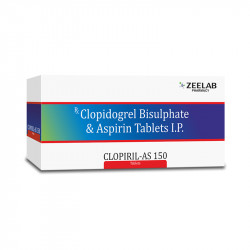
Why Choose our Clopiril AS 150 Antiplatelet Tablet ?
Save ₹ 33 - Enjoy up to 55% More Savings
Same Salt, Dosage & Strength as Clopizide A 150mg/75mg Tablet
Crafted in a WHO-GMP Certified Facility
President Award Winner - Trusted by Millions


Detail Comparison
| Parameter | Clopizide A 150mg/75mg Tablet | Clopiril AS 150 Antiplatelet Tablet |
|---|---|---|
| Composition | Clopidogrel Bisulphate 75 mg + Aspirin 150 mg Tablets | Aspirin (150mg) + Clopidogrel (75mg) |
| Quantity | 10 tablets | 10 Tablets In 1 Strip |
| Price | ₹ 60 High Price |
₹ 27 Save 55% |
| Prescription required | Yes | Yes |
Download India's most affordable pharmacy app
- Compare with medicine prices
- Save upto 90% on your medicine bills
DESCRIPTION:
Clopizide A 150mg/75mg Tablet is a potent combination medication primarily used to prevent serious cardiovascular events. It belongs to a class of drugs known as antiplatelets or blood thinners. By combining two active ingredients—Clopidogrel and Aspirin—this tablet provides a dual-action approach to cardiovascular protection. It is typically prescribed for individuals who have a high risk of heart attack or stroke, particularly those with a history of recent heart surgery, stent placement, or established peripheral vascular disease. This medication plays a vital role in long-term heart health management by ensuring smoother blood flow throughout the body.
Uses of Clopizide A
- Prevention of heart attack and stroke.
- Treatment of Acute Coronary Syndrome (ACS).
- Management of unstable angina (chest pain).
- Prevention of blood clots after the placement of a cardiac stent.
- Reducing the risk of systemic embolism in patients with peripheral arterial disease.
How Clopizide A Works
Clopizide A works by preventing platelets—small cells in your blood—from sticking together to form harmful clots. Clopidogrel blocks specific receptors on the platelets, while Aspirin inhibits the cyclo-oxygenase enzyme. Together, they create a "dual antiplatelet therapy" (DAPT) effect. This keeps your blood flowing smoothly through narrowed arteries and prevents the blockages that lead to heart attacks or strokes, especially in areas where the blood vessels might be damaged.
Benefits of Clopizide A
- Provides superior protection compared to using a single blood thinner alone.
- Significantly reduces the recurrence of cardiovascular events.
- Helps maintain the openness of stents placed in the heart.
- Easier dosing schedule by combining two essential medications into one tablet.
How to Take Clopizide A
You should take Clopizide A exactly as prescribed by your doctor. It is generally recommended to take the tablet with food to minimize the risk of stomach upset. Swallow the tablet whole with a glass of water; do not crush, chew, or break it, as this can interfere with the way the medication is released into your system. Try to take it at the same time every day to maintain a consistent level of the medicine in your bloodstream. Do not stop taking this medication abruptly without consulting your cardiologist.
Side Effects of Clopizide A
- Increased tendency to bleed (easier bruising or nosebleeds).
- Indigestion or heartburn.
- Abdominal pain or stomach discomfort.
- Diarrhea or constipation.
- Severe side effects: Heavy bleeding that won't stop, black/tarry stools, or vomiting blood.
- Allergic reactions like skin rash or swelling of the face.
Safety Advice
- Inform your doctor about any upcoming surgeries or dental procedures, as you may need to stop the medication temporarily.
- Avoid alcohol, as it can increase the risk of stomach bleeding.
- Consult your doctor if you have a history of stomach ulcers or liver/kidney disease.
- Pregnant or breastfeeding women should only use this medication if strictly necessary and advised by a specialist.
- Be cautious when using sharp objects (like razors) to avoid cuts, as you will bleed more than usual.
Frequently Asked Questions (FAQs)
Q: Can I take ibuprofen while on Clopizide A?
A: It is generally advised to avoid NSAIDs like ibuprofen while taking this medication, as it significantly increases the risk of stomach ulcers and internal bleeding.
Q: What should I do if I miss a dose?
A: Take it as soon as you remember. However, if it is almost time for your next dose, skip the missed one. Do not double the dose to catch up.
Q: How long do I need to stay on this medication?
A: The duration depends on your specific condition, such as how long ago you received a stent. Only your doctor can decide when it is safe to stop the treatment.
Q: Why do I bruise so easily now?
A: Because Clopizide A prevents blood from clotting quickly, even minor bumps can cause small blood vessels to leak, leading to visible bruises. This is a common effect of the medication.






 Added!