

Smart Medicine Comparison
Recommended Substitute
You Searched

Clupiwell A 150mg/75mg Tablet
46% More Savings
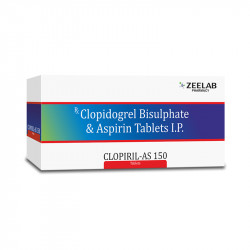
Why Choose our Clopiril AS 150 Antiplatelet Tablet ?
Save ₹ 23 - Enjoy up to 46% More Savings
Same Salt, Dosage & Strength as Clupiwell A 150mg/75mg Tablet
Crafted in a WHO-GMP Certified Facility
President Award Winner - Trusted by Millions


Detail Comparison
| Parameter | Clupiwell A 150mg/75mg Tablet | Clopiril AS 150 Antiplatelet Tablet |
|---|---|---|
| Composition | Clopidogrel Bisulphate 75 mg + Aspirin 150 mg Tablets | Aspirin (150mg) + Clopidogrel (75mg) |
| Quantity | 10 tablets | 10 Tablets In 1 Strip |
| Price | ₹ 50 High Price |
₹ 27 Save 46% |
| Prescription required | Yes | Yes |
Download India's most affordable pharmacy app
- Compare with medicine prices
- Save upto 90% on your medicine bills
DESCRIPTION:
Introduction
Clupiwell A 150mg/75mg Tablet is a prescription medication primarily used for the prevention of heart attacks and strokes. It belongs to a class of drugs known as antiplatelets or blood thinners. By combining two powerful ingredients—Clopidogrel and Aspirin—this tablet provides a dual-action approach to cardiovascular health. It is typically prescribed for individuals who have a high risk of blood clot formation, such as those who have recently suffered a heart attack, undergone cardiac surgery (like stenting), or have unstable angina (severe chest pain). This medication is a cornerstone in long-term cardiac care management.
Uses of Clupiwell A 150mg/75mg Tablet
- Prevention of heart attack in high-risk patients.
- Prevention of ischemic stroke (caused by blood clots in the brain).
- Management of unstable angina (heart-related chest pain).
- Protection against clot formation after the placement of a cardiac stent.
- Treatment of Peripheral Arterial Disease (blood flow issues in the limbs).
How Clupiwell A 150mg/75mg Tablet Works
This medicine works by preventing platelets (tiny blood cells) from sticking together to form harmful clots. Aspirin works by inhibiting the COX-1 enzyme, while Clopidogrel blocks the ADP receptors on the surface of platelets. Together, they keep your blood flowing smoothly through your arteries, significantly reducing the chance of a blockage that could lead to a heart attack or stroke.
Benefits of Clupiwell A 150mg/75mg Tablet
- Dual Protection: The combination of two salts is more effective than using either one alone for high-risk patients.
- Reduces Hospitalization: Lowers the risk of repeat cardiac events and emergency admissions.
- Improved Recovery: Essential for maintaining the openness of arteries after surgical procedures like angioplasty.
- Convenience: Combining two medications into one pill improves patient compliance and reduces "pill fatigue."
How to Take Clupiwell A 150mg/75mg Tablet
Always follow your doctor's specific instructions. Generally, this tablet should be swallowed whole with a glass of water. It is highly recommended to take it with food to minimize the risk of an upset stomach or gastric irritation. Try to take it at the same time every day to maintain a consistent level of the medicine in your bloodstream. Do not crush, chew, or break the tablet.
Side Effects of Clupiwell A 150mg/75mg Tablet
- Increased tendency to bleed (easy bruising or nosebleeds).
- Abdominal pain or indigestion.
- Diarrhea or constipation.
- Nausea and heartburn.
- Severe (Rare): Internal bleeding (black stools or blood in urine).
- Severe (Rare): Allergic reactions like skin rashes or swelling of the face.
Safety Advice
- Alcohol: Avoid alcohol as it increases the risk of stomach bleeding while on this medication.
- Surgery: Inform your surgeon or dentist that you are taking Clupiwell A, as you may need to stop it a few days before any procedure.
- Pregnancy/Breastfeeding: Consult your doctor; it is generally not recommended unless clearly necessary.
- Kidney/Liver: Use with caution and only under strict medical supervision if you have underlying organ issues.
- Injury: Be careful with sharp objects (like razors) because wounds may take longer to stop bleeding.
Frequently Asked Questions (FAQs)
Q: Can I stop taking Clupiwell A once I feel better?
A: No, you should never stop this medication without consulting your doctor. Stopping it early can significantly increase your risk of a sudden heart attack or stroke.
Q: What should I do if I miss a dose?
A: Take it as soon as you remember. However, if it is nearly time for your next dose, skip the missed one. Do not take a double dose to make up for the forgotten one.
Q: Why does it cause more bruising?
A: Since the medicine makes your blood less likely to clot, even small bumps can cause tiny blood vessels to leak under the skin, resulting in a bruise. This is a common effect of blood thinners.
Q: Should I avoid any specific painkillers while on this?
A: Yes, avoid taking Ibuprofen or other NSAIDs without asking your doctor, as these can increase the risk of stomach ulcers and bleeding when combined with Aspirin.






 Added!