

Smart Medicine Comparison
Recommended Substitute
You Searched

Petiva A 150mg/75mg Tablet
37% More Savings
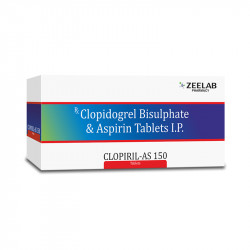
Why Choose our Clopiril AS 150 Antiplatelet Tablet ?
Save ₹ 16 - Enjoy up to 37% More Savings
Same Salt, Dosage & Strength as Petiva A 150mg/75mg Tablet
Crafted in a WHO-GMP Certified Facility
President Award Winner - Trusted by Millions


Detail Comparison
| Parameter | Petiva A 150mg/75mg Tablet | Clopiril AS 150 Antiplatelet Tablet |
|---|---|---|
| Composition | Clopidogrel Bisulphate 75 mg + Aspirin 150 mg Tablets | Aspirin (150mg) + Clopidogrel (75mg) |
| Quantity | 10 tablets | 10 Tablets In 1 Strip |
| Price | ₹ 43 High Price |
₹ 27 Save 37% |
| Prescription required | Yes | Yes |
Download India's most affordable pharmacy app
- Compare with medicine prices
- Save upto 90% on your medicine bills
DESCRIPTION:
Introduction
Petiva A 150mg/75mg Tablet is a potent combination medication primarily used to prevent serious cardiovascular events, such as heart attacks and strokes. It is specifically designed for individuals who have a high risk of blood clot formation due to underlying heart conditions or recent medical procedures like stenting. By combining two effective antiplatelet agents, this medication provides a dual layer of protection, ensuring that blood flows smoothly through the arteries and reducing the likelihood of life-threatening blockages. It is an essential component of long-term cardiac care for many patients.
Uses of Petiva A 150mg/75mg Tablet
- Prevention of heart attack in patients with unstable angina.
- Reducing the risk of stroke in individuals with a history of cardiovascular disease.
- Management of Acute Coronary Syndrome (ACS).
- Prevention of blood clots after the placement of a cardiac stent.
- Treatment of peripheral arterial disease to improve blood flow.
How Petiva A 150mg/75mg Tablet Works
This tablet combines Aspirin and Clopidogrel, both of which are antiplatelet medications. They work by preventing platelets (small blood cells) from sticking together to form harmful clots. While Aspirin inhibits specific enzymes that trigger clotting, Clopidogrel blocks a different pathway on the platelet surface. Together, they offer "dual antiplatelet therapy," making it significantly harder for blood to clot in narrowed arteries or around surgical implants like stents.
Benefits of Petiva A 150mg/75mg Tablet
- Highly effective in preventing recurrent cardiac events.
- Reduces the necessity for emergency bypass surgeries by maintaining arterial openness.
- Provides a synergistic effect that is more powerful than using either drug alone.
- Improves long-term survival rates in patients with established heart disease.
How to Take Petiva A 150mg/75mg Tablet
Take this medication exactly as prescribed by your doctor. It is generally recommended to take the tablet with food to minimize the risk of stomach upset or acidity. Swallow the tablet whole with a glass of water; do not crush, chew, or break it. Consistency is key, so try to take it at the same time every day to maintain a steady level of the medicine in your bloodstream.
Side Effects of Petiva A 150mg/75mg Tablet
- Common: Abdominal pain, indigestion, or heartburn.
- Common: Increased tendency to bruise easily or minor nosebleeds.
- Severe: Heavy or uncontrollable bleeding (hemorrhage).
- Severe: Black, tarry stools or blood in the urine.
- Severe: Sudden weakness, severe headache, or vision changes.
Safety Advice
- Inform your surgeon or dentist that you are taking this medicine before any scheduled procedure, as it increases bleeding risk.
- Avoid alcohol consumption, as it can increase the risk of stomach bleeding.
- Use with caution if you have a history of liver or kidney disease.
- Not recommended for use during pregnancy or breastfeeding unless specifically directed by a specialist.
- Avoid taking other non-steroidal anti-inflammatory drugs (NSAIDs) like ibuprofen without consulting your doctor.
Frequently Asked Questions (FAQs)
Q: Can I stop taking Petiva A if I feel better?
A: No, you should never stop this medication without consulting your cardiologist. Stopping early significantly increases the risk of a heart attack or clot formation, especially if you have a stent.
Q: What should I do if I cut myself while on this medication?
A: Since this medicine thins your blood, minor cuts may bleed longer than usual. Apply firm pressure to the wound. If the bleeding does not stop after several minutes, seek medical attention immediately.
Q: Does this medication cause stomach ulcers?
A: The Aspirin component can irritate the stomach lining. Taking the tablet with food helps, but if you experience persistent stomach pain or notice dark stools, notify your doctor right away.
Q: Is it safe to take this medicine with antacids?
A: Some antacids, particularly proton pump inhibitors like omeprazole, may interfere with how Clopidogrel works. Always check with your doctor before combining these medications.






 Added!