

Best Antibiotic for Tooth Infection in India: Tooth Infection Medicine Name List
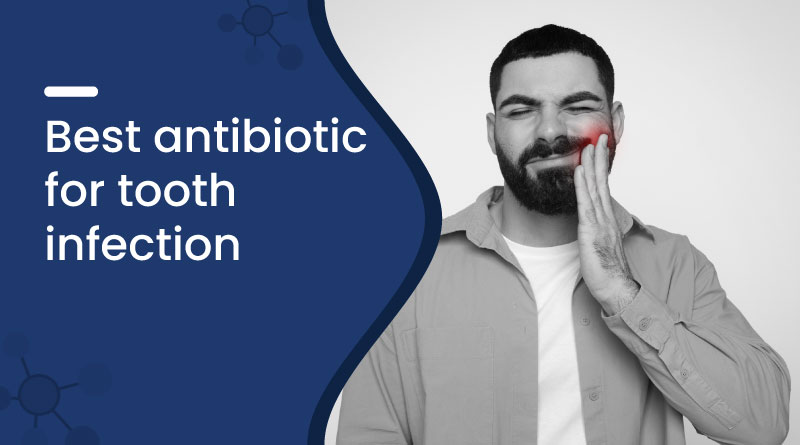
Dental problems can be very painful and uncomfortable. They stop you from eating, talking or sleeping comfortably. One such dental problem is a tooth infection or tooth abscess caused by bacterial invasion in or around the tooth. This is often caused by an untreated cavity, crack or gum disease.
This infection can cause a lot of pain and swelling and may also spread to other parts when left untreated. Therefore, consult a dentist as soon as you notice symptoms of a tooth infection.
Amoxicillin is the most commonly prescribed first-line treatment and a common antibiotic for tooth infections because it helps kill bacteria.
In this blog, we will discuss which are the best prescribed antibiotic medicines for tooth infections in India and what precautions to take while taking them.
What is a Tooth Infection or Dental Abscess?
A tooth infection is basically a growth of bacteria inside a tooth or surrounding tissue/gums and causes extreme pain and inflammation.
This bacterial infection can affect different parts of the mouth, including:
- Inside the tooth, with nerves and blood vessels.
- Around the tip of the tooth, especially the tip of the root.
- The gums or tissues surrounding the teeth.
Common Causes of Tooth Infection
Tooth infections happen when bacteria enter the soft inner part of the tooth or its surrounding tissues.
This bacterial invasion is commonly caused by the following:
- Untreated cavities
- Gum disease
- Cracked or broken teeth
- Dental injuries
Symptoms of a Tooth Infection
Tooth bacterial infections can be identified through common symptoms like extreme pain and swelling.
Apart from this, the location or severity of infection can lead to more symptoms, for example:
- Severe tooth pain
- Increased sensitivity to hot, cold, or sweet foods/drinks
- Soreness or tenderness around the tooth
- Swollen and red gums
- Unusual taste and mouth odour
- Fever with swollen neck, cheek, or jaw
When are Antibiotics Prescribed for Tooth Infections?
Tooth infections are a serious dental problem that needs a dentist’s help for proper treatment and relief from discomfort.
Usually, dentists prescribe the use of antibiotics for dental infections only in the following cases:
- The infection is spreading to nearby tissues.
- Fever or other signs, such as swelling in nearby areas, may also be present.
- A dental abscess is accompanied by signs of spreading infection.
- The patient's medical condition increases the risk of complications.
Which Antibiotics are Used for Tooth Infections?
Antibiotics are often prescribed for dental infection treatment based on how serious your symptoms are and how your body reacts to them.
Here is a list of the best antibiotics for dental infections:
|
Antibiotic |
Common use |
|
Amoxicillin |
First-line treatment for dental infections |
|
Metronidazole |
For tooth infections involving anaerobic bacteria |
|
Azithromycin |
Alternative option for penicillin-allergic patients |
|
Cephalexin |
Antibiotic for tooth and gum infections |
List of Best Antibiotic Tablets and Capsules for Tooth Infection Treatment
Tooth infections can cause persistent pain, swelling, and discomfort. Depending on the severity, a dentist may prescribe antibiotics to control bacterial growth and prevent the infection from spreading.
Here are the best and most affordable teeth infection tablets and capsules in India.
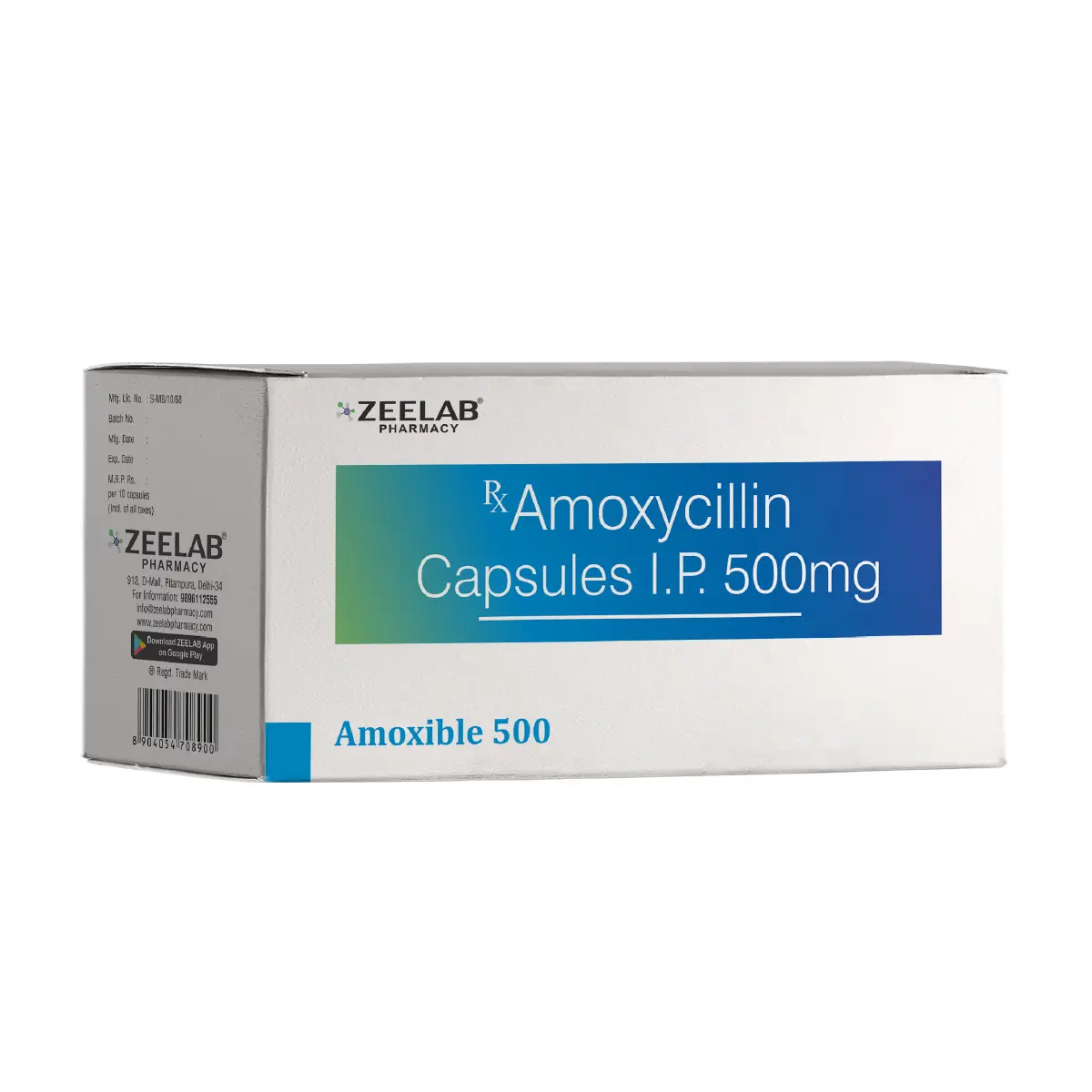
Amoxible 500 Capsule
Amoxible 500 is an amoxicillin 500mg capsule for tooth infections that interferes with the formation of the bacterial cell wall. It can be helpful for dental gum infections, tooth abscesses, and other oral bacterial infections.
- Composition: Amoxicillin 500 mg.
- Benefits: May help manage bacterial dental infections, including tooth abscesses.
Metrozee 400 Tablet

Metrozee 400 contains metronidazole, an antimicrobial medicine that helps to relieve dental infection symptoms by working against infection-causing anaerobic bacteria when prescribed.
- Composition: Metronidazole 400 mg.
- Benefits: May help manage dental infections involving susceptible anaerobic bacteria.
Zithrozem 500 Tablet
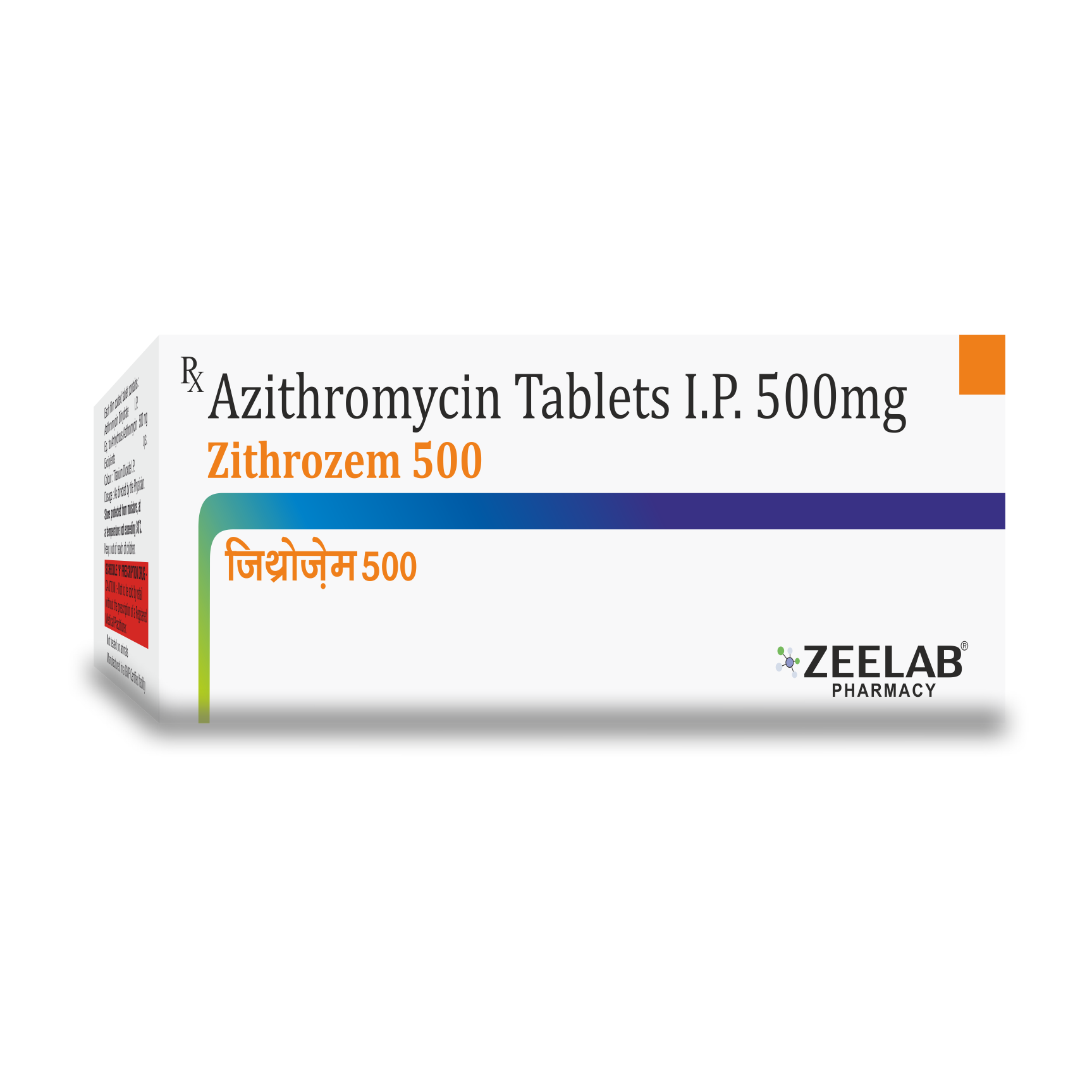
Zithrozem 500 contains azithromycin, a macrolide antibiotic that inhibits bacterial protein synthesis and may be prescribed for some bacterial dental infections.
- Composition: Azithromycin 500 mg.
- Benefits: May help manage certain dental infections when a dentist considers azithromycin an appropriate option.
Celazin 250 Antibiotic Capsule

Celazin 250 contains cephalexin, a cephalosporin antibiotic that interferes with bacterial cell wall formation and is used for susceptible bacterial infections.
- Composition: Cephalexin 250 mg.
- Benefits: May be prescribed by a dentist for selected bacterial infections.
Side Effects of Antibiotics for Tooth Infection
Just like any other medicine, the use of antibiotics can also cause a few side effects. Though the chances of having the following negative effects are not the same for everyone:
- Nausea or vomiting
- Diarrhoea or stomach discomfort
- Abdominal pain
- Skin rash or itching
- Allergic reactions
Safety Precautions Before Taking Antibiotics for Tooth Infection
Using antibiotics correctly helps reduce the risk of side effects and treatment failure. Keep these precautions in mind before starting treatment:
- Avoid self-medicating with antibiotic tablets for dental infection symptoms.
- Tell your doctor if you have ever had any allergic reactions to penicillin.
- If you are pregnant, nursing, taking any medications, or have kidney or liver disease, consult a doctor before use.
- Follow exactly the dose and duration of the antibiotics that are prescribed.
- If symptoms worsen, do not postpone your dentist appointment.
Home Remedies to Manage Tooth Infection Symptoms
Tooth infection can cause a lot of discomfort, like severe pain and swelling. For immediate and temporary relief, you can try these remedies at home:
- Rinse your mouth with warm salt water.
- Reduce swelling by using a cold compress on your cheek.
- Eat soft food and avoid foods that are too hot or too cold.
- Brush your teeth daily with a soft-bristled toothbrush.
- Take toothache medicines like paracetamol or ibuprofen for pain relief.
When Should You See a Dentist or Seek Emergency Care?
To avoid serious complications, you must see a dentist if you experience the following problems related to tooth infections.
- Severe or worsening tooth pain
- Swelling of the face or jaw
- Fever with dental pain
- Difficulty opening your mouth
- A suspected dental abscess
Conclusion
Antibiotics are prescribed for certain tooth or dental infections after checking several factors like the cause of bacterial growth, severity of symptoms, and the patient's allergy history.
In some cases, antibiotic medicines for dental infection may be needed, but usually dental procedures such as root canal treatment or abscess drainage are necessary.
Consult a dentist right away, avoid self-medication, and seek emergency care if you develop difficulty breathing or swallowing.
Frequently Asked Questions (FAQs)
Ans.Amoxicillin is a commonly prescribed first-line antibiotic for certain tooth infections. A dentist determines whether it is needed based on symptoms, infection severity, and allergies.
Ans.Yes, dentists often prescribe amoxicillin for tooth infections that start to spread in the mouth. However, it cannot replace necessary procedures such as abscess drainage or root canal treatment.
Ans.Seek urgent dental care for facial swelling caused by a tooth infection. Apply a cold compress temporarily, but seek emergency care if breathing or swallowing becomes difficult.
Ans.No, antibiotics alone often cannot eliminate a tooth infection. Treatment may require root canal therapy, abscess drainage, or tooth extraction to remove the source.
Ans.No, avoid taking antibiotics without professional advice. Tooth pain may result from cavities or other conditions requiring dental treatment, and antibiotics are not always necessary.
Ans.Tooth infection symptoms may begin improving within 48 to 72 hours of appropriate antibiotic treatment. Contact your dentist if symptoms worsen or fail to improve within this period.
Ans.Yes, an untreated tooth infection can spread to the jaw, facial tissues, or neck. Prompt dental treatment helps reduce the risk of serious complications.
Ans.Natural remedies, such as warm saltwater rinses and cold compresses, may ease discomfort temporarily but cannot cure a tooth infection or eliminate a dental abscess.
Ans.Warning signs include fever, chills, increasing facial swelling, weakness, and feeling seriously unwell. Seek urgent medical care, especially if you experience difficulty breathing or swallowing.
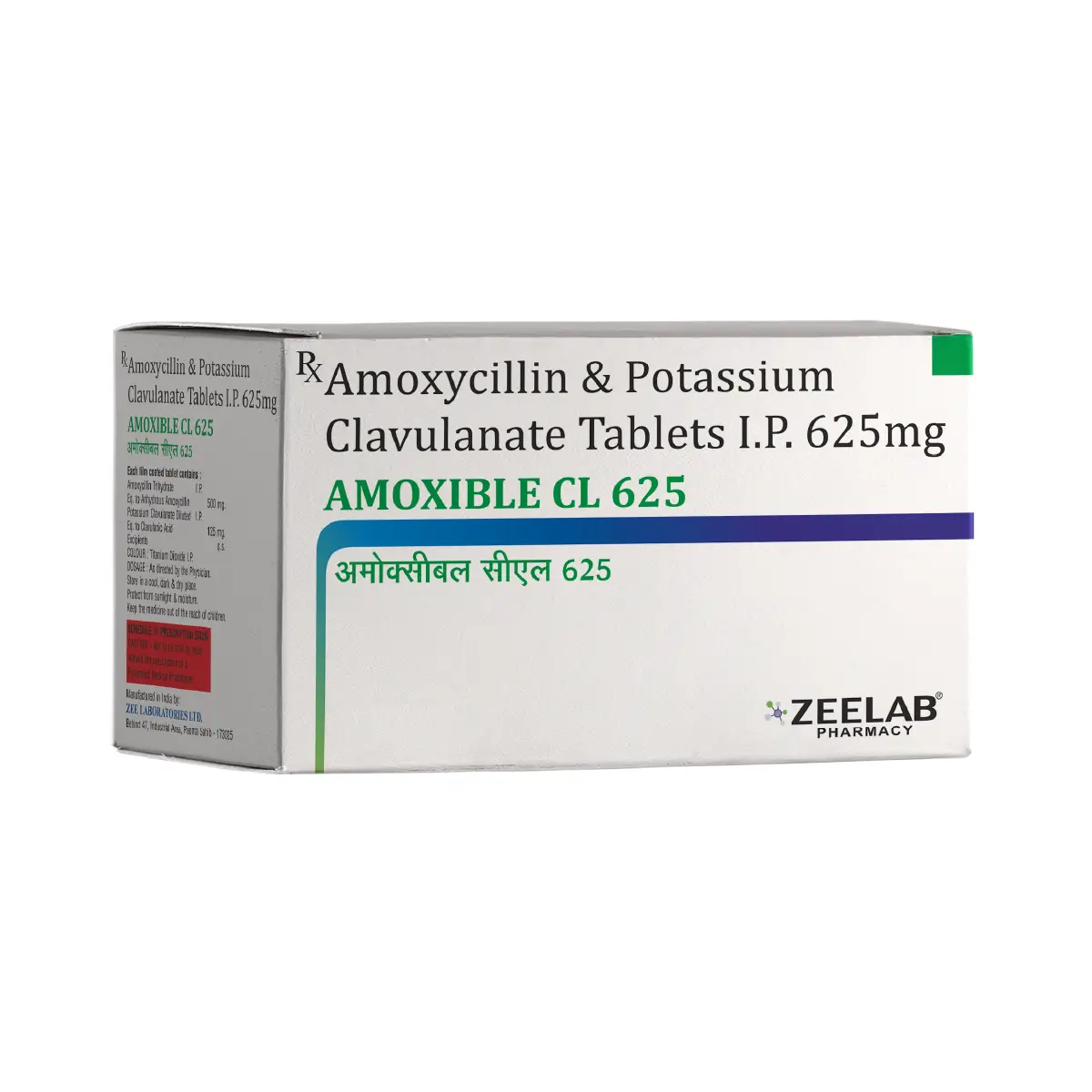
Amoxycillin (500mg) + Clavulanic Acid (125mg)
10 Tablets In 1 Strip

Amoxycillin (250mg) + Clavulanic Acid (50mg)
1 Injection In 1 Vial

Clarithromycin (250mg)
10 Tablets In 1 Strip

Erythromycin (500mg)
10 Tablets In 1 Strip

Cefadroxil (500mg) + Clavulanic Acid (125mg)
10 Tablets In 1 Strip
References
Recent Blogs





Disclaimer : Zeelab Pharmacy provides health information for knowledge only. Do not self-medicate. Always consult a qualified doctor before starting, stopping, or changing any medicine or treatment.
Related Products


₹ 0
0
Items added
Quick Links
Categories
Our Policies

Our Socials


Subscribe

2026 Copyright By © Zeelab Pharmacy Private Limited. All Rights Reserved
Our Payment Partners

 Added!