

Best Foods for Asthma Patients: A Complete Diet Guide for Better Lung Health

Asthma is a disease that affects you for a long time. Millions of people suffer because of inflammation in the air passages, leading to their narrowing and higher sensitivity, ultimately making breathing difficult.
Although medication forms an important part in controlling asthma attacks, much focus has been put on the relationship between one’s lifestyle, including diet, and respiratory health.
Certain foods are good for asthma patients, loaded with just the right nutrients and vitamins that may reduce inflammation.
In this blog, we will talk about the good food options for asthma patients, the right food habits, and a recommended diet plan for asthma patients.
What is Asthma?
Asthma is a chronic lung disease identified by inflammation and constriction of the airways. It is accompanied by swelling, muscle contractions in the airways, along with extra mucus production.
Common Asthma Triggers You Should Avoid
Asthma patients often get triggered by exposure to many different types of things. Try avoiding common ones as much as possible.
- Airborne triggers like dust mites, pollen, or pet dander
- Air pollution and smoke
- Cold air or rapid changes in weather conditions
- Lung-related infections, such as common colds and flu
- Exercise (exercise-induced asthma)
- Smells or strong smells from chemicals or allergens
How Does Diet Affect Asthma Symptoms?
Our diet does have an impact on asthma symptoms in both positive and negative ways.
Anti-inflammatory foods can help to ease inflammation in the airways, while foods that are high in sugar or extensively processed can aggravate asthma episodes.
A deficiency of minerals such as Vitamin D, magnesium and omega-3 fatty acids can also worsen asthma symptoms.
Essential Nutrients for Asthma Patients
Here are several nutrients that are known to improve respiratory health, reduce inflammation in the airways and support immunological function:
- Vitamin D: Helps with immune health and may reduce asthma attacks
- Omega-3 Fatty Acids: Help reduce airway inflammation
- Magnesium: Helps relax the muscles of the airways
- Antioxidants (Vitamin C & E): Protect lungs from damage
Best Foods for Asthma Patients
Healthy eating habits for asthma include eating nutrient-dense and anti-inflammatory foods to support lung health and reduce airway inflammation.
For a better understanding of what foods are good for asthma patients in India, see the following table:
|
Food Category |
Examples |
Benefits |
|
Fruits Rich in Antioxidants (Vitamin C, Flavonoids) |
Oranges, berries, kiwi, apples |
Decrease oxidative stress and protect the lungs |
|
Leafy Green Vegetables (Vitamin E, Beta-carotene) |
Spinach, kale, broccoli |
Protect airways and decrease inflammation |
|
Omega-3 Rich Foods (Omega-3 Fatty Acids) |
Flaxseeds, walnuts, fatty fish |
Aids in decreasing airway inflammation |
|
Vitamin D Rich Foods |
Egg yolk, fortified milk, mushrooms |
Improves immune response and reduces asthma attacks |
|
Magnesium-Rich Foods |
Bananas, nuts, seeds, whole grains |
Aids in relaxing airways for better breathing |
|
Turmeric and Ginger (Curcumin, Gingerol) |
Fresh turmeric, ginger tea |
Natural anti-inflammatory action |
|
Garlic and Onions (Allicin, Quercetin) |
Raw garlic, onions |
Reduces inflammation and supports the immune system |
Foods to Avoid in Asthma: Trigger Foods List
Many people may not know that some foods can increase the severity of asthma attacks for certain people. Asthma patients should avoid the following food items for effective asthma management.
|
Food Category |
Examples |
Why to Avoid |
|
Processed and Packaged Foods |
Chips, instant meals, packaged snacks |
Loaded with inflammation-triggering preservatives and additives |
|
Sulphite-Rich Foods |
Dried fruits, pickles, packaged juices |
May cause asthma symptoms in sensitive individuals |
|
Fried and High-Fat Foods |
Fried snacks, fast food |
Can cause inflammation and impair lung function |
|
Sugary Foods and Drinks |
Sweets, soft drinks, desserts |
May increase airway inflammation and decrease immunity |
|
Common Food Allergens |
Nuts, milk, or specific trigger foods |
Can trigger or worsen asthma symptoms |
Diet Plan for Asthma Patients
Asthma patients should follow a balanced diet every day with meals that include anti-inflammatory and nutrient-rich foods.
Doing so will ensure overall respiratory health and may reduce asthma attacks.
|
Meal |
Food Options |
Benefits |
|
Breakfast |
Oatmeal with fruits (berries/apple) and nuts, or whole-grain toast with eggs |
Supports respiratory function with antioxidants and energy |
|
Lunch |
Whole grains (roti/brown rice), leafy green vegetables, daal and salad |
Improves the immune system and fights against inflammation. |
|
Dinner |
A light dinner with vegetables, soup and protein |
Easy to digest and aids in the recovery process at night. |
|
Snacks |
Fresh fruits, nuts, seeds, or herbal teas |
Hydration support and source of nutrition. |
Hydration & Its Role in Asthma Management
Drinking enough water and herbal teas to maintain proper fluid intake can help to keep the airway system healthy and may help to control asthma. It is essential to remain hydrated when dealing with asthma because it:
- It helps keep mucus thin and easier to expel
- Helps maintain smooth airflow and makes breathing more comfortable
- Prevents irritation of airways
Asthma Diet Tips for Better Breathing
Some additional tips that may help to improve breathing and manage symptoms in asthma patients include:
- Include anti-inflammatory foods daily
- Avoid trigger foods
- Eat balanced meals
- Maintain proper hydration
Lifestyle Tips to Support Asthma Management
Asthma is a chronic illness that may sometimes worsen from things that are normal for healthy people. Thus, its management also calls for simple lifestyle changes such as,
- Maintaining an ideal weight so that there is no added strain on your lungs.
- Practising deep breathing exercises like pranayama.
- Staying in well-ventilated places and avoiding dusty, mouldy, and pet dander-laden places.
- Taking drugs as recommended by the doctor and always carrying inhalers.
- Reducing exposure to triggers such as allergens, smoke, and pollution.
Natural Remedies That May Support Asthma Relief
Some traditional natural remedies are known for their soothing effects on asthma symptoms. Remember that these remedies are not a substitute for medications, but can be used along with them.
- Taking a pinch of turmeric (haldi), rich in curcumin, with milk may help reduce airway inflammation and support respiratory health.
- Ginger tea may support easier breathing by reducing airway irritation, while green tea is also a popular choice for supporting healthy weight management.
- Warm steam inhalation is quite common for temporary congestion relief and breathing discomfort.
When to See a Doctor?
Asthma is normally easy to control when you have the proper management, but some symptoms call for immediate medical help. Visit a doctor if:
- The symptoms get worse and do not improve even when using the prescribed medication
- Breathlessness that interferes with daily activities or sleep
- Frequent use of the inhaler
- Coughing and wheezing become severe and do not improve
- Difficulty breathing and inability to talk
- Severe attacks of asthma
Conclusion
In addition to medical treatment, asthma management also requires the right lifestyle and dietary decisions that support long-term respiratory health.
The inclusion of foods that contain nutrients and have anti-inflammatory properties in the diet can assist in managing the condition.
Moreover, avoiding certain foods, which may lead to asthma attacks, such as sweets and processed foods, is necessary as well.
Frequently Asked Questions (FAQs)
Ans.Asthma can be triggered by allergens (pollen, dust mites), irritants (tobacco, perfumes), and food items as well.
Ans.No diet can cure asthma. However, eating anti-inflammatory and nutrient-rich foods can help manage symptoms and support lung health.
Ans.Yes, asthma patients can exercise with proper precautions like warming up, using inhalers, avoiding triggers, and choosing suitable activities to improve lung health safely.
Ans.Vitamin D plays a role in immune regulation, and low levels have been linked to increased asthma severity.
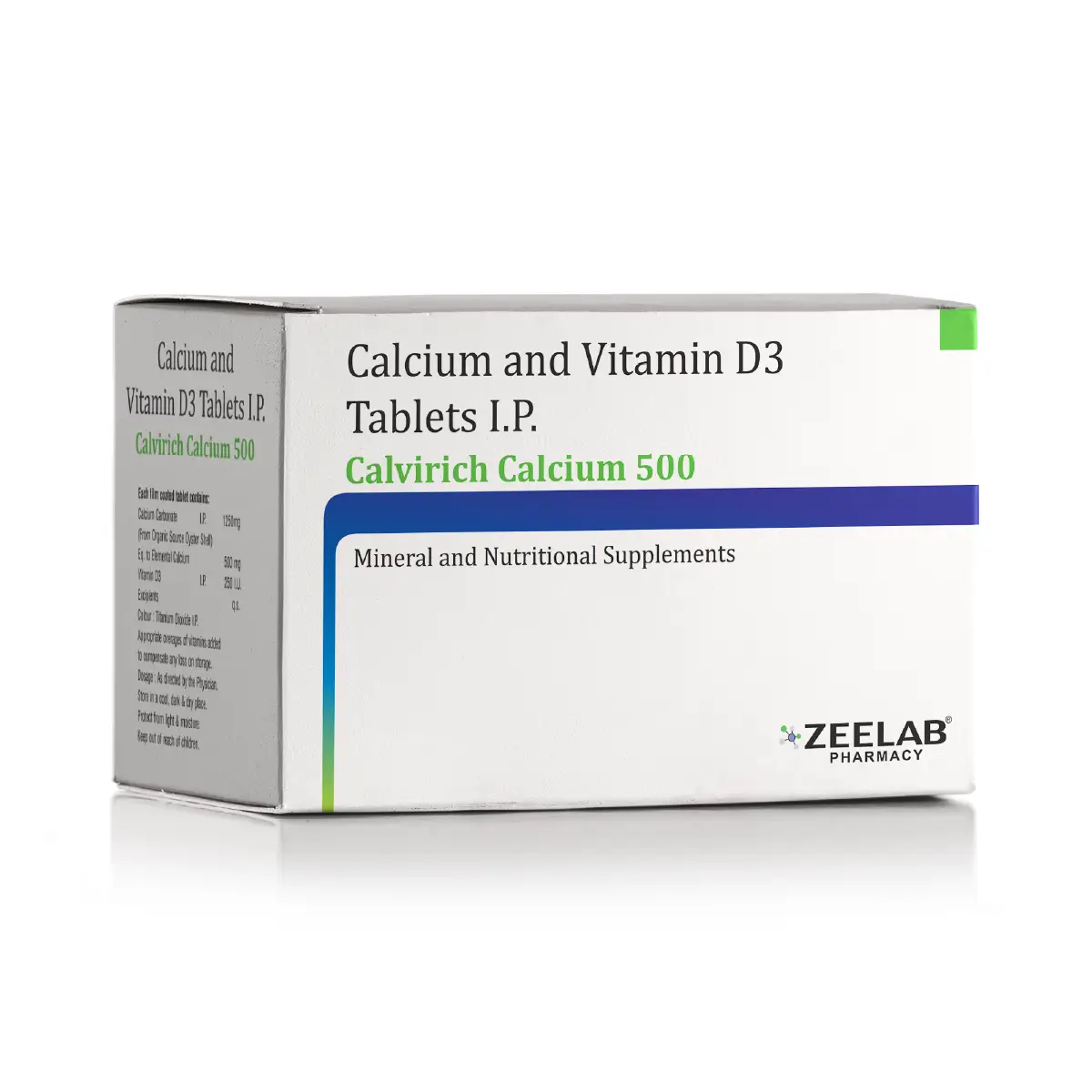
Calcium Carbonate (1250 mg equivalent to Elemental Calcium 500 mg) + Vitamin D3 (250 I.U)
15 Tablets In 1 Strip
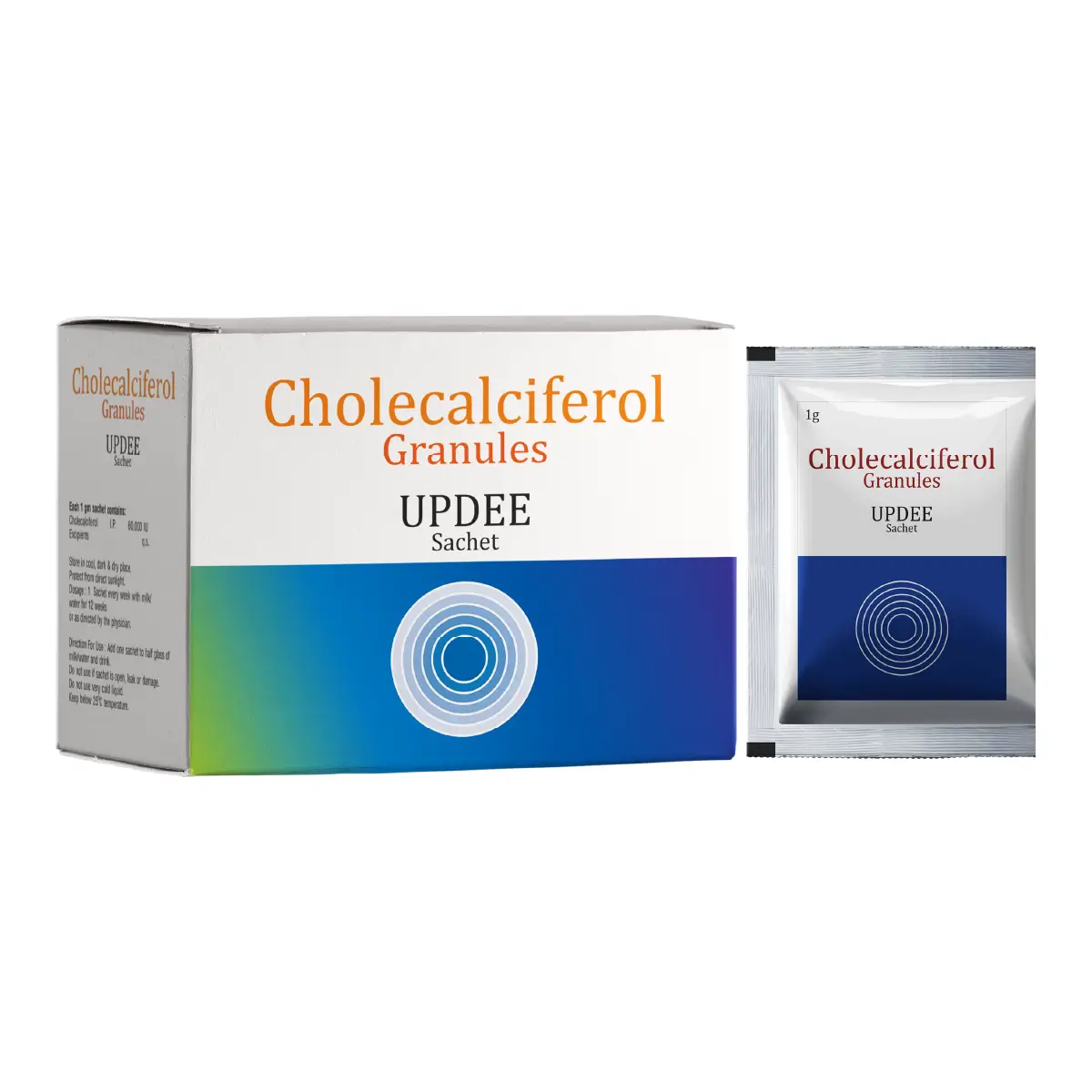
Cholecalciferol 60000 I.U
1gm In 1 Sachet

Omega 3 Fatty Acid (1000mg)
60 Capsules In Jar
Recent Blogs






Disclaimer : Zeelab Pharmacy provides health information for knowledge only. Do not self-medicate. Always consult a qualified doctor before starting, stopping, or changing any medicine or treatment.
Related Products


₹ 0
0
Items added
Quick Links
Categories
Our Policies

Our Socials


Subscribe

2026 Copyright By © Zeelab Pharmacy Private Limited. All Rights Reserved
Our Payment Partners

 Added!