

Best Medicines for Food Poisoning: A Complete Guide to Food Poisoning Treatment Options

Food poisoning is a common digestive condition caused by consuming contaminated food or water infected with harmful bacteria, viruses, parasites, or toxins.
It can lead to uncomfortable symptoms such as nausea, vomiting, diarrhoea, stomach cramps, and weakness, which may sometimes result in dehydration if not managed properly.
While mild cases often improve with rest and hydration, some situations may require medicines to control symptoms and support faster recovery. Understanding the right treatment options can help prevent complications and improve overall comfort during recovery.
In this blog, we will discuss the common causes and symptoms of food poisoning, the best medicines used for treatment, home care tips, and important prevention measures to help you recover safely and effectively.
What is Food Poisoning?
Food poisoning, also known as acute gastroenteritis, is a digestive illness caused by consuming contaminated food or water. It commonly occurs when harmful bacteria, viruses, parasites, or toxins enter the body and affect the stomach and intestines.
Food poisoning can lead to symptoms such as nausea, vomiting, diarrhoea, stomach cramps, abdominal pain, fever, and weakness. Symptoms may appear within a few hours or days after consuming contaminated food, depending on the cause and severity of the infection.
Common Causes of Food Poisoning
Food poisoning usually occurs after consuming contaminated food or water containing harmful germs, toxins, or parasites. Poor hygiene, improper food handling, and unsafe storage conditions can also increase the risk of infection.
Some of the most common causes of food poisoning include:
- Food contaminated with bacteria, viruses, or toxins
- Poor hygiene during food preparation or handling
- Eating raw or undercooked food, especially meat, eggs, or seafood
- Drinking contaminated or polluted water
- Bacterial infections such as Salmonella and E. coli
- Viral infections such as norovirus
- Consuming stale, expired, or improperly stored food
Common Symptoms of Food Poisoning
Food poisoning symptoms can vary depending on the cause and severity of the infection. Symptoms often appear within a few hours after consuming contaminated food or water and may range from mild digestive discomfort to severe dehydration and weakness.
Recognising the early signs and identifying severe symptoms is important for timely treatment and recovery.
|
Early Symptoms |
Moderate to Severe Symptoms |
|
Nausea |
Persistent vomiting |
|
Mild diarrhoea |
Severe or bloody diarrhoea |
|
Stomach discomfort or cramps |
Intense abdominal pain |
|
Loss of appetite |
Signs of dehydration (dry mouth, low urine output) |
|
Low-grade fever |
High fever |
|
General weakness |
Dizziness or fainting |
When Should You See a Doctor for Food Poisoning?
Mild food poisoning often improves on its own with rest, hydration, and supportive care. However, certain symptoms may indicate a more serious infection or severe dehydration that requires medical attention.
You should consult a doctor if you experience:
- Persistent or repeated vomiting
- High fever above 101.5°F (38.6°C)
- Signs of dehydration such as dry mouth, low urination, dizziness, or extreme fatigue
- Severe abdominal pain or cramps
- Bloody diarrhoea or blood in stools
- Symptoms lasting longer than a few days
Children, older adults, pregnant women, and people with weakened immunity should receive prompt medical care, as they are at a higher risk of complications.
Early diagnosis and the right food poisoning treatment can help prevent serious health problems and support faster recovery.
How Long Does Food Poisoning Last?
Food poisoning recovery time can vary depending on the cause and severity of the infection. While mild cases often improve quickly, severe infections may take longer and require medical care.
|
Condition |
Typical Recovery Time |
|
Mild food poisoning |
1–3 days |
|
Viral food poisoning |
24–48 hours |
|
Bacterial food poisoning |
Several days |
|
Recovery from dehydration |
Few hours to 1–2 days |
Mild symptoms such as nausea, loose motions, and stomach cramps usually improve with proper rest, hydration, and ORS. However, symptoms like persistent vomiting, high fever, bloody diarrhoea, or severe dehydration may last longer and should be evaluated by a doctor.
Best Medicines for Food Poisoning Treatment from Zeelab Pharmacy
Food poisoning treatment mainly focuses on relieving symptoms, preventing dehydration, and supporting faster recovery. Depending on the severity of the condition, different medicines may help manage vomiting, diarrhoea, stomach cramps, and digestive discomfort.
In the following sections, we will explore some commonly used medicines for food poisoning and how they help improve recovery and overall digestive health.
Oral Rehydration Solutions (ORS) for Dehydration
Oral Rehydration Solutions (ORS) are considered one of the most important treatments for food poisoning, especially when vomiting and diarrhoea cause excessive fluid and electrolyte loss.
ORS helps restore hydration, maintain electrolyte balance, and support faster recovery, making it a first-line treatment option for preventing dehydration.
Zeelab ORS Powder
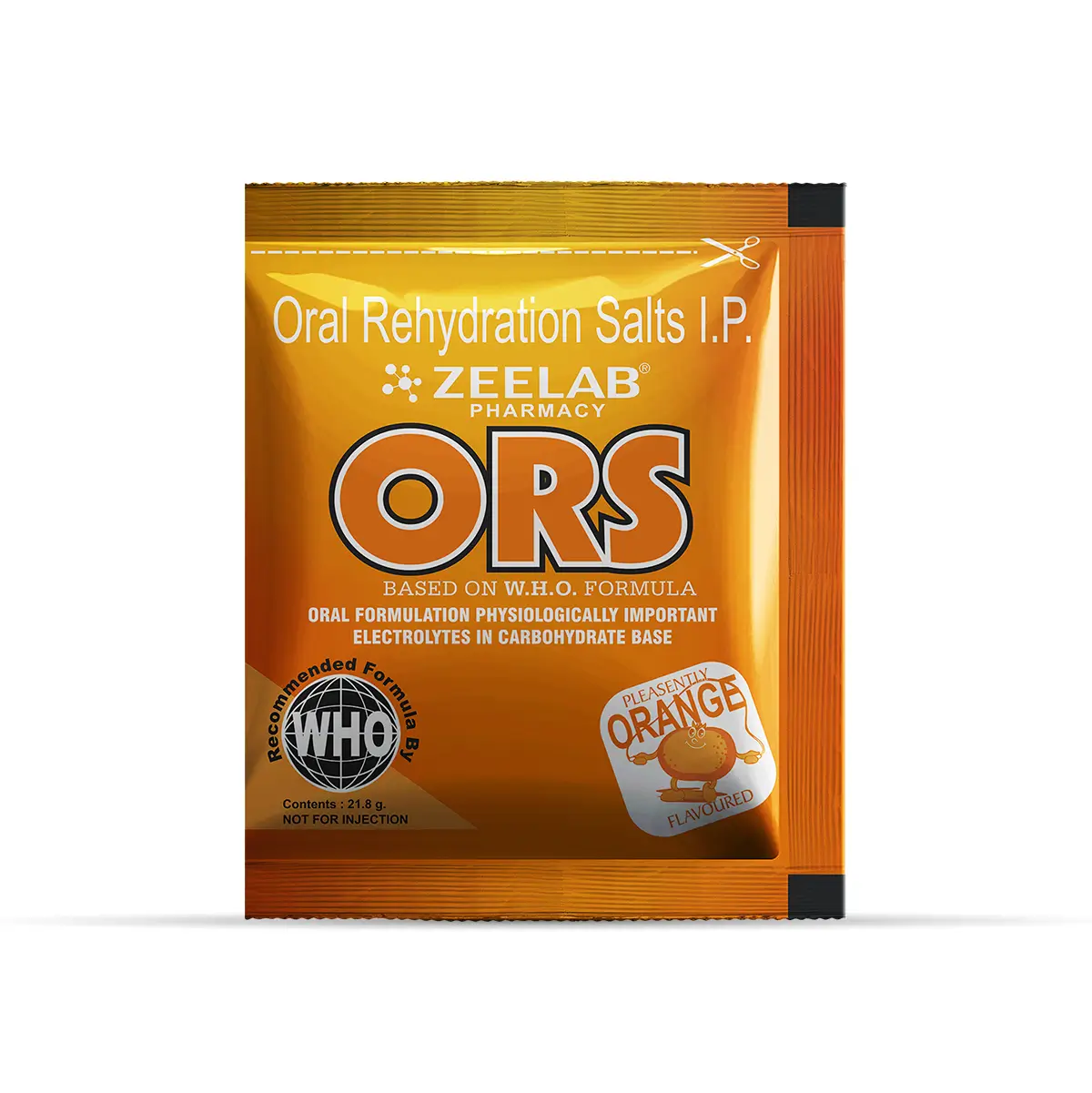
Zeelab ORS helps restore fluids and electrolytes lost due to diarrhoea and vomiting, making it essential for preventing dehydration in food poisoning cases.
- Composition: Sodium Chloride (2.6g) + Potassium Chloride (1.5g) + Sodium Citrate (2.9g) + Dextrose (13.5g)
- Benefits: Restores hydration, maintains electrolyte balance, supports recovery, and is safe for all age groups.
Antiemetic Medicines for Vomiting and Nausea
Vomiting is a common symptom of food poisoning that can lead to fluid loss and discomfort. Antiemetic medicines help control nausea and vomiting, allowing better fluid intake and preventing dehydration.
Common examples include ondansetron, domperidone, and metoclopramide.
Onwon MD Tablet
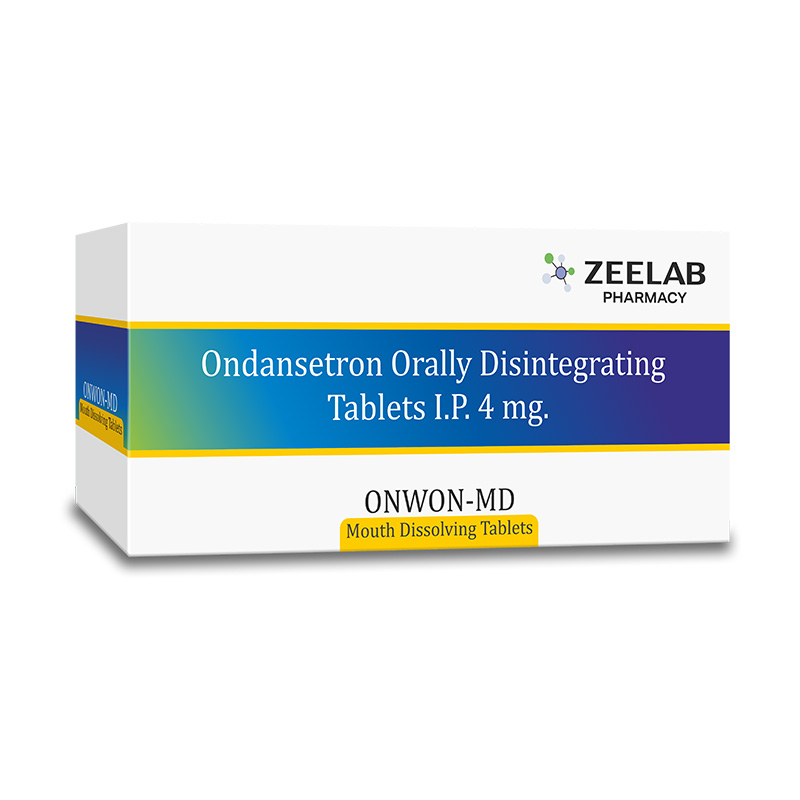
Onwon MD is a WHO-GMP-Certified tablet that contains ondansetron and is used to control nausea and vomiting, the early symptoms of food poisoning.
- Composition: Ondansetron (4mg)
- Benefits: Reduces nausea, controls vomiting, improves comfort, and helps prevent dehydration.
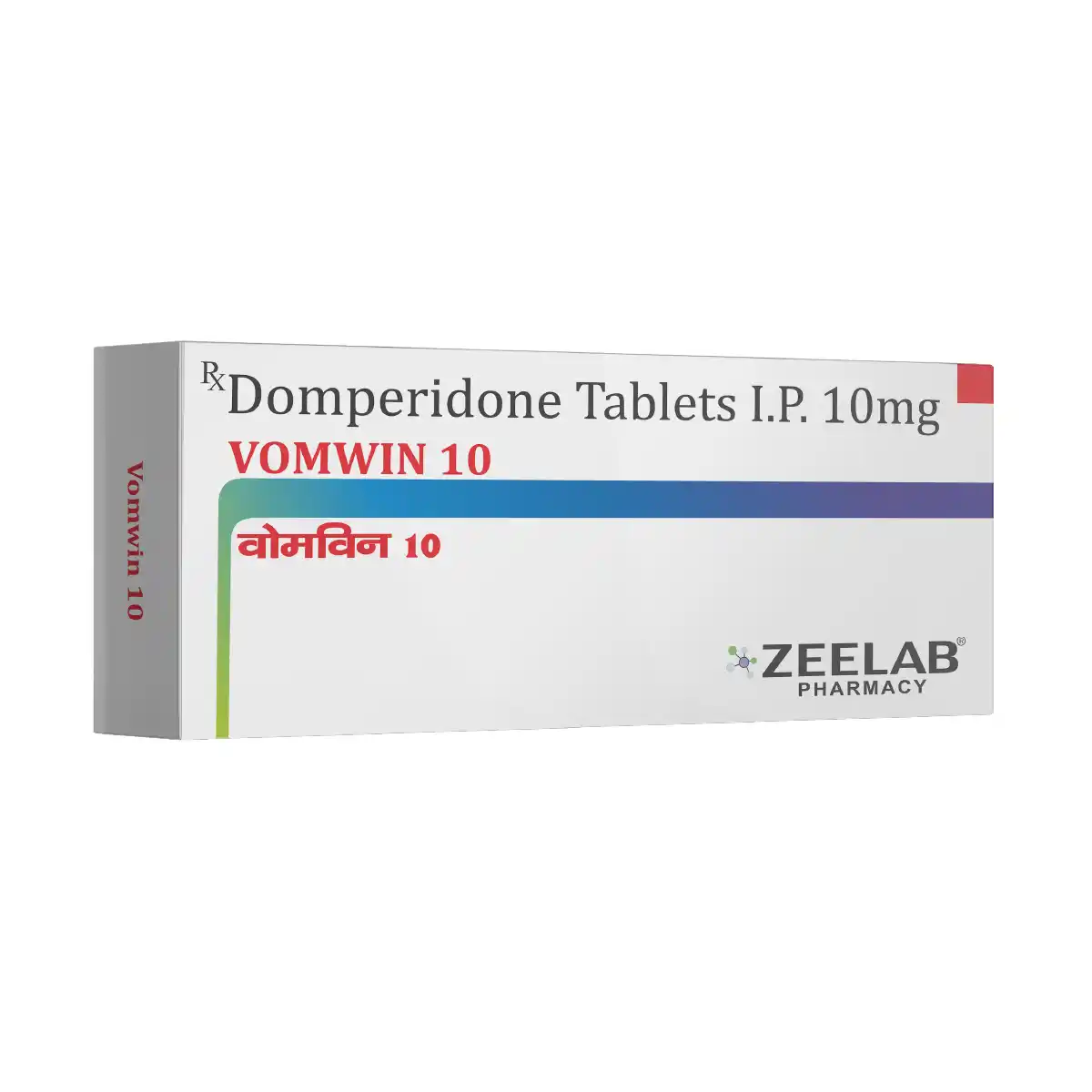
Vomwin 10 Antiemetic Tablet
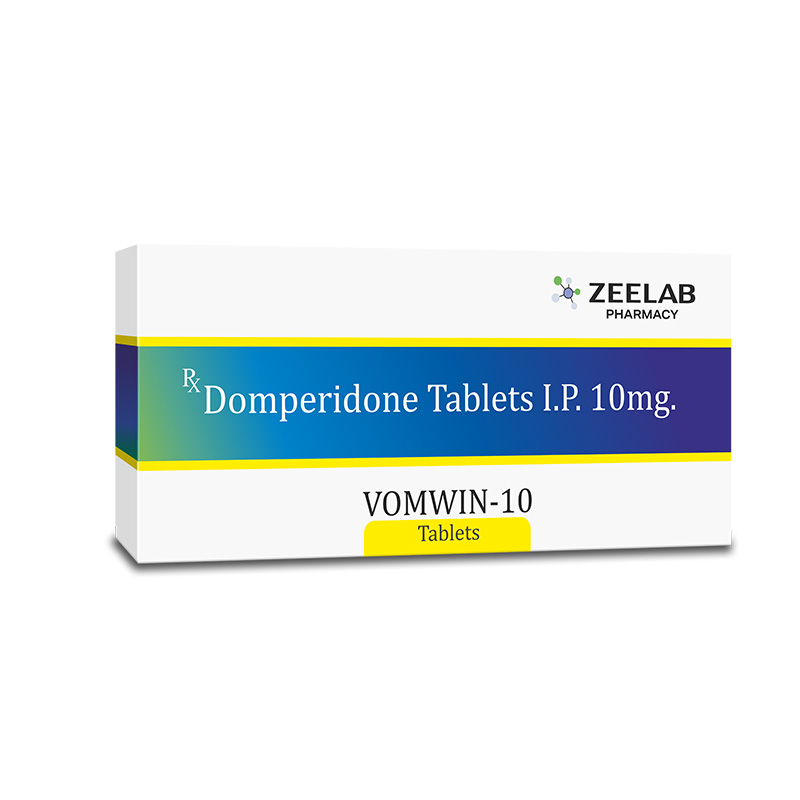
Vomwin 10 (domperidone) helps improve stomach motility and controls nausea, making it useful in managing vomiting and digestive discomfort during food poisoning episodes.
- Composition: Domperidone (10mg)
- Benefits: Relieves nausea, improves digestion, reduces vomiting, and enhances gastric movement.
Metavom 10 Tablet
Metavom 10 contains metoclopramide, which enhances gastric emptying and reduces nausea signals, helping control repeated vomiting and associated discomfort in food poisoning.
- Composition: Metoclopramide (10mg)
- Benefits: Controls vomiting, improves gut movement, reduces nausea, supports faster relief.
Antidiarrhoeal Medicines for Loose Motions
Food poisoning can lead to loose motions that further cause dehydration and weakness. This is often managed by antidiarrhoeal medicines (e.g., loperamide and racecadotril) that help slow bowel movements and reduce stool frequency, offering relief in selected cases.
Loperazee 2 Capsule
Loperazee 2 (loperamide) works by slowing intestinal movement, allowing better water absorption and helping manage frequent loose stools in mild to moderate diarrhoea.
- Composition: Loperamide (2mg)
- Benefits: Reduces stool frequency, improves consistency, prevents fluid loss, and offers quick relief.
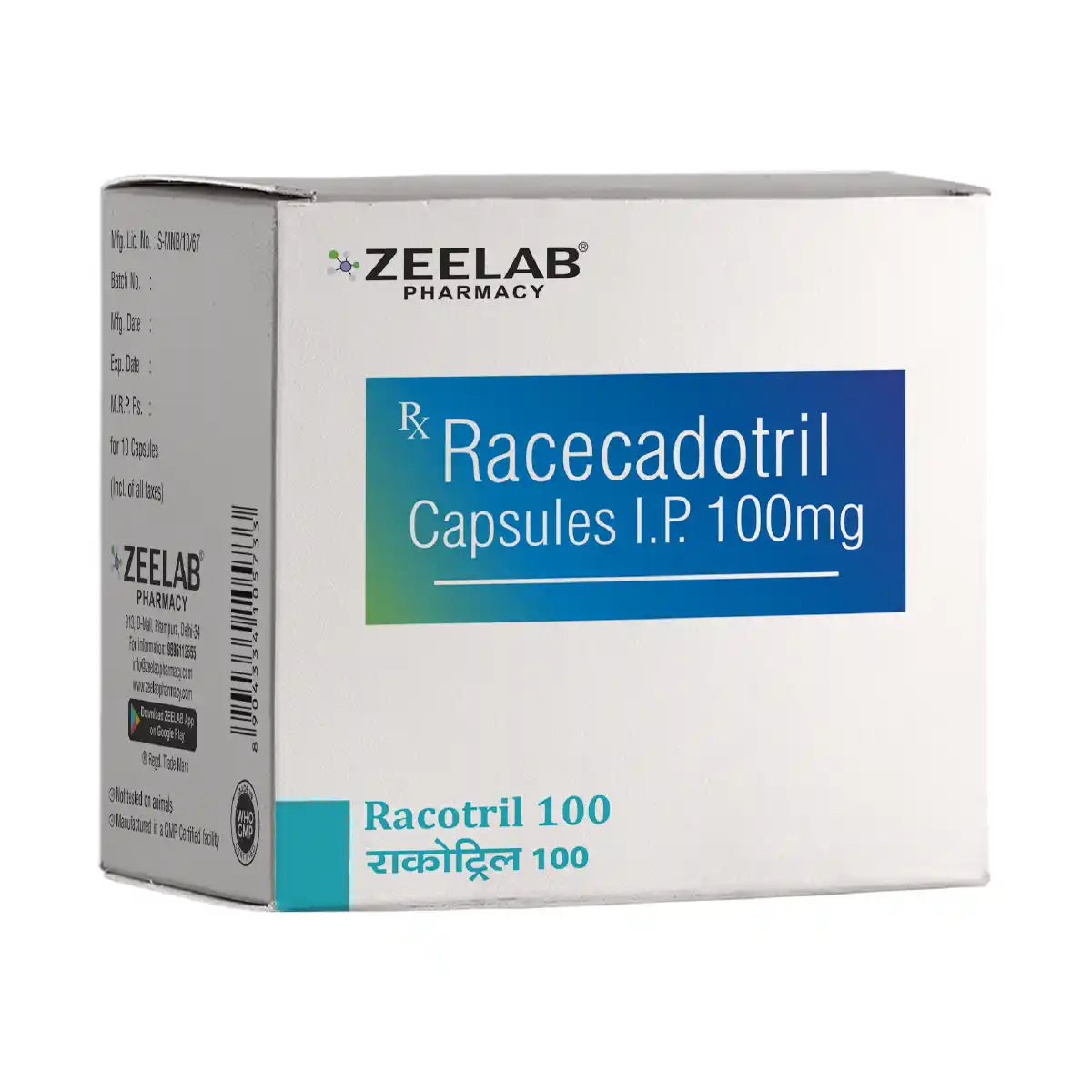
Racotril 100 Capsule
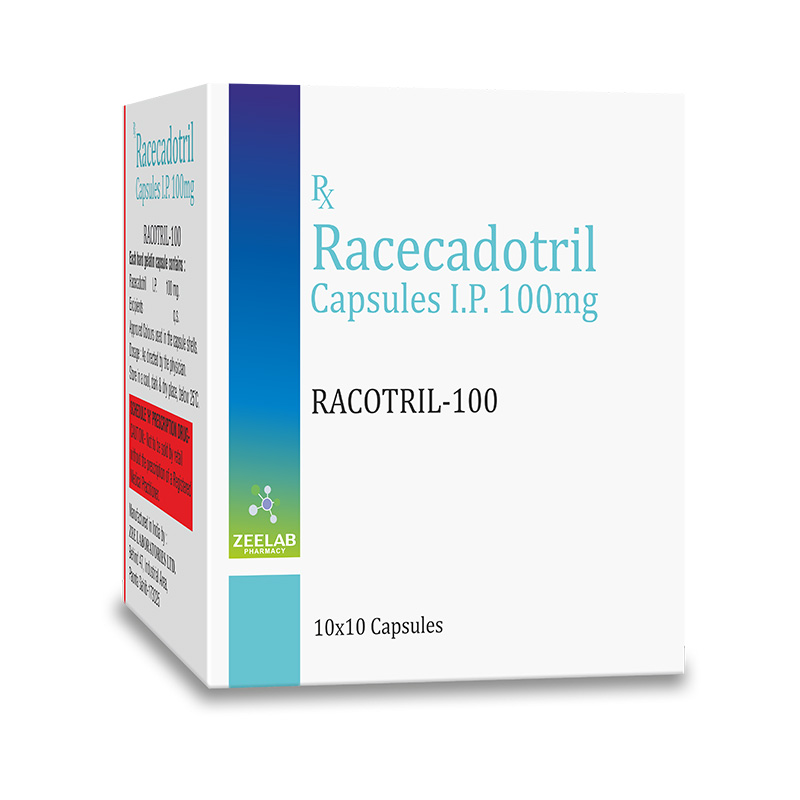
Racotril 100 contains racecadotril, which reduces excessive fluid secretion in the intestines, helping control diarrhoea without affecting normal gut movement.
- Composition: Racecadotril (100mg)
- Benefits: Controls diarrhoea, reduces intestinal secretion, prevents dehydration, supports recovery.
Also Read: Home Remedies for Loose Motion
Antibiotics for Bacterial Food Poisoning
In a few cases, food poisoning is caused by bacteria that may require antibiotics for management. Antibiotics are used when symptoms are severe or a bacterial infection is confirmed.
Common examples include ciprofloxacin, azithromycin, and rifaximin. As they are not effective for viral infections, antibiotics should only be taken under a doctor’s guidance.
Cirozin 250 Antibiotic Tablet
Cirozin 250 (ciprofloxacin) is a broad-spectrum antibiotic that can be prescribed for confirmed bacterial food poisoning to eliminate infection-causing bacteria and manage severe diarrhoeal symptoms.
- Composition: Ciprofloxacin (250mg)
- Benefits: Treats bacterial infection, reduces severity, controls symptoms, and prevents complications.
Zithrozem 250 Antibiotic Tablet
Zithrozem 250 contains azithromycin, which inhibits bacterial growth and is prescribed in moderate to severe bacterial infections causing diarrhoea and gastrointestinal symptoms.
- Composition: Azithromycin (250 mg)
- Benefits: Stops bacterial growth, treats infection, reduces symptoms, aids recovery.
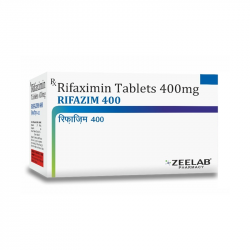
Rifazim 400 Tablet
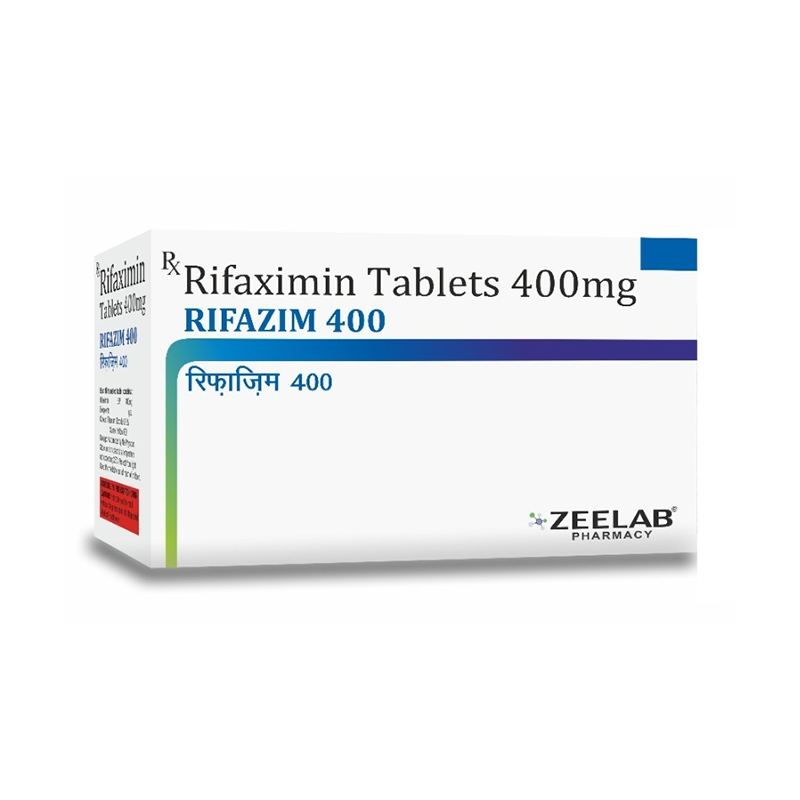
Rifazim 400 contains rifaximin, a gut-specific antibiotic that acts locally in the intestine to treat bacterial diarrhoea with minimal systemic absorption.
- Composition: Rifaximin (400 mg)
- Benefits: Targets gut infection, controls diarrhoea, reduces bacterial load, improves gut health.
Probiotics for Gut Health Recovery
Food poisoning can disturb the natural balance of good bacteria in the gut. Probiotics help restore this balance and support faster recovery.
They may also help reduce diarrhoea. Common examples include Lactobacillus and Saccharomyces boulardii.
Enterolor 100 Tablet
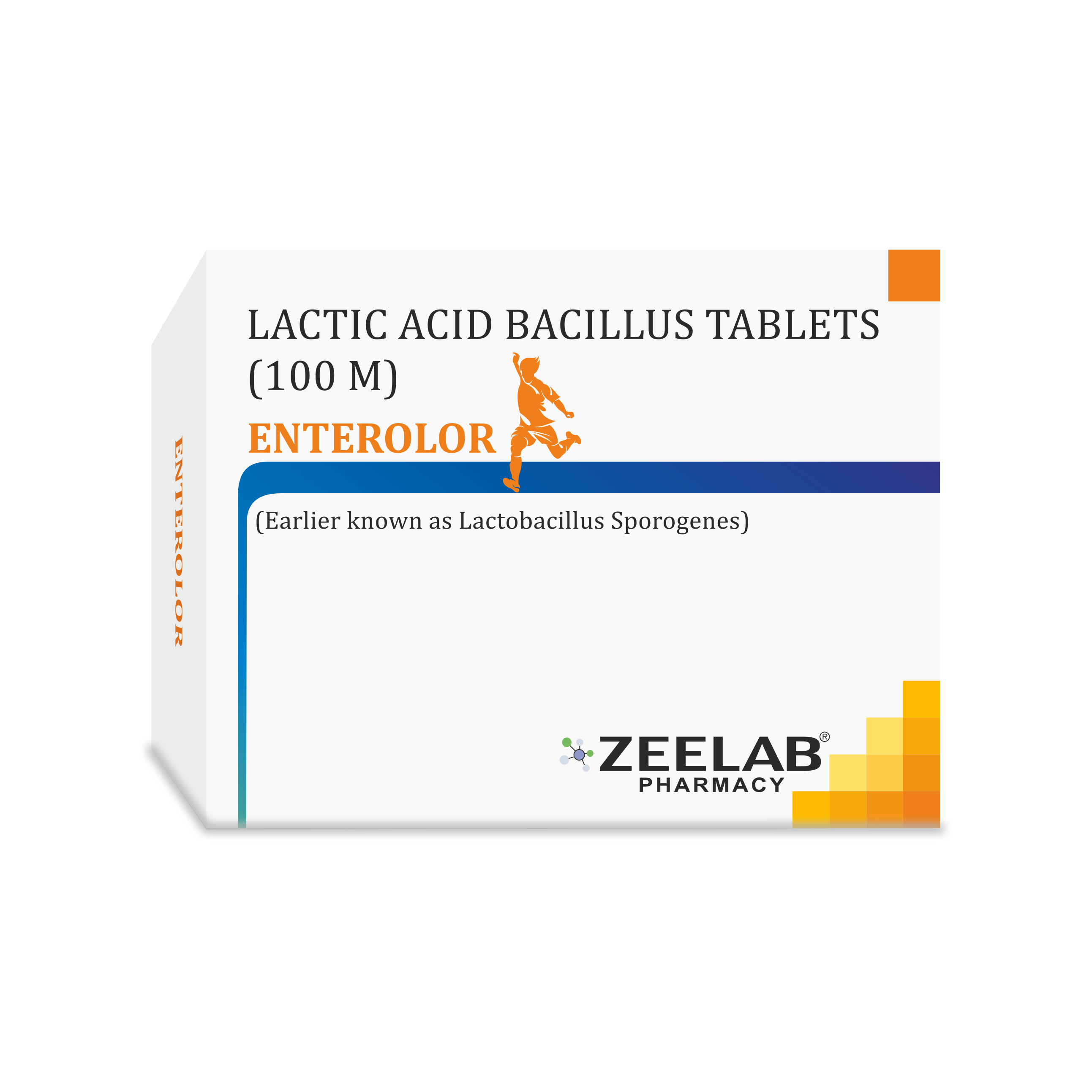
Enterolor Tablet is among the commonly used medicines used for food poisoning, containing probiotics that help restore gut balance and support recovery from diarrhoea and digestive upset.
- Composition: Lactobacillus Sporogenes (100 Million spores)
- Benefits: Improves gut balance, supports digestion, reduces diarrhoea, aids faster recovery.
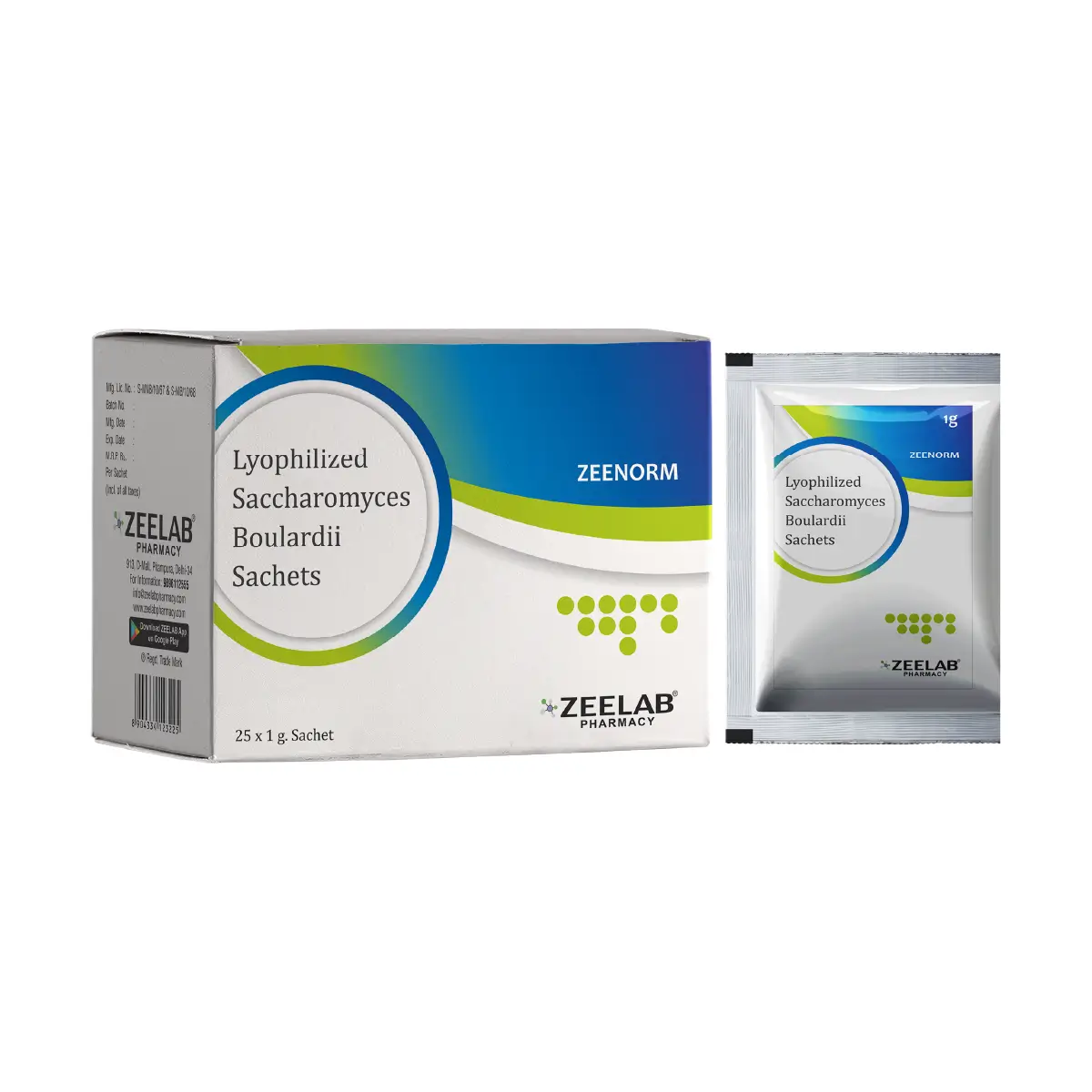
Zeenorm Sachet
Zeenorm Sachet provides beneficial probiotic strains that help stabilise intestinal microflora, making it useful in managing digestive imbalance and loose motions during food-related infections.
- Composition: Lyophilised Saccharomyces Boulardii Sachet (282.5mg)
- Benefits: Supports gut health, reduces loose motions, improves digestion, and enhances recovery.
Antispasmodic Medicines for Stomach Cramps
Stomach cramps during food poisoning can cause significant discomfort. Antispasmodic medicines work by easing intestinal muscle spasms, helping relieve pain and bloating.
They are used for short-term symptomatic relief. Common examples include dicycloverine (dicyclomine) and hyoscine.
Zeeftal Abdominal Pain Tablets
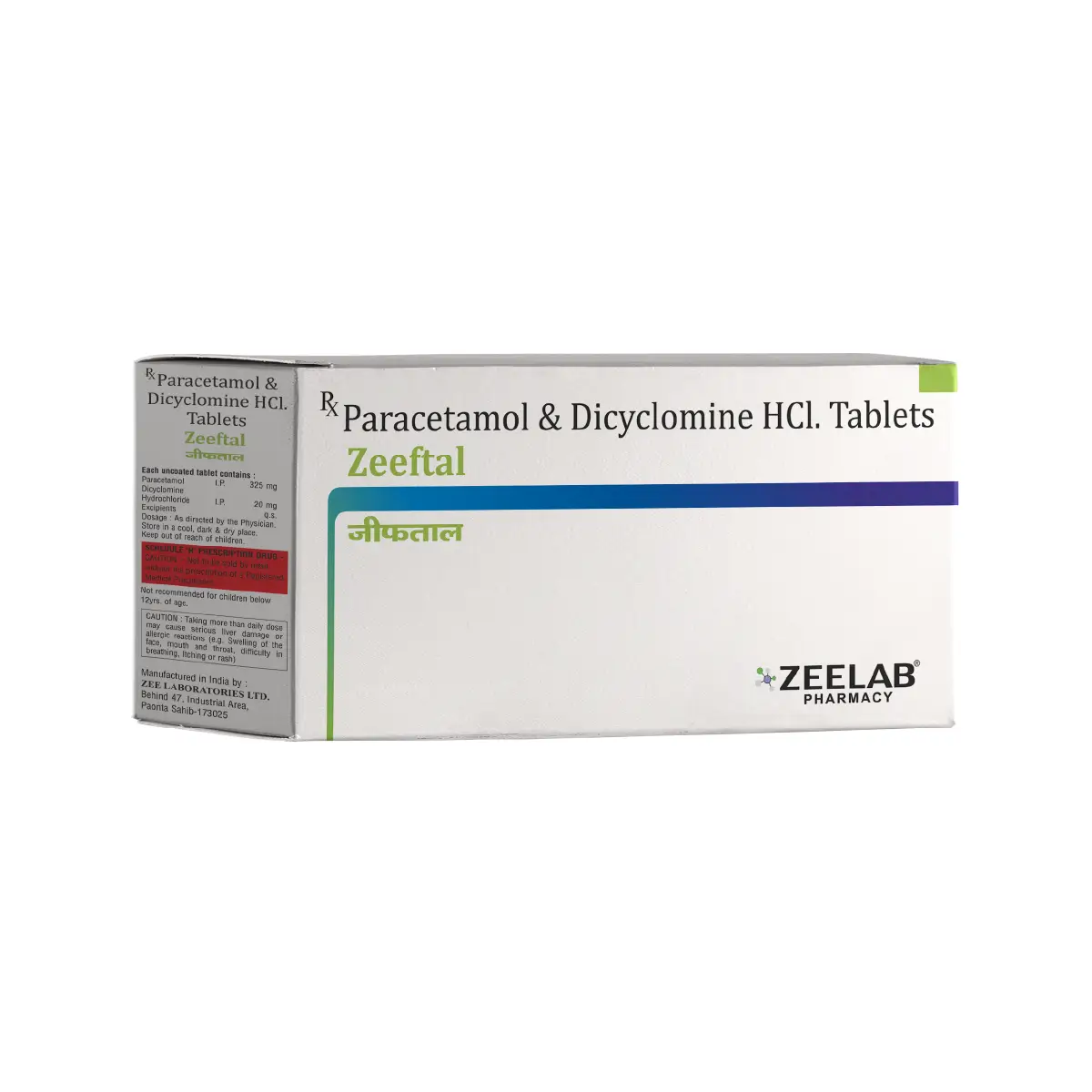
Zeeftal Tablet combines dicyclomine and paracetamol, helping ease abdominal cramps, bloating, and digestive discomfort by relaxing intestinal muscles and reducing pain signals during food poisoning.
- Composition: Dicyclomine (20mg) + Paracetamol (325mg)
- Benefits: Relieves cramps, reduces abdominal pain, eases bloating, supports digestive comfort.
Buscozee 10 Tablet
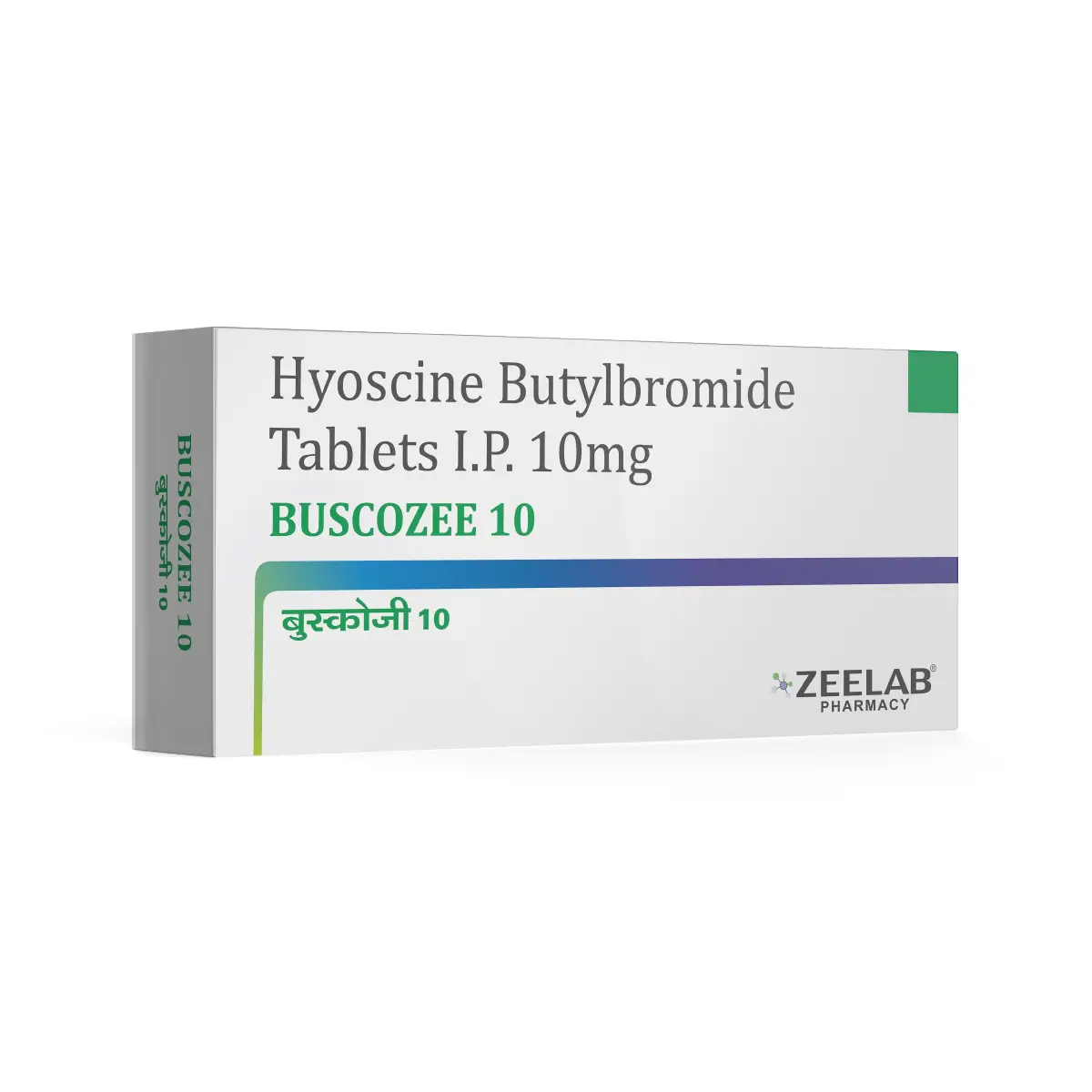
Buscozee 10 contains hyoscine butylbromide, which works by blocking nerve signals that trigger muscle spasms, helping reduce cramp-related abdominal or stomach pain and gut discomfort during food poisoning.
- Composition: Hyoscine butylbromide (10mg)
- Benefits: Relieves spasms, reduces cramp pain, improves comfort, supports smoother digestion.
|
Medicine Type |
Role in Food Poisoning |
Common Examples |
|
ORS |
Restoring fluid and electrolyte balance, preventing dehydration |
Oral Rehydration Salts |
|
Antiemetics |
Control vomiting and nausea |
Ondansetron, Domperidone, Metoclopramide |
|
Antidiarrhoeals |
Decrease diarrhoea and the number of bowel movements |
Loperamide, Racecadotril |
|
Antibiotics (under medical supervision only) |
Treatment of confirmed bacterial infections |
Ciprofloxacin, Azithromycin, Rifaximin |
|
Probiotics |
Balancing good bacteria in the digestive system |
Lactobacillus, Saccharomyces boulardii |
|
Antispasmodics |
Relieve abdominal cramping and spasms |
Dicycloverine, Hyoscine |
Supportive Care Tips for Faster Recovery from Food Poisoning
Along with taking medicines for food poisoning, certain lifestyle and dietary measures can help support faster recovery and reduce the risk of complications. These include:
- Stay hydrated with water, ORS, coconut water, or clear fluids
- Eat light and easily digestible foods such as rice, bananas, toast, and curd
- Avoid oily, spicy, fried, and heavy foods until recovery
- Take adequate rest to help the body heal naturally
- Maintain proper hygiene, especially regular handwashing
- Gradually return to a normal diet as symptoms improve
Foods to Avoid During Food Poisoning
During food poisoning, the digestive system becomes sensitive and irritated. Certain foods and drinks can worsen symptoms such as nausea, diarrhoea, stomach cramps, and vomiting, making recovery slower and more uncomfortable.
Avoiding heavy and difficult-to-digest foods can help the stomach recover more effectively.
|
Foods to Avoid |
Why They Should Be Avoided |
|
Spicy foods |
May irritate the stomach lining and worsen acidity or cramps |
|
Oily and fried foods |
Difficult to digest and can increase nausea or diarrhoea |
|
Dairy products |
May temporarily worsen digestion and bloating in some people |
|
Processed and junk foods |
Often high in fat, salt, and additives that can upset the stomach |
|
Caffeinated drinks |
Can increase dehydration and stomach irritation |
|
Alcohol |
Worsens dehydration and may irritate the digestive tract |
|
Sugary drinks and sodas |
May aggravate diarrhoea and stomach discomfort |
|
Raw or undercooked foods |
Increase the risk of further bacterial contamination |
It is best to stick to light, bland, and easily digestible foods such as bananas, rice, toast, curd, and soups until symptoms improve completely.
Medicines to Avoid During Food Poisoning
Not all medicines are safe or suitable during food poisoning. Some may worsen symptoms, delay recovery, or mask serious infections if taken without proper medical advice.
It is important to use medicines carefully and avoid self-medication, especially in severe cases.
|
Medicine Category |
Why They Should Be Avoided |
|
Anti-diarrhoeal medicines (in certain infections) |
May slow the removal of harmful bacteria or toxins from the intestines |
|
Unnecessary antibiotics |
Not effective against viral infections and may contribute to antibiotic resistance |
|
Strong painkillers |
Can irritate the stomach lining and worsen abdominal discomfort |
|
Anti-nausea medicines without medical advice |
May hide important symptoms and delay proper diagnosis |
|
Steroids |
Can weaken the immune response and worsen underlying infections |
Note: Always consult a healthcare professional before taking medicines for severe food poisoning, persistent vomiting, high fever, or bloody diarrhoea.
Home Remedies for Mild Food Poisoning
Along with medical care, simple home remedies can help ease symptoms and support faster recovery.
- Sip on oral rehydration solutions (ORS) or homemade salt-sugar water
- Drink clear fluids like coconut water, rice water, or lemon water
- Consume light foods such as bananas, curd, plain rice, and toast
- Include probiotics like curd or buttermilk to restore gut balance
- Try ginger tea in small amounts to help reduce nausea
- Avoid spicy, oily, and processed foods until digestion improves
- Rest adequately to allow the body to recover naturally
Also Read: Best Foods to Eat When Vomiting
How to Prevent Food Poisoning?
Food poisoning can often be prevented by following proper food hygiene and safe cooking practices. One of the most effective ways to reduce the risk of contamination is by following the 4 C’s of food safety.
|
Food Safety Practice |
How It Helps Prevent Food Poisoning |
|
Cleaning |
Wash hands, utensils, fruits, vegetables, and kitchen surfaces thoroughly before and after handling food |
|
Cooking |
Cook food properly, especially meat, eggs, and seafood, to destroy harmful bacteria and germs |
|
Chilling |
Store food at safe temperatures and refrigerate leftovers quickly to prevent bacterial growth |
|
Cross-Contamination |
Keep raw and cooked foods separate to avoid the spread of bacteria and food contamination |
Following these simple food safety habits can significantly lower the chances of foodborne infections and help keep your digestive system healthy.
Conclusion
Managing food poisoning effectively involves a simple yet structured approach—focusing first on rehydration with ORS, followed by symptom-specific medicines for vomiting, diarrhoea, and abdominal discomfort.
While most cases improve with supportive care, timely intervention is important to avoid complications. Antibiotics should only be used when a bacterial infection is confirmed and always under medical guidance.
Being aware of warning signs and seeking help in severe cases ensures a safer recovery. Alongside treatment, maintaining proper hygiene and food safety practices remains key to preventing future episodes.
Frequently Asked Questions (FAQs)
Ans.Food poisoning is mainly caused by consuming contaminated food or water containing bacteria, viruses, parasites, toxins, or due to poor hygiene and improper food handling or storage.
Ans.Early signs usually include nausea, vomiting, mild diarrhoea, stomach cramps, and loss of appetite, often appearing within a few hours after consuming spoiled food or water.
Ans.Food poisoning usually lasts 1 to 3 days in mild cases, but symptoms may persist longer depending on the cause, severity, and the individual’s overall health condition.
Ans.Treatment commonly includes ORS for hydration, antiemetics for vomiting, antidiarrhoeals for loose motions, probiotics, and antispasmodics. Antibiotics are used only in confirmed bacterial infections.
Ans.Antibiotics are not needed in most cases, especially for viral infections. They should only be taken when prescribed by a doctor for confirmed or suspected bacterial food poisoning.
Ans.The 4 C’s include Cleaning, Cooking, Chilling, and Cross-contamination. These food safety practices help prevent contamination and reduce the risk of foodborne illnesses.
Ans.ORS is essential for preventing dehydration and is often sufficient in mild cases. However, additional medicines may be required if symptoms like vomiting or diarrhoea become severe.
Ans.No, antibiotics do not work for all cases, especially viral infections. They are only effective against specific bacterial causes and should be used under medical supervision.
Ans.There is no single “best” option, but ORS (Oral Rehydration Solution) and racecadotril are commonly recommended OTC choices. ORS helps prevent dehydration, while racecadotril helps control diarrhoea and supports faster recovery.
Ans.You should consult a doctor if symptoms are severe, persistent, include high fever, dehydration, blood in stools, or if the patient is a child, elderly, or pregnant.
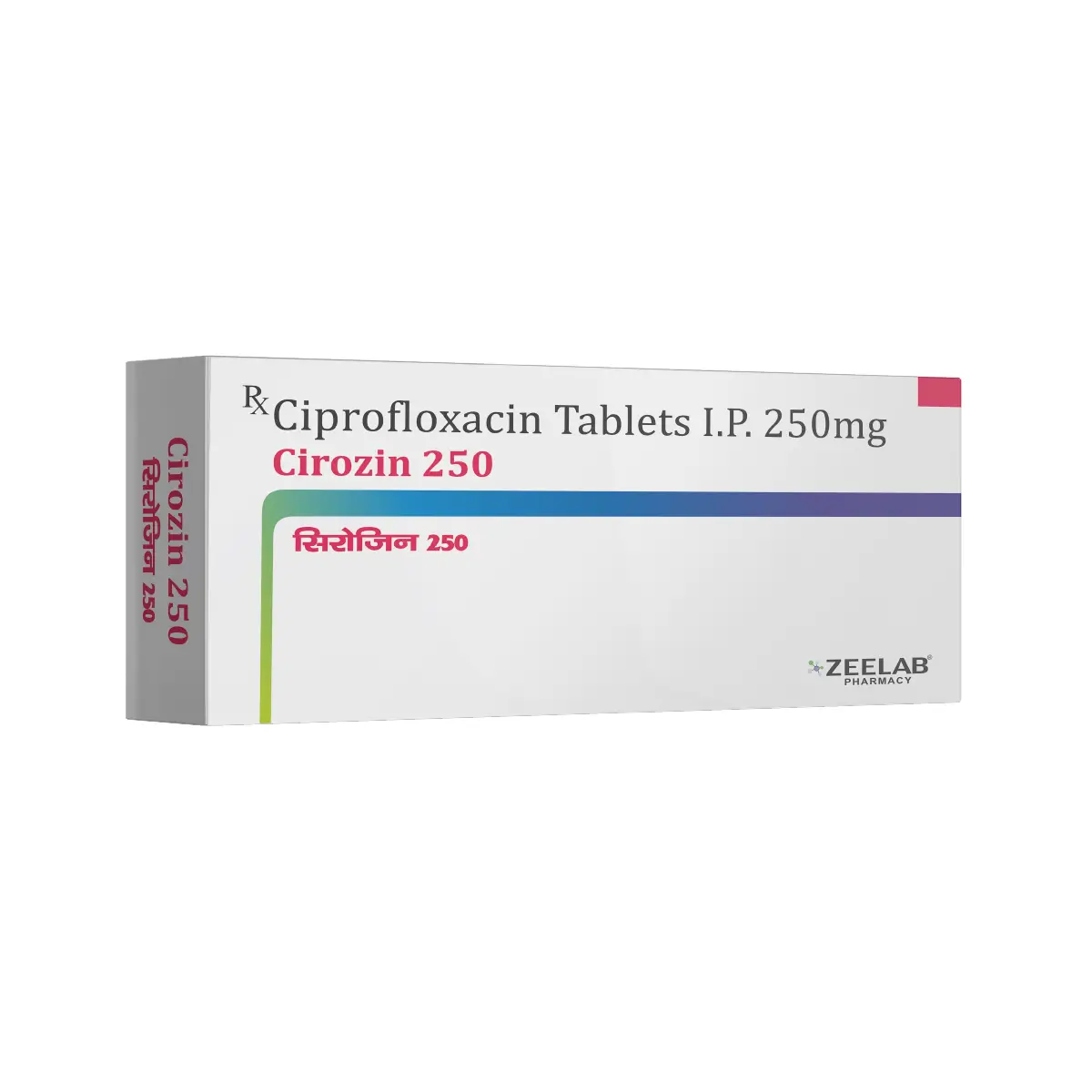
Ciprofloxacin (250mg)
10 Tablets In 1 Strip
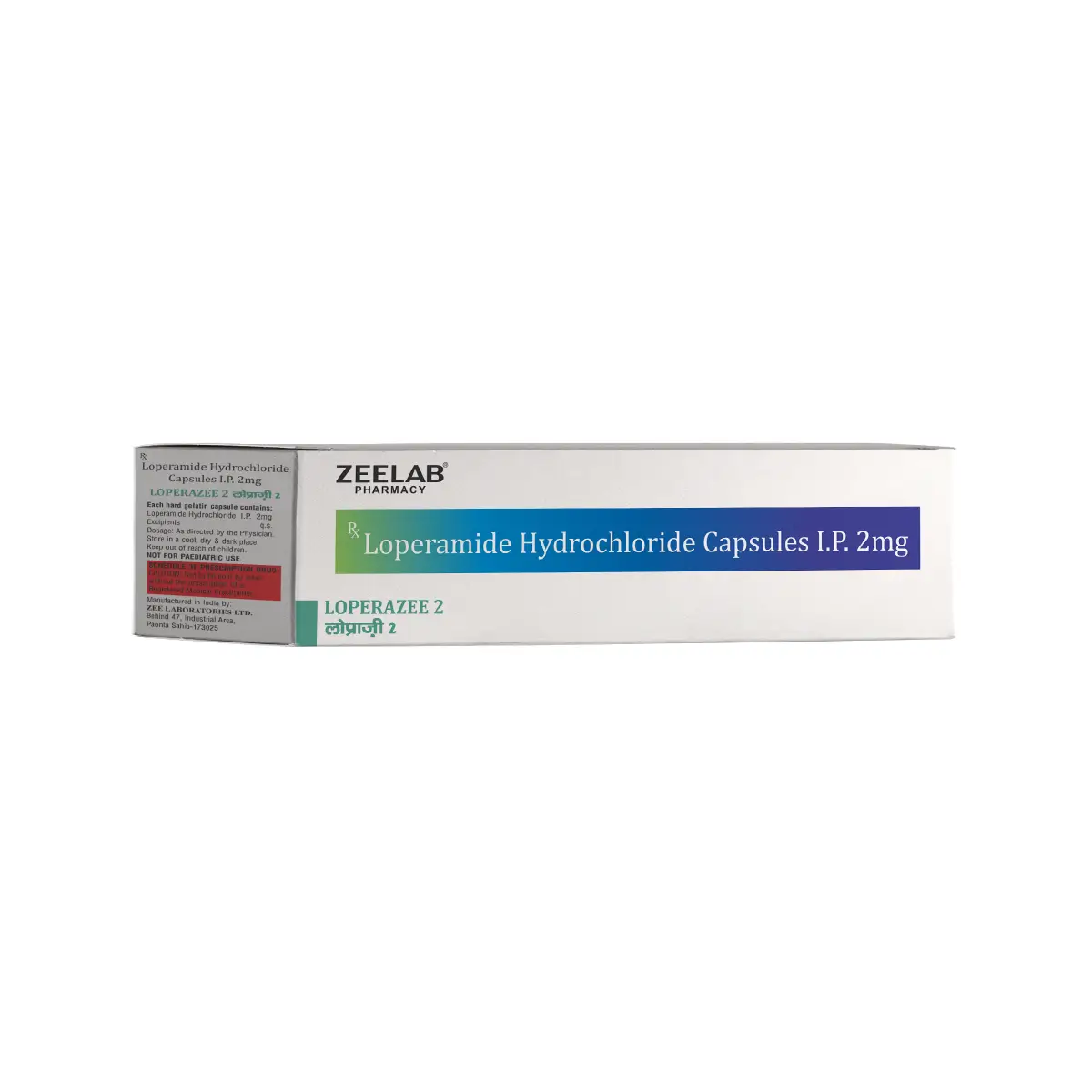
Loperamide (2mg)
10 Capsules In 1 Strip
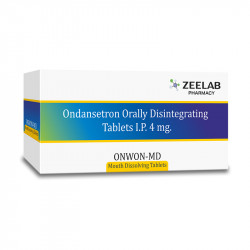
Ondansetron (4mg)
10 Tablets In 1 Strip
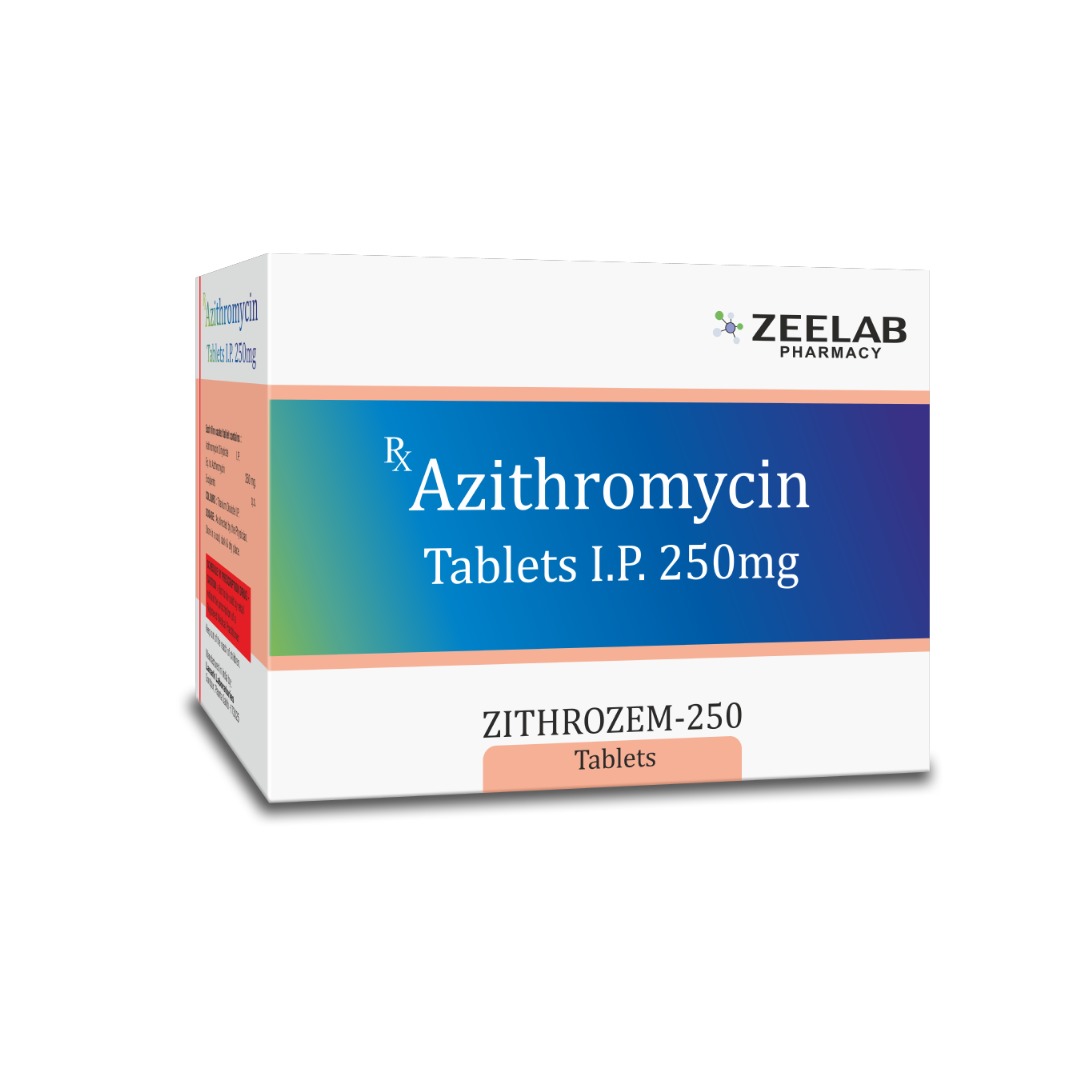
Azithromycin (250 mg)
6 Tablets In 1 Strip
Domperidone (10mg)
10 Tablets In 1 Strip
Sodium Chloride (2.6g) + Potassium Chloride (1.5g) + Sodium Citrate (2.9g) + Dextrose (13.5g)
21.8 gm in 1 Sachet
Racecadotril (100mg)
10 Capsules In 1 Strip
Lyophilized Saccharomyces Boulardii Sachet (282.5mg)
1gm powder in sachet
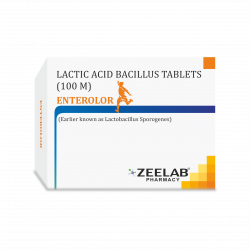
Lactobacillus Sporogenes (100 Million spores)
20 Tablets In 1 strip
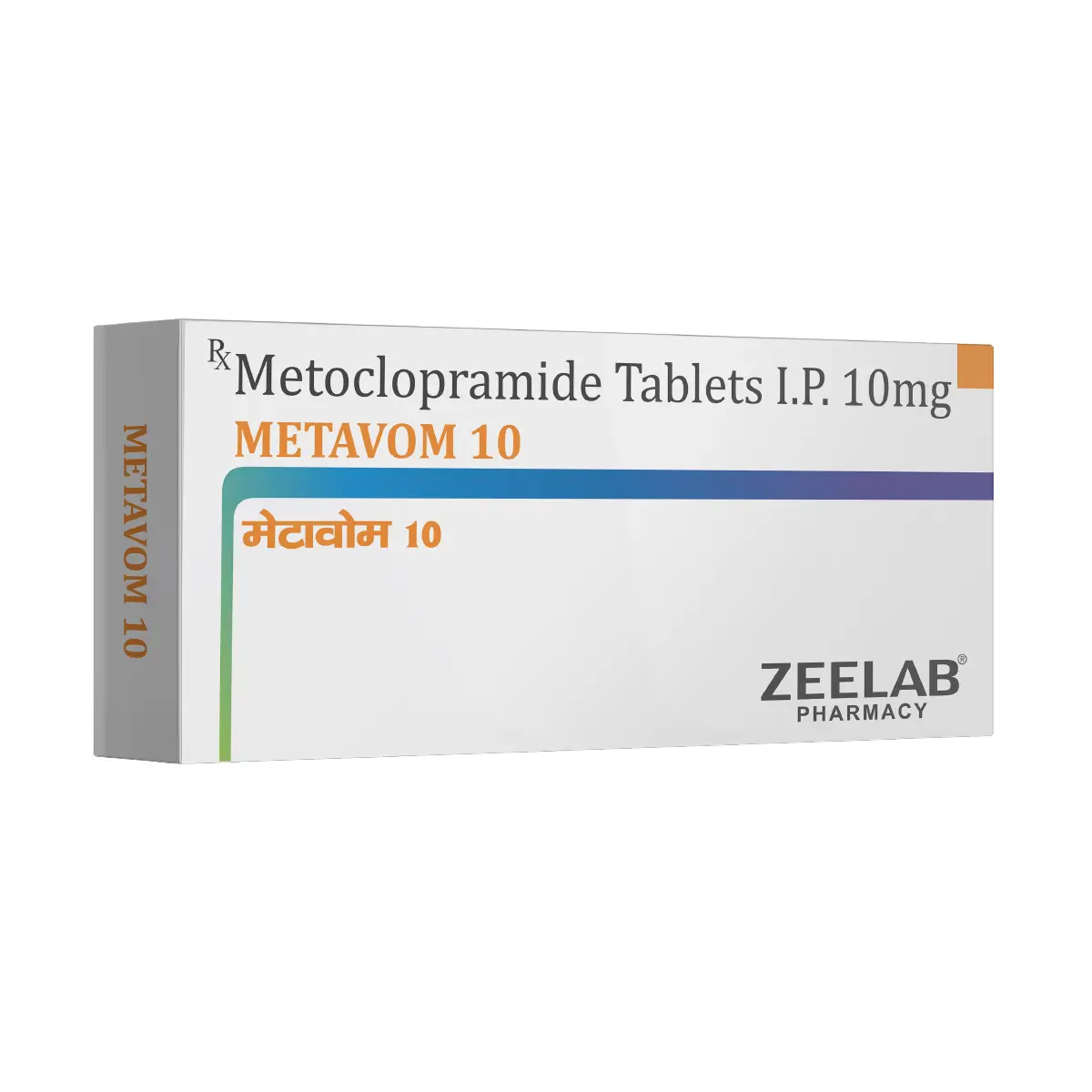
Metoclopramide (10mg)
10 Tablets In 1 Strip
References
- https://www.researchgate.net/profile/Nagham-Aljamali/publication/355827720_Review_on_Food_poisoning_Types_Causes_Symptoms_Diagnosis_Treatment/links/61804c1c3c987366c3163fcd/Review-on-Food-poisoning-Types-Causes-Symptoms-Diagnosis-Treatment.pdf
- https://www.academia.edu/download/112798796/itechmag.04.2022.59.pdf
- https://www.niddk.nih.gov/health-information/digestive-diseases/food-poisoning/treatment
Recent Blogs






Disclaimer : Zeelab Pharmacy provides health information for knowledge only. Do not self-medicate. Always consult a qualified doctor before starting, stopping, or changing any medicine or treatment.
Related Products


₹ 0
0
Items added
Quick Links
Categories
Our Policies

Our Socials


Subscribe

2026 Copyright By © Zeelab Pharmacy Private Limited. All Rights Reserved
Our Payment Partners

 Added!