

Omega-3 for Brain Development in Kids: Benefits, Food Sources, Dosage & Supplements
During the peak growth years, children need nutrients that support healthy development. Omega-3 fatty acids may help in doing that by supporting brain development and overall well-being in children. As they cannot be produced in the body, adding them to the diet becomes important.
Omega-3 plays an important role in producing brain cells and promotes normal brain and visual development. However, changing food habits and low intake of omega-3-rich foods may increase the risk of inadequate intake in some children.
In this blog, you will discuss the importance of omega-3 for children's brain development and much more.
Understanding Omega-3 Fatty Acids
Omega-3 fatty acids are polyunsaturated fats that are vital for brain health, growth, and development. It is important to get these fats from your diet because the human body does not produce enough of these fats on its own.
There are three main types of Omega-3 fatty acids:
- ALA (plant-based sources such as flaxseed and walnuts)
- EPA and DHA (predominantly from oily fish)
- DHA is particularly important for the development of the brain in children.
While the body can convert ALA into EPA and DHA, the process is not very efficient. Therefore, children should get DHA and EPA from omega-3-rich foods, fortified foods, or supplements when dietary intake is not enough.
Role of Omega-3 in Brain Development
The omega-3 fatty acids play an important role in the development of the brain since they help in the growth of brain cells, especially during early childhood.
- Supports the development and growth of brain cells, especially during early childhood
- DHA is a major structural component of the brain and supports healthy brain and eye development.
- It may support nerve cell growth and connections between brain cells.
- May support learning, attention, memory and cognitive development
- Helps in healthy nerve signal transmission
- Helps in proper nervous system development in children during the early years
Also Read: Best Vitamins for Nerve Repair and Protection
Benefits of Omega-3 for Kids
Omega-3 fatty acids are necessary nutrients for children, which play an important part in their growth and development, especially during early childhood. Here is a list of omega-3 benefits for kids.
- Brain Development: Facilitates healthy brain development, enhancing memory, concentration, and cognitive skills in children.
- Vision Support: DHA supports healthy eye development and helps children maintain healthy eyesight.
- Stronger Immunity: Supports normal immune function as part of a healthy diet and lifestyle.
- Emotional Well-being: May support mood balance and attention in some children as part of overall nutrition.
- Heart Health: Helps in overall heart health development at a young age.
- Healthy Growth: Helps in overall physical development and proper functioning of the body.
Recommended Daily Omega-3 Intake for Children
DHA and EPA are the most critical omega-3 fatty acids for brain development in children. Although recommendations vary, the WHO and ICMR recommendations suggest adequate consumption of these essential long-chain omega-3 fatty acids.
|
Age Group |
Recommended DHA + EPA Intake (per day) |
|
0–12 months |
~100 mg (mainly DHA) |
|
1–3 years |
100–150 mg |
|
4–6 years |
150–200 mg |
|
7–9 years |
200–250 mg |
|
10–12 years |
250–300 mg |
|
13–18 years |
300–500 mg |
Best Food Sources of Omega-3 for Kids
Adding different sources of omega-3 fatty acids to the daily diet of kids will help them develop properly. Here are some of the best sources of omega-3 fatty acids for kids:
- Fatty fish such as salmon, mackerel, sardines, and tuna
- Flax Seeds
- Chia Seeds
- Walnuts are a healthy snacking option
- Soybeans & Tofu
- Fortified foods like milk, eggs, or cereal enriched with Omega-3
- Canola oil
- Spinach & similar green vegetables
Also Read: Alsi (Flax Seeds) Benefits, Uses, Nutrition & Side Effects
Possible Signs of Omega-3 Deficiency in Kids
Recognising omega-3 deficiency symptoms in children can sometimes be tricky. However, some signs may suggest whether or not a child is getting enough of these essential fatty acids:
- Trouble focusing or paying attention
- Dry or rough skin
- Dull or weak hair
- Falling sick often
- Mood swings or irritability
- Poor sleep or difficulty sleeping
- Complaints of eye discomfort
- Slower learning or development
Note: These symptoms can have many causes and do not necessarily indicate omega-3 deficiency.
Also Read: Best Vitamins and Minerals for Better Sleep Naturally
Omega-3 Supplements for Children
Omega-3 supplements can be helpful in supporting nutritional needs in children, especially when such needs are not met through an inadequate diet.
- When needed: May be useful if there is an inadequate intake of omega-3-rich foods in the child’s diet, as well as for picky eaters
- Consult a doctor: Always seek pediatric advice before starting supplements
- Safety & dosage: Must be taken in amounts relevant to children to prevent overuse
- DHA + EPA focus: Prefer forms that directly support brain development
Remember that Omega-3 supplements should not replace a balanced diet.
Omega- 3 Supplement Recommendations from Zeelab Pharmacy
Check out the following omega-3 supplements from Zeelab Pharmacy, which are intended to support daily nutritional needs with quality and balanced composition to promote health and well-being.
Zeelab Omega 3 Fish Oil Capsule
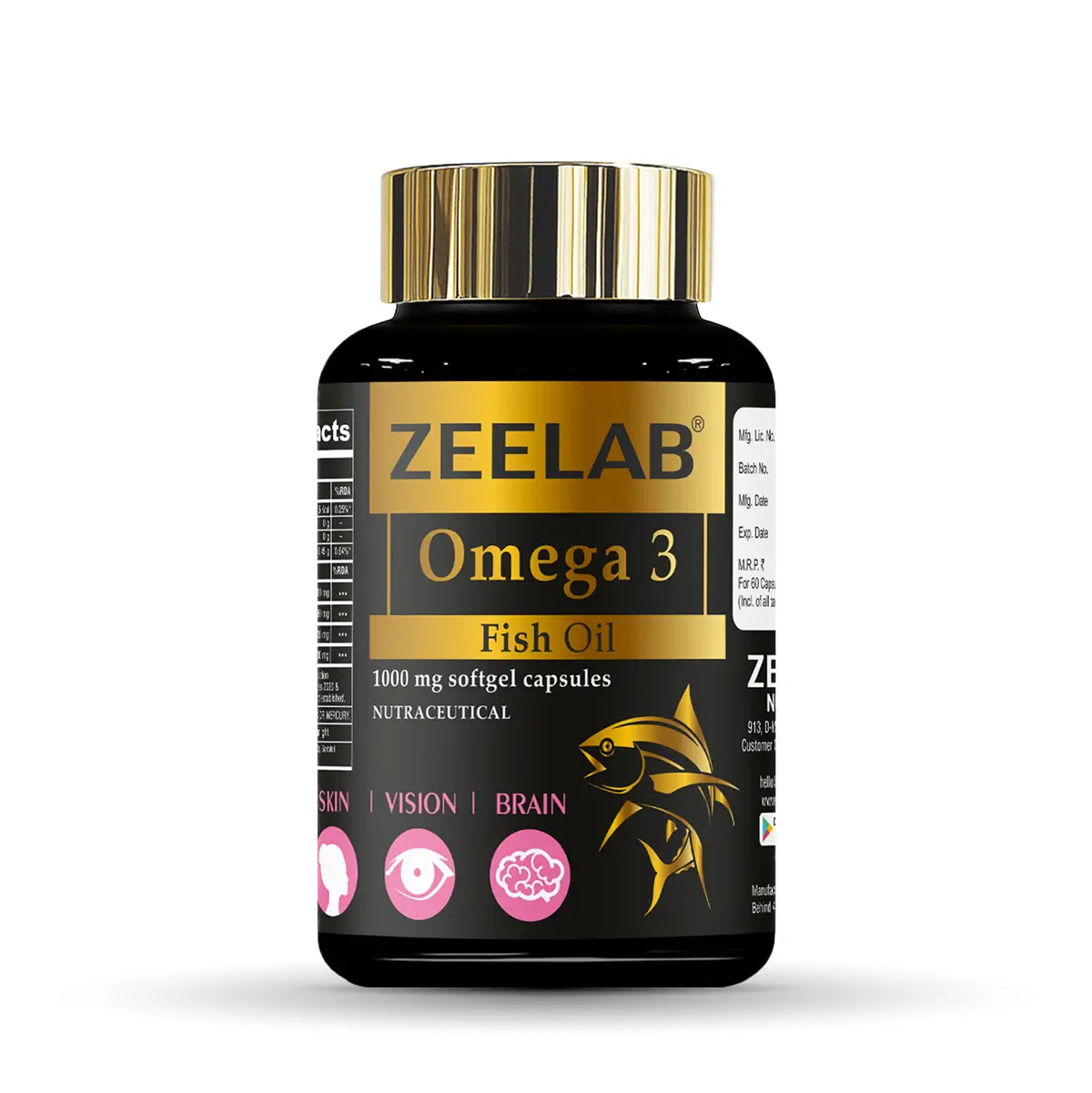
A high-quality fish oil supplement providing essential omega-3 fatty acids, including DHA and EPA, to support overall health, especially brain and heart function.
- Composition: Omega-3 Fatty Acid (1000mg)
- Benefits: Supports brain function, heart health, vision, and helps maintain overall well-being
Zeelab Krill Oil Capsule

A premium krill oil supplement providing omega-3 fatty acids in a highly absorbable form, along with antioxidants to support overall health and daily nutritional balance.
- Composition: Krill Oil (1000 mg) + Omega 3 Fatty Acids (200 mg) + EPA (120 mg) + DHA (80 mg) + Phospholipids (200 mg) + Astaxanthin (200 mcg)
- Benefits: Supports the brain, heart, joints, and vision, and also helps improve overall energy & wellness
Cozy Q Forte Capsule

Cozy Q Forte Capsule is a combination supplement enriched with omega-3 fatty acids, CoQ10, and antioxidants that help support brain function, heart health, and overall nutritional balance.
- Composition: Coenzyme Q-10 (100 mg) + Lycopene (5000 mcg) + L-Carnitine (50 mg) + L-Arginine (100 mg) + Selenium (40 mcg) + Omega-3 Fatty Acids (Eicosapentaenoic Acid 90 mg + Docosahexaenoic Acid 60 mg) + Ascorbic Acid (50 mg) + Vitamin E (10 mg)
- Benefits: Supports brain function, heart health, energy levels, and provides antioxidant protection
Travocal K2 Calcium Supplement Softgel Capsule

A combination supplement with omega-3, calcium, and essential vitamins that supports bone health, while also contributing to heart, joint, and overall nutritional balance.
- Composition: Omega-3 Fish Oil (250mg) (Providing EPA 45mg & DHA 30mg) + Cyanocobalamin (2.20mcg) + Cholecalciferol (10mcg) + Vitamin K2-7 (45mcg) + Folic Acid (120mcg) + Calcium Citrate Maleate (500mg) + Manganese Sulphate (Eq. to Elemental Manganese 1.50mg) + Zinc Sulphate Monohydrate (2.73mg) + Boron (1.50mg)
- Benefits: Supports bones, joints, heart health, and improves calcium absorption and overall wellness
Caution: These supplements should be used for children only after consulting a paediatrician, as dosage, form, and suitability depend on the child’s age, diet, and health condition
Side Effects of Omega-3 in Kids
Omega-3 fatty acids are generally well-tolerated in children when taken in recommended amounts. However, in some cases, mild side effects may occur:
- Fishy aftertaste or breath
- Mild stomach discomfort
- Loose stools or diarrhoea (rare)
- Fish allergy warning
These effects are usually temporary and may reduce with continued use or when taken with meals. If symptoms persist, medical advice should be sought.
Also Read: Best Loose Motion Medicine List in India: A Complete Guide to Diarrhoea Tablets & Treatment
Best Time to Give Omega-3 to Kids
Omega-3 supplementation in kids will be highly effective if it is done at a regular time, which will improve absorption and adherence to the rules.
|
Timing |
Recommendation |
Reason |
|
Along with meals |
Most favorable |
Improves absorption and reduces gastrointestinal problems |
|
During breakfast or lunch |
Good alternative |
More convenient to follow |
|
With dinner |
Also suitable |
Can be taken with a fat-containing meal |
|
As advised by the doctor |
Follow guidance |
Varies with age, diet, and dosage |
How to Include Omega-3 in Your Child’s Diet?
Making changes to your child’s dietary routine in order to include the important omega-3 fatty acids may be challenging; hence, here are some simple ways to make sure that your child has a nutritious diet.
- Add crushed flax seeds and chia seeds to milk, cereal, and shakes.
- Provide fish like salmon or sardines 1-2 times per week (for non-vegetarians)
- Choose walnuts as part of healthy snacking.
- Use canola oil or omega-3 fatty acids-enriched oils for cooking.
- Omega-3-enriched milk, eggs, or cereals can be given to kids on a daily basis.
When to Consult a Doctor?
It is crucial to see a doctor when you have worries about the nutrition, growth, and development of your baby. Consult a doctor in the following conditions:
- Before giving supplements that include omega-3
- In case your baby has any developmental or health problems
- If eating habits are poor or lack variety
- If your child has a medical condition or takes ongoing medication
- If there are learning, focus, or behaviour issues
Also Read: Best Omega 3 Supplement In India
Conclusion
Omega-3 fatty acids play a crucial role in supporting a child’s overall growth, especially during the early years of brain development.
From improving focus and learning ability to supporting emotional balance, the benefits of omega-3 for brain development in kids are widely recognised. Ensuring a balanced diet that includes omega-3-rich foods can help meet daily nutritional needs.
Where diet alone is not enough, one can always turn to supplements under appropriate medical supervision.
Prioritising adequate omega-3 intake today can help build a strong foundation for your child’s cognitive health and overall well-being in the future.
Frequently Asked Questions (FAQs)
Ans.DHA is a major structural fat in the brain and retina. It supports brain cell growth, nerve communication, learning, memory, and visual development in children.
Ans.Low omega-3 intake may affect brain development, learning ability, and behaviour. It can also impact immunity, skin health, and overall growth if not addressed early.
Ans.Yes, omega-3 fatty acids, particularly DHA, play an important role in brain development. Regular intake may help improve memory, learning ability, and overall cognitive function in growing children.
Ans.Omega-3 may help improve concentration and attention in children by supporting healthy brain function. It can be especially beneficial for kids with low dietary intake of essential fatty acids.
Ans.Omega-3 fatty acids may help reduce symptoms like brain fog by supporting better brain function and mental clarity. However, results can vary, and it works best alongside a balanced diet.
Ans.Daily omega-3 needs vary by age, but generally, children require around 100–300 mg of DHA and EPA. Exact requirements depend on age, diet, and overall nutritional status.
Ans.Children can start getting omega-3 from infancy through breast milk or diet. Supplements may be considered after consulting a doctor, depending on dietary intake and nutritional needs.
Ans.Foods rich in omega-3 include fatty fish like salmon, walnuts, flaxseeds, chia seeds, and fortified foods. Including these regularly helps meet a child’s nutritional requirements naturally.
Ans.Yes, fortified foods can help increase omega-3 intake, especially in picky eaters. However, they should be combined with natural food sources for balanced nutrition.
Ans.Fish oil can be beneficial for children as it provides DHA, an essential omega-3 fatty acid that supports growth, cognitive function, and brain development during infancy and early childhood.
Ans.Omega-3 supplements, especially those containing DHA and EPA, support brain structure and function. They may help improve cognitive performance, memory, and overall brain health when taken in recommended amounts.
Ans.Benefits may take several weeks to months, depending on diet, deficiency level, dosage, and overall health. Results vary from child to child.
References
Recent Blogs






Disclaimer : Zeelab Pharmacy provides health information for knowledge only. Do not self-medicate. Always consult a qualified doctor before starting, stopping, or changing any medicine or treatment.


₹ 0
0
Items added
Quick Links
Categories
Our Policies

Our Socials


Subscribe

2026 Copyright By © Zeelab Pharmacy Private Limited. All Rights Reserved
Our Payment Partners

 Added!