

Best Medicine for Neck Pain in India: Cervical Pain & Neck Stiffness Medicine Names
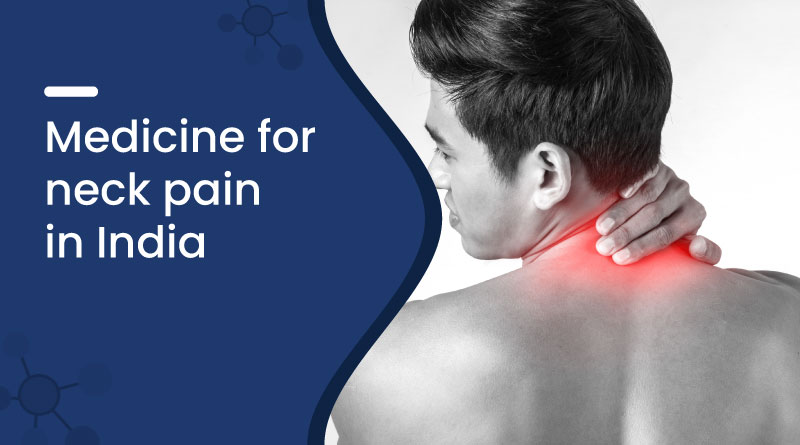
Cervicalgia is the medical term for neck pain and is a very common problem, especially among middle-aged people.
Bad posture while sleeping or sitting, prolonged screen time, muscle strain, minor injuries, or age-related changes can cause neck stiffness, pain, and difficulty moving, which may sometimes radiate toward the shoulders and arms.
Ibuprofen and paracetamol are the most commonly used medicines for neck pain and stiffness. Many diclofenac- or menthol-based topical neck pain medications in the form of gels, sprays, and ointments are also helpful.
In this blog, we will discuss common medicines for neck pain, including cervical pain tablets, painkillers, and topical neck pain relief products used in India.
What Causes Neck Pain?
It is very common to develop neck pain or cervical pain when you sit or sleep in a bad posture, but there are some underlying conditions that may also cause neck discomfort and stiffness.
It is vital to determine the cause of the problem because sometimes neck pain may require professional help from a doctor instead of self-treatment.
Common causes of neck pain
Neck pain can result from everyday habits such as poor posture, prolonged screen time, or an uncomfortable sleeping position.
It may also occur due to muscle strain, injuries, pinched nerves, or age-related changes such as cervical spondylosis.
- Bad posture during work or while using a phone
- Sitting for a prolonged period at the desk
- Sleeping in an improper position
- Muscular strain
- Sudden movement or exercise
- Whiplash
- Pinched nerves
- Age-related changes in the neck (cervical spondylosis)
What Do Neck Pain Medicines Do?
Medicines for neck pain relief can help reduce pain, inflammation, muscle soreness, and stiffness, making it easier to move the neck comfortably.
The right medicine may provide temporary relief while the underlying cause of the neck pain is being identified or treated.
The following can be some of the benefits of using the correct medicine:
- Ease the pain
- Decrease swelling
- Relieve muscle soreness after a strain
- Make movement more comfortable
- Provide temporary relief until the underlying cause is treated
Also read: Best Ointments For Swelling And Pain
What Are the Common Medicines for Neck Pain?
Treatment for neck pain usually includes medicines such as pain relievers, NSAIDs, muscle relaxants, and topical medications, depending on the cause and severity of the pain.
Common neck pain relief medicines include:
|
Medicine type |
Examples |
Common use |
|
Pain Reliever |
Paracetamol |
Mild to moderate pain |
|
NSAIDs |
Ibuprofen, Naproxen & Diclofenac |
Pain with inflammation |
|
Topical Pain Relievers |
Diclofenac Gel/Spray |
Localised muscle or joint pain |
|
Muscle Relaxants |
Doctor-prescribed medicines |
Certain muscle spasms |
Also read: Paracetamol vs Ibuprofen: Which Medicine Is Better?
List of Best Tablets for Neck Pain in India
Zeelab Pharmacy has a wide variety of tablets for neck pain made in WHO-GMP-certified facilities.
The following medicines contain commonly used pain-relieving ingredients that may help provide relief from neck pain, depending on the cause and individual needs.
|
Tablet Name |
Composition |
|
Parazex 500 |
Paracetamol (500 mg) |
|
Naprozee 500 |
Naproxen (500 mg) |
|
Ibuprol 400 |
Ibuprofen (400 mg) |
|
Dicamol 100 SR |
Diclofenac sodium (100 mg) SR |
Parazex 500 Tablet
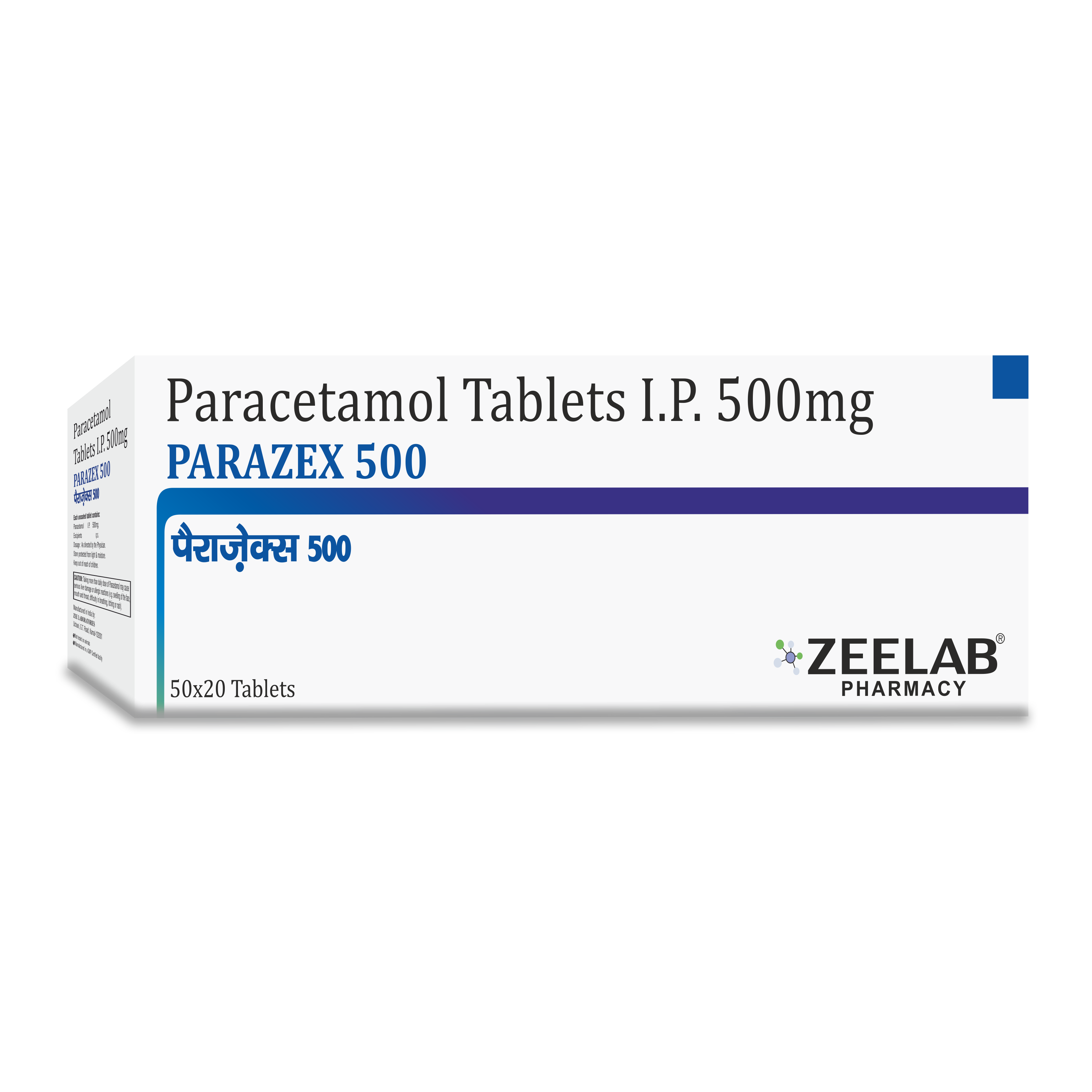
Parazex 500 can be used as a tablet for cervical pain relief. It contains 500 mg of paracetamol and may help relieve mild to moderate cervical pain and discomfort.
- Composition: Paracetamol (500 mg)
- Benefits: Helps manage mild to moderate neck pain and muscle discomfort.
Ibuprol 400 Tablet
Ibuprol 400 Tablets contain ibuprofen and may be used for neck pain relief associated with inflammation. By reducing prostaglandin production, it may help reduce pain and inflammation in the affected areas.
- Composition: Ibuprofen (400 mg)
- Benefits: Helps relieve neck pain, inflammation and discomfort associated with muscle strain.
Naprozee 500 Tablet
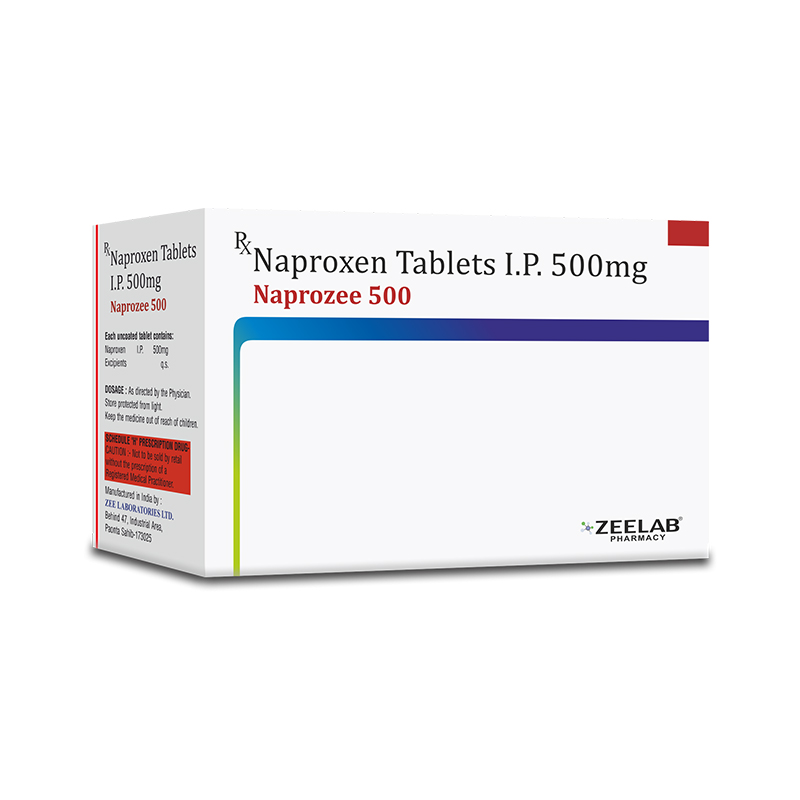
Naprozee 500 Tablet is a commonly used painkiller for neck pain in India. With naproxen as its active ingredient, it helps reduce pain and inflammation associated with certain musculoskeletal conditions.
- Composition: Naproxen (500 mg)
- Benefits: Helps reduce neck pain, inflammation, stiffness and discomfort associated with muscle or inflammatory conditions.
Dicamol 100 SR Tablet
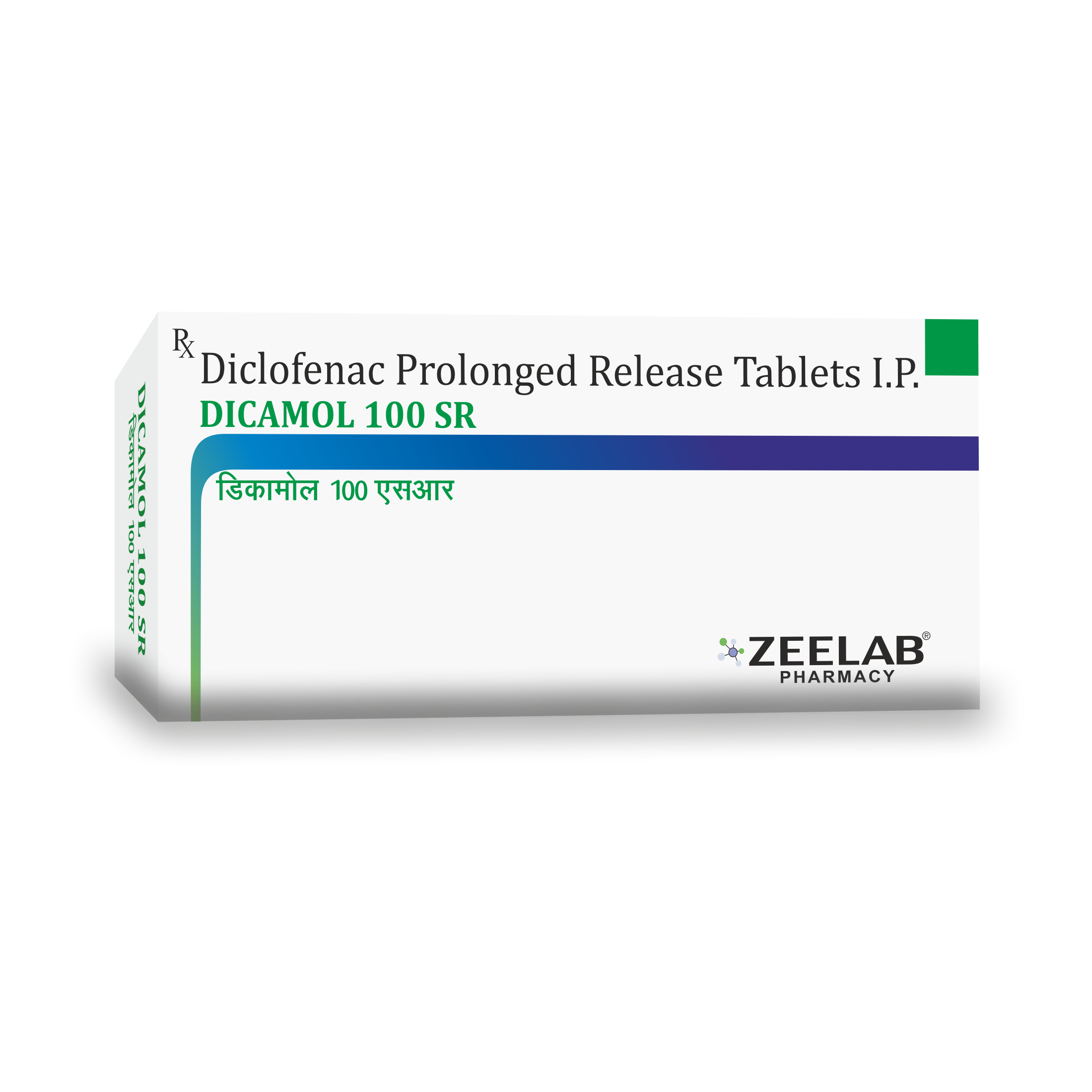
Dicamol 100 SR contains diclofenac sodium and may be used for neck and shoulder pain relief. Its sustained-release formulation is designed to provide prolonged release of the medicine for symptom management.
- Composition: Diclofenac sodium (100 mg) SR
- Benefits: Helps manage neck pain, inflammation, stiffness and musculoskeletal discomfort.
Best Pain Relief Gel or Spray for Neck Pain
Other than tablets, several neck pain relief products may help reduce neck stiffness, muscle cramps, and discomfort associated with strains.
Here are some commonly used topical options for neck pain.
|
Product Name |
Key Ingredients |
|
Dicamol Spray |
Diclofenac diethylamine, methyl salicylate, menthol, and virgin linseed oil |
|
Dicamol Roll |
Diclofenac diethylamine and methyl salicylate |
|
Dicamol Plus Gel |
Diclofenac diethylamine, methyl salicylate, menthol, and oleum lini |
Dicamol Spray
Dicamol Spray is a topical pain-relief spray containing diclofenac and other ingredients that work locally on pain and inflammation around the neck.
- Composition: Diclofenac Diethylamine (1.16% w/w) + Virgin Linseed Oil (3% w/w) + Methyl Salicylate (10% w/w) + Menthol (5% w/w)
- Benefits: Helps relieve neck pain, muscle stiffness, soreness and inflammation.
Dicamol Roll

Dicamol Roll On is a topical formulation that may help relieve neck spasm through diclofenac and other ingredients, which work externally to ease neck and muscular discomfort.
- Composition: Diclofenac Diethylamine (2% w/v) + Methyl Salicylate (10% w/v) + Peppermint Oil + Eucalyptus Oil (10% w/v) + Turpentine Oil (5% w/v) + Base q.s.
- Benefits: Helps relieve neck pain, muscle stiffness, strains and localised discomfort.
Dicamol Plus Gel
Dicamol Plus is a topical pain-relief gel containing diclofenac and other supporting ingredients that may help reduce neck pain, stiffness, and inflammation.
- Composition: Diclofenac diethylamine (11.6mg) + Methyl Salicylate (100mg) + Oleum Lini (30mg) + Menthol (50mg)
- Benefits: Helps relieve neck pain, stiffness, muscle soreness and inflammation.
How Does Medicine for Cervical Pain Work?
Most cervical pain medicines work by reducing pain and inflammation or relaxing muscles, depending on the type of medicine.
This can help relieve neck pain, stiffness, and discomfort, making movement more comfortable.
The exact way the medicine works depends on its active ingredient and how it acts on pain, inflammation, or muscle tension.
How to Relieve Neck Pain at Home
Simple self-care measures can help relieve neck pain, stiffness, and muscle discomfort.
These include stretching exercises, posture correction, stress reduction, and massage therapy. A pain relief balm may also help soothe mild muscle discomfort.
- In case of pain caused by injury, apply cold packs during the early stages and use a warm compress to relax sore muscles.
- Maintain proper posture while sitting and avoid bending the neck for long periods.
- Prevent stiffness by avoiding sudden neck movements and forcing flexibility during exercise.
- When sleeping, maintain a comfortable pillow height and position.
- For those with desk jobs, take regular breaks to stretch your body and neck.
- Avoid lifting heavy weights until your neck pain has improved.
When Should You See a Doctor for Neck Pain?
If neck pain starts affecting your daily activities or becomes persistent or severe, avoid self-medication and consult a doctor.
Warning signs include:
- Persistent pain that lasts more than a week or pain that radiates down the arms
- Numbness, tingling, or weakness
- Difficulty moving your neck
- Pain associated with a recent injury
- OTC medicines not providing relief
- Fever, unexplained weight loss, or night sweats
Conclusion
Medicines for neck pain can help manage pain, stiffness, and inflammation when used appropriately.
The appropriate medicine depends on the severity of the pain, other symptoms, and the underlying cause of the neck pain.
Both tablets and topical gels or sprays may be used for neck pain relief, depending on the condition and individual needs.
If your neck pain persists, worsens, or is associated with other concerning symptoms, consult a healthcare professional for appropriate advice.
Frequently Asked Questions (FAQs)
Ans.Paracetamol and NSAIDs such as ibuprofen may be used for neck pain, depending on the cause and severity of symptoms. The suitable option depends on your health condition, other medicines you take, and medical advice when needed.
Ans.Some neck pain medicines are available over the counter, but they should be used according to the label or a healthcare professional's advice. Persistent, severe, or worsening neck pain should be evaluated by a doctor.
Ans.Ibuprofen may help relieve neck pain and inflammation and can be useful when stiffness is associated with inflammation. It may not be suitable for everyone, so check with a doctor or pharmacist if you have other health conditions or take regular medicines.
Ans.For neck pain, Parazex 500, Ibuprol 400, Naprozee 500, and Dicamol 100 SR are commonly used tablets for cervical pain and neck stiffness. The right tablet depends on the cause and severity of your neck pain and your health condition.
Ans.Yes, topical pain-relief gels and sprays may help with localised neck pain, stiffness, or muscle discomfort. Use them only as directed and avoid applying them to broken or irritated skin.
Ans.Neck pain after sleeping in an uncomfortable position often improves with gentle movement, proper posture, and heat or cold therapy. If pain is severe, keeps returning, or does not improve, consult a healthcare professional.
Ans.Muscle relaxants may be prescribed when neck pain is associated with significant muscle spasms or tightness. They are not suitable for everyone and should be used only as directed by a doctor.
Ans.Yes, a pinched or compressed nerve in the neck can cause pain that may travel into the shoulder or arm. It may also cause tingling, numbness, or weakness and may require medical evaluation.
Ans.Medicines can help manage symptoms of cervical spondylosis, such as pain and stiffness, but they do not reverse the underlying age-related changes in the cervical spine. Treatment may also include exercises, physiotherapy, and other measures depending on the condition.
Ans.Some neck pain medicines can interact with prescription or over-the-counter medicines. Tell your doctor or pharmacist about all medicines and supplements you take before starting a new pain medicine.
Ans.Side effects depend on the medicine. Some pain medicines may cause stomach discomfort, nausea, dizziness, drowsiness, or headache. Follow the recommended dose and seek medical advice if you experience concerning symptoms.
Ans.Medicines may provide temporary relief, but treatment can also involve posture correction, stretching, physical therapy, and other measures depending on the underlying cause. Persistent or recurring neck pain may need further evaluation.
Ans.If neck pain continues despite rest and appropriate self-care, consult a doctor. Persistent pain, pain spreading to the arm, numbness, tingling, weakness, or difficulty moving the neck may require medical assessment.
Ans.Seek medical advice if neck pain is severe, persistent, follows an injury, or is associated with numbness, tingling, weakness, fever, or pain radiating into the arms. These symptoms may indicate an underlying condition that needs evaluation.
Ans.If you suspect an overdose, seek immediate medical help and do not wait for symptoms to appear. Keep the medicine packaging available so healthcare professionals can identify what and how much was taken.
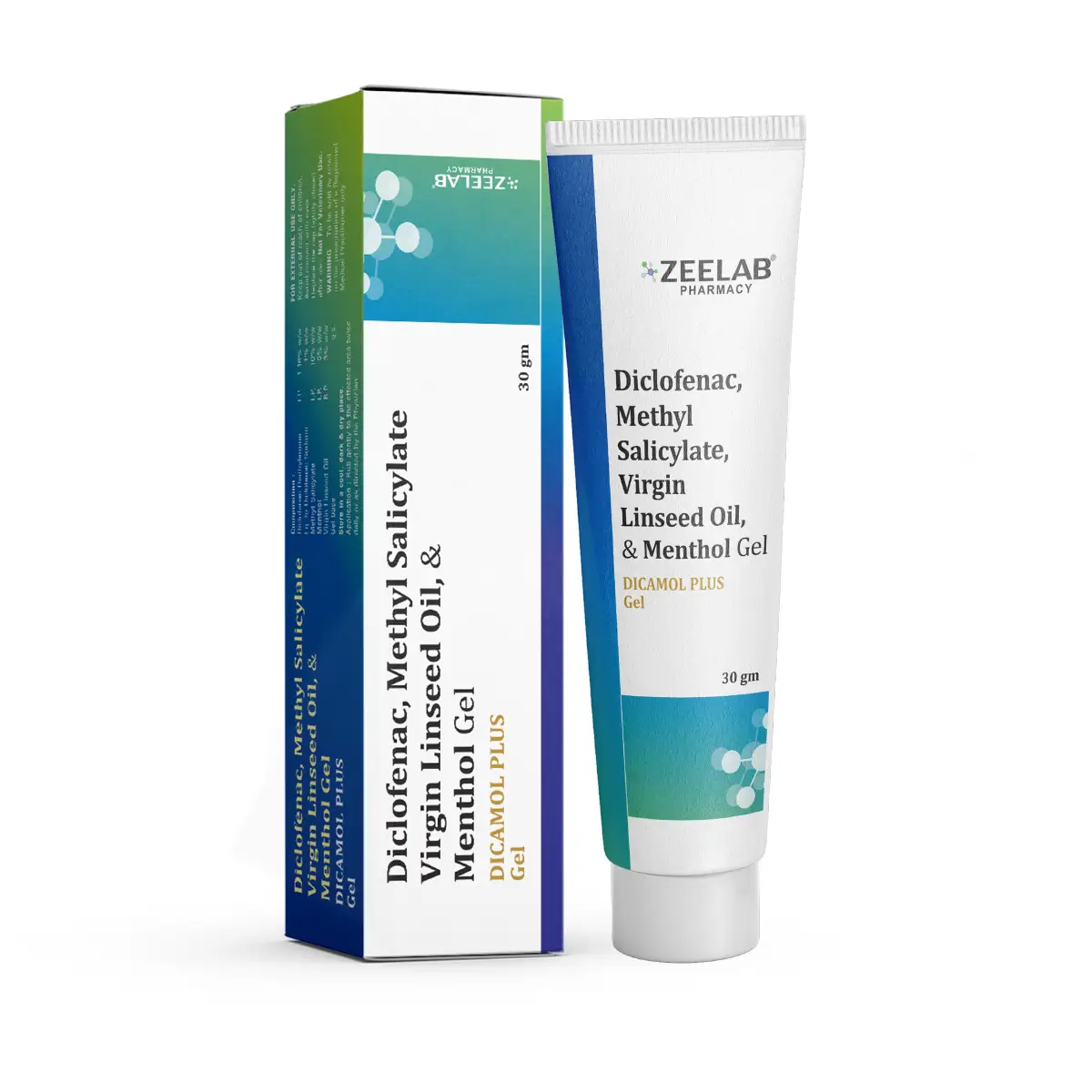
Diclofenac diethylamine (11.6mg) + Methyl Salicylate (100mg) + Oleum Lini (30mg) + Menthol (50mg)
30gm In 1 Tube
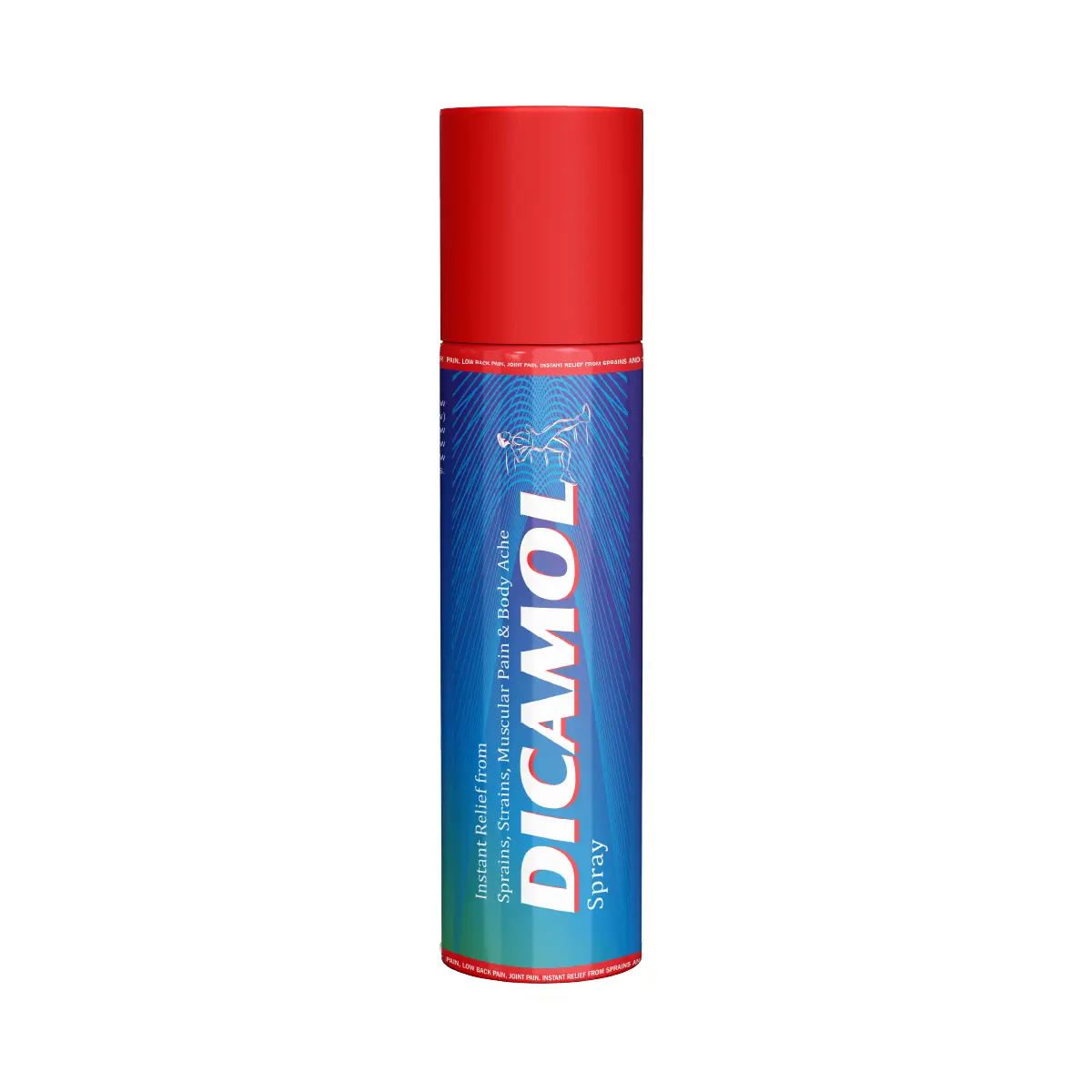
Diclofenac Diethylamine (1.16% w/w) + Virgin Linseed Oil (3% w/w) + Methyl Salicylate (10% w/w) + Menthol (5% w/w)
55g In 1 Bottle
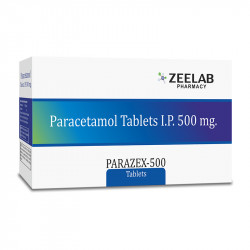
Paracetamol (500mg)
10 Tablets In 1 Strip
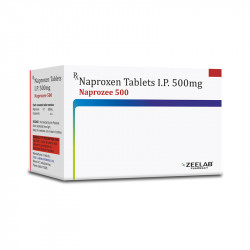
Naproxen (500 mg)
10 Tablets In 1 Strip
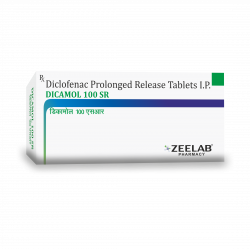
Diclofenac (100mg) SR
10 Tablets In 1 Strip
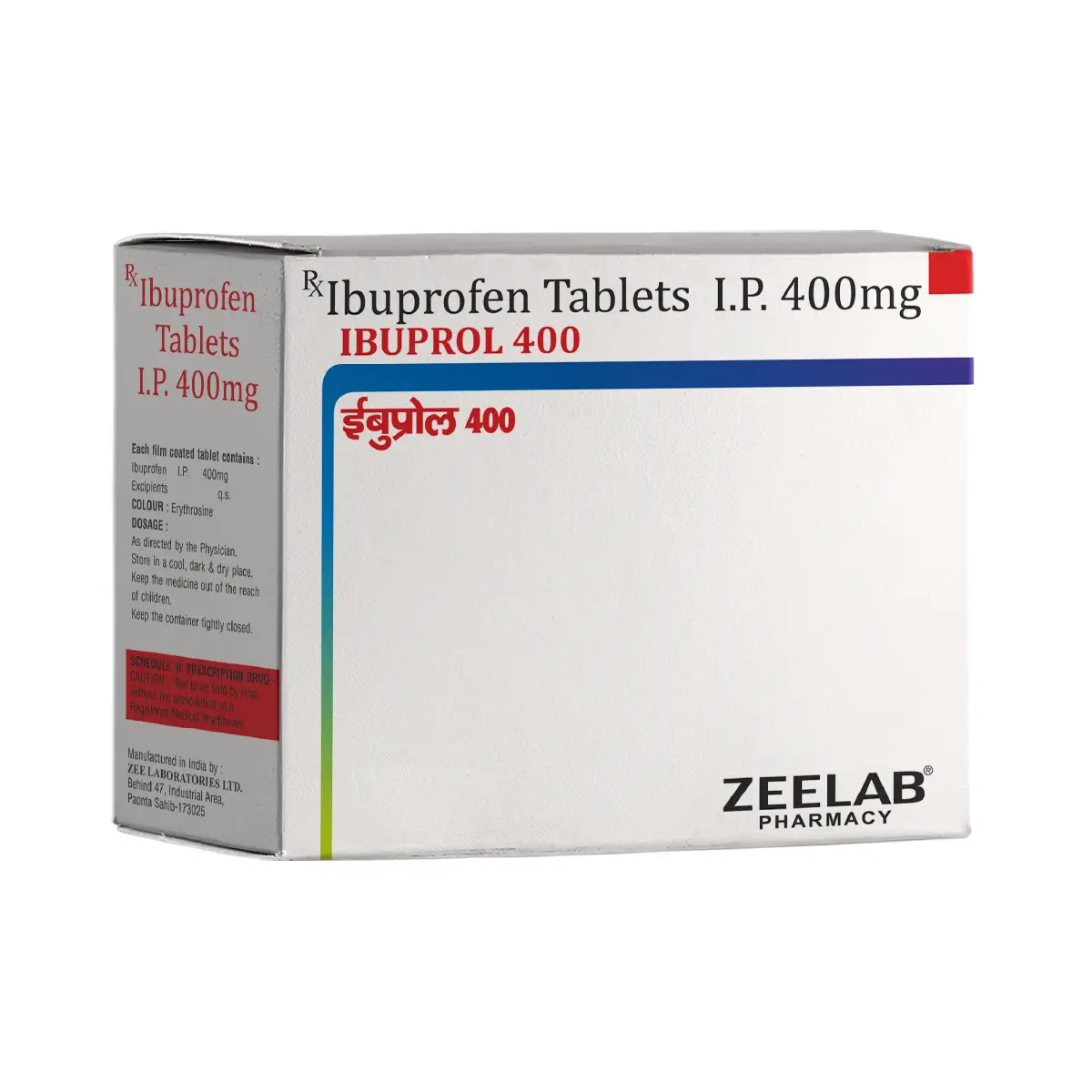
Ibuprofen (400mg)
10 Tablets In 1 Strip
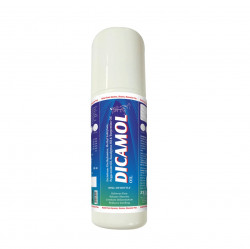
Diclofenac Diethylamine (2% w/v) + Methyl Salicylate (10% w/v) + Peppermint Oil + Eucalyptus Oil (10% w/v) + Turpentine Oil (5% w/v) + Base q.s.
60ml Roll on bottle
References
Recent Blogs






Disclaimer : Zeelab Pharmacy provides health information for knowledge only. Do not self-medicate. Always consult a qualified doctor before starting, stopping, or changing any medicine or treatment.
Related Products


₹ 0
0
Items added
Quick Links
Categories
Our Policies

Our Socials


Subscribe

2026 Copyright By © Zeelab Pharmacy Private Limited. All Rights Reserved
Our Payment Partners

 Added!