

Paracetamol vs Ibuprofen: Which Medicine Is Better for Pain and Fever Relief?

Some of the most common medicines found in every first-aid kit are Paracetamol and Ibuprofen. When you are suffering from a mild fever or pain, you may take either a paracetamol tablet or ibuprofen. But do you really think that both of these work in the same way?
Actually, both of these drugs have different mechanisms of action, which may help relieve similar symptoms caused by different conditions.
However, which one you should take depends on various factors such as age, medical condition, stomach tolerance, kidney or liver health, and other medications you may be taking.
This blog discusses the common uses of these medicines, their major differences, advantages, side effects, precautionary measures, dosage, and more.
What is Paracetamol?
Paracetamol, also known as acetaminophen, is one of the most commonly used medicines for relieving pain and reducing fever due to its simple mechanism of action.
In this section, we will discuss what paracetamol is used for and how it works.
How does paracetamol work in the body?
Paracetamol primarily acts on the brain and central nervous system. It helps relieve pain by inhibiting the production of chemicals that transmit pain signals.
To reduce fever, it acts on the brain’s temperature-regulating centre, helping lower body temperature.
Paracetamol is commonly used to treat fever and mild to moderate pain rather than conditions involving swelling, as it has little to no anti-inflammatory effect.
Medical uses of Paracetamol
Paracetamol can be used for fever and pain. It provides relief from symptoms when taken at the recommended dose.
- Fever
- Headache
- Body ache
- Toothache
- Muscle pain
- Menstrual pain
What is Ibuprofen?
It is a popular analgesic and anti-inflammatory medicine used for managing fever and the associated pain.
How does Ibuprofen work?
It belongs to a class of medicines called NSAIDs (non-steroidal anti-inflammatory drugs), which work by blocking COX enzymes involved in the production of chemicals responsible for pain, swelling, inflammation, and fever.
Medical Uses of Ibuprofen
Ibuprofen is taken to treat pain, reduce fever, and manage inflammation. It can be helpful in the following:
- Headache, migraine, and toothache
- Muscle pain, sprains, and minor injuries
- Joint pain, stiffness, and back pain
- Period cramps
- Fever
- Inflammatory conditions, when advised by a doctor
Also Read: Medicine For Migraine in India
Paracetamol vs Ibuprofen: Key Differences
There are certain clear differences between ibuprofen and paracetamol regarding how they work, their effects on the body, the conditions they treat, and the time they take to work.
This table explains these differences in a simple and easy-to-understand manner.
|
Comparison Point |
Paracetamol |
Ibuprofen |
|
Mode of action |
It acts on pain and temperature control centres in the brain |
It acts by reducing prostaglandins that are responsible for pain, fever, and inflammation |
|
Anti-inflammatory effect |
This shows weak anti-inflammatory activities |
This helps in reducing inflammation and swelling |
|
Pain-relieving effect |
It can help with mild and moderate pain |
In pain associated with inflammation |
|
Fever control effectiveness |
This works efficiently against fever |
It is seen as an effective medicine in controlling fever |
|
Duration and onset of action |
Begins to act in 30-60 minutes |
Begins working in 30-60 minutes |
Ibuprofen vs Paracetamol for Fever: Which One to Choose?
Both paracetamol and ibuprofen can help reduce fever.
- Paracetamol may be the better choice initially since it is usually well-tolerated by most people.
- Ibuprofen is preferred when the fever persists or there is a presence of body pain and inflammation.
- For kids, the selection of the drug and dosage depends on their age and weight, based on the recommendation of a physician.
Paracetamol and Ibuprofen Medicines Recommendations by Zeelab Pharmacy
Explore Zeelab Pharmacy’s recommended paracetamol and ibuprofen medicines for trusted pain and fever relief, available at affordable prices with quality assurance.
Parazex XT Tablet
Parazex XT 650mg Tablet contains paracetamol, a medicine used to relieve headache, fever and mild to moderate body ache, and toothache.
- Composition: Paracetamol (650mg)
- Benefits: May help reduce fever and provide effective relief from common mild to moderate pain.
Parazex 500
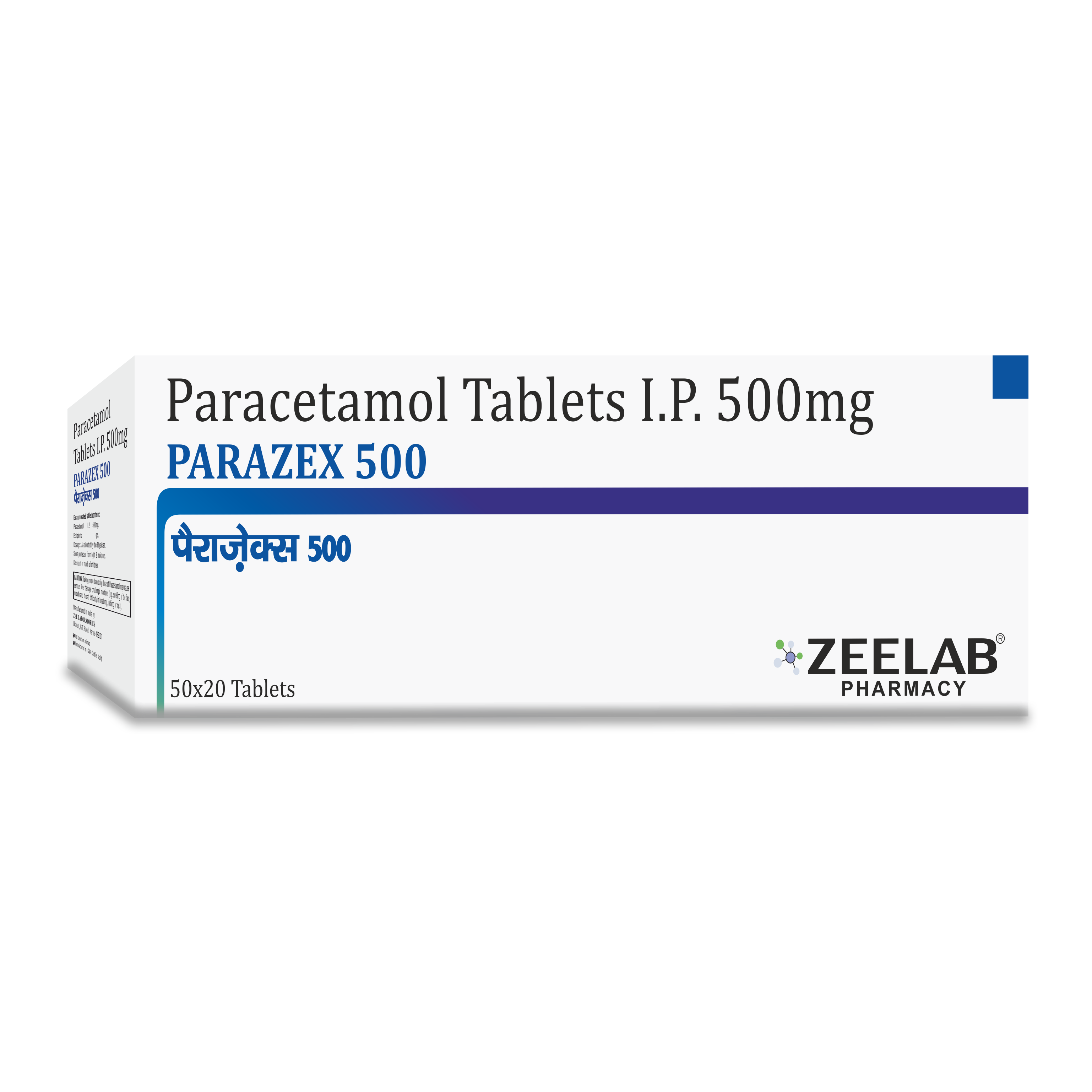
Parazex 500 Tablet is an analgesic and antipyretic medicine containing paracetamol 500mg, available as 20 tablets in one strip.
- Composition: Paracetamol (500mg)
- Benefits: Can support symptomatic relief from body ache, headache, toothache, and fever-related discomfort.
Ibuprol 400 Tablet
Ibuprol 400 Tablet is an NSAID medicine containing ibuprofen 400mg, available as 10 tablets in one strip for pain and inflammation-related conditions.
- Composition: Ibuprofen (400mg)
- Benefits: Helps reduce inflammation, swelling, stiffness, fever, and pain from various conditions.
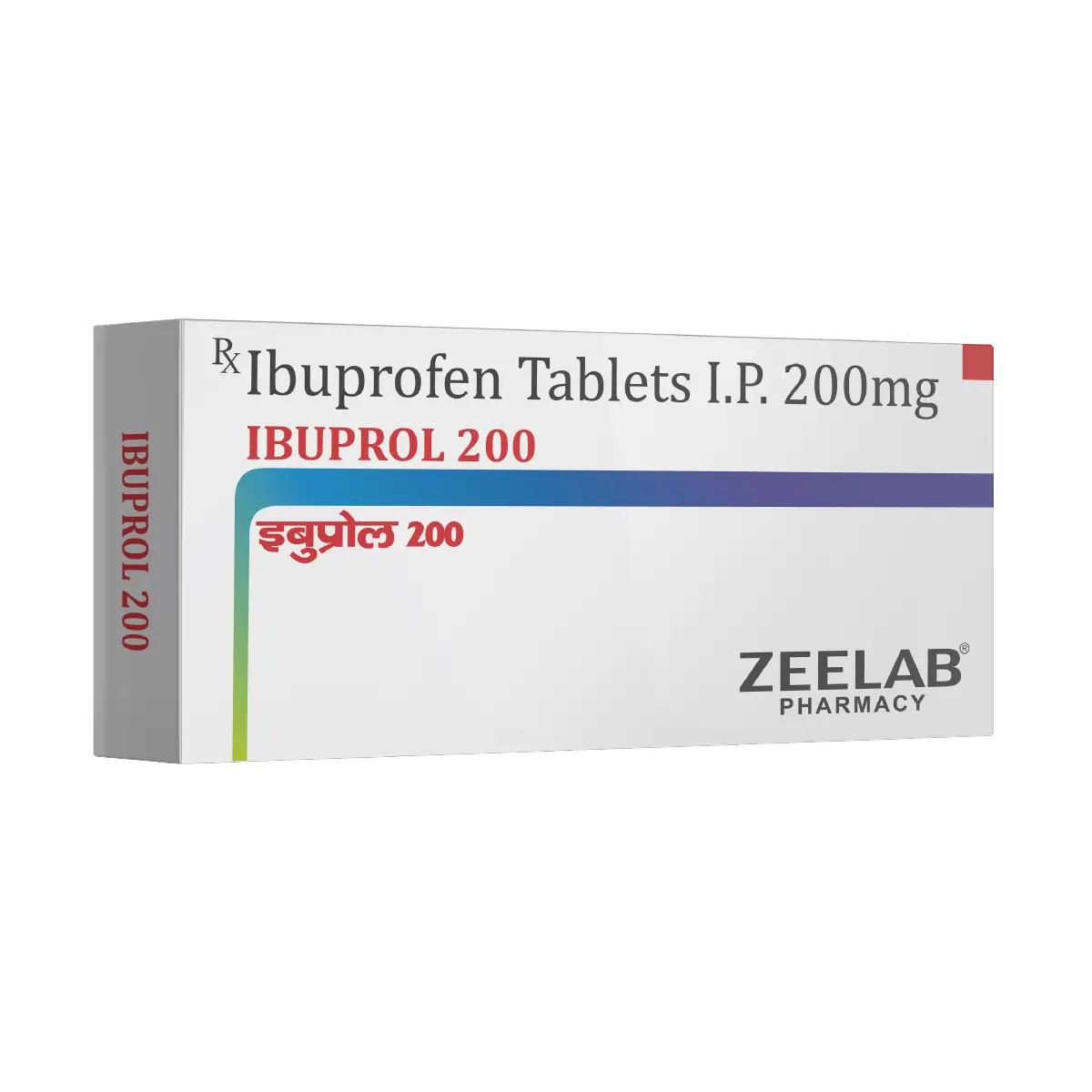
Ibuprol 200 Tablet
Ibuprol 200mg Tablet contains ibuprofen 200mg and belongs to the NSAID category, commonly used as a lower-dose option in pain and fever management.
- Composition: Ibuprofen (200mg)
- Benefits: Supports relief from fever, body aches, headaches, and mild inflammatory discomfort.
Which is Better for Pain Relief?
From the above sections, the common uses of paracetamol and ibuprofen are clear. But pain relief depends on the type and cause of pain.
Let’s see which medicine is a better option for which type of pain.
|
Pain Type |
Better Option Generally |
Why |
|
Headache or body ache |
Paracetamol |
Helps relieve common mild to moderate pain |
|
Muscle pain or sprain |
Ibuprofen |
Aids in relieving pain accompanied by inflammation |
|
Joint pain or swelling |
Ibuprofen |
Suitable where there is stiffness and/or swelling |
|
Either may help |
Choice depends on pain severity and tolerance |
|
|
Period cramps |
Ibuprofen |
Often effective for treating cramps |
|
Stomach-sensitive patients |
Paracetamol |
Usually gentler on the stomach |
Safety Comparison: Paracetamol vs Ibuprofen
If you have ever wondered, "Paracetamol vs Ibuprofen: which is safer?" the answer is that neither medicine is inherently safer than the other. Both are generally safe when taken as directed.
Paracetamol is usually gentler on the stomach; however, taking more than the recommended dose may lead to liver damage.
While ibuprofen is effective for pain associated with inflammation, it may cause stomach irritation in some people.
It is important to seek medical advice before using either medicine in children, older adults, pregnant women, or individuals with long-term health conditions.
Who Should Avoid Each Medicine?
Paracetamol and ibuprofen may not be suitable for certain people, depending on their health conditions and ongoing treatments.
- Avoid paracetamol in liver conditions, consumption of alcohol, or with other paracetamol drugs.
- Avoid ibuprofen in stomach ulcers, kidney disease, cardiovascular diseases, bleeding disorders, or an allergy to NSAIDs.
Side Effects of Paracetamol and Ibuprofen
Paracetamol and ibuprofen are generally considered safe when taken as directed.
Like all medicines, these also have their side effects.
The side effects may not appear the same in everyone.
|
Paracetamol Side Effects |
Ibuprofen Side Effects |
|
Nausea or mild stomach discomfort |
Upset stomach or abdominal discomfort |
|
Skin rash or itching |
Gas, acidity, or indigestion |
|
Allergic reaction in rare cases |
Nausea or vomiting |
|
Liver damage with overdose |
Skin rash or allergic reaction |
|
Increased risk if taken with alcohol or other paracetamol-containing medicines |
Fluid retention or swelling |
|
May worsen liver problems |
Higher risk in people with kidney, stomach, or heart problems |
Paracetamol vs Ibuprofen for Children
Paracetamol and ibuprofen are both used in children for fever and pain relief, but they should be given carefully. The dose depends on the child’s age and weight, not just the symptoms.
- Paracetamol is the first-line medicine for fever, while ibuprofen may be considered when pain, swelling, or persistent fever is present.
- Ibuprofen is generally not prescribed to dehydrated patients, those with vomiting, or those who may have kidney issues.
Note: Parents should always consult a doctor if the fever continues or the child looks unwell.
Can You Take Paracetamol and Ibuprofen Together?
They can sometimes be taken on the same day because they work differently.
- These medicines should not be combined or alternated without proper guidance and monitoring by a doctor. It should be especially avoided in children, older adults, pregnant women, or people with liver, kidney, stomach, or heart problems.
- Always follow the recommended dosage and avoid taking multiple medications that contain the same active ingredient.
Dosage Guidelines and Maximum Limits
Dosage should always follow the label or a doctor’s advice, as limits may vary by age, weight, strength, and health condition.
|
Medicine |
Adult Dosage |
Maximum Limit |
|
Paracetamol |
500–1000 mg every 4–6 hours |
Max 4000 mg/day |
|
Ibuprofen |
200–400 mg up to 3 times daily |
Max 1200 mg/day (OTC); take after food |
Drug Interactions and Precautions
Paracetamol and ibuprofen may interact with certain medicines or health conditions, so it is important to use them carefully and follow medical advice when needed.
- Avoid alcohol with paracetamol.
- Check for medicine interactions before taking ibuprofen.
- Do not combine ibuprofen with other NSAIDs.
- See a doctor if symptoms persist or worsen.
Paracetamol vs Ibuprofen: Which One Should You Choose?
The choice between paracetamol and ibuprofen depends on your symptoms, age, and overall health condition.
This simple flowchart can help you determine which medication may be more suitable for your needs.
Choose Paracetamol if:
- Fever without inflammation.
- Mild to moderate pain.
- Sensitive stomach.
Choose Ibuprofen if:
- Pain with swelling or inflammation.
- Sports injury, sprain, or muscle strain.
- Inflammatory conditions such as arthritis.
Conclusion
Paracetamol and ibuprofen are two of the most commonly used medicines for relieving pain and reducing fever. However, the choice between them depends on the specific condition being treated.
While paracetamol is generally suitable for managing fever and mild to moderate pain, ibuprofen may be a better option when inflammation or swelling is involved.
Taking higher-than-recommended doses or combining medicines without proper guidance can increase health risks.
Medical advice is essential for children, pregnant women, older adults, people with chronic health conditions or ongoing medications, those experiencing severe pain or high fever, or anyone who develops side effects.
Frequently Asked Questions (FAQs)
Ans.Ibuprofen and paracetamol are used to reduce fever and relieve pain, but ibuprofen also helps control inflammation and swelling.
Ans.Yes, paracetamol is commonly used for mild to moderate pain, including headache, body ache, toothache, and fever-related discomfort.
Ans.Paracetamol has very little anti-inflammatory action, so it is mainly used for fever and pain rather than swelling or inflammation.
Ans.Ibuprofen may work better for pain linked with inflammation, while paracetamol is often suitable for general fever and mild pain.
Ans.Paracetamol is usually gentler on the stomach, while ibuprofen may need caution in stomach, kidney, or heart-related conditions.
Ans.Doctors may prefer paracetamol for fever or mild pain because it is generally well-tolerated and has fewer stomach-related concerns.
Ans.Acetaminophen, also called paracetamol, is often used for headaches, while ibuprofen may help if inflammation or migraine-like pain is present.
Ans.Ibuprofen is often preferred for period pain because it helps reduce prostaglandins, which are linked with cramps and inflammation.
Ans.Both usually start working within 30 to 60 minutes, but the effect may vary by dose, formulation, and individual response.
Ans.It is better to take ibuprofen after food or with milk, as it may irritate the stomach when taken on an empty stomach.
Ans.Paracetamol is commonly considered during pregnancy when needed, but pregnant women should use it only after medical advice.
Ans.Paracetamol and ibuprofen can sometimes be used on the same day, but combining or alternating them should follow medical guidance.
Ans.Taking too much paracetamol can seriously damage the liver and may require urgent medical attention, even if symptoms seem mild.
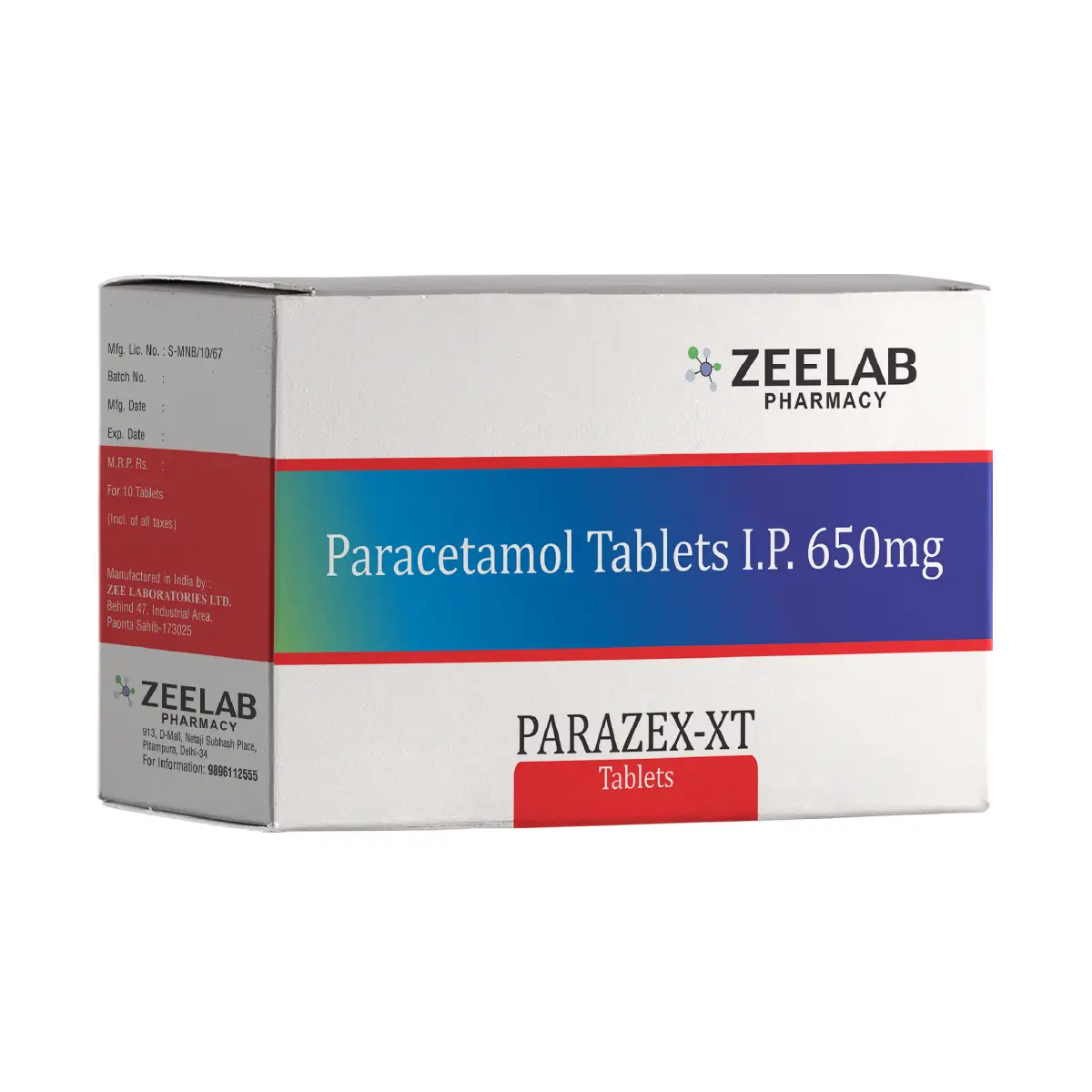
Paracetamol (650mg)
10 Tablets In 1 Strip
Paracetamol (500mg)
20 tablets in 1 strip
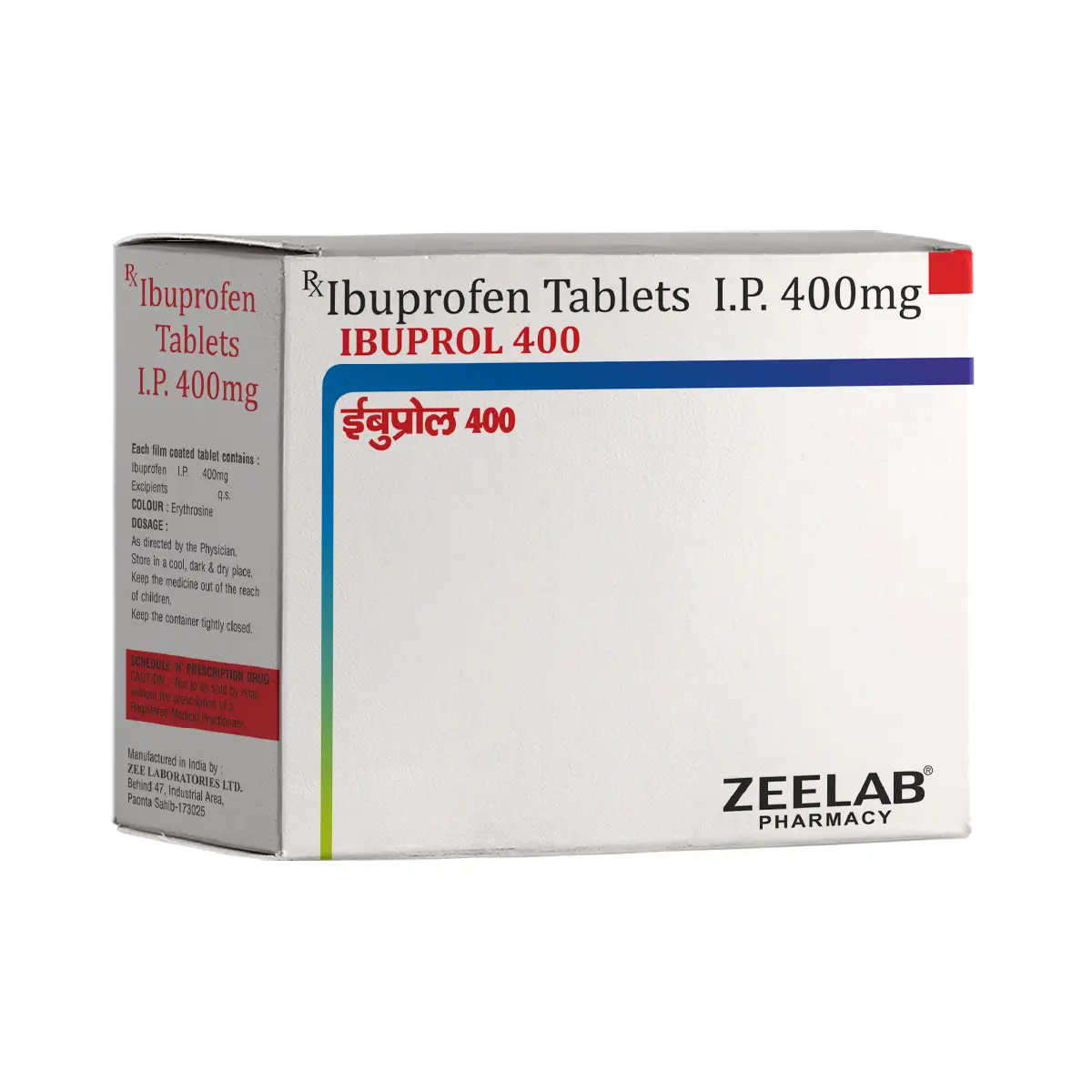
Ibuprofen (400mg)
10 Tablets In 1 Strip
Ibuprofen (200mg)
10 Tablets In 1 Strip
References
Recent Blogs






Disclaimer : Zeelab Pharmacy provides health information for knowledge only. Do not self-medicate. Always consult a qualified doctor before starting, stopping, or changing any medicine or treatment.
Related Products


₹ 0
0
Items added
Quick Links
Categories
Our Policies

Our Socials


Subscribe

2026 Copyright By © Zeelab Pharmacy Private Limited. All Rights Reserved
Our Payment Partners

 Added!