

Best Medicine for Piles in India: Antibiotic Piles Medicine Name List
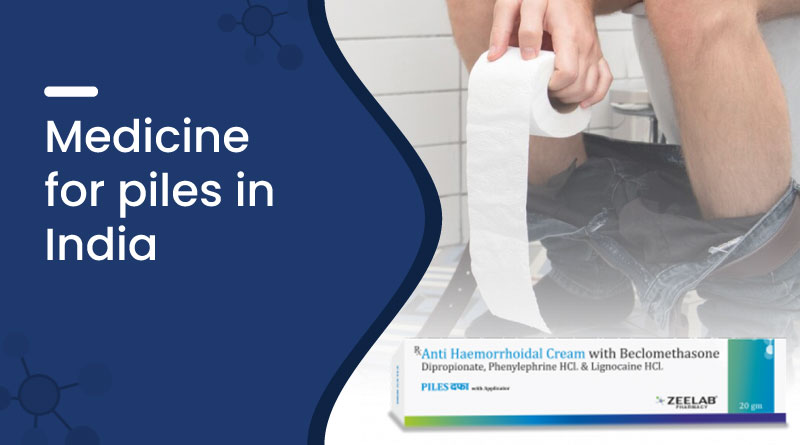
Piles or haemorrhoids often cause several issues like itching, swelling, and bleeding around the lower rectum, which can be very uncomfortable.
According to a study published in the Journal of Contemporary Clinical Practice in 2025, haemorrhoidal disease affects around 40% of people worldwide.
Factors like constipation, a low-fibre diet, ageing, and lifting heavy weights are some common causes of piles.
Piles Dafa Anti Haemorrhoidal Cream, Dobives 500 Capsules, and Sensegood Fiber Granules are the best medicines used for the treatment of piles. These may work as supportive therapy only and are not a complete cure.
Let’s read in detail about which drugs are considered the best medicines for piles, their benefits, and additional tips for relief.
What are Piles (Haemorrhoids)?
Piles, also called haemorrhoids, are swollen and inflamed veins that develop around the anus or inside the lower rectum. They are a common condition and may cause symptoms such as pain, itching, swelling, discomfort, or bleeding.
There are two main types:
- Internal piles: These are found inside the lower part of the rectum/anus and can cause bright red blood in the stool or prolapse.
- External piles: Found under the skin around the anus and can cause itching, swelling, pain and tenderness.
Note: Bleeding from the rectum is not always caused by piles. Thus, chronic or recurrent bleeding should be investigated.
Common Symptoms of Piles
Symptoms can vary depending on whether the piles are internal or external.
Common piles symptoms include:
- Bright red blood in stools (poop)
- Itching around the anus
- Pain or discomfort
- Bulges or growths around the anus
- Irritation around the anal area
- A feeling of incomplete bowel evacuation
- In some cases, internal piles may also prolapse
What are the Causes of Piles?
Piles can happen when the veins under the anus and lower rectum are put under extra pressure.
Common causes of piles include:
- Constipation and hard stools
- Straining during bowel movements
- Sitting on the toilet for a long time
- Low-fibre diet
- Chronic diarrhoea
- Pregnancy
- Age-related weakening of supporting tissues
- Frequent heavy lifting
How Does Piles Medicine Help?
The primary use of piles medicines is to control symptoms and to make passing stool easier.
Depending on the type of medicine for piles, they may help:
- Soothe pain and discomfort in the anal region.
- Prevent piles from being itchy and irritable.
- Control excessive inflammation in the affected area.
- Soften hard stools and make bowel movements easier.
- Reduce straining during bowel movements.
- Provide local relief from symptoms through creams, ointments, or other topical preparations.
List of Best Medicines for Piles Treatment
Zeelab Pharmacy offers several piles treatment tablets, creams, and other medicines for piles in India.
These may help as a supportive treatment for piles by reducing discomfort and managing related symptoms.
|
Product Name |
Composition |
|
Piles Dafa Anti Haemorrhoidal Cream |
Beclomethasone + Phenylephrine + Lignocaine + Chlorocresol |
|
Dobives 500 Capsule |
Calcium Dobesilate (500 mg) |
|
Sensegood Fiber Granules |
Lactulose (10gm) + Isapghula Husk (3.5gm) |
|
Parazex 500 Tablet |
Paracetamol (500 mg) |
|
Ibuprol 400 Tablet |
Ibuprofen (400 mg) |
|
Lactolix Solution |
Lactulose (10 g) |
|
P Dafa Capsule |
Rasont + Fitkari + Reetha + Neem + Guggulu + Lodhra and other Ayurvedic ingredients |
Piles Dafa Anti Haemorrhoidal Cream
Piles Dafa is an anti-haemorrhoidal cream for piles with multiple active ingredients that work locally to manage common piles symptoms.
- Composition: Beclomethasone Dipropionate (0.025% w/w) + Phenylephrine Hydrochloride (0.10% w/w) + Lignocaine Hydrochloride (2.5% w/w) + Chlorocresol (0.1% w/w)
- Benefits: Helps manage pain, itching, swelling, and irritation
Dobives 500 Capsules
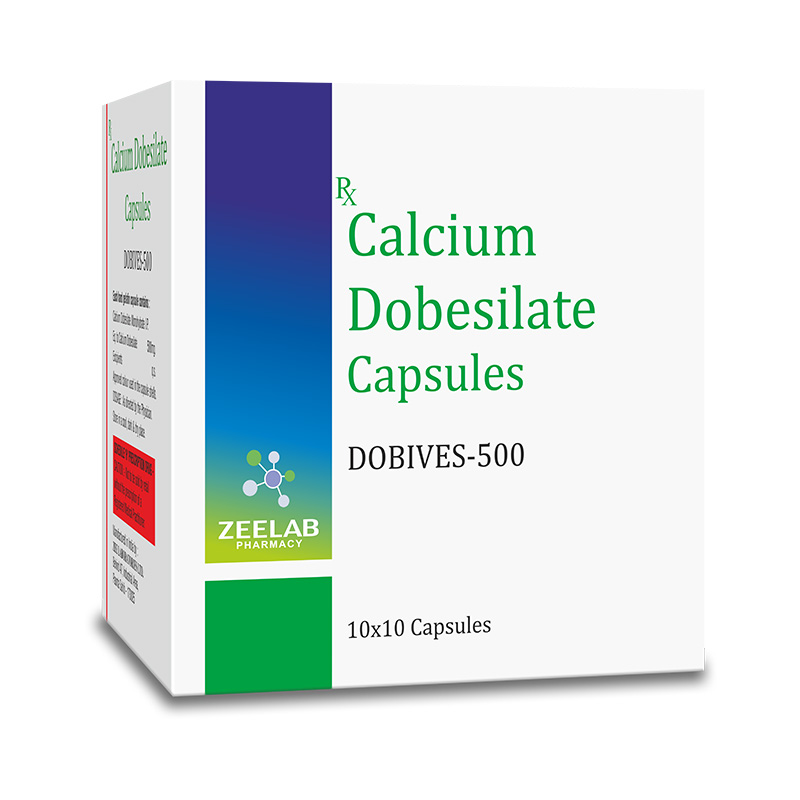
Dobives 500 is a capsule for piles symptom management, containing calcium dobesilate. It acts on small blood vessels by reducing capillary leakage and supporting blood flow in haemorrhoids.
- Composition: Calcium Dobesilate 500 mg
- Benefits: Helps manage symptoms associated with piles and haemorrhoids.
Sensegood Fiber Granules
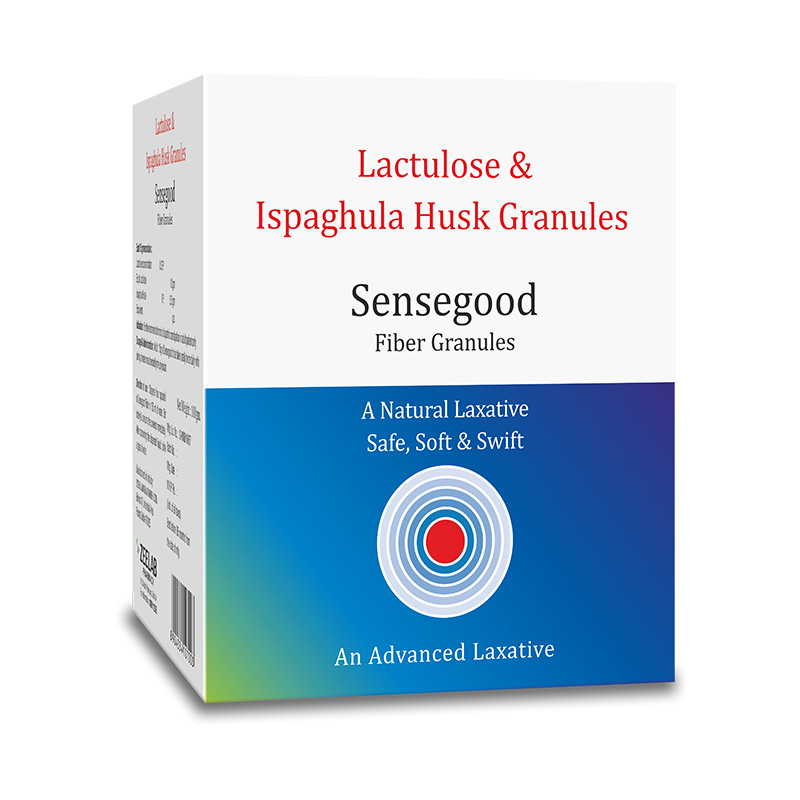
Sensegood Fibre Granules may be used as supportive treatment for bleeding piles. With a combination of lactulose and ispaghula husk, it may soften stools and make bowel movements easier, helping reduce straining associated with piles.
- Composition: Lactulose (10gm) + Isapghula Husk (3.5gm)
- Benefits: Helps manage constipation and supports regular bowel movements
Parazex 500 Tablet
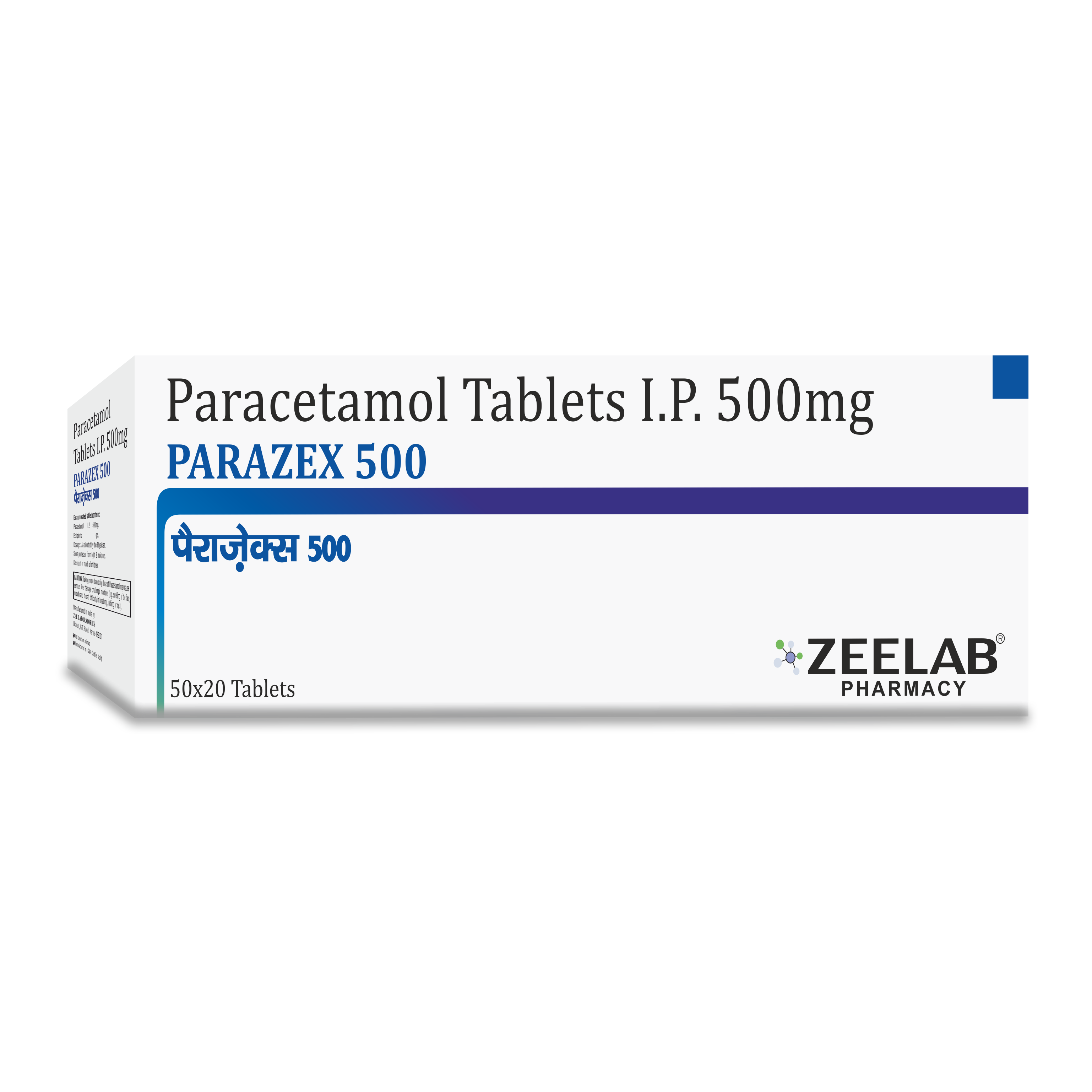
Parazex 500 can help reduce pain due to piles and is included in the piles tablet list for managing pain and discomfort. The tablet contains 500 mg of paracetamol, which works on pain pathways to help manage discomfort.
- Composition: Paracetamol 500 mg
- Benefits: Helps manage pain and discomfort
Ibuprol 400 Tablet
Ibuprofen 400 may work as a piles pain relief tablet because it contains ibuprofen. It can support piles treatment by inhibiting chemicals involved in pain and inflammation.
- Composition: Ibuprofen 400 mg
- Benefits: Helps manage pain and inflammation
Lactolix Solution
Lactolix Solution contains lactulose, a laxative that increases water in the bowel and softens stools, making bowel movements easier when constipation occurs with piles.
- Composition: Lactulose 10 g
- Benefits: Helps soften stools and manage constipation
P Dafa Capsule
P Dafa Capsule is an Ayurvedic formulation containing herbal and mineral ingredients traditionally used for piles and related digestive concerns.
- Composition: Shudh Rasont (180 mg) + Shudh Fitkari (70 mg) + Reetha Churna (60 mg) + Neem Beej Churna (60 mg) + Shuddha Guggulu (50 mg) + Lodhra Chhal (50 mg) + Mochras (20 mg) + Shankh Bhasma (20 mg) + Harad (20 mg) + Baheda (20 mg) + Amla (20 mg) + Carchur Extract (15 mg) + Mooli Extract (15 mg)
- Benefits: Used as an Ayurvedic formulation for piles and digestive concerns
Best Antibiotic Medicine for Piles
There is no such thing as a “best antibiotic medicine for piles” because piles are swollen veins and not a bacterial infection. Piles treatment generally focuses on relieving pain, itching, inflammation, and constipation.
However, if a doctor finds a bacterial infection or an associated anorectal infection, the following antibiotics for piles might be used:
|
Antibiotic Medicine |
Situation |
|
Amoxicillin-clavulanate |
Some bacterial soft-tissue or anorectal infections |
|
Metronidazole |
Certain anaerobic bacterial infections |
|
Ciprofloxacin |
Selected bacterial infections when appropriate |
|
Cefixime/Cephalosporins |
Certain bacterial infections based on the suspected organism |
Home Remedies and Lifestyle Changes for Piles
Medicines can only help in reducing the already-existing discomfort caused by piles, but for piles treatment and faster relief and to avoid further complications, you should follow a few habits like:
- Include sufficient fibre in the diet through vegetables, fruits, pulses, etc.
- Drink more fluids to keep stools softer.
- Do not force bowel movements.
- Avoid spending too much time sitting on the toilet; this puts extra pressure on the rectal veins.
- Try a warm sitz bath to ease piles pain and discomfort.
- Stay physically active to support healthy bowel movements.
When Should You See a Doctor for Piles?
See a doctor if your piles symptoms don't go away, get worse, or keep coming back. Be aware of the following signs to get timely treatment for piles:
- Heavy or continuous rectal bleeding
- Severe anal pain
- High temperature or feeling very unwell
- Any swelling or pain that creates a lump
- If symptoms don’t settle down after about a week of home care
- Bleeding or piles that keep recurring, even after treatment
Conclusion
The best medicine for piles pain relief depends on the symptoms, type and severity of the condition. Certain symptoms may be treated with pain relievers, topical preparations, fibre supplements, stool softeners and laxatives.
Drinking sufficient fluids, eating a high-fibre diet, avoiding straining and keeping your bowel movements regular, in addition to taking piles medicines and using appropriate creams for piles, can help aid recovery.
If the bleeding continues, or if symptoms return or are severe, it is important to seek medical attention instead of trying self-medication.
Frequently Asked Questions (FAQs)
Ans.Piles Dafa Anti Haemorrhoidal Cream, Dobives 500 Capsules, and Sensegood Fiber Granules are commonly used medicines for the management and treatment of piles. The best option for you depends on your symptoms and other complications and should be decided by a doctor.
Ans.Piles Dafa Cream from Zeelab Pharmacy is a topical cream for piles containing lignocaine, beclomethasone, and phenylephrine. It may help manage common piles-related symptoms such as pain, itching, swelling, and discomfort.
Ans.Common causes include constipation, straining during bowel movements, prolonged toilet sitting, low-fibre diets, pregnancy, ageing, and frequent heavy lifting.
Ans.Medicines can relieve mild piles symptoms, while persistent, severe, or prolapsed piles may require medical procedures or other treatments.
Ans.Yes, mild piles often improve within a few days with fibre, adequate fluids, healthy bowel habits, and avoiding straining.
Ans.Mild piles symptoms may improve within several days, while treatment response varies depending on severity, symptoms, and the medicine being used.
Ans.Some piles treatments, including certain creams, fibre supplements, laxatives, and pain relievers, may be available without a prescription, depending on the medicine.
Ans.Some pain medicines are suitable for short-term use, but daily or prolonged use should follow medical advice, especially with bleeding or other conditions.
Ans.Antibiotics do not routinely treat piles; doctors may prescribe them when an associated bacterial infection is diagnosed.
Ans.See a doctor for rectal bleeding, severe pain, worsening symptoms, recurrent piles, or symptoms that do not improve after home treatment.
Ans.Antibiotics such as metronidazole, ciprofloxacin, amoxicillin-clavulanate and cefixime/cephalosporins are considered antibiotic medicines for piles and should be prescribed by a doctor when a bacterial infection is diagnosed alongside piles.
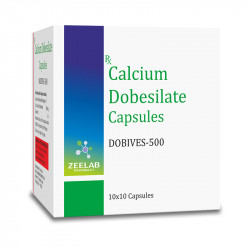
Calcium Dobesilate (500mg)
10 Capsules In 1 Strip
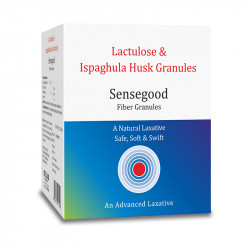
Lactulose (10gm) + Isapghula Husk (3.5gm)
100gm In 1 Box
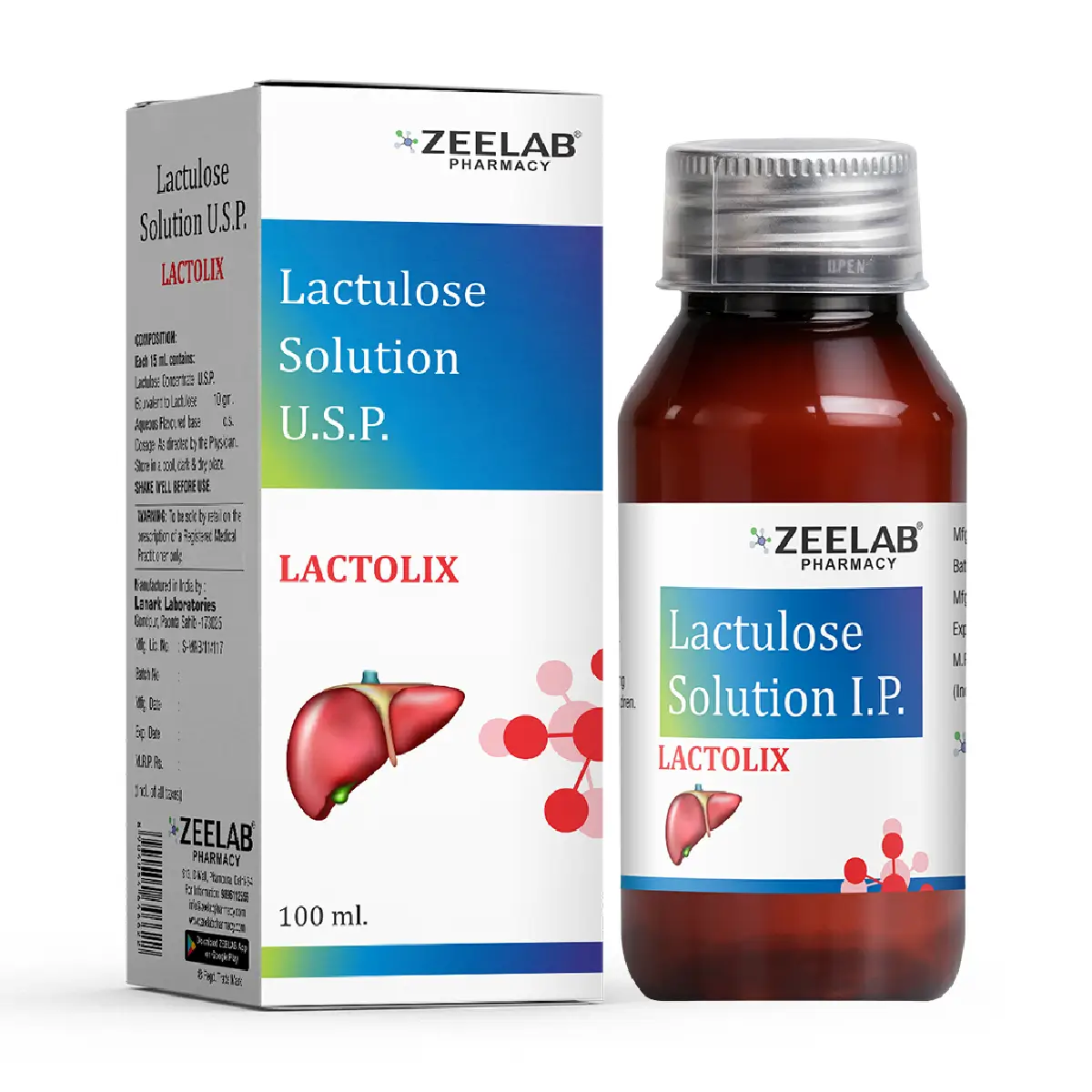
Lactulose (10gm)
100ml In 1 Bottle
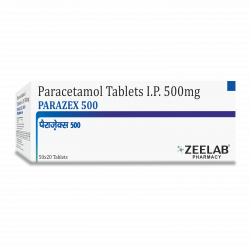
Paracetamol (500mg)
20 tablets in 1 strip
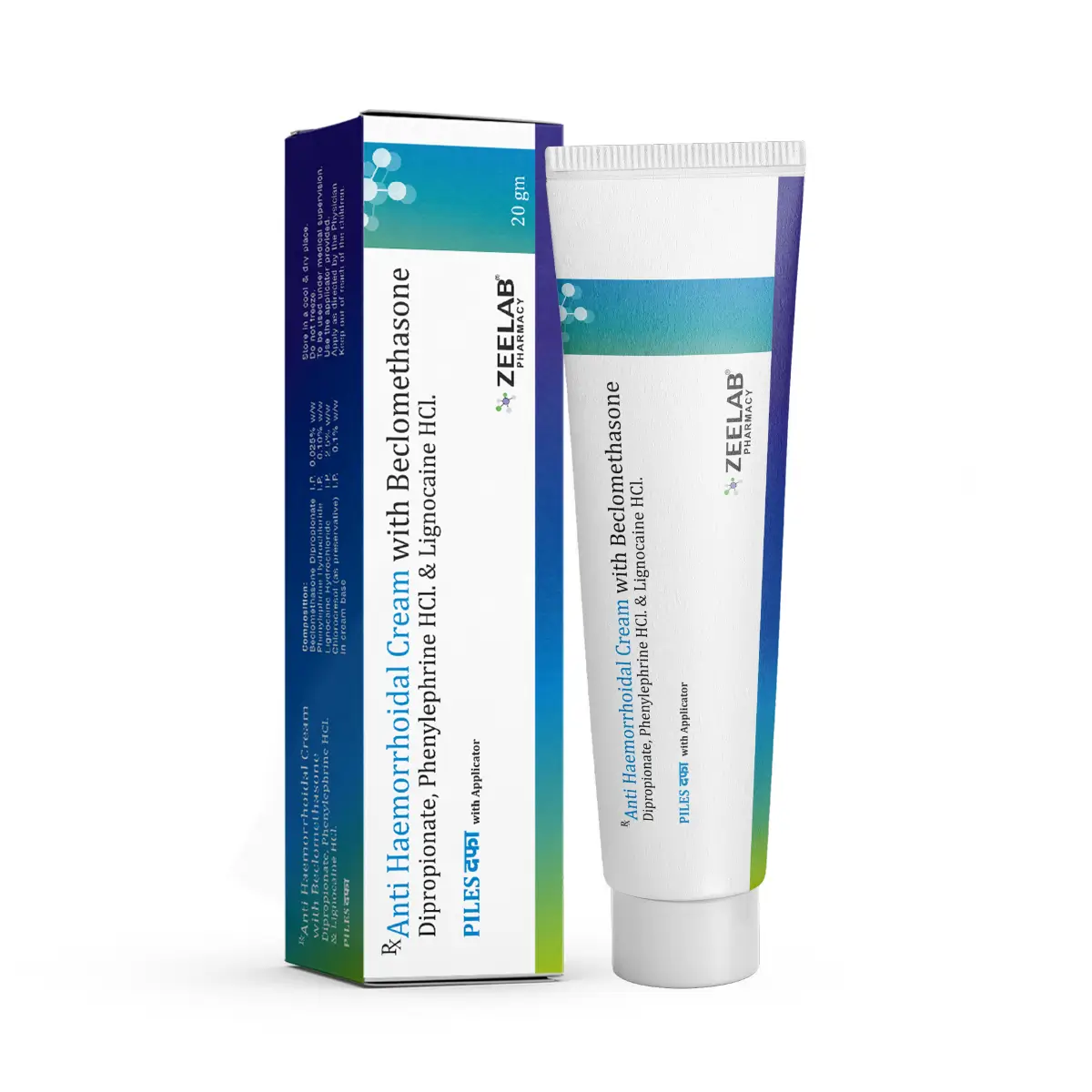
Beclomethasone Dipropionate (0.025% w/w) + Phenylephrine Hydrochloride (0.10% w/w) + Lignocaine Hydrochloride (2.5% w/w) + Chlorocresol (0.1% w/w)
20gm in 1 tube
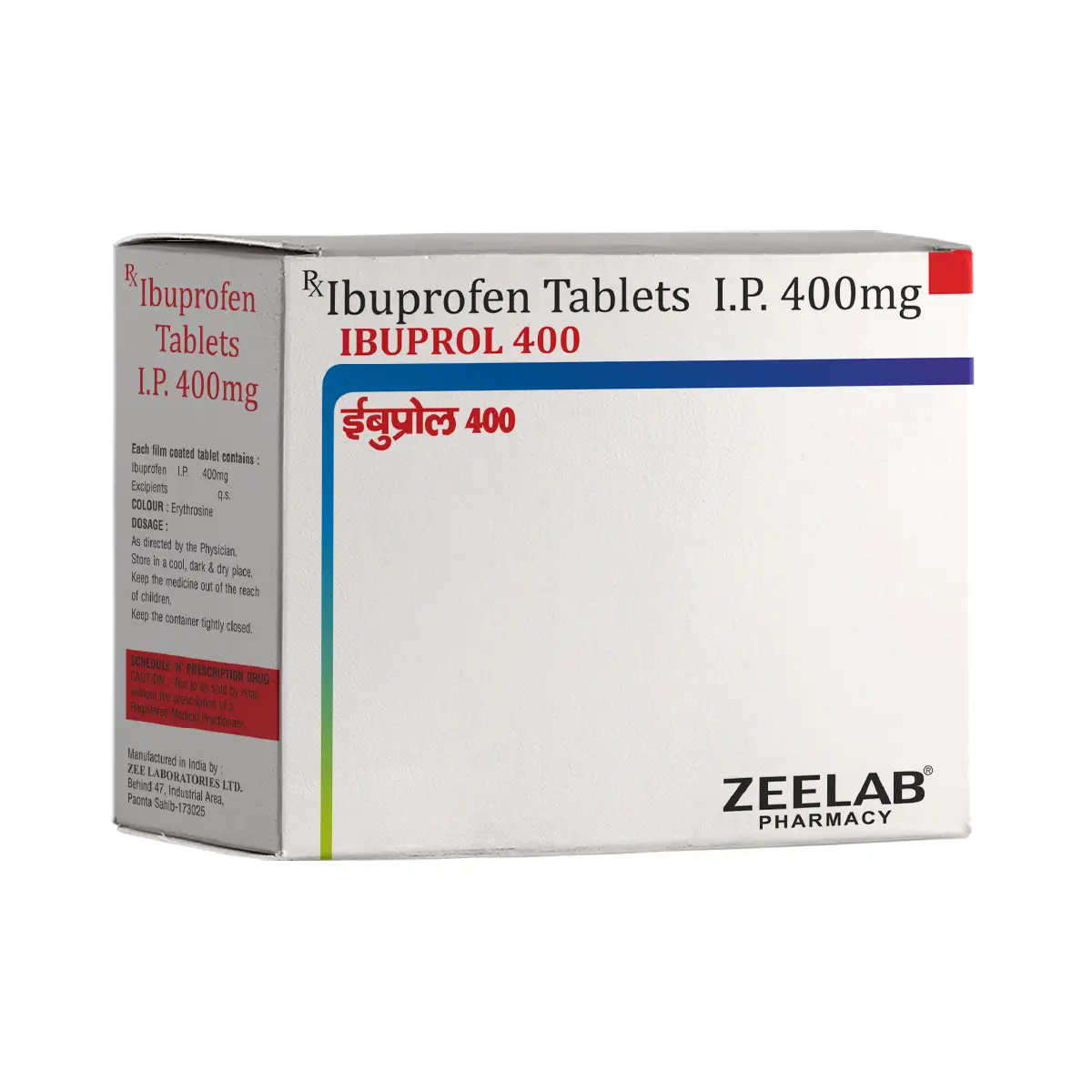
Ibuprofen (400mg)
10 Tablets In 1 Strip
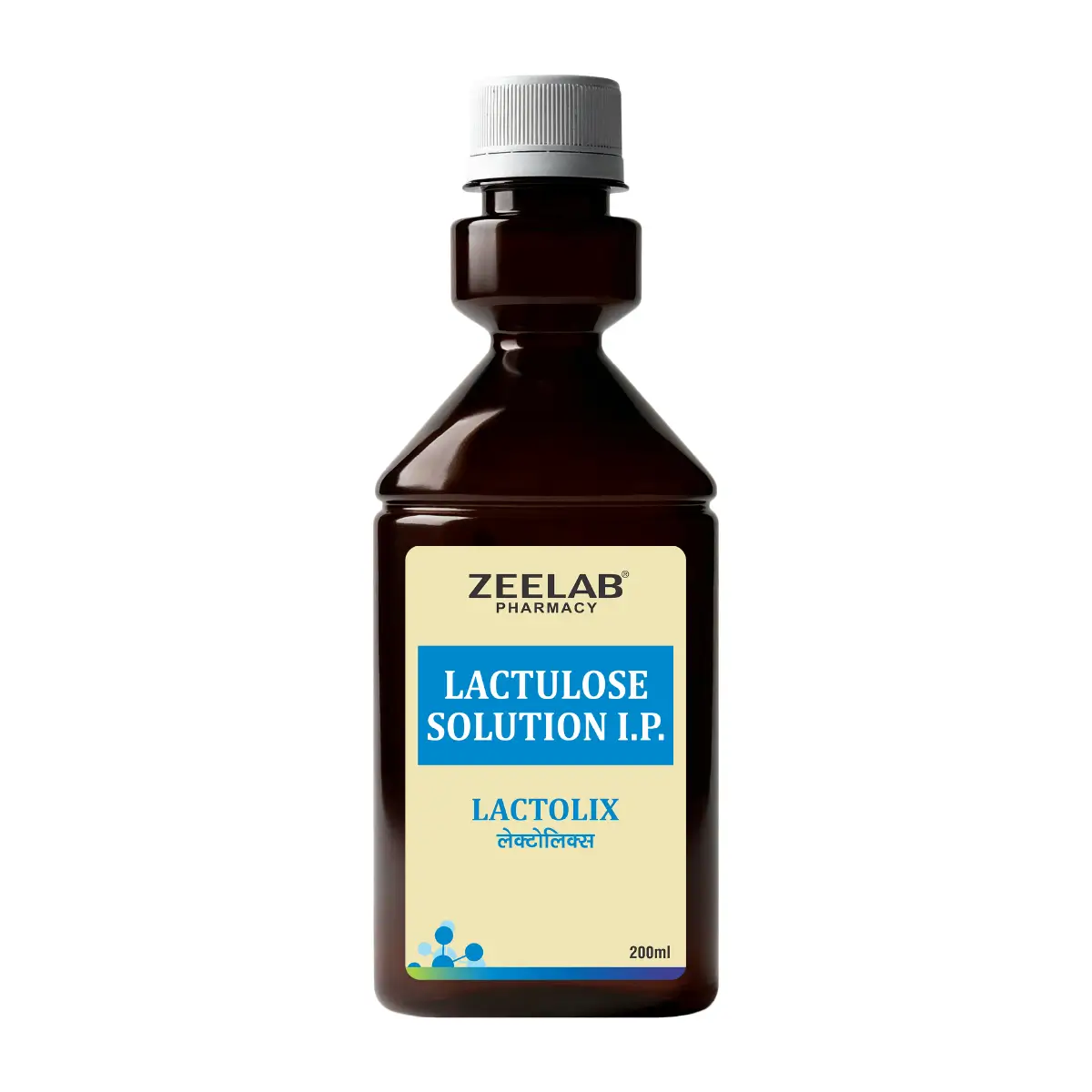
Lactulose (10gm)
200ml In 1 Bottle
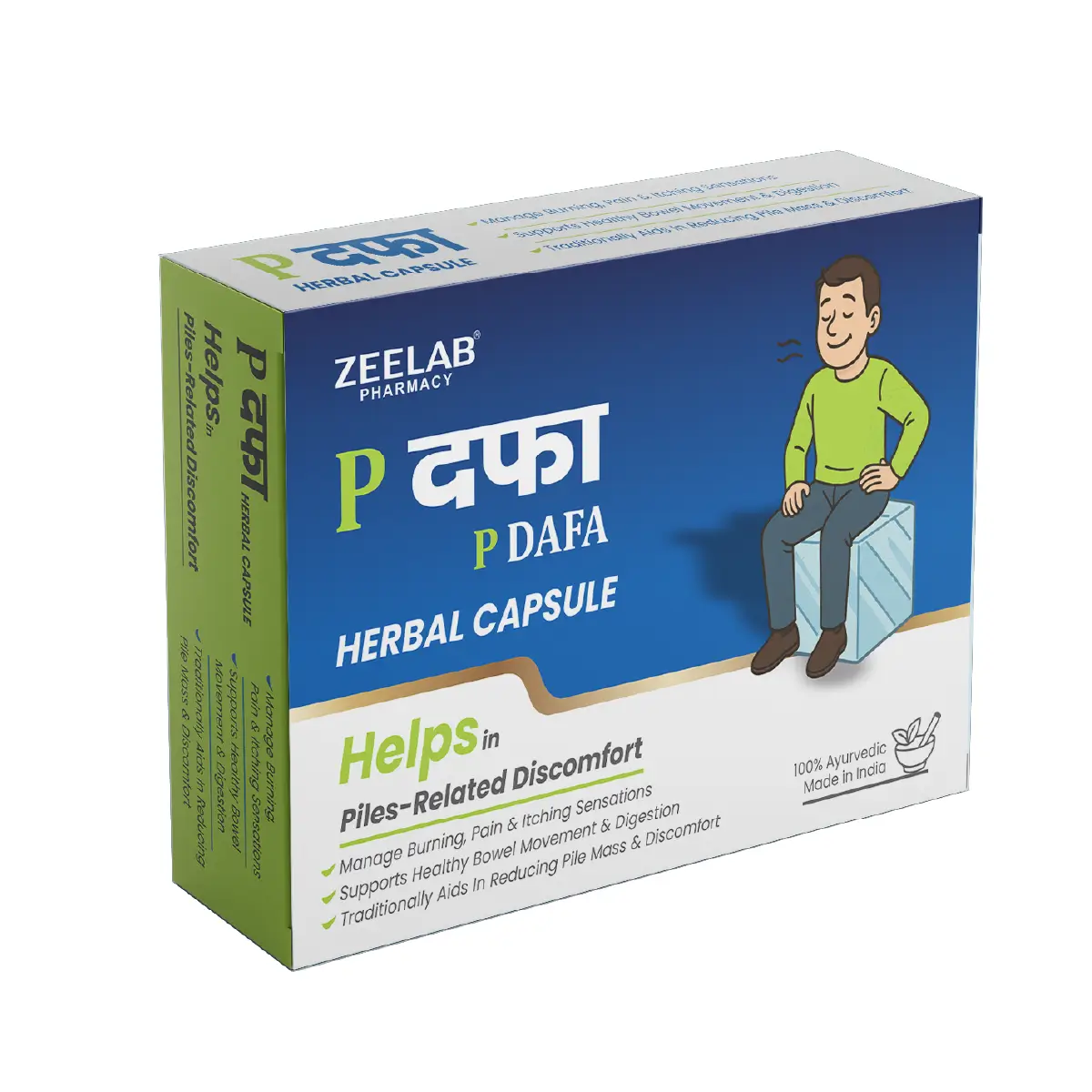
Shudh Rasont (180 mg) + Shudh Fitkari (70 mg) + Reetha Churna (60 mg) + Neem Beej Churna (60 mg) + Shuddha Guggulu (50 mg) + Lodhra Chhal (50 mg) + Mochras (20 mg) + Shankh Bhasma (20 mg) + Harad (20 mg) + Baheda (20 mg) + Amla (20 mg) + Carchur Extract (15 mg) + Mooli Extract (15 mg)
15 Capsules in 1 strip
References
- https://www.nhs.uk/conditions/piles-haemorrhoids/
- https://www.nhsinform.scot/illnesses-and-conditions/stomach-liver-and-gastrointestinal-tract/haemorrhoids-piles/
- https://www.ncbi.nlm.nih.gov/books/NBK537182/
- https://pmc.ncbi.nlm.nih.gov/articles/PMC3342598/
- https://jccpractice.com/article/prevalence-and-determinants-of-haemorrhoids-among-patients-attending-general-surgery-department-of-a-tertiary-care-hospital-1012/
Recent Blogs






Disclaimer : Zeelab Pharmacy provides health information for knowledge only. Do not self-medicate. Always consult a qualified doctor before starting, stopping, or changing any medicine or treatment.
Related Products


₹ 0
0
Items added
Quick Links
Categories
Our Policies

Our Socials


Subscribe

2026 Copyright By © Zeelab Pharmacy Private Limited. All Rights Reserved
Our Payment Partners

 Added!