

Medicine for Ringworm Infection: Best Antifungal Creams, Tablets & Treatment Guide
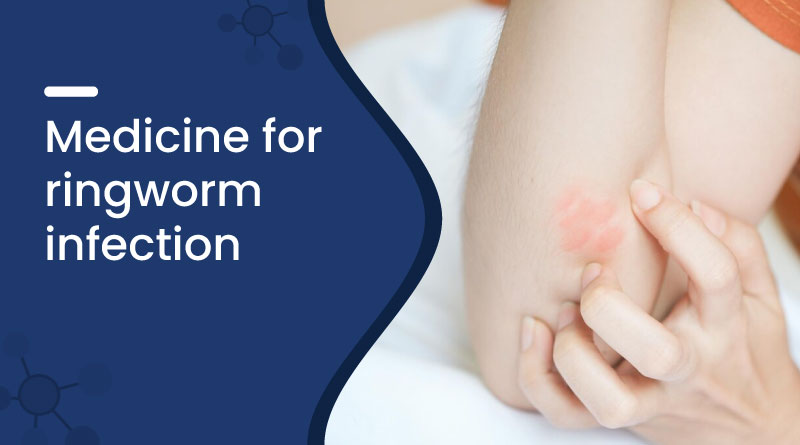
One of the most common fungal infections that people often suffer from is Ringworm, medically known as tinea or dermatophytosis. Regardless of its name, this condition is not related to worms at all.
It can be recognised by round, itchy lesions on the surface of the skin that can also appear on the scalp, nails, and even feet.
Ringworm is caused by the fungi dermatophytes, which live in humid conditions and are transmitted through contact with infected skin, objects, or clothes.
In this blog, we will cover the treatment of dermatophyte infections with common antifungal drugs, such as clotrimazole, ketoconazole, and terbinafine, available in forms like creams and tablets.
What is Ringworm Infection (Tinea)?
Ringworm infection, medically known as tinea corporis, is a common fungal skin infection caused by dermatophytes. Despite its name, it is not caused by worms.
It typically appears as a red, circular rash with a clear centre, often accompanied by itching and irritation. Ringworm can affect different areas such as the skin, scalp, feet (athlete’s foot), and groin (jock itch).
Symptoms of Ringworm Infection:
- Red, ring-shaped rash with raised edges
- Itching, irritation, or a burning sensation
- Dry, scaly, or cracked skin
- Clear or normal-looking skin in the centre
- Small blisters or fluid-filled bumps (in some cases)
Causes of Ringworm Infection:
Ringworm is caused by fungi called dermatophytes that thrive in warm and humid environments. Common causes include:
- Excess sweating and moisture buildup
- Poor personal hygiene habits
- Wearing tight or non-breathable clothing
- Staying in warm, damp conditions for long periods
How Does Ringworm Spread?
Ringworm is an infectious disease that can be transferred through touch from a ringworm-infected person or by contact with a surface contaminated with ringworm fungus.
- Skin-to-skin contact with an infected person
- Sharing towels, clothes, or personal items
- Contact with infected animals (pets)
- Touching contaminated surfaces (floors, gym equipment)
- Exposure to warm, moist environments that support fungal growth
Types of Ringworm Infection
Ringworm can affect different parts of the body and is classified based on the area involved, with each type showing slightly different symptoms.
|
Type |
Area Affected |
Common Symptoms |
|
Tinea corporis |
Body (arms, legs, trunk) |
Ring-shaped rash, redness, itching |
|
Tinea cruris (jock itch) |
Groin, inner thighs |
Itching, redness, irritation |
|
Tinea pedis (athlete’s foot) |
Feet, between toes |
Cracked skin, itching, burning |
|
Tinea capitis (scalp) |
Scalp |
Scaling, itching, hair loss |
Ringworm vs Other Fungal Infections
Ringworm (tinea) is a specific type of fungal skin infection caused by dermatophytes, while other fungal infections may be caused by different fungi, like yeast (Candida).
Understanding the difference helps in choosing the right antifungal treatment.
|
Feature |
Ringworm (Tinea) |
Other Fungal Infections |
|
Cause |
Dermatophytes |
Yeast (Candida) or other fungi |
|
Appearance |
Ring-shaped, red rash with a clear centre |
Irregular rash, often without a ring shape |
|
Common Areas |
Body, scalp, feet, groin |
Skin folds, mouth, nails, and private areas |
|
Itching |
Common and intense |
May vary (mild to severe) |
|
Spread |
Highly contagious |
Less contagious (depends on type) |
Why is Early Treatment of Ringworm Important?
Timely treatment of ringworm is essential to prevent the infection from spreading and worsening. Since it is a contagious fungal infection, delaying treatment can lead to increased itching, irritation, and involvement of larger areas of skin, making it harder to manage.
Early use of appropriate antifungal medicines helps in faster relief, reduced transmission, and lower chances of recurrence.
Important: Avoid using steroid-based creams without medical advice, as they can worsen fungal infections, mask symptoms, and delay proper healing.
Types of Antifungal Medicine for Ringworm Infection
Choosing the right medicine for ringworm infection is essential for effective treatment. The type of treatment depends on the severity, location, and spread of the infection.
In most cases, treatment includes topical creams, oral tablets, and supportive care to ensure faster healing and prevent recurrence.
Top Antifungal Creams for Ringworm
Topical antifungal medications are the first-line treatment prescribed for Tinea corporis and Cream for Tinea cruris infections that are not severe or moderately severe.
These drugs can be topically applied to the skin to inhibit fungus growth, stop the itchiness, and speed up healing.
|
Ingredient |
How It Works |
When to Use & Duration |
|
Damages the fungal cell membrane |
Mild–moderate infections; 2–4 weeks |
|
|
Terbinafine |
Blocks fungal enzyme activity |
Mild–moderate cases; 1–2 weeks |
|
Inhibits cell membrane formation |
Mild infections; 2–4 weeks |
|
|
Disrupts fungal cell structure |
Broad infections; 2–4 weeks |
|
|
Stops fungal growth |
Mild–moderate; 1–2 weeks |
|
|
Damages fungal cells |
With irritation, 2–3 weeks |
|
|
Inhibits fungal growth |
Mild cases: 2–4 weeks |
Oral Antifungal Tablets for Ringworm
For cases of Ringworm that are more serious or widespread, oral antifungals are usually prescribed.
Specifically, if there is an infection on the scalp or nails that doesn’t go away with topical treatments, oral medicine is given.
Some common drugs used in these oral medicines for ringworm are:
Note: Dosage and duration depend on person to person, so it is recommended that you always consult with a physician before taking oral antifungal medication.
Other Forms of Ringworm Treatment Options
Along with creams and oral medications, there are various other methods that can be used to improve hygiene, target affected regions, and aid in the effective treatment of tinea corporis.
- Antifungal Powder for Ringworm: Ideal for use on moist areas; prevents moisture retention and stops fungal infections.
- Antifungal Spray for Ringworm: Easy and quick to apply to difficult spots.
- Shampoo for Scalp Ringworm: Applied when there is an infection in the scalp.
- Antifungal Soap: Ensures daily cleanliness and maintains healthy, infection-free skin.
Best Antifungal Creams and Powders for Ringworm by Zeelab Pharmacy
Choosing the right product for ringworm treatment doesn’t have to be confusing. Zeelab Pharmacy offers a range of effective and affordable antifungal creams and antifungal powders designed to relieve symptoms and support faster recovery.
These products help by:
- Controlling fungal growth at the source
- Reducing itching, redness, and irritation
- Keeping affected areas dry and infection-free
- Promoting quicker skin healing and preventing recurrence
With regular use as directed, these antifungal formulations can help manage ringworm effectively and restore healthy skin.
|
Medicine Name |
Composition |
| Clozex Clotrimazole Antifungal Cream |
Clotrimazole 1% Cream |
| Fungizee T Cream |
Itraconazole 1% & Terbinafine 1% Cream |
| Terbifex Cream |
Terbinafine Hydrochloride 1% |
| Dermzex-BG Skin Infections Cream |
Clotrimazole + Beclomethasone + Neomicin Cream |
| Lulibol Cream |
Luliconazole 1% CREAM |
| Sertazee Sertaconazole Nitrate Cream |
Sertaconazole Nitrate 2% w/w |
| Zelocip-CF Skin Infections Cream |
Ciprofloxacin 0.5%, Fluocinolone Acetonide 0.025%, Clotrimazole 1.0% |
| Clozex 1% Dusting Powder |
Clotrimazole 1% Dusting Powder |
| Terbifex Dusting Powder |
Terbinafine 1% Dusting Powder |
Clozex Antifungal Cream
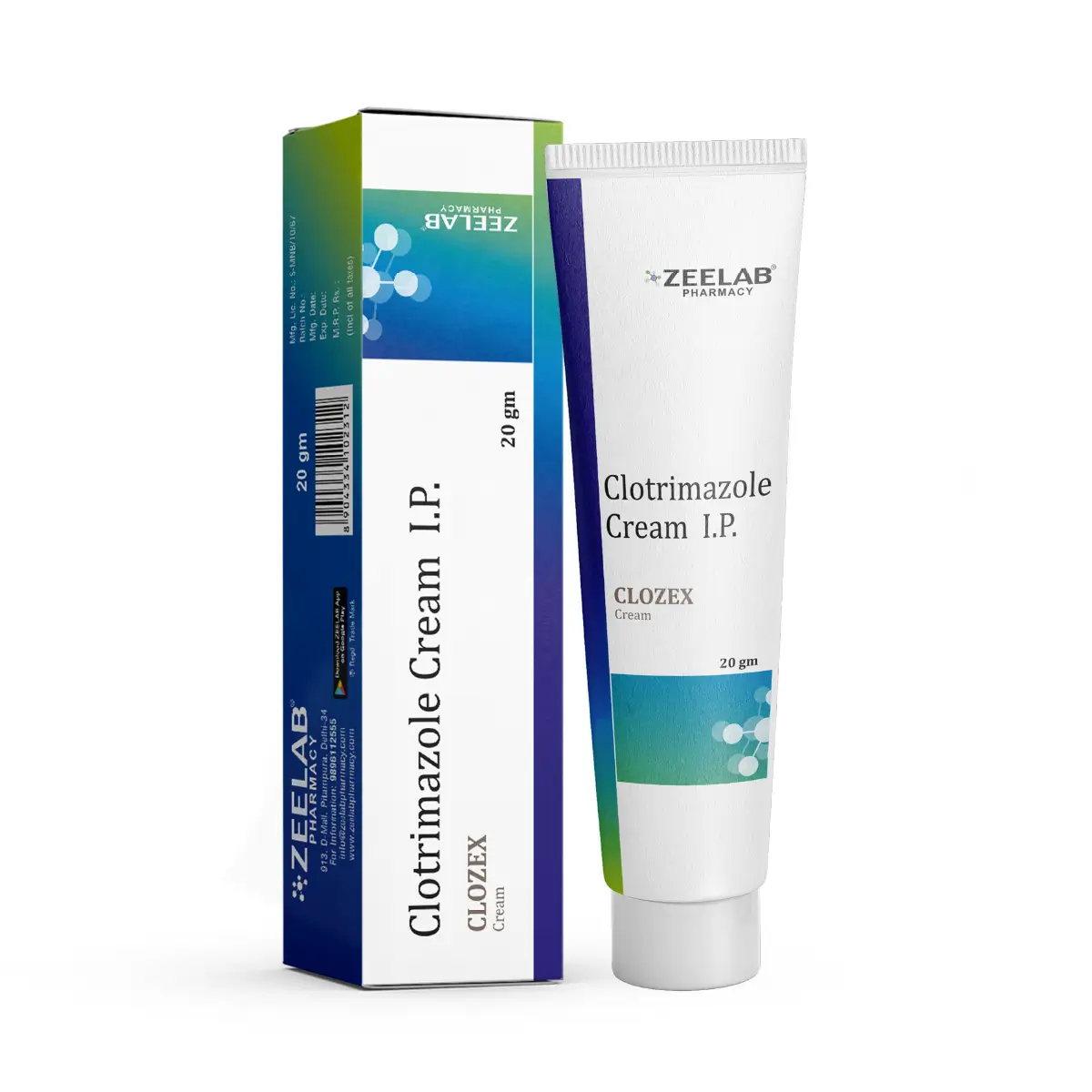
Clozex Cream contains clotrimazole for ringworm and other fungal infections, formulated to act on affected skin areas and help manage common symptoms with regular application.
- Composition: Clotrimazole (1% w/w)
- Benefits: Relieves itching, reduces redness, limits fungal growth, and supports faster skin recovery.
Fungizee-T Antifungal Cream
Fungizee T Cream is a fungal infection cream for skin containing itraconazole and terbinafine, formulated to manage common fungal conditions with regular topical application.
- Composition: Itraconazole (1% w/w) + Terbinafine (1% w/w)
- Benefits: Manages itching, controls fungal growth, prevents spread, and supports effective skin recovery.
Lulibol Cream
Lulibol Cream is an antifungal therapy for skin infection containing luliconazole, formulated for topical use to manage common fungal conditions with consistent application.
- Composition: Luliconazole (1% w/w)
- Benefits: Restricts fungal growth, reduces itching, redness, and helps restore a healthy skin condition.
Terbifex Cream
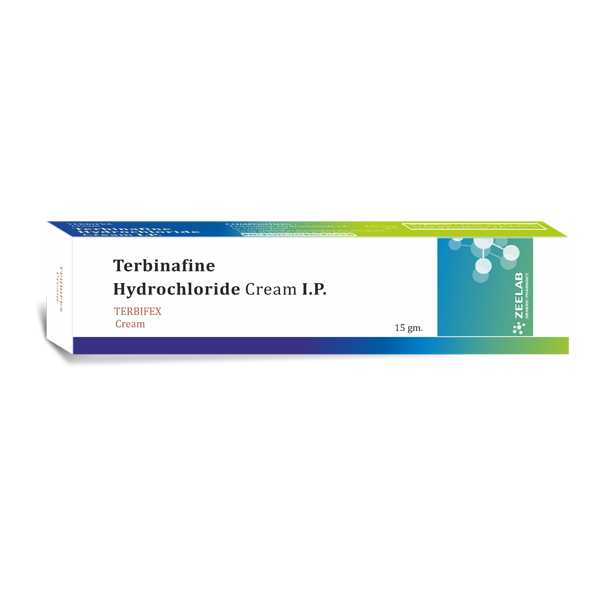
Terbifex Cream contains terbinafine, a topical antifungal formulation designed for managing different fungal skin conditions, applied directly to affected areas for consistent management of infection.
- Composition: Terbinafine (1% w/w)
- Benefits: Reduces fungal growth, relieves itching, clears infection, and supports healthy skin recovery.
Dermzex BG Skin Infections Cream
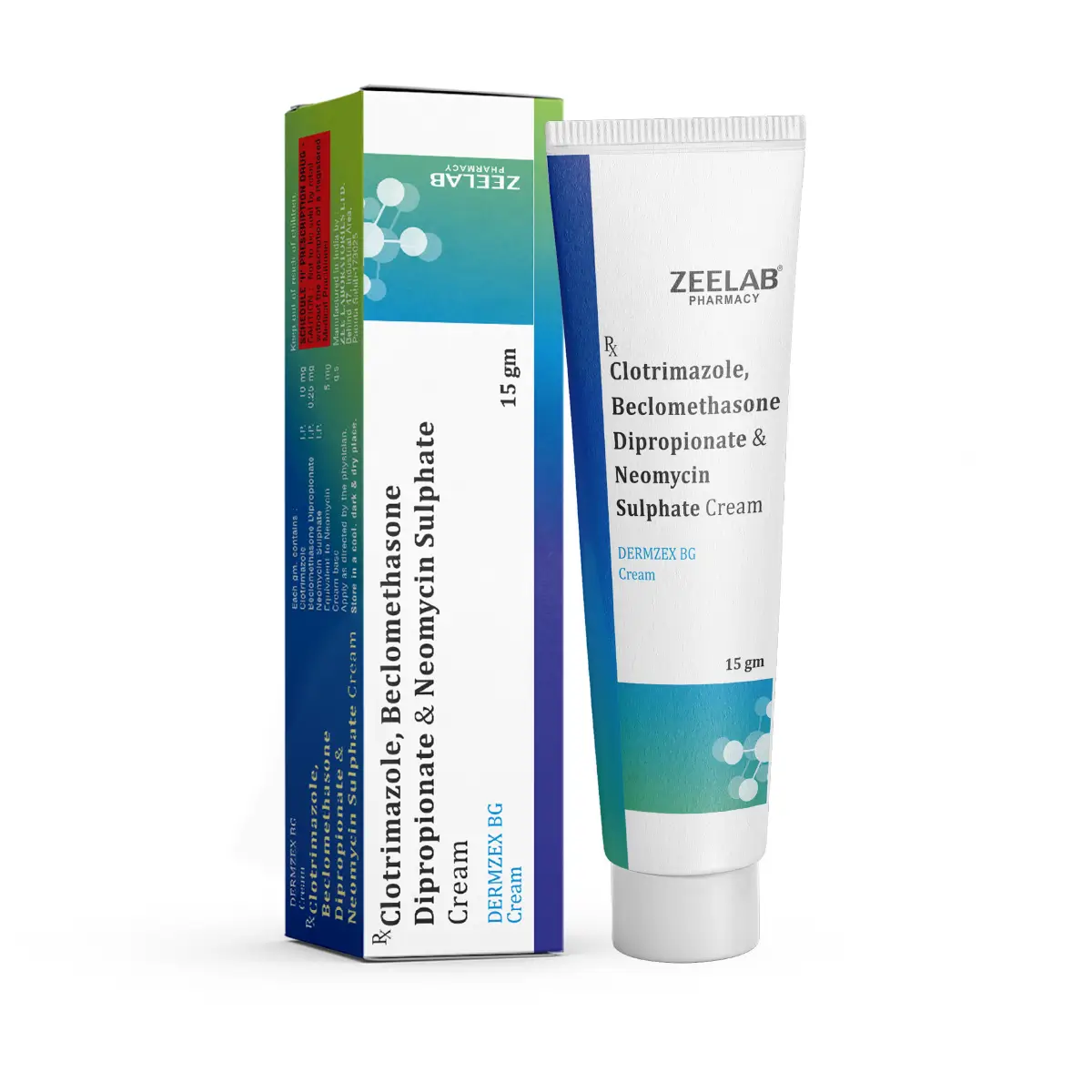
Dermzex-BG Cream is a prescription antifungal for ringworm containing clotrimazole with antibacterial and anti-inflammatory agents, formulated for managing mixed skin infections under medical guidance.
- Composition: Beclometasone (0.025% w/w) + Neomycin (0.5% w/w) + Clotrimazole (1% w/w)
- Benefits: Blocks the growth of fungi, reduces inflammation, manages infection, and supports faster skin recovery.
Best Antifungal Tablets for Ringworm
For persistent, severe, or widespread infections, doctors may recommend oral antifungal tablets. These medicines work from within the body to eliminate the fungus at its source, making them effective for deeper or recurring infections.
Flucozee 400 Antifungal Tablet

Flucozee 400 Tablet contains fluconazole, used as a medicine for ringworm and as a medicine for fungal infection in the male private parts, as well as in sensitive areas like the face and other body regions under medical supervision.
- Composition: Fluconazole (400mg)
- Benefits: Suppresses fungal growth, treats multiple infection sites, and supports effective internal antifungal action.
Terbifex 250 Tablet
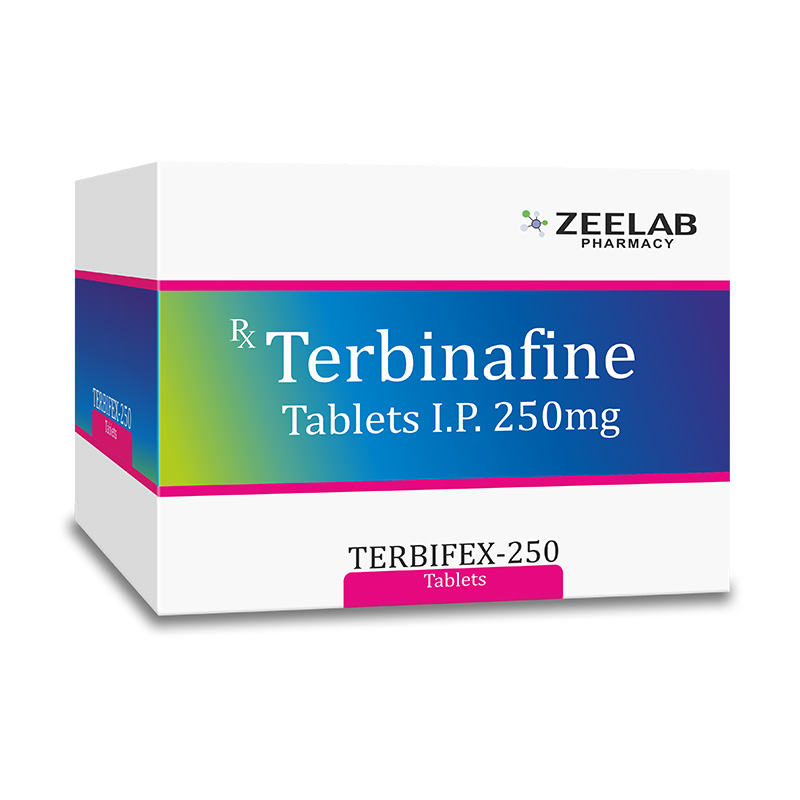
Terbifex 250 Tablet contains terbinafine, a fungal skin infection medicine used for treating persistent infections of skin, hair, and nails under proper medical supervision.
- Composition: Terbinafine (250mg)
- Benefits: Eliminates fungal infection, prevents spread, treats deeper infections, and supports long-term recovery.
Fungizee T Tablet
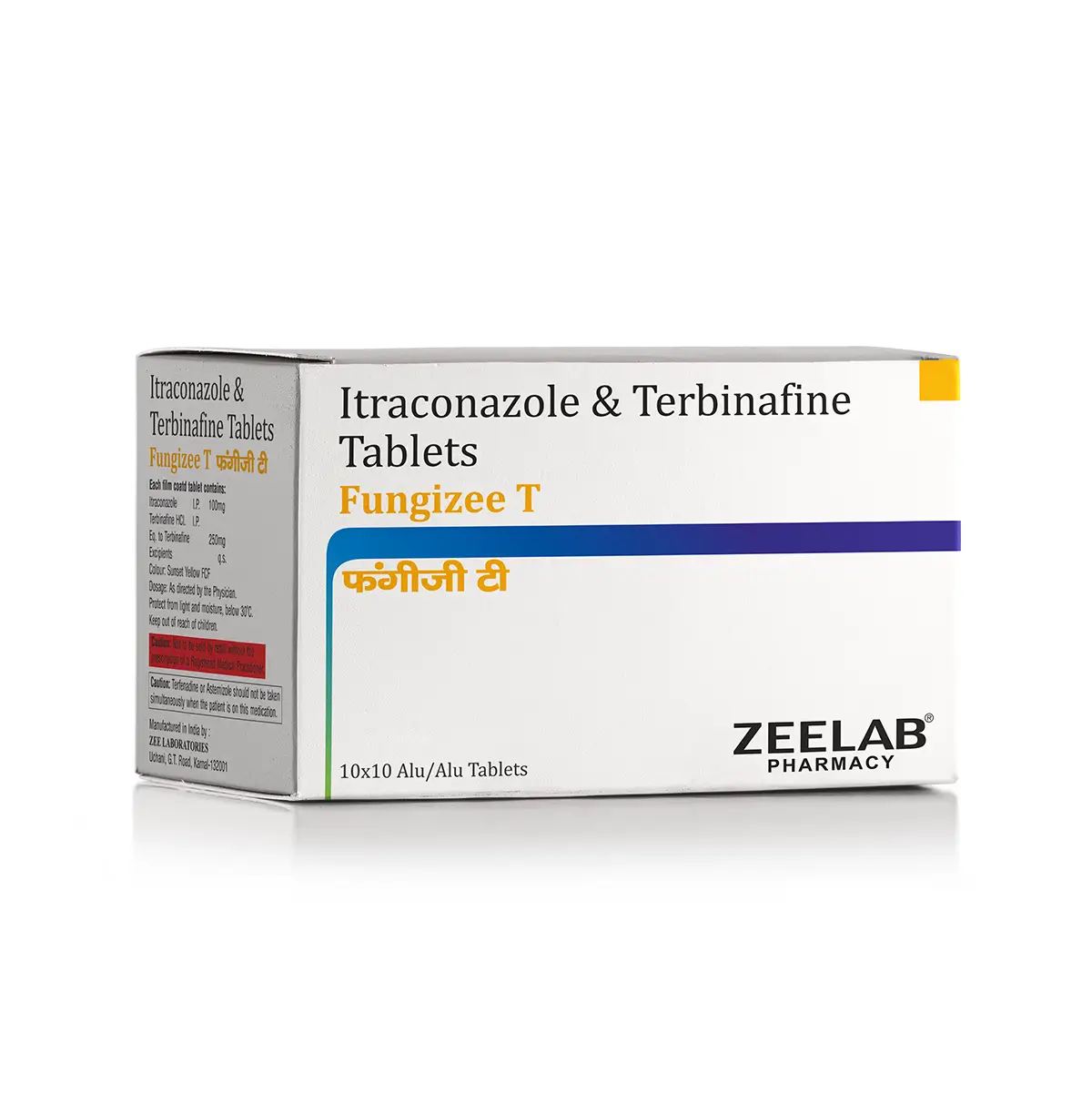
Fungizee T Tablet contains itraconazole, an oral antifungal formulation used for managing fungal infections, including skin and nail conditions, under proper medical supervision.
- Composition: Itraconazole (100mg) + Terbinafine (250mg)
- Benefits: Treats persistent infections, controls fungal spread, works systemically, and supports long-term infection management.
Grisocon 500 Tablet
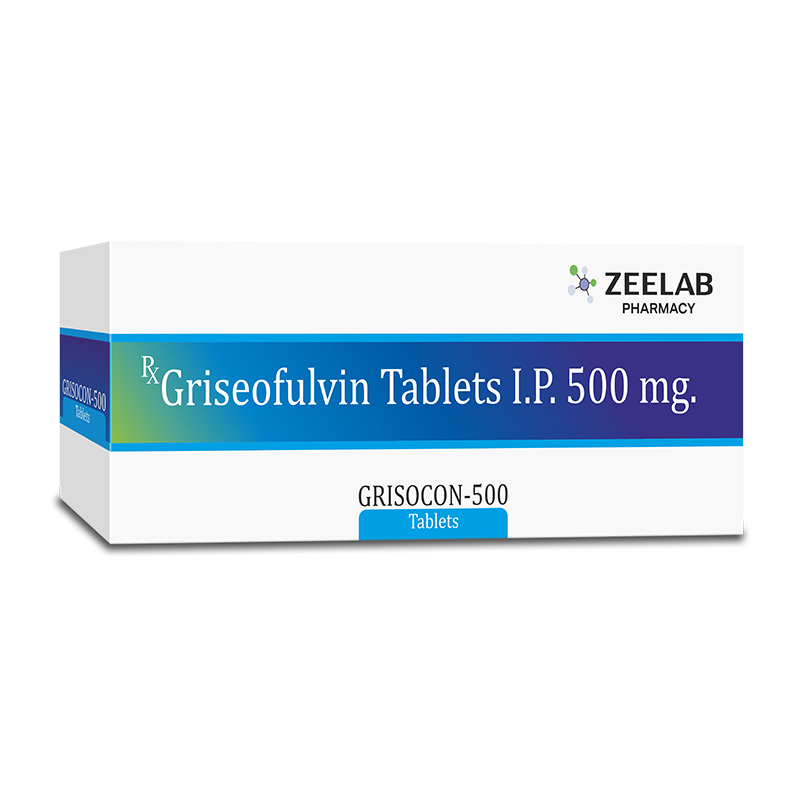
Grisocon 500 Tablet contains griseofulvin, an oral antifungal used for managing fungal infections of skin, hair, and nails when topical treatments are not sufficient.
- Composition: Griseofulvin (500mg)
- Benefits: Treats stubborn infections, targets deeper fungi, prevents spread, and supports complete recovery.
How to Treat Ringworm Effectively: A Step-by-Step Guide
Effective treatment of Ringworm needs to take into account proper hygiene, medications, and care to ensure faster healing and prevent recurrence. Here is a step-by-step guide to help you:
- Keep the affected area clean and dry: Keep the affected skin area clean and dry to prevent fungus.
- Use antifungal creams regularly: Use antifungal creams such as clotrimazole and terbinafine as recommended.
- Continue treatment for the full duration: Finish the full prescribed course of medication.
- Avoid scratching or touching the area frequently: This reduces the chances of infection spreading and additional irritation.
- Maintain good hygiene practices: Do not share your towels, clothes or beddings with other people.
- Wear loose and breathable clothing: This will help in drying out the affected area.
- Consult a doctor if needed: In severe or stubborn conditions, you might require oral anti-fungal medications such as Fluconazole.
How Long Does Ringworm Take to Heal?
The healing time for ringworm depends on factors such as the severity of infection, the affected area, and the consistency of treatment. With proper use of antifungal medicines, most cases improve within a few weeks.
Mild cases of ringworm usually start to clear within 1–2 weeks, but it is important to continue treatment as prescribed to prevent recurrence.
|
Condition |
Healing Duration |
|
Mild skin infection |
1–2 weeks |
|
Moderate infection |
2–4 weeks |
|
Severe or widespread infection |
4–6 weeks or more |
|
Scalp or nail infection |
Several weeks to months |
When to Take Oral Antifungal Medicines?
Oral antifungal medicines are usually prescribed by a doctor in the following situations:
- The infection is spreading despite using antifungal creams
- There are large or multiple affected areas
- The infection is recurrent or long-standing
- It involves the scalp, nails, or beard area
- Symptoms like severe itching, redness, or irritation persist
Oral antifungals work from within the body to treat deeper infections, offering more effective and long-lasting results when topical treatments are not sufficient.
Common Mistakes That Make Ringworm Worse
Many of us are unaware that some of our daily habits can cause more harm than good when treating ringworm. Try to avoid the following habits for better treatment.
- Stopping treatment just as you see improvement leads to recurrence.
- Applying steroid ointments without consulting a physician can make the infection worse.
- Maintaining moisture in the infected region for a long time
- Putting on tight or synthetic clothes that retain moisture
- The reuse of clothes or towels not yet been washed
- Sharing of personal items with other people
- Ignoring early signs and delaying proper treatment
- Frequent touching or scratching of the infected area
Home Care Tips for Ringworm
Simple home care measures can help speed up recovery and prevent the infection from spreading:
- Keep the affected area clean and dry at all times
- Use prescribed antifungal medicines regularly
- Avoid scratching to prevent irritation and spread
- Wear loose, breathable fabrics like cotton
- Do not share towels, clothes, or personal items
- Wash clothes, towels, and bed linen frequently
- Change clothes immediately after sweating
- Keep your nails trimmed and clean
- Maintain good personal hygiene daily
How to Prevent Ringworm Infection?
Preventing ringworm is easier with simple daily habits that reduce moisture and exposure to fungi:
- Keep your skin clean and dry, especially in sweaty areas
- Bathe daily and dry your body thoroughly after bathing
- Avoid sharing towels, clothes, or personal items
- Wear lightweight, breathable fabrics like cotton
- Change clothes and underwear regularly, especially after sweating
- Keep your nails trimmed and clean
- Avoid walking barefoot in public places like gyms and pools
- Wash clothes, towels, and bed sheets frequently
- Ensure infected pets are treated to prevent transmission
- Consult a doctor if you notice early signs of infection
Side Effects of Antifungal Medicines
Antifungal medicines are generally safe and well-tolerated when used as directed. However, some people may experience mild to moderate side effects depending on whether the treatment is topical (creams) or oral (tablets).
Common Side Effects
- Skin irritation (itching, burning, redness)
- Dryness or peeling at the application site
- Nausea, headache, or abdominal discomfort (more common with oral medicines)
Less Common but Important
- Allergic reactions (rash, swelling)
- Liver-related issues (rare, usually with prolonged oral use)
When to See a Doctor
While mild ringworm can often be treated with OTC antifungal medicines, you should seek medical advice in the following situations:
- No improvement after 2–3 weeks of treatment
- The infection is spreading or worsening
- It affects the scalp, nails, or beard area
- There are large, multiple, or recurring patches
- You experience severe symptoms like pain, swelling, or intense redness
- You have diabetes or a weakened immune system
Conclusion
Ringworm is a common fungal infection that can be effectively managed with antifungal medicines such as clotrimazole, miconazole, terbinafine, and tolnaftate, which help eliminate the fungus, relieve itching, and reduce inflammation.
Along with medication, maintaining good hygiene practices—like keeping the skin clean and dry, avoiding scratching, wearing loose clothing, and not sharing personal items—plays a key role in faster recovery and preventing recurrence.
Products from Zeelab Pharmacy, including antifungal creams, powders, and tablets, offer reliable and affordable options for managing ringworm effectively when used as directed.
Frequently Asked Questions (FAQs)
Ans.Ringworm is caused by dermatophyte fungi that thrive in warm, moist environments and spread through contact with infected skin, objects, or animals.
Ans.Yes, it spreads easily through skin-to-skin contact or by sharing contaminated items like towels, clothes, or surfaces.
Ans.It is usually not serious but can cause itching, discomfort, and spread if left untreated.
Ans.It can spread, worsen, and cause persistent itching or skin damage.
Ans.No, it usually does not resolve on its own and may worsen without proper treatment.
Ans.Mild cases respond well to antifungal creams like clotrimazole or terbinafine, while severe cases may need oral medicines.
Ans.Antifungal creams such as clotrimazole and terbinafine are commonly used to relieve itching and clear infection.
Ans.Yes, it is effective for moderate to severe cases, especially when topical treatment is not enough.
Ans.Yes, OTC antifungal creams can treat mild cases, but consult a doctor if there is no improvement in 2–3 weeks.
Ans.Yes, powders help keep the area dry and prevent fungal growth, especially in sweaty areas.
Ans.Yes, with proper treatment and hygiene, but reinfection can occur if precautions are not followed.
Ans.Yes, it can recur if treatment is incomplete or hygiene is poor.
Ans.Keep skin clean and dry, avoid sharing personal items, and maintain proper hygiene.
Ans.Conditions like eczema, psoriasis, or candidiasis may appear similar.
Ans.Yes, mild side effects may include irritation, redness, dryness, nausea, or headache, especially with prolonged or improper antifungal use.
Ans.Mild ringworm can be managed at home with antifungal creams, proper hygiene, and keeping the affected area clean and dry.

Itraconazole (100mg)
4 Capsules In 1 Strip
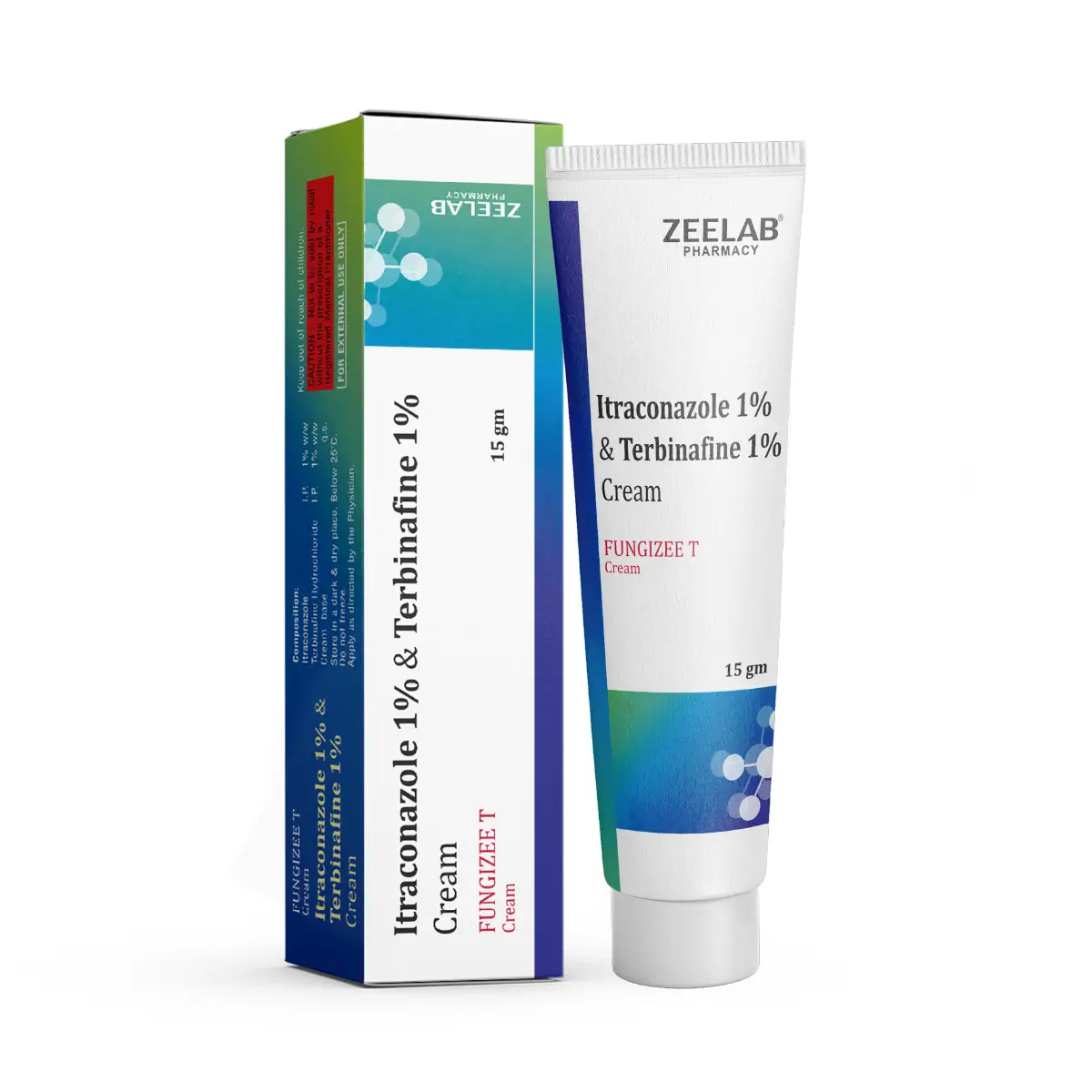
Itraconazole (1% w/w) + Terbinafine (1% w/w)
15gm In 1 Tube
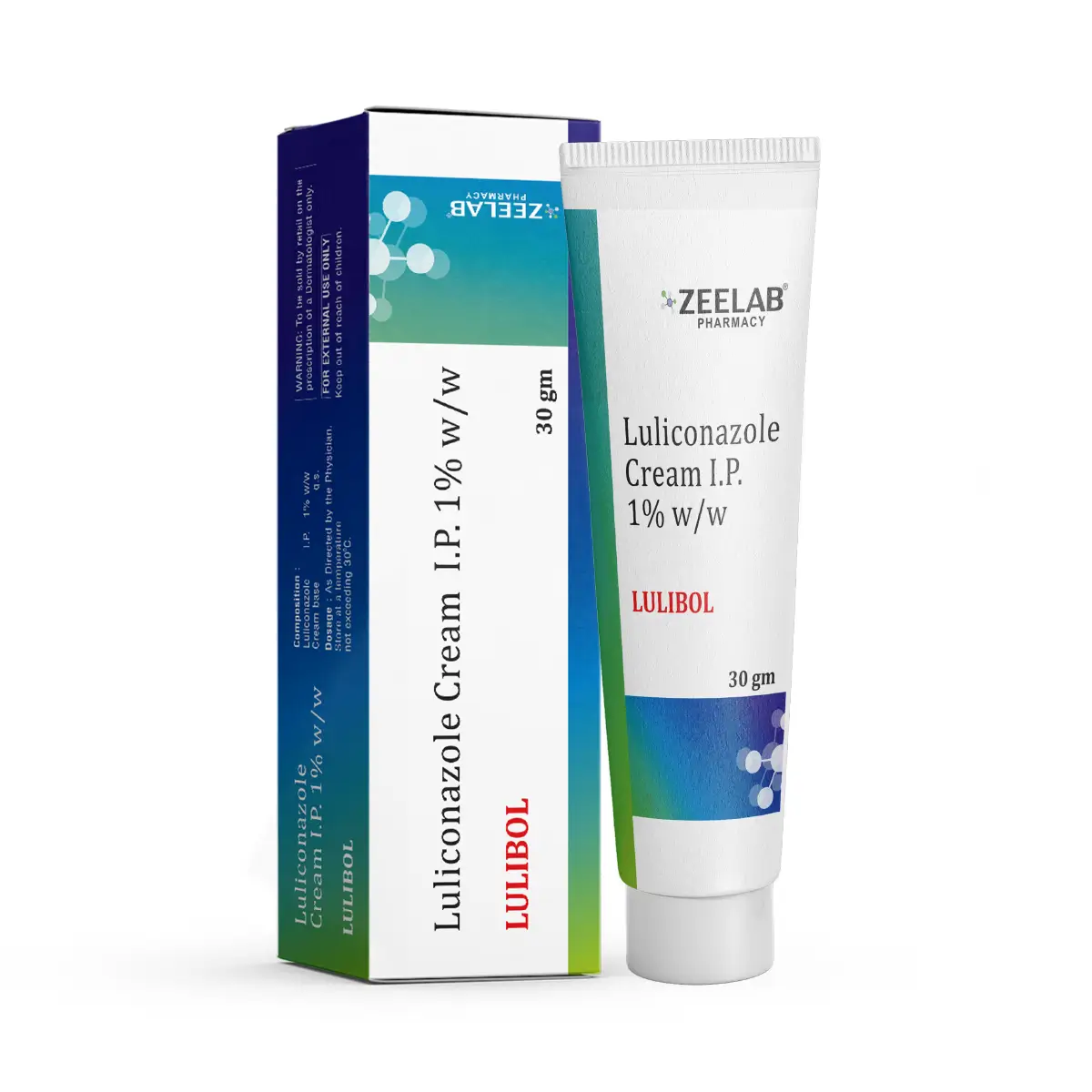
Luliconazole (1% w/w)
30gm In 1 Tube
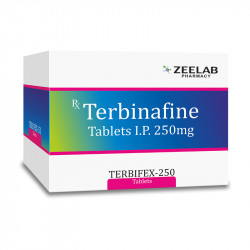
Terbinafine (250mg)
7 Tablets In 1 Strip
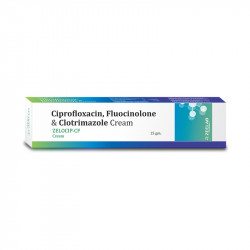
Fluocinolone acetonide (0.025mg) + Ciprofloxacin (0.5mg) + Clotrimazole (10mg)
15gm In 1 Tube
References
Recent Blogs






Disclaimer : Zeelab Pharmacy provides health information for knowledge only. Do not self-medicate. Always consult a qualified doctor before starting, stopping, or changing any medicine or treatment.
Related Products


₹ 0
0
Items added
Quick Links
Categories
Our Policies

Our Socials


Subscribe

2026 Copyright By © Zeelab Pharmacy Private Limited. All Rights Reserved
Our Payment Partners

 Added!