

Medicine for Skin Rashes and Itching: A Complete Guide to Skin Allergy Medicines & Creams
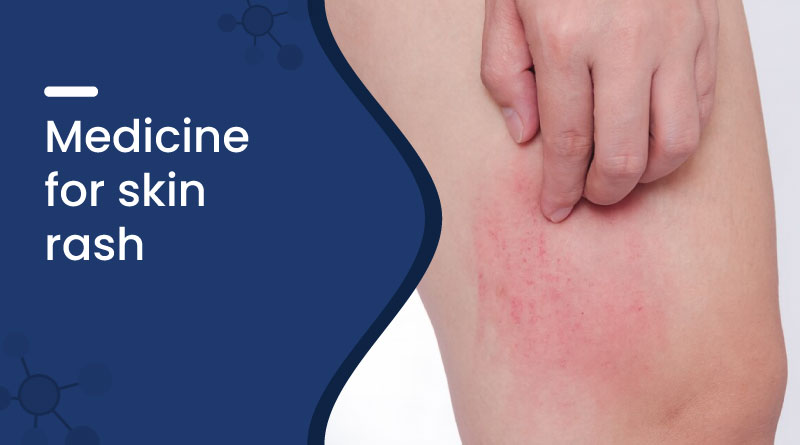
A skin rash is an abnormal red patch of skin that may be dry, itchy, swollen or have small bumps. Skin rashes can be caused by allergic reactions, bug bites, eczema, exposure to irritating chemicals or fungal infections.
Therefore, if you want the best medicine for skin rashes and itching, the first step you need to take is to find out why you have a skin rash.
Hydrocortisone is prescribed as the best medicine for skin rashes and itching associated with skin allergies. Also, medications like antihistamines and anti-allergy creams or ointments may help relieve allergy-related itching and irritation.
This blog explains common causes of skin rashes and how to choose the right skin allergy medicine, cream, ointment or tablet for itching and rashes.
What is a Skin Rash?
A skin rash is a change in the appearance or texture of the skin that can occur anywhere on the body. It may cause redness, itching, dryness, swelling, bumps, or irritation.
Skin rashes can develop due to allergies, infections, insect bites, eczema, or contact with irritating substances.
Common Symptoms of a Skin Rash
A skin rash may cause one or more of the following symptoms:
- Discolouration or redness
- Burning or itching
- Raised patches or small bumps
- Scaling or dryness
- Swelling
- Blisters in some cases
- Skin irritation or discomfort
What Causes Skin Rashes?
Skin rashes can develop for many reasons, including allergies, infections, irritation, or environmental factors. Common causes include:
- Allergic reactions to certain foods, cosmetic products, medicines, or other substances
- Contact dermatitis caused by contact with irritating or allergenic substances
- Eczema
- Fungal skin infections
- Insect bites
- Hot weather, sweating, and heat
Common Medicines Used for Skin Rash and Itching
The right medicine for skin rashes and itching depends on the cause and severity of the rash.
Skin allergy medicine, including tablets, creams, and ointments, may be used for allergy-related itching and irritation, while antifungal medicines are used for fungal skin infections.
|
Medicine Type |
Medicine Name |
Used For |
|
Corticosteroid creams |
Hydrocortisone |
Inflammatory rashes and itching |
|
Antihistamine tablets |
Cetirizine, Loratadine, Fexofenadine |
Allergy-related rashes and itching |
|
Soothing creams/lotions |
Calamine |
Temporary relief from itching and irritation |
|
Antifungal creams |
Clotrimazole, Terbinafine |
Fungal skin infections |
List of Best Tablets for Skin Rashes for Allergy-Related Itching in India
Zeelab offers oral skin allergy tablets that may help manage allergy-related itching and rashes.
These medicines are manufactured in WHO-GMP-certified facilities, with the following formulations containing commonly used antihistamine ingredients:
|
Tablet Name |
Composition |
|
Cityzen 10 Tablet |
Cetirizine (10mg) |
|
Lorazee Tablet |
Loratadine (10mg) |
|
Zelgra 120 Tablet |
Fexofenadine (120mg) |
Cityzen 10 Tablet
Cityzen 10 Tablet contains 10 mg of cetirizine, an antihistamine that helps reduce histamine-related symptoms such as allergy-related itching, rashes, and hives.
- Composition: Cetirizine (10mg)
- Benefits: Helps relieve allergy-related itching, skin rashes, and hives
Lorazee Tablet
Lorazee Tablet contains 10 mg of loratadine, an antihistamine that helps reduce allergy-related symptoms such as itching, skin rashes, and hives.
- Composition: Loratadine (10mg)
- Benefits: Helps relieve allergy-related itching and rashes
Zelgra 120 Tablet
Zelgra 120 Tablet contains 120 mg of fexofenadine, an antihistamine that helps relieve allergy-related symptoms such as itching, skin rashes, and hives.
- Composition: Fexofenadine (120mg)
- Benefits: Helps manage allergy-related itching, rashes, and hives
Best Creams and Topical Treatments for Skin Rash and Itching
Skin allergy creams, ointments, and soothing lotions for itchy skin are applied directly to the affected area to help relieve itching, irritation, and discomfort. The right topical treatment depends on the cause of the rash.
Some commonly used skin allergy creams and ointments available from Zeelab Pharmacy include:
|
Cream Name |
Composition |
|
Coolmine Calamine Lotion |
Calamine (15% w/v) + Zinc Oxide (5% w/v) + Bentonite (3% w/v) + Sodium Citrate (0.5% w/v) |
|
Clozex Clotrimazole Antifungal Cream |
Clotrimazole (1% w/w) |
Coolmine Calamine Lotion
Coolmine Lotion is a calamine based topical lotion for itching that provides a cooling effect and may help soothe itching and minor skin irritation associated with certain rashes.
- Composition: Calamine (15% w/v) + Zinc Oxide (5% w/v) + Bentonite (3% w/v) + Sodium Citrate (0.5% w/v) + Aloe Vera (5% w/v) + Vitamin E Acetate (0.5% w/v) + Glycerin (5% w/v)
- Benefits: Helps soothe itching and minor skin irritation.
Clozex Clotrimazole Antifungal Cream
Clozex Cream contains clotrimazole (1% w/w), an antifungal medicine used to treat certain fungal skin infections that may cause rashes and itching.
- Composition: Clotrimazole (1% w/w)
- Benefits: Helps manage fungal skin infections and associated itching.
How to Choose the Right Medicine for a Skin Rash?
The right medicine for skin rashes and itching depends on the type, cause, and severity of the rash.
Skin allergy medicine, creams, ointments, or tablets may be used depending on the symptoms and underlying cause.
- Antihistamines may help relieve itching and swelling caused by allergies or hives.
- Antifungal creams are used when a fungal infection causes the rash.
- A gentle, fragrance-free moisturiser or lotion may help soothe dry, irritated skin.
- Corticosteroid creams may be prescribed for certain inflammatory rashes.
What Should You Avoid When You Have a Skin Rash?
Even when using skin allergy medicine, creams, or ointments for itching and rashes, certain habits can worsen irritation or delay healing. Avoid:
- Scratching or rubbing the rash
- Strong soaps, perfumes, and fragranced skincare products
- Using several medicated creams at the same time without guidance
- Using steroid creams without proper medical advice
- Taking antibiotics or antifungals when the cause of the rash is uncertain
- Sharing towels, clothes, or personal-care products if an infection is suspected
How to Get Relief From an Itchy Skin Rash at Home
Along with the appropriate skin rash medicine, simple skin-care measures may help soothe itching, reduce irritation, and support recovery.
- Keep the affected area clean and dry.
- Wear loose, breathable clothing.
- Apply a cold compress to the affected area for temporary relief.
- Use a gentle, fragrance-free lotion or moisturiser if the skin is dry.
- Avoid products or substances that irritate the skin.
- Keep your fingernails short to reduce skin damage from scratching.
When Should You See a Doctor for a Skin Rash?
Many mild skin rashes improve with basic care, but some require medical evaluation. See a doctor if:
- The rash is rapidly spreading.
- The rash is persistent, painful, or severe.
- There is pus, significant swelling, or other signs of infection.
- The rash keeps returning.
- You develop a fever along with the rash.
- The rash covers a large area of the body.
- You cannot identify the cause or the rash does not improve with basic care.
Seek urgent medical attention if a rash is accompanied by difficulty breathing or swallowing, or swelling of the face, lips, or eyes.
Conclusion
The right medicine for skin rash, allergy, and itching depends on the cause and severity of the symptoms.
Skin allergy tablets, creams, and ointments may be used for different types of rashes and itching, depending on the underlying cause.
For safe and effective treatment, consult a doctor or healthcare professional before using medicines, especially if the rash is severe, persistent, or unexplained.
Frequently Asked Questions (FAQs)
Ans.Hydrocortisone is prescribed as the best medicine for certain skin rashes and itching associated with skin allergies. Antihistamines may also help relieve allergy-related itching and rashes, while antifungal medicines are used for fungal skin infections.
Ans.Calamine-based lotions like Coolmine from Zeelab Pharmacy may provide temporary relief from minor itching and irritation, while hydrocortisone creams may be prescribed for certain inflammatory skin allergies and itching.
Ans.Antihistamine tablets such as cetirizine, loratadine, and fexofenadine may help manage allergy-related skin rashes, itching, and hives.
Ans.Yes, a doctor may recommend a skin rash cream along with oral tablets when appropriate, depending on the rash's cause, severity, and symptoms.
Ans.Not always. Facial skin is more sensitive, and some creams suitable for the body can cause irritation or other problems when applied to the face. Check with a doctor or pharmacist before using a medicated cream on your face.
Ans.Steroid creams can help certain inflammatory rashes but should be used cautiously and preferably under medical advice, especially on the face or sensitive areas.
Ans.Keep the affected area clean and dry, use a cold compress for temporary relief, apply a gentle fragrance-free moisturiser if the skin is dry, avoid known irritants, and try not to scratch the rash.
Ans.Yes. Scratching can damage the skin, increase irritation, cause bleeding, and raise the risk of infection or prolonged healing.
Ans.Yes, some mild rashes caused by temporary irritation or allergies may resolve on their own after avoiding the triggering substance. Persistent or worsening rashes should be evaluated by a healthcare professional.
Ans.Healing time varies by the cause and severity of the rash. Mild rashes may improve within days, while infections, eczema, or other skin conditions may take longer.
Ans.See a doctor if the rash is severe, spreading, persistent, painful, infected, keeps returning, or does not improve with basic care. Medical attention is also important if you develop a fever with the rash.
Ans.Seek urgent medical attention if a rash is accompanied by difficulty breathing or swallowing, or swelling of the face, lips, tongue, or eyes.
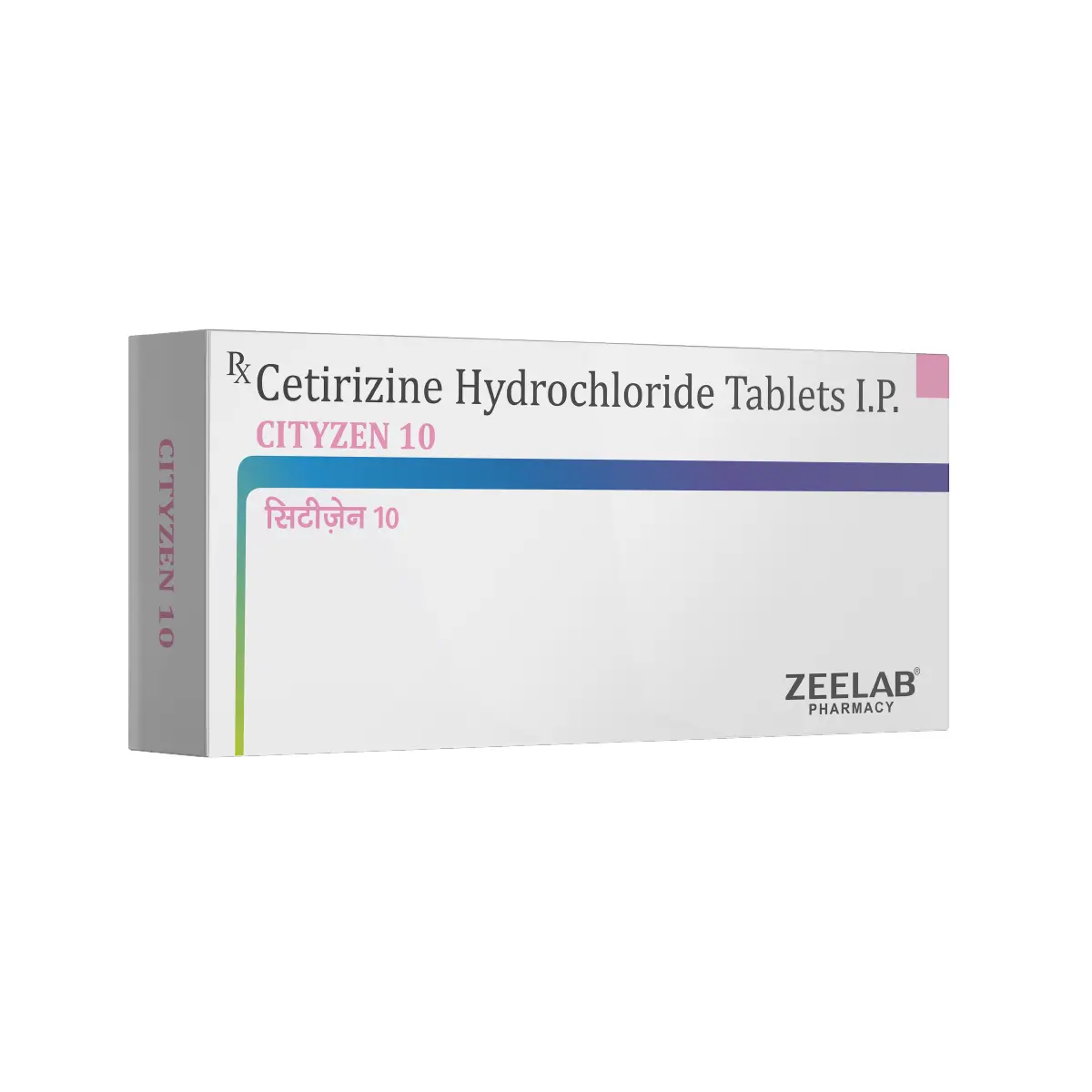
Cetirizine (10mg)
10 Tablets In 1 Strip
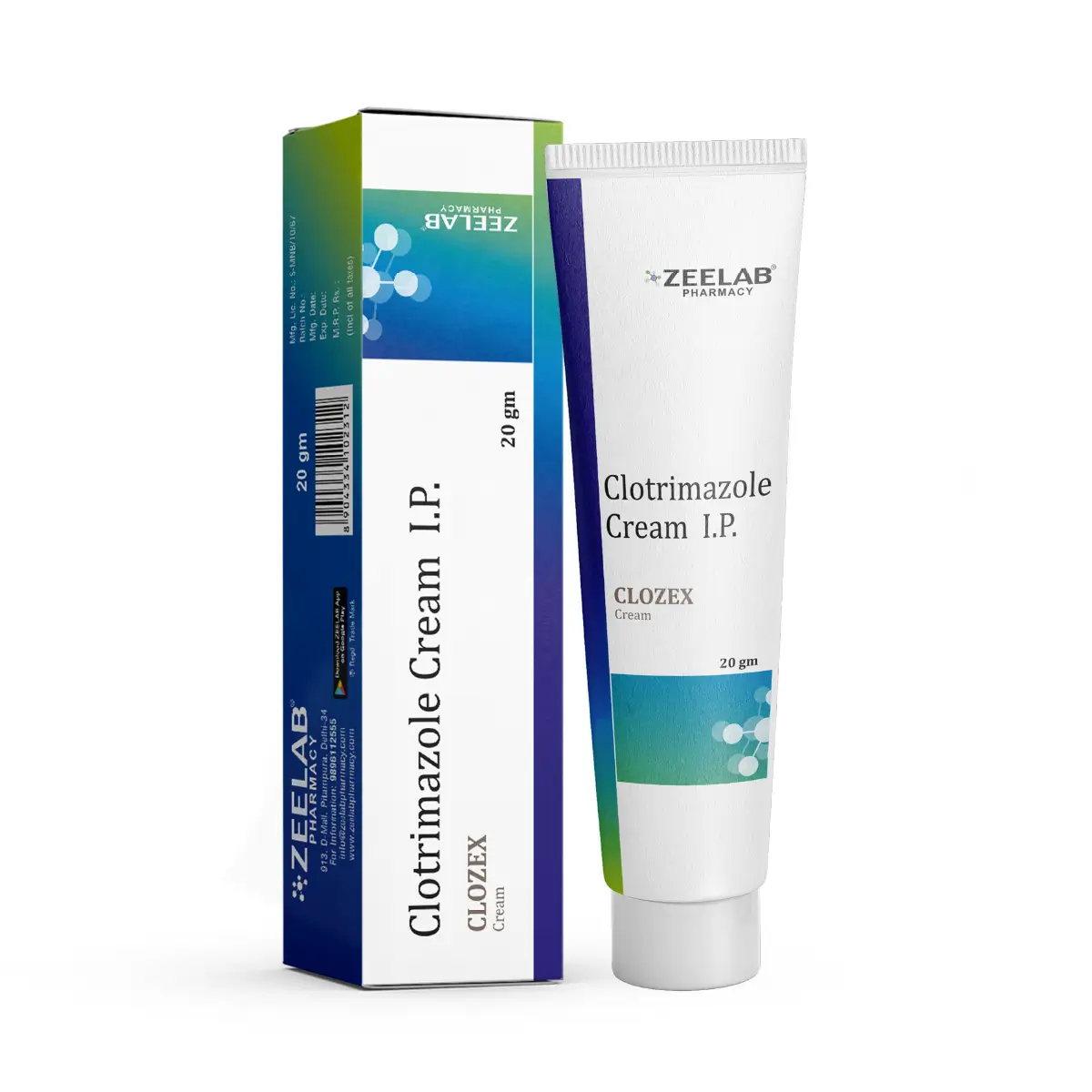
Clotrimazole (1% w/w)
20gm In 1 Tube
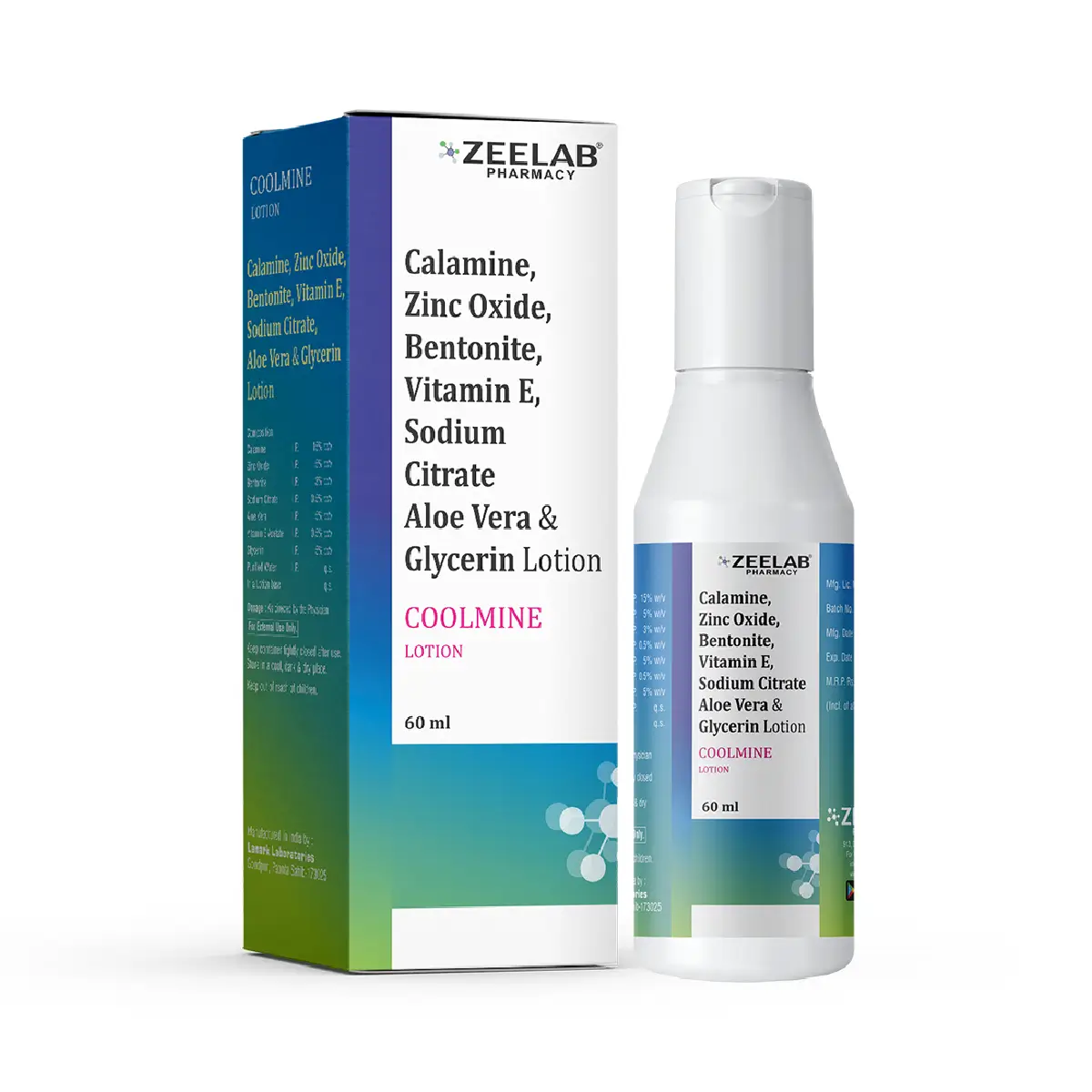
Calamine (15% w/v) + Zinc Oxide (5% w/v) + Bentonite (3% w/v) + Sodium Citrate (0.5% w/v) + Aloe Vera (5% w/v) + Vitamin E Acetate (0.5% w/v) + Glycerin (5% w/v)
60ml In 1 bottle
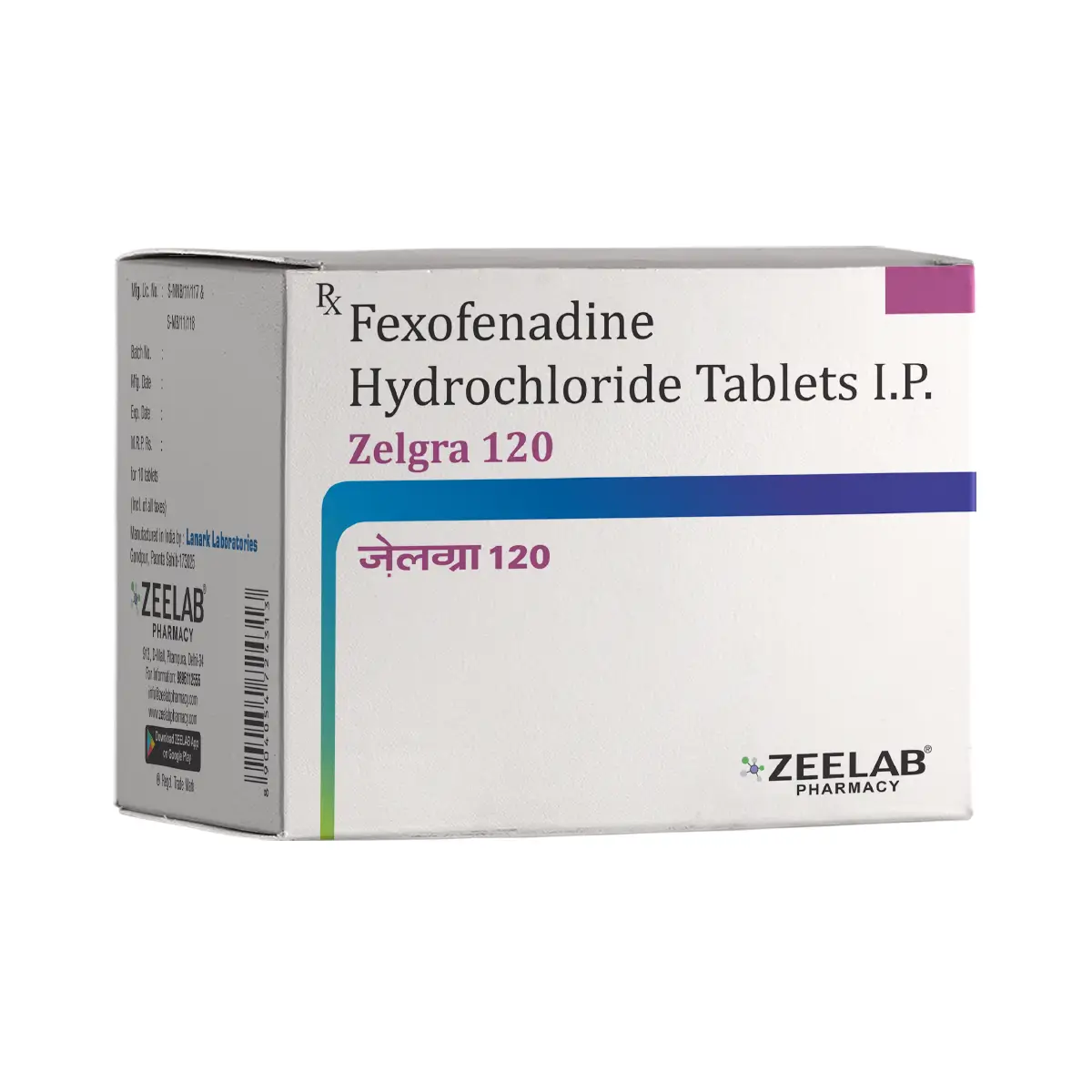
Fexofenadine (120mg)
10 Tablets In 1 Strip

Loratadine (10mg)
10 Tablets In 1 Strip
References
- https://biomedpharmajournal.org/vol18no1/a-review-on-mechanism-of-histamine-mediated-allergic-reactions-therapeutic-role-safety-and-clinical-efficacy-of-cetirizine-in-modern-allergy-and-other-diseases-management/
- https://www.webmd.com/skin-problems-and-treatments/common-rashes
- https://medlineplus.gov/ency/article/003220.htm
Recent Blogs






Disclaimer : Zeelab Pharmacy provides health information for knowledge only. Do not self-medicate. Always consult a qualified doctor before starting, stopping, or changing any medicine or treatment.
Related Products


₹ 0
0
Items added
Quick Links
Categories
Our Policies

Our Socials


Subscribe

2026 Copyright By © Zeelab Pharmacy Private Limited. All Rights Reserved
Our Payment Partners

 Added!