

Salicylic Acid for Hair and Scalp: Complete Guide, Benefits & How to Use
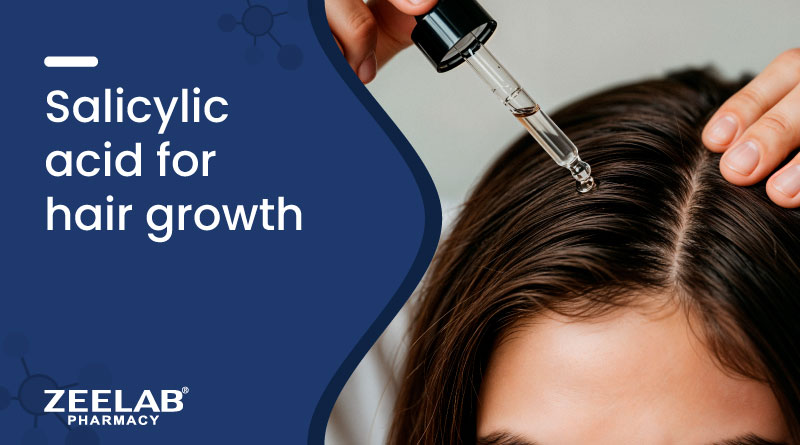
Salicylic acid for hair is gaining popularity in the hair care industry. It features a strong BHA that really cleanses your scalp. It is derived from willow bark and helps remove excess oil, product buildup, and dead skin. So, it is great if you have dandruff, oily hair or scalp rashes.
Many dermatologists recommend using Salicylic acid shampoo. It is easy to use yet still good at keeping your scalp clean and healthy. Since it opens up hair follicles and conditions your scalp, it is a hot ingredient for hair care for both boys and girls.
This guide explains how salicylic acid can transform your scalp and hair in a safe and good way.
What Is Salicylic Acid and How Does It Work on Your Hair?
Salicylic acid, a beta-hydroxy acid (BHA), is a common ingredient in products for your scalp and hair. This is because it is effective at cleaning and clearing congestion. Having BHA means it penetrates deep into the scalp to break down excess oil, dead skin and leftover product.
Due to this, Salicylic acid for hair is used to combat dandruff, flakes, and itching caused by product build-up. This helps loosen those dry scales, allowing new, healthy skin to grow.
Its regular use may help reduce scalp problems by unclogging clogged pores, reducing oil and keeping dandruff away. These benefits make Salicylic acid use for hair a great option if you have an oily or itchy scalp, seborrheic dermatitis, or even scalp acne.
It does not just clean. This prepares your scalp to absorb other hair product ingredients better. By keeping your scalp clean and balanced, salicylic acid helps strengthen your hair and keeps your scalp feeling good for longer.
Top Benefits of Salicylic Acid for Hair and Scalp
Salicylic acid is great for your scalp. It removes dead skin, reduces dandruff, controls oil and soothes any irritation. It helps keep your scalp clean and healthy, which is also good for your hair.
1. Removes Dandruff and Flaky Scalp
Salicylic Acid for Dandruff helps by breaking up those clumps, reducing congestion, and preventing dandruff from coming back. Its exfoliating action makes salicylic acid's anti-dandruff effects highly effective for chronic dryness and persistent dandruff.
2. Controls Excess Oil and Sebum Production
Salicylic acid can break down oil and clear blocked hair follicles on your head. Salicylic acid for an oily scalp helps control oil production, so your hair does not feel as greasy. It keeps your scalp clean and balanced, resulting in healthy hair and a comfortable scalp for an extended period.
3. Relieves Itchy and Irritated Scalp
Its soothing and exfoliating properties make salicylic acid for itchy scalp effective in calming irritation, reducing redness, and eliminating buildup that often triggers itching. Regular use offers long-lasting comfort and improved scalp health.
4. Treats Scalp Psoriasis and Seborrheic Dermatitis
Dermatologists often suggest salicylic acid for scalp psoriasis because it softens those scaly patches and reduces flaking. It is also beneficial for seborrheic dermatitis by removing extra flakes and keeping irritation in check, which can really bother your scalp.
5. Deep Cleansing & Scalp Detox
This salicylic acid scalp cleanser may be great for your scalp. It removes dead skin, oil, and dirt. It is also an exfoliant for the scalp, helping your scalp absorb the ingredients better, leaving it feeling clean and refreshed.
Salicylic Acid for Hair Growth — Myth vs Reality
Salicylic acid is not a stimulant, but it can still help your hair grow. It works by cleansing your hair follicles and clearing congestion. This makes for a cleaner scalp, which can lead to healthier, stronger hair.
How to Use Salicylic Acid for Hair
Using salicylic acid on your hair can help remove buildup, flakes, and excess oil on your scalp, leaving it feeling healthier. To cleanse your scalp, try starting with a salicylic acid shampoo that contains salicylic acid. This type of shampoo can help with issues such as reducing dandruff and unclogging hair follicles.
To get the best results, follow the suggested schedule. Knowing how often to use salicylic acid shampoo will prevent your scalp from becoming too dry. If you are unsure whether it's okay to use it every day, ask a professional.
Using a hydrating conditioner or light oil along with the shampoo can make your hair softer and your scalp feel better. Gently massage the shampoo into your hair to distribute it evenly, then rinse thoroughly. You can repeat this two or three times a week.
Doing this regularly and carefully can give you a scalp that feels refreshed and free of flakes, stronger hair at the roots, and an overall better hair care routine.
Salicylic Acid Shampoo Explained
A Salicylic acid shampoo cleanses your hair by removing excess oil, flakes and congestion. People who use this type of shampoo typically find that their dandruff goes away over time.
It also helps build the scalp and allows your hair to absorb other products more effectively. Salicylic acid shampoo helps make your scalp healthy.
How Often Should You Use Salicylic Acid Shampoo?
To achieve the best results from salicylic acid shampoo without irritating your scalp, aim to use it two or three times a week. It helps balance the removal of dead skin and keeps your scalp moisturised.
If you are considering using salicylic acid daily, it's best to check with a dermatologist. They can provide you with advice based on your scalp type and the severity of your scalp problem.
Tips for Best Results
To get better results, people often use products containing salicylic and moisturising conditioners to keep their hair soft and hydrated. Light oils can soothe the scalp after using exfoliating products.
Gently massaging the product helps spread it around, provides better cleansing, and keeps your scalp in good condition for healthy, easy hair care.
Salicylic Acid Hair Care Timeline — What to Expect
|
Timeline |
Expected Results |
|
Week 1 |
Mild cleansing effect, reduces scalp itching, instant relief from dandruff. |
|
Weeks 2-3 |
My scalp is now less flaky, less oily and looks much clearer. |
|
Weeks 4-6 |
Improved scalp skin, softer hair at the roots, and less psoriasis or seborrheic dermatitis. |
|
Weeks 8-12 |
Strong, healthy hair, prevention of recurrence of dandruff, and a smooth scalp. |
|
Long-term use |
Maintains scalp health, reduces dandruff, and aids overall health of hair health. |
Side Effects of Salicylic Acid on Hair & Scalp
Using salicylic acid on your scalp can really clear it up and fight dandruff. However, if you apply it incorrectly, you may face a dry, irritated scalp and weak hair. Knowing this can help you maintain balance, especially if your scalp is sensitive or already irritated.
If you're trying to get rid of dandruff, scrub your scalp, or control oil, be sure to use it too often so you don't get a bad reaction.
Continue reading to learn when using too much becomes a concern, and get some important tips for keeping your hair and scalp healthy when you are using exfoliating shampoos or treatments.
- Dryness from Over-Exfoliation: Using excessive salicylic acid side effects on your hair can cause dryness and roughness. This is because it continues to remove natural oils while exfoliating. When the scalp is not moist enough, hair becomes dry, weak and breaks easily
- Irritation and Redness: Using salicylic acid exfoliants too frequently can cause your scalp to be sensitive. You may experience redness, feel burning, and just be uncomfortable, especially if your skin is already irritated or you have an inflammatory scalp issue.
- Increased Flakiness: Using excessive salicylic acid to scrub your skin can disrupt your skin's balance. This can cause significant peeling, dry patches, and rough skin, especially if you already have dehydrated skin.
- Weakening of Hair Roots: Using excessive salicylic acid to clean your hair can mess up your scalp's protective layer. This can put stress on your hair roots and make your hair weaker. Over time, that could lead to hair falling out and weaker roots.
- Hair Shaft Dulling: Using salicylic acid to clean your hair too much can strip away the natural oils that make it shiny. This can make your hair feel rough, look dull, and become hard to handle if you don't use a good conditioner afterwards.
Best Salicylic Acid Products for Hair from Zeelab Pharmacy
Here are some salicylic acid hair products from Zeelab Pharmacy at affordable prices
Most preferred and dermatologist-approved products and similar affordable skin care ranges are safe and effective.
Additionally, Zeelab Pharmacy products are WHO-GMP, ISO and FDA certified.
Tariasis Anti Dandruff Scalp Lotion
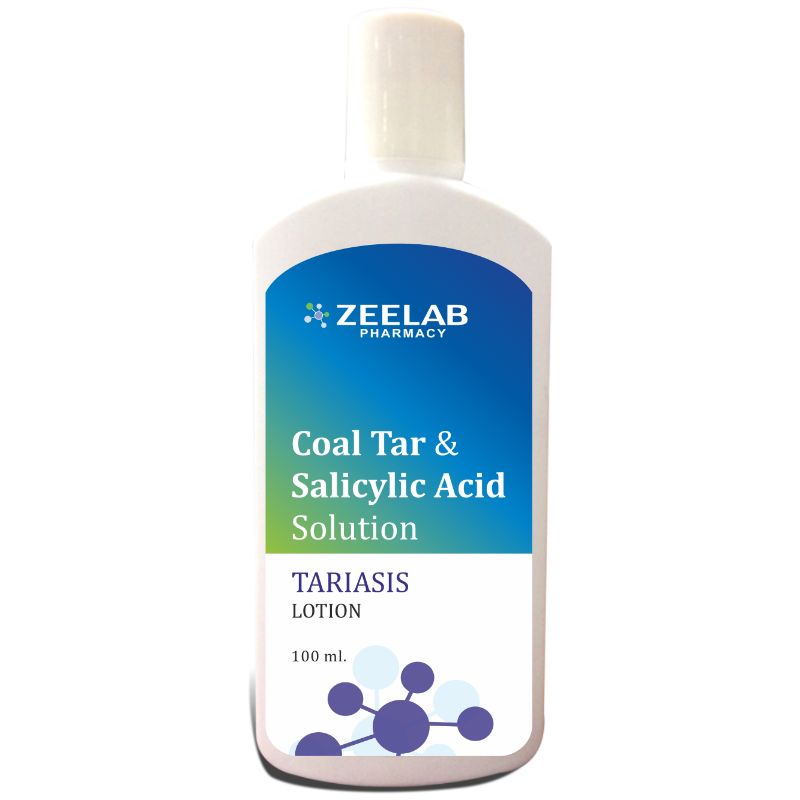
Tariasis Scalp Lotion is a special lotion containing coal tar and salicylic acid. People mainly use it for scalp problems such as psoriasis, dandruff, and other irritations. It helps to make your scalp feel better by reducing scaling, itching, and flakes.
- Composition: Coal Tar Solution (4.25% w/w) + Salicylic Acid (2% w/w)
- What it does: Tariasis Anti-Dandruff Scalp Lotion can help remove stubborn dandruff. It also soothes your itchy, irritated scalp and keeps the flakes under control. Use it regularly for a healthy scalp.
- How to use: Simply apply the lotion directly on the spots where your scalp is problematic, rub it in gently, leave it there for as long as the instructions say, and continue using it regularly to help eliminate dandruff and feel good for longer.
Why Choose Zeelab Salicylic Acid Shampoo?
Using Zeelab Salicylic Acid Shampoo means you get gentle skin exfoliation, a really clean scalp and dandruff relief that lasts longer. The dermatologist recommended salicylic acid shampoo because it works well and contains soothing ingredients. It's great for leaving your scalp healthy, flaky-free and feeling refreshed.
Who Should Use Salicylic Acid Shampoo?
Salicylic acid shampoo works great for both men and women if you're dealing with dandruff, oily scalp, or annoying flakes. It's suitable for teens, adults, and anyone who washes their hair frequently and wants a really good clean. Using this shampoo regularly can help control oily hair, reduce itching, remove dead skin and improve the condition of your scalp.
Comparison: Salicylic Acid vs Other Anti-Dandruff Ingredients
Salicylic acid helps remove flakes on your scalp, and other ingredients in dandruff shampoos fight the fungus, calm the redness, or slow down skin cell growth that causes dandruff. It tackles dandruff from all angles.
Salicylic Acid vs Ketoconazole
Salicylic acid helps remove dead skin, flakes, and buildup on your scalp. Particularly beneficial for those with oily, flaky scalp. Ketoconazole, however, fights fungal dandruff directly by reducing excessive growth of Malassezia. Salicylic acid helps your scalp renew itself and absorb products more, but ketoconazole is a stronger antifungal choice for dandruff that just won't quit.
Salicylic Acid vs Coal Tar / Zinc Pyrithione
Salicylic acid is effective at removing flakes and keeping pores clear. Coal tar can help with really flaky skin by slowing down the rate at which skin cells grow. Zinc pyrithione fights dandruff by reducing yeast and soothing scalp irritation. Essentially, salicylic acid exfoliates, and coal tar and zinc pyrithione target inflammation and germs, depending on the severity of dandruff.
Conclusion
Are you dealing with dandruff, flaking, itching, oily hair, or product buildup on your scalp? Salicylic acid for hair may be just what you need. You can find salicylic acid shampoo, scalp scrubs, or even special formulas recommended by your dermatologist. It cleanses your scalp and can give you long-term relief from itching.
Salicylic acid is not only good for clearing up scalp acne. It's also great for the health of your scalp in general, making it a solid choice if you are dealing with typical Indian hair.
If you are looking for something that works and will not break, check out Zeelab's Salicylic Acid Shampoo – people say it gets the job done. Just use it regularly, follow a good hair care routine, and you will see a healthy, clean scalp without any itchiness.
Frequently Asked Questions
Q. What does salicylic acid do for your hair?
A. It scrubs away buildup on your scalp, gets rid of dandruff, unclogs hair follicles, stops itching, and makes your scalp a better place for strong hair to grow.
Q. Is salicylic acid okay for your scalp?
A. Yes, it's okay if you use it properly and do not overdo it. It helps with dandruff, itching and oily scalp without harming your skin.
Q. Will salicylic acid get rid of dandruff?
A. It sure will. It removes flakes, reduces oil, stops buildup, and keeps dandruff-causing fungus in check. That makes it a great way to deal with dandruff for good.
Q. Can I use salicylic acid shampoo every day?
A. It is not a good idea to use it every day, as it can dry out your scalp too much. Try using it two or three times a week for the best results.
Q. Is salicylic acid good if my hair is falling out?
A. It can be. It reduces buildup and swelling on your scalp, allowing your hair follicles to function more effectively. This can relieve some of the factors that cause hair to fall out.
Q. Can salicylic acid make my hair dry?
A. Yes, excessive use can cause dry hair. Always use a good conditioner after this, and do not use it repeatedly if you feel it is drying out your scalp.
Q. Who should not use salicylic acid shampoo?
A. People with dehydrated scalp, eczema, open wounds or allergies to aspirin should avoid salicylic acid shampoo without consulting a doctor.
Q. Does salicylic acid help with acne on my scalp?
A. Definitely. It cleans out clogged pores, lowers swelling, controls oil, and keeps scalp acne from recurring.
Q. Can I use salicylic acid if I have a sensitive scalp?
A. You can, but only use it once a week and pick a gentle shampoo. It's a good idea to test it on a small area of your skin first to see if it causes any irritation.
Q. Does salicylic acid help with seborrheic dermatitis?
A. It does. It softens thick flakes, stops itching, and makes medicated treatments for seborrheic dermatitis work better.
Coal Tar Solution (4.25% w/w) + Salicylic Acid (2% w/w)
100ml In 1 Bottle
Recent Blogs




Disclaimer : Zeelab Pharmacy provides health information for knowledge only. Do not self-medicate. Always consult a qualified doctor before starting, stopping, or changing any medicine or treatment.
Related Products


₹ 0
0
Items added
Quick Links
Categories
Our Policies

Our Socials


Subscribe

2026 Copyright By © Zeelab Pharmacy Private Limited. All Rights Reserved
Our Payment Partners

 Added!