

Signs of Dehydration in Summer: Symptoms, Causes, Treatment & Prevention Tips
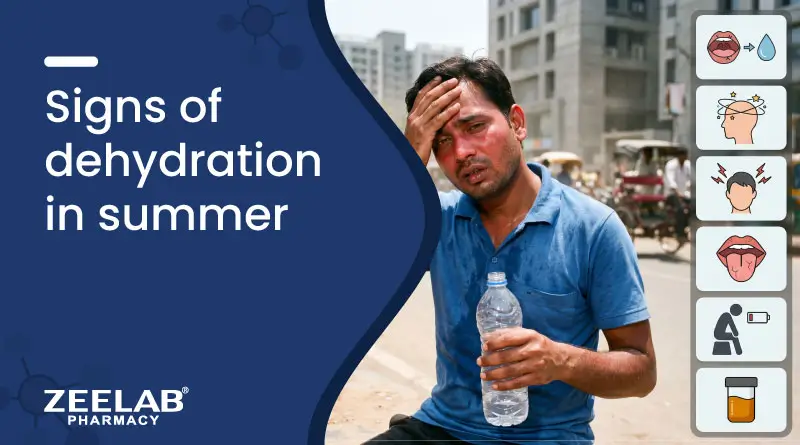
In summer, your body loses more water because of increased sweating to maintain a normal body temperature. Hot climate, high humidity, physical activity, and insufficient consumption of fluids may result in an imbalance in fluids and electrolytes of the body, thereby causing dehydration.
When your body starts to dehydrate, its signs may not look that serious, but ignoring them can worsen the situation and cause issues like dizziness, low blood pressure, heat exhaustion, and more.
Knowing about dehydration and its warning signs is important so you can manage and prevent it in time. In this blog, we will discuss the signs of dehydration, causes, management and common prevention tips.
What is Dehydration?
Dehydration happens when you lose more water than you take in. Not only is fluid lost, but also essential electrolytes such as sodium and potassium.
Water and electrolytes are needed for:
- Control of body temperature
- Assists digestion and circulation
- Transport of nutrients to the cells
- Proper operation of muscles and the brain
When the body doesn’t have enough fluid, it can’t do its job well, and you may feel tired, dizzy and get sick.
Early Signs of Dehydration
Your body starts to show dehydration symptoms just as fluid levels begin to drop. You should be well aware of these signs to prevent serious future complications.
- Increased Thirst: One of the earliest symptoms that indicates your body requires extra fluids.
- Dry Mouth and Lips: Less saliva leads to a lack of moisture in the mouth and lips.
- Fatigue & Low Energy: If you are dehydrated, you may feel tired and have low energy.
- Less urine: The body produces less urine to conserve fluid.
- Headache and dizziness: These can be caused by low fluid levels.
- Dry Skin: Skin can feel dry, rough, or less elastic.
- Dark Yellow Urine: Dark colored urine is an indication of dehydration
Urine Colour Chart for Dehydration
|
Urine Color |
Hydration Status |
|
Pale yellow |
Well hydrated |
|
Dark yellow |
Mild dehydration |
|
Amber or very dark |
Severe dehydration risk |
Causes of Dehydration in Summer
Several everyday factors occur during summer which contribute to the loss of fluids from the body.
- Excessive sweating in hot weather
- Inadequate water consumption
- Diarrhoea, vomiting, or fever
- High physical or more outdoor activity
- Consumption of excess caffeine or alcohol
- Usage of diuretic medication
- Low intake of foods rich in water
Moderate to Severe Signs of Dehydration
Moderate to severe dehydration may have effects on many of the body’s systems and may cause complications when the lost fluids and electrolytes are not restored in time.
|
Physical Symptoms |
Neurological Symptoms |
Severe Warning Signs |
|
Sunken eyes |
Confusion |
Minimal or no urination |
|
Dry skin |
Irritability |
Fainting |
|
Skin loses elasticity |
Difficulty concentrating |
Unconsciousness |
|
Muscle cramps |
Sleepiness |
Low blood pressure |
|
Rapid heart rate |
Extreme weakness |
Signs of heat exhaustion/heat stroke |
Signs of Dehydration in Children and the Elderly People
Children and the elderly are more at risk of dehydration since they may be unable to regulate the fluids in their bodies efficiently when temperatures are high.
Common summer dehydration symptoms in these special groups are:
|
Group |
Common Signs of Dehydration |
|
Children |
Dry mouth, less frequent urination, absence of tears while crying, sunken eyes, crankiness, sleepiness |
|
Infants |
Soft spot on the head appears sunken, poor appetite, excessive fussiness |
|
Elderly |
Dizziness, confusion, weakness, tiredness, dry mouth, decreased urine output. |
How to Diagnose Dehydration?
Mild dehydration is not difficult to diagnose; it can be identified by the signs and symptoms in a person. But in moderate to severe cases, tests become necessary.
Here are the ways through which you may identify dehydration:
- Look for signs like dry mouth, dizziness, weakness, and reduced urination
- Check the colour of urine (dark yellow indicates dehydration)
- Monitoring the patient’s blood pressure, pulse, and body temperature
- Looking for physical symptoms, including dry/dehydrated skin and reduced skin elasticity
- Blood tests can be performed to detect electrolyte and sodium imbalance
- In more extreme cases, health practitioners may examine the function of the kidney as well as fluid balance
Treatment of Dehydration in Summer
Dehydration is treated based on the severity of a person’s condition, i.e., whether they are suffering from mild or more serious fluid loss.
Let’s see how you may treat it.
Mild Dehydration Treatment
Dehydration to a mild degree is easy to treat by restoring the fluids that have been lost. The following are some methods you can do at home to help improve symptoms quickly.
- Drink more water regularly.
- Have ORS to maintain electrolyte balance
- Drink coconut water or electrolyte drinks
- Consume fruits containing high amounts of water
- Rest in a cool environment
- Avoid caffeine and alcohol
When dehydration occurs, ORS may help restore electrolytes and support recovery from fluid loss. You can consider buying ORS from Zeelab Pharmacy; they offer affordable and reliable healthcare products, manufactured in a WHO-GMP-verified facility.
Zeelab ORS Powder
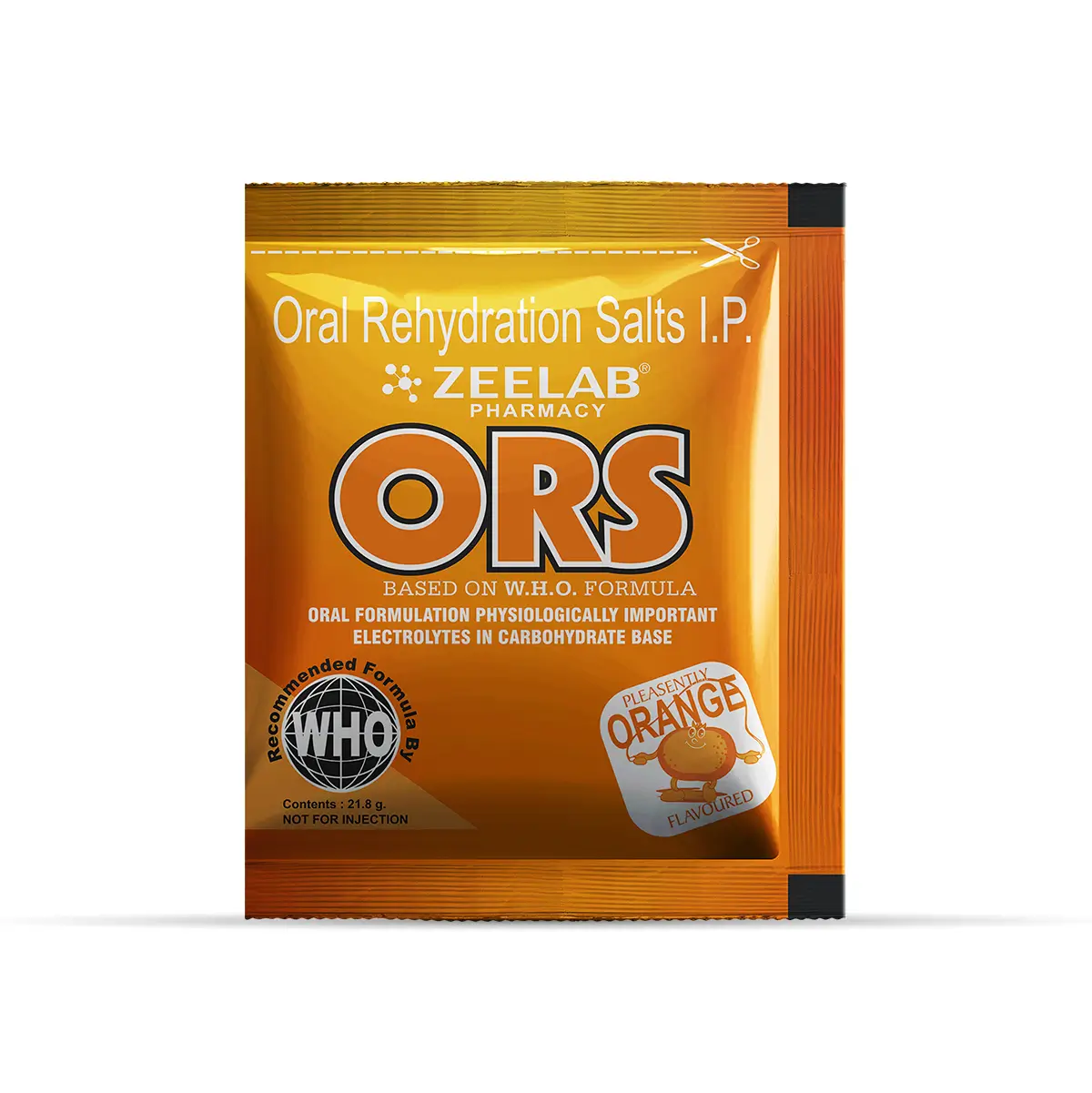
Zeelab ORS is an oral rehydration solution that helps restore fluids and electrolytes in case of dehydration during summer because of excessive sweating, diarrhoea, or heat exposure.
- Composition: Sodium Chloride (2.6g) + Potassium Chloride (1.5g) + Sodium Citrate (2.9g) + Dextrose (13.5g)
- Benefits: Helps maintain hydration, restores electrolytes, and supports faster recovery from fluid loss.
Moderate to Severe Dehydration Treatment
Moderate to severe cases of dehydration may require medical attention, particularly when symptoms keep getting bad or the person is unable to drink fluids properly.
- IV fluids may be needed.
- Correction of electrolyte imbalances may be needed
- Hospital monitoring in severe cases
- Treatment for vomiting or diarrhea
- Emergency treatment in case of symptoms of heat stroke
Hospitalisation may be needed in cases where the dehydration interferes with blood pressure, the kidneys, or consciousness.
Home Remedies and Immediate Care
Apart from medical or professional treatment methods, simple home care remedies can also help the body recover faster and reduce discomfort caused by dehydration.
- Sip fluids slowly and avoid drinking too much at a time
- Prepare ORS at home with salt, sugar and clean water
- Apply a cold, wet cloth to the forehead and neck
- Stay indoors or in the shade
- Wear loose-fitting cotton clothes
- Eat easily digestible foods
- Avoid heavy exercises for some time
- Monitor the colour and volume of urine
How to Prevent Dehydration in Summer?
Summer is a time when you can easily become dehydrated. Below are some simple tips to prevent dehydration during the summer months.
- Keep Yourself Hydrated
The body needs regular fluid intake to function properly and to maintain its temperature. You should:
- Drink water regularly
- Increase your fluid intake when exercising
- Carry a water bottle when you go out
- Dietary Changes
Your food choices can also affect the fluid balance in your body. We recommend that you:
- Eat plenty of fresh fruits and vegetables with high water content
- Drink soups and fresh juices
- Avoid foods that are too salty
- Avoid using too many spices in extreme weather conditions
- Lifestyle Changes
A few simple changes in your daily routine can also help prevent dehydration in the summer season, such as:
- Staying indoors during the midday heat
- Wearing loose cotton clothing
- Being in shaded or cool areas
- Using fans and air conditioners
- Taking rest periods when exercising
Daily Water Intake Chart by Age
Proper hydration needs vary depending on age, activity level, weather conditions, and overall health. During hot summer months, the body loses more fluids through sweating, making it important to increase water intake.
The following chart provides general daily water intake recommendations to help maintain hydration and prevent dehydration.
|
Age Group |
Recommended Daily Water Intake |
|
Children |
1–1.5 Litres |
|
Teenagers |
1.5–2.5 Litres |
|
Adults |
2–3 Litres |
|
Elderly |
2–2.5 Litres |
Note: Individuals who exercise regularly, work outdoors, or spend long hours in hot weather may require additional fluids to replace water lost through sweat.
When Should You Seek Medical Help for Dehydration?
If you observe any of these symptoms due to dehydration, they should not be ignored as they may be signs of more serious disorders or illnesses. Immediately go to a doctor if you experience the following:
- Vomiting or diarrhoea lasts for several hours
- Confusion or strange behaviour appears
- Fainting occurs
- Your urine decreases to a very small amount
- You develop a high fever
- You cannot retain fluid
- Heat stroke symptoms appear
Medical intervention can prevent conditions like kidney diseases, heat stroke, and electrolyte imbalance from developing.
Conclusion
Dehydration is one of the most common issues that can happen to anyone due to heavy sweating in extreme temperatures.
The early symptoms, like increased thirst, dry lips, and tiredness, might not be very serious at first, but not taking them seriously can make things worse, leading to serious problems like heat exhaustion, hypotension, and electrolyte disturbance.
The good thing is that dehydration can be easily treated through proper hydration and recognising the signs of dehydration on time.
Sufficient hydration through simple measures like drinking enough fluids, eating water-rich fruits, and avoiding prolonged exposure to heat can help people prevent dehydration and enjoy a healthy and active life in summer without facing the problems that come with it.
Frequently Asked Questions (FAQs)
Ans.Dehydration occurs when the body loses more fluids than it takes in, affecting normal functions, energy levels, and electrolyte balance.
Ans.Common causes include excessive sweating, inadequate water intake, diarrhoea, vomiting, fever, alcohol consumption, and prolonged exposure to hot weather.
Ans.Early signs of dehydration include thirst, dry mouth, fatigue, headache, dizziness, dark urine, and reduced urination during hot weather.
Ans.Yes, dehydration can reduce blood circulation and electrolyte balance, leading to dizziness, weakness, tiredness, and difficulty concentrating.
Ans.Mild dehydration causes thirst and dry mouth, while severe dehydration may cause confusion, fainting, low urine output, and rapid heartbeat.
Ans.Children, older adults, athletes, outdoor workers, and people with fever, vomiting, or diarrhoea have a higher dehydration risk during summer.
Ans.Water is the best drink for hydration, while ORS, coconut water, and electrolyte drinks help replace lost fluids and minerals.
Ans.Water needs vary, but drinking fluids regularly throughout the day is important to replace sweat loss during hot weather.
Ans.Water-rich foods like watermelon, cucumber, oranges, tomatoes, and coconut water help maintain hydration and electrolyte balance during summer.
Ans.Drink enough water, avoid direct afternoon heat, wear light clothing, and increase fluids during outdoor activities in Indian summers.
Ans.Drink water slowly, take ORS, rest in a cool place, and eat water-rich fruits to recover from mild dehydration quickly.
Ans.Seek medical help if dehydration causes confusion
Sodium Chloride (2.6g) + Potassium Chloride (1.5g) + Sodium Citrate (2.9g) + Dextrose (13.5g)
21.8 gm in 1 Sachet
References
Recent Blogs






Disclaimer : Zeelab Pharmacy provides health information for knowledge only. Do not self-medicate. Always consult a qualified doctor before starting, stopping, or changing any medicine or treatment.
Related Products


₹ 0
0
Items added
Quick Links
Categories
Our Policies

Our Socials


Subscribe

2026 Copyright By © Zeelab Pharmacy Private Limited. All Rights Reserved
Our Payment Partners

 Added!