

Best Antifungal Cream for Skin Infections During the Monsoon: A Complete Guide
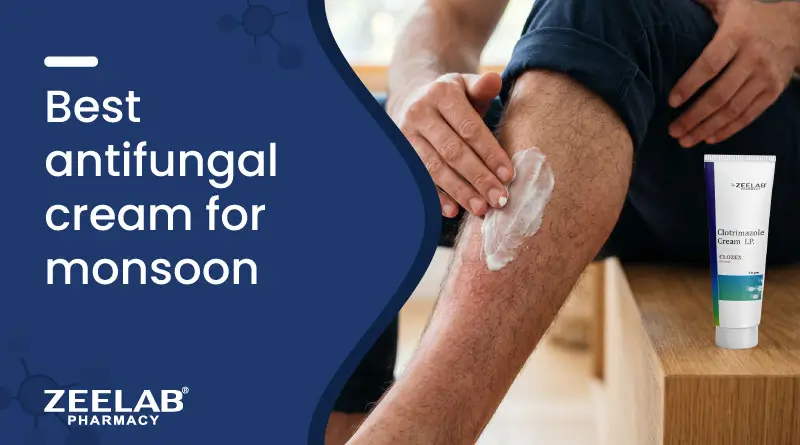
Have you ever experienced fungal infections or observed round, itchy, red patches on the skin? Fungal infections become more common during the rainy season because of high humidity, often exceeding 80% in many plain areas.
Humidity, along with sweating and damp clothing, makes the conditions perfect for the growth of fungi on the skin. Topical antifungal creams are the first line of treatment for handling uncomfortable symptoms like itching caused by the infection.
This guide explores the best creams for fungal infections in monsoon, how you can use them, and what common mistakes you should be avoiding.
Which Antifungal Cream Is Right During the Monsoon?
Not all fungal infections are the same. So they require different creams to treat them. Ingredients like clotrimazole and terbinafine are used as antifungal treatment during the monsoon.
|
If You Have |
Common Antifungal Ingredient |
|
Ringworm |
Clotrimazole or Terbinafine |
|
Athlete's Foot |
Terbinafine |
|
Jock Itch |
Luliconazole or Terbinafine |
|
Candidiasis |
Clotrimazole |
Note: DO NOT self-medicate or take prescription medicines without consulting a healthcare professional.
Why Choosing the Right Antifungal Cream Matters More During Monsoon?
The treatment of fungal infections during the monsoon can be difficult to control because of the weather. The rainy season can lead to the following:
- High levels of humidity form a favourable environment for fungal growth.
- Moisture on the skin because of damp clothes, socks, or shoes.
- Sweating increases friction and irritation.
These factors increase the risk of you getting fungal infections; hence, choosing the right antifungal cream for monsoon skin infections becomes very important.
Using the wrong cream or steroid combinations can delay or worsen symptoms,
How to Choose the Right Antifungal Cream During Monsoon?
While choosing a skin infection antifungal cream during monsoon, you need to consider a few things like the type of infection you have, where it has affected you, suitable antifungal ingredients, and the presence of other components in it (like steroids).
Step 1: Identify Your Type of Fungal Infection
This step is very important because not all types of fungal infections can be treated with the same active ingredient.
Confirm the infection type and choose active ingredients accordingly.
Here are some common infection types, the body part they affect, and the often-used ingredient for its treatment.
|
Fungal Infection |
Commonly Affected Area |
Commonly Used Ingredients |
|
Ringworm |
Body, arms, legs |
Clotrimazole, Terbinafine |
|
Athlete's Foot |
Feet, between toes |
Terbinafine |
|
Jock Itch |
Groin and inner thighs |
Luliconazole, Terbinafine |
|
Candidiasis |
Skin folds, underarms, groin |
Clotrimazole |
Note: Avoid self-medication if you are unsure about the rash being fungal.
Step 2: Choose According to the Affected Body Area
The area where you got infected by the fungus is also important while choosing an antifungal cream. Some areas need extra care to avoid the growth of fungus. For example,
- Feet - Keep your feet dry and change socks daily.
- Groin - Wear loose cotton garments and keep the area dry
- Skin Folds - Keep the skin dry to reduce fungus growth.
- Body - Apply the cream on clean, dry skin.
- Hands - Reapply if you wash your hands very often.
- Nails - In most cases, creams are not enough. A doctor must be consulted.
Step 3: Check Whether the Cream Contains Steroids
Check if the cream is a steroid combination cream, i.e., contains steroids like Clobetasol Propionate, Betamethasone, Mometasone, Beclometasone, or Hydrocortisone.
Mild fungal skin infections can be treated with steroid-free antifungal creams, but steroid combination creams require a doctor's prescription.
Steroid-containing creams may temporarily aggravate the infection if used without a doctor’s suggestion.
Step 4: Consider Your Skin Condition
Some skin disorders may require medical evaluation or a different therapy.
- On sensitive skin, only a doctor’s prescribed products should be used.
- If the infected area is large in size, self-medications won’t help. Go to a doctor immediately.
- Recurrent fungal infections may point towards an underlying health issue.
- Along with using antifungal creams, also make sure to keep the skin folds dry.
Which Antifungal Ingredient Is Commonly Used for Different Conditions?
Some of the most common antifungal ingredients include Clotrimazole, Terbinafine, Ketoconazole, Luliconazole, and Miconazole. Some work to treat specific infection types, while some work to treat overall fungal skin infections.
So if you have a question like how to select an antifungal cream for monsoon, go for the correct active ingredient; the following table can help you decide.
|
Active Ingredient |
Commonly Used For |
Available As |
|
Ringworm, candidiasis |
Cream, lotion, powder |
|
|
Terbinafine |
Ringworm, athlete's foot |
Cream, gel, spray |
|
Ketoconazole |
Fungal skin infections |
Cream, shampoo |
|
Ringworm, jock itch |
Cream |
|
|
Miconazole |
Superficial fungal infections |
Cream, powder |
How to Apply Antifungal Cream Correctly During Monsoon?
For quicker relief and healing, apply the fungal rash cream according to the instructions of your doctor.
Also, make sure that you keep the affected area clean and dry to prevent the infection from coming back.
- Wash the affected skin gently.
- Dry the area completely before applying cream.
- Apply a thin layer over the affected skin and a small surrounding area.
- Even if you feel improvement, complete the whole course of treatment.
- Wash your hands after application unless your hands are being treated.
Should You Use Antifungal Powder Along with Antifungal Cream?
Use of two different topical products is recommended under special conditions only. An antifungal powder is used along with an antifungal cream for damp skin infections when:
- You need extra support in keeping the skin dry and reducing moisture.
- Creams alone are not enough for the treatment.
Before using both an antifungal cream and powder, it is better to ask a doctor first. They will guide you better on appropriate usage.
Common Mistakes to Avoid When Selecting an Antifungal Cream during Rainy Season
Most of the creams for monsoon fungal skin infections don’t require a doctor’s prescription. While buying fungal infection treatment creams, avoid making the following mistakes:
- Buying the cheapest cream without checking the ingredients
- Using someone else's medicine
- Choosing steroid combination creams without medical advice
How Long Does Antifungal Cream Take to Work?
Patients often talk about noticing improvements after regularly using monsoon fungal infection cream for 1-2 weeks, but the complete healing may take about 2 or 4 weeks.
|
Timeline |
What to Expect |
|
First Few Days |
The medicine starts working, but visible improvement may be limited. |
|
1–2 Weeks |
Improvement in issues like itching, redness, and rash. |
|
2–4 Weeks |
Most mild fungal skin infections clear with proper treatment. |
|
After 4 Weeks |
If there is no improvement or the infection worsens, consult a doctor. |
Signs Your Antifungal Cream is Not Working
If you see no improvement even after using an antifungal cream for weeks, chances are that the cream is not working and you need other treatment.
Other signs of the cream being ineffective include:
- Rashes continue to spread
- Persistent itching after treatment
- New patches appear
- Presence of pus and pain
- No improvement after the expected treatment period
Top 3 Antifungal Creams Recommendation for Monsoon Skin Infections by Zeelab Pharmacy
Explore some of the best antifungal creams for monsoon skin infections manufactured by Zeelab Pharmacy. These creams are not only affordable but also highly effective in treating common fungal infections during the rainy season.
Clozex Antifungal Cream
An antifungal cream containing clotrimazole that helps control fungal growth during monsoon skin infections.
- Composition: Clotrimazole 1% (w/w)
- Target Areas: Body, groin, skin folds
- Commonly Used For: Ringworm, jock itch, candidiasis
- Benefits: Helps treat fungal infections caused by warm, humid conditions and prevent it spread.
Terbifex Terbinafine Cream
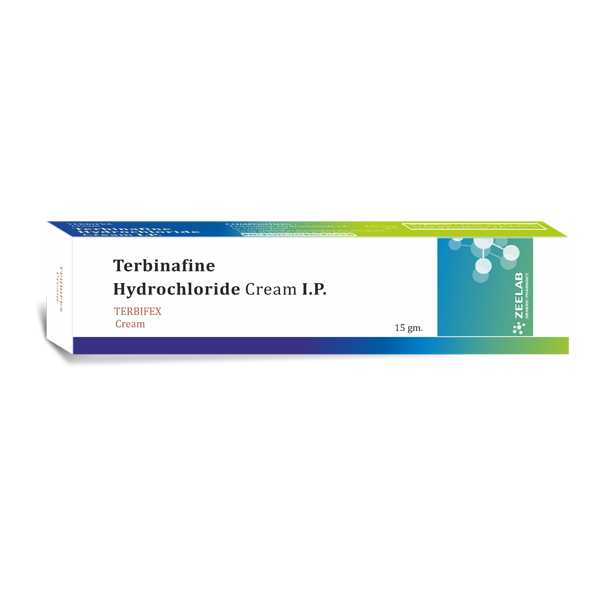
A terbinafine-based antifungal cream that targets fungal growth in common monsoon skin infections.
- Composition: Terbinafine Hydrochloride 1% (w/w)
- Target Areas: Feet, body, groin
- Commonly Used For: Athlete's foot, ringworm, jock itch
- Benefits: Treats fungal infections, promotes healing and prevents recurrence.
Lulibol Luliconazole 1% Cream
An antifungal cream containing luliconazole that works against fungi causing common monsoon skin infections.
- Composition: Luliconazole 1% (w/w)
- Target Areas: Body, groin, skin folds
- Commonly Used For: Ringworm, jock itch
- Benefits: Used for fungal infections that thrive in humid weather.
Additional Tips to Prevent Fungal Infection Recurrence
Along with using creams for fungal skin infections during monsoon, also opt for some simple preventive measures to ensure no recurrence of fungal infections.
These additional tips mostly include maintaining cleanliness and personal hygiene.
- Complete the prescribed treatment course.
- Keep feet and skin folds dry.
- Change socks regularly.
- Wash towels, clothes, and bedsheets frequently.
- Dry shoes completely before wearing them again.
When Should You Visit a Doctor Instead of Self-Treating?
Some conditions and signs require proper medical attention, as self-treatment fails to treat them most of the time and can be dangerous too.
- Fast spreading of infection
- Presence of pain, pus, or swelling
- You develop fever.
- You have diabetes or a weakened immune system.
- You are pregnant or breastfeeding.
- No improvement after appropriate treatment.
- The infection keeps coming back.
Conclusion
The rainy season can cause conditions that favour the growth of fungus on the skin, such as persistent moisture in skin folds.
The uneasy symptoms of a fungal infection include itching and red patches. Luckily, mild cases can be treated with the use of an appropriate skin fungal infection cream for the rainy season.
Apart from using the right antifungal cream, usually Clotrimazole or Terbinafine, the person should also maintain personal hygiene during the rainy season.
Frequently Asked Questions (FAQs)
Ans.Antifungal creams like Clozex Cream and Terbifex Cream are some of the best treatment options for fungal skin infections when used under the advice of a doctor.
Ans.No. Different fungal infections may require different antifungal ingredients. Using the wrong cream may delay recovery or fail to clear the infection.
Ans.Yes, humid weather can cause sweating, and when you keep wearing those sweat-soaked clothes for a long time, the applied cream may get removed and promote fungal growth.
Ans.Clotrimazole and terbinafine are commonly used antifungal ingredients for ringworm. The appropriate treatment depends on the severity and your doctor's advice.
Ans.Terbifex Cream contains terbinafine, which makes it a good cream for monsoon ringworm infection. Use it as advised by your doctor.
Ans.For the treatment of mild issues like athlete's foot, antifungal creams containing Terbinafine are the most suitable ones.
Ans.Antifungal creams work by stopping fungal growth or killing fungi, helping reduce itching, redness, and the rash when used as directed.
Ans.Yes. Humidity, sweating, and damp clothing keep the skin moist, increasing fungal growth and making infections more likely to recur during treatment.
Ans.Antifungal powder may help keep the skin dry in sweaty areas. Your doctor can advise whether using both products is necessary.
Ans.Continue using antifungal cream for the full prescribed duration, even after symptoms improve. Most skin infections require treatment for 2–4 weeks.
Ans.No. Stopping treatment early may allow the fungus to survive, increasing the risk of recurrence even if itching has completely disappeared.
Ans.Complete your treatment, keep skin folds dry, change damp clothes promptly, wash towels regularly, and wear clean, breathable clothing to reduce recurrence.
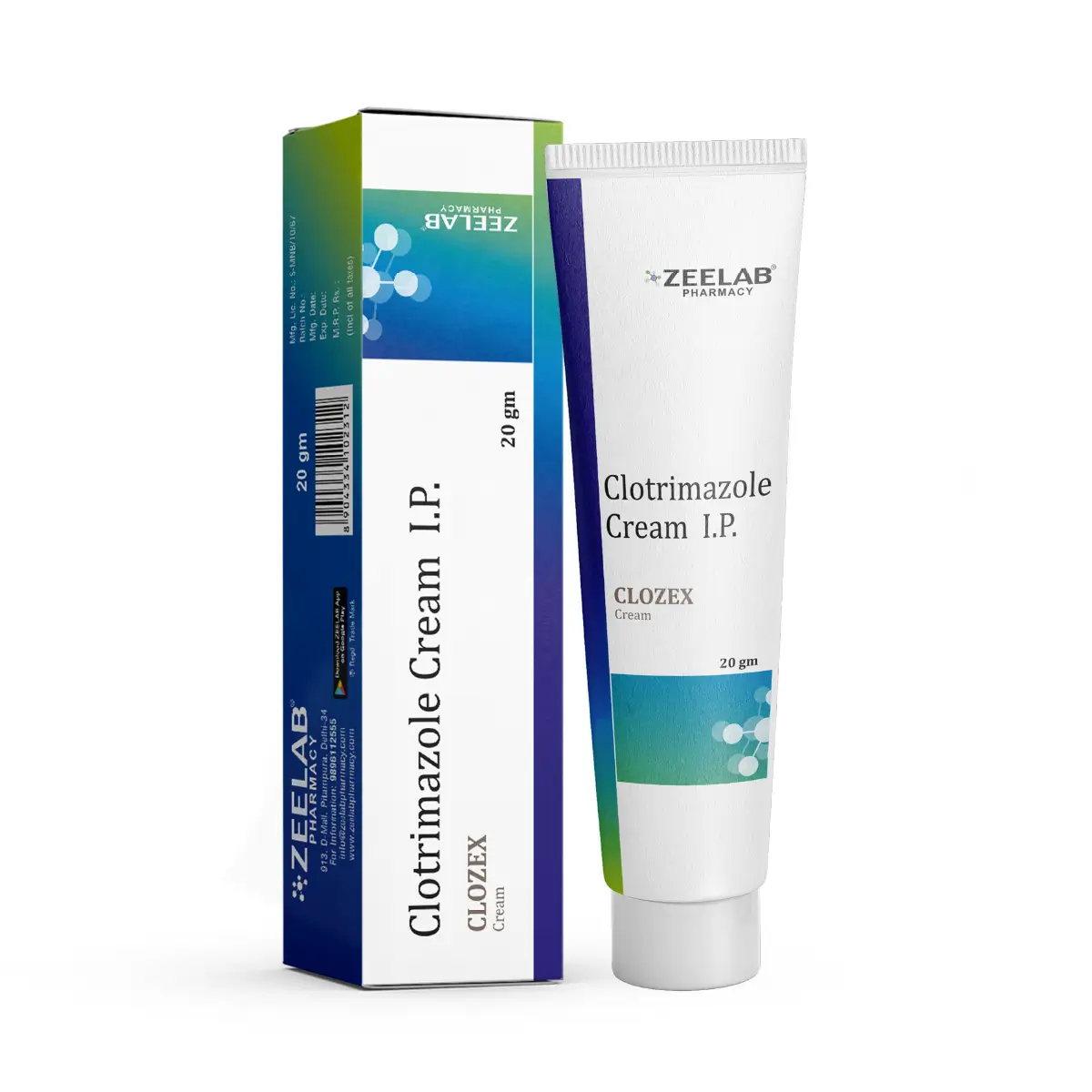
Clotrimazole (1% w/w)
20gm In 1 Tube
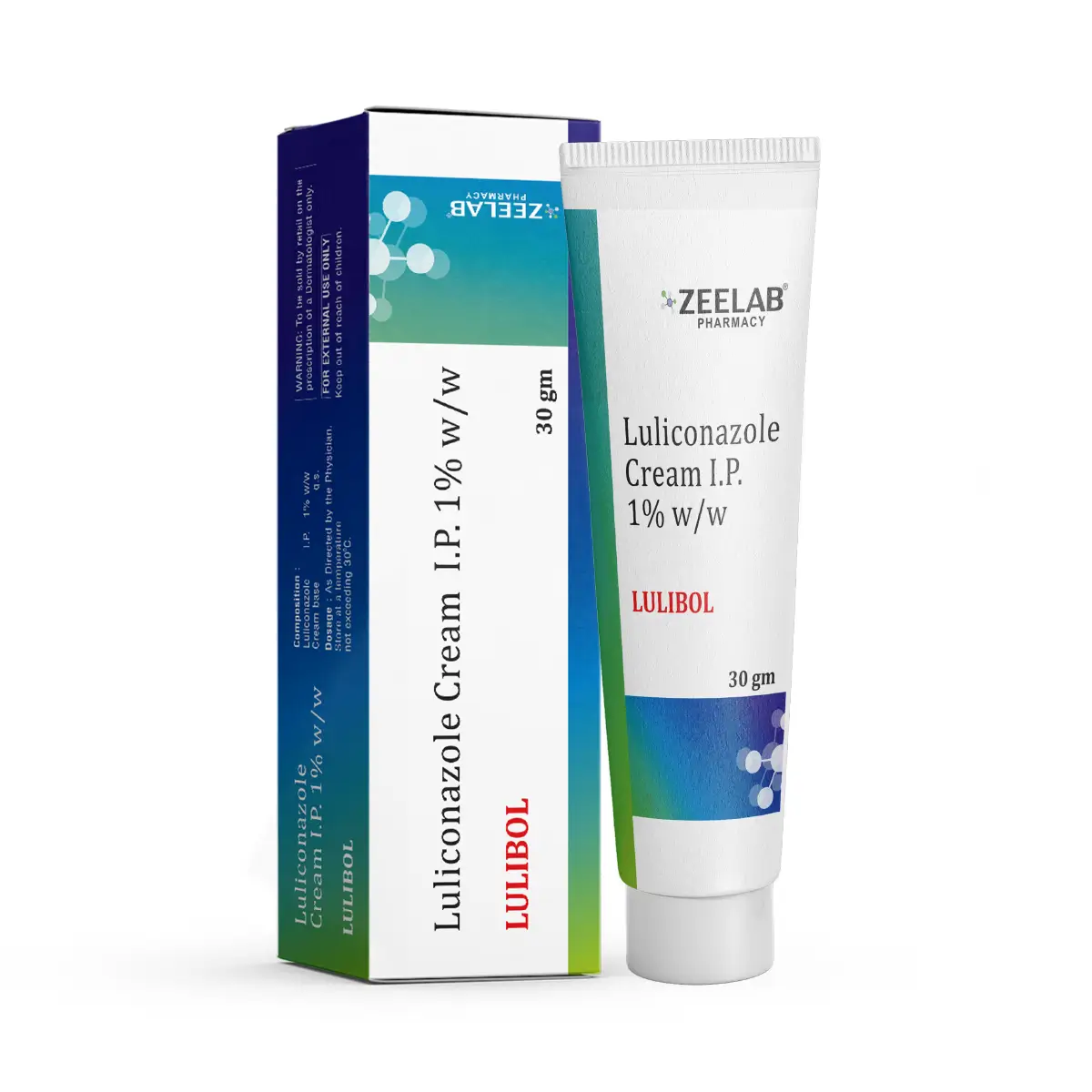
Luliconazole (1% w/w)
30gm In 1 Tube
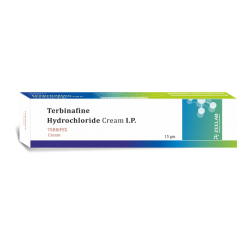
Terbinafine hydrochloride (1% w/w)
15gm In 1 Tube
References
Recent Blogs






Disclaimer : Zeelab Pharmacy provides health information for knowledge only. Do not self-medicate. Always consult a qualified doctor before starting, stopping, or changing any medicine or treatment.
Related Products


₹ 0
0
Items added
Quick Links
Categories
Our Policies

Our Socials


Subscribe

2026 Copyright By © Zeelab Pharmacy Private Limited. All Rights Reserved
Our Payment Partners

 Added!