

How to Prevent Fungal Skin Infections During Monsoon: A Complete Guide to Causes, Symptoms, Treatment & Prevention
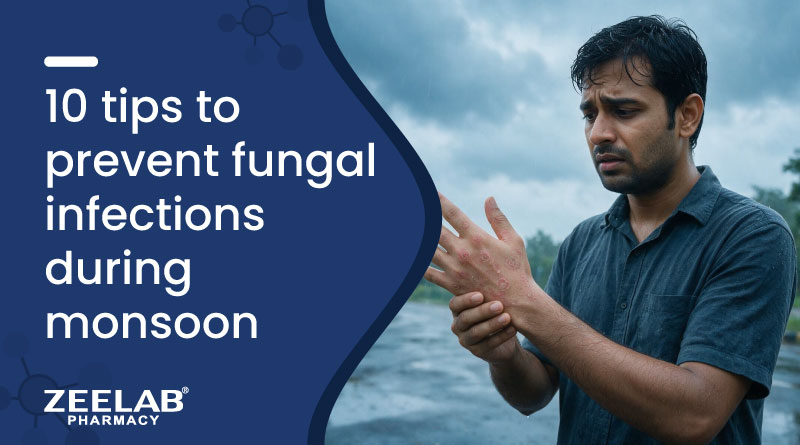
Seasonal changes during the monsoon can create the perfect conditions for fungal growth on the skin.
There is always high humidity in the environment, along with other factors like sweat, damp clothes, and wet footwear, which make fungal growth easy and lead to skin problems.
Well, skin fungal infections are not that serious, but they spread really quickly if ignored.
This guide is dedicated to the prevention of fungal skin infections during the monsoon season, with a detailed discussion on their causes, symptoms, and treatment.
What are Fungal Skin Infections?
Fungal skin infections are a type of rash caused by the growth of fungi on the outer layer of the skin.
Warm areas where sweat and moisture stay trapped for a long time become suitable for fungus growth.
Fungal infections of the skin can be confused with other skin conditions; therefore, here is a brief difference between them.
|
Condition |
Cause |
Common Symptoms |
|
Fungal infection |
Fungi |
Itching, red circular rash, scaling |
|
Bacterial infection |
Bacteria |
Pain, swelling, pus, warmth |
|
Allergic skin reaction |
Allergens |
Itching, redness, hives without infection |
Why Do Fungal Skin Infections Increase During Monsoon?
The cases of fungal infection during monsoon increase mainly due to high humidity.
It causes more sweat and also does not let sweat evaporate, creating favourable conditions like warmth and moisture.
Other factors like wet clothes/shoes, low sunlight, and poor ventilation also contribute to the problem.
What Causes Fungal Skin Infections During Monsoon?
Monsoon weather creates warm, humid and damp conditions that allow fungi to grow easily on the skin. The following factors increase the risk of fungal skin infections:
- High humidity keeps the skin moist.
- Excessive sweating traps moisture in skin folds.
- Wet clothes and footwear create a favourable environment for fungi.
- Poor personal hygiene allows fungi to multiply.
- Sharing towels or clothing can spread infection.
- Tight synthetic clothes reduce airflow and trap sweat.
- Diabetes increases the risk due to high blood sugar.
- Weak immunity makes it harder to fight infections.
- Poor ventilation keeps the skin warm and damp.
Common Types of Fungal Skin Infections During the Rainy Season
Fungal infections of the skin can be of many types, such as ringworm, athlete’s foot, jock itch, candidiasis, and nail infections.
They are differentiated according to the area affected, the fungus causing it and the symptoms.
- Ringworm (Tinea Corporis): A contagious infection causing itchy, red, circular patches with raised edges on the skin.
- Athlete's Foot: Usually occurs between the toes, causing itching, peeling and broken skin.
- Jock Itch: Caused by sweating and friction in the groin area, leading to redness and itching.
- Candidiasis: Caused by Candida yeast, most commonly in skin folds such as under the breasts, armpits and the private area.
- Nail Fungal Infection: Nails become thick, brittle, discoloured or crumbly.
Early Signs and Symptoms of Fungal Skin Infections
Being aware of the common symptoms (e.g., constant itching and circular rash) can help in timely identification and control their spread. Common fungal skin infection symptoms include:
- Persistent itching
- Red or circular rash
- Burning sensation
- Skin peeling
- White scaling
- Cracked skin
- Small blisters
- Unpleasant odour (especially on feet)
Which Body Parts are Most Affected During Monsoon?
Fungal growth can take place anywhere with favourable conditions like constant warmth, dampness and little sunlight. Vulnerable locations might include:
- Between toes
- Groin area
- Underarms
- Neck
- Waistline
- Under the breasts
- Between skin folds
Who is More Likely to Get Fungal Skin Infections?
Some people are more at-risk to develop fungal skin infections as they are more prone to conditions favourable for fungal growth. This table lists those people and the reason behind the susceptibility.
|
People at Higher Risk |
Reason |
|
Diabetics |
High blood sugar and reduced immunity |
|
People with obesity |
Deeper skin folds |
|
People who sweat excessively |
Constant moisture on the skin |
|
Athletes, sportspersons, and gym goers |
Frequent sweating and shared sports equipments |
|
People wearing safety shoes |
Closed footwear worn for long hours |
|
Children |
Lesser attention to personal hygiene |
|
Older adults |
Age-related changes in immunity and skin health |
|
People with weakened immunity |
Conditions or medications may lower immunity |
Top 10 Tips to Prevent Fungal Skin Infections During Monsoon
You can prevent fungal skin infections by not allowing those favourable conditions to develop on your skin.
This can be achieved in many ways, like maintaining personal hygiene, not sharing personal items, and being on a healthy diet. Let’s read in detail:
- Keep Your Skin 100% Dry: After a bath, sweating or getting wet in the rain, pat your skin thoroughly dry.
- Change Wet Clothes Immediately: Get out of your wet clothes or swimsuit as soon as possible to avoid fungal growth.
- Wear Breathable Cotton Clothing: Choose loose and breathable clothing, as tight clothing can interfere with sweat absorption and airflow.
- Keep Feet Dry & Rotate Footwear: Fungal infections of the foot are so common, try to wear only clean, dry shoes and socks.
- Never Share Towels or Personal Items: Don’t share your personal stuffs like towels, combs, or clothes with anyone, no matter healthy or infected.
- Bathe After Getting Wet in Rain: Take a bath with clean water after getting wet in the rain to get rid of dirt and bacteria.
- Dry Skin Folds Properly: Be particularly careful around the crotch, beneath the arms and around the breasts.
- Maintain Good Personal Hygiene: Wash sweaty clothes and used towels. Use only clean towels and fresh cloths.
- Avoid Tight Synthetic Clothing: Such fabrics can trap body heat and sweat, which promotes fungal growth.
- Boost Your Immunity with a Healthy Diet: Eat a healthy diet to keep your immune system healthy.
Daily Monsoon Skincare Routine to Prevent Fungal Infections
Prevention of fungal skin infections becomes easier when you divide these habits into parts throughout your daily routine.
|
Time |
Habit |
|
Morning |
Bathe, dry skin well, wear clean cotton clothes |
|
After Rain |
Change wet clothes and footwear immediately |
|
After Gym |
Shower promptly and wear dry clothes |
|
Night |
Wash affected areas if sweaty and dry skin folds before sleeping |
Common Mistakes That Increase the Risk of Fungal Infection
Along with following preventive methods, also avoid making these common mistakes to reduce the risk of fungal infections.
- Wearing wet socks all day
- Staying in damp clothes
- Scratching itchy skin
- Wearing tight synthetic clothes
- Sharing towels or clothing
What to Do If You Notice a Fungal Skin Infection
If you see signs of a fungal skin infection, the first steps that you need to do is to keep the affected area clean, avoid using medications without consulting a doctor, and never scratch it. More advice may include:
- Avoid sharing clothes or towels.
- Avoid steroid combination creams unless prescribed.
- Start appropriate antifungal treatment as advised by a doctor.
How Doctors Diagnose Fungal Skin Infections
To diagnose fungal skin infections, doctors use methods like external examinations or even lab tests at a microscopic level. Common techniques of diagnosis include:
- Physical examination
- Microscopic examination of KOH (Potassium hydroxide)
- Confirmation by fungal culture in selected cases
Treatment Options for Fungal Skin Infections
Fungal skin infections can be treated with topical (prescription and over-the-counter) and oral drugs.
The best treatment for you depends on the type, intensity and location of your infection.
- Antifungal Creams: Used for mild to moderate skin infections.
- Oral Medicines: Prescribed by a doctor to treat severe, extensive or recurrent infections.
- Antifungal Powders: Help to keep skin dry and can reduce moisture in high-risk areas.
- Antifungal Soaps: Used to keep skin clean as part of the overall therapy approach.
- Home Care: Preventive measures including cleanliness and hygiene.
Here are some Zeelab Pharmacy Products That Help Prevent Fungal Skin Infections During Monsoon:
|
Product |
Description |
|
Antifungal cream for treating fungal skin infections and their symptoms. |
|
|
For the treatment of common fungal infections of the skin. To reduce itching and redness. |
|
|
Oral drug for treatment of various fungal infections and yeasts. |
|
|
Prescription tablet for managing stubborn fungal infections of the skin and nails. |
|
|
Antifungal dusting powder to keep the skin dry and prevent fungal infections. |
|
|
Dusting powder that relieves itching, reduces moisture and prevents fungal growth. |
|
|
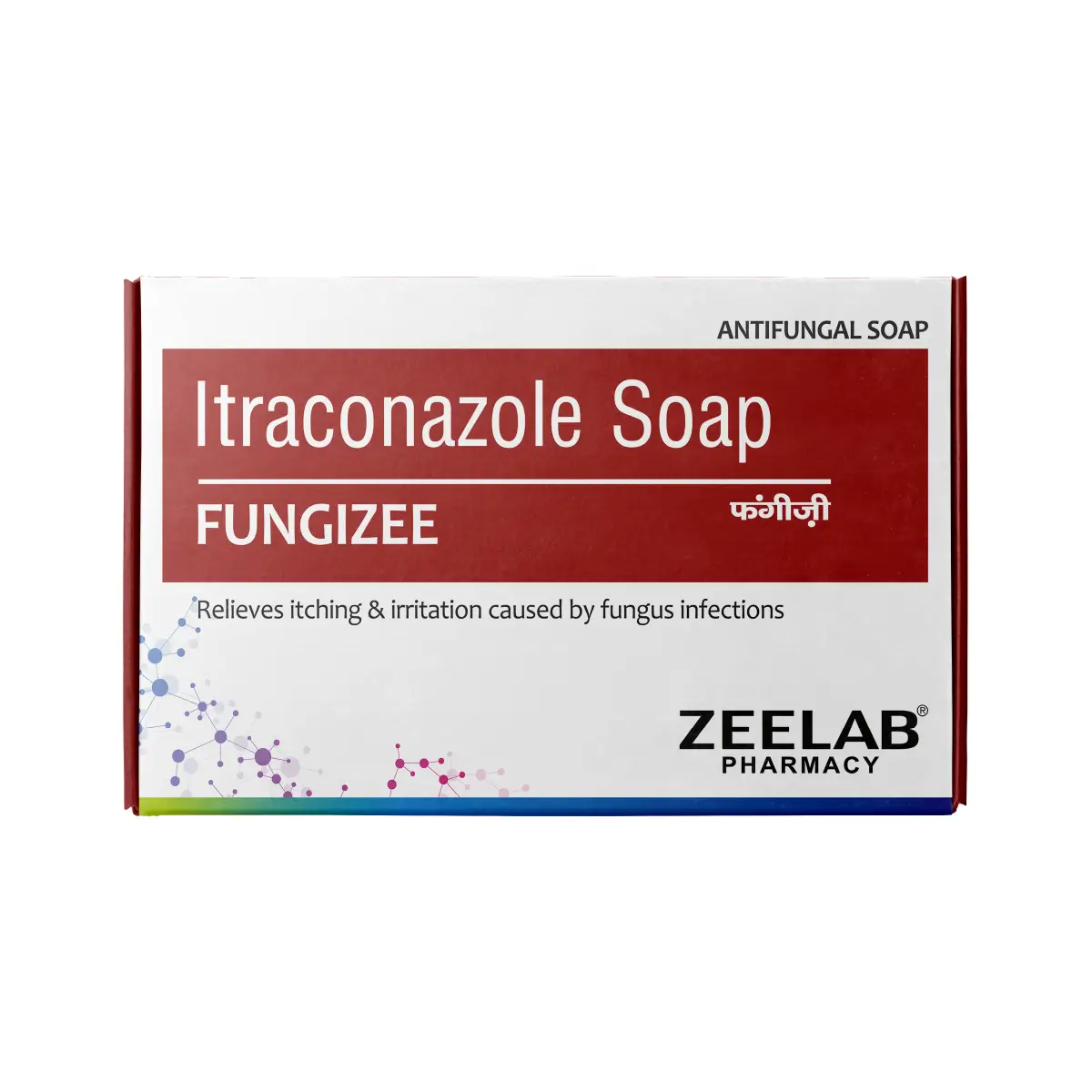
Medicated antifungal soap to cleanse the infected area. |
When Should You See a Doctor?
Fungal skin infections are a common problem during the rainy season. Mild infections are easy to manage through simple daily habits, but if you have serious symptoms as mentioned below, consult a dermatologist immediately.
- Rashes spreading rapidly
- Fever along with the skin infection
- Pus or severe pain
- Infection in people with diabetes
- Infection during pregnancy
- Scalp or nail fungal infections
- Recurrent or long-lasting infections
- No improvement after appropriate treatment
Conclusion
Summarising the blog, we find that fungal skin infections are common during the rainy season because of the favourable environment the monsoon creates for them. Constant moisture in the air and unpredictable rains can make your skin open to fungal growth.
Thankfully, preventive measures like keeping your skin dry, changing damp clothes, wearing breathable cotton fabrics, maintaining good hygiene, etc. can reduce the risk of fungal infections.
Adopting good habits is nice, but you also need to look out for serious symptoms such as severe itching, scarring, extreme pain or pus, and consult a doctor for the spread of infection and the right treatment.
Frequently Asked Questions (FAQs)
Ans.Monsoon humidity, excessive sweating, wet clothes, and damp footwear create warm, moist conditions that allow fungi to grow and spread more easily.
Ans.No, rainwater itself does not cause fungal infections, but staying in wet clothes or shoes after rain increases the risk of fungal growth.
Ans.Excessive sweating keeps the skin moist, creating an ideal environment for fungi to multiply, especially in skin folds and between the toes.
Ans.For fungal infection prevention, keep your feet clean and dry, change wet socks immediately, wear breathable footwear, and allow shoes to dry completely before wearing them again.
Ans.You can prevent fungal infections naturally by ensuring personal cleanliness, keeping your skin dry, wearing loose cotton clothing, maintaining good hygiene, avoiding sharing personal items, and eating a balanced diet to support immunity.
Ans.Yes. Many fungal skin infections spread through direct skin contact or by sharing contaminated towels, clothing, footwear, or personal care items.
Ans.People with diabetes, obesity, excessive sweating, weakened immunity, athletes, gym users, children, and older adults have a higher risk of fungal infections.
Ans.Yes. Diabetes can weaken the body's defence mechanisms and increase blood sugar levels, making fungal skin infections more common and harder to treat.
Ans.Most mild fungal skin infections improve within two to four weeks with proper treatment, but severe or nail infections may take much longer.
Ans.Yes. fungal infection due to humidity may return if treatment is stopped early or the skin remains warm, moist, or poorly ventilated after recovery.
Ans.See a doctor if the rash spreads, produces pus, affects the scalp or nails, keeps returning, or does not improve with treatment.
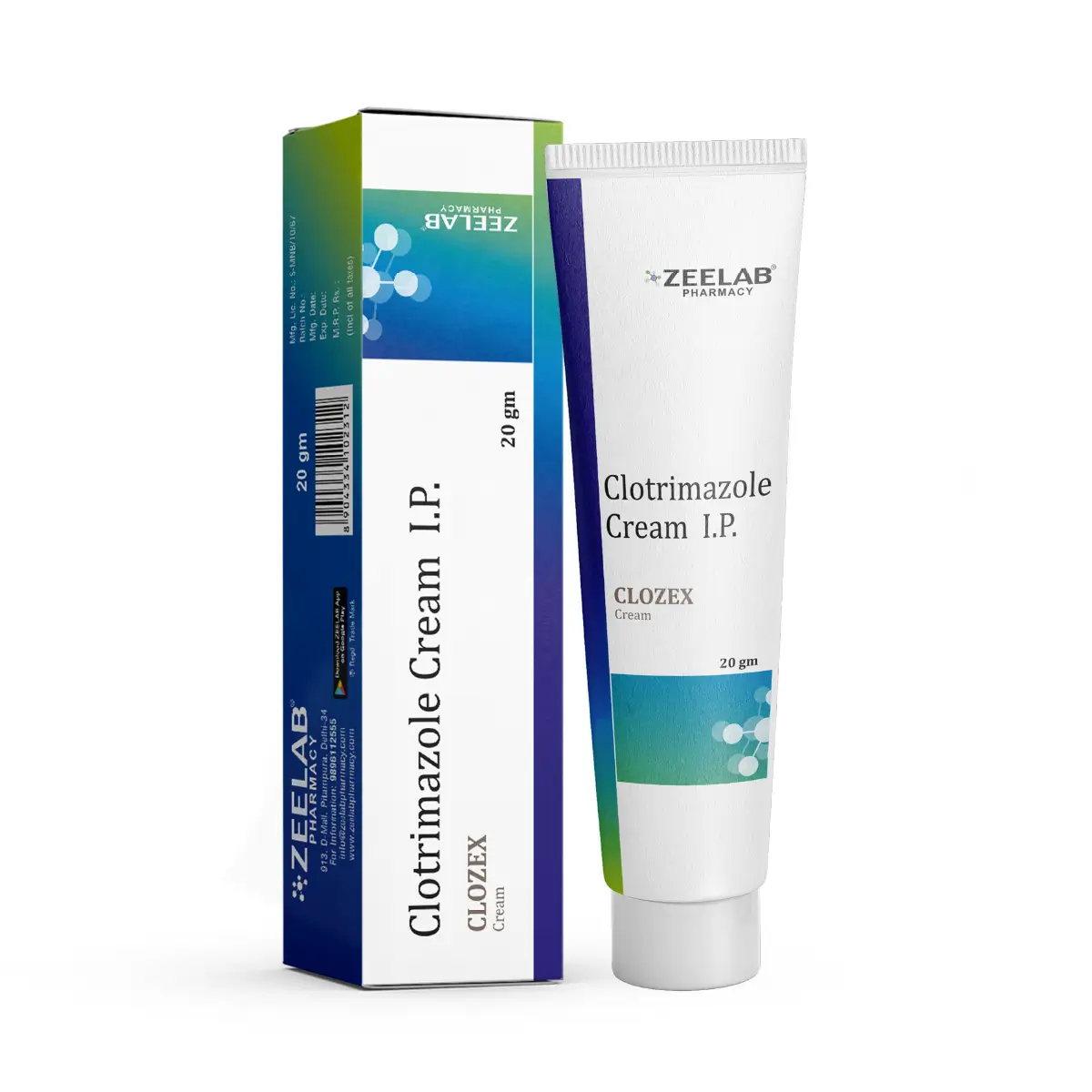
Clotrimazole (1% w/w)
20gm In 1 Tube
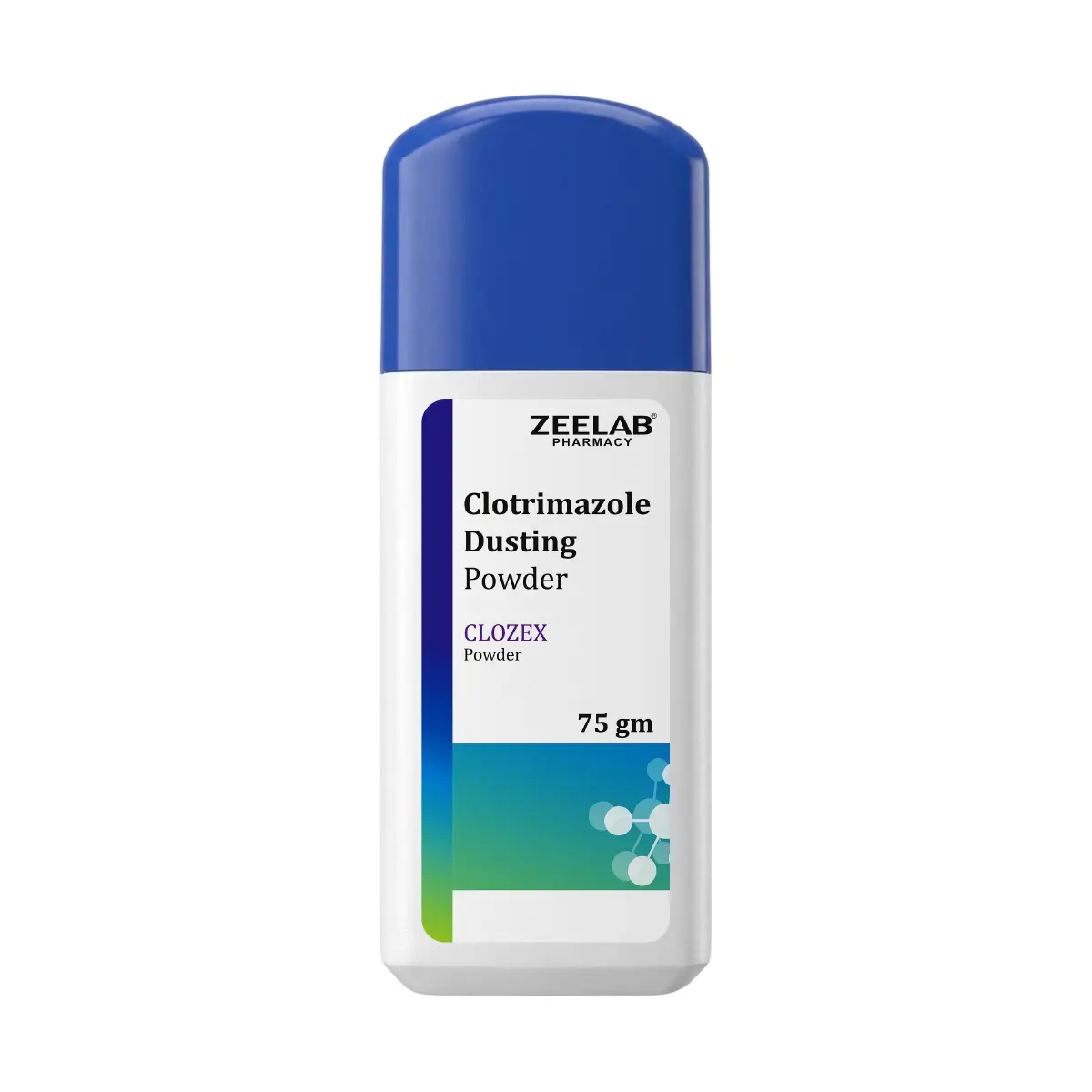
Clotrimazole (1% w/w)
75gm In 1 Bottle
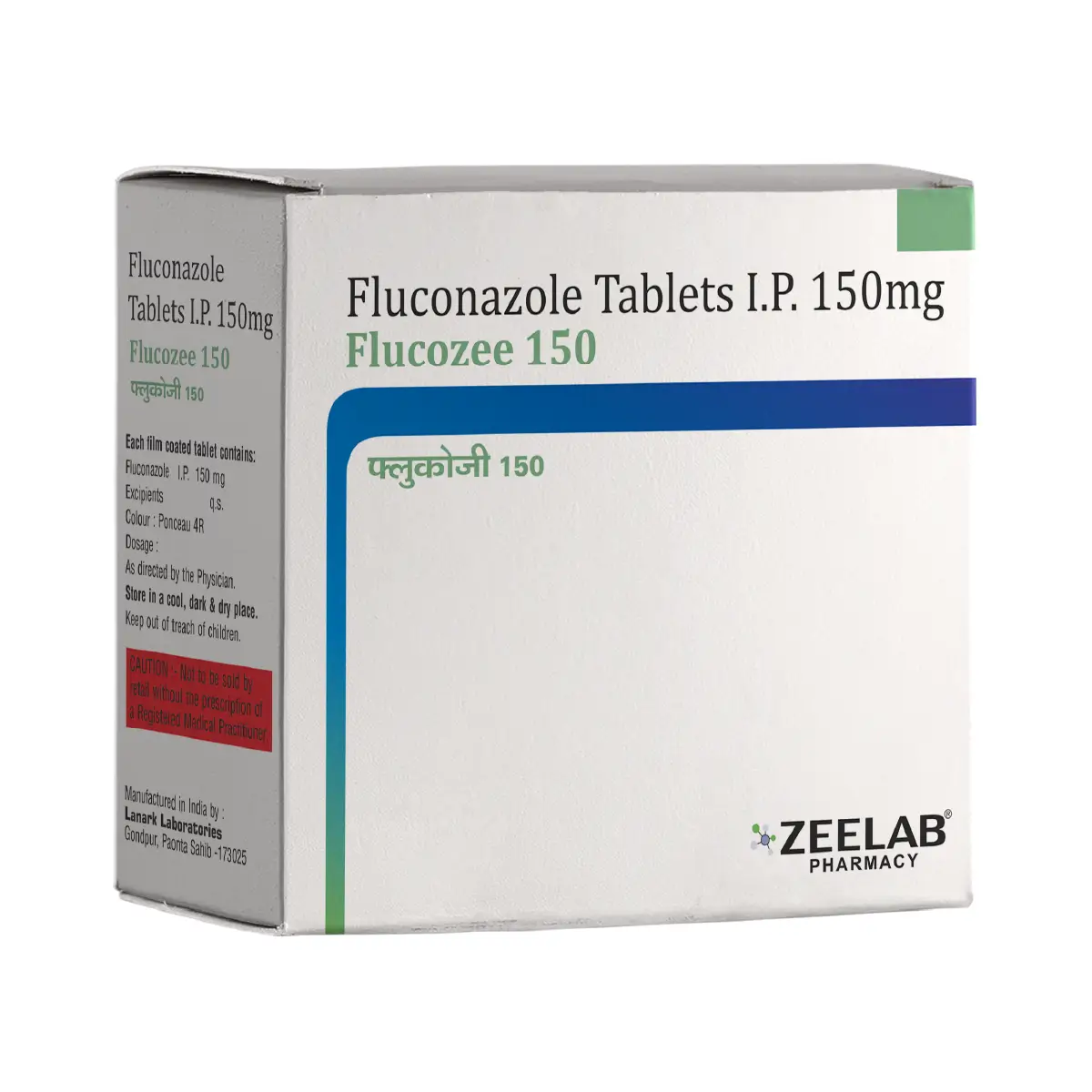
Fluconazole (150mg)
1 Tablet In 1 Strip

Ketoconazole (200mg)
10 Tablets In 1 Strip
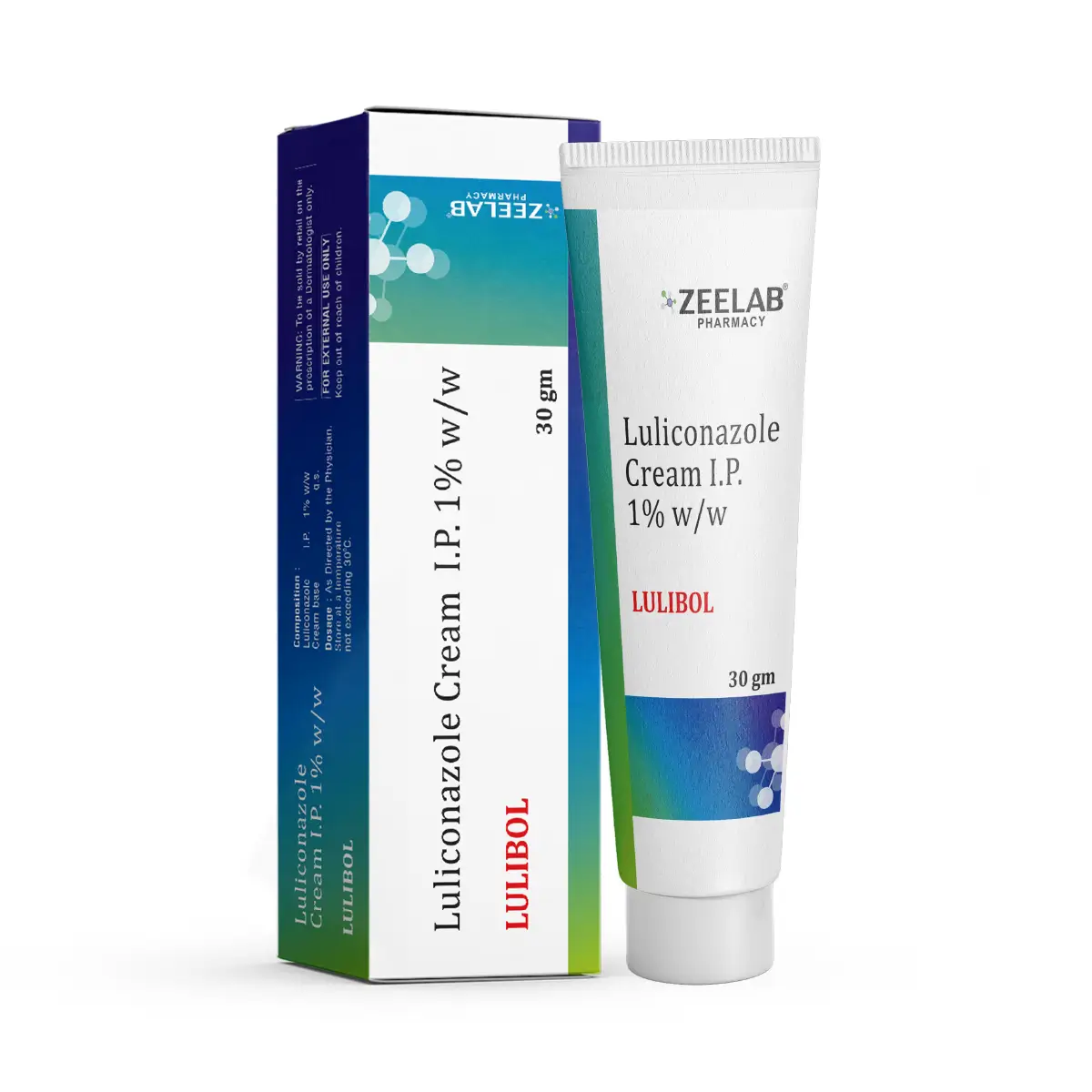
Luliconazole (1% w/w)
30gm In 1 Tube
References
Recent Blogs






Disclaimer : Zeelab Pharmacy provides health information for knowledge only. Do not self-medicate. Always consult a qualified doctor before starting, stopping, or changing any medicine or treatment.
Related Products


₹ 0
0
Items added
Quick Links
Categories
Our Policies

Our Socials


Subscribe

2026 Copyright By © Zeelab Pharmacy Private Limited. All Rights Reserved
Our Payment Partners

 Added!