

List of Antifungal Cream In India
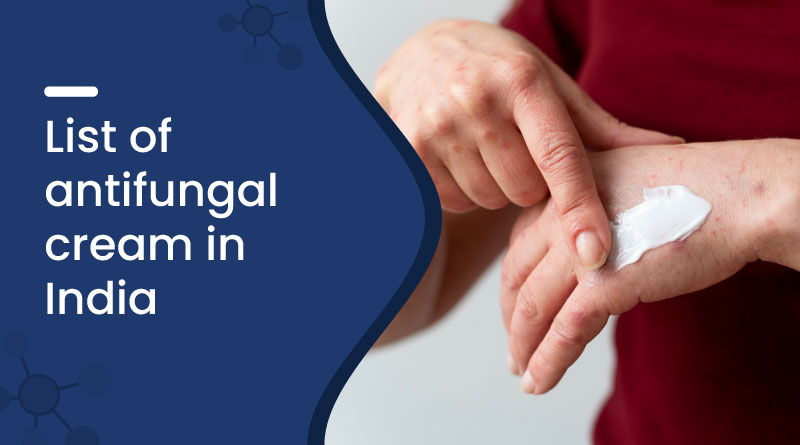
Fungal infections are so common in India that almost 60 million people suffer from them. This prevalence might be because of the hot and humid weather here.
A fungal overgrowth can lead to symptoms such as itching, rashes, burning, painful sores, etc. Antifungal ointments or creams are usually suggested as the first type of medication for treating these symptoms of fungal infection.
Clozex, Terbifex, and Lulibol are some commonly used fungal infection cream names in India. They help to effectively manage fungal symptoms through their antifungal active compounds.
This blog is a guide to the list of best creams and ointments used for different types of fungal infections.
What Are Antifungal Creams Used for?
Antifungal creams are the first form of medicine used to manage topical fungal infections. They are applied externally on the skin to prevent the growth of fungus.
Your doctor will suggest which cream you should use based on the type of infection you have, since fungal infections are of many types.
Topical antifungal creams can be helpful for fungal conditions like:
- Ringworm
- Athlete's foot
- Jock itch
- Cutaneous candidiasis or skin yeast infection
- Tinea versicolour
How Do Antifungal Creams Work?
Antifungal creams either work by killing the fungus or preventing its growth on the skin.
The ultimate goal of each antifungal cream is to treat fungal infection, but the mechanism they follow can vary, for example:
- Damage the fungal cell membrane.
- Stop fungi from producing substances needed for their growth.
- Prevent the infection from spreading across the skin.
- Gradually reduce itching, redness, and scaling as the infection improves.
Common Medicines In Antifungal Creams
Antifungal ointments can be formulated with different antifungal medicines. The right use of these actives is based on the type of infection, severity, fungal growth location, etc.
Commonly used antifungal medicines and their general uses are.
|
Antifungal medicine |
Common uses |
|
Clotrimazole |
Ringworm, athlete’s foot, jock itch, and certain yeast infections |
|
Terbinafine |
Ringworm, athlete’s foot, and jock itch |
|
Miconazole |
Certain fungal skin infections and yeast infections |
|
Ketoconazole |
Some fungal skin infections, including cutaneous candidiasis |
|
Luliconazole |
Ringworm, jock itch, and athlete’s foot |
|
Sertaconazole |
Certain fungal skin infections, including ringworm |
|
Eberconazole |
Certain superficial fungal or yeast skin infections |
List of the Best Antifungal Creams in India
Several antifungal creams are available in India to treat common skin infections caused by fungi. Let’s explore popular options, their compositions, uses, and precautions to help you understand which may suit different fungal infections.
|
Cream Name |
Main Composition |
|
Clozex |
Clotrimazole 1% w/w |
|
Terbifex |
Terbinafine hydrochloride 1% w/w |
|
Katcon |
Ketoconazole 2% w/w |
|
Lulibol |
Luliconazole 1% w/w |
|
Sertazee |
Sertaconazole nitrate 2% w/w |
|
Ebozole |
Eberconazole 1% w/w |
Clozex Cream
Clozex is an antifungal cream formulated with clotrimazole, an ingredient that interferes with fungal cell membranes and helps control fungal growth on the skin.
- Composition: Clotrimazole 1% w/w
- Benefits: Helps manage common fungal skin infections, including ringworm and athlete’s foot, and associated itching and redness.
Terbifex Cream
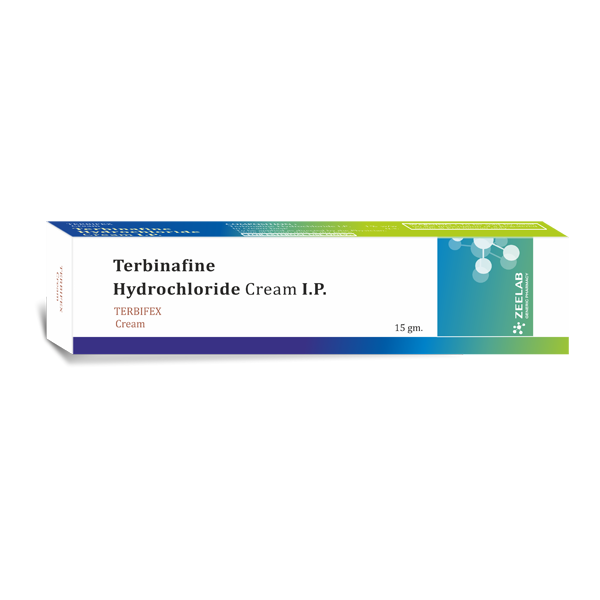
Terbifex is a topical antifungal cream which interferes with the development of fungal cell membranes and controls fungal growth. It contains terbinafine, a common medicine for ringworm and other fungal infections.
- Composition: Terbinafine hydrochloride 1% w/w
- Benefits: Helps treat ringworm, jock itch, and athlete’s foot caused by susceptible fungi.
Katcon Cream

Katcon is a topical antifungal cream containing ketoconazole, which disrupts fungal cell membrane formation and helps control fungal infections.
- Composition: Ketoconazole 2% w/w
- Benefits: Helps manage certain fungal skin infections, including ringworm and yeast infections.
Lulibol Cream
Lulibol contains luliconazole, a topical antifungal agent that disrupts fungal cell membrane formation and is used for specific dermatophyte infections.
- Composition: Luliconazole 1% w/w
- Benefits: Helps treat susceptible fungal infections, including ringworm, jock itch, and athlete’s foot.
Sertazee Cream

Sertazee is often used as an antifungal cream for yeast infections and fungal infections on the skin. This sertaconazole nitrate cream works to interrupt the functioning of the fungal cell membrane and its growth.
- Composition: Sertaconazole nitrate 2% w/w
- Benefits: Helps manage certain fungal skin infections, including ringworm and athlete’s foot.
Ebozole Cream

Ebozole is formulated with eberconazole, an antifungal ingredient that inhibits ergosterol synthesis and interferes with the normal functioning of fungal cell membranes.
- Composition: Eberconazole 1% w/w
- Benefits: Helps manage susceptible fungal skin infections, including ringworm and jock itch.
How to Choose the Right Antifungal Cream for Your Skin Infection?
There are many types of fungal infection creams that you can use to manage the uncomfortable symptoms caused by fungal growth in the skin. But the best antifungal cream for you is decided through this checklist.
- Infection type: Your doctor will analyse which type of fungi is growing on your skin and decide the right treatment ointment.
- Affected area: A cream should be picked only after assessing whether its main composition would be appropriate for that area or not.
- Symptoms severity: Infections that keep spreading or worsening need proper doctor's assessment for an effective treatment.
- Other ingredients: It should also be checked that the cream does not contain steroids or antibiotics unless prescribed by a doctor.
Fungal skin infections are most common during monsoon season, ckeckout these antifungal skin infections cream for monsoon.
More Helpful Tips Along with Using Fungal Infection Creams
Using an antifungal cream correctly can help improve treatment outcomes and reduce irritation. Follow these precautions during treatment.
- Always clean and dry the affected area before applying cream.
- Use the fungal infection cream according to the given instructions.
- Keep the affected part dry and moisture-free with breathable clothing.
- Never use an already infected person's used towel, footwear, or clothing.
- Avoid steroid-containing or combination creams without a doctor's advice.
- Do not apply the cream to sensitive areas like near the eyes, mouth, or private parts unless suggested by a doctor.
Common Side Effects of Antifungal Creams
Most topical antifungal creams are generally well tolerated when used correctly. However, some people may experience mild reactions at the application site.
Common side effects include:
- Mild burning or stinging.
- Redness or irritation.
- Itching at the application site.
- Dryness or peeling of the skin.
Also read about best antifungal cream for private area
When to See a Doctor for Fungal Infections?
Many superficial fungal infections can be treated with appropriate topical medicines, but some require professional diagnosis or additional treatment. Consult a doctor if:
- The rash spreads quickly or covers a large area.
- You experience severe pain, swelling, pus, or fever.
- The infection affects the scalp, nails, or sensitive areas.
- Symptoms persist despite using the cream as directed.
- The infection repeatedly returns after treatment.
- You have diabetes or a weakened immune system.
Conclusion
The best cream for skin fungal infection in India is the one that effectively treats fungal infection and its related symptoms like itching, burning, redness, etc. However, the right choice depends on the type of infection and the affected area.
Use the medicine as directed, maintain good skin hygiene, and avoid steroid-containing combination creams without medical advice. If symptoms persist, worsen, or keep returning, consult a healthcare professional for an accurate diagnosis and appropriate treatment.
Frequently Asked Questions (FAQs)
Ans.Clozex, Terbifex, Katcon, and Lulibol creams from Zeelab Pharmacy contain clotrimazole, terbinafine, ketoconazole, and luliconazole, respectively, and are used to treat different fungal skin infections.
Ans.Over-the-counter antifungal creams usually contain clotrimazole 1%, terbinafine 1%, and miconazole 2%.
Ans.Some topical antifungal creams may be available without a prescription, depending on the product and local regulations. Ask a pharmacist or doctor if unsure.
Ans.Yes, non-steroidal antifungal creams can treat susceptible fungal infections. Medicines such as clotrimazole and terbinafine target fungi without corticosteroids.
Ans.Clean and thoroughly dry the affected skin, then apply a thin layer as directed on the label or by your healthcare professional. Wash your hands afterwards.
Ans.Early diagnosis, the correct antifungal medicine, consistent application, and keeping the affected area dry can support recovery. Avoid steroid combination creams unless prescribed.
Ans.Some antifungal creams begin relieving symptoms within a few days, but complete recovery may take one to four weeks or longer, depending on the infection.
Ans.Treatment duration depends on the active ingredient and infection. Follow the product instructions or your doctor's advice, even if symptoms improve before treatment ends.
Ans.Do not stop treatment early without checking the instructions or your doctor's advice. Symptoms may improve before the fungal infection has completely cleared.
Ans.Antifungal creams are not generally intended for open wounds. Seek medical advice before applying them to broken skin, particularly if the wound is painful or infected.
Ans.Consult a doctor if symptoms worsen or fail to improve after the recommended treatment period. The rash may need a different diagnosis or treatment.
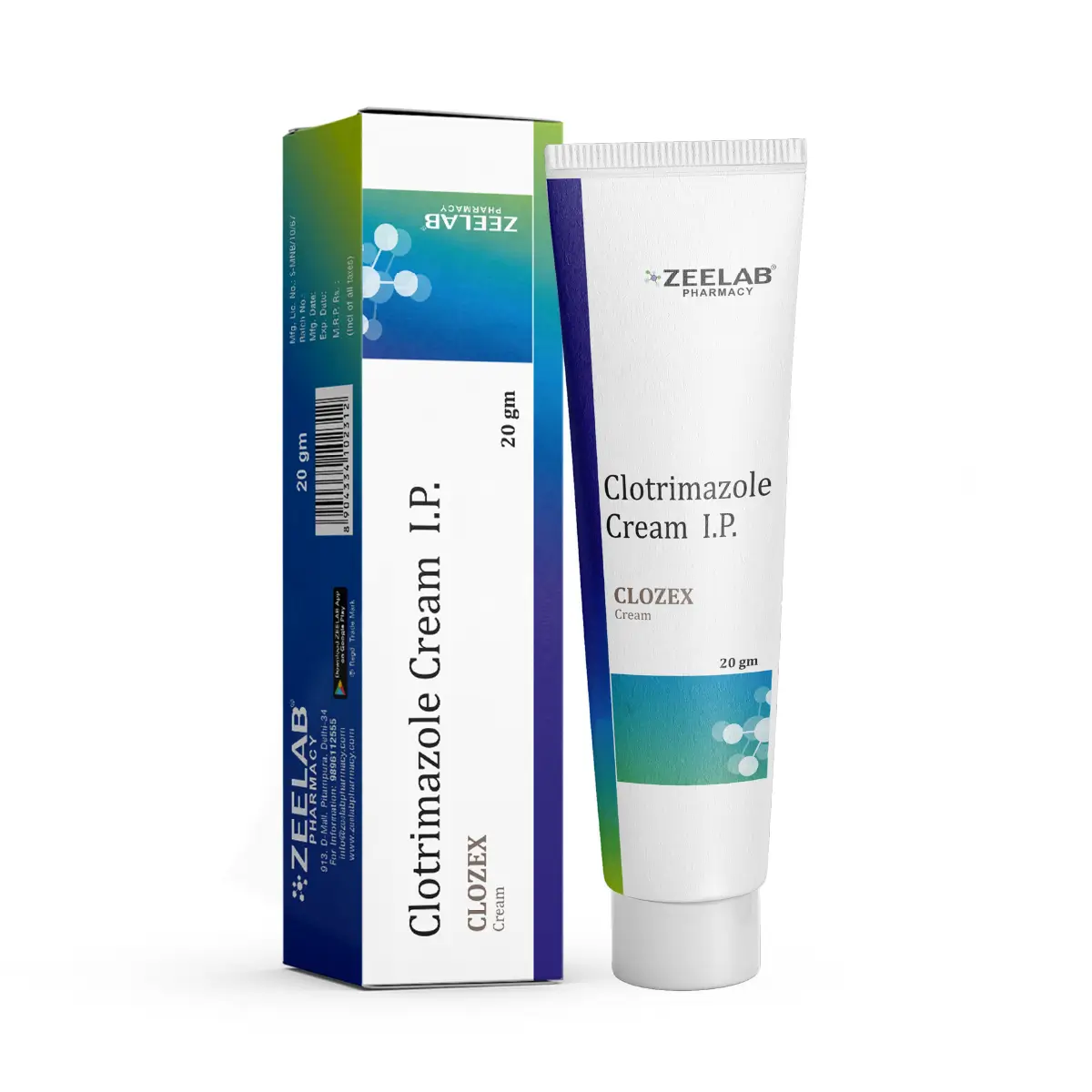
Clotrimazole (1% w/w)
20gm In 1 Tube
Eberconazole (1% w/w)
30gm In 1 Tube
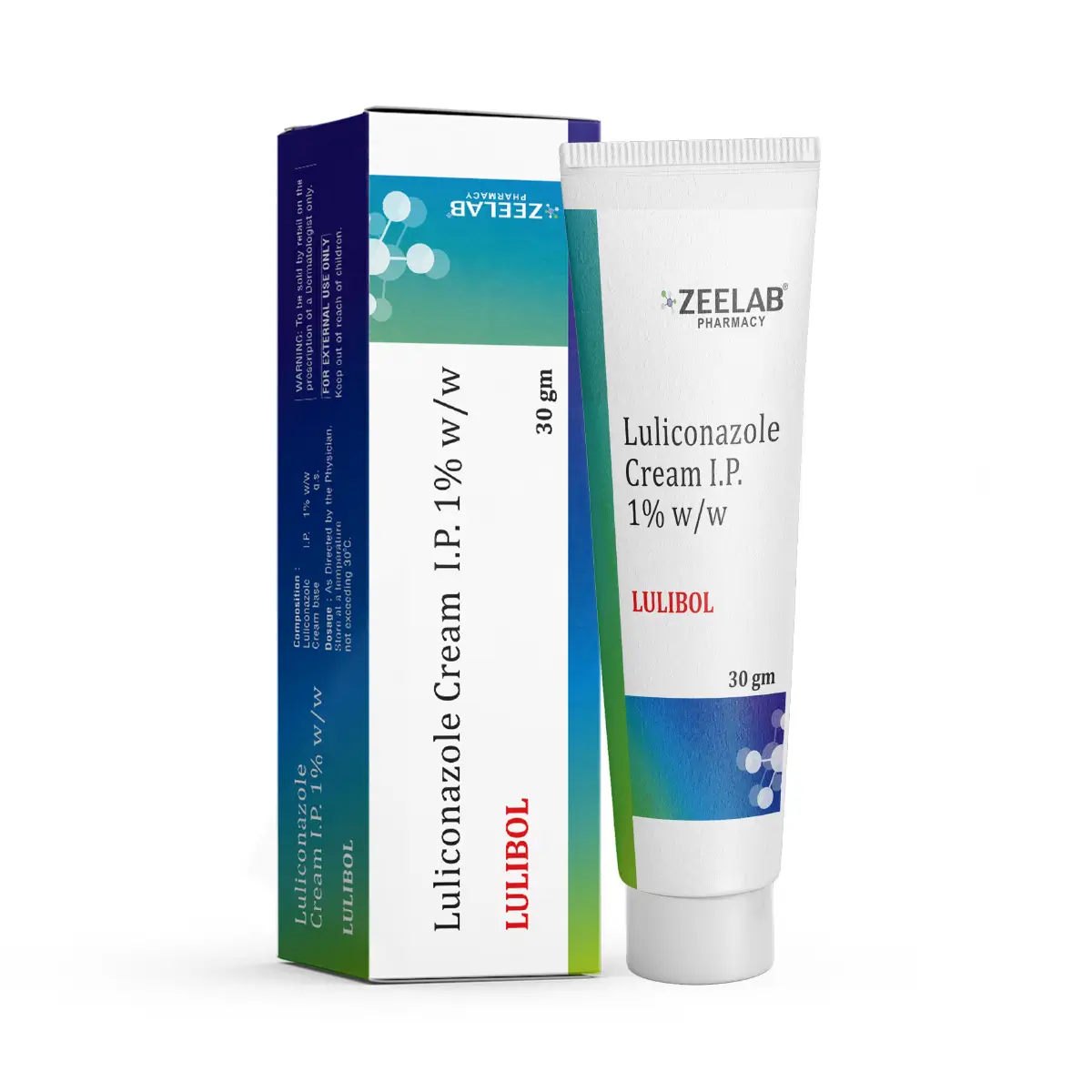
Luliconazole (1% w/w)
30gm In 1 Tube
References
Recent Blogs






Disclaimer : Zeelab Pharmacy provides health information for knowledge only. Do not self-medicate. Always consult a qualified doctor before starting, stopping, or changing any medicine or treatment.
Related Products


₹ 0
0
Items added
Quick Links
Categories
Our Policies

Our Socials


Subscribe

2026 Copyright By © Zeelab Pharmacy Private Limited. All Rights Reserved
Our Payment Partners

 Added!