

Types of Indian Medicine Systems: A Complete Guide to AYUSH and Traditional Healthcare
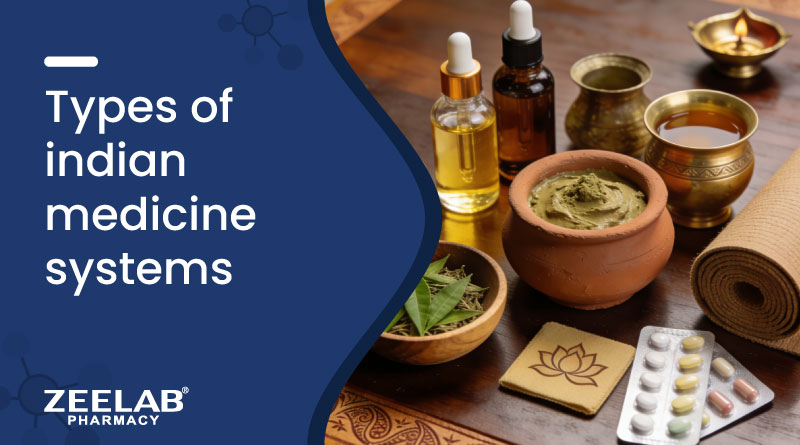
The Indian Medicine Systems are one of the oldest healthcare systems in the world, with the most varied traditions. They are developed with centuries of knowledge, observation, and natural treatment methods.
These systems not only focus on managing the symptoms but also maintain the overall balance of the whole body.
In India, AYUSH has been a key player in the organisation, promoting and regulating various traditional healthcare practices, including Ayurveda, Yoga, Unani, Siddha, and Homoeopathy.
In this blog, we will discuss the importance of different Indian medicine systems in detail, the differences between them, the limitations, and the scope.
What Is the Indian System of Medicine?
The Indian System of Medicine refers to traditional and indigenous healthcare systems that originated and developed in India over centuries. These systems include Ayurveda, Yoga, Siddha, Unani, Homoeopathy, and other recognised traditional practices.
Unlike modern medicine, which mainly focuses on disease diagnosis, treatment, and symptom management, the Indian System of Medicine follows a holistic approach to health.
It focuses on maintaining overall well-being by creating balance between the body, mind, lifestyle, diet, and surrounding environment. It also emphasises prevention, natural healing, and healthy living practices for long-term wellness.
History and Evolution of Indian Medicine Systems
Traditional medicine in India has a rich history that dates back thousands of years and is considered one of the oldest healthcare traditions in the world.
Among these systems, Ayurveda is one of the earliest and most well-known medical practices developed in ancient India, focusing on natural healing, prevention, and maintaining overall well-being.
Some of the common approaches practised in ancient Indian medicine included:
- Herbal remedies
- Diet and lifestyle management
- Yoga and meditation
- Holistic wellness practices
The foundations of Ayurvedic medicine were documented in classical texts, including:
- Charaka Samhita
- Sushruta Samhita
- Ashtanga Hridaya
These classical writings contained valuable information related to herbal medicines, anatomy, digestion, disease management, and even surgical techniques, highlighting the advanced understanding of healthcare practices in ancient times.
Over time, Indian medicine systems continued to evolve alongside modern healthcare practices while preserving their traditional principles.
Today, Ayurveda, Yoga, and other holistic therapies have gained global recognition for their role in preventive healthcare, wellness support, and maintaining overall health.
Understanding AYUSH and Its Role in the Indian Healthcare System
The Ministry of AYUSH plays an important role in promoting, regulating, and strengthening India’s traditional systems of medicine, including Ayurveda, Yoga & Naturopathy, Unani, Siddha, and Homoeopathy.
The term AYUSH represents these healthcare systems and supports their integration into the country’s overall healthcare framework.
AYUSH contributes to healthcare in India through various initiatives focused on wellness, education, research, and public health support. Some of its key roles include:
- Government support: Promotes AYUSH through policies, healthcare programs, hospitals, wellness centres, and public initiatives.
- Education and regulation: Helps maintain standards in practitioner training, medicines, and clinical practices.
- Public healthcare integration: AYUSH services are included in various healthcare settings as supportive and preventive care approaches.
- Research and standardisation: Encourages studies related to quality, safety, effectiveness, and scientific validation of traditional practices.
- Preventive healthcare: Focuses on healthy lifestyles, wellness, disease prevention, and maintaining overall well-being.
What Are the Different Types of Medicine Systems in India?
The various traditional medicine systems in India are commonly grouped under AYUSH, which represents Ayurveda, Yoga & Naturopathy, Unani, Siddha, and Homoeopathy.
These healthcare systems focus on preventive care, holistic healing, and natural approaches to improving overall health and well-being.
Each system follows its own principles and treatment methods while aiming to support physical, mental, and lifestyle balance. Some of the major types of medicine systems in India include:
- Ayurveda: One of the oldest healthcare systems in India that focuses on balancing the body's energies (doshas) through herbs, diet, lifestyle modifications, and natural therapies.
- Yoga & Naturopathy: Focuses on physical postures, breathing techniques, meditation, and natural therapies to support self-healing and overall wellness.
- Unani: Originating from Greek medicine and later developed further, Unani uses herbal remedies, dietary practices, and natural therapies to maintain body balance.
- Siddha: A traditional South Indian medical system that uses herbs, minerals, and lifestyle practices to support health and manage various conditions.
- Homoeopathy: Based on the principle of "like cures like," it uses highly diluted natural substances selected according to individual symptoms and health conditions.
This section naturally improves keyword targeting for terms like types of medicine systems in India, AYUSH systems, traditional healthcare systems, and holistic healing without significantly changing your original content.
Ayurveda – The Most Popular Indian System of Medicine
Among the various traditional healing systems in India, Ayurveda is one of the oldest and most widely practised healthcare systems. It is recognised for its holistic approach that focuses on maintaining balance between the body, mind, and lifestyle to support overall well-being.
Let us understand Ayurveda in more detail.
What is Ayurveda?
Ayurveda is a traditional Indian healthcare system that focuses on promoting health and wellness by maintaining balance within the body and mind.
Rather than concentrating only on disease management, Ayurveda emphasises prevention, healthy living practices, and natural approaches to maintaining overall health.
The word Ayurveda is derived from Sanskrit, where “Ayur” means life and “Veda” means knowledge or science. Therefore, Ayurveda is often referred to as the “Science of Life.”
It combines principles related to diet, lifestyle, natural therapies, and overall wellness to support long-term health and balance.
Core Principles of Ayurveda
The Ayurvedic system of medicine is based on the belief that good health is achieved by maintaining harmony between the body, mind, and lifestyle.
According to Ayurveda, every individual has a unique body constitution, and overall well-being depends on maintaining balance within the body's natural energies.
Ayurveda mainly revolves around three fundamental energies, known as Doshas, along with the concept of balance-based healing.
|
Ayurvedic Principle |
Linked or Related To |
|
Controls movement in the body, including breathing, circulation, and nervous system functions. |
|
|
Pitta |
Associated with digestion, metabolism, body temperature, and transformation processes. |
|
Supports strength, stability, lubrication, and the overall structure of the body. |
|
|
Balance-based healing |
Focuses on restoring balance through natural approaches such as diet, lifestyle modifications, herbal preparations, and traditional therapies. |
Common Ayurvedic Treatments
Most Ayurvedic practices focus on maintaining balance within the body and promoting overall wellness through natural approaches. In addition to supporting healthy living, Ayurveda also uses personalised practices that may help manage various health concerns as part of a complementary care approach. Some common Ayurvedic practices include:
- Herbal remedies: Use of plant-based preparations and herbal extracts to support overall health and body functions.
- Panchakarma: A traditional Ayurvedic cleansing and detoxification approach aimed at restoring balance in the body.
- Diet and lifestyle changes: Personalised dietary recommendations and lifestyle modifications based on an individual's body type and health needs.
- Oil therapies: Application of herbal oils through massages and traditional therapies to support relaxation and overall well-being.
Conditions Commonly Managed by Ayurveda
The Ayurvedic system of medicine is commonly used as a supportive and complementary approach for various lifestyle-related and long-term health concerns, including:
- Digestive system-related concerns
- Joint pain and stiffness
- Stress, sleep disturbances, and fatigue
- Skin and hair-related concerns
- Respiratory discomfort, including asthma-related symptoms
- Weight management and overall wellness support
Why Is Ayurveda Popular Worldwide?
Ayurveda has gained worldwide recognition because of its focus on natural healing, preventive care, and holistic wellness.
Its approach to maintaining balance through diet, lifestyle practices, herbal therapies, and mind-body wellness appeals to individuals seeking supportive healthcare practices alongside conventional medical care.
Today, Ayurveda is increasingly adopted across different countries as part of wellness routines and preventive healthcare practices aimed at promoting long-term health and well-being.
Yoga and Naturopathy – Natural Healing Practices
Yoga and Naturopathy are natural healing practices that focus on improving overall health and well-being through lifestyle balance, self-care, and harmony between the body and mind.
These approaches emphasise preventive care and encourage healthy habits that support physical, mental, and emotional wellness.
What Is Yoga Therapy?
Yoga therapy focuses on the connection between the mind and body and uses a supportive approach to promote overall well-being.
It commonly includes yoga postures, breathing exercises, relaxation techniques, and meditation practices that may help improve physical and mental health.
Yoga therapy is often personalised according to an individual’s health condition, lifestyle, needs, and comfort level.
What Is Naturopathy?
Naturopathy is a natural healthcare system that supports the body’s inherent ability to maintain and restore balance. It focuses on healthy lifestyle practices such as balanced nutrition, regular physical activity, proper rest, and natural therapies to promote wellness and support disease prevention.
Rather than focusing only on symptom management, naturopathy encourages healthy living practices and overall well-being.
Common Therapies Used
Yoga and Naturopathy use various natural methods and therapies that focus on supporting relaxation, balance, and overall health. Some commonly practised therapies include:
- Yoga postures
- Breathing exercises
- Meditation
- Diet therapy
- Hydrotherapy
- Massage therapy
- Fasting therapy
- Mud therapy
Health Benefits of Yoga and Naturopathy
Yoga and Naturopathy are widely practised natural healing approaches that focus on improving overall health, balance, and well-being through healthy lifestyle habits and supportive wellness practices. Regular practice may help support both physical and mental wellness.
Some commonly associated benefits include:
- Stress Relief: Yoga, breathing, and meditation help calm the mind.
- Better Flexibility: Yoga postures may improve posture and body movement.
- Improved Digestion: Diet and lifestyle changes may support digestion.
- Better Sleep: Relaxation practices may help improve sleep quality.
- Natural Detox Support: Naturopathy therapies may support natural cleansing.
- Overall Wellness: These practices promote balance, prevention, and healthy living.
Unani Medicine – The Greco-Arabic Healing System
Unani medicine is a traditional healthcare system known for its natural, balanced, and personalised approach to maintaining health and overall well-being.
It focuses on restoring harmony within the body through lifestyle practices, dietary guidance, and natural therapies.
Let us understand more about the origin, principles, and treatment approaches of Unani medicine.
What is Unani Medicine?
Unani medicine is a traditional system of healing that originated from ancient Greek medicine and was later developed and refined by Arab and Persian scholars.
Over time, it became an important part of traditional healthcare practices in India and several other regions of the world.
The Unani system of medicine focuses on maintaining balance within the body through diet, lifestyle modifications, herbal preparations, and natural therapies to support overall health and wellness. It follows a holistic approach that emphasises prevention, balance, and individualised care.
Basic Principles of Unani Medicine
Unani medicine is based on the concept of maintaining balance within the body through natural healing approaches, dietary practices, lifestyle modifications, and personalised care. According to Unani principles, overall health depends on harmony between the body's natural elements and functions.
Some of the key principles of Unani medicine include:
- Balance of humours: Unani believes that good health depends on maintaining balance among four humours — blood, phlegm, yellow bile, and black bile. Imbalance in these humours is traditionally associated with various health concerns.
- Temperament: Treatment approaches are often personalised according to an individual's natural body type, temperament, and overall health condition.
- Natural healing: Unani medicine supports the body's natural ability to maintain and restore health through balanced living practices and supportive therapies.
Common Treatment Methods
Unani treatment methods focus on restoring balance within the body through natural and individualised approaches. Some commonly used methods include:
|
Treatment Method |
Description |
|
Herbal medicines |
Use of plant-based preparations to support overall health and wellness. |
|
Diet therapy |
Dietary recommendations and food modifications based on individual health needs and body constitution. |
|
Regimental therapies |
Traditional approaches such as massage, exercise, cupping, and lifestyle practices used to support well-being. |
Common Uses of Unani Medicine in India
Unani medicine is commonly used as a supportive healthcare approach for maintaining wellness and addressing various everyday health concerns. Some commonly associated uses include:
- Digestive and respiratory concerns
- Joint pain and body stiffness
- Skin-related concerns
- Weakness, fatigue, and sleep-related issues
- Lifestyle-related concerns and overall wellness support
Siddha Medicine – Traditional South Indian Healthcare System
Siddha medicine is one of the important traditional healthcare systems in India and has a strong historical presence, particularly in South India. It is recognised for its holistic approach, which focuses on maintaining balance within the body through natural remedies, lifestyle practices, and traditional healing methods.
Let us understand Siddha medicine in more detail.
What Is Siddha Medicine?
Siddha medicine is one of India's oldest traditional healthcare systems, with deep roots in Tamil culture and ancient South Indian medical practices. It combines natural remedies, lifestyle guidance, and classical medical knowledge to promote overall health, support disease prevention, and encourage the body’s natural healing process.
The Siddha system of medicine follows a holistic approach that emphasises physical, mental, and lifestyle balance to maintain overall well-being.
Principles of Siddha
Siddha medicine is based on traditional concepts that explain body functions and the role of balance in maintaining health. Its key principles focus on humours, natural elements, lifestyle practices, and natural healing approaches.
|
Principle |
Simple Explanation |
|
Three humours |
Health is believed to depend on maintaining balance among Vatham, Pitham, and Kapham. |
|
Five elements |
The body is traditionally associated with earth, water, fire, air, and space. |
|
Food and lifestyle |
Diet, daily habits, and lifestyle practices help support overall balance. |
|
Natural healing |
Natural remedies and traditional therapies are used to promote wellness and health support. |
Treatment Methods Used in Siddha Medicine
Siddha treatments focus on restoring balance through natural approaches and personalised care practices. Some commonly used methods include:
- Herbal preparations: Use of plant-based remedies and herbal formulations for health support.
- Mineral-based medicines: Traditionally processed mineral preparations used under qualified guidance.
- Diet and lifestyle advice: Food recommendations and lifestyle modifications based on individual health needs.
- External therapies: Traditional practices involving oils, massage, and body therapies to support well-being.
Common Applications of Siddha Medicine
Siddha medicine is commonly used as a supportive approach for maintaining health and addressing various everyday and long-term health concerns, including:
- Digestive discomfort
- Joint pain and stiffness
- Skin-related concerns
- Respiratory discomfort
- Weakness and fatigue
- Lifestyle-related health concerns
- General wellness and preventive care
Here is an improved version that keeps your original meaning and content intact while improving readability, SEO value, flow, and medical accuracy:
Homoeopathy in India
Homoeopathy is a widely practised system of medicine in India and is known for its individualised approach to healthcare and supportive treatment methods. It is commonly used by many people as part of long-term wellness and health management practices.
What Is Homoeopathy?
Homoeopathy is a system of medicine based on the principle of “like cures like.” According to this concept, a substance that may produce certain symptoms in a healthy person is used in a highly diluted form to help manage similar symptoms in an unwell person.
Homoeopathic remedies are selected based on an individual's symptoms, overall health condition, and personal characteristics, making the approach highly personalised.
How Does Homoeopathy Work?
Homoeopathy follows the concept that the body can be gently stimulated to support its natural healing response. Remedies are selected according to a person's symptoms, body constitution, and overall condition.
These remedies are prepared through a process of repeated dilution and shaking, known as potentisation, which is traditionally believed in homoeopathy to enhance the properties of the remedy while reducing the amount of the original substance.
Conditions Commonly Managed
Homoeopathy is commonly used as a supportive approach for managing various everyday and long-term health concerns, including:
- Allergies and respiratory discomfort
- Skin-related concerns
- Digestive problems
- Stress, sleep-related concerns, and fatigue
- Joint pain and body aches
- General wellness and preventive care support
Popularity of Homoeopathy in India
Homoeopathy is popular in India because it is widely available, generally affordable, and used by a large patient population across the country.
Many individuals prefer homoeopathy for long-term and supportive care because of its personalised treatment approach.
As one of the recognised systems under AYUSH, homoeopathy is also supported and promoted within India’s traditional healthcare framework.
Here is an improved version that keeps your original content and structure intact while improving readability, SEO relevance, and user experience:
Difference Between Ayurveda, Unani, Siddha, Yoga and Homoeopathy
Each Indian medicine system follows its own philosophy, principles, and treatment approach. While all these systems focus on improving health and well-being, they differ in their methods, concepts, and healing practices. Understanding these differences can help provide a clearer overview of how each system approaches healthcare and wellness.
The table below summarises the key differences among Ayurveda, Unani, Siddha, Yoga & Naturopathy, and Homoeopathy at a glance.
|
Medicine System |
Main Focus |
Common Approach |
|
Ayurveda |
Balance of Vata, Pitta, and Kapha (Doshas) |
Herbs, dietary practices, lifestyle modifications, Panchakarma, and natural therapies |
|
Unani |
Balance of the four humours and individual temperament |
Herbal medicines, diet therapy, and regimental therapies |
|
Siddha |
Balance of Vatham, Pitham, and Kapham |
Herbal preparations, mineral-based medicines, dietary guidance, and external therapies |
|
Yoga & Naturopathy |
Mind-body balance and natural healing |
Yoga practices, breathing exercises, meditation, diet therapy, hydrotherapy, and lifestyle modifications |
|
Homoeopathy |
“Like cures like” principle |
Highly diluted remedies selected according to individual symptoms and health conditions |
Although these traditional healthcare systems differ in their methods, many of them share common goals such as promoting overall wellness, encouraging preventive care, and supporting a balanced lifestyle.
Benefits of Indian Medicine Systems
Indian medicine systems are valued for their wellness-focused approach and long history of use in traditional healthcare practices. These systems aim to support health through natural, lifestyle-based, and person-centred approaches that focus on maintaining balance and overall well-being.
Some of the commonly associated benefits of Indian medicine systems include:
- Supports preventive care by encouraging healthy routines, balanced eating, and mindful living.
- Promotes overall wellness instead of focusing only on disease management.
- Offers supportive care for many common and lifestyle-related health concerns.
- Uses natural methods such as herbs, diet, yoga, therapies, and lifestyle changes.
- Focuses on individual needs by considering body type, habits, environment, and health condition.
- Can complement modern healthcare when used under qualified medical guidance.
Limitations and Challenges of Traditional Medicine Systems
Traditional medicine systems play an important role in supporting wellness and preventive healthcare. However, like any healthcare approach, they also have certain limitations and challenges and should be used responsibly under qualified guidance.
Understanding these limitations can help ensure safe and informed healthcare decisions.
- Standardisation gaps: Practices and formulations may vary.
- Qualified care needed: Treatment should be guided by trained practitioners.
- Not for emergencies: Acute or serious conditions need timely modern medical care.
- Evidence still developing: More research is needed for some therapies.
- Self-medication risks: Unsupervised use may cause side effects or interactions.
Are Indian Medicine Systems Scientifically Proven?
Indian medicine systems are receiving increasing attention in scientific research today, particularly in areas such as Ayurveda, Yoga, and traditional wellness practices.
Researchers and healthcare organisations continue to study these systems to better understand their safety, quality, effectiveness, and potential role in healthcare.
Some important points to understand include:
- WHO support: WHO encourages evidence-based use of traditional medicine.
- Clinical studies: Research is helping assess safety, quality, and effectiveness.
- Evidence varies: Some therapies still need stronger scientific proof.
- Responsible use: Avoid exaggerated claims and seek qualified guidance.
Why Traditional Indian Medicine Is Becoming Popular Globally
Traditional Indian medicine systems, including Ayurveda, Yoga, and other holistic healthcare practices, are gaining popularity worldwide due to the growing interest in natural and wellness-focused approaches to health.
Increasing awareness about preventive care, healthy living, and mind-body balance has contributed to the global acceptance of these traditional systems.
Ayurveda, in particular, focuses on prevention, lifestyle balance, natural remedies, and maintaining overall well-being rather than concentrating only on disease management.
Similarly, practices such as Yoga and meditation have become widely recognised for their role in promoting physical and mental wellness.
The increasing demand for herbal products, yoga practices, meditation, and wellness-oriented lifestyles has further strengthened interest in traditional Indian healthcare systems across different countries.
Yoga has also played an important role in increasing global awareness of Ayurveda and holistic wellness practices by encouraging stress management and healthy living habits.
Many individuals are becoming interested in traditional medicine because it commonly focuses on:
- Natural treatments
- Preventive approach
- Holistic wellness
- Lifestyle-based treatment
Can Traditional and Modern Medicine Work Together?
Yes, traditional Indian medicine and modern medicine can be used together in some cases, especially for wellness support, prevention, and supportive care. In certain situations, combining these approaches may help support overall health and well-being.
However, they should be used together only under qualified medical guidance to avoid possible side effects, interactions, or delays in necessary treatment.
Serious, acute, or emergency medical conditions should always receive timely and appropriate modern medical care.
Common Misconceptions About Indian Medicine Systems
Traditional Indian medicine systems like Ayurveda and Homoeopathy are widely practiced, but many myths and misunderstandings still surround their safety, effectiveness, and use.
|
Myth |
Fact |
|
Ayurvedic medicines are always safe |
Natural medicines can also cause side effects if misused. |
|
Ayurveda works instantly |
Ayurveda usually focuses on gradual healing and wellness. |
|
Homeopathy has no value |
Homeopathy is widely used, though scientific opinions vary. |
|
Natural means side-effect-free |
Herbal medicines may still interact with other treatments. |
|
Traditional medicine can replace modern medicine completely |
Both systems should be used |
Future of Indian Medicine Systems
The future of Indian medicine systems looks promising with growing interest in natural, preventive, and wellness-based healthcare.
- Ayurveda, Yoga, and natural therapies are gaining global attention.
- Digital platforms are making traditional healthcare more accessible.
- Herbal product demand is increasing in India and worldwide.
- Research is improving safety, quality, and standardisation.
- AI may support herbal medicine research and innovation.
Conclusion
The different medicine systems are a symbol of India's rich heritage and still hold their relevance in the present-day world.
Be it Ayurvedic medicine, Yoga, Unani practice, Siddha medicine, Naturopathy, or Homoeopathic treatment, all these practices provide a specific approach to maintaining one’s health.
The development of scientific knowledge, healthcare policy and the advancement of digital healthcare will probably contribute greatly to the rise of Indian medicine systems’ popularity.
Frequently Asked Questions (FAQs)
Ans.The Indian System of Medicine includes traditional healthcare practices that focus on natural healing, prevention, lifestyle balance, and overall wellness.
Ans.The main medicine systems in India include Ayurveda, Yoga and Naturopathy, Unani, Siddha, Homoeopathy, Sowa-Rigpa, and modern allopathy.
Ans.The seven AYUSH systems are Ayurveda, Yoga, Naturopathy, Unani, Siddha, Sowa-Rigpa, and Homoeopathy.
Ans.Traditional medicine systems in India are regulated and promoted by the Ministry of AYUSH under the Government of India.
Ans.Ayurveda is considered one of the oldest Indian systems of medicine, with roots in ancient healthcare traditions and natural healing practices.
Ans.Ayurveda is an ancient Indian medicine system that focuses on balancing body, mind, diet, lifestyle, and natural healing practices.
Ans.Homoeopathy uses highly diluted substances believed to gently stimulate the body’s natural healing response based on individual symptoms.
Ans.What is the difference between Ayurveda and Homoeopathy? Ayurveda focuses on dosha balance, diet, herbs, and lifestyle, while Homoeopathy uses highly diluted remedies based on symptoms.
Ans.Indian medicine systems may be safe when used under qualified guidance, but self-medication can cause side effects or medication interactions.
Ans.Ayurveda and allopathy may be taken together only under medical supervision to avoid interactions, side effects, or delayed treatment.
Ans.Ayurveda and allopathic medicines may be used together under qualified guidance to avoid interactions, side effects, or treatment delays.
Ans.Traditional medicine systems are becoming popular because people prefer natural healing, preventive care, lifestyle balance, and holistic wellness support.
References
- https://pmc.ncbi.nlm.nih.gov/articles/PMC2816487/
- https://www.academia.edu/download/96230683/JCMAH.MS.ID.555756.pdf
- https://www.academia.edu/download/70260625/Ayurveda_-A_glance20210926-27332-7ctwe8.pdf
- https://journals.sagepub.com/doi/abs/10.1177/014107680609901206
- https://www.academia.edu/download/31381256/JIPR_18(3)_272-282.pdf
- https://jag.journalagent.com/z4/vi.asp?pdir=ias&plng=tur&un=IAS-74745&look4=
- https://www.researchgate.net/profile/Shabnam-Ansari-2/publication/321386220_FUNDAMENTALS_OF_UNANI_SYSTEM_OF_MEDICINE-A_REVIEW/links/5a201b31a6fdcc2dc2aec413/FUNDAMENTALS-OF-UNANI-SYSTEM-OF-MEDICINE-A-REVIEW.pdf
- https://onlinelibrary.wiley.com/doi/abs/10.1111/fct.12125
Recent Blogs






Disclaimer : Zeelab Pharmacy provides health information for knowledge only. Do not self-medicate. Always consult a qualified doctor before starting, stopping, or changing any medicine or treatment.


₹ 0
0
Items added
Quick Links
Categories
Our Policies

Our Socials


Subscribe

2026 Copyright By © Zeelab Pharmacy Private Limited. All Rights Reserved
Our Payment Partners

 Added!