

General First Aid Box Medicine List in India
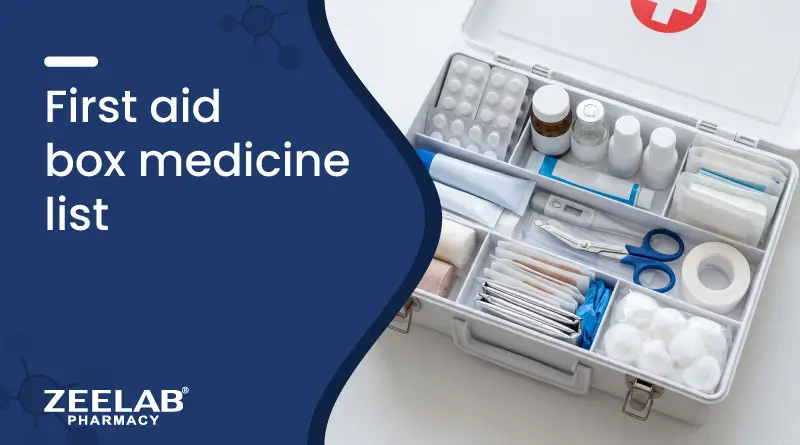
Every home should have a first aid box with essential medicines and medical supplies to manage common health issues such as wounds, burns, fever, allergies, indigestion, sprains, and minor injuries.
These basic healthcare items can provide quick temporary support during everyday situations and small emergencies.
A first aid box becomes especially useful during travel, seasonal changes, or the rainy season when infections and common health problems may occur more frequently.
Considering changing weather conditions and everyday health concerns in India, keeping a well-stocked first aid box at home is important, especially for children and elderly family members.
Important: A first aid box is meant only for temporary care and immediate support. Serious symptoms such as chest pain, breathing difficulty, heavy bleeding, unconsciousness, or severe burns require immediate medical attention.
What is a First Aid Box?
A first aid box is a small kit that contains essential medicines and basic medical supplies used to manage minor injuries and common health problems. It can be useful at home, schools, workplaces, factories, or during travel for providing quick support during small emergencies.
The main purpose of a first aid box is to provide immediate care and temporary relief before professional medical treatment becomes available.
A properly stocked first aid box can help manage situations such as minor cuts, burns, wounds, fever, allergies, and other everyday health concerns.
Health organisations such as the World Health Organisation (WHO), the Ministry of Health and Family Welfare (MoHFW), Government of India, and the Centres for Disease Control and Prevention (CDC) highlight the importance of maintaining essential emergency supplies and following proper first aid practices for managing minor injuries and health concerns.
The table below explains the difference between a first aid box, a medicine kit, and an emergency medical kit:
|
Type |
Purpose |
|
First Aid Box |
Used for minor injuries and immediate care |
|
Medicine Kit |
Mainly stores medicines for common illnesses |
|
Emergency Medical Kit |
Used during serious emergencies or disasters |
Why Every Home in India Should Have a First Aid Box?
Minor injuries and health issues can happen anytime in daily life. A basic first aid box helps you manage small emergencies quickly and provide immediate support before medical help becomes available. Keeping essential medicines and healthcare supplies at home can help families stay prepared for common health situations.
A first aid box becomes especially useful during:
- Seasonal flu and viral infections
- Monsoon-related infections and stomach issues
- Minor burns from kitchen accidents
- Small cuts, wounds, and bleeding
- Travel sickness during long journeys
- Sudden fever and body pain
- Sprains, muscle pain, and minor injuries
- Children and elderly family members may require quick care more often for fever, allergies, falls, or weakness.
- Keeping basic emergency medicines at home helps you stay prepared for everyday health emergencies.
Benefits of Keeping a First Aid Box
A first aid box contains essential medicines and medical supplies that can provide quick support during minor injuries and unexpected health situations.
Having a well-stocked first aid box at home allows you to give immediate care and temporary relief before professional medical help becomes available.
It can also help families stay prepared during emergencies and everyday health concerns.
A first aid box offers several benefits:
- Helps reduce the risk of infection in minor cuts and wounds
- Saves time during urgent situations by providing quick access to essential supplies
- Can be useful during travel and outdoor activities
- Helps monitor health conditions such as fever and common illnesses
- Improves family preparedness for everyday health emergencies
- Provides quick support for minor injuries and sudden health issues
General First Aid Box Medicine List in India
A well-stocked first aid box should contain essential medicines that can help manage common health issues and minor medical situations at home.
These medicines may provide temporary relief for problems such as fever, pain, allergies, digestive discomfort, minor injuries, and wounds until proper medical care becomes available when needed.
The table below covers some of the most commonly used medicine categories that can be included in a first aid kit in India:
|
Medicine Category |
General Use |
|
Pain Relief Medicines |
For headache, body pain, toothache, or muscle pain |
|
Fever Medicines |
Help reduce fever and related discomfort |
|
Cold and Cough Medicines |
For cough, cold, blocked nose, and throat irritation |
|
Antiseptic Medicines |
Help clean cuts, wounds, and scratches |
|
Allergy Medicines |
For itching, sneezing, rashes, or watery eyes |
|
Stomach & Digestive Medicines |
For acidity, gas, nausea, diarrhoea, or indigestion |
|
Help soothe burns and support wound healing |
|
|
ORS and Hydration Support |
Helps restore fluids during dehydration or diarrhoea |
Important: Always read medicine labels and follow the recommended instructions. Avoid self-medication for severe symptoms. Children, pregnant women, elderly individuals, and people with chronic conditions should consult a doctor before using any medicine.
Medicines for Pain Relief
Pain relief medicines may help provide temporary relief from common problems such as headaches, body pain, toothache, sprains, and muscle discomfort. These medicines can help improve comfort during everyday activities.
|
Medicine |
Common Uses |
Basic Precautions |
|
Headache, fever, body pain |
Avoid overdose |
|
|
Ibuprofen |
Sprains, muscle pain |
Avoid if you have ulcers or kidney disease |
|
Pain relief spray/gel |
Sprains and muscle strains |
Do not apply on cuts or broken skin |
Medicines for Fever
Fever medicines may help reduce body temperature and provide relief from mild discomfort, body aches, and fever-related symptoms. Paracetamol is one of the commonly used medicines found in first aid boxes.
|
Medicine |
Common Uses |
Basic Precautions |
|
Paracetamol |
Fever, mild body pain |
Avoid overdose |
|
Fever, inflammation, body aches |
Avoid if you have ulcers or kidney disease |
|
|
Fever, pain relief |
Use only after medical advice in elderly patients or people with bleeding disorders |
Important Tips:
- Monitor body temperature regularly
- Drink enough fluids
- Take proper rest
- Use child-safe fever medicines only after medical advice
Note: A high fever lasting several days requires medical attention.
Medicines for Cold and Cough
Cold and cough medicines may provide temporary relief from mild symptoms such as cough, sore throat, blocked nose, and throat irritation. Some commonly used OTC options include cough syrups, lozenges, steam inhalation capsules, and nasal decongestants.
|
Medicine |
Used For |
Basic Precautions |
|
Cough syrup |
Mild cough relief |
Follow label instructions |
|
Lozenges |
Sore throat |
Avoid excessive use in children |
|
Steam inhalation capsules |
Nasal blockage |
Use carefully with hot water |
|
Nasal decongestant |
Stuffy nose |
Avoid long-term use |
Antiseptic Medicines
Antiseptics assist in cleaning cuts, wounds, and other injuries while decreasing the chances of infection by harmful microorganisms. Antiseptics are widely used as one of the elements in first aid treatment.
|
Item |
Purpose |
Precautions |
|
Antiseptic liquid (Rectos Solution) |
Cleans wounds |
Use as directed |
|
Antiseptic cream (Zevodine 5% Ointment) |
Protects small cuts |
Avoid contact with the eyes |
|
Antibiotic ointment |
May help prevent infection from small cuts |
Use carefully |
|
Alcohol swabs |
Cleans skin |
Keep away from flames |
Medicines for Allergy
Certain medications can help manage common allergy symptoms like itching, sneezing, rashes, and irritation caused by mild allergic reactions. Antihistamines may help with mild allergic reactions.
|
OTC Antihistamine |
Common Uses |
Basic Precautions |
|
Cetirizine (Cityzen 10 Tablet) |
Sneezing, itching, runny nose |
May cause drowsiness |
|
Loratadine |
Seasonal and dust allergies |
Avoid overdose |
|
Fexofenadine |
Skin allergies, hives |
Take with water only |
|
Chlorpheniramine |
Cold-related allergies, itching |
Can cause sleepiness |
Stomach & Digestive Medicines to Keep at Home
Stomach & Digestive Medicines aid in dealing with everyday digestive problems like acidity, indigestion, bloating, nausea, diarrhoea, and dehydration.
Storing simple stomach-care drugs in your home will make it easy for you to take action quickly whenever you experience any digestive problems.
|
Medicine |
Used For |
Precautions |
|
Antacids (Alumcid MPS Suspension) |
Acidity and heartburn |
Avoid overuse |
|
Prevents dehydration |
Mix properly |
|
|
Anti-diarrheal medicine |
Temporary diarrhea relief |
Avoid without medical advice in severe cases |
Burn and Wound Care Medicines
Burn and wound medications play an important role in offering immediate relief and aid in speedy recovery in case of small injuries.
They also help safeguard the wounded part from any kind of infection or additional harm to the skin.
|
Item |
Purpose |
Precautions |
|
Burn cream (Berrycool Cream) |
Helps soothe small burns |
Not for severe burns |
|
Aloe vera gel |
Gives cooling relief |
Avoid deep wounds |
|
Gauze pads |
Covers wounds |
Use sterile material |
|
Bandages |
Protect wounds |
Change regularly |
Additional first-aid tips for minor burns:
- Cool the burn with running water
- Do not apply ice directly
- Cover with clean gauze
- Avoid touching blisters
Complete First Aid Box Essentials List (Non-Medicine Items)
Apart from medicines, a first aid box should also contain essential medical supplies and tools to help manage minor injuries and everyday emergencies.
Keeping these items readily available can help provide quick support and improve preparedness during unexpected situations.
Bandages and Wound Dressing Supplies
Keep the following wound care supplies in your first aid kit:
- Adhesive bandages
- Sterile gauze
- Medical tape
- Crepe bandage
- Cotton
These supplies help protect wounds, control bleeding, and support proper wound care.
Emergency Medical Tools
Useful emergency tools to include in your first aid box are:
- Thermometer
- Small scissors
- Tweezers
- Gloves
- Flashlight
- CPR mask (optional)
Hygiene and Safety Supplies
Maintaining proper hygiene during first aid is important for preventing infections and improving safety for both the injured person and the caregiver.
Useful hygiene and safety supplies include:
- Hand sanitizer
- Face masks
- Disposable gloves
- Sanitizing wipes
First Aid Box Generic Medicine Names and Uses
The table below explains some commonly used medicines found in first aid boxes and their basic uses for managing minor health concerns and everyday situations.
|
Medicine Name |
Used For |
Precautions |
|
Paracetamol |
Fever, headache |
Avoid overdose |
|
Ibuprofen |
Sprains, body pain |
Avoid if you have ulcers |
|
Antacid |
Heartburn and acidity |
Do not overuse |
|
ORS |
Diarrhoea, vomiting, dehydration |
Mix as instructed |
|
Antihistamine |
Itching, rashes, allergies |
May cause sleepiness |
|
Antiseptic liquid |
Cuts and wounds |
Use carefully as directed |
|
Burn cream |
Minor burns |
Not suitable for severe burns |
|
Cough syrup |
Mild cough relief |
Follow label instructions |
|
Pain relief gel |
Muscle pain and sprains |
Avoid applying on broken skin |
How to Prepare a First Aid Box at Home?
Preparing a first aid box at home is simple when medicines and essential supplies are organised properly.
A well-arranged first aid box helps you access important items quickly during minor injuries and health emergencies.
Follow these simple steps to prepare a first aid box:
- Choose the Right Box - Use a clean and waterproof box with compartments.
- Organise Medicines Properly - Group medicines based on use:
- Fever medicines, Wound care items, allergy medicine, Digestive medicines
- Label Emergency Medicines - Write medicine names clearly. Remove expired medicines regularly.
- Store Child-Safe Medicines Carefully - Keep medicines away from children and pets.
- Keep Emergency Contact Numbers - Add the numbers of your family doctor, ambulance, and nearby hospital.
How to Store Medicines in a First Aid Box Properly?
Proper medicine storage is important to maintain the safety and effectiveness of medicines. In India, heat, humidity, and moisture can affect medicine quality and reduce their effectiveness if they are not stored correctly.
Follow these simple medicine storage tips for your first aid box:
- Keep medicines away from direct sunlight
- Avoid moisture and humid areas
- Do not store medicines in bathrooms
- Store medicines in a cool and dry place
- Keep medicines separate from cleaning chemicals and household products
How Often Should First Aid Box Medicines Be Replaced?
Regularly checking your first aid box is important to ensure that medicines and medical supplies remain safe and effective when needed.
Expired or damaged items may not work properly and can reduce the usefulness of your first aid kit during emergencies.
It is recommended to check your first aid box every 3 to 6 months.
Replace medicines and supplies if:
- They are expired
- The packaging is damaged
- Creams are dried out
- Supplies are finished
- Check thermometer batteries regularly
Medicines That Should NOT Be Kept in a First Aid Box
Avoid storing the following items in your first aid box:
- Expired medicines
- Loose tablets without labels
- Strong antibiotics
- Steroids
- Another person’s prescription medicines
Improper medicine use can be dangerous.
First Aid Box for Different Needs
Different situations may require different first aid supplies and medicines. A first aid box can be customised based on whether it is used at home, during travel, at work, or for children.
Keeping situation-specific essentials can help you stay prepared for common health concerns and emergencies.
|
First Aid Box Type |
What to Keep |
|
Home First Aid Kit |
Pain and fever medicines, antiseptic solution, bandages, ORS, allergy medicine, digestive medicines, thermometer, cotton, and medical tape |
|
Travel First Aid Kit |
Motion sickness medicine, ORS, pain relief medicines, fever medicine, antiseptic wipes, bandages, anti-allergy medicine, and personal prescription medicines |
|
Workplace First Aid Kit |
Bandages, antiseptic solution, burn cream, pain relief medicines, gloves, scissors, eye wash, ORS, and emergency contact details |
|
First Aid Box for Children |
Child-safe fever medicine, ORS, antiseptic wipes, bandages, thermometer, mild allergy medicine, and doctor-recommended medicines only |
Important Points:
- Use child-safe medicines whenever available
- Follow age-appropriate dosage instructions
- Never give adult medicines to children without medical advice
Emergency Situations Where a First Aid Box Helps
A first aid box can provide quick support and temporary relief during minor injuries and common health situations before professional medical care becomes available. Keeping essential medicines and supplies ready can help you respond quickly during unexpected situations.
A first aid box may be useful for:
- Cuts and wounds
- Minor burns
- Fever
- Sprains and muscle injuries
- Mild allergies
- Stomach upset
- Insect bites and stings
Important: A first aid box is meant for temporary care only. Serious symptoms or medical emergencies require immediate medical attention.
Common Mistakes People Make With First Aid Boxes
Many people make these mistakes:
- Forgetting expiry dates
- Not keeping a thermometer
- Storing too many medicines
- Not labelling items
- Keeping medicines in humid places
Important Safety Tips Before Using First Aid Medicines
Before using any first aid medicine, follow basic safety measures to reduce the risk of incorrect dosage, side effects, or delayed medical care.
Follow these important safety tips:
- Read medicine labels carefully
- Follow recommended dosage instructions
- Check allergy warnings before use
- Avoid mixing medicines unnecessarily
- Consult a doctor if symptoms continue or worsen
When to See a Doctor Instead of Using Home First Aid
A first aid box can help manage minor injuries and provide temporary relief, but it should not replace proper medical care. Seek immediate medical attention if you experience:
- Severe breathing problems
- Chest pain
- Heavy bleeding
- High fever lasting several days
- Severe burns
- Seizures
- Severe dehydration
Important: Serious symptoms and medical emergencies require prompt medical attention and should not be treated only with home first aid measures.
Final Conclusion
A properly stocked first aid box can help families manage minor injuries and common health concerns quickly and safely.
From fever and cuts to allergies and minor burns, essential first aid medicines and supplies can provide temporary support before professional medical care becomes available.
It is important to check expiry dates regularly and replace expired, damaged, or used items when needed. Medicines should always be used carefully and according to label instructions. Avoid self-medication with antibiotics or strong prescription medicines without medical advice.
While a first aid box can be useful for everyday emergencies, serious symptoms always require immediate medical attention.
Children, elderly individuals, pregnant women, and people with chronic medical conditions should consult a doctor before using any medicine.
Frequently Asked Questions (FAQs)
Ans.A first aid medicine box is important because it helps manage minor injuries, fever, pain, allergies, and other common health concerns before medical help becomes available.
Ans.A first aid box commonly contains paracetamol, ibuprofen, ORS, antacids, antihistamines, antiseptic cream, burn cream, and cough medicines. It should also include basic supplies such as bandages, gauze, gloves, and a thermometer.
Ans.A first aid box should include medicines for fever, pain, allergies, acidity, and wound care. It should also contain bandages, antiseptic liquid, gloves, scissors, cotton, and emergency contact numbers.
Ans.There is no single best medicine for a first aid box. A balanced kit should contain fever medicines, pain relief medicines, antiseptic products, ORS, and allergy medicines for common situations.
Ans.Use a clean and waterproof box and organise medicines properly. Add essential medicines, wound care supplies, hygiene items, and emergency tools, and store the box in a cool and dry place.
Ans.Antibiotics should not be used without medical advice. Incorrect use may cause side effects and contribute to antibiotic resistance.
Ans.Paracetamol and ibuprofen are commonly used pain relief medicines. Pain relief gels or sprays may also help with muscle pain and sprains.
Ans.Antiseptic liquid, antiseptic cream, and alcohol swabs are commonly used to clean wounds and help reduce the risk of infection.
Ans.Yes, child-safe medicines may be included after medical advice. Always use age-appropriate medicines and avoid giving adult medicines to children.
Ans.Yes, prescription medicines can be kept separately, but they should only be used by the person for whom they were prescribed.
Ans.Important first aid supplies include bandages, antiseptic solution, cotton, a thermometer, gloves, ORS, pain relief medicines, and fever medicines.
Ans.Check your first aid box every 3 to 6 months and replace expired medicines, damaged packaging, opened creams, and used supplies.
Ans.A travel first aid kit may include ORS, motion sickness medicine, pain relievers, antiseptic wipes, bandages, mosquito repellent, and personal prescription medicines if required.
Ans.Keep a thermometer, ORS, antiseptic solution, bandages, gloves, pain relief medicines, fever medicines, allergy medicines, and emergency contact numbers at home.
Ans.Yes. ORS (Oral Rehydration Solution) is an important addition because it may help manage dehydration caused by diarrhoea, vomiting, or heat-related fluid loss.
Ans.No. Pregnant women should avoid using medicines without medical advice because some medicines may affect the mother or the developing baby.
Recent Blogs





Disclaimer : Zeelab Pharmacy provides health information for knowledge only. Do not self-medicate. Always consult a qualified doctor before starting, stopping, or changing any medicine or treatment.


₹ 0
0
Items added
Quick Links
Categories
Our Policies

Our Socials


Subscribe

2026 Copyright By © Zeelab Pharmacy Private Limited. All Rights Reserved
Our Payment Partners

 Added!