

Stomach Pain Medicine for Kids: Safe Treatment, Causes & Relief Guide

Stomach pain is a common condition in children and may occur due to gas, constipation, indigestion, overeating, infections, or food intolerance. While mild stomach pain often improves with rest, hydration, and proper home care, some cases may require medical attention and appropriate treatment.
Children between the ages of 4–12 years may sometimes find it difficult to explain exactly what they are feeling. Therefore, parents should closely observe symptoms such as the location of pain, changes in eating habits, vomiting, fever, or unusual behaviour.
Before giving any stomach pain medicine to kids, factors such as the child’s age, weight, symptoms, and medical advice should always be considered.
This guide will help you understand safe stomach pain medicine options for kids, simple home remedies, ways to relieve stomach pain quickly, and important warning signs that indicate when to see a doctor.
For safe and reliable child stomach pain relief, a paediatrician’s advice should always be your first step.
What Causes Stomach Pain in Children?
Stomach pain in children can occur due to several digestive and non-digestive conditions. Common causes include indigestion, constipation, food infections, overeating, and food intolerance.
Identifying the possible cause may help parents understand whether simple home care may be enough or if medical attention is needed.
The table below explains common causes of stomach pain in children along with their associated symptoms:
|
Condition |
Common Causes |
Associated Symptoms |
|
Indigestion |
Heavy, oily, spicy, or junk food |
Gas, bloating, nausea, mild stomach pain |
|
Constipation |
Hard stools and irregular bowel movements |
Abdominal pain, bloating, cramps |
|
Contaminated food or water |
Vomiting, diarrhoea, cramps, fever |
|
|
Viral Stomach Infection (Stomach Flu) |
Viral gastroenteritis infection |
Vomiting, diarrhoea, dehydration, fatigue |
|
Overeating |
Eating large amounts of food at once |
Indigestion, temporary stomach discomfort |
|
Food Allergies or Intolerance |
Dairy products, processed foods, or food sensitivities |
Stomach pain, digestive discomfort, bloating |
Common Symptoms of Stomach Pain in Kids
Stomach pain in children is often accompanied by other symptoms, and these can vary depending on the underlying cause.
Some symptoms may be mild and temporary, while others may indicate the need for prompt medical attention. Observing associated symptoms can help parents better understand the severity of the condition.
Common symptoms of stomach pain in kids include:
- Bloating
- Vomiting
- Diarrhoea
- Fever
- Loss of appetite
- Cramping
- Nausea
- Irritability or excessive crying in babies
How to Identify Different Types of Stomach Pain in Kids
The location and type of stomach pain in children can sometimes provide clues about the possible cause.
While this cannot confirm a diagnosis, understanding where the pain occurs may help parents decide whether home care is enough or if medical attention is needed.
|
Pain Type |
Possible Cause |
|
Upper abdomen pain |
Indigestion, acidity, overeating |
|
Lower right abdomen pain |
Possible appendicitis |
|
Around the belly button |
Gas, mild digestive discomfort |
|
General stomach cramps |
Viral infection, indigestion |
|
Lower abdomen pain |
Constipation or bowel-related issues |
|
Pain with bloating |
Gas buildup or food intolerance |
If the pain becomes severe, keeps returning, or occurs with symptoms such as vomiting, fever, blood in stool, or dehydration, consult a paediatrician immediately.
How to Relieve Stomach Pain in Kids Fast
Mild stomach pain in children may often improve with proper hydration, rest, and simple home care measures.
Early care can help reduce discomfort and prevent symptoms from worsening. However, if the pain becomes severe or persistent, medical advice should be considered.
Helpful ways to relieve stomach pain in kids include:
- Give fluids regularly to prevent dehydration
- Use ORS if vomiting or diarrhoea occurs
- Avoid oily, spicy, and junk foods
- Apply a warm compress to the stomach
- Allow the child to rest properly
- Avoid force-feeding
- Monitor symptoms carefully
Safe Medicine Options for Stomach Pain in Kids
Medicines for stomach pain in children should only be given according to a doctor’s advice or label instructions. The treatment usually depends on the exact cause of the stomach pain, such as gas, constipation, diarrhoea, or indigestion.
Medicines for Gas Relief
Gas-related stomach pain is common in babies and young children and may cause bloating, discomfort, stomach fullness, and irritability.
Certain paediatric medicines and supportive care measures may help provide temporary relief from trapped gas and digestive discomfort.
Common options may include:
- Simethicone Drops: Usually recommended to help relieve excess gas and bloating in babies. It works by breaking down gas bubbles in the stomach and intestines.
- Sodium Bicarbonate: May help reduce stomach discomfort by neutralising excess stomach acid.
- Activated Dimethicone: Helps break down trapped gas bubbles and may help reduce gas-related discomfort.
- Gripe Water: Commonly used to help soothe digestive discomfort and may help provide relief from gas and bloating.
Note: These medicines may help reduce gas buildup and stomach discomfort in children. Parents should always check age suitability, read label instructions carefully, and follow the recommended dosage.
Medicines for Constipation
Constipation is one of the common causes of stomach pain in children and may lead to bloating, stomach cramps, and discomfort.
In some cases, doctors may recommend medicines along with dietary and lifestyle changes to help improve bowel movements.
Common options may include:
- Polyethylene Glycol 3350 Solution: Helps retain water in the bowels, which softens stools and makes bowel movements easier. It may also help increase the frequency of bowel movements.
- Calcium Polycarbophil: Works by absorbing water in the intestines, which may help improve stool consistency and support bowel movement regularity.
- Magnesium Hydroxide: Helps draw water into the intestines, which may soften stools and support smoother bowel movements.
- Lactulose Syrup: Works by drawing water into the bowel, helping soften stools and improve bowel movements.
Medicines for Diarrhoea-Related Pain
Children with diarrhoea-related stomach pain may be at risk of dehydration due to excessive fluid loss. Treatment usually focuses on maintaining proper hydration and supportive care.
In some cases, doctors may also recommend certain supplements or treatment measures.
Helpful treatment options may include:
- Oral Rehydration Solution (ORS): ORS helps restore fluids and electrolytes lost due to diarrhoea, vomiting, excessive sweating, or dehydration. It may help maintain hydration and support recovery.
- Zinc Supplements (if advised by a doctor): Zinc may help support intestinal recovery and may help reduce the severity and duration of diarrhoea symptoms in children.
Adult anti-diarrhoeal medicines should generally be avoided in children unless prescribed by a healthcare professional.
Proper hydration and early care may help reduce the risk of dehydration and support faster recovery in children.
Also Read: Best Loose Motion Medicine List in India
Medicines for Acidity and Indigestion
Children may experience acidity, indigestion, or acid reflux symptoms that can lead to stomach discomfort, bloating, or a burning sensation.
These symptoms are commonly triggered by overeating, spicy foods, irregular eating habits, or digestive sensitivity.
Doctors may occasionally recommend:
- Calcium Carbonate: Helps neutralise excess stomach acid and may help reduce acidity-related irritation and stomach discomfort.
- Sodium Alginate: Forms a protective layer over the stomach contents, which may help reduce irritation caused by excess acid and acid reflux symptoms.
Avoiding oily, spicy, and processed foods may also help reduce symptoms and support better digestion.
Note: All medications should be given to children only under the supervision or advice of a paediatrician.
Stomach Pain Relief Products Recommendation from Zeelab Pharmacy
Proper digestive care and timely treatment may help manage stomach pain and related digestive discomfort in children.
Depending on the symptoms and medical advice, certain products may help support hydration, digestion, and temporary relief from stomach-related discomfort.
At Zeelab Pharmacy, you can explore:
Zeelab Gripe Water
Zeelab Gripe Water is commonly used to help soothe digestive discomfort in babies and may help provide relief from colic, gas, bloating, acidity, and indigestion.
Its mild formulation may help reduce tummy discomfort and support better digestion.
Composition: Terpeneless Dill Seed Oil, Sodium Bicarbonate
Benefits: Supports digestion, may help relieve tummy discomfort, helps reduce gas buildup, and may help ease bloating.
Zeelab ORS Powder
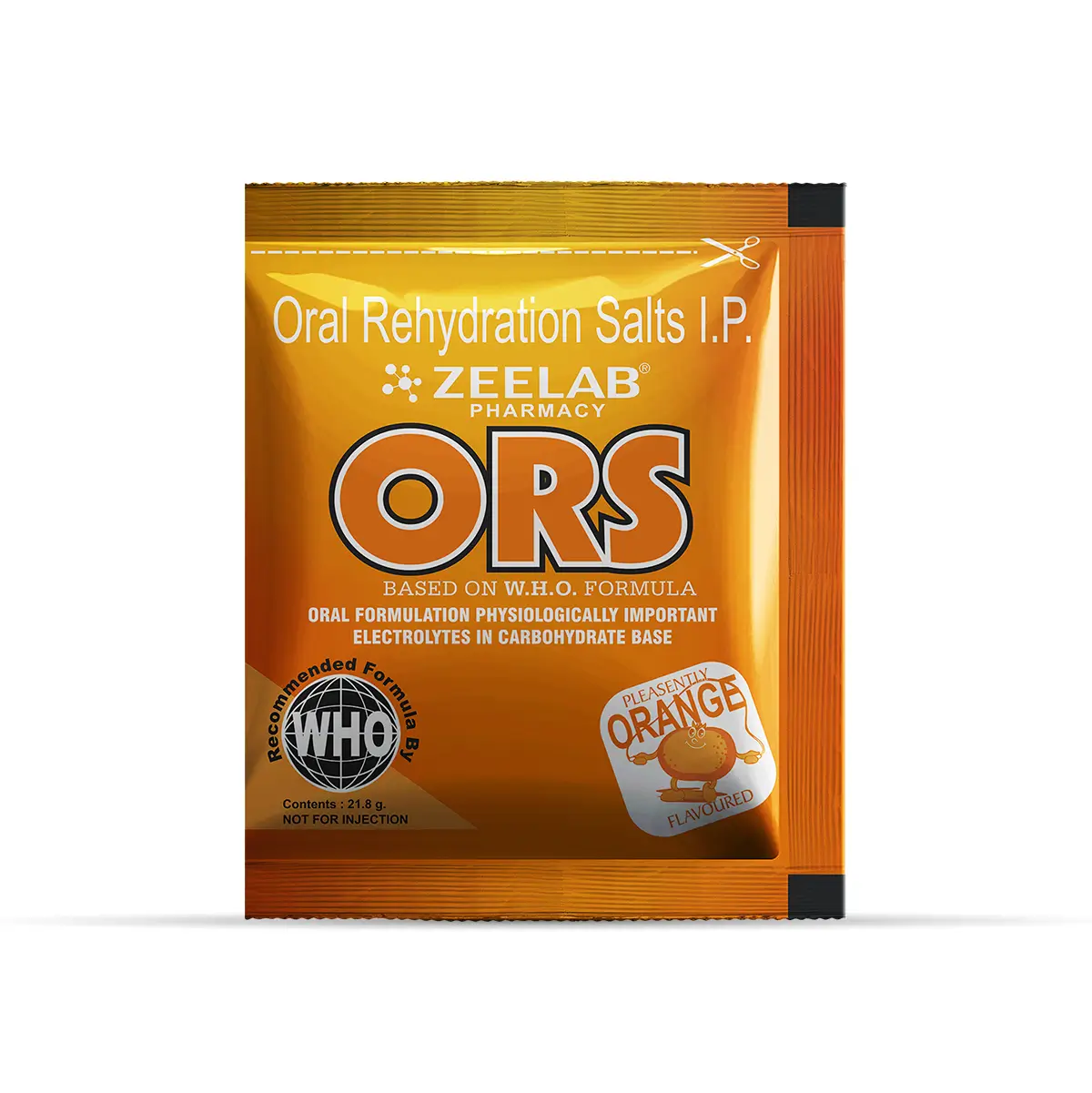
Zeelab ORS Powder is a WHO-GMP-compliant oral rehydration salt formulation designed to help replenish fluids and electrolytes lost during diarrhoea, vomiting, sweating, or dehydration.
- Composition: Sodium Chloride, Potassium Chloride, Sodium Citrate, Dextrose
- Benefits: Supports hydration, helps restore electrolyte balance, and may help maintain energy levels.
Spasomine Paediatric Drops
Spasomine Paediatric Drops is an antispasmodic formulation for children that works by relaxing intestinal muscles and may help reduce stomach spasms and digestive discomfort.
- Composition: Dicyclomine (10 mg) + Dimethicone (40 mg)
- Benefits: May help relieve stomach cramps, abdominal pain, colic, and digestive discomfort in children.
Medicines That Should Not Be Given to Children
Some medicines may be harmful to children and should not be given unless recommended by a doctor.
Using the wrong medicine or incorrect dosage may worsen symptoms instead of providing relief and may increase the risk of unwanted side effects.
Medicines that should generally be avoided include:
- Adult painkillers
- Aspirin
- Strong laxatives
- Unprescribed antibiotics
- Unverified herbal remedies
Giving incorrect medicines to children may increase discomfort, delay proper treatment, or lead to unwanted health complications.
Always follow age-specific recommendations and seek paediatric advice before giving any medicine to a child.
Common Mistakes Parents Should Avoid
Many parents try home remedies or over-the-counter medicines to quickly relieve their child’s stomach pain or digestive discomfort.
However, certain mistakes may worsen the condition or increase the risk of unwanted side effects. Understanding these common mistakes can help support safer and more effective care for children.
Common mistakes include:
- Self-medicating without medical advice
- Ignoring severe or worsening symptoms
- Giving adult medicines to children
- Overfeeding during stomach upset
- Delaying medical consultation
- Not maintaining proper hydration
Avoiding these mistakes may help support safer recovery and reduce the risk of complications in children.
Dosage and Safety Guidelines for Children
Medicines can affect children differently, and using the wrong medicine or incorrect dosage may increase discomfort or lead to unwanted health problems.
Following proper dosage instructions and safety measures is important to help ensure safe and effective use of medicines in children.
Parents should remember:
- Medicine dosage often depends on the child’s age and weight
- Always read medicine labels carefully
- Avoid giving higher doses than recommended
- Use the measuring device provided with the medicine
- Follow paediatric advice whenever possible
Incorrect dosing may increase the risk of side effects, complications, or overdose in children.
Tips to Prevent Stomach Pain in Kids
Parents can help reduce the risk of stomach pain and digestive problems in children by encouraging healthy daily habits and maintaining proper hygiene practices.
Simple lifestyle changes may help support better digestion and overall health.
Helpful prevention tips include:
- Encourage proper hand washing
- Provide a healthy and balanced diet
- Maintain adequate hydration
- Limit junk food and sugary drinks
- Follow regular meal timings
- Maintain proper food hygiene
Healthy eating habits and good hygiene practices may help support digestion and reduce the chances of stomach-related problems in children.
When to See a Doctor Immediately
Mild stomach pain in children may often improve with rest, hydration, and simple home care. However, certain symptoms may indicate a more serious condition and should not be ignored.
Parents should seek medical attention if stomach pain occurs along with the following warning signs:
- Severe stomach pain
- Blood in stool or vomit
- Persistent vomiting or diarrhoea
- High fever
- Swollen abdomen
- Signs of dehydration
- Pain lasting for more than 24 hours
- Unusual sleepiness, weakness, or confusion
Early medical evaluation may help identify serious underlying conditions and reduce the risk of complications.
Conclusion
Stomach pain in children is common and is often associated with mild digestive problems such as gas, indigestion, constipation, or temporary infections.
In many cases, symptoms may improve with proper hydration, rest, a balanced diet, and supportive care.
However, parents should avoid self-medication and should never give adult medicines to children without proper medical advice.
Safe medicine use, correct dosage, and early recognition of warning signs play an important role in protecting a child’s health.
If stomach pain becomes severe, persistent, or occurs along with concerning symptoms, consulting a paediatrician is always the safest approach.
Frequently Asked Questions (FAQs)
Ans.Stomach pain in children can occur due to gas, constipation, indigestion, overeating, food poisoning, infections, food allergies, or digestive sensitivity.
Ans.Yes. Constipation is one of the most common causes of stomach pain in children and may lead to bloating, cramping, and discomfort.
Ans.Yes. Excess gas buildup may sometimes cause significant discomfort, bloating, and stomach cramps. However, severe or persistent pain should be evaluated by a doctor.
Ans.Yes. Intestinal worms may sometimes cause stomach pain, loss of appetite, nausea, bloating, or digestive discomfort in children.
Ans.Yes. Emotional stress, anxiety, or changes in routine may sometimes contribute to stomach pain or digestive discomfort in children.
Ans.Yes. Certain foods such as dairy products or other food allergens may trigger stomach pain, bloating, diarrhoea, or digestive discomfort in some children.
Ans.Most cases are mild and temporary. However, severe pain, dehydration, persistent vomiting, blood in stools, or high fever may indicate a more serious condition.
Ans.The safest medicine depends on the cause of the stomach pain. Doctors may recommend medicines for gas, constipation, acidity, or diarrhoea based on symptoms and the child’s age.
Ans.Simethicone gas drops are commonly used for temporary gas relief in babies, but prolonged or frequent use should only be done under paediatric guidance.
Ans.Hydration, rest, warm compresses, and bland foods such as bananas and rice may help relieve mild stomach pain quickly.
Ans.Water, ORS, coconut water, and clear fluids are commonly recommended to maintain hydration and support recovery.
Ans.Milk may worsen symptoms in some children, especially during diarrhoea, bloating, or lactose intolerance. Light and easily digestible foods are usually preferred.
Ans.Children should avoid oily foods, spicy foods, processed foods, sugary drinks, and heavy meals, as these may worsen digestive discomfort.
Ans.Yes. Dehydration may lead to stomach cramps, constipation, weakness, and digestive discomfort, especially during diarrhoea or vomiting.
Ans.Mild stomach pain caused by indigestion, gas, or minor digestive issues may improve within a few hours to one or two days. Persistent or worsening symptoms may require medical attention.
Ans.Parents should seek medical advice if stomach cramps become severe, persistent, occur with fever or vomiting, or are associated with dehydration or changes in bowel movements.
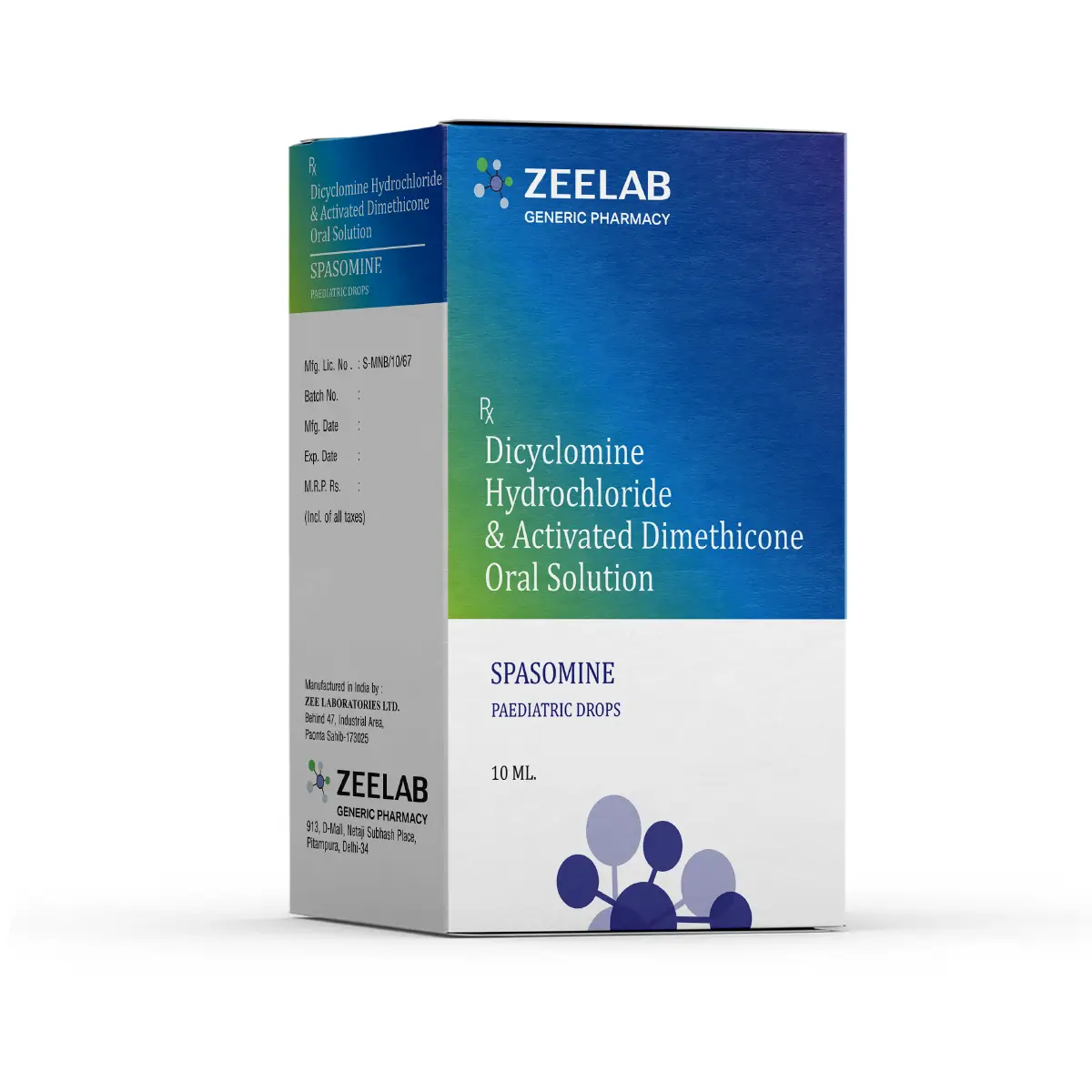
Dicyclomine (10mg) + Dimethicone (40mg)
10ml In 1 Bottle
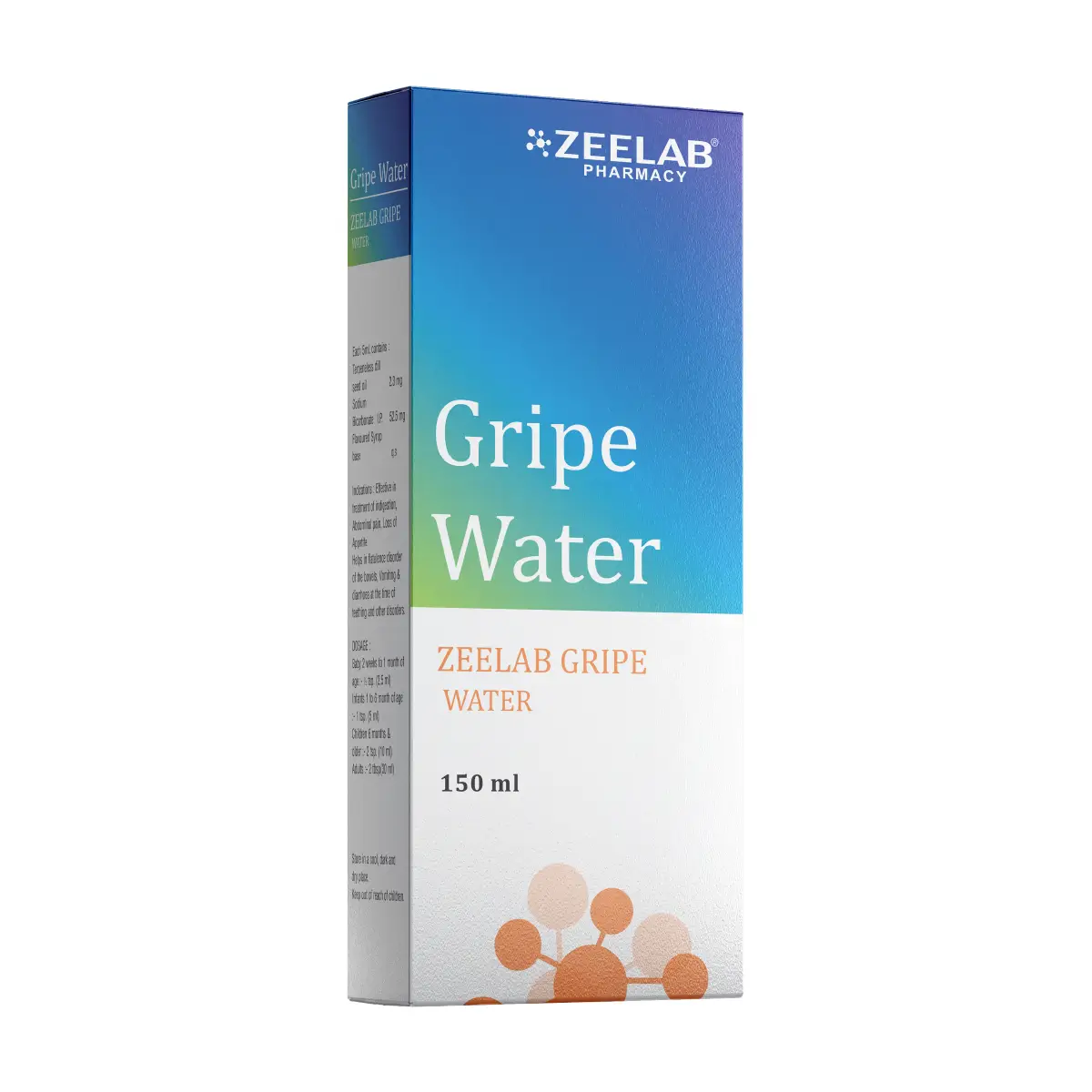
Terpeneless Dill Seed Oil (2.3 mg) + Sodium Bicarbonate (52.5 mg)
150ml In 1 Bottle
Sodium Chloride (2.6g) + Potassium Chloride (1.5g) + Sodium Citrate (2.9g) + Dextrose (13.5g)
21.8 gm in 1 Sachet
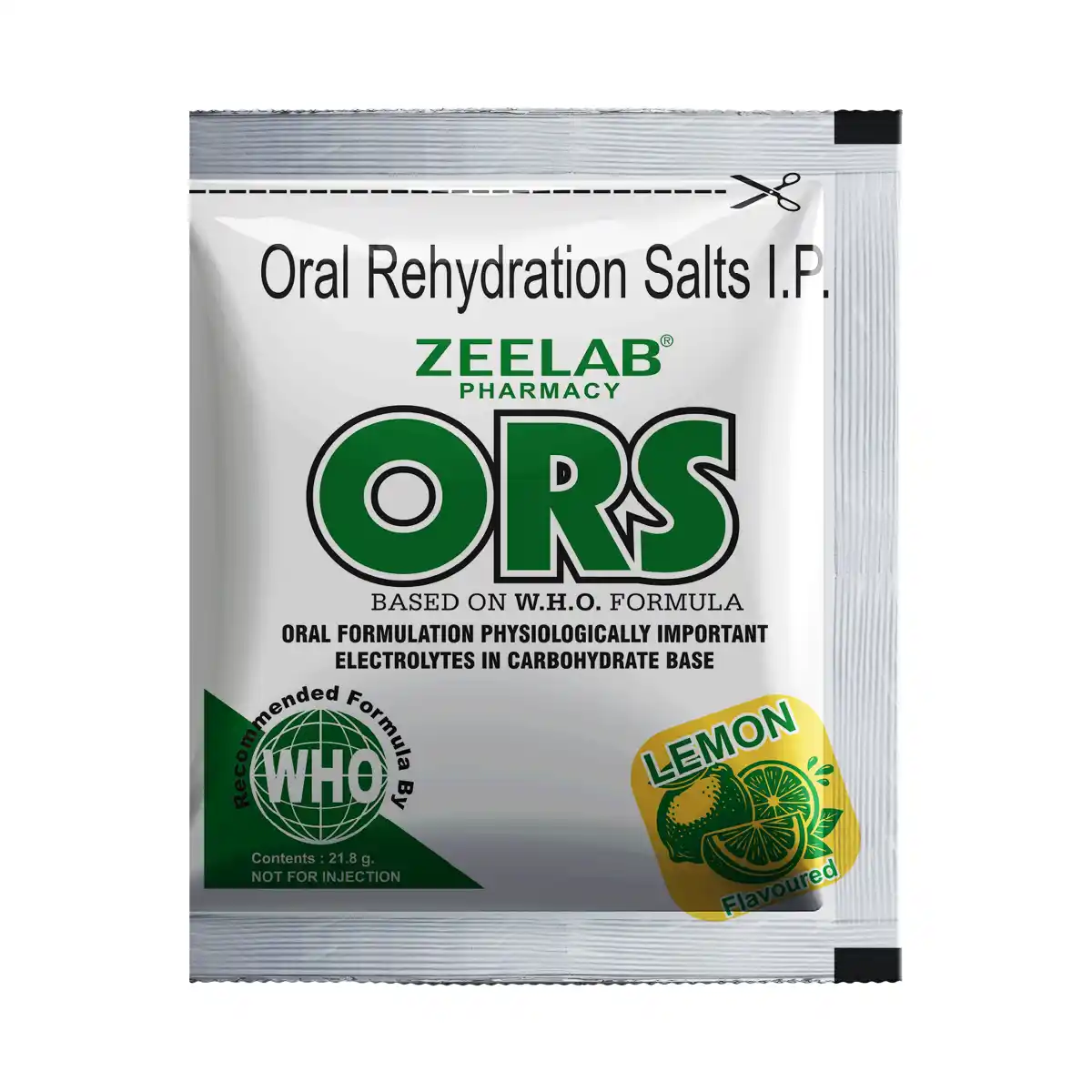
Sodium Chloride (2.6g) + Potassium Chloride (1.5g) + Sodium Citrate (2.9g) + Dextrose (13.5g)
21.8 gm in 1 Sachet
Recent Blogs






Disclaimer : Zeelab Pharmacy provides health information for knowledge only. Do not self-medicate. Always consult a qualified doctor before starting, stopping, or changing any medicine or treatment.
Related Products


₹ 0
0
Items added
Quick Links
Categories
Our Policies

Our Socials


Subscribe

2026 Copyright By © Zeelab Pharmacy Private Limited. All Rights Reserved
Our Payment Partners

 Added!