

Fish Oil vs Flaxseed Oil: Which Omega-3 is Better for Heart Health?

Did you know there is one nutrient that plays an important role in supporting your heart, brain, eyes, and joint health? That nutrient is Omega-3 fatty acids.
Omega-3s can be obtained from several dietary sources. However, in recent years, fish oil and flaxseed oil supplements have become increasingly popular among people looking to support their overall health and wellness.
Although both provide omega-3 fatty acids, they differ in their source, type of omega-3, absorption, and potential health benefits.
In this article, we'll compare fish oil vs flaxseed oil, including their benefits, uses, nutritional differences, side effects, and which omega-3 supplement may be the better choice based on your health goals.
What is Fish Oil?
Fish oil is a rich source of omega-3 fatty acids obtained from fatty fish such as salmon, sardines, mackerel, and tuna. It is one of the most widely used dietary supplements for supporting heart, brain, eye, and overall health.
The two primary omega-3 fatty acids found in fish oil are:
- EPA (Eicosapentaenoic Acid)
- DHA (Docosahexaenoic Acid)
These omega-3s are directly absorbed and used by the body, making fish oil particularly beneficial for supporting cardiovascular health, brain function, and reducing inflammation.
Common Forms of Fish Oil Supplements
Fish oil supplements are available in different forms, making it easy to choose one based on your preferences, convenience, and daily nutritional needs. Some of the most common types of fish oil supplements include:
- Fish oil capsules
- Soft gels
- Liquid fish oil
- Cod liver oil
Health Benefits of Fish Oil
Fish oil is usually consumed as an omega-3 supplement for good health and proper functioning of the body. Fish oil may be beneficial in:
- Supports Heart Health
- Help lower triglycerides
- Brain Function Support
- Decreasing inflammation
- Better sight
What is Flaxseed Oil?
Flaxseed oil is a natural oil obtained from flax seeds and is mainly used by vegetarians and vegans to get their required omega-3 fatty acid intake.
ALA (Alpha-Linolenic Acid), which is abundant in flaxseed oil, is transformed by the body into trace levels of EPA and DHA.
Common Uses of Flaxseed Oil Supplements
Flaxseed oil supplements are very popular as a plant source of healthy omega-3 oils among vegetarians. Some potential uses:
- Good for heart health
- Improved skin health
- Including healthy fats in the diet
- Vegetarian Omega-3 Supplementation
Fish Oil vs Flaxseed Oil: Key Differences
Both fish oil and flaxseed oil have the benefits of omega-3, but they are different in source, composition and health effects.
The table below highlights the main differences between fish oil and flax oil supplements.
|
Feature |
Fish Oil |
Flaxseed Oil |
|
Sources |
Salmon, sardines and other fatty fish |
Flaxseed |
|
Main Omega-3 |
EPA & DHA |
Alpha-linolenic acid (ALA) |
|
Omega-3 Absorption |
It is directly taken up by the body |
It has to be converted to EPA and DHA for uptake |
|
Cardiovascular Benefits |
It improves heart health by lowering triglycerides. |
It improves overall heart health |
|
Inflammation Prevention |
It is highly effective against inflammation |
This shows mild to moderate anti-inflammatory effects |
|
Brain Health Support |
It has higher DHA content |
This has negligible DHA |
|
Nutritional Content |
This has high amounts of EPA, DHA and fats |
It contains high amounts of ALA and vegetable fats. |
|
Most Suitable for |
Nonvegetarians |
Vegetarians and vegans |
|
Side Effects |
Burps with a fishy smell, nausea, diarrhoea |
digestive upset, bloating |
|
Vegetarian-Friendly |
No |
Yes |
Best Fish Oil and Flaxseed Oil Supplement Recommendations by Zeelab Pharmacy
Choosing the right omega-3 supplement can support your daily wellness goals. Here are some popular flaxseed oil and fish oil supplement options recommended by Zeelab Pharmacy for convenient omega-3 nutrition support.
Zeelab Omega 3 Fish Oil Capsules
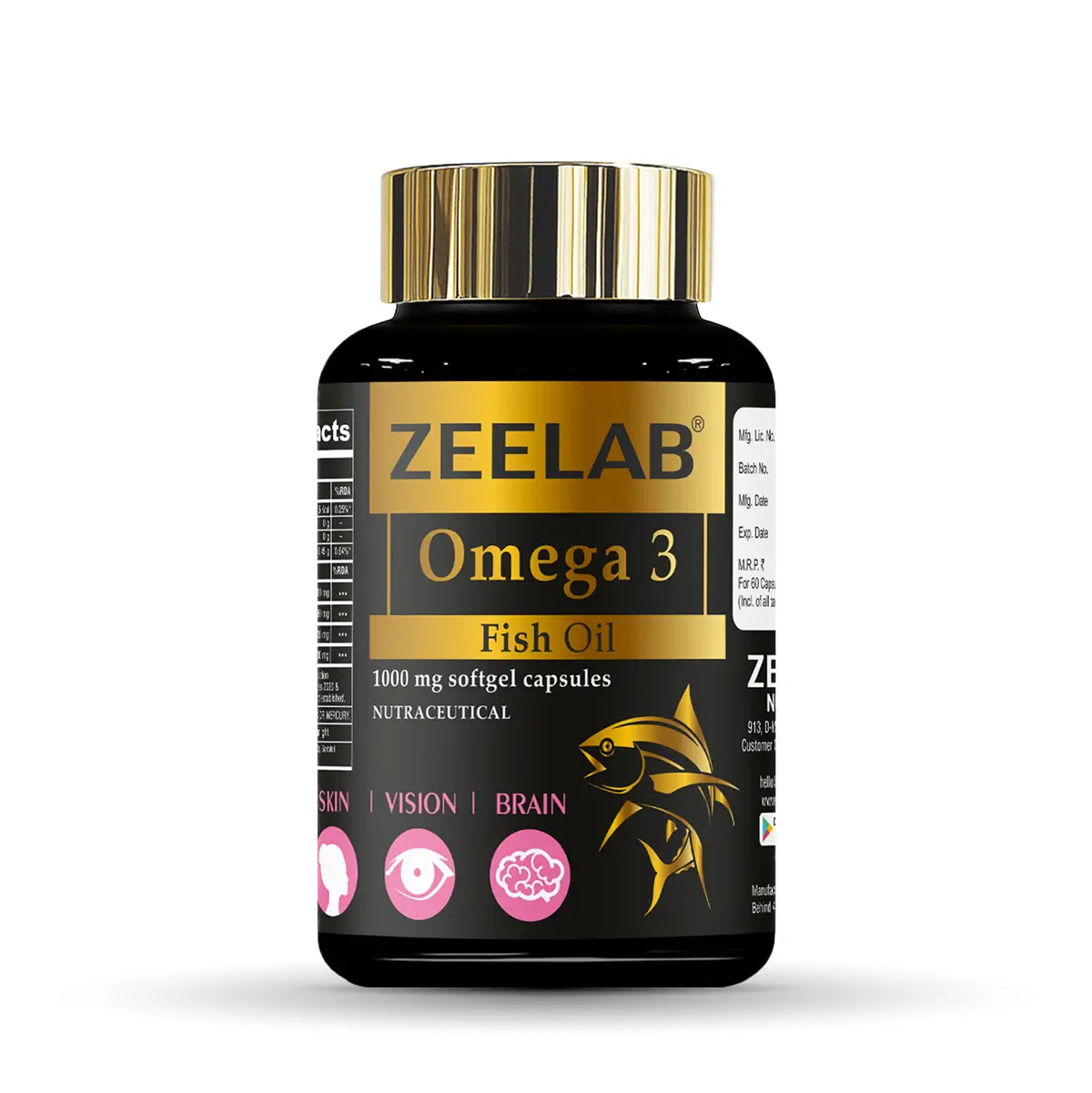
Zeelab Omega-3 Fish Oil Capsules contain omega-3 fatty acids sourced from fish oil and are formulated as a convenient daily dietary supplement for regular nutritional support.
- Composition: Omega-3 Fatty Acid (1000mg)
- Benefits: Supports heart, brain, and overall wellness with essential omega-3 fatty acid supplementation.
Omega 369 Capsule
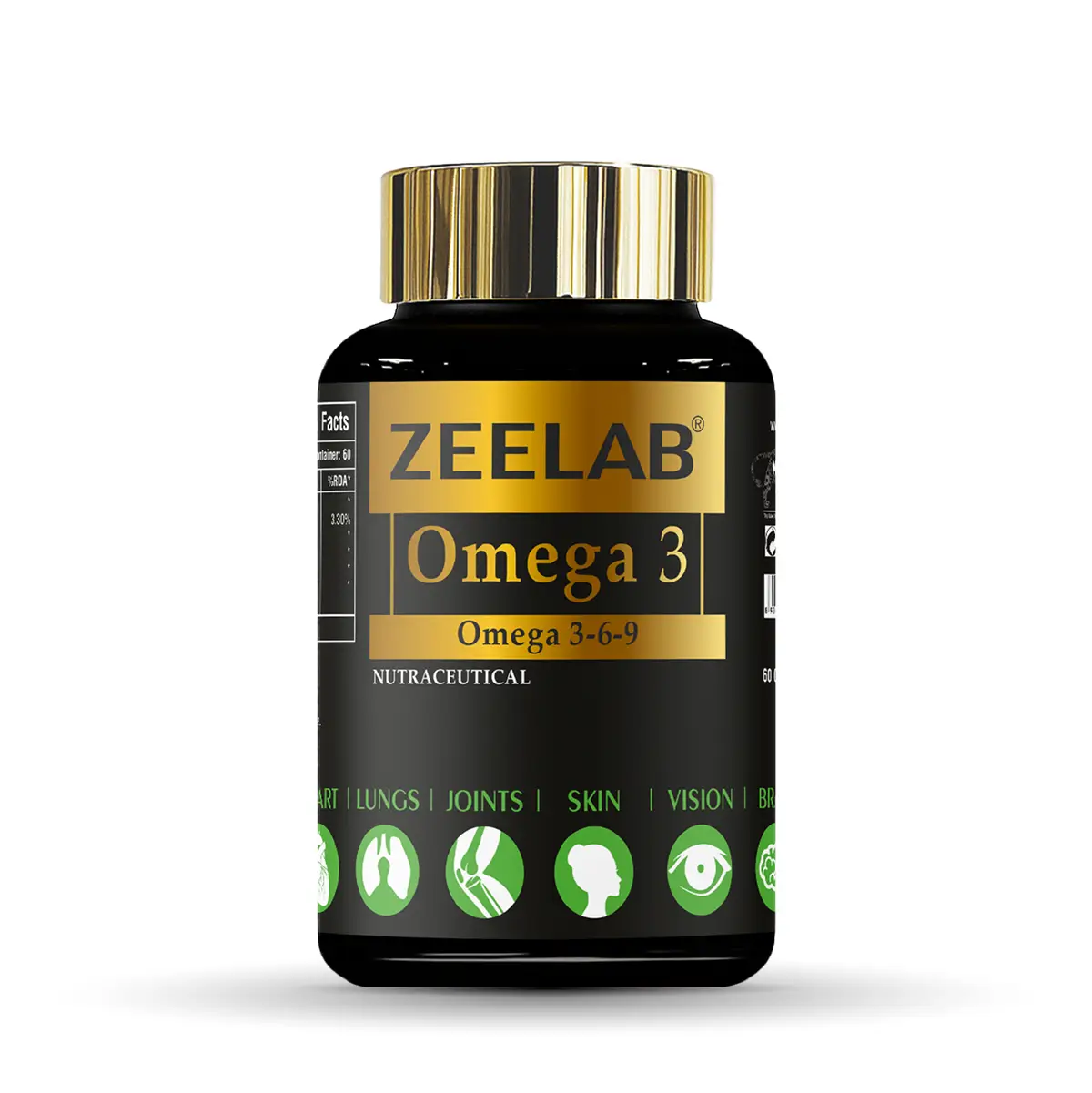
Omega 369 Capsules contain a blend of flaxseed oil and other essential fatty acids formulated for convenient daily nutritional supplementation and balanced healthy fat intake.
- Composition: Omega 3 (Flaxseed Oil) (500mg) + Omega 6 (Borage Oil) (136mg) + Omega 9 (Olive Oil – Oleic Acid) (200mg) + Hydrogenated Vegetable Oil + Gelatin (Capsule Shell)
- Benefits: Provides essential fatty acids that support overall wellness, heart health, and daily nutritional balance.
Fish Oil vs Flaxseed Oil for Heart Health
Both can help to keep your heart healthy, but fish oil is usually considered to be more effective as it contains EPA and DHA directly.
|
Fish Oil Benefits for the Heart |
Flaxseed Oil Benefits for the Heart |
|
Reduction in levels of triglyceride |
It improves the consumption of fat in the body |
|
It helps in maintaining healthy blood pressure |
It helps in maintaining healthy levels of cholesterol |
|
Reduces inflammation associated with heart disease |
It offers the advantages of plant-based omega-3 |
|
It benefits cardiovascular performance |
This supports cardiac well-being |
Also Read: Best Supplements for Heart Rhythm & Irregular Heartbeat Support
Fish Oil vs Flaxseed Oil for Cholesterol
Fish oil and flaxseed oil may both support healthy cholesterol levels, but they can have different effects on triglycerides and heart health.
|
Factor |
Fish Oil |
Flaxseed Oil |
|
Effect on Triglycerides |
This may help lower triglyceride levels |
Triglycerides are only slightly affected |
|
Effect on HDL (Good Cholesterol) |
May raise HDL levels slightly |
May help with healthy cholesterol balance |
|
Effect on LDL (Bad Cholesterol) |
Little effect on LDL |
May support healthy cholesterol levels |
|
Overall Effectiveness |
Usually considered better for triglyceride-lowering |
Offers mild to moderate cholesterol support |
Also Read: Foods Good for High Cholesterol
Fish Oil vs Flaxseed Oil for Inflammation
Fish oil and flaxseed oil both contain omega-3 fatty acids, but the anti-inflammatory effects can vary greatly depending on which omega-3 you are looking at.
|
Factor |
Fish Oil |
Flaxseed Oil |
|
Anti-Inflammatory effects |
It shows stronger anti-inflammatory effects |
It shows light to moderate anti-inflammatory effects |
|
Chronic Inflammation |
Improved |
Moderate |
|
Common Uses |
Joint, heart and inflammation support |
General wellness and plant nutrition |
Side Effects of Fish Oil and Flaxseed Oil
Fish oil and flaxseed oil are generally safe, but some people may experience mild digestive or associated side effects.
See your doctor if you observe any of the following side effects:
|
Fish Oil Side Effects |
Flaxseed Oil Side Effects |
|
Fishy aftertaste or burping |
Bloating |
|
Nausea or indigestion |
Digestive discomfort |
|
Loose stools |
Loose stools |
|
Bad breath |
Possible allergic reactions |
How to Choose the Right Omega-3 Supplement?
The best omega-3 supplement for you will depend on your diet, nutritional needs, overall health goals and lifestyle habits.
- Vegans and vegetarians can choose either flaxseed oil or algae-based omega-3s, depending on their preference.
- Fish oil is a more popular choice if you’re looking to support heart health and your cardiovascular system, and triglycerides.
- To ensure the quality and purity of your supplement, select high - quality supplements tested for purity and contaminants.
- Choose the right dose. The dose you receive may vary according to your age, health and nutritional needs.
Who Should Avoid Fish Oil or Flaxseed Oil?
Fish and flaxseed oil supplements are generally considered safe but may not be suitable for all, particularly those with certain medical conditions.
|
Fish Oil |
Flaxseed Oil |
|
People with seafood allergies |
People with digestive disorders |
|
Individuals taking blood-thinning medications |
Individuals with certain hormone-sensitive conditions |
Fish Oil vs Flaxseed Oil: Which Should You Choose?
If you’re looking for heart, brain and anti-inflammatory support, fish oil may be a better choice because it delivers EPA and DHA directly.
Flaxseed oil is a good source of plant-based omega-3 fatty acids and is a good choice for vegetarians and vegans who want to increase their omega-3 intake naturally.
Conclusion
Fish oil and flaxseed oil are beneficial to our health in many ways because both of these are good sources of Omega-3 fatty acids.
These ingredients do not have the same primary nutrient; both contain different forms of Omega-3 fatty acids: fish oil has EPA and DHA directly, while flaxseed oil contains ALA, which is later converted to EPA and DHA.
This leads to a difference in the benefits they may provide. So, should you take fish oil or flaxseed oil? Your health goals, your health and your personal eating habits all come into play in that. For best results, choose high-quality supplements and take them as directed.
Frequently Asked Questions (FAQs)
Ans.Fish oil is generally better for direct EPA and DHA benefits, while flaxseed oil suits vegetarians needing plant-based omega-3 support.
Ans.Fish oil contains EPA and DHA, while flaxseed oil mainly contains ALA, a plant-based omega-3 fatty acid.
Ans.No, flaxseed oil and fish oil differ in source, omega-3 type, absorption, and overall health benefits.
Ans.Flaxseed oil can be a plant-based alternative, but it does not naturally provide significant EPA and DHA amounts.
Ans.Fish oil is usually more effective for lowering triglycerides, while flaxseed oil supports overall cholesterol balance and heart health.
Ans.Flaxseed oil may support healthy cholesterol levels, improve fat intake, and provide plant-based omega-3 cardiovascular benefits.
Ans.Yes, fish oil supports heart health by helping reduce triglycerides and inflammation and supporting healthy cardiovascular function.
Ans.Fish oil may help lower certain heart disease risk factors, especially high triglycerides and chronic inflammation levels.
Ans.Yes, both supplements can be taken together in moderate amounts for broader omega-3 nutritional support.
Ans.Many people take fish oil daily, but dosage should follow healthcare guidance or product recommendations for safety.
Ans.People with seafood allergies, bleeding disorders, or blood thinner medications should consult a healthcare professional before taking fish oil.
References
Recent Blogs






Disclaimer : Zeelab Pharmacy provides health information for knowledge only. Do not self-medicate. Always consult a qualified doctor before starting, stopping, or changing any medicine or treatment.


₹ 0
0
Items added
Quick Links
Categories
Our Policies

Our Socials


Subscribe

2026 Copyright By © Zeelab Pharmacy Private Limited. All Rights Reserved
Our Payment Partners

 Added!