

How to Prevent Heat Stroke in Summer: A Complete Guide to Staying Safe in Extreme Heat
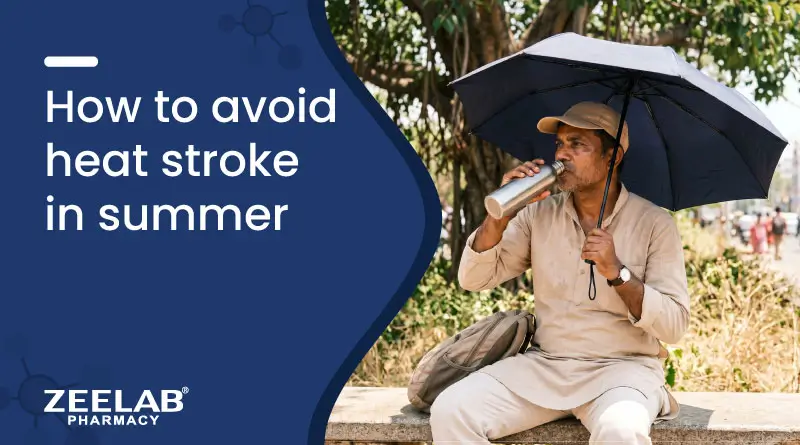
Every year, India is experiencing a record-breaking rise in temperature with multiple heatwaves. Several complications and heat-related diseases can be seen as a result of this sudden rise in heat.
Suspected heatstroke cases over 40,000 and 110 officially confirmed deaths were reported in India in 2024. By June 2025, around 7,192 suspected cases and 14 confirmed deaths were recorded. Nearly 57% of Indian districts are at high to very high risk of extreme heat.
Some of the common reasons behind such issues are long hours spent in the sun, dehydration and hot indoor environments.
One of the most serious health problems is heat stroke, which occurs when the body is unable to control its temperature. If untreated, it can cause more serious complications.
Heat stroke prevention is more important for vulnerable groups such as children, older adults, outdoor workers and those with existing health concerns.
Let’s learn about heat stroke, its causes and preventive measures for heat stroke and more.
What is Heat Stroke?
Heat Stroke can be understood as a medical emergency in which the body fails to maintain an appropriate body temperature. The body temperature rises to abnormally high levels due to its exposure to high heat.
Heat stroke is more serious than normal heat fatigue or heat exhaustion. It can become dangerous very quickly if immediate medical treatment is not administered.
Key facts about Heat Stroke
- Very high body temperature (104°F or higher)
- Dehydration
- The body’s inability to cool itself properly
- Medical conditions require Immediate medical attention
How Does Heat Stroke Affect the Body?
Heat stroke happens when a person is exposed to excessive heat and the natural cooling mechanism of the body fails. It triggers dehydration, inflammation and even reduced blood flow to the vital organs, which may even lead to severe complications.
- Brain: Exposure to high temperature for long periods can cause headache, confusion, dizziness, seizure and even loss of consciousness.
- Heart and Blood vessels: The heart works faster and increases the rate of blood flow to cool down the body; however, this puts strain on both the heart and blood vessels.
- Kidneys: Severe dehydration and reduced blood flow volume affect kidney function and, in some cases, may even lead to acute injury.
- Muscles: High heat exposure can lead to cramps and even muscle tissue breakdown.
- Liver: Longterm heat stress may even injure the cells of the liver and alter its normal function.
- Lungs and blood clotting: Heat stroke triggers inflammation and also clotting abnormalities, which potentially may even lead to multiple organ failure.
Main Causes of Heat Stroke
There are many environmental and physical conditions that can cause heat stroke. Learning what causes these could help to reduce the risk during the summer.
- Exposure to high temperature
- Dehydration
- Heavy Physical Activity
- Poor ventilation
- Heavy Clothing
Who is at Higher Risk of Heat Stroke?
Few groups are at a higher risk of heat stroke because they may have difficulty regulating body temperature or are more likely to be exposed to extreme heat.
- Infants and children
- Elderly people
- Pregnant women
- Outdoor workers
- Athletes
- People with chronic diseases
- People taking certain medicines
Note: People who suffer from diabetes, hypertension, and heart disease are prone to getting dehydrated quickly in the summer.
Early Signs and Symptoms of Heat Stroke
Recognising the early symptoms of heat stroke can help prevent serious complications and allow for timely medical care.
|
Early Signs |
Severe Symptoms |
|
Dizziness |
Fever |
|
Headache |
Vomiting |
|
Weakness |
Breathing difficulty |
|
Muscle cramps |
Fainting or seizures |
How to Prevent Heat Stroke in Summer
Simple precautions in daily life help protect the body from overheating in the summer and during heatwave conditions.
Stay Hydrated During the Day
Good hydration helps the body to control temperature and replace fluids lost through sweating. The body needs more fluids than usual during hot weather.
Proper hydration choices include plain water, ORS solution, coconut water, lemon water, buttermilk, fresh fruit juices and homemade summer drinks.
Hydration tips:
- Carry a water bottle
- Drink extra fluids
- Include electrolyte drinks
Tip: Do not wait until you are thirsty to drink water. Thirst is already a sign of mild dehydration.
Avoid Going Out During Peak Heat Hours
Don’t spend time outdoors in the hottest part of the day. The sun is hottest in the late morning and afternoon (11 a.m. to 4 p.m.). The less time you spend in the sun during these hours, the lower your risk of heat stroke.
- Even if outdoors, you should try to stay in the shade as much as you can
- Always carry water and drinks
- Take frequent breaks
- Avoid long walks in direct sunlight
Choose loose and breathable clothes
Wear clothes that allow proper flow of air and evaporation of sweat.
- Cotton clothing
- Linen clothes
- Loose dresses
- Light colored clothing
Use Sun Protection
Staying directly under the sun can instantly increase your body temperature, especially during heat waves. Using these may help you feel better in the sun:
- Umbrellas
- Sunglasses
- Sunscreen
- Cotton scarves, caps and hats
Also Read: Best Sunscreen for Summer in India
Keep Indoor Space Cool and Ventilated
Indoor heat can also lead to dehydration and overheating, especially in poorly ventilated rooms.
- Tips to keep your surroundings cool:
- Use fans or air conditioners to maintain a cooler surrounding
- Allow proper ventilation in the room
Eat Light and Hydrating Foods
Heavy meals can increase discomfort and body heat during summer. Light foods rich in water can help you stay hydrated.
|
Hydrating Foods |
Benefits |
|
Watermelon |
Hydration |
|
Cucumber |
Helps cooling |
|
Coconut Water |
Electrolytes |
|
Yogurt |
Supports hydration |
Best drinks and foods to avoid dehydration in summer
Hydration is essential when it is hot or when you are physically active. You can replenish lost fluids, help maintain a balance of electrolytes and reduce the risk of dehydration by eating and drinking foods with high water content.
|
Recommended Drinks |
Why They Help |
|
Oral rehydration solution |
It provides electrolytes to the body |
|
Coconut Water |
Hydration |
|
Lemon Water |
Hydration |
|
Buttermilk |
Prevents dehydration |
|
Fresh Fruit Juice |
Fluids and nutrients |
First Aid for Heat Stroke: What to Do Immediately
Treatment for heat stroke should be started immediately, because delays can cause serious complications when a person has heat stroke.
- Immediately take the person to a cool or shady spot.
- Remove tight or extra clothing to allow the body to cool down.
- Apply cool compresses or splash cool water on the body.
- Use a fan to help you cool down faster.
- If the person is conscious and able to take fluids, give him/her water or ORS slowly.
- Look for immediate medical attention if symptoms are severe.
Tips to prevent heat stroke in children
It is easier for kids to get dehydrated during the summer, so it is important to take extra precautionary measures:
- Encourage fluid intake
- Avoid playing outdoors in the afternoon
- Wear loose clothing
- Eat hydrating fruits
Heat stroke Prevention tips for pregnant women
Pregnant women are more susceptible to heat-related diseases as pregnancy increases body temperature and fluid intake.
Simple precautions may help prevent heat stroke and protect the mother and baby.
- You can try avoiding outdoor activities or limit them in between a 11 am to 4 pm window.
- You should choose a breathable fabric and loose clothes to maintain airflow and better evaporation of sweat.
- Use fans or try to stay in cool environments can help better manage body temperature.
- To help your body maintain a stable low temperature, drink enough water throughout the day or have cooling drinks.
Heat Stroke Prevention Tips for Elderly People
Older adults may have difficulty regulating body temperature during extreme heat. Regular hydration reminders
- Keep rooms ventilated
- Monitor health conditions
- Avoid heat exposure
- Simple precautions and regular fluid intake can help elderly people stay safer during summer heatwaves.
Difference between Heat Exhaustion and Heat Stroke
Heat exhaustion and heat stroke are both heat-related illnesses, but heat stroke is much more serious and requires immediate medical attention.
|
Feature |
Heat Exhaustion |
Heat Stroke |
|
Severity |
Moderate |
Severe |
|
Sweating |
Heavy sweating |
May stop sweating |
|
Body Temperature |
Elevated |
Very high |
|
Mental Confusion |
Mild |
Severe |
|
Medical Emergency |
Sometimes |
Always |
Common Myths About Heat Stroke
Common misconceptions about heat stroke can delay timely treatment and increase the risk of serious complications. Understanding the facts helps in better prevention and management of this medical emergency.
|
Myth |
Fact |
|
Heat stroke only happens in the sun. |
It can occur indoors or in the shade. |
|
Only older adults get heat stroke. |
Anyone can develop heat stroke. |
|
Drinking water fully prevents heat stroke. |
Hydration helps but doesn't guarantee prevention. |
|
You must be sweating. |
Some people stop sweating during heat stroke. |
|
Heat stroke is not serious. |
It is a medical emergency. |
|
Heat stroke and heat exhaustion are the same. |
Heat stroke is much more severe. |
Conclusion
Heat stroke is a serious health condition during the summer and can be greatly prevented by simple measures. These are some of the best tips to stay safe during extreme heat: drink plenty of water, avoid unnecessary heat exposure, wear light clothing, and look out for the signs of heat-related illness.
Extra care is needed during heatwaves for children, the elderly, outdoor workers and those with health conditions. By incorporating some of the following healthy summer habits into your routine, you and your family will stay safe and out of trouble all summer long.
Frequently Asked Questions (FAQs)
Ans.Early signs of heatstroke include dizziness, headache, excessive sweating, weakness, fatigue, muscle cramps, and difficulty tolerating heat.
Ans.Yes, dehydration reduces your body's ability to regulate temperature, significantly increasing the risk of heat stroke.
Ans.Drink water regularly throughout the day and increase fluid intake during heatwaves, exercise, or prolonged outdoor activities.
Ans.Yes, water-rich foods like watermelon, cucumber, muskmelon, and yoghurt help maintain hydration and support body cooling.
Ans.Yes, heat stroke is a medical emergency that can damage vital organs and become life-threatening without immediate treatment.
Ans.Move them to a cool area, remove excess clothing, cool the body, and seek immediate medical assistance.
Ans.Yes, drinking enough water helps regulate body temperature, prevents dehydration, and lowers the risk of heat stroke.
Ans.Yes, heat stroke is more common during summer, especially during heatwaves, prolonged sun exposure, and dehydration.
Ans.Yes, coconut water helps replace fluids and electrolytes lost through sweating, supporting hydration in hot weather.
Ans.Encourage frequent water intake, provide lightweight clothing, offer hydrating foods, and limit outdoor play in the heat.
Ans.Seek immediate medical care for high fever, confusion, fainting, seizures, breathing difficulty, or persistent vomiting.
References
- https://www.reuters.com/sustainability/climate-energy/majority-indian-districts-face-high-heatwave-risk-study-shows-2025-05-20/
- https://www.ncbi.nlm.nih.gov/books/NBK537135/
- https://www.who.int/news-room/fact-sheets/detail/climate-change-heat-and-health
- https://www.nhs.uk/conditions/heat-exhaustion-heatstroke/
- https://www.cdc.gov/niosh/heat-stress/about/illnesses.html
Recent Blogs






Disclaimer : Zeelab Pharmacy provides health information for knowledge only. Do not self-medicate. Always consult a qualified doctor before starting, stopping, or changing any medicine or treatment.


₹ 0
0
Items added
Quick Links
Categories
Our Policies

Our Socials


Subscribe

2026 Copyright By © Zeelab Pharmacy Private Limited. All Rights Reserved
Our Payment Partners

 Added!