

Whey vs Plant vs Yeast Protein: Which Protein Source is Right for You?
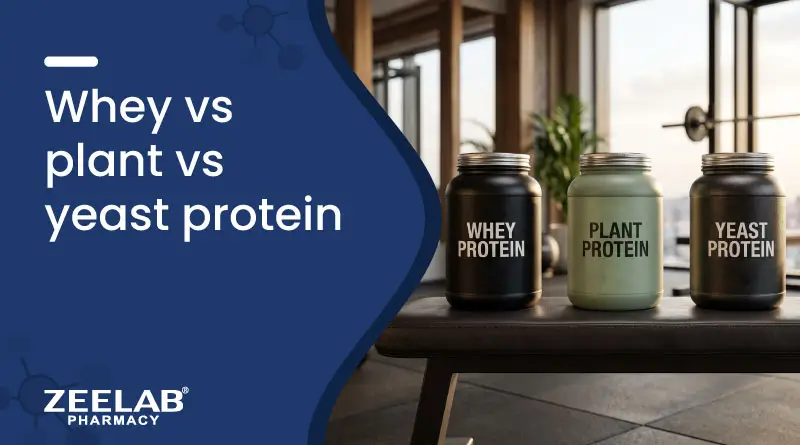
Protein supplements are becoming popular not just among athletes but with anyone wanting to build muscle, aid recovery, manage weight or hit daily protein requirements. Consuming the right kind of protein can help you meet your health and fitness goals with better results and fewer side effects.
Protein is an important macronutrient that provides the amino acids necessary for muscle growth and repair, tissue maintenance, immune function, and enzyme and hormone production. A well-rounded diet is generally sufficient; however, if your diet fails, supplementation can help you meet your specific nutritional requirements.
Some of the most popular options are whey protein, plant protein and yeast protein. They vary considerably in their amino acid profile, digestibility, nutritional quality and suitability for different dietary preferences.
In this guide, we will compare Whey vs Plant vs Yeast Protein and show you the key differences so you can choose the protein that best suits your nutritional needs and lifestyle.
Whey vs Plant vs Yeast Protein: Key Differences
There is no universal best protein, and not everything works for everyone; different proteins may work for different people's needs.
|
Feature |
Whey |
Plant |
Yeast |
|
Source |
Cow's milk |
Pea, soy, hemp, quinoa |
Fermented Saccharomyces cerevisiae |
|
Protein Quality |
Excellent |
Good (blend-dependent) |
Excellent |
|
Amino Acid Profile |
Complete protein |
Complete if blended |
Complete protein |
|
Leucine Content |
10–12% |
6–8% |
6–8% |
|
Digestibility |
High |
Good |
High |
|
Best For |
Muscle building |
Daily fitness & vegan diets |
Sustainable nutrition |
|
Muscle Growth |
Excellent |
Good |
Excellent |
|
Recovery |
Fast |
Good |
Good |
|
Vegan-Friendly |
No |
Yes |
Yes |
|
Price |
Moderate |
Moderate |
Higher |
Understanding the Whey, Plant and Yeast Protein
Protein supplements are derived from a variety of sources and have different nutritional profiles, digestibility and benefits. Among the most popular options are whey protein, plant protein and the newer yeast protein.
Understanding the difference between these is the first step to choosing the right protein supplement for you.
What is Whey Protein?
Whey protein is a high-quality protein that is naturally obtained from milk during the cheese-making process.
It is classified as a complete protein as it contains all essential amino acids and is widely used by athletes for muscle recovery, gain, and to boost athletic performance.
Nutrition Highlights of Whey Protein
Whey is a complete protein that contains all essential amino acids, including high levels of leucine and other branched-chain amino acids (BCAAs).
It is also quickly digestible and absorbable, making it especially effective post-exercise.
This Protein is Best for:
- Physically active people
- Muscle Building and Strength Training
- For Post-Exercise Recovery
- Older adults seeking to maintain muscle mass
- People looking for a high-quality protein source that is easy to use
What is Plant Protein?
Plant protein is extracted from legumes, grains, seeds and nuts. This is a great alternative to animal-derived proteins for those on vegan or vegetarian diets, or looking for more sustainable nutrition options.
Nutrition Highlights of Plant Protein
The amino acid profiles of plant proteins vary with their source. Soy protein is a complete protein naturally, but many other plant proteins are blended to provide all essential amino acids.
They are naturally dairy-free and often contain fibre, antioxidants and other beneficial plant compounds.
Plant Protein is Best for:
- Vegetarians and vegans
- People who are lactose intolerant or allergic to dairy
- People looking for environmentally sustainable protein options
What is Yeast Protein?
Yeast protein is a single-cell protein derived from controlled fermentation of specially selected yeast microorganisms.
Yeast protein is different from nutritional yeast. It is specifically processed to provide a concentrated, high-quality source of dietary protein.
Nutrition Highlights of Yeast Protein
Yeast protein is a complete protein, naturally vegan, highly digestible and has all the essential amino acids.
It also has a good amino acid profile to help maintain muscles and overall health.
Yeast Protein is Best for:
- Those looking for sustainable protein alternatives
- Vegans and non-dairy eaters
- Everyday protein supplement
- People looking for new, environmentally friendly protein sources
Whey vs Plant vs Yeast Protein: Protein Quality
Whey, plant and yeast proteins can all help in muscle gain over time and meet your protein requirements; they differ in protein quality. This difference affects how these proteins are absorbed in the body.
The quality mainly depends on factors such as the amino acid profile, which affect bioavailability, digestibility and overall nutrition.
Leucine is particularly important as it is involved in muscle protein synthesis. It is the starter of the muscle growth pathway; however, it still needs all the other essential amino acids as the building blocks.
How is Protein Quality Measured?
Protein quality is measured using two gold standard metrics, PDCAAS (Protein Digestibility Corrected Amino Acid Score) and DIAAS (Digestible Indispensable Amino Acid Score).
Some common terms used while measuring protein quality are:
- Complete Protein: Contains all nine essential amino acids.
- Essential Amino Acids (EAAs): Amino acids that your body cannot make.
- BCAAs: Leucine, isoleucine, and Valine that promote muscle protein synthesis.
- Leucine: Essential amino acid responsible for promoting muscle growth.
- PDCAAS: Evaluation of protein quality depending on its amino acid content and digestibility (Maximum value = 1.0).
- DIAAS: A newer and more accurate method for evaluating protein quality.
|
Whey |
Plant (Blended) |
Yeast |
|
Complete protein |
Usually complete |
Complete protein |
|
PDCAAS 1.0 |
PDCAAS 0.8 to 1.0 |
PDCAAS around 1.0 |
|
High leucine (~10–12%) |
Moderate leucine (~7–9%) |
Moderate leucine |
|
Excellent digestibility |
Good digestibility |
Good digestibility |
Whey vs Plant vs Yeast Protein: Head-to-Head Comparison
Whey, plant and yeast protein can all provide the protein you need to help reach daily protein goals, but aren't equal in amino acid profile, digestibility, muscle-building ability, sustainability or cost.
Each option has its own pros and cons that will depend on the individual's fitness goals, food preferences, and lifestyle.
Which Protein has the Better Amino Acid Profile?
The amino acid profile helps you to measure the protein's ability to promote muscle building, recovery, and health.
- Whey protein has the most balanced amino acid profile with all nine essential amino acids, and is the most naturally abundant source of leucine, the benchmark for protein quality.
- Yeast protein also has an excellent amino acid profile, and some studies showed that it can be beneficial for muscle health as well, like animal proteins.
- Plant proteins usually contain a blend. Soy is a natural complete protein, while the amino acids in pea, rice, and hemp proteins are often combined to get all essential amino acids.
Which Protein is Easier to Digest?
Digestibility affects how quickly amino acids are available for muscle repair and other physiological functions.
- Whey protein is highly digestible and has the highest bioavailability of dietary proteins.
- Initial studies also indicate high digestibility and good absorption of yeast protein.
- Plant proteins are usually digested at a slower rate, and naturally occurring compounds may reduce amino acid absorption slightly.
Also Read: Whey vs Plant Protein Which Is Better for Muscle Gain, Weight Loss & Digestion?
Which Protein is Better for Building Muscle?
The best proteins for muscle growth are high in leucine and essential amino acids.
- Whey protein has the greatest ability to stimulate muscle protein synthesis because of its high leucine content and rapid absorption.
- You can build considerable muscle on plant protein just as well, especially in blends with complementary protein sources.
- Yeast protein has all essential amino acids and is high enough in leucine, making it an attractive option, but long-term research is still lacking compared to whey.
Also Read: Best Foods for Muscle Growth
Which Protein is Better for Recovery After Exercise?
Exercise demands easily available amino acids to repair and adapt muscles.
- Whey protein is absorbed fast and is one of the most effective proteins for post-workout.
- Yeast protein is high in complete amino acids and highly digestible, so it helps ensure effective recovery.
- Recovery can also be aided by plant protein, although to obtain comparable amounts of leucine and essential amino acids, some individuals may require slightly larger servings.
Which Protein Tastes Better?
Long-term compliance with any supplement is influenced by taste and texture.
- Whey protein is usually the most flavorful because it has the best texture and mixes well.
- Plant proteins can also have a slightly earthy, grainy or chalky taste, depending on ingredients and formulation.
- Yeast protein has a fairly bland taste, but there can be a slight “fermented” taste depending on how it was made.
Which Protein is Better for Digestive Comfort and Gut Health Support?
In contrast, digestive comfort is highly individual and often depends on one’s tolerance levels.
- Most people tolerate whey protein just fine, but those with lactose intolerance may experience digestive upset from concentrates.
- Plant proteins naturally come with fibre and plant compounds that could promote good gut health, but some people experience bloating or gas, particularly from pea or soy protein.
- Yeast protein is naturally free of dairy and easily digestible, so it is an option for many people with dairy sensitivities.
Which Protein is More Sustainable?
Environmental impact is now a major consideration when picking protein supplements.
- Whey protein comes from dairy, which uses more land, water, and greenhouse gas emissions than most other plant proteins.
- Plant proteins in general have a much smaller environmental footprint, pea protein especially.
- Yeast protein is produced by controlled fermentation and is one of the most sustainable emerging protein sources, needing relatively little land and water.
Which Protein Offers Better Value for Money?
You have to look at nutritional quality and price per serving to help determine value.
- Whey protein offers excellent protein quality at a fair price. It remains one of the best-value muscle-building options.
- Plant proteins cost about the same, but you might have to blend a few or take a slightly larger serving to get the same amino acid profile as whey.
- Yeast protein is more expensive today, as the production technology is relatively new and there is limited commercial production, but prices should drop as production scales.
Side Effects of Whey, Plant, and Yeast Protein
Most people can safely consume whey, plant, and yeast proteins. However, some individuals may experience digestive discomfort or allergic reactions depending on the protein source.
|
Protein |
Common Side Effects |
Who Should Avoid It? |
|
Whey |
Bloating, gas (especially with lactose sensitivity) |
People with milk allergy or severe lactose intolerance |
|
Plant |
Mild bloating or gas |
People allergic to specific plant sources (e.g., soy) |
|
Yeast |
Mild digestive discomfort (rare) |
People with a yeast allergy |
Which Protein is Right for Your Goal?
There is no single protein that is "best" for everyone. Whey is great for muscle growth and recovery, plant protein is good for vegetarian and vegan diets, and yeast protein is a very digestible, sustainable alternative.
The key is to hit your daily protein target with a protein source that will comfortably fit into your routine.
|
Goal |
Best Choice |
Why |
|
Muscle gain |
Whey Protein |
High leucine, fast absorption |
|
Weight loss |
Whey or Yeast |
Promotes fullness, preserves muscle |
|
Endurance |
Whey + Plant |
Supports recovery |
|
Healthy ageing |
Whey Protein |
Helps maintain muscle mass |
|
Vegan diet |
Plant or Yeast |
Dairy-free protein sources |
|
Sensitive digestion |
Yeast Protein |
Easy to digest, dairy-free |
How Much Protein Do You Need?
The total amount of protein that you need per day depends on your weight and your lifestyle.
General daily protein intake:
- Sedentary adults: 0.8 g/kg body weight
- Active adults: 1.2–1.6 g/kg
- Muscle building: 1.6–2.2 g/kg
- Older adults: 1.0–1.2 g/kg
What to Check Before Buying a Protein Powder?
Before buying a protein powder, read its label to check the following:
|
Check |
Why It Matters |
|
Protein per serving |
More protein and less filler content |
|
List of ingredients |
Less complex ingredients are better |
|
Added sugar |
Lower amounts are better |
|
Artificial sweeteners |
Depending on your personal choice |
|
Third-party testing |
Ensures product quality |
|
Heavy metal testing |
Additional quality assurance measure |
|
Amino acid profile |
Complete proteins are preferable |
|
Brand reputation |
Choose trusted manufacturers |
How to Choose the Right Protein for You
The best protein depends on your fitness goals, dietary preferences, health needs, and budget. Here are a few factors to consider before making your choice.
Consider Your Fitness Goals
- Muscle building: Whey protein is the most researched option for supporting muscle growth and recovery.
- Weight management: Whey, plant, and yeast proteins can all help support weight management by promoting fullness when combined with a balanced, calorie-controlled diet.
- General health: Any high-quality protein can help you meet your daily protein requirements.
Choose Based on Your Diet
|
Diet |
Recommended Protein |
|
Omnivore |
Whey, Plant, or Yeast Protein |
|
Vegetarian |
Whey, Plant, or Yeast Protein |
|
Vegan |
Plant or Yeast Protein |
Check for Allergies or Intolerances
- Avoid whey protein if you have a milk allergy.
- If you're lactose intolerant, choose whey isolate, plant protein, or yeast protein.
- Avoid soy-based plant protein if you have a soy allergy.
- Avoid yeast protein if you are allergic to yeast.
Consider Your Digestive Comfort
If dairy-based proteins cause bloating or digestive discomfort, plant or yeast protein may be better options. If a particular plant protein doesn't suit you, try a different plant protein blend or switch to whey isolate, which contains very little lactose.
Best Protein Recommendations from Zeelab Pharmacy
Explore Zeelab Pharmacy's range of high-quality protein supplements, including whey and plant-based options, designed to suit different fitness goals, dietary preferences, and everyday nutritional needs.
ZEELAB 100% Vegan Plant Protein Vanilla Ice Cream
A plant-based protein powder formulated to provide protein from multiple plant-derived ingredients.
- Composition: Pea Protein isolate + Brown Rice Protein + Turmeric Powder + Ashwagandha + Green Tea Extract + Grape Seed Extract + Enzymes (11mg) + Flavours + Sweetener (INS 950) + Added Flavour (Vanilla Ice Cream)
- Benefits: Supports daily protein intake, muscle maintenance, and post-workout nutrition.
- Type of Protein: Plant Protein
Zeelab Athlete 100% Whey Protein
A banana shake flavoured whey protein supplement formulated to deliver high-quality dairy protein for everyday nutrition.
- Composition: Whey Protein Concentrate + Milk Solids + Enzymes + Flavours + Sweetener + Added Flavour (Banana)
- Benefits: Supports muscle growth, recovery, and daily protein requirements.
- Type of Protein: Whey Protein Blend
ZEELAB Whey Protein isolate Powder Rich Chocolate
A chocolate-flavoured whey protein isolate powder processed to provide highly purified, fast-absorbing dairy protein.
- Composition: Whey Protein isolate + Whey Protein Concentrate + Milk Solids + Enzymes + Cocoa Powder + Emulsifier + Flavours + Sweetener (INS 950) + Added Flavour (Rich Chocolate)
- Benefits: Supports lean muscle maintenance and post-workout recovery.
- Type of Protein: Whey Protein isolate
Zeelab Raw and Pure Whey Protein Concentrate 100%
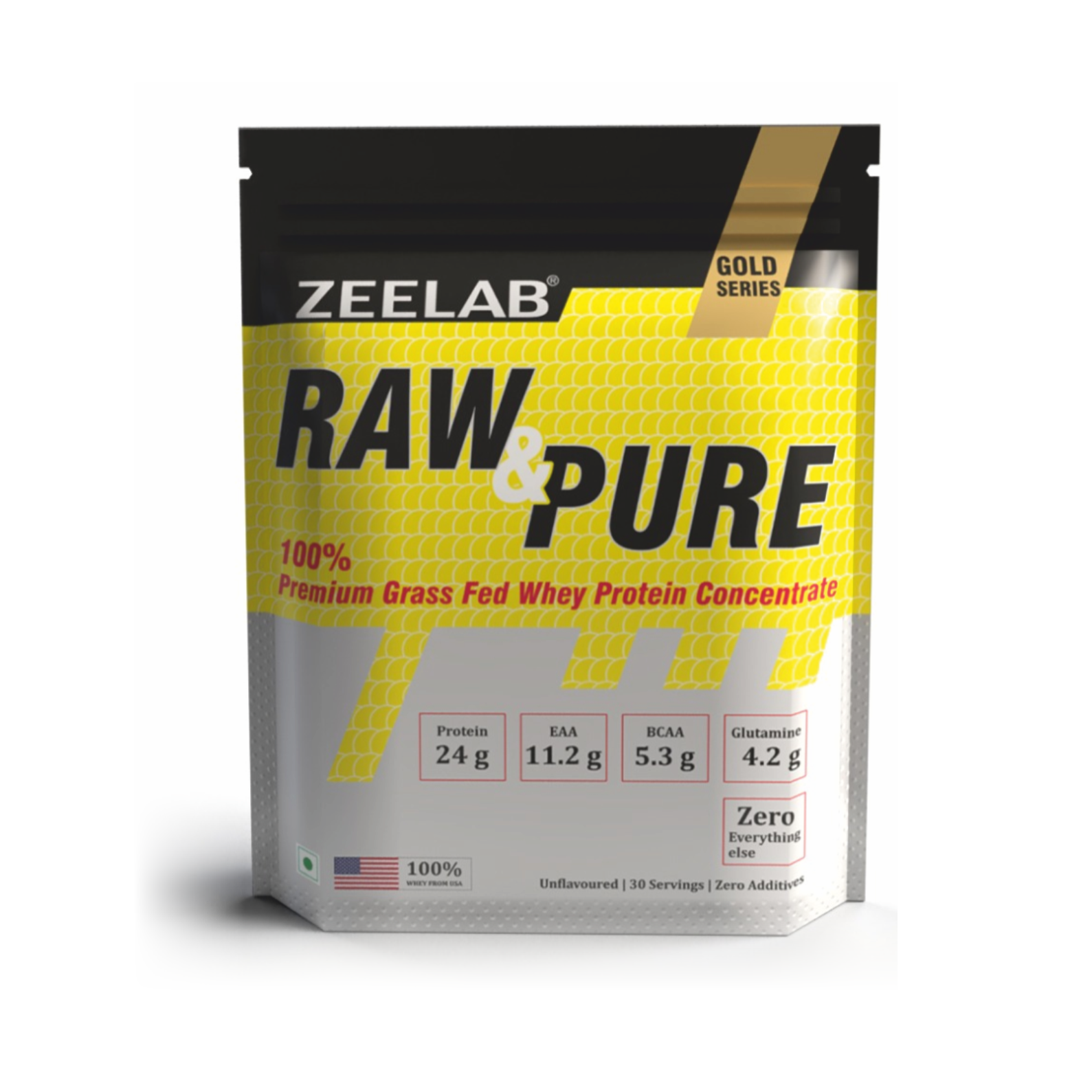
An unflavoured whey protein concentrate designed to provide naturally sourced dairy protein.
- Composition: Whey Protein Concentrate 100%
- Benefits: Supports daily protein intake and muscle maintenance.
- Type of Protein: Whey Protein Concentrate
ZEELAB HERO 100% Whey Protein isolate - Cafe Mocha
A café mocha-flavoured whey protein isolate formulated to provide high-quality, rapidly digestible dairy protein.
- Composition: Whey Protein isolate + Added Flavour (Coffee)
- Benefits: Supports muscle recovery and daily protein intake.
- Type of Protein: Whey Protein isolate
Common Myths about Whey, Plant, and Yeast Protein
Here are some common myths about whey, plant, and yeast protein.
|
Myth |
Fact |
|
Plant protein can't build muscle |
It can support muscle growth when protein intake is adequate. |
|
Whey is always the best |
The best protein depends on your goals and diet. |
|
Yeast protein is the same as nutritional yeast |
Yeast protein is a concentrated protein ingredient, not nutritional yeast. |
|
More protein always builds more muscle |
Extra protein alone doesn't increase muscle growth. |
|
Whey protein harms the kidneys |
It is generally safe for healthy individuals when consumed as recommended. |
|
Protein supplements are only for bodybuilders |
Anyone with higher protein needs can benefit from them. |
|
All protein powders are the same |
Protein quality varies by source, amino acids, and ingredients. |
Conclusion
While whey, plant protein and yeast protein are all great options for boosting protein levels, they come with their own set of advantages. Whey protein is the standard on which other protein supplements are measured for muscle growth, recovery and digestibility and is a popular choice among athletes and active people.
The plant protein option is a great alternative for those who do not consume dairy products, while also providing plant sources of nutrients that can help maintain muscle. With its high nutritional value and sustainable production, yeast protein emerges as a promising option for the future.
In the end, the ideal protein will depend on your fitness objectives, dietary choices, digestive wellness, lifestyle, and budget. Don't try to find the one protein that is "the best protein" or "the best protein to eat every day. Look for one you can easily incorporate into a balanced diet and healthy lifestyle.
Frequently Asked Questions (FAQs)
Ans.Select whey protein if your main objectives include muscle growth, strength or quick recovery. For a vegan diet or those who are dairy-free, go for plant protein.
Ans.Protein is not a cure for osteoporosis, but it is important to get enough protein to keep muscles and bones healthy.
Ans.Yes. It should be used in conjunction with a balanced diet that is rich in protein, not as a substitute for protein from whole foods.
Ans.Yes. In general, it's safe to combine whey protein and yeast protein together and can offer a wider spectrum of amino acids as well as higher levels of protein.
Ans.There is no universal preference for either. Whey will work better for muscle development, while plant protein is better suited for vegans, lactose-intolerant individuals, and individuals who are looking for a more sustainable protein.
Ans.Whey protein is more scientifically proven to increase muscle. Although the sustainability benefits of this resource, yeast protein is a promising complete protein; long-term studies in humans are still in the development phase.
Ans.Whey protein is the most well-documented ingredient to stimulate muscle protein synthesis. But when adequate amounts of plant protein blends and yeast protein are combined with resistance training, both can be effective at supporting the growth of muscle.
Ans.No protein powder can lead to weight loss. All three, however, can be effective at helping to make you feel full and at preserving lean muscle during calorie restriction.
Ans.Yes. Women can choose whey, plant, or yeast protein based on their dietary preferences, fitness goals, protein needs, and any dairy sensitivities.
Ans.Yes, many lactose-intolerant people can tolerate whey protein isolate, while plant and yeast proteins are naturally lactose-free alternatives.
Ans.Whey and plant proteins are both effective for weight loss by promoting fullness and helping preserve lean muscle during calorie restriction.
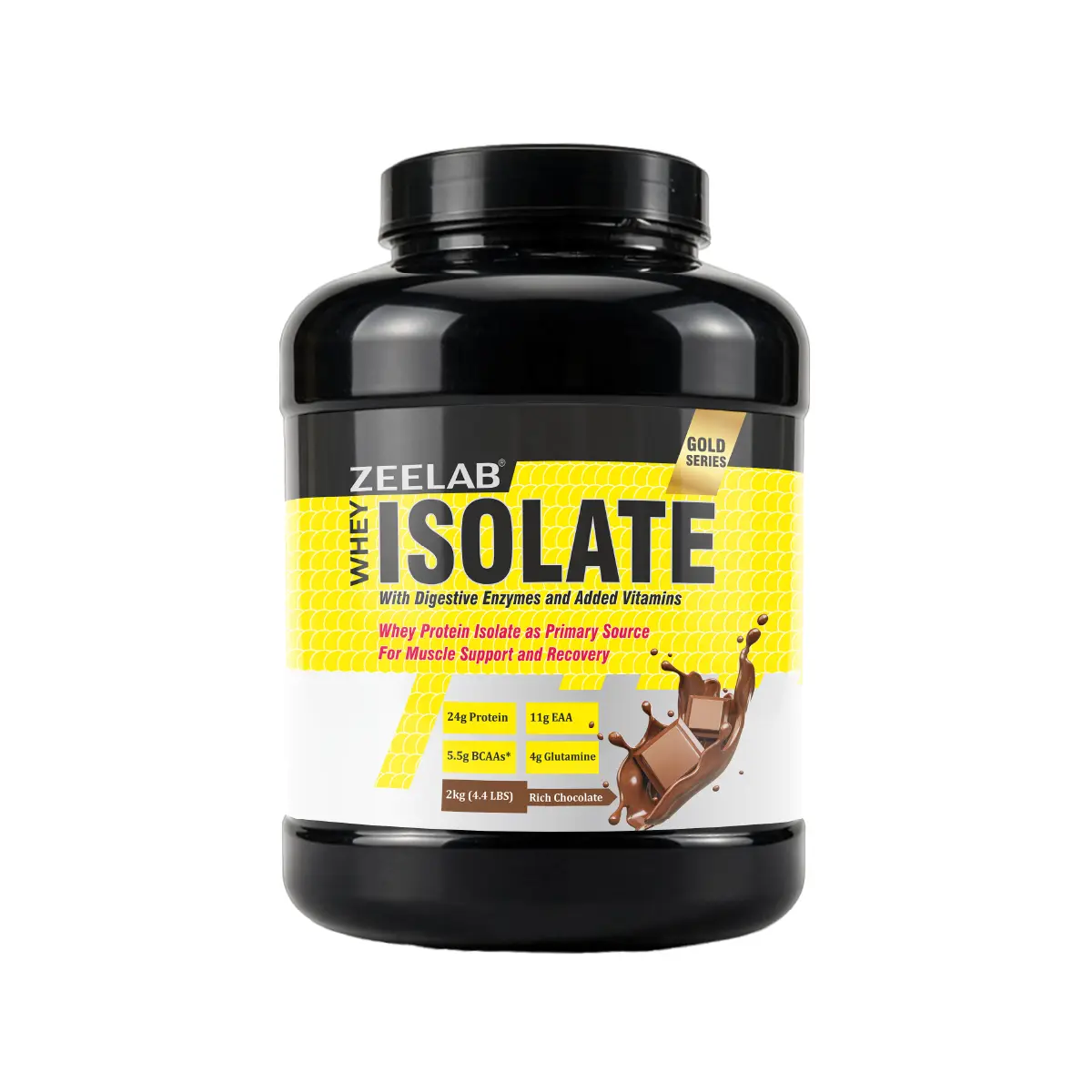
Whey Protein Isolate + Whey Protein Concentrate + Milk Solids + Enzymes + Cocoa Powder + Emulsifier + Flavours + Sweetener (INS 950) + Added Flavour (Rich Chocolate)
2kg Powder In Jar
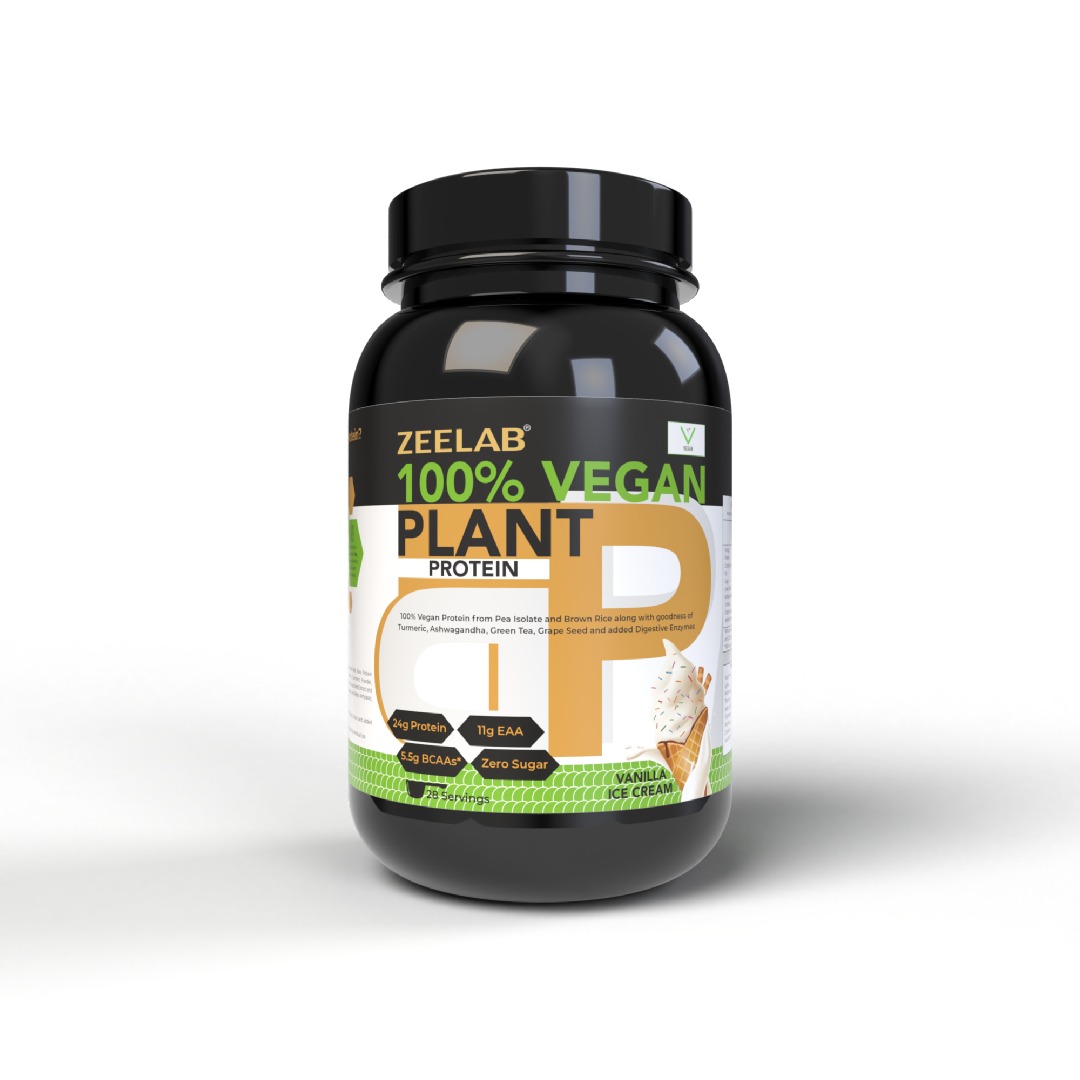
Pea Protein Isolate + Brown Rice Protein + Turmeric Powder + Ashwagandha + Green Tea Extract + Grape Seed Extract + Enzymes (11mg) + Flavours + Sweetener (INS 950) + Added Flavour (Vanilla Ice Cream)
1 Kg Per Jar
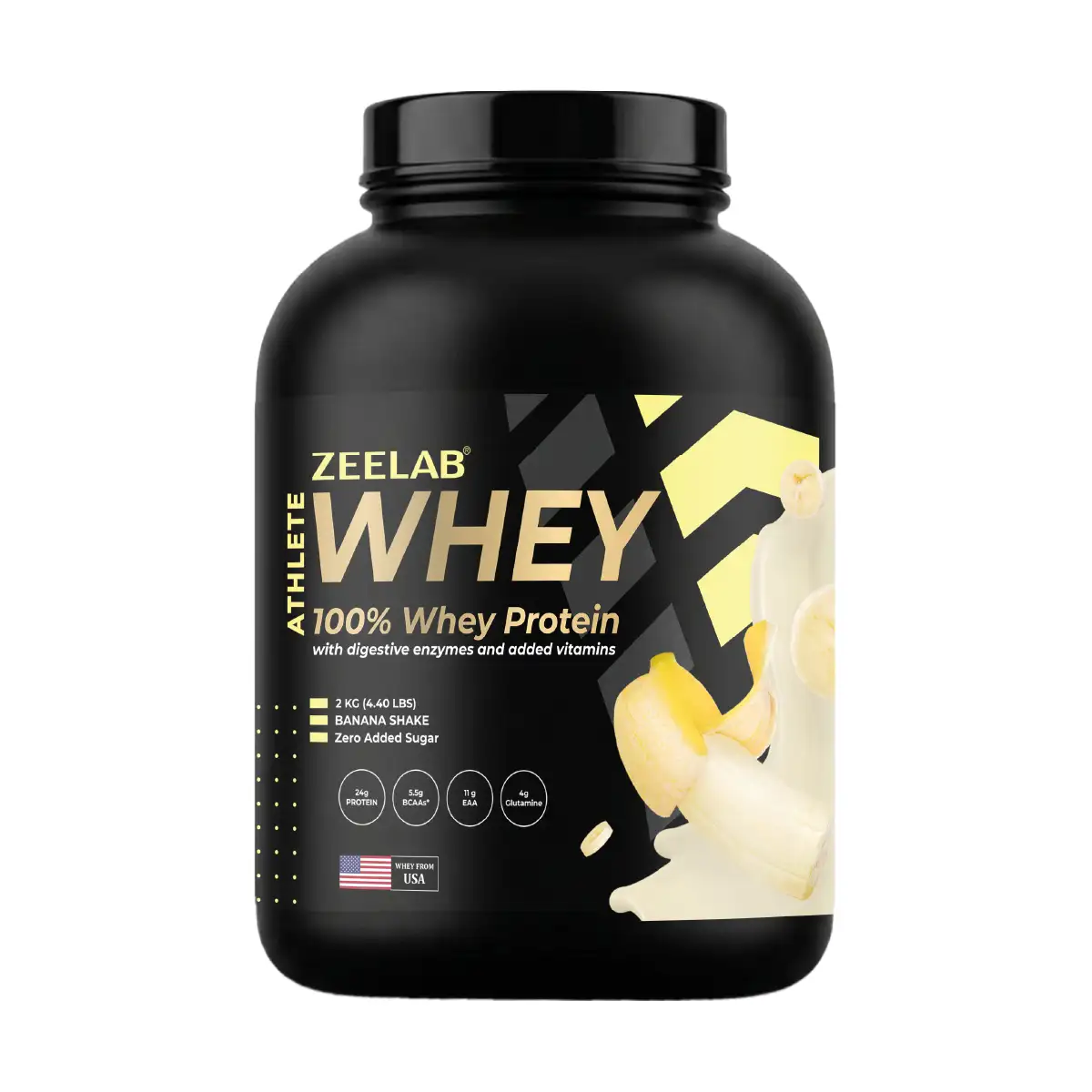
Whey Protein Concentrate + Milk Solids + Enzymes + Flavours + Sweetener + Added Flavour (Banana)
2kg Powder In Jar
Ingredients: Whey Protein Concentrate 100%. No Added Flavour, No Added Sugars "Contains Naturally Occurring Sugars"
910gm Powder In Jar
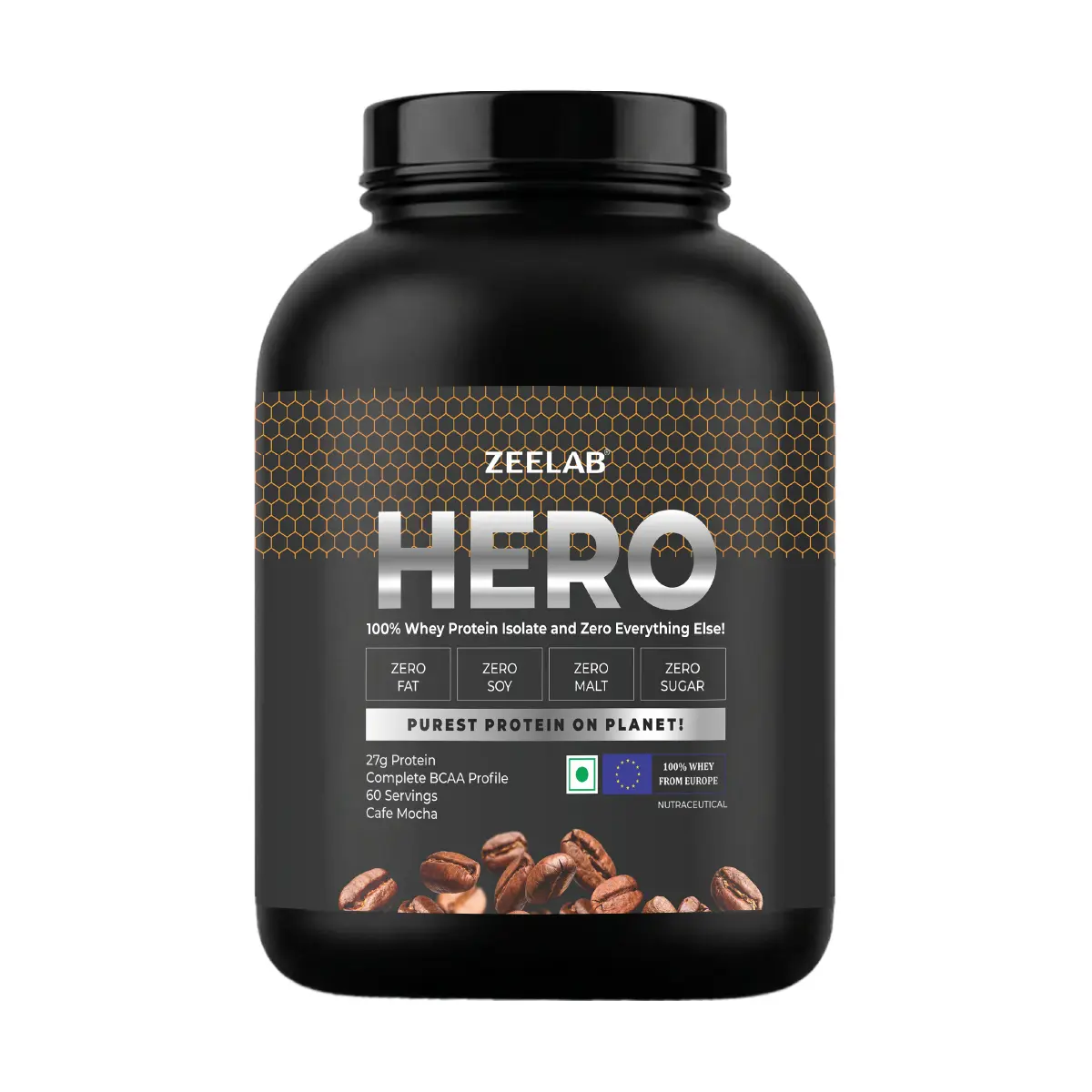
Whey Protein Isolate + Added Flavour (Coffee)
1.81kg Powder In Jar
References
Recent Blogs






Disclaimer : Zeelab Pharmacy provides health information for knowledge only. Do not self-medicate. Always consult a qualified doctor before starting, stopping, or changing any medicine or treatment.
Related Products


₹ 0
0
Items added
Quick Links
Categories
Our Policies

Our Socials


Subscribe

2026 Copyright By © Zeelab Pharmacy Private Limited. All Rights Reserved
Our Payment Partners

 Added!