

Whey vs Plant Protein Which Is Better for Muscle Gain, Weight Loss & Digestion?

Whey protein vs plant-based protein can be baffling due to so many alternative options that all tout muscle gain, fat loss, and digestion benefits. The addition of vegan protein vs whey into the equation just adds more confusion for one's decision because some individuals may prefer plant-based sources if they are vegetarians or lactose intolerant.
While whey is widely recognised due to its high leucine content and fast absorption rate, plant proteins boast of their fibre, phytonutrients, and lower allergenic potential.
Each type yields a specific benefit, depending on your fitness goals, diet preferences, and tolerance. This guide explores the differences, pros, and usage tips for each type to help you make an informed choice, while also explaining why protein supplements from Zeelab will be reliable options for all users.
What is Whey Protein?
Whey protein is a dairy protein produced in the process of cheese manufacturing, highly valued due to its rapid digestion and muscle function. The two most common forms of this protein are whey protein concentrates and whey isolates.
It is one of the most preferred choices for individuals who are concerned with muscle gain, protein synthesis and quick recovery after a workout.
What is Plant-Based Protein?
Plant-based protein sources include pea, soy, and rice blends. These proteins are in high demand among vegans and individuals suffering from lactose intolerance because they are free from dairy and very easy on the stomach.
In most plant-based protein vs whey protein debates, the reason for choosing plant protein often boils down to ethics, ease of digestion, and sensitivity in the stomach.
Difference Between Whey and Plant Protein
Whey helps your muscles rebuild faster, and plant protein is great if you have tummy troubles or eat mostly plants. Both can help you build muscle as long as you get enough protein regularly.
Whey vs Plant Protein: Key Differences at a Glance
Choosing whey or vegetable protein depends on goals, digestion, and dietary preferences. Let us understand from this table.
|
Point |
Whey Protein |
Plant Protein |
|
Source |
obtained from milk during cheese making |
Extracted from pea, soy, rice, or mixed plants |
|
Protein quality |
Complete protein with high leucine content |
Amino acids are often mixed to improve the profile |
|
Digestion speed |
Fast absorption, ideal after workout |
Moderate digestion, gentle for a sensitive stomach |
|
Suitability for beginners |
It is good if you are not lactose intolerant |
Better for lactose intolerance or vegan diets |
|
Overall choice |
Best for fast muscle recovery |
Balanced option for long-term daily nutrition |
Whey vs Plant Protein Pros and Cons
Whey protein absorbs quickly and has all the aminos you need, but it might cause problems if you're lactose intolerant. Plant protein is great for vegans and easier to digest, but it might take longer to build muscle.
Whey Protein Pros and Cons
A quick look at the benefits and drawbacks of whey protein to help you decide if it fits your fitness goals, digestion, and lifestyle.
|
Aspect |
Whey Protein – Pros |
Whey Protein – Cons |
|
Muscle Gain |
Whey protein with high levels of leucine vs plant protein promotes quick protein synthesis. |
May not be suitable for people avoiding dairy-based proteins |
|
Protein Quality |
Regarded as a complete protein Whey protein is compared to plant protein, containing all essential amino acids |
Not suitable for strict vegetarians |
|
Digestion Speed |
Faster absorption facilitates the efficiency of muscle growth by whey protein |
Bloating may occur in lactose-sensitive individuals |
|
Weight Management |
Increases satiety; Whey protein is more beneficial than vegetable protein in terms of weight loss. |
Some flavoured types add extra calories or sugars. |
|
Availability & Research |
Widely researched protein |
Environmental and ethical concerns compared to plant proteins |
Plant-Based Protein Pros and Cons
Plant-based protein is becoming increasingly popular for health, ethical and environmental reasons. Let us understand through this table:
|
Pros Plant-Based Protein |
Cons Plant-Based Protein |
|
Easy to digest for a sensitive stomach |
Low leucine content may reduce muscle protein synthesis |
|
Suitable for vegan and vegetarian diets |
Larger servings may be needed to meet protein needs |
|
Low in saturated fat, heart-friendly |
Incomplete amino acid profile in some sources |
|
Rich in fibre and antioxidants |
Powder may taste different or be gritty |
|
Environmentally sustainable |
Slower absorption than whey protein |
Whey vs Plant Protein for Muscle Gain
Whey and vegetable proteins both aid muscle growth, but effectiveness varies depending on amino acid content, digestion and training goals.
|
Factor |
Whey Protein |
Plant Protein |
|
Muscle Growth |
The high leucine content promotes faster protein synthesis and muscle gains. |
Slightly lower leucine; may require larger servings for the same effect. |
|
Amino Acid Profile |
Complete protein with all essential amino acids. |
Often incomplete; Mixture required for complete amino acid coverage. |
|
Digestion |
Rapid absorption; A sensitive stomach may cause swelling. |
slow absorption; Easy to digest, less bloating. |
|
Satiety |
Higher satiety helps reduce post-workout hunger. |
Provides moderate satiety; may need more volume for fullness. |
|
Convenience |
Easy to mix, widely available, versatile for shakes. |
Plant blends may need mixing; taste varies between sources. |
Which Protein Builds Muscle Better?
- Whey Protein: Whey contains high leucine, which efficiently stimulates muscle protein synthesis and growth.
- Plant protein: Supports muscle growth when combined properly, but naturally contains less leucine.
Does Plant Protein Build Muscle Like Whey?
- Plant protein can build muscle, yet requires combining sources for complete amino acids.
- Whey protein is more effective because of the higher leucine and faster absorption rates.
Protein Quality for Muscle Growth
- Whey protein consists of complete amino acids, hence facilitating faster and more efficient muscle growth.
- Plant proteins may be incomplete and require a combination of sources to achieve an optimal muscle-building amino profile.
Best Protein for Muscle Gain: Whey or Plant?
- Whey protein has more leucine, which enables faster and more efficient muscle building.
- Plant protein will help with muscle building, though possibly a mix for a complete spectrum.
Whey vs Plant Protein for Weight Loss
Whey protein may cause bloating or gas in sensitive individuals, while vegetable protein is often gentler, supporting better gut comfort and digestion.
|
Feature |
Whey Protein |
Plant Protein |
|
Calorie Content |
Usually, lower calories per serving |
May have slightly higher calories |
|
Satiety Effect |
Promotes fullness, reduces snack cravings |
Moderate satiety varies by source |
|
Fat Loss Efficiency |
Supports fat loss with high protein intake |
Supports fat loss, slower digestion |
|
Metabolism Boost |
Increases thermogenesis slightly |
Mild effect on metabolism |
|
Convenience & Taste |
Easily dissolves, palatable flavours |
May require blending; taste varies |
Which Protein Is Better for Fat Loss?
Selecting the most appropriate protein for the reduction of fat should be based on satiety and nutritional value. Both whey protein and plant protein can be very effective for this process.
Satiety, Calories & Diet Support
It helps in making one feel full after each meal, thereby reducing the intake of calories. The presence of high protein promotes metabolism in the body, as well as the maintenance of muscles.
Vegan Protein vs Whey for Fat Loss
Vegan protein powders are plant-based protein supplements, which are generally low in calories as well as fat content. Moreover, they can also be consumed by individuals with lactose intolerance. Vegan protein powder contains an adequate amount of dietary fibre.
Whey vs Plant Protein for Digestion & Gut Health
Whey protein may cause bloating or gas in sensitive individuals, while vegetable protein is often easier to digest and gentler on the stomach.
|
Whey Protein |
Plant Protein |
|
May cause bloating |
Easier to digest |
|
Lactose intolerance issues |
Suitable for lactose-free diets |
|
Rapid absorption |
Slower absorption, gentle on the gut |
|
Can cause gas |
Lower chance of gastrointestinal discomfort |
|
Whey isolate is better tolerated |
Blends reduce digestive strain |
Which Protein is Easier to Digest?
Whey protein, on the other hand, can be harder to digest for sensitive individuals, especially those suffering from lactose intolerance, which may further cause discomfort, bloating, or digestive upset. For many, plant protein is much easier on the stomach.
Sensitive Stomach & Lactose Intolerance
Whey protein includes lactose and might cause stomach upset in sensitive individuals. Plant protein powders are lactose-free, making them suitable for individuals with sensitive stomachs and those who avoid the discomfort associated with dairy intake.
Bloating, Gas & Gut Issues
The use of whey protein causes bloating, gas buildup, and stomach discomfort in some people. Plant proteins are generally easy to digest; Thus, it reduces gastrointestinal problems and support effective nutrient absorption.
How to Choose Between Whey and Plant Protein for Your Fitness Goals
The decision to choose whey protein and plant protein alternatives for dietary issues depends on one's lifestyle and personal preferences.
- Muscle Mass Gain: Whey protein facilitates the growth of muscles at a higher rate because it contains a higher level of leucine.
- Weight Loss: Both whey protein and plant protein work for weight loss, though whey protein provides more satiety.
- Digestibility: Plant proteins are easier to digest. Bloating or gas problems may not occur.
- Dietary Preference: Plant proteins are ideal for vegans who do not have lactose tolerance.
- Budget: Cost Considerations – Whey protein may be considered cost-effective on a gram of protein basis with respect to some plant protein combinations that may be relatively expensive.
Also Read: Whey vs Plant vs Yeast Protein
Top Zeelab Protein Supplements for Fitness Goals from Zeelab Pharmacy
Here are some products of Zeelab Pharmacy at affordable prices. Most preferred and dermatologist-approved products, as well as similar affordable ranges, are safe and effective. Additionally, Zeelab Pharmacy products are WHO-GMP, ISO and FDA certified.
Zeelab Raw and Pure Whey Protein Concentrate 100% | 2lbs (910g) with 30 Servings
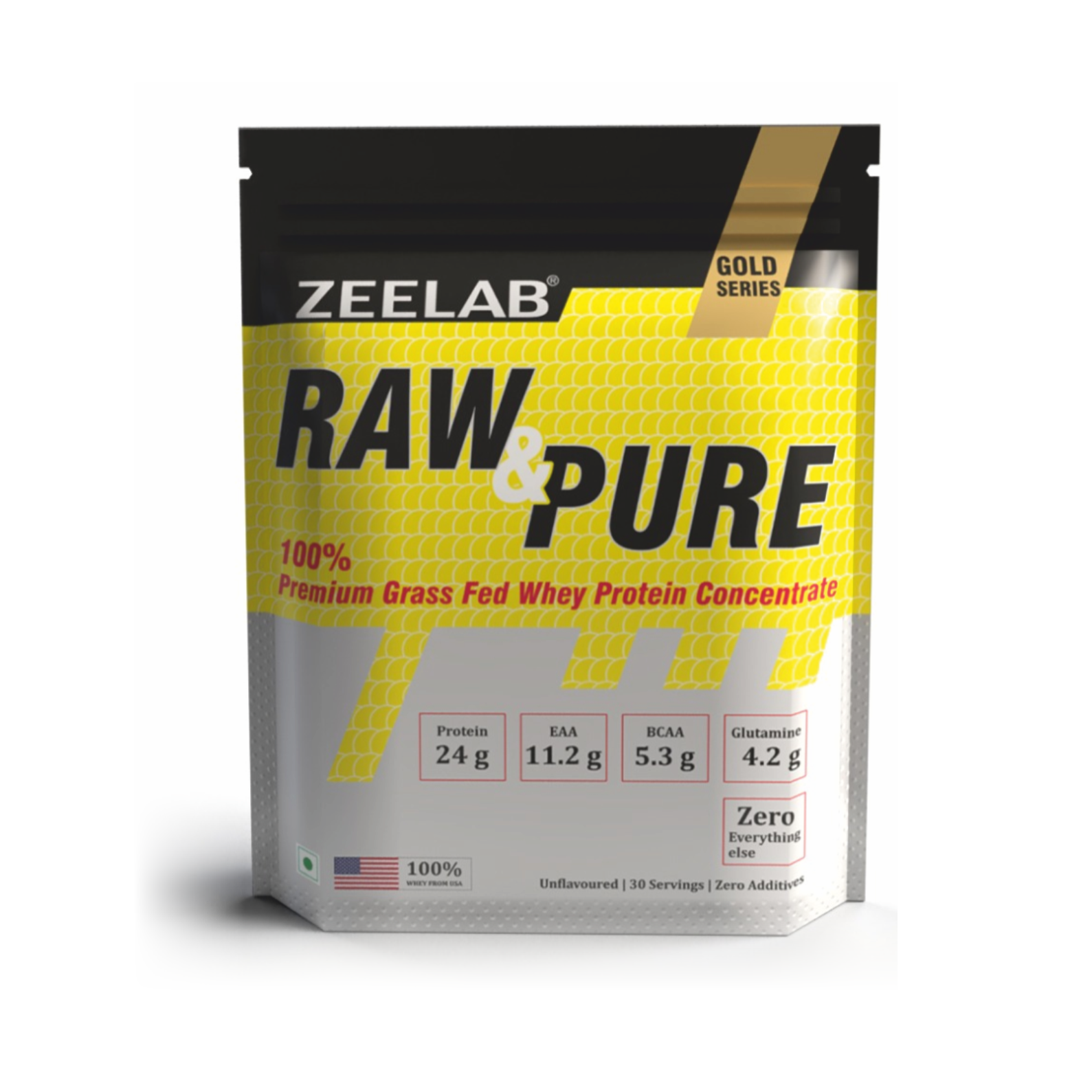
Zeelab Raw & Pure Whey Protein Concentrate is a high-quality protein supplement designed to support muscle growth, recovery, and overall fitness. Each serving provides 24g of pure whey protein, rich in essential amino acids that help repair muscles after workouts and promote lean muscle development.
- Composition: Ingredients: Whey Protein Concentrate 100%. No Added Flavour, No Added Sugars, Contains Naturally Occurring Sugars.
- What it does: It supports muscle buildup, increased strength, faster recovery from exercise, and fulfils daily protein requirements.
- How to use: Mix with water or milk and drink after a workout or as directed.
Zeelab Athlete 100% Whey Protein 2 kg (4.4 lb) Banana Shake
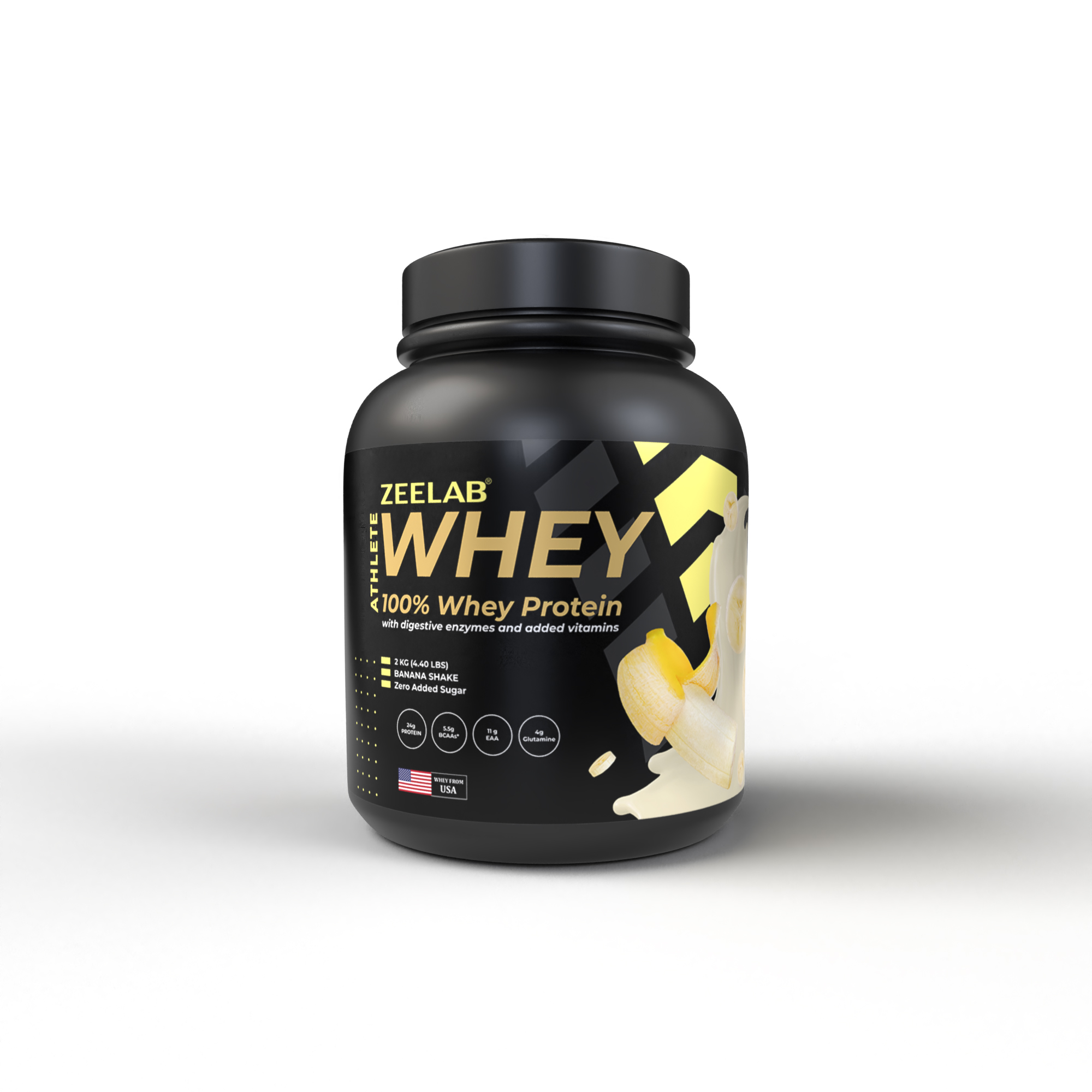
Zeelab Athlete 100% Whey Protein Powder in Banana Shake flavour is a premium supplement designed to support muscle growth and recovery. Each 33g serving delivers 24g of high-quality protein, providing 116 kcal with minimal fat and carbohydrates.
- Composition: Whey Protein Concentrate + Milk Solids + Enzymes + Flavours + Sweetener + Added Flavour (Banana)
- What it does: Promotes muscle growth and recovery and meets daily protein requirements in an active individual
- How to use: Mix it with a scoop and water or milk, and drink accordingly
Zeelab Athlete 100% Whey Protein 2 kg (4.4 lb) French Vanilla Creme
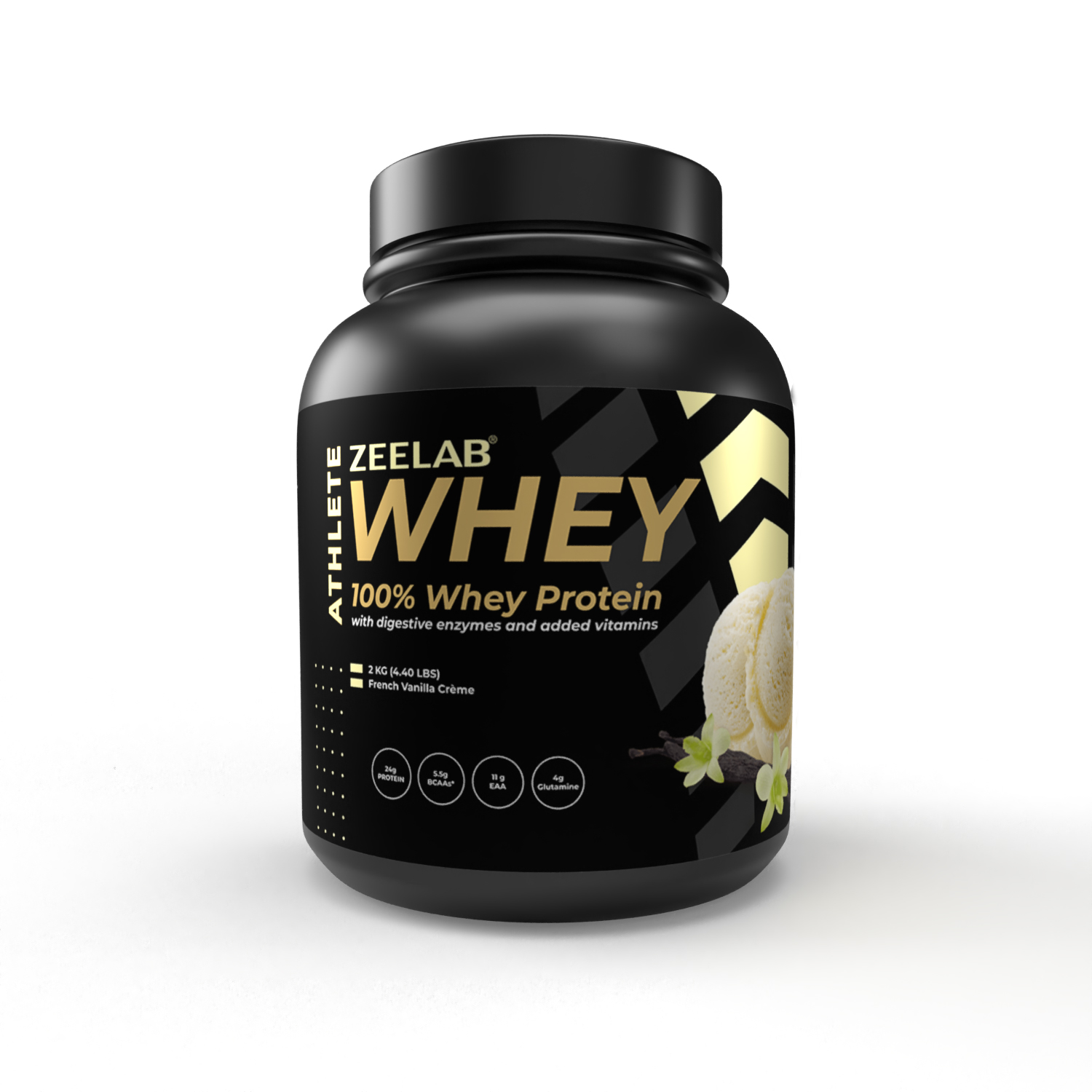
Zeelab Athlete 100% Whey Protein Powder in French Vanilla Crème flavour is a high-quality protein supplement designed to support muscle growth, enhance recovery, and improve overall fitness.
- Composition: Whey Protein Concentrate + Milk Solids + Enzymes + Emulsifier + Flavours + Sweetener (INS 950) + Added Flavour
- What it does: Promotes Muscle Growth, Fast Recovery, Increased Strength and Protein Daily Intake Requirements
- How to use: Take one teaspoon with water or milk after your workout or between meals
Zeelab Athlete 100% Whey Protein 2 kg (4.4 lb) Salted Caramel
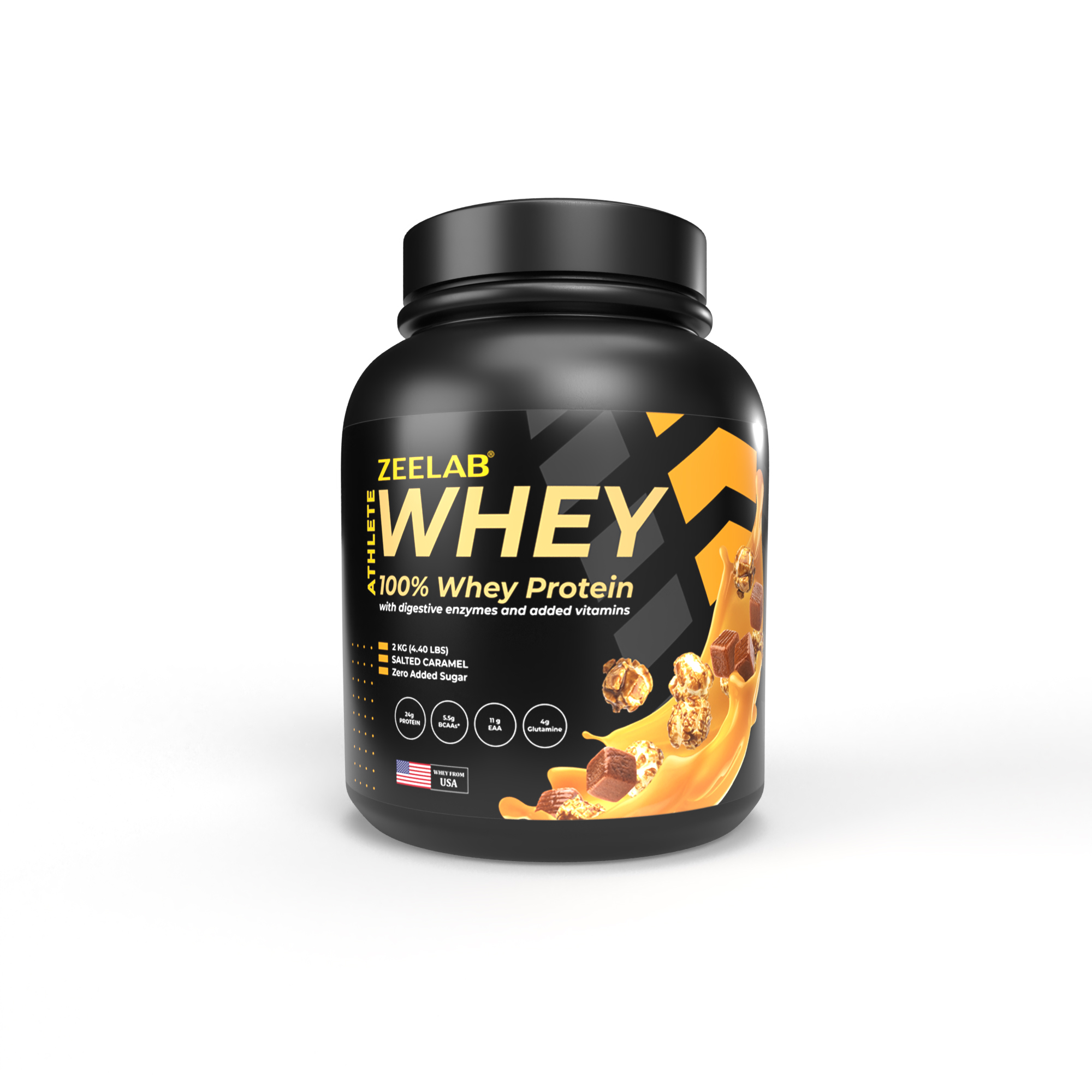
Zeelab Athlete 100% Whey Protein Powder (Salted Caramel Flavour) is a high-quality protein supplement specially made for fitness enthusiasts and athletes who want to build lean muscle and improve recovery after workouts.
- Composition: Whey Protein Concentrate + Milk Solids + Enzymes + Emulsifier + Flavours + Sweetener (INS 950) + Added Flavour (Salted Caramel)
- What it does: Facilitates muscle growth, increases recovery time, improves strength, and satisfies protein demands
- How to use: One scoop mixed with water or milk. After a workout or as directed
ZEELAB 100% Vegan Plant Protein Vanilla Ice Cream 2.2lb
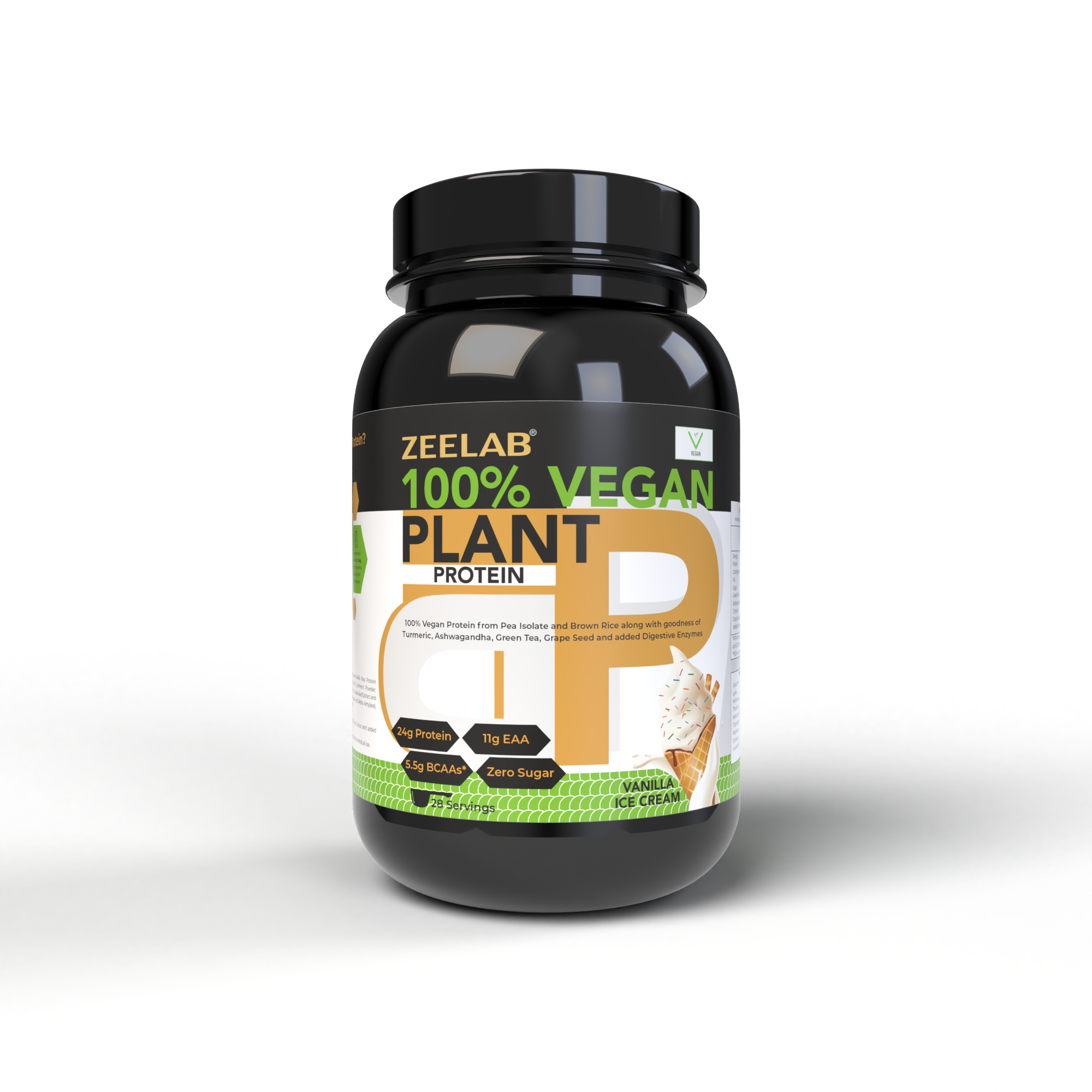
Your post-workout recovery, pre-workout energy, and on-the-go sports nutrition are now covered by ZEELAB 100% Vegan Plant Protein. Developed by our team of healthcare experts, this vegan protein powder is designed for athletes, bodybuilders, and fitness enthusiasts aiming to build muscle, gain strength, and enhance performance.
- Composition: Pea Protein Isolate + Brown Rice Protein + Turmeric Powder + Ashwagandha + Green Tea Extract + Grape Seed Extract + Enzymes (11mg) + Flavours + Sweetener (INS 950) + Added Flavour (Vanilla Ice Cream)
- What it does: Provides plant protein to help with muscle recovery, strength, digestion, and overall nutrition
- How to use: Take one scoop with water or plant-based milk after workouts or with meals
ZEELAB Whey Protein Isolate Powder French Vanilla Creme
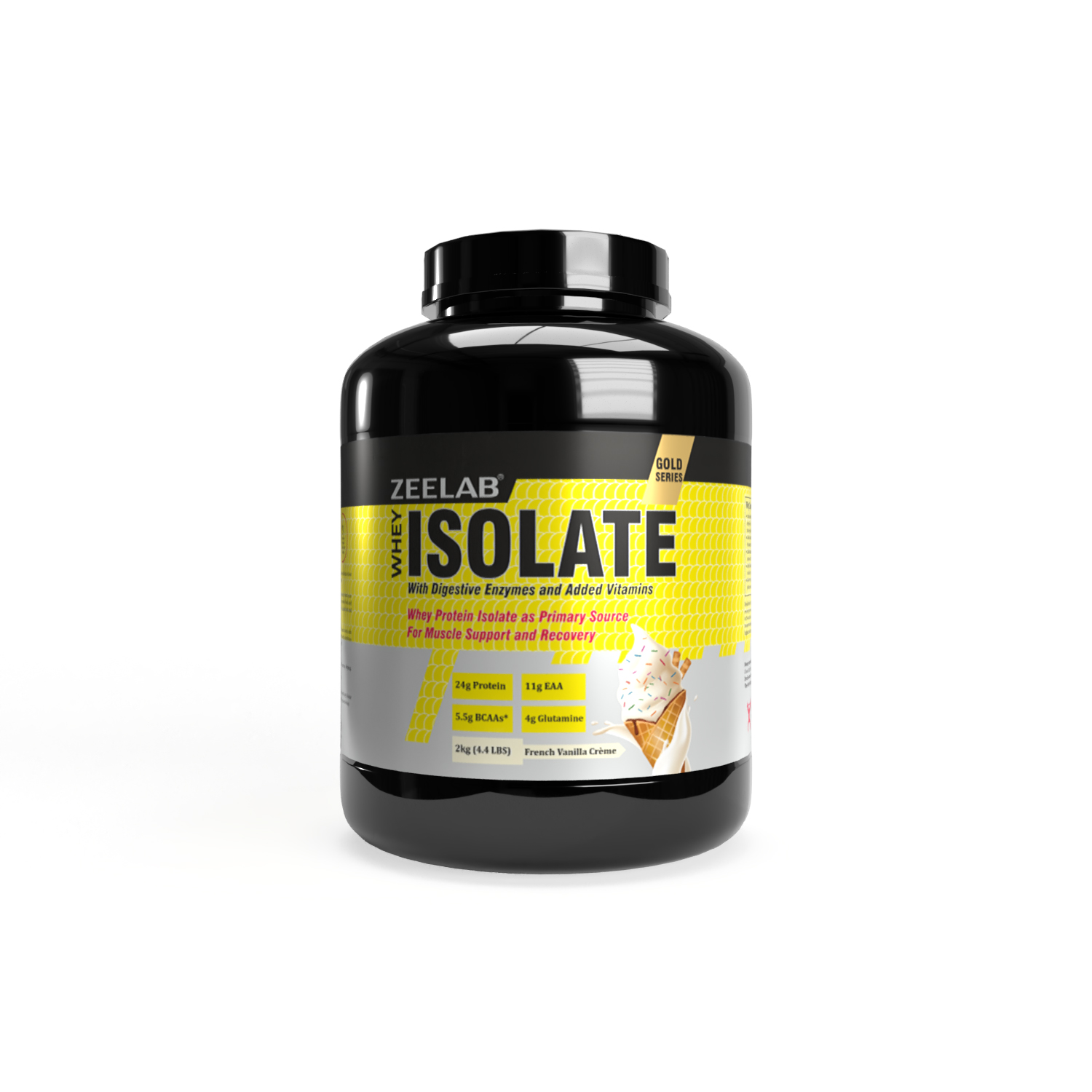
Zeelab Whey Protein Isolate Powder in French Vanilla Crème flavour is a premium supplement designed to support muscle growth and enhance recovery. Each 33g serving delivers 24g of high-quality protein sourced primarily from whey protein isolate, the purest form available.
- Composition: Whey Protein Isolate + Whey Protein Concentrate + Milk Solids + Emulsifier (INS 3220) + Enzymes (Papain, Alpha Amylase) + Flavours + Sweetener (INS 950)
- What it does: Lean muscle growth, recovery, and high protein intake with low lactose.
- How to use: Combine one scoop with water or milk, and enjoy as a post-workout drink or as a daily nutrition supplement.
Final Verdict: Which One is Right for You?
Both whey and plant protein have their advantages; it ultimately depends on your personal needs and preferences. Whey protein is quickly absorbed, with a high content of leucine and is preferred for muscle-building and muscle recovery.
Plant protein is appropriate for vegans, people with lactose intolerance, and people who prefer easier digestion. As for weight loss, both can actually help with weight loss when taken properly. Depending on your stomach sensitivity, plant protein would be lighter on your stomach.
Frequently Asked Questions
Q. Which is better for building muscle, whey or plant protein?
A. Whey promotes rapid synthesis of muscle proteins due to its high leucine concentration.
Q. Whey vs plant protein for weight loss?
A. Both have beneficial effects on weight loss; Whey protein has a slightly greater effect on satiety.
Q. Which is the easily digestible protein between whey protein and plant protein?
A. Plant protein works well with sensitive stomachs; whey isolate is easily digested without lactose.
Q. Is plant protein as effective as whey protein?
Yes, when vegetable protein is added, it can provide all that is needed.
Q. Which protein powder provides better muscle-building properties while preventing bloat?
A. Whey isolate and plant protein blend help to avoid bloating and promote muscle buildup.
Q. Whey vs Plant Protein for Muscle Gain when It Comes to Digestion?
A. Whey protein for muscles, plant protein for digestion, and both for weight loss.
Q. Whey versus Plant Protein as a beginner?
A. vegetarian or a non-vegetarian diet: Beginners can choose either; it depends on one’s digestion.
Q. Is whey protein suitable for lactose-intolerant individuals?
A. Yes, it contains low amounts of lactose and is ideal for lactose-intolerant users.
Q. Does plant protein build muscle like whey?
A. Yes, dosage and balance of amino acids make it possible to build muscle.
Q. Whey protein or plant protein, what should women choose?
A. Both are safe, depending on lifestyle, digestion, and personal preference.
Recent Blogs






Disclaimer : Zeelab Pharmacy provides health information for knowledge only. Do not self-medicate. Always consult a qualified doctor before starting, stopping, or changing any medicine or treatment.


₹ 0
0
Items added
Quick Links
Categories
Our Policies

Our Socials


Subscribe

2026 Copyright By © Zeelab Pharmacy Private Limited. All Rights Reserved
Our Payment Partners

 Added!