

Should You Oil Your Hair During Monsoon? Benefits, Risks & Expert Hair Care Tips

Monsoon causes a shift in the weather, from hot to humid. This change often confuses us about our regular hair care routine.
Rain and humidity make your hair act differently, and they become frizzy, lifeless, and greasy.
This makes you question, "Is it good to oil hair during monsoon or not?" Well, for some, it might be beneficial, but for others it may not. Which basically means the answer depends on how, how much, and which hair type.
Let's read about hair oiling during monsoon, when it helps, when it doesn't, which hair oil is best for you, and so on.
Should You Oil Your Hair During Monsoon?
Yes, oiling hair is a great way to manage monsoon hair problems such as frizzy, dry, and easily breakable hair. But remember, it may not suit everyone because of different scalp types.
Normally, what we (especially girls) do is use too much oil or do it before bed to shampoo in the morning, but in humid weather this may worsen scalp problems. The right thing to do here is to use suitable hair oil in a small amount.
Why Does Your Hair Need Extra Care During the Monsoon?
Your hair demands extra care during the rainy season because it brings high humidity and rainwater, which is mostly mixed up with pollutants.
These factors are responsible for different skin issues like:
- Frizz due to high humidity
- Too much sweating causing scalp buildup
- Increased oil production in the scalp
- More hair breakage
- Worsening dandruff
- Damp scalp increasing the risk of fungal infections
Also Read: Is Rainwater Good or Bad for Hair?
Benefits of Hair Oiling During Monsoon
The correct use of a hair oil will give you more benefits than just adding shine and smoothing your dull and frizzy hair.
An oil may offer real advantages like the following during this season:
- Nourishes the scalp by delivering fatty acids and antioxidants that support the scalp barrier
- Reduces dryness caused by frequent washing and humidity swings
- Controls frizz due to its ability to smooth out the hair cuticles
- Makes hair softer and reduces breakage during combing
- Prevents moisture loss from the hair by creating a protective layer around it
- Gives a healthy appearance to hair when used with scalp hygiene
When to Avoid Hair Oiling in the Rainy Season?
Avoid hair oiling for conditions when the result may do more harm than good.
For example, if your scalp is already oily (naturally or by external application), massaging more oil on it can cause clogged pores and attract sweat and dust.
Avoid oiling your hair in conditions like:
- During high humidity, it does not allow oil to absorb and stay on the surface.
- When previous product buildup is not cleaned up, and the scalp is dirty.
- Avoid overnight oiling because leaving the scalp damp for hours can lead to fungal growth.
- If you already have fungal infections, avoid oiling to prevent it from worsening.
- Dandruff often gets worse with excessive oiling in humid conditions
Should You Oil Your Hair Based on Hair Type?
Your hair and scalp type really matters while oiling. If your scalp is already oily, too much oiling is not needed, but for dry hair it may. We have provided a table here to guide you on hair oiling.
|
Hair Type |
Should You Oil? |
Recommendation |
|
Oily Hair |
Yes, lightly |
Oil 30 to 60 minutes before shampoo |
|
Dry Hair |
Yes |
Regular pre-shampoo oiling |
|
Curly Hair |
Yes |
Focus on mid-lengths and ends |
|
Thin Hair |
Moderate |
Avoid excessive oil |
|
Chemically Treated Hair |
Yes |
Use nourishing oils |
|
Dandruff-Prone Scalp |
With caution |
Consult a dermatologist if severe |
Which Hair Oil Is Best for Monsoon?
Even if monsoon’s high humidity can make your hair look greasy, your scalp may still lack hydration and moisture from within. Different hair issues can be managed by using the right type of rainy season hair oil to provide the nourishment your hair lacks.
|
Hair Concern |
Best Hair Oil |
|
Hair fall |
Bhringraj Oil |
|
Dry Hair |
Coconut Oil |
|
Frizzy Hair |
Argan Oil |
|
Weak Hair |
Almond Oil |
|
Dandruff |
Diluted Tea Tree Oil |
|
Normal Hair |
Coconut + Almond Oil |
Best Ingredients to Look for in Hair Oils During Monsoon
The right ingredients can help manage common monsoon hair problems like frizz, dryness, hair fall, and dandruff.
|
Ingredient |
Best For |
Key Benefit |
|
Bhringraj |
Hair fall |
Strengthens and nourishes hair |
|
Coconut Oil |
Dry, frizzy hair |
Moisturises and reduces frizz |
|
Brahmi |
Weak hair |
Nourishes the scalp and roots |
|
Tea Tree Oil |
Dandruff |
Supports a healthy scalp (use diluted) |
|
Hair thinning |
Supports healthy hair growth |
|
|
Almond Oil |
Dry hair |
Softens hair and adds shine |
|
Argan Oil |
Frizzy hair |
Smooths hair and controls frizz |
Tip: Pick a hair oil based on your hair type and scalp needs for the best results during the monsoon.
Is Coconut Oil Good for Hair During Monsoon?
Yes, coconut oil is quite a popular choice for use during monsoon, especially among people with dry or normal hair type.
It helps in moisturising your hair from the roots, reducing protein loss, promoting softer hair, and managing frizz. It also has antibacterial and antifungal properties.
- It may feel heavy on oily scalps.
- Avoid leaving it overnight during humid weather.
- Use a small amount and wash it off within an hour.
Also Read: Coconut Oil For Hair Growth
How to Oil Your Hair Properly During Monsoon?
Hair oiling also has techniques. Oiling the right way, along with head massages, can help in better blood circulation and help the oil to reach the hair roots.
Make sure that follow these steps while oiling hair:
- Choose the right hair oil that is suitable for your hair and scalp type.
- More oil does not mean better results. Use only 1 or 2 spoons of oil.
- Divide your hair into sections.
- Use your fingertips to gently massage the scalp in circular motions for 5 to 10 minutes.
- Leave it for 30 to 60 minutes before washing with a monsoon shampoo.
How Often Should You Oil Your Hair During Monsoon?
The frequency of hair oiling in a week depends on your hair needs. Excessive oiling has its own disadvantages, so maintaining a gap of 2 or 3 days becomes important.
For different hair types, follow this routine:
|
Hair Type |
Frequency |
|
Dry Hair |
2 times/week |
|
Normal Hair |
1–2 times/week |
|
Oily Hair |
Once/week |
|
Curly Hair |
2 times/week |
Best Monsoon Hair Oil Recommendations by Zeelab Pharmacy
Keep your hair healthy this monsoon with Zeelab Pharmacy's carefully selected hair oils. Choose the right oil for your hair type to nourish your scalp, manage frizz, and support a healthy hair care routine.
Zeelab Bhringraj Hair Oil
A bhringraj-based hair oil that nourishes the scalp and is suitable for regular hair oiling during monsoon.
- Composition: Bhringraj (Eclipta Alba) + Brahmi (Bacopa Monnieri) + Amla (Emblica officinalis) + Til (Sesamum indicum) + Harad (Terminalia chebula) + Bahera (Terminalia bellirica) + Nagar Motha (Cyperus rotundus) + Kachur (Curcuma zedoaria) + Lodhra (Symplocos racemosa) + Manjith (Rubia cordifolia) + Bavachi (Psoralea corylifolia) + Bariyar (Sida cordifolia) + Chandan (Santalum album) + Padauk (Pterocarpus indicus) + Anantamul (Hemidesmus indicus) + Henna (Lawsonia inermis) + Priyangu (Callicarpa macrophylla) + Mulethi (Glycyrrhiza glabra) + Jatamansi (Nardostachys) + Kooth (Dolomiaea costus) + Mandoor (Rubia cordifolia)
- Best for Hair Type: Normal, Dry, Weak Hair
- Commonly Used For: Hair fall, dull and weak hair
- Benefits: Nourishes the scalp, supports stronger hair, improves hair manageability
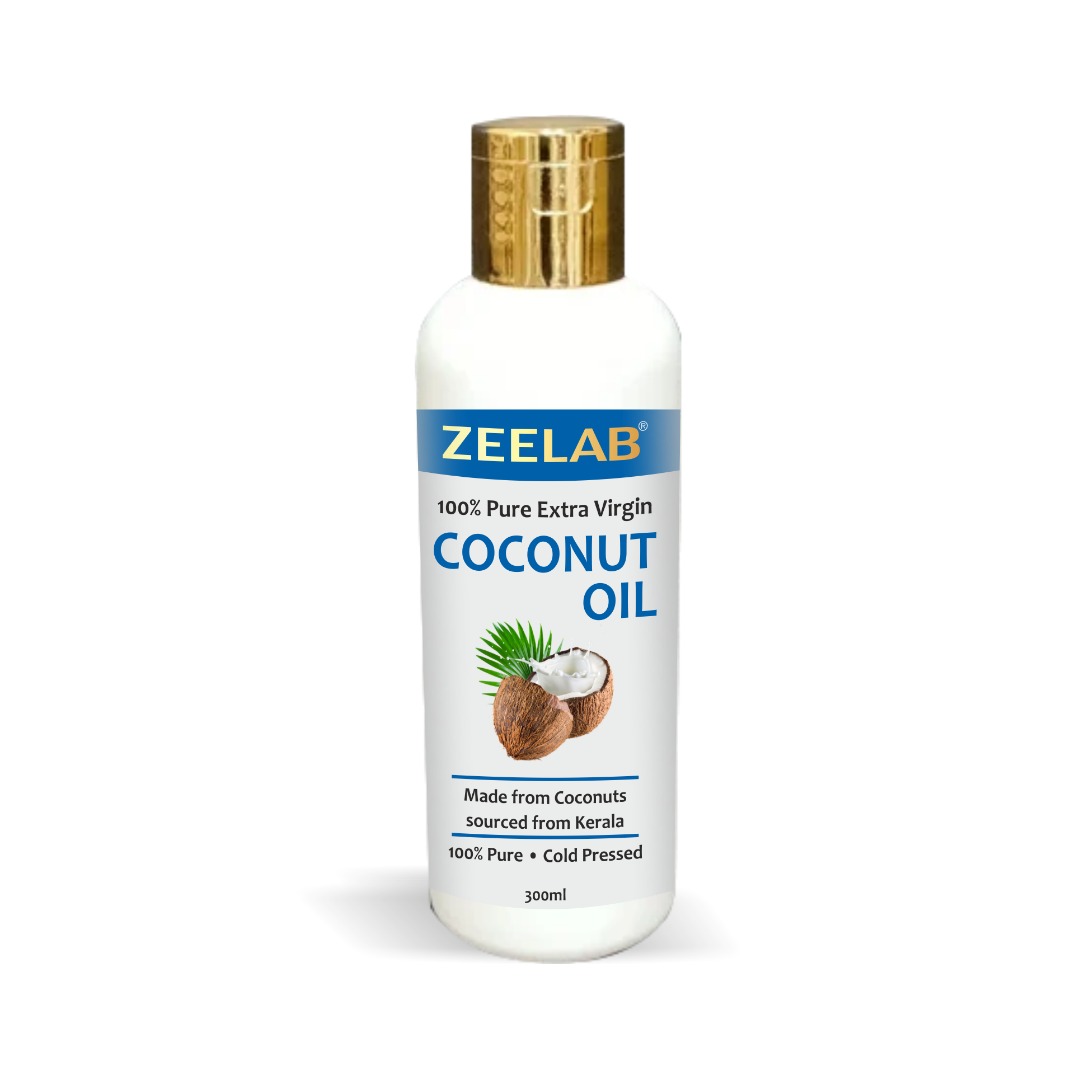
Zeelab Coconut Oil
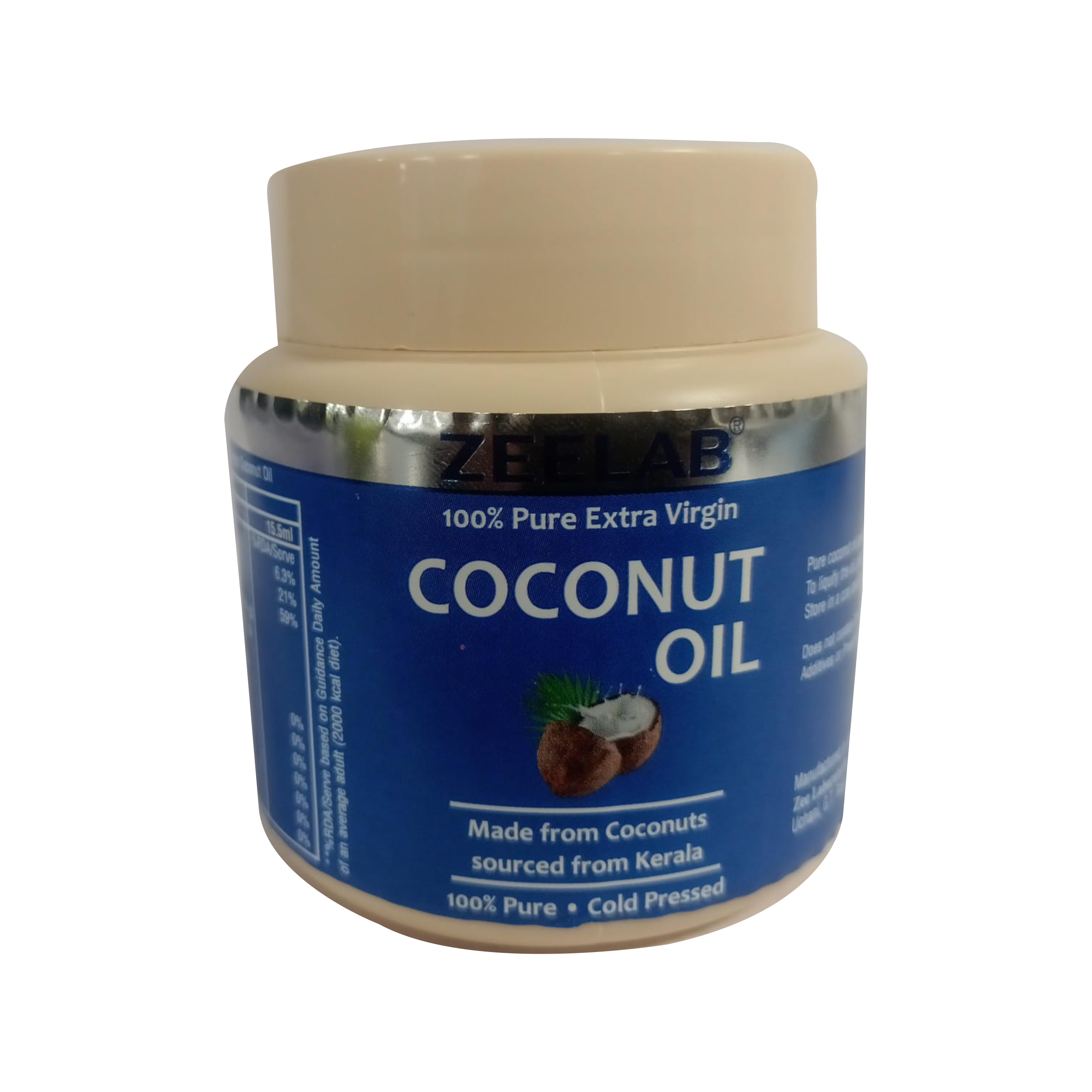
A pure coconut hair oil that conditions the hair and is suitable for pre-shampoo oiling during monsoon.
- Composition: 100% Pure Coconut Oil (Sourced from Kerala)
- Best for Hair Type: Dry, Normal, Frizzy Hair
- Commonly Used For: Dryness, frizz, rough hair
- Benefits: Nourishes hair, helps reduce dryness, improves softness
Zeelab Hair Growth Oil
A herbal hair oil that conditions the scalp and is suitable for routine hair oiling during monsoon.
- Composition: Bhringraj Oil + Brahmi Oil + Amla Oil + Onion Seed Oil + Fenugreek Oil + Pumpkin Seed Oil + Rosemary Essential Oil + Argan Oil + Jojoba Oil + Tea Tree Essential Oil + Neem Oil + Avocado Oil + Grape Seed Oil + Almond Oil + Olive Oil + Coconut Oil + Vitamin E + Peppermint Essential Oil + Lavender Essential Oil
- Best for Hair Type: Normal, Dry, Thin Hair
- Commonly Used For: Hair thinning, weak hair
- Benefits: Nourishes the scalp, supports healthy-looking hair, improves hair manageability
Common Hair Oiling Mistakes During Monsoon
Sometimes we do things related to hair oiling that can worsen the condition of our hair. These are some points that many of us may not know about.
For better care of hair, avoid the following common mistakes.
- Applying too much oil at once
- Leaving oil overnight in humid conditions
- Not washing the scalp thoroughly after oiling
- Applying oil onto an already dirty or sweaty scalp
- Massaging aggressively
- Using excessive heat (like a hair dryer)
- Skipping shampoo or under-washing
How Long Should You Leave Hair Oil During Monsoon?
During the monsoon, 30 to 60 minutes of pre-shampoo oiling is usually enough for the oil to nourish your scalp and hair. Leaving oil on for too long can attract sweat, dirt, and excess sebum, increasing the risk of scalp buildup and dandruff.
Recommended Duration
|
Hair Type |
Ideal Oiling Time |
|
Dry Hair |
45–60 minutes |
|
Normal Hair |
30–45 minutes |
|
Oily Hair |
20–30 minutes |
|
Curly Hair |
45–60 minutes |
Hair Oiling Tips for the Rainy Season
During the rainy season, oiling your hair the right way, avoiding common mistakes, can result in shiny, smooth, and frizz-free hair.
Here are some additional hair oiling tips for the same:
- Use lightweight oils that absorb well
- Massage gently rather than vigorously
- Wash thoroughly to avoid any residue
- Avoid tying up wet hair, which traps moisture against the scalp
- Keep the scalp clean between oiling sessions
- Dry hair completely before sleeping or stepping out
Also Read: Monsoon Hair Care Routine
When Should You Visit a Dermatologist?
Home care and oiling routines help with everyday monsoon hair concerns, but some symptoms need medical attention:
- Persistent or excessive hair fall
- Severe dandruff
- Continuous scalp itching
- Redness or swelling
- Scalp pain
- Signs of a fungal infection
Conclusion
Oiling your hair is an important part of an effective hair care routine. Even in the high-humidity weather of monsoon, oiling is a good choice for maintenance of the scalp and hair. Always remember that the frequency and ideal type of oil vary for people with different scalp and hair types.
For strong, shiny, and non-frizzy hair, select the appropriate hair oil, use it in moderation, massage properly and wash it off within 30 to 60 minutes. Follow this routine every once or twice a week.
Frequently Asked Questions (FAQs)
Ans.Yes, hair oiling can be beneficial during the monsoon when done in moderation. Pre-shampoo oiling nourishes the scalp, reduces dryness, and helps manage frizz without leaving excess oil.
Ans.No. Daily oiling is not recommended during the monsoon. Oil your hair 1–2 times a week and leave it on for 30–60 minutes before shampooing.
Ans.Oils like coconut, bhringraj, almond, and argan oils work best for common monsoon hair issues like dry, weak, or frizzy hair. The choice varies from person to person due to different scalp and hair types.
Ans.Yes, coconut oil is suitable for dry and normal hair during the monsoon. Apply a small amount before shampooing and avoid leaving it overnight on oily scalps.
Ans.Yes, pre-shampoo oiling is recommended during monsoon. Applying hair oil 30 to 60 minutes before washing helps nourish hair and makes it easier to cleanse thoroughly.
Ans.No, overnight oiling is generally not recommended during monsoon. Humidity, sweat, and excess oil can increase scalp buildup and may worsen dandruff or irritation.
Ans.Yes, people with oily scalps can oil their hair lightly during monsoon. Use a small amount before shampooing and avoid frequent or heavy oil application.
Ans.Yes, hair oiling can help control frizz during monsoon by improving hair softness and reducing moisture loss. Lightweight oils work best without making hair greasy.
Ans.Hair oil supports scalp health and may reduce hair breakage during monsoon. However, it cannot treat medical hair loss or stop hair fall caused by underlying conditions.
Ans.Hair oil itself does not cause dandruff. However, leaving oil on the scalp too long or poor scalp hygiene during monsoon may worsen existing dandruff.
Ans.No. First, rinse your hair with clean water, dry it completely, and then apply hair oil if needed. Avoid oiling wet or damp hair after rain.
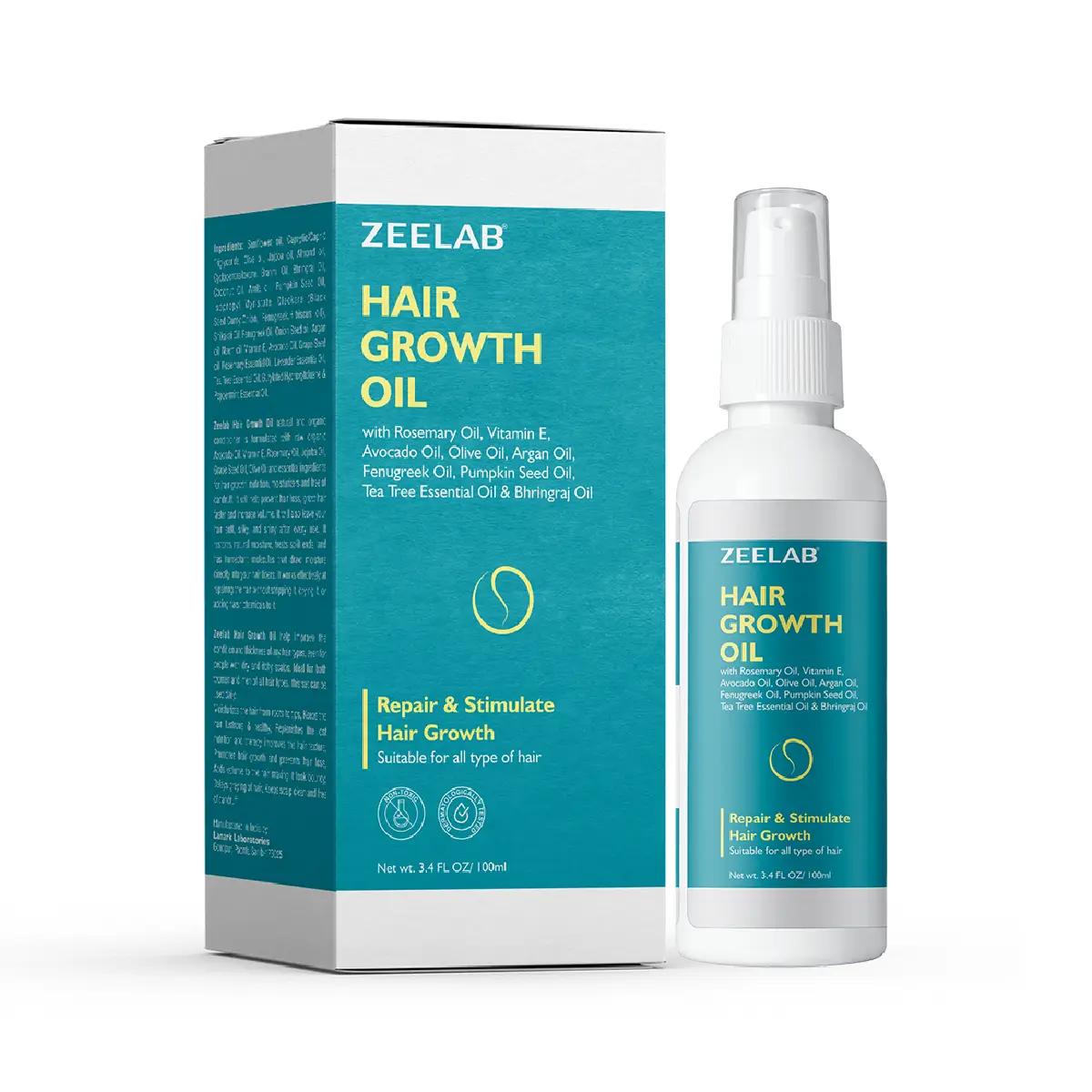
Bhringraj Oil + Brahmi Oil + Amla Oil + Onion Seed Oil + Fenugreek Oil + Pumpkin Seed Oil + Rosemary Essential Oil + Argan Oil + Jojoba Oil + Tea Tree Essential Oil + Neem Oil + Avocado Oil + Grape Seed Oil + Almond Oil + Olive Oil + Coconut Oil + Vitamin E + Peppermint Essential Oil + Lavender Essential Oil
100ml In 1 Bottle
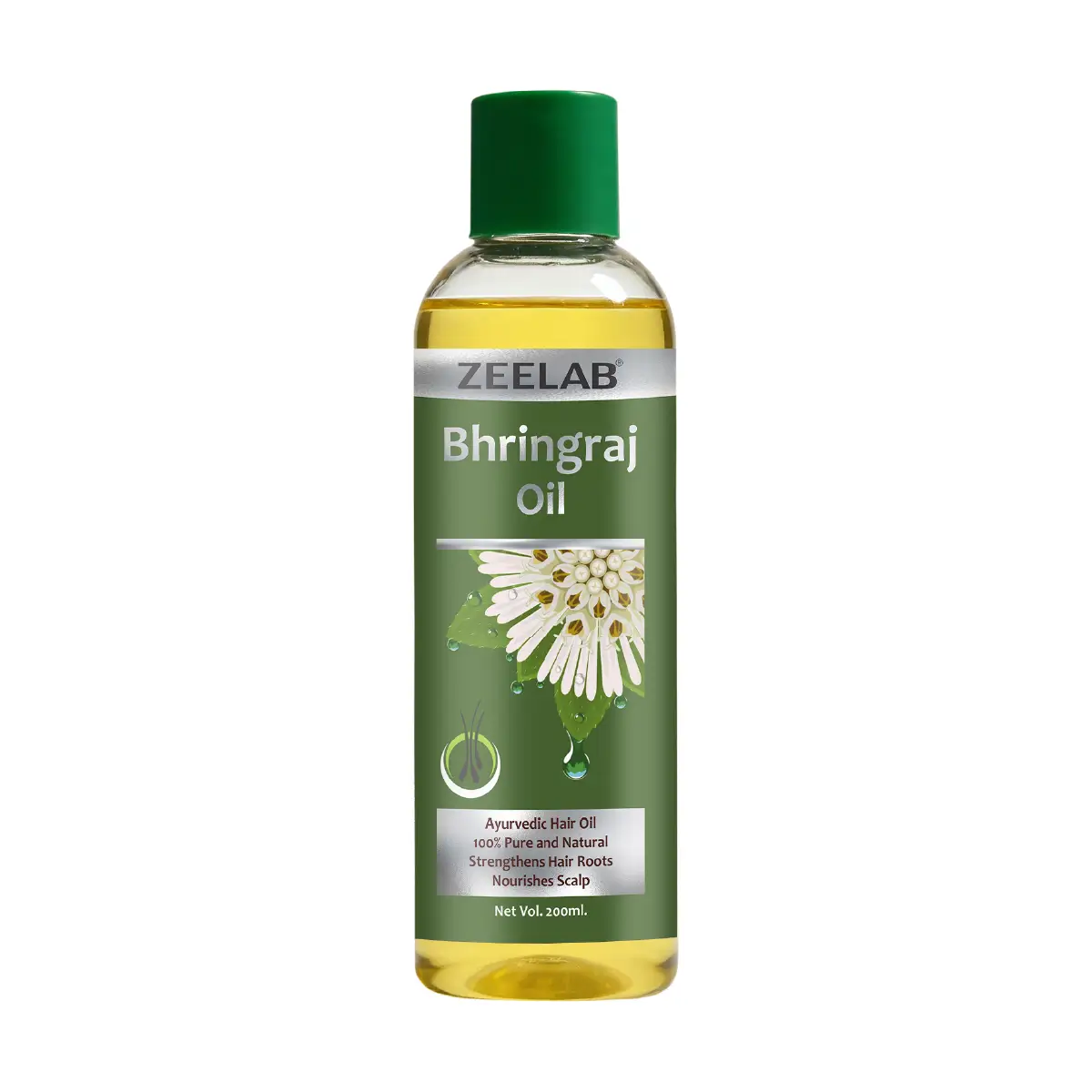
Bhringraj (Eclipta Alba) + Brahmi (Bacopa Monnieri) + Amla (Emblica officinalis) + Til (Sesamum indicum) + Harad (Terminalia chebula) + Bahera (Terminalia bellirica) + Nagar Motha (Cyperus rotundus) + Kachur (Curcuma zedoaria) + Lodhra (Symplocos racemosa) + Manjith (Rubia cordifolia) + Bavachi (Psoralea corylifolia) + Bariyar (Sida cordifolia) + Chandan (Santalum album) + Padauk (Pterocarpus indicus) + Anantamul (Hemidesmus indicus) + Henna (Lawsonia inermis) + Priyangu (Callicarpa macrophylla) + Mulethi (Glycyrrhiza glabra) + Jatamansi (Nardostachys) + Kooth (Dolomiaea costus) + Mandoor (Rubia cordifolia)
200ml In 1 Bottle
References
Recent Blogs






Disclaimer : Zeelab Pharmacy provides health information for knowledge only. Do not self-medicate. Always consult a qualified doctor before starting, stopping, or changing any medicine or treatment.
Related Products


₹ 0
0
Items added
Quick Links
Categories
Our Policies

Our Socials


Subscribe

2026 Copyright By © Zeelab Pharmacy Private Limited. All Rights Reserved
Our Payment Partners

 Added!