

Best Cough Medicine for Kids: Safe Cough Syrups by Age and Cough Type

Cough is one of the most common conditions that affects children of all ages. It may happen as an allergic response or due to difficulty in breathing. Picking up a solution that fits the best cough medicine for kids and toddlers from so many available options in the market can be tricky.
If the cause of the cough is not known, it cannot be easily cured. Multiple factors affect coughing in kids. Among the most used pediatric cough medications, cough syrups hold a bigger section of the market because of the ease of giving them to kids.
Finding the best cough syrups for your kids can be a big task. Here is a guide to help you understand all about coughs, their types, and which syrups you can give your kids.
Understanding Cough in Children
Coughing is a protective reflex that helps expel mucus, infectious agents, or foreign material from the airways.
It is important to identify the underlying cause of this condition so that you can choose what's best for your kids.
Common Causes of Cough in Kids
There are several reasons why kids develop coughing episodes, including infections, environmental factors, and even bodily processes.
Understanding the exact reason can help us select the best cough suppressant for our kids.
|
Cause |
Description |
|
Viral infections |
A common cause of cough in children may persist for several days to weeks |
|
Allergens |
Exposure to dust, pollen, animal fur, or mould can irritate airways and trigger a cough |
|
Asthma |
Often associated with nocturnal, exercise-induced, or trigger-related cough |
|
Cold and flu |
Typically accompanied by cough, fever, runny nose, and sore throat |
|
Irritants |
Smoke, pollution, dust, or strong odours can irritate the airways and cause coughing |
Symptoms of Cough in Children
Common symptoms that may accompany cough include:
- Runny or blocked nose
- Sore throat
- Sneezing
- Fever
- Chest congestion
- Wheezing
- Difficulty sleeping
- Breathing discomfort
Types of Cough in Children
Cough, for better understanding, can be classified into 5 sub-classes. Different types of cough need different kinds of treatment approaches; it is important to fully understand the underlying causes.
|
Type of Cough |
Description |
|
Dry Cough |
No mucus, often due to viral infection, allergy, or throat irritation |
|
Wet Cough |
Produces mucus, usually due to a respiratory infection |
|
Night Cough |
Worse at night; linked to asthma, postnasal drip, or reflux |
|
Allergic Cough |
Triggered by allergens, such as sneezing and watery eyes |
|
Whooping Cough |
Severe coughing fits with a “whoop” sound on inhalation |
How to Choose the Right Cough Medicine for Your Child
The process of picking the most pediatric cough suppressant starts with symptom recognition and the selection of age-appropriate products.
- Age recommendations should be considered when selecting the products.
- Analyse the type of cough for the appropriate medication
- Medications should be analysed for the ingredients used and then selected for the patient.
- Do not use products with similar ingredients, as it may lead to adverse effects.
- Always look for professional medcial advise when confused.
Best Cough Medicines for Kids by Cough Type
Various cough medicines work effectively depending on the cough condition of the child, his or her age, and the reason behind the cough. Here is a list of medicines that can be used against different kinds of coughs:
Best Medicines for Dry Cough
In a dry cough, the body does not produce any mucus, and it is usually more severe at night. The common causes of this kind of cough are viral infections, allergy, throat irritation, or breathing in smoke and polluted air.
Dry cough can occur due to a lot of reasons, some of which are listed below:
- Viral Infections
- Allergies
- Pollution and exposure to smoke:
- Dry air exposure
- Asthma
Here are some of the best pediatric dry cough syrups that can be used for symptomatic treatment:
|
Drug Name |
Benefits |
Side Effects |
|
Dextromethorphan |
Suppresses dry cough in children |
Drowsiness, dizziness, nausea |
|
Guaifenesin |
Loosens mucus and relieves chest congestion |
Upset stomach, headache, vomiting |
|
Honey-based pediatric syrups |
Soothes throat irritation and mild cough |
Not suitable for children under 1 year |
|
Menthol cough drops |
Provides temporary throat soothing (older children) |
Choking risk in younger children |
|
Antihistamines |
Helps with allergy, cough and runny nose |
Drowsiness, dry mouth |
Best Medicines for Wet or Chesty Cough
A wet or chesty cough is one where there is the presence of mucus/phlegm, and it acts to help expel the mucus from the air passages. This cough usually happens when the body produces too much mucus due to infection or inflammation of the airways.
Wet coughs can happen for various reasons. Some of these causes include the following:
- Viral respiratory infections may lead to mucus buildup in the chest.
- Inflammation of the bronchi results in a chronic cough with mucus.
- Mucus running down the back of the nose, also called postnasal drip, may cause coughing.
- Smoke and other irritants in the air passage may cause coughing with mucus.
Also Read: Best Mucus Cough Medicine For Adults
|
Drug Name |
Benefits |
Side Effects |
|
Guaifenesin |
Softens mucus and relieves chest congestion |
Nausea, vomiting, dizziness |
|
Ambroxol |
Thin mucus helps clear blocked airways |
Nausea, dry mouth, stomach discomfort |
|
Bromhexine |
Helps clear mucus and improves breathing |
Headache, nausea, diarrhea |
|
Acetylcysteine (N-Acetylcysteine) |
Breaks down mucus and relieves chest congestion |
Nausea, bad taste, stomach discomfort |
Best Medicines for Allergy-Related Cough
Cough medications that are non-drowsy are those types of medications that treat coughs without making one very sleepy.
Non-drowsy cough medications are mostly used during the daytime when people still have things they need to do, like schooling or work.
Non-Sedating Antihistamines
This group of medicines helps in reducing the effects of an allergy-related cough and also does not produce drowsiness.
- Levocetirizine: Helps in alleviating symptoms of allergies and coughing related to allergies.
- Loratadine: A non-sedative antihistamine useful for managing allergies.
- Fexofenadine: This helps control allergy symptoms without drowsiness.
Benefits of Non-Sedating Antihistamines:
- It can help ease symptoms without causing extreme drowsiness.
- Helps in staying active throughout the day.
- Assists in having comfortable days at school or when playing.
- Soothes and relieves irritation in the throat.
Best Medicines for Night-Time Cough
Night-time cough often feels worse because certain conditions become more noticeable while lying down and sleeping. Common reasons include:
- Postnasal drip: Mucus from the nose may drip into the throat and trigger coughing.
- Dry air: Air-conditioned rooms or low humidity can irritate the throat.
- Lying flat: This position may increase throat irritation and mucus accumulation.
|
Feature |
How It Helps |
|
Longer-lasting action |
Provides relief throughout the night |
|
Mild antihistamines in some medicines |
Helps reduce allergy-related irritation |
|
Soothing ingredients |
May calm throat discomfort and dryness |
These medications are commonly used to decrease a cough that disturbs sleep and causes nighttime discomfort.
Benefits of nighttime cough suppressant for kids:
- Aids in helping children get comfortable sleep
- Decreases nighttime waking
- Could be an effective medicine for sore throats while sleeping
- Encourages rest and healing
Best Cough Medicines for Kids by Age
Cough medicines in children depend largely on their age, type of cough, and other related issues like cough intensity.
|
Age Group |
Medicines |
Benefits |
|
Below 2 Years |
Saline drops, fluids, moist air, and nasal suction |
Helps relieve congestion |
|
2–5 Years |
Honey cough syrup, mild cough medicines, and allergy medicines |
Soothes throat and reduces cough |
|
Above 6 Years |
Dextromethorphan, guaifenesin, antihistamines |
Relieves dry/wet cough and improves breathing |
Best Cough Syrup Recommendations for Kids by Zeelab Pharmacy
Explore Zeelab’s recommended children’s cough medicines, featuring commonly used formulations designed to help manage cough symptoms and provide better comfort in kids.
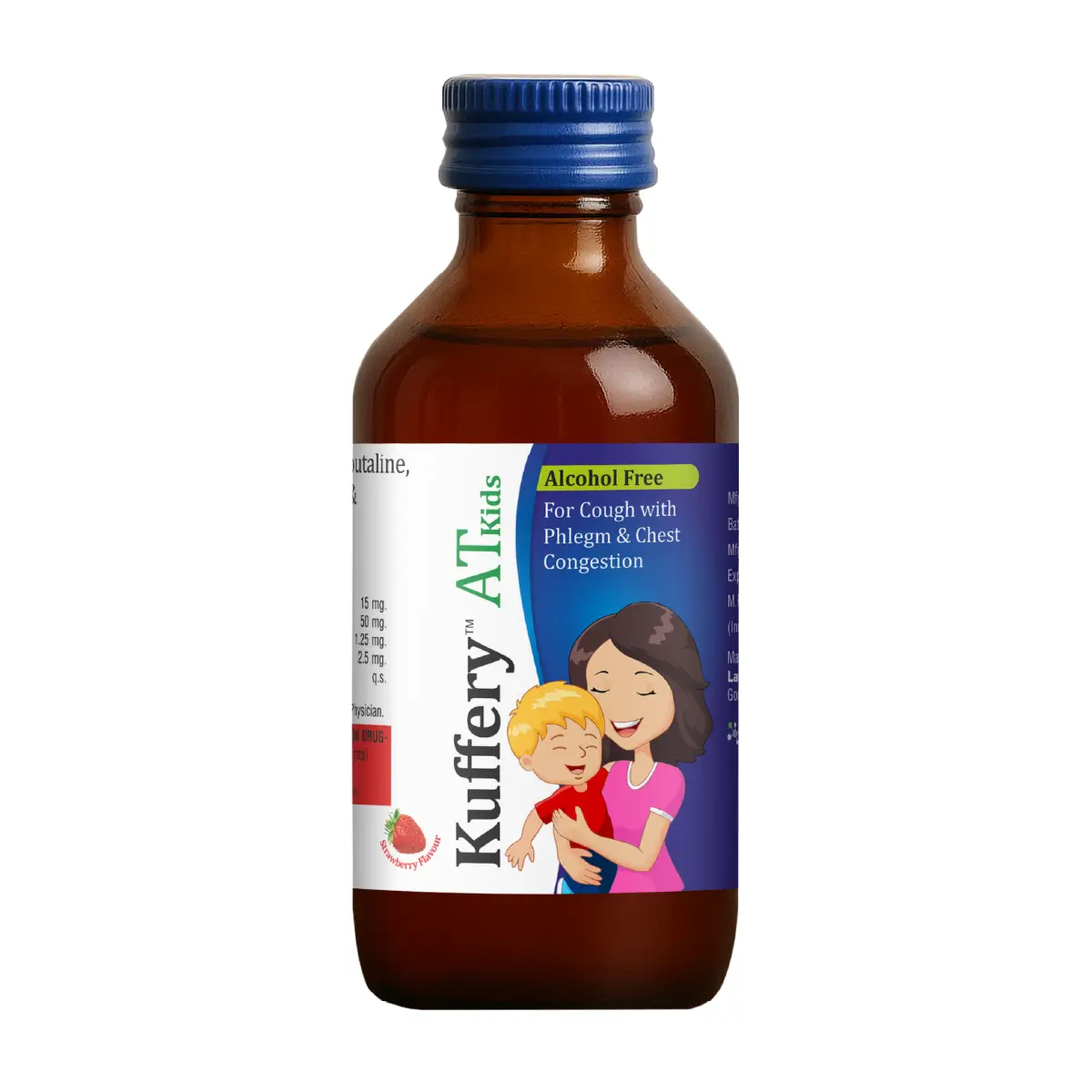
Kuffery At Kids Syrup
Kuffery AT Syrup is a combination cough medicine commonly used for cough relief for kids, working by loosening mucus and reducing airway irritation.
- Composition: Ambroxol (15mg) + Guaifenesin (50mg) + Menthol (2.5mg) + Terbutaline (1.25mg)
- Benefits: Promotes the clearing of phlegm from the chest cavity, alleviates cough, and aids breathing.
Kuffery DMR Junior Syrup
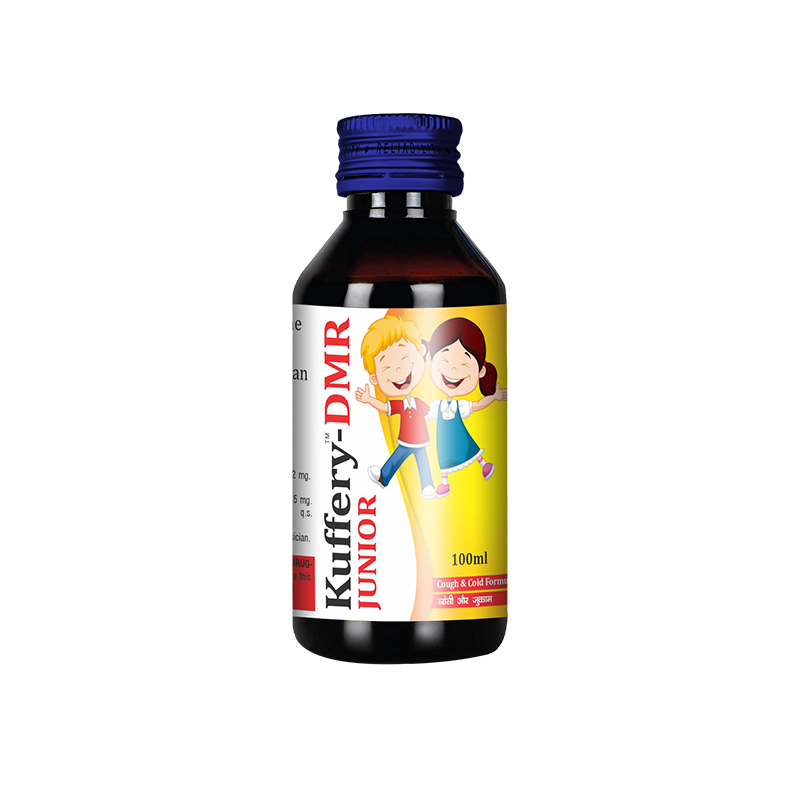
Kuffery DMR Junior Syrup is a pediatric cough formulation that works by suppressing dry cough and soothing throat irritation in children.
- Composition: Chlorpheniramine Maleate (2 mg/5 ml) + Dextromethorphan Hydrobromide (5 mg/5 ml)
- Benefits: Relieves irritation in the throat, dry cough, runny nose, and sneezing
Common Ingredients Used in Children's Cough Medicines
Children's cough medicines may contain multiple ingredients, and their intake must depend on the kind of cough, which could be dry, wet, allergy-induced, or cold-related.
There are multiple ingredients that treat different issues, and the action may be age-dependent.
|
Ingredient Type |
Common Purpose |
|
Honey-based formulations |
It helps in soothing a sore throat |
|
Dextromethorphan |
Used mostly to treat a dry cough |
|
Guaifenesin |
Aids in loosening mucus during a chesty cough |
|
Antihistamines |
It could help to decrease allergic reactions |
|
Saline nasal drops and vapour rubs |
Provide relief from nasal congestion |
Home Remedies that May Help Relieve Cough in Kids
Cough syrups can be the best for kids aged between 5 and 10. However, for a mild cough, medicines for kids can be skipped, and natural options can be chosen.
These herbal treatments can be used as a supportive therapy in managing coughs among children to give relief to the throat.
Natural remedies that can be used to provide symptomatic relief are:
- Taking an appropriate amount of fluid
- Warm fluids will help soothe the throat
- Rest is important to help the child recover
- A humidifier can be used if recommended
- Stay away from smoking and other irritants
Also Read: 7 Best Home Remedies for Dry Cough
Side Effects and Warnings of Children's Cough Medicines
There are various side effects of cough medications when administered to children. Some of the common side effects of these drugs include, but are not limited to:
- Drowsiness or dizziness
- Nausea or vomiting
- Stomach upset
- Allergic reactions (rash, itching)
- Irritability or restlessness
Warnings: Cough medicines should be used carefully in case of children and according to the recommended dose to ensure safe and effective use.
Risks of Self-Diagnosis and Self-Treatment
Treating a cough yourself at home without medical advice can result in a wrong diagnosis and treatment, and prevent the child from receiving appropriate medical attention.
Symptoms may be identical in different situations, making it hard to make a precise determination of the cause.
There are certain risks of self-diagnosis and self-treatment, such as:
- Some people mistake it for a cold and end up treating it as such.
- Deferring the diagnosis of a more severe condition
- Using medicines that may not be appropriate for the child's age or symptoms
- Wrong dosing; this can make the side effects more likely
- Possible interactions with other medications the child is on
If symptoms continue, get worse or occur with fever, trouble breathing or other worrisome symptoms, seek medical advice for a proper evaluation.
When Should You Avoid Giving Cough Medicine?
Some cough medications may show a negative impact on children and, therefore, should be used after considering several factors.
- For a mild cough due to a common cold
- If the child has an allergy to the medicine
- In case of a persistent cough or high fever without consultation
- If breathing difficulty or worsening symptoms are present
- Giving medications to young children must be avoided without a valid prescription
Tips to Prevent Cough and Cold in Children
Besides looking for the best medicines for cough in kids, we can take preventive measures that help in dealing with the issue early and ensure good health.
You may follow these steps to avoid your child getting a cold or a cough:
- Regular washing of hands reduces the chance of a viral cough.
- Good nutrition ensures proper health.
- Avoid exposure to smoke and pollution
- The body should be well hydrated.
Also Read: Best Tablet for Cold and Cough
When Should You See a Doctor?
It is not always necessary to use medications to treat coughs in children. In some cases, the child may be experiencing a mild cough, which can be resolved without the need for medication. But how will you know when to put your child on medication?
- Cough that disturbs sleep, feeding, or usual functioning
- A cough that lasts for several days
- Increased mucus secretion and discomfort
- Cough accompanied by cold or allergic symptoms
- Repeated coughing that affects breathing normally
Conclusion
A cough is one of the most common conditions that can be seen in kids. This may be due to a variety of reasons, including allergies, climatic conditions, irritation, or other respiratory disorders. While a mild cough can be cured with proper rest and supportive care.
Age-appropriate medicines should be given, and the child’s age, weight, and severity of the condition should be considered. Prescription medicines should only be taken under the guidance of a registered medical practitioner or doctor.
Frequently Asked Questions (FAQs)
Ans.The best cough syrup for a child depends on their age and the cause of the cough. Always choose a cough syrup suitable for your child’s age and consult a paediatrician before giving any medicine, especially to young children.
Ans.Some OTC cough medicines may be safe for older children, but usage should always follow age recommendations and medical guidance.
Ans.Proper hydration, warm fluids, humidified air, and suitable cough medicines may help reduce coughing symptoms more comfortably and quickly.
Ans.If the cough is due to a bacterial infection, the antibiotic would be effective. Antibiotics should only be used if prescribed by doctors.
Ans.Honey may help soothe cough symptoms in children over one year of age. However, it should not be given to infants under one year due to the risk of infant botulism.
Ans.Cough syrups are generally not recommended for babies under one year of age unless specifically advised by a healthcare professional. Always consult a doctor before giving any cough medicine to an infant.
Ans.Warm fluids, humidifier use, adequate hydration, saline drops, and proper rest may help reduce coughing discomfort in toddlers.
Ans.Not all cough medicines are safe for children, particularly small children. Always follow the age guidelines and speak to your healthcare provider when necessary.
Ans.Use a cool-mist humidifier to keep your kids hydrated, and give them a tiny bit of honey before bed if they are older than a year. See a physician if your symptoms don't go away.
Ans.When taken as prescribed, certain herbal cough syrups may be safe for kids. However, before using anything, especially for small children, always check the label for age guidelines and speak with a doctor.
Chlorpheniramine Maleate (2mg/5ml) + Dextromethorphan Hydrobromide (5mg/5ml)
100ml Per Bottle
Ambroxol (15mg) + Guaifenesin (50mg) + Menthol (2.5mg) + Terbutaline (1.25mg)
60ml In 1 Bottle
References
- https://pmc.ncbi.nlm.nih.gov/articles/PMC8212563/
- https://www.researchgate.net/profile/Andleeb-Khan/publication/308369657_Cough_Suppressant_Herbal_Drugs_A_Review/links/5e8ba13692851c2f52866c8c/Cough-Suppressant-Herbal-Drugs-A-Review.pdf
- https://www.fda.gov/consumers/consumer-updates/should-you-give-kids-medicine-coughs-and-colds
- https://www.sciencedirect.com/science/article/abs/pii/S1526054223000477
Recent Blogs






Disclaimer : Zeelab Pharmacy provides health information for knowledge only. Do not self-medicate. Always consult a qualified doctor before starting, stopping, or changing any medicine or treatment.
Related Products


₹ 0
0
Items added
Quick Links
Categories
Our Policies

Our Socials


Subscribe

2026 Copyright By © Zeelab Pharmacy Private Limited. All Rights Reserved
Our Payment Partners

 Added!