

Best Medicine for Urticaria (Hives) in India: A Complete Guide to Antihistamines & Treatment

Hives, also called urticaria, a disorder involving reddish raised lumps that appear on the skin and can be very irritating to the person suffering from it.
Several factors can cause this disease, such as allergic reactions, infections, drugs, stress, etc. Acute hives is short lived upto 6 weeks; if it lasts more than that, it can be called chronic urticaria.
About 15-20% of the population gets affected with urticaria once in their lifetime. Whereas, 0.5-1% suffer from long-term hives. A large section of the Indian population suffers from hives every day.
This presents a need for us to switch to medicines carefully, considering there is a wide choice of over-the-counter medicines for hives. The variety of oral and topical medicines for hives/urticaria may confuse users. The choice of medicine also depends on the type of urticaria the person is suffering from.
What is Urticaria (Hives)?
Clinically, urticaria is an allergic skin condition that involves swelling of the top layer of the skin. You can clearly see red bumps or welts that are very itchy and may swell deeply into a condition known as angioedema.
The condition occurs due to the release of inflammatory substances, such as histamine, in the body.
Histamines lead to widening of blood capillaries. Mast cells are responsible for generating an immune response to allergens and causing hives.
Symptoms of Urticaria
Urticaria symptoms vary from mild rashes to severe swelling bumps. To know how to treat urticaria effectively, we need to first know how to distinguish it from other skin infections.
- Raise of itchy wheals: Irritation of itching is seen with pain and large areas of swelling.
- Redness and swelling: The skin may be red and swollen.
- Burning and warmth sensation: Burning sensation and warmth can be noticed in the area of the affected.
- Lip and eyelid swelling: Swelling can also be observed around the eyes and lips due to inflammation.
Also Read: Best Medicine For Skin Rash
Types of Urticaria
Urticaria can be classified into different types based on its duration, underlying cause, and triggering factors. Identifying the type of urticaria can help determine the most appropriate treatment and management approach.
Acute Urticaria: Condition persists for a period of less than 6 weeks and is mostly associated with infections, foods, or drug reactions.
Chronic Spontaneous Urticaria (CSU): Symptoms persist for a period of over 6 weeks with no apparent cause.
Physical Hives: These are caused by external triggers such as:Cold
- Pressure
- Heat
- Exercise
- Sunlight
Autoimmune Hives: The condition develops when the body's immune system attacks healthy tissues.
Causes and Triggers of Urticaria
A variety of different causes and triggers are involved in developing urticaria. It is necessary to identify these causes because avoiding them will help decrease the severity of urticaria symptoms.
Allergic Causes: Allergic responses are the most common and widely known causes of urticaria, and antihistamines are thus commonly used for these allergic hives. Some of the causes are:
- Some foods: Foods such as peanuts, eggs, and dairy products may cause urticaria
- Insect bites: Acid in insect bites often leads to an inflammatory reaction on the skin.
- Drug allergies: Certain antibiotics or NSAIDS may cause an allergic reaction.
- Contact with pollen: Pollen may also induce itching and thus cause inflammation of the skin.
Non-Allergic Causes: There are some non-allergic causes of urticaria, too; some are listed below:
- Emotional stress: Increased emotional stress alters the immune response and thus increases the severity of the disease.
- Viral illnesses: Viral infection can trigger the body’s immune response and cause hives.
- Hormonal disorders: Disruption in hormones can irritate sensitive people and worsen the condition.
- Temperature: It can irritate the skin and cause redness and bumps.
III. Idiopathic Urticaria: Some patients develop a skin reaction without a specific cause, referred to as idiopathic urticaria. It develops spontaneously in most cases, and no triggers are identified after the examination.
How is Urticaria Treated?
In this part, we will discuss what is the purpose of the treatment of urticaria. Learning about the disease and the best medicines available for hives can help us to better manage the condition and make better choices about treatment.
The main goals of urticaria treatment medicine are:
- Symptomatic relief
- Trigger identification and avoidance
- Recurrence prevention
- Improving the quality of life of the patient
Best Medicines for Urticaria (Hives)
In this part, we will discuss what is the purpose of the treatment of urticaria. Learning about the disease and the best medicines available for hives can help us to better manage the condition and make better choices about treatment.
The main goals of urticaria treatment medicine are:
- Symptomatic relief
- Trigger identification and avoidance
- Recurrence prevention
- Improving the quality of life of the patient
First-Choice Antihistamines for Urticaria
The mainstay of first-line therapy is nonsedating second-generation H1 antihistamines for rapid control of pruritus, wheals, and flares.
Second-generation medicines are considered the main therapy options for patients and are widely used because of their high efficiency in symptom relief, providing fewer sedating effects, and better tolerability of long-term usage. Common medicines include:
|
Drug |
How does it work? |
Side effects |
|
Blocks selective H1 histamine receptors |
Drowsiness, dry mouth, fatigue, headache |
|
|
Selective H1 histamine receptor inhibitor |
Sleepiness, dry mouth, tiredness, dizziness |
|
|
Fexofenadine |
Blocks peripheral H1 histamine receptors |
Headache, nausea, dizziness |
|
Loratadine |
H1 receptor blocker |
Headache, dry mouth, fatigue |
Non-Drowsy vs Drowsy Antihistamines
First-generation antihistamines were one of the first medicines available for the treatment of urticaria and allergy.
They can effectively block the effects of histamine; however, they are easily transported across the blood-brain barrier and can often be associated with drowsiness and sedation that can limit certain individuals from using them.
|
Medicine |
How does it work? |
Side effects |
|
Blocks H1 receptors |
Drowsiness, dry mouth, dizziness, blurred vision |
|
|
Chlorpheniramine |
First-generation H1 histamine receptor blocker |
Sedation, dry mouth, reduced concentration |
|
Blocks H1 receptors with sedative properties |
Drowsiness, dizziness, dry mouth |
|
|
Blocks H1 with anticholinergic effects |
Sedation, blurred vision, dry mouth |
|
|
Cyproheptadine |
Blocks H1 histamine and serotonin receptors |
Drowsiness, increased appetite, dizziness |
Additional Medicines for Chronic or Difficult-to-Control Hives
Combination antihistamine therapy involves using or adjusting multiple antihistamines to improve symptom control in urticaria when standard single-drug treatment is not sufficient.
|
Medicine |
How does it work? |
Common Side Effects |
|
Cetirizine + Montelukast |
Blocks H1 histamine receptors and leukotriene receptors |
Drowsiness, headache, dry mouth |
|
Inhibits histamine activity |
Sleepiness, fatigue, dizziness |
|
|
Blocks peripheral H1 receptors and leukotriene pathways |
Headache, nausea, dizziness |
|
|
Cetirizine + Famotidine |
Blocks H1 and H2 receptors to improve symptom control |
Drowsiness, headache, dry mouth |
|
Levocetirizine + Famotidine |
Dual H1 and H2 receptor blockade |
Fatigue, dizziness, headache |
Advanced Treatment Options for Severe Urticaria
If hives remain uncontrolled despite antihistamine therapy, advanced medication for hives can be considered under a doctor's guidance.
|
Drug/Therapy |
How It Works |
Common Side Effects |
|
Omalizumab (Anti-IgE biologic) |
Blocks IgE antibodies involved in allergic reactions |
Headache, fatigue, injection-site reactions |
|
Cyclosporine (Immunosuppressant) |
Reduces overactive immune responses |
High blood pressure, headache, and kidney-related effects |
|
Short-term Oral Corticosteroids |
Reduces inflammation during severe flare-ups |
Weight gain, mood changes, increased blood sugar |
Over-the-Counter (OTC) Medicines for Hives
There are a number of over-the-counter (OTC) medications that can ease the itching, redness, and discomfort that is caused by mild hives (urticaria).
Antihistamines are the most widely used over-the-counter drugs and are used to prevent or treat the symptoms caused by allergic reactions caused by histamine.
|
Medicine |
Type |
|
Cetirizine |
Second-generation antihistamine |
|
Levocetirizine |
Second-generation antihistamine |
|
Second-generation antihistamine |
|
|
Second-generation antihistamine |
|
|
Diphenhydramine |
First-generation antihistamine |
|
Chlorpheniramine |
First-generation antihistamine |
Zeelab Pharmacy's Recommended Urticaria Medicines
Explore trusted urticaria medicines from Zeelab Pharmacy, offering doctor-recommended anti-allergic options commonly used for managing itching, hives, and skin discomfort.
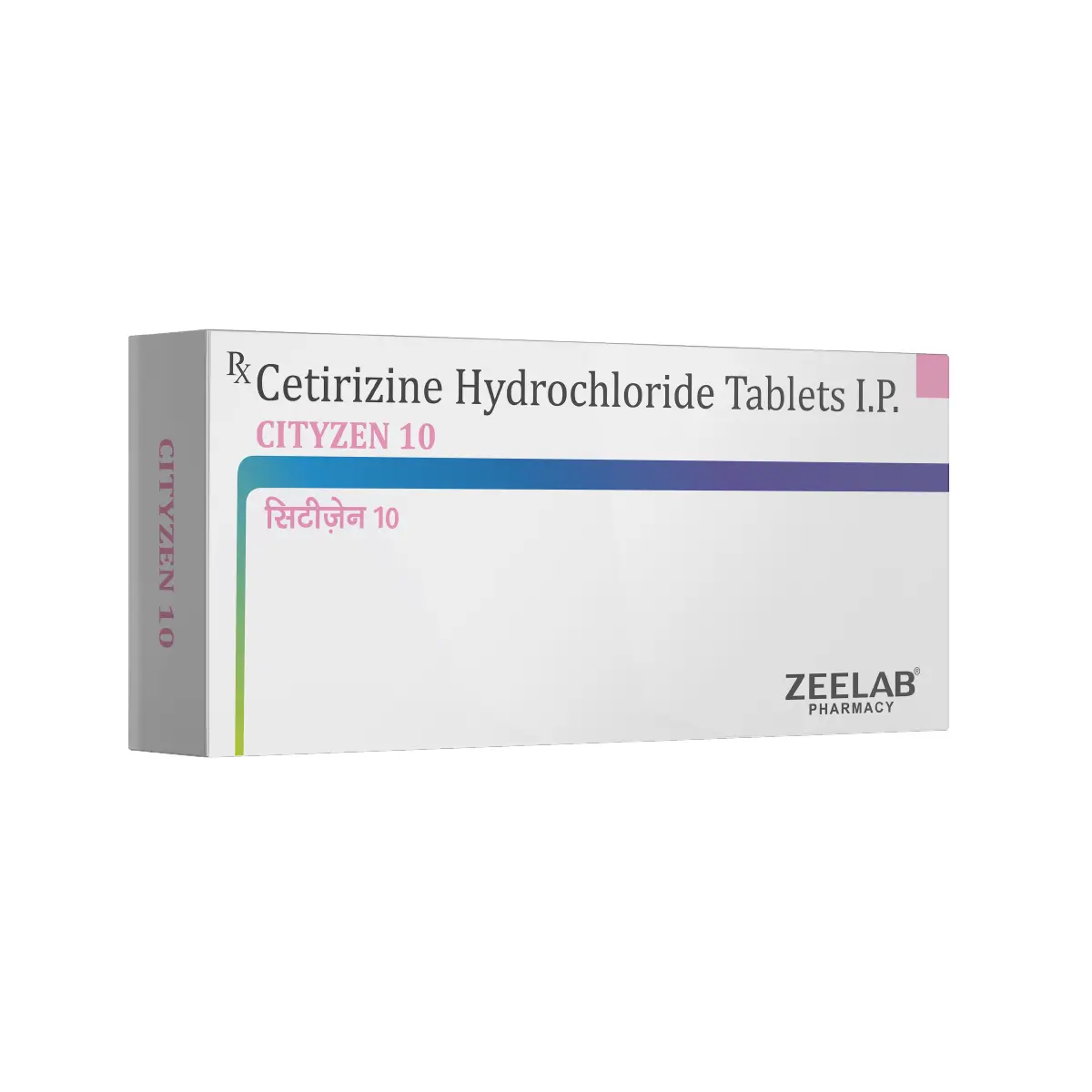
Cityzen 10 Tablet
Cetzy 10 Tablet contains cetirizine, an antihistamine medicine that works by blocking histamine action, commonly used in managing urticaria and allergic skin reactions.
- Composition: Cetirizine (10 mg)
- Benefits: Helps reduce itching, hives, skin redness, swelling, and allergy-related discomfort caused by urticaria.
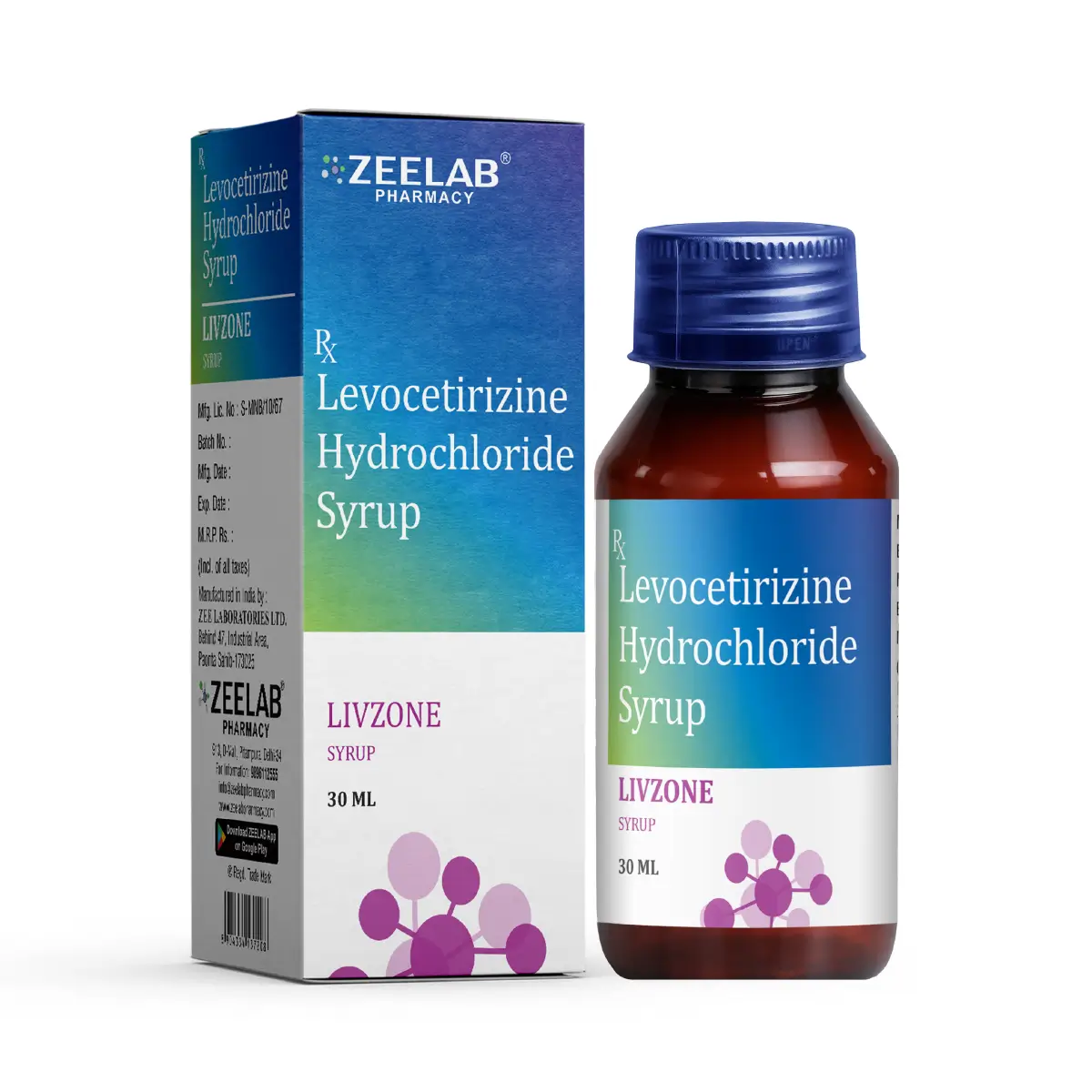
Livzone Syrup
Livzone Suspension with 2.5 mg of levocetirizine, an antihistamine medicine that blocks histamine activity, is commonly used in managing urticaria and allergy-related skin reactions.
- Composition: Levocetirizine (2.5mg)
- Benefits: Helps reduce itching, hives, skin redness, swelling, and discomfort associated with urticaria.
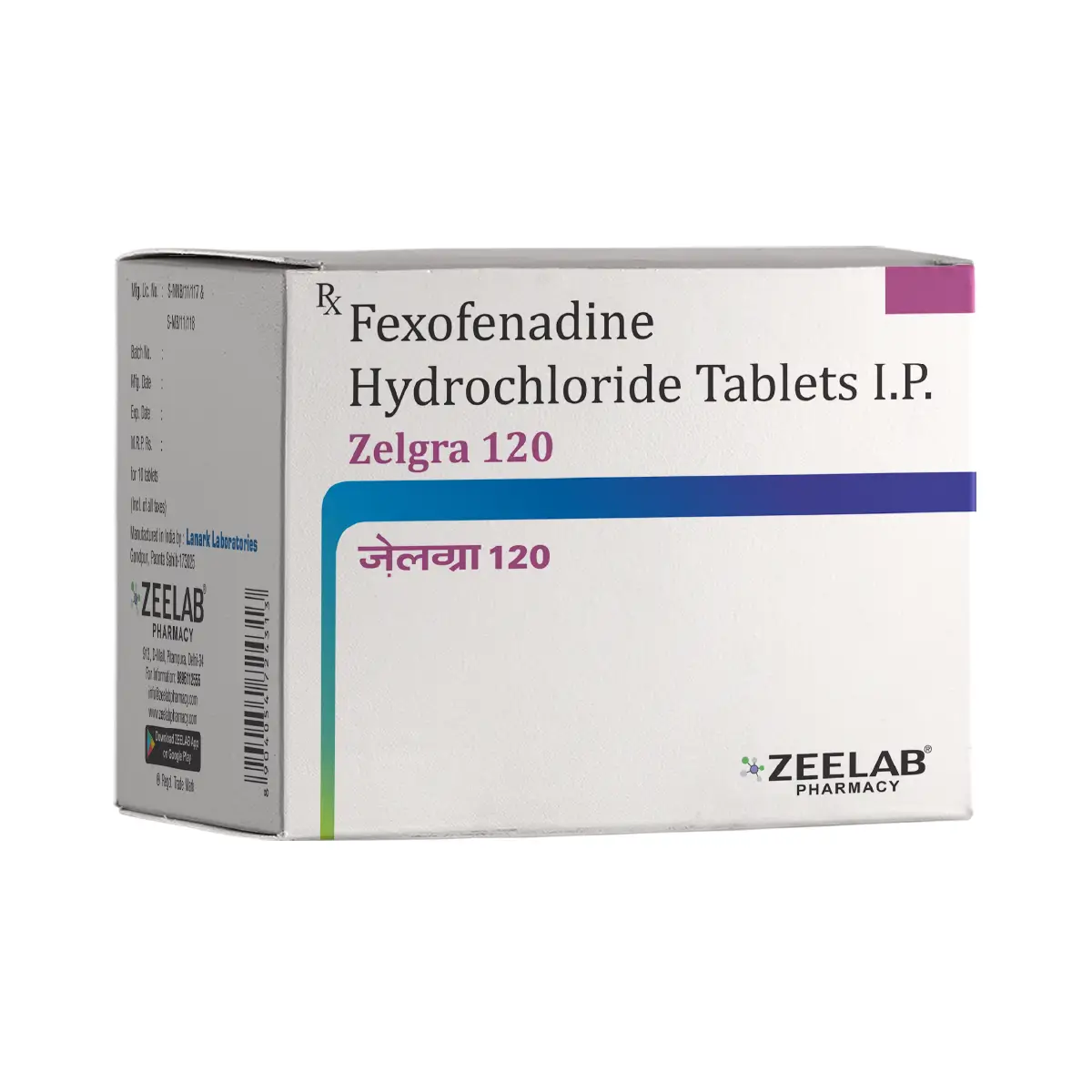
Zelgra 120 Tablet
It is an antihistamine tablet with 120 mg of Fexofenadine that acts in the body to provide relief from sneezing, nasal discharge, itching of the throat, watering of the eyes, and allergic skin rashes.
- Composition: Fexofenadine (120mg)
- Benefits: Provides relief from persistent hives, itching, skin irritation, and allergic swelling caused by urticaria.
Lorazee Tablet
This is an antihistamine that is non-drowsy and can be taken to reduce such symptoms as sneezing, runny nose, watering of eyes, hives, and itching.
- Composition: Loratadine (10mg)
- Benefits: Offers quick, lasting relief from sneezing, runny nose, itchy eyes, skin irritation, and allergies with no drowsiness.
How Antihistamines Work for Urticaria
Urticaria, also called hives, is caused by the release of histamine in the body. Histamine is a chemical that causes itching, redness and raised welts on the skin.
Antihistamines help to take away some of the action of histamine by blocking histamine H1 receptors.
This helps to reduce the symptoms. Antihistamines are often used for itchy and uncomfortable acute and chronic urticaria. When used correctly, antihistamines work to reduce symptoms and discomfort in everyday life.
Side Effects and Safety Warnings of Urticaria Medicines
Medicines for the treatment of urticaria can help to relieve symptoms but can also cause side effects in some people.
Knowing the common side effects and taking safety precautions can help to ensure their safe and effective use.
|
Medicine Type |
Common Side Effects |
Safety Warning |
|
Antihistamines |
Drowsiness, headache, dry mouth |
Avoid driving if drowsy. |
|
Corticosteroids |
Increased appetite, mood changes |
Use only as prescribed. |
|
Topical Anti-Itch Products |
Skin irritation, redness |
For external use only. |
Urticaria Treatment for Special Populations
A personalised treatment approach might be needed for some patients due to their age, pregnancy, or other underlying diseases.
Proper treatment of urticaria involves relieving the symptoms without increasing the risk.
|
Patient Group |
Treatment |
Precautions |
|
Pregnancy & Breastfeeding |
Second-gen antihistamines, if needed, low dose, avoid triggers |
Avoid self-medication, avoid long-term use, and consult a doctor |
|
Pediatrics |
Weight-based antihistamines, hydration, trigger control |
No adult doses, avoid OTC drugs, monitor sedation |
|
Elderly |
Low-dose, non-sedating antihistamines, regular review |
Avoid sedatives, watch interactions, risk of dizziness |
|
Liver/Kidney Disease |
Dose adjustment, cautious drug use, and monitoring |
No self-adjustment, avoid unnecessary drugs, follow-up required |
Home Remedies and Lifestyle Changes for Hives
Besides finding the best medicines for hives, lifestyle management can help to manage urticaria symptoms and provide relief from redness, itching or pain.
- Avoid known triggers like certain foods, drugs, allergens and extreme temperatures
- Apply cool compresses to help relieve itching and irritation
- Wear loose, light cotton clothing and avoid close-fitting garments
- Keep the skin cool and avoid sweating too much
- Meditation and other relaxation techniques help you with stress.
- Don’t scratch, as it may make your symptoms worse.
- Use mild, non-irritating soaps and skin care products
- Keep up your daily fluid intake
- Do not have hot showers or baths that can trigger flare-ups
- Maintain a diary to log symptoms and triggers for improved management.
When Should You See a Doctor for Urticaria?
Consultation with a dermatologist under serious conditions is a must; signs of severe damage must not be ignored and immediately addressed. If you observe the following points, you must contact a dermatologist.
- If your hives have been going on for over 6 weeks.
- If your body is not responding to first-line antihistamines
- If there is repeated swelling of the lips, eyelids, or face, see a doctor.
- If your hives are persistent, troublesome, or interfering with sleep and daily activities.
- See a doctor immediately if swelling occurs in the tongue, throat, or airways.
- Get yourself evaluated if you cannot figure out what is causing your recurrent hives.
Tips to Prevent Recurrent Hives
These are some of the things that can help reduce the chance of getting hives again:
- Know what triggers you and avoid it.
- Wear loose-fitting clothing.
- Don't overheat or overuse hot showers.
- Use non-irritating skin care products that do not contain perfumes.
- Take care of stress and sleep well. Note any possible triggers and symptoms. Follow the doctor’s orders and his/her treatment plan.
If hives are frequent or last a long time, get medical help.
Conclusion
Urticaria or hives is a fairly common disease that considerably interferes with daily comfort because of intense itching, reddening and swelling. Due to the various factors of the appearance of this disease, it is vital to determine the exact cause of it to cope with it more effectively.
Antihistamines are now the major means to manage urticaria, although other approaches, including avoidance of allergens, skin care, and adopting certain health practices, can assist in minimising urticarial attacks.
Nonetheless, it is necessary to pay attention to severe and prolonged attacks of the disease. It is recommended to visit a dermatologist who will diagnose the case and prescribe the right treatment measures.
Frequently Asked Questions (FAQs)
Ans.Medications including cetirizine, levocetirizine, loratadine, and fexofenadine are frequently used to treat urticaria symptoms, such as hives and itching. A medical expert should decide on the best course of action.
Ans.Hives are frequently treated with antihistamines including cetirizine, levocetirizine, loratadine, and fexofenadine. The selection of an antihistamine is based on personal requirements and needs to be directed by a medical expert.
Ans.Yes, there are over-the-counter antihistamines that can aid with hives and itching, like cetirizine and loratadine. Use them as prescribed, and if symptoms don't go away, see a doctor.
Ans.Fexofenadine and loratadine are generally considered less likely to cause drowsiness than some other antihistamines. Individual responses may vary, so use medicines as directed and consult a healthcare professional if needed.
Ans.Some cases of urticaria may resolve once the underlying trigger is identified and avoided. However, chronic urticaria can persist for months or years and often requires ongoing management under the guidance of a healthcare professional.
Ans.Acute urticaria usually resolves within a few days to six weeks, while chronic urticaria may persist for more than six weeks. The duration varies depending on the cause and individual response to treatment.
Ans.Stress is not usually a direct cause of urticaria, but it may trigger or worsen symptoms in some individuals. Managing stress may help reduce flare-ups alongside appropriate medical care.
Ans.If certain foods appear to trigger your symptoms, it may help to avoid them. Common triggers can include shellfish, nuts, eggs, food additives, and alcohol in some individuals. Consult a healthcare professional before making significant dietary changes.
Ans.Some antihistamines may be used long term under the supervision of a healthcare professional. The suitability and duration of treatment depend on the individual's condition and response to therapy.
Ans.You should consult a dermatologist if your hives persist for more than six weeks, recur frequently, are severe, or do not improve with treatment. Seek immediate medical attention if you experience difficulty breathing, swelling of the face or throat, or other signs of a severe allergic reaction.
Cetirizine (10mg)
10 Tablets In 1 Strip
Levocetirizine (2.5mg)
30ml In 1 Bottle
Fexofenadine (120mg)
10 Tablets In 1 Strip

Loratadine (10mg)
10 Tablets In 1 Strip
References
Recent Blogs






Disclaimer : Zeelab Pharmacy provides health information for knowledge only. Do not self-medicate. Always consult a qualified doctor before starting, stopping, or changing any medicine or treatment.
Related Products


₹ 0
0
Items added
Quick Links
Categories
Our Policies

Our Socials


Subscribe

2026 Copyright By © Zeelab Pharmacy Private Limited. All Rights Reserved
Our Payment Partners

 Added!