

OTC vs Prescription Drugs in India: What You Should Never Buy Without a Doctor
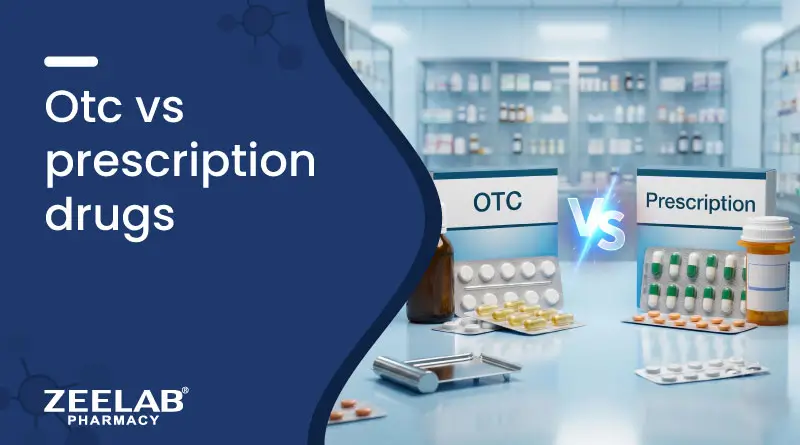
Self-medication is increasing in India for many reasons, such as the easy availability of medicines, access to health information on the internet, and self-diagnosis.
While this offers convenience and comfort, improper use of medicines may lead to incorrect dosage and increase the risk of side effects.
Understanding the different types of medicines is important so that you can use them correctly and safely. Medicines can be classified into prescription medicines and over-the-counter (OTC) medicines.
So, what makes OTC medicines different from prescription drugs?
OTC medicines can usually be obtained without a doctor's advice, whereas prescription medicines are prescribed by a doctor and should be used under medical supervision.
That is why it is important to understand the difference between prescription and OTC medications.
What are OTC (Over-the-Counter) Drugs?
OTC (Over-the-Counter) drugs are medicines that can be purchased without a doctor's prescription. They are intended for the management of common illnesses and minor symptoms that do not require medical supervision and are generally used for self-care.
Some of the most common non-prescription medicines available in India include:
- Fever and Pain Medicines: Paracetamol, Ibuprofen, Naproxen
- Antacid Drugs: Calcium Carbonate, Magnesium Hydroxide, Aluminium Hydroxide
- Cold & Cough Remedies: Dextromethorphan Guaifenesin Vitamins & Nutrients: Vitamin C, B-Complex
OTC drugs are beneficial in many ways. They are easily accessible, and they provide rapid treatment without the need to visit a doctor.
However, there are other disadvantages linked with OTC drugs. First and foremost, overdoing it and neglecting warning signs can lead to greater health issues down the line.
What are Prescription Drugs?
Prescription drugs are medicines that are highly regulated because they can cause serious side effects if not used properly.
These medicines cannot be supplied without a valid prescription from a qualified medical practitioner.
Some prescription medicines are regulated under the following schedules:
- Schedule G: Diphenhydramine, Metformin, Mercaptopurine
- Schedule H1: Ethambutol Hydrochloride, Ethionamide, Isoniazid
- Schedule X: Amphetamine, Pentobarbital, Amobarbital
- Schedule C and C1: Insulin, Adrenaline Preparations, Digitalis
Prescription medicines differ from OTC medicines in terms of their usage, individual sensitivity, potential side effects, and risk of misuse.
Therefore, these medicines are strictly regulated by government authorities and should not be sold or used without a valid prescription.
OTC vs Prescription Drugs: Key Differences
While the chemical compositions of some pharmaceuticals may not be very different in structure, they differ in strengths, dose requirements, and side effects.
Knowing the difference between over-the-counter medications and prescription drugs can help us make better choices.
|
Feature |
OTC |
Prescription |
|
Availability |
Available Over-the-Counter |
Prescription from a doctor is required |
|
Medical Supervision |
Usually not needed |
Needs to be monitored and supervised by a doctor |
|
Safety and Risk |
Lower Risk When Used as Recommended |
Higher risk because of stronger effects |
|
Side Effects |
Less common, typically mild |
May need medical attention |
|
Dosage and Duration |
Regular doses for short-term use |
The dose and duration of treatment are adjusted to the condition |
Medicines You Should Never Buy Without a Doctor's Advice
Certain pharmaceuticals need to be administered by a specialist since they have to be tailored to the patient's general health, age, medical history and treatment requirements.
Such drugs can be beneficial in therapy, but their overuse can have negative repercussions.
|
Drug Class |
Why Doctor Guidance Is Necessary |
|
Antibiotics |
Misuse can cause side effects and antibiotic resistance. |
|
Steroids |
May lead to weight gain, reduced immunity, and hormonal imbalance. |
|
Sleeping Pills |
Can cause dependence, drowsiness, and withdrawal symptoms. |
|
Strong Painkillers |
Overuse may lead to ulcers, liver damage, kidney problems, or addiction. |
|
Psychiatric Medicines |
Incorrect use may worsen symptoms or cause side effects. |
|
Wrong doses can cause low or high blood sugar levels. |
|
|
Improper use may affect blood pressure and heart health. |
|
|
Hormonal Medicines |
Need personalised dosing to avoid hormonal imbalance. |
Why Self-Medication Can Be Dangerous?
Self-medication may provide immediate relief, but the improper use of medicines can lead to serious health problems, delayed diagnosis, treatment complications, and unnecessary side effects.
It is best to avoid taking medicines without proper medical advice due to the following risks:
- Misdiagnosis: Using testing improperly can lead to misdiagnosis of indications and symptoms.
- Drug Interaction: Reactions can vary by taking different medications at the same time.
- Antibiotic Resistance: The wrong usage of antibiotics will make therapy difficult in the future.
- Organ Damage: Misuse of drugs can lead to damage to key organs like the liver and kidneys.
- Hidden illnesses: you may hide illnesses and their symptoms and manifestations without effective treatment.
Commonly Misused Medicines in India
Some drugs are used without medical advice because they are fast-acting. Misuse and overuse of these drugs can produce major side effects and other problems.
Here are several examples:
|
Medicine Category |
Common Drugs |
Possible Risks |
|
Antibiotics for viral infections |
Azithromycin, Amoxicillin, Cefixime |
Antibiotic resistance, adverse effects and inefficient treatments |
|
Painkillers for frequent use |
Paracetamol, Ibuprofen, Diclofenac |
Problems with the liver and kidneys may even hide underlying diseases |
|
Steroid creams for skin problems |
Betamethasone, Clobetasol, Hydrocortisone |
Thinning of the skin and exacerbation of infections were noticed |
|
Sedative cough syrups |
Codeine, Dextromethorphan |
Drowsiness, dependency, dizziness and hazards of misuse |
How to Identify Medicine from a Prescription in India
Prescription medicines can be identified by the labels and warning statements printed on their packaging. Understanding these labels can help you use medicines safely and avoid misuse.
The label usually includes the medicine's name, strength, ingredients, directions for use, warnings, and prescription status.
- Medicine Strip Red Line: A red vertical line on the packaging indicates that the medicine should be used only under medical supervision and should not be taken without a doctor's advice.
- Schedule H: These medicines require a valid prescription from a registered medical practitioner.
- Schedule H1: These medicines are subject to stricter regulations due to the risk of misuse and concerns about antibiotic resistance.
Safe Use of Over-the-Counter Medications
If the precautions listed below are followed carefully, the use of OTC drugs can be helpful.
- Read the label: The label will provide you with information on ingredients, warnings and instructions.
- Take the drug according to the dose: If you take more medicine than the advised dosage, it will hurt you.
- Look at the expiry date on the medicine: Old medicine does not produce the desired results.
- If symptoms continue, see your physician: Serious sickness may be indicated by persistent symptoms and should be treated.
Tips to Prevent Medicine Misuse
The following points should be kept in mind to avoid abuse of medicine:
- Educate about the risks of prescription drug abuse and the correct use of medicines.
- Always keep medicines in a safe place, away from children.
- Don’t buy prescription drugs for anyone else.
- Dispose of expired and unused drugs in approved ways.
- Regular consultations should be held, and the established guidelines should be followed.
- Medicine reminder apps might help you remember to take your medicines as prescribed.
- While managing any pain, alternative ways should be considered.
- Watch for any signs and hazards that could indicate prescription medicine abuse.
OTC vs Prescription Drugs: Which is Safer?
Both OTC and prescription medicines are safe when used properly, but the right choice depends on your condition and medical needs.
|
Topic |
Key Point |
|
What is safer? |
Both OTC and prescription drugs are safe when taken correctly and for the purpose they are meant for. |
|
When are OTC drugs suitable? |
For modest short-term ailments such as headache, fever, cold, allergy and slight pain. |
|
When should I see a doctor? |
When symptoms are severe, persistent, worsening or associated with a chronic disease. |
|
Use responsibly only |
Follow directions, read the labels carefully and do not self-medicate |
Also Read: What Is Generic Medicine?
Conclusion
OTC and prescription medicines are two important categories of medicines, and both play a valuable role in managing health conditions.
OTC medicines, also known as non-prescription medicines, are available without a prescription and are commonly used for minor health concerns. In contrast, prescription medicines require proper medical supervision because of their potential risks and side effects.
Many people consider self-medication a convenient option, but it can lead to serious consequences, including delayed diagnosis, treatment complications, and medication-related side effects.
It is always important to read medicine labels carefully and use medicines only as directed or prescribed by a healthcare professional.
Frequently Asked Questions (FAQs)
Ans.OTC medicines may be bought without a prescription for minor health problems, while prescription medicines require professional help and monitoring due to their potential risk.
Ans.Some medicines require a prescription because they have higher risks, need personalised dosing, or require monitoring for safe use.
Ans.No. While OTC medicines are thought to be safe for a period of time if used properly, incorrect usage and long periods of taking certain medicines may have some side effects.
Ans.A red strip shows that a certain medicine requires special attention and needs to be used only under professional guidance.
Ans.Antibiotics are an example of prescription medicines; thus, buying them without a prescription is a bad idea since it may only worsen your condition.
Ans.Although steroids may provide fast relief from symptoms, their wrong usage may result in weakening of the immune system, hormonal changes, weight gain, and more.
Ans.A red strip shows that a certain medicine requires special attention and needs to be used only under professional guidance.
Ans.Self-medication may turn out to be very dangerous since a person is using medicine without knowing whether he or she actually needs it.
Ans.There is no such difference chemically; however, there is a difference of potency, dosage, and regulatory requirements.
Ans.Omeprazole is available as both a prescription and a non-prescription medicine, depending on its strength, formulation, and local regulatory requirements.
Ans.Taking prescription medicines without medical advice can cause side effects, incorrect dosing, drug interactions, and delayed diagnosis of serious conditions.
Ans.Some medicines require a prescription because they have higher risks, need personalised dosing, or require monitoring for safe use.
References
- https://www.fda.gov/drugs/frequently-asked-questions-popular-topics/prescription-drugs-and-over-counter-otc-drugs-questions-and-answers
- https://www.sciencedirect.com/science/article/pii/S0149291825004229
- https://www.sciencedirect.com/science/article/pii/S037687160600055X
- https://indianjournals.com/api/article-view/ajrps-3-2-005
Recent Blogs





Disclaimer : Zeelab Pharmacy provides health information for knowledge only. Do not self-medicate. Always consult a qualified doctor before starting, stopping, or changing any medicine or treatment.


₹ 0
0
Items added
Quick Links
Categories
Our Policies

Our Socials


Subscribe

2026 Copyright By © Zeelab Pharmacy Private Limited. All Rights Reserved
Our Payment Partners

 Added!