
Chitrak (Plumbago zeylanica): A Complete Guide to Benefits, Uses, Dosage & Side Effects
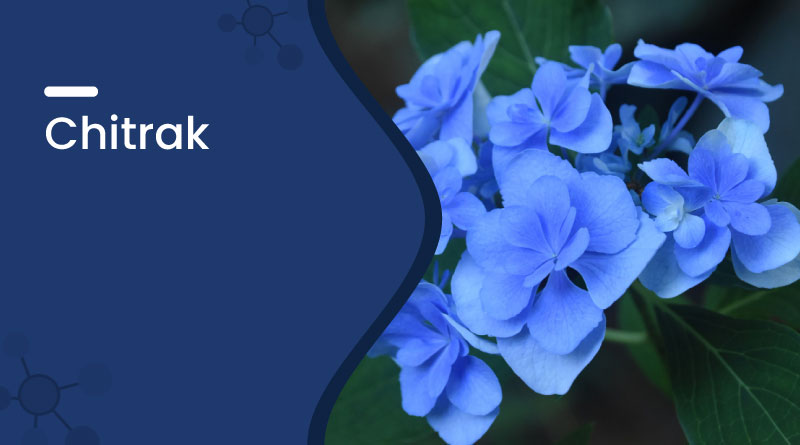
Chitrak (Plumbago zeylanica) is a powerful medicinal herb that is treasured in traditional Indian medicine. This herb is highly valued for its strong digestive and metabolism-boosting effects, which have been used to treat various health-related issues naturally.
Chitrak is the Hindi name for Plumbago zeylanica; other common names include Ceylon leadwort, white leadwort, and doctorbush.
By learning about the uses, benefits, and precautions associated with this herb, you can derive maximum benefits from this traditional Ayurvedic remedy.
Chitrak might be a powerful digestive herb, but is it safe for everyone? Let's find out Chitrak Ayurvedic uses, health benefits, the possible side effects, and when to be cautious.
What is Chitrak (Plumbago zeylanica)?
Chitrak (Plumbago zeylanica) is a medicinal herb commonly used in Ayurveda for its powerful digestive and therapeutic properties. It is a perennial shrub that grows in tropical and subtropical regions of India.
Botanical Description
The botanical description of Chitrak (Plumbago zeylanica) helps in identifying the plant and understanding the origin of its medicinal benefits.
- Height: 1–1.5 meters
- Leaves: Simple, oval-shaped
- Flowers: Small, white, clustered
- Root: Thick, reddish-brown, rich in active compounds
Common Names of Chitrak (Plumbago zeylanica)
Chitrak (Plumbago zeylanica) is known by different names across various regions, languages, and traditional systems of medicine. These names often reflect its widespread use in Ayurveda and other herbal practices.
- Hindi: Chitrak
- Sanskrit: Chitraka, Agni, Dahana
- English: Ceylon Leadwort, White Leadwort, Doctorbush
- Tamil: Kodiveli
- Telugu: Chitramoolam
- Malayalam: Vellakoduveli
- Kannada: Chitraka
- Bengali: Chita
Phytochemical Composition of Chitrak
Chitrak root contains several bioactive compounds that contribute to its medicinal effects:
- Plumbagin – Supports digestion, anti-inflammatory action
- Flavonoids & alkaloids – Improve metabolism
- Tannins & saponins – Aid gut health and antimicrobial activity.
Pharmacological Properties include:
- Digestive stimulant: Increases the secretion of digestive enzymes and boosts appetite
- Anti-inflammatory: Assists in the reduction of inflammation and discomfort
- Antimicrobial: Inhibits the growth of microorganisms like bacteria and fungi
- Antioxidant: Protects cells from oxidative damage caused by free radicals
- Carminative: Aids in relieving gas, bloating, and indigestion
- Hepatoprotective: Supports the functions of the liver
- Metabolic enhancer: Regulates metabolism and may also help in weight control
Nutritional & Chemical Profile of Chitrak (Plumbago zeylanica)
Chitrak (Plumbago zeylanica) is a medicinal herb widely used in Ayurveda for its digestive and metabolism-enhancing properties. Although it is not consumed as a conventional food, it contains several bioactive and phytochemical compounds that contribute to its therapeutic effects.
These compounds play an important role in supporting digestion, gut health, metabolism, and detoxification.
Key Nutritional and Phytochemical Components
|
Nutrient Compounds |
Properties |
|
Alkaloids, flavonoids, glycosides |
Provide antioxidant and therapeutic effects |
|
Steroids, triterpenoids, saponins |
Support immunity and liver function |
|
Tannins, coumarins, phenolic compounds |
Aid digestion and detoxification |
|
Naphthoquinones (like plumbagin) |
Offer anti-inflammatory and antimicrobial action |
|
Carbohydrates, fixed oils, proteins |
Contribute to basic nutritional support |
Ayurvedic Profile of Chitrak:
Chitrak has been found to have the potential to boost digestion and eliminate toxins in the body. It has been classified as follows in Ayurveda:
- Rasa (Taste): Pungent (Katu)
- Guna (Qualities): Light (Laghu), Dry (Ruksha)
- Virya (Potency): Hot (Ushna)
- Vipaka (Post-digestive effect): Pungent (Katu)
How Chitrak Works in the Body: Mechanism of Action
Chitrak acts by stimulating digestive and metabolic pathways:
- Enhances Agni (digestive fire) → improves digestion
- Reduces Ama (toxins) accumulation
- Stimulates enzyme secretion
- Improves nutrient absorption
- Enhances metabolic activity
This makes it particularly effective in low-digestion and sluggish metabolism conditions.
Health Uses of Chitrak
Chitrak or Chitramoolam (Plumbago zeylanica) is a herb known for its potent medicinal properties, especially for improving digestive, metabolic, and Vata and Kapha balancing properties.
- Supports digestion: Enhances digestive fire (Agni) and also treats indigestion, bloating, and loss of appetite
- Relieves constipation: Helps induce bowel movements and relieve the buildup of toxins (Ama) in the body
- Aids in weight management: Increases metabolism rate and also supports weight loss with a healthy lifestyle
- Helps in respiratory issues: Helps manage cough, cold, and excess mucus with a balancing effect on Kapha dosha
- Supports liver health: Helps in detoxification and improves liver function
- May help in skin conditions: Traditionally used for skin-related diseases due to its detoxifying and antibacterial properties
- Improves appetite: Especially for people with poor appetite or digestion
Top Benefits of Chitrak (Evidence-Based)
Let’s explore the key Chitrak herb benefits, which will give you an idea of the importance of this herb in the maintenance of overall health and well-being.
- Enhances digestion and metabolism: It stimulates the digestive fire (Agni) that helps to enhance the digestion and metabolism of the body.
- Supports gut health: Helps in reducing toxin build-up (Ama) and promotes a healthy gastrointestinal environment
- Antimicrobial potential: Has active compounds like plumbagin that may help counteract bacteria and fungus
- May help manage metabolic disorders: Metabolism-regulating properties may help manage conditions like obesity, which is caused by a sluggish metabolism
Who should take Chitrak?
Chitrak (Plumbago zeylanica) may be beneficial for individuals dealing with certain digestive and metabolic concerns, especially when used under proper guidance.
- People with weak digestion: Those experiencing indigestion, bloating, or low digestive fire (Agni)
- Individuals with low appetite: Helpful in stimulating hunger and improving food intake
- Those with toxin buildup (Ama): Supports detoxification and gut cleansing
- People with sluggish metabolism: May assist in improving metabolic function
- Individuals with recurrent constipation: Can help regulate bowel movements
When Should You Avoid Chitrak?
Avoid using Chitrak if your condition is not related to digestion, as it may not address the root cause and could worsen symptoms. It is also not recommended for serious medical conditions like advanced liver disease or severe gastrointestinal disorders without medical supervision.
Non-Digestive Causes
- Hormonal imbalance
- Neurological disorders
- Chronic inflammatory diseases
Chronic Medical Conditions
- Advanced liver disease
- Severe gastrointestinal disorders
Is Chitrak Safe to Use?
Chitrak is safe when used in small, supervised doses, but its strong heating nature makes it unsuitable for certain individuals.
Safe for:
- People with low digestion (Mandagni)
- Kapha/Vata imbalance
Use with caution:
- High Pitta individuals
- Long-term unsupervised use
Different Forms of Chitrak
Chitrak is available in different forms, which makes it convenient for use based on needs.
|
Form |
How It Is Used |
|
Powder (Chitrak churna) |
Taken with warm water, honey, or ghee; typically before meals to aid digestion |
|
Capsules/Tablets |
Taken with water as per the recommended dosage for convenience and controlled intake |
|
Decoction (Kwath) |
Prepared by boiling the root in water; consumed for digestive and detox benefits |
|
Medicated oils/pastes |
Used externally in some skin conditions; also in traditional therapies |
Recommended Dosage of Chitrak: General Guidance
Chitrak is a powerful Ayurvedic herb; therefore, the dosage needs to be closely regulated.
- Common recommended Chitrak dosage (Powder/churna) is ~250-500 mg/day, depending on the health requirements of a person.
- Because of its heating and stimulating properties, Chitrak should always be used with medical supervision.
- Excessive dosage or self-medication may result in unwanted side effects, and proper advice should be sought from a qualified medical expert.
How Long Does Chitrak Take to Work?
Chitrak (Plumbago zeylanica) typically starts showing effects on digestion and appetite within 3 to 7 days of regular use. However, the exact time may vary depending on individual metabolism, health condition, and dosage.
For digestive issues like indigestion, bloating, or loss of appetite, users may notice quicker results. In cases of chronic conditions such as sluggish metabolism or toxin buildup (Ama), it may take 2 to 4 weeks of consistent use under medical supervision.
Since Chitrak is a potent Ayurvedic herb, its effectiveness depends on proper dosage, body constitution (Prakriti), and lifestyle habits. For best results, it should be used regularly along with a balanced diet and healthy routine.
Best Time to Take Chitrak
The best time to take Chitrak depends on the purpose of use, but it is generally recommended to consume it before meals to enhance digestion.
- For digestion improvement: Take Chitrak 15–30 minutes before meals to stimulate digestive fire (Agni)
- For appetite stimulation: Consume before meals to help increase hunger naturally
- For detox and metabolism support: It may be taken before meals or as advised by an Ayurvedic practitioner
Chitrak is usually taken with warm water, honey, or ghee, which helps balance its strong heating nature. Since it is a potent herb, it should always be taken in recommended doses under professional guidance to avoid side effects.
Side Effects of Chitrak
Chitrak (Plumbago zeylanica) is a potent herb, and while it offers several health benefits, improper use or excessive intake may lead to adverse effects. Its strong heating (Ushna) nature requires cautious use.
Common side effects of using Chitrak are:
- Gastric irritation: It may produce a burning sensation or acidity.
- Skin irritation: Direct contact may sometimes produce irritation.
- Mouth or throat discomfort: High doses may produce a burning sensation.
- Loose motions: Excessive use may interfere with normal bowel movements.
- Toxicity concern: High doses of this herb may be toxic and produce irritation.
Precautions and Contraindications
Chitrak, with the botanical name Plumbago zeylanica, is a strong herbal remedy and should be used with caution in certain individuals to avoid adverse effects.
- Pregnant women: To be avoided, as it can cause contractions
- Breastfeeding mothers: Use only under medical guidance due to limited safety data
- People with gastric issues: Avoid it if suffering from ulcers, acidity, or a sensitive stomach, as it is a heating agent
- Children and the elderly: Use cautiously and only under professional supervision
- Individuals with skin sensitivity: May irritate or burning sensations on the skin
- Those on medications: Consult a healthcare provider to prevent possible interactions
- High Pitta constitution: Use carefully, as it may aggravate heat-related symptoms like burning or inflammation
Drug Interactions of Chitrak
Chitrak (Plumbago zeylanica) may interact with certain medications due to its strong effects.
- Antacids: May reduce their effectiveness or increase gastric irritation
- Anti-inflammatory drugs: May raise the risk of stomach irritation with prolonged use
- Hepatotoxic medications: May increase liver stress when used together
Also Read: Complete Guide to Chitrak Haritaki Benefits and Dosage
Chitrak in Ayurvedic Formulations
Chitrak (Plumbago zeylanica) is a classical Ayurvedic herb that is often employed for its potent digestive and metabolism-stimulating activity.
It is a common ingredient in Ayurvedic formulations such as Chitrakadi Vati and Panchakola churna, which are often employed for their appetite-stimulating, digestive, and Ama-reducing activity.
Chitrak vs Modern Digestive Enzymes
Chitrak and modern digestive enzymes both support digestion, but differ in approach, mechanism, and suitability depending on individual digestive needs and underlying health conditions.
|
Feature |
Chitrak |
Digestive Enzymes |
|
Type |
Herbal |
Synthetic |
|
Mechanism |
Stimulates digestion (Agni) |
Provides external enzymes |
|
Approach |
Root-cause treatment |
Symptomatic relief |
|
Use |
Long-term (supervised) |
Short-term relief |
Chitrak in Modern Formulations
Polyherbal supplements combine Chitrak with other herbs for broader benefits.
Herystatin Capsule

Herystatin Cap is a Chitrak herbal supplement combining Ayurvedic ingredients to support heart health, improve digestion, boost metabolism, and promote overall wellness naturally.
- Composition: Arjun + Chitrak + Punarnava + Kutki + Sonth + Vacha + Motha + Rasona + Pipli + Kadir + Darusita + Mirch + Sudh Hingu + Shudh Shilajit + Shudh Guggul
- Benefits: Supports heart health, improves digestion, enhances metabolism, reduces inflammation, and boosts immunity
Conclusion
Chitrak (Plumbago zeylanica) is a powerful Ayurvedic herb that is highly popular for its potent digestive and metabolism-boosting properties.
Though it can be highly effective in maintaining digestive health and aiding in the reduction of toxins (Ama) in the body, it should not be used without proper knowledge and supervision, because of its strong nature.
Careful dosage and proper guidance are required so that any possible side effects can be avoided. To make the best use of the benefits of this herb, it is always advisable to seek guidance from a qualified Ayurvedic practitioner.
Frequently Asked Questions
Q. What is the Citraka herb and its uses?
A. Citraka, or Chitrak (Plumbago zeylanica), is an Ayurvedic herb mainly used to improve digestion, boost metabolism, and reduce toxin buildup. It is also helpful in managing appetite loss and constipation.
Q. What are the benefits of Plumbago zeylanica or the chitraka plant?
A. Chitraka plant supports digestive health, enhances metabolism, and helps clear toxins from the body. It may also offer antimicrobial and anti-inflammatory benefits when used appropriately under professional guidance.
Q. Can Chitrak be used for constipation?
A. Yes, Chitrak may help relieve constipation by improving digestion and promoting bowel movement. It supports toxin elimination and helps regulate gut function when used in appropriate doses.
Q. Is Chitrak good for digestion?
A. Yes, Chitrak is widely known for improving digestion. It stimulates digestive fire (Agni), increases enzyme activity, and helps relieve indigestion, bloating, and poor appetite effectively when taken in proper doses.
Q. Who should avoid Chitrak?
A. Pregnant women, people with ulcers, high acidity, or sensitive stomachs should avoid Chitrak. It should also be used cautiously in children and elderly individuals, only under professional guidance.
Q. How is Chitrak root extract used?
A. Chitrak root extract is typically used in powder, capsule, or decoction form to support digestion and metabolism. It should be taken in controlled doses under medical supervision due to its strong potency.
Q. Is Chitrak good for liver health?
A. Chitrak may support liver function by aiding detoxification and improving metabolism. Its traditional use suggests benefits for liver health, though it should be used carefully and under supervision.
Q. What are the possible side effects of taking chitrak?
A. Common side effects include stomach irritation, burning sensation, loose motions, and skin irritation. Excessive use may lead to more severe gastrointestinal discomfort, so proper dosage and supervision are important.
Q. Can Chitrak be taken during pregnancy?
A. No, Chitrak is not recommended during pregnancy. Its strong properties may stimulate uterine contractions and pose risks, so it should be strictly avoided.
Q. What is the recommended dosage of Chitrak?
A. The general dosage of Chitrak powder is around 250–500 mg per day. However, it should always be taken under medical supervision due to its strong effects.

Arjun (60 mg) + Chitrak (20 mg) + Punarnava (30 mg) + Kutki (20 mg) + Sonth (50 mg) + Vacha (20 mg) + Motha (20 mg) + Rason (40 mg) + Pipli (30 mg) + Khadir (20 mg) + Darusita (30 mg) + Mirch (30 mg) + Sudh Hingu (20 mg) + Shudh Shilajit (30 mg) + Shuddha Guggul (80 mg)
60 Capsules per jar
Recent Blogs






Disclaimer : Zeelab Pharmacy provides health information for knowledge only. Do not self-medicate. Always consult a qualified doctor before starting, stopping, or changing any medicine or treatment.
Related Products


₹ 0
0
Items added
Quick Links
Categories
Our Policies

Our Socials


Subscribe

2026 Copyright By © Zeelab Pharmacy Private Limited. All Rights Reserved
Our Payment Partners

 Added!