

Best Medicine for Diabetes in India: A Complete Guide to Sugar Medicine Name List & Uses
Diabetes is a chronic condition that affects how your body uses blood sugar (glucose). If you have diabetes, your body either does not make enough insulin or cannot use insulin properly.
Diabetes medicines and other antidiabetic treatments help manage blood sugar levels and support long-term diabetes management.
The choice of diabetes medicine depends on different factors, such as the type of diabetes, blood sugar levels, and the individual needs of the patient. According to the World Health Organization (WHO), over 830 million people globally are living with diabetes, and many remain undiagnosed.
Insulin and metformin are commonly used medicines for diabetes. Insulin is generally prescribed for Type 1 diabetes, while metformin is commonly used as a first-line medicine for Type 2 diabetes.
This blog is a guide to common sugar control medicines used to help manage blood sugar levels in diabetic patients.
What is Diabetes?
Diabetes is a long-term medical condition in which the body cannot properly control blood glucose (blood sugar) levels.
Blood sugar levels are usually managed by insulin, which helps move glucose from the blood into cells, where it is used for energy. Any change in the amount or use of insulin may increase blood sugar levels and the need for diabetes medicine.
Diabetes can be of different types, and each type may require different diabetes medicines:
- Type 1 Diabetes: The body produces a low or insufficient amount of insulin that is crucial for life.
- Type 2 Diabetes: Insulin is not being used properly, and levels may also be declining.
- Gestational Diabetes: A kind of diabetes that occurs during pregnancy. It has to be monitored and treated properly.
Do All People With Diabetes Need Medicine?
Not every person with diabetes needs medicine immediately, especially in some cases of Type 2 diabetes.
Sometimes blood sugar can be managed with lifestyle changes, but diabetes medicine may be needed when blood sugar remains high or lifestyle changes alone are not enough.
- Type 2 diabetes may be managed with diet, exercise and other lifestyle changes in some cases
- Type 1 diabetes requires insulin
- Diabetes medicines may be needed if blood sugar remains high
- Treatment depends on the type of diabetes and the individual's health and treatment needs
Also Read: Type 1 vs. Type 2 Diabetes
Common Diabetes Medicine Name List in India
For managing diabetes, the following are some commonly used diabetes medicines and antidiabetic medicines.
The exact diabetes medicine name, type and dose should be decided by a doctor based on the individual's health condition.
|
Medicine Name |
Class |
How It Works |
|
Metformin |
Biguanide |
Lowers glucose production |
|
Glimepiride and Gliclazide |
Sulfonylurea |
Supports insulin release |
|
Sitagliptin and Linagliptin |
DPP-4 inhibitor |
Manages insulin and glucagon |
|
Dapagliflozin and Empagliflozin |
SGLT2 inhibitor |
Removes glucose in urine |
|
Semaglutide and Liraglutide |
GLP-1 receptor agonist |
Improves glucose management |
|
Pioglitazone |
TZD |
Improves insulin sensitivity |
|
Acarbose |
Alpha-glucosidase inhibitor |
Slows carbohydrate absorption |
|
Human insulin and insulin analogues |
Insulin |
Replaces insulin |
List of Sugar Control Tablets in India from Zeelab Pharmacy
At Zeelab Pharmacy, you can find commonly used sugar control medicines and diabetes tablets at affordable prices.
The following medicines are manufactured in a WHO-GMP-certified facility, supporting standardized quality and safe production.
|
Tablet Name |
Composition |
|
Metrose 500 |
Metformin 500 mg |
|
Sitazee 50 |
Sitagliptin 50 mg |
|
Dapazee 5 |
Dapagliflozin 5 mg |
|
Pioglitex 15 |
Pioglitazone 15 mg |
|
Glyzee 4 |
Glimepiride 4 mg |
Metrose 500 Tablet
Metrose 500 is an antidiabetic metformin tablet used to support blood sugar management in Type 2 diabetes. It works by reducing glucose production in the liver and improving the body's response to insulin.
- Composition: Metformin 500 mg
- Benefits: Supports blood sugar management in Type 2 diabetes.
Sitazee 50 Tablet
Sitazee 50 Tablet is a DPP-4 inhibitor containing sitagliptin, used as a medicine for Type 2 diabetes. It works by supporting insulin release when blood glucose levels are high.
- Composition: Sitagliptin 50 mg
- Benefits: Helps manage blood sugar levels in Type 2 diabetes.
Dapazee 5 Tablet
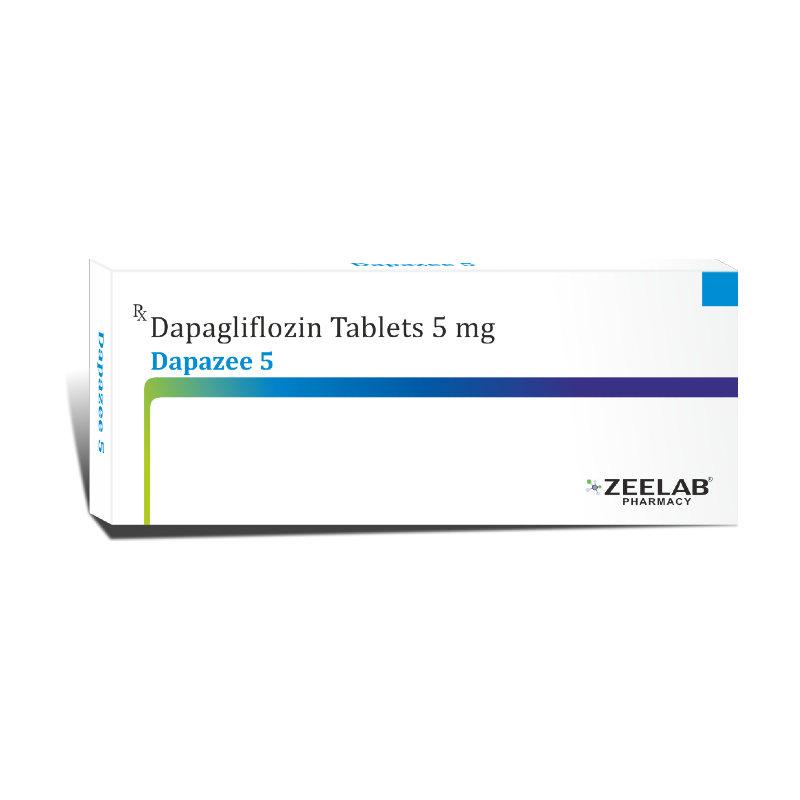
Dapazee 5 is an antidiabetic tablet containing dapagliflozin, used to help manage high blood sugar levels in Type 2 diabetes.
It belongs to the SGLT2 inhibitor category, which helps the kidneys remove excess glucose from the body through urine.
- Composition: Dapagliflozin 5 mg
- Benefits: Supports blood sugar control in Type 2 diabetes.
Pioglitex 15 Tablet
Pioglitex 15 Tablet is an antidiabetic medicine containing pioglitazone. It works by improving the body's sensitivity to insulin, helping cells use glucose more effectively.
- Composition: Pioglitazone 15 mg
- Benefits: Helps support blood sugar management in Type 2 diabetes.
Glyzee 4 Tablet

Glyzee 4 is a diabetes tablet containing glimepiride, a sulfonylurea. It works by stimulating the pancreas to release insulin, helping regulate blood sugar levels.
- Composition: Glimepiride 4 mg
- Benefits: Helps manage high blood sugar in Type 2 diabetes.
How Do Doctors Choose the Right Diabetes Medicine?
Choosing diabetes medicine involves more than simply looking for a medicine that lowers blood sugar. Doctors generally consider several factors before selecting or changing treatment.
- Type of Diabetes: Doctors may prescribe diabetes tablets if you have Type 2 diabetes.
- General Health: Other health issues, such as heart disease or kidney disease, can affect the choice of medication.
- Risk of Side Effects: Some medications can cause hypoglycemia or stomach-related side effects.
- Lifestyle: Daily activities, diet, and exercise can influence treatment choices.
- Timing of Insulin: This varies depending on the type of insulin. Some are taken with meals, while others may be taken once or twice a day.
Common Side Effects of Diabetes Medicines
Different diabetes medicines can cause different side effects. Common side effects of sugar medicines may include an increased risk of hypoglycaemia, particularly when combined with certain medicines or insulin.
|
Medicine/Type |
Possible Side Effects |
|
Metformin |
Nausea, diarrhoea, stomach discomfort |
|
Sulfonylureas |
Low blood sugar, weight gain |
|
SGLT2 inhibitors |
Increased urination, genital or urinary infections |
|
DPP-4 inhibitors |
Headache, stomach-related symptoms in some people |
|
GLP-1 medicines |
Nausea, vomiting, diarrhoea or constipation |
|
Insulin |
Low blood sugar, weight gain |
Lifestyle Changes Tips along with Diabetes Medicines
Along with diabetes medicines, there are some lifestyle changes you can follow to support blood sugar management. Healthy lifestyle habits are important when taking diabetes medicines. An individual diabetes management plan can include:
- Eating a balanced diet.
- Limiting sugary drinks, sweets, and highly processed foods.
- Following your healthcare professional’s advice on regular physical activity.
- Maintaining a healthy weight.
- Monitoring blood glucose regularly.
- Taking medicines at the prescribed time and dose.
- Getting adequate sleep and managing stress.
- Attending regular diabetes check-ups.
Also Read: Best Foods for Sugar Patients
When Should You See a Doctor for Diabetes?
Even if your blood sugar appears to be under control, people with diabetes should have regular medical check-ups. Consult a doctor if:
- Blood sugar is consistently too high or too low.
- You experience frequent symptoms of hypoglycaemia.
- The prescribed medicine is causing troublesome side effects.
- You have unexplained weight loss or excessive thirst and urination.
- You experience blurred vision, weakness, or unusual fatigue.
- You have difficulty taking medicines regularly.
- You are pregnant or planning a pregnancy.
Conclusion
The right medicine for diabetes depends on the type of diabetes, blood sugar levels, overall health, lifestyle, and individual treatment goals. There is no single diabetes or sugar control medicine that is right for everyone.
The safest approach is to follow a personalised treatment plan prescribed by your doctor, take medicines as directed, and monitor your blood glucose and HbA1c regularly.
Avoid starting, stopping, or changing a diabetes medicine or dose without medical advice.
Frequently Asked Questions (FAQs)
Ans.Insulin and metformin are commonly used medicines for diabetes. Insulin is used for Type 1 diabetes, while metformin is commonly used for Type 2 diabetes. However, the best choice depends on the type of diabetes, blood sugar levels, and individual health needs.
Ans.Commonly used tablets for sugar control include Metrose 500 (Metformin), Sitazee 50 (Sitagliptin), Dapazee 5 (Dapagliflozin), Pioglitex 15 (Pioglitazone), and Glyzee 4 (Glimepiride), which are available from Zeelab Pharmacy.
Ans.Doctors consider diabetes type, blood sugar and HbA1c levels, age, kidney and heart health, weight, other medicines, side effects, and individual needs.
Ans.Diabetes medicines lower blood sugar in different ways, including reducing liver glucose production, increasing insulin release, improving insulin sensitivity, or removing glucose through urine.
Ans.Neither is universally better. Doctors choose tablets, insulin, or both based on blood sugar levels, treatment needs, health conditions, and response.
Ans.Yes, approved generic diabetes medicines are generally considered safe and effective when they contain the same active ingredient and strength and meet required quality standards.
Ans.Take diabetes medicine exactly as prescribed. Some medicines are taken before or with meals, while others can be taken at specific times daily.
Ans.Check the medicine instructions or ask your doctor or pharmacist. Avoid taking a double dose unless specifically advised to do so.
Ans.Yes, some diabetes medicines, particularly insulin and sulfonylureas, can cause low blood sugar, especially when meals are skipped or doses are excessive.
Ans.The side effects of sugar medicines vary by the specific drug used, with common ones being nausea, diarrhoea, stomach discomfort, weight changes, increased urination, or low blood sugar.
Ans.Diabetes medicines should not be started without medical advice because the appropriate medicine and dose depend on your blood sugar and health condition.
Ans.No. Normal blood sugar may indicate effective treatment. Stopping medicine suddenly can raise glucose, so discuss any changes with your doctor.
Ans.Diabetes medicines control blood sugar but generally do not permanently cure diabetes. Type 2 diabetes can sometimes enter remission with appropriate treatment and lifestyle changes.
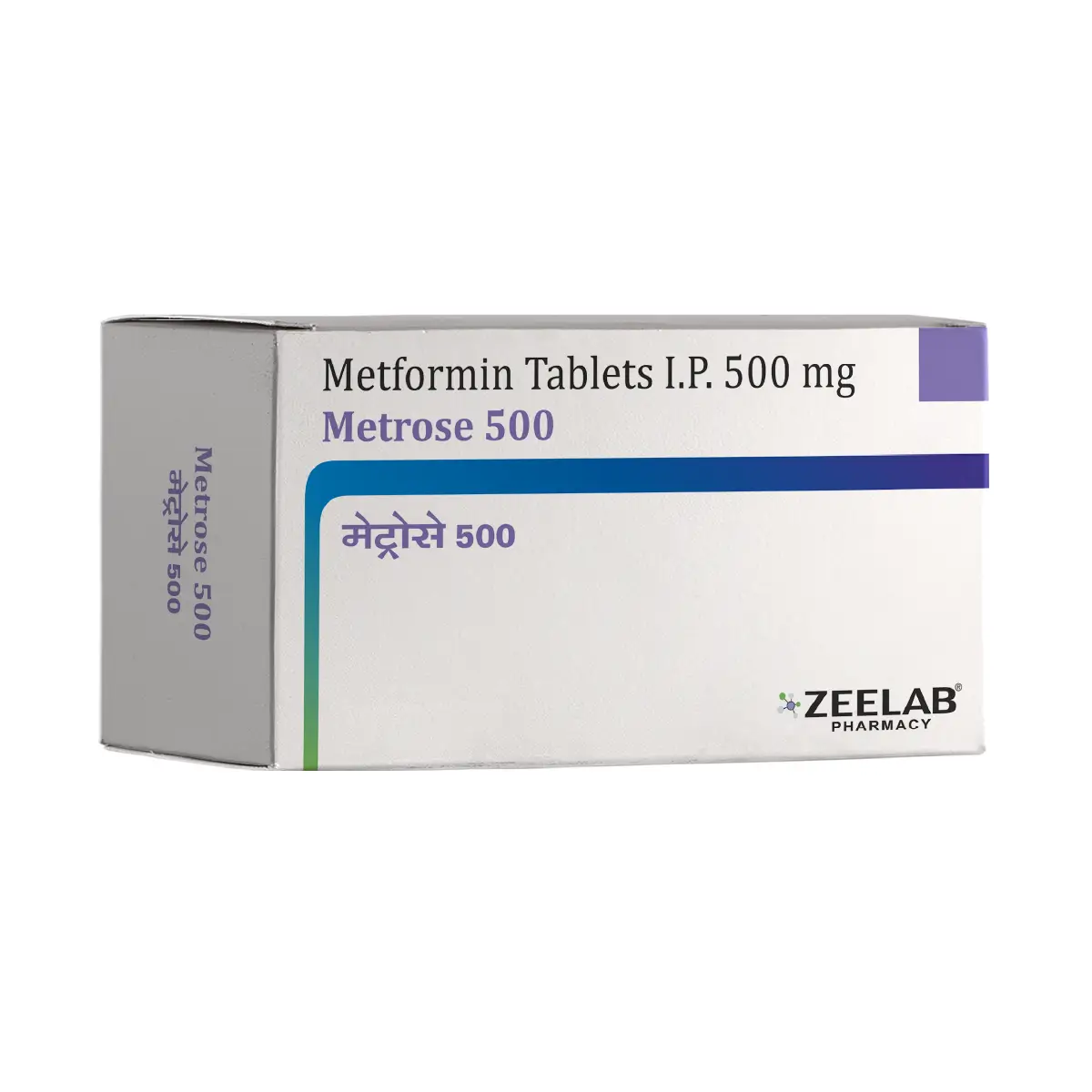
Metformin (500mg)
10 Tablets In 1 Strip
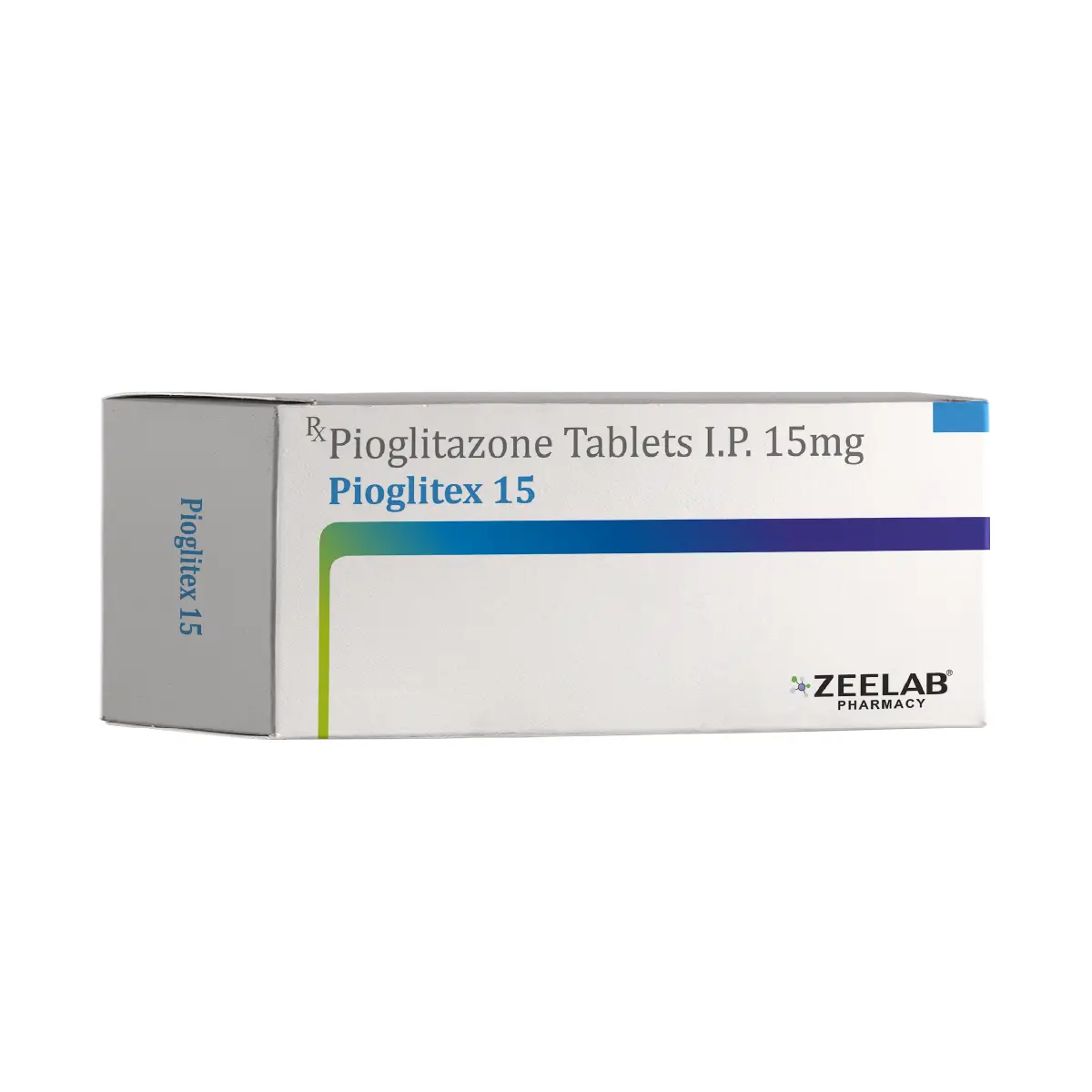
Pioglitazone (15mg)
10 Tablets In 1 Strip
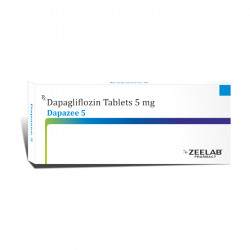
Dapagliflozin (5mg)
14 Tablets In 1 Strip
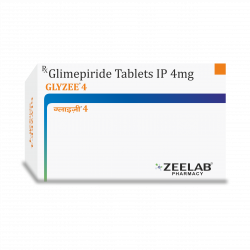
Glimepiride (4mg)
15 Tablets In 1 Strip
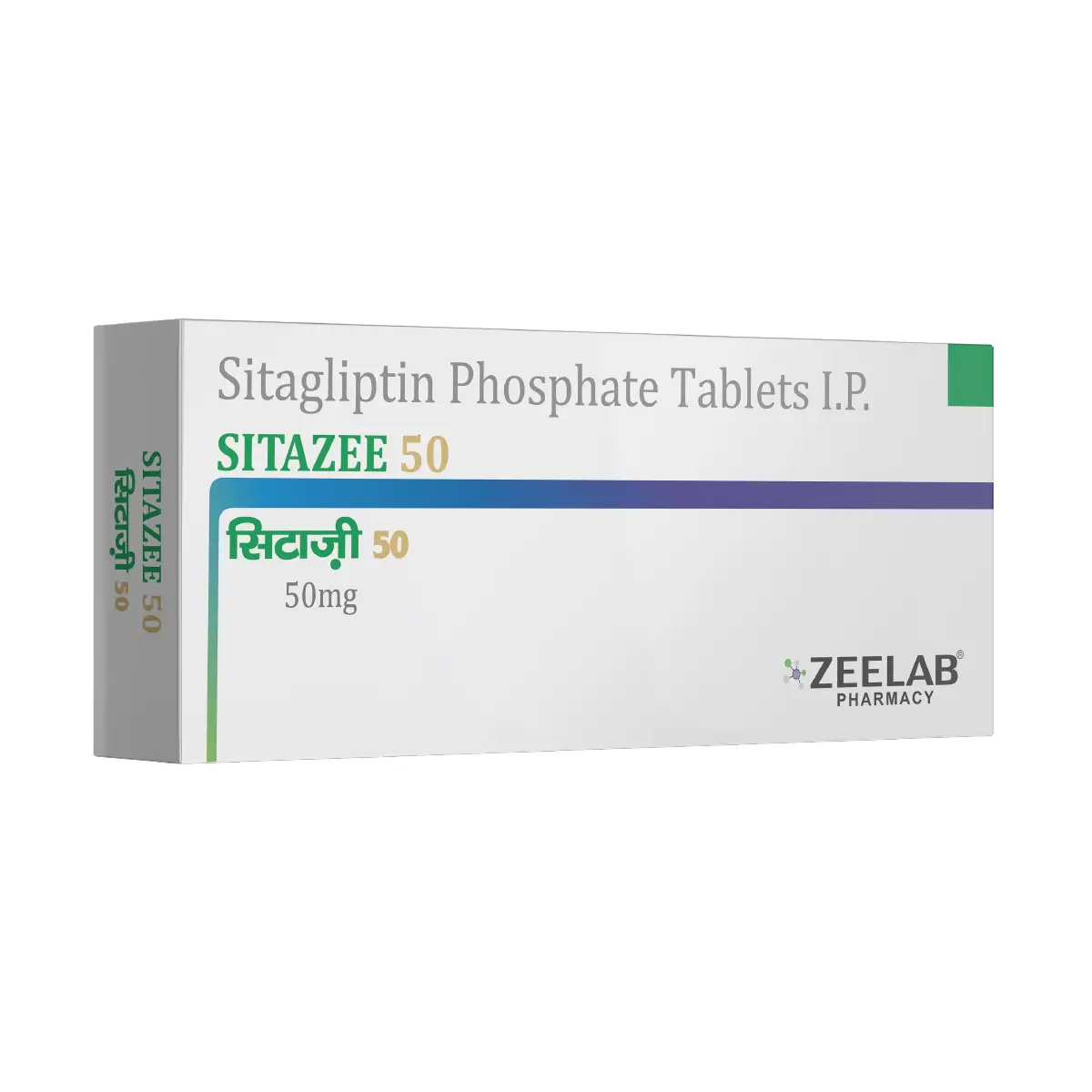
Sitagliptin (50 mg)
14 Tablets In 1 Strip
References
Recent Blogs






Disclaimer : Zeelab Pharmacy provides health information for knowledge only. Do not self-medicate. Always consult a qualified doctor before starting, stopping, or changing any medicine or treatment.
Related Products

₹ 0
0
Items added
Quick Links
Categories
Our Policies

Our Socials


Subscribe

2026 Copyright By © Zeelab Pharmacy Private Limited. All Rights Reserved
Our Payment Partners

 Added!