

Fish Oil vs Plant-Based Omega-3: Which Is Better for Heart, Brain & Overall Health?
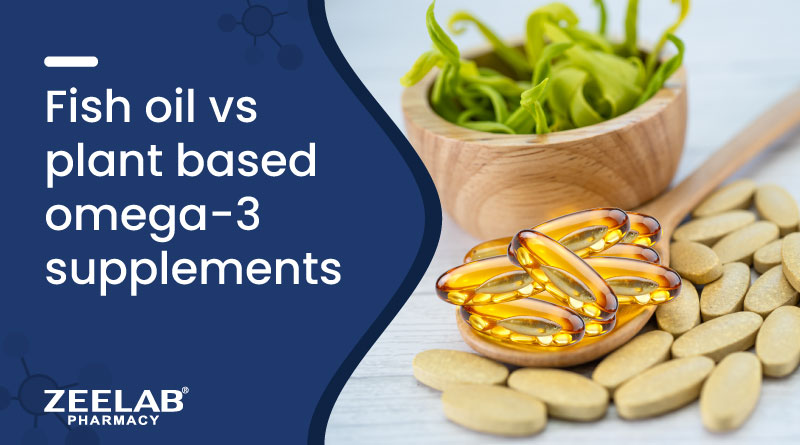
This is an important supplement; omega-3 is required for heart health, brain health, and overall health benefits. Omega 3 fatty acid sources from fish will provide EPA and DHA directly, while plant-based omega-3 sources depend on ALA conversion into EPA and DHA for activity, making them suitable for vegetarians only.
This blog guide covers the differences between omega-3 and fish oil in their sources, their benefits, and safety, which would help in making a better choice. Quality, purity, and clinically tested omega-3 supplements can be trusted with the products from Zeelab.
What is an Omega-3 Supplement?
Omega-3 fatty acids are a necessary polyunsaturated fat and a very important nutrient. The three kinds of omega-3 are EPA, DHA, and ALA.
The human body does not possess the ability to create its own supply of omega-3, and that's why we fill the need from food.
It is vital for heart health as it maintains the level of cholesterol in the body.
It also maintains the blood flow in the heart. It also takes an active part in the functioning of the brain. It also creates a medicated effect on the joints. It also provides aid in raising the immunity level in the body.
Types of Omega-3 Fatty Acids
Omega-3 fatty acids support overall wellness, including heart health and brain health, through essential anti-inflammatory and structural roles. Let us understand through this table.
|
Type (Full Form Included) |
Primary Source |
Main Role in the Body |
|
ALA (Alpha-Linolenic Acid) |
Flaxseed, chia seeds, walnuts |
Supports general wellness; converts partially to EPA/DHA |
|
EPA (Eicosapentaenoic Acid) |
Fatty fish, algae |
Supports heart health and helps reduce inflammation |
|
DHA (Docosahexaenoic Acid) |
Fatty fish, algae |
Essential for brain function, vision, and nerve health |
What is Fish Oil?
Fish oil is derived from fatty fish, which are rich in natural sources of omega-3 fatty acids, primarily EPA and DHA. It has been supporting heart health, brain function, eye health, and inflammation control.
Fish oil omega-3 is advisable to recommend, in general, when the dietary intake of omega-3 is low, as seen in non-vegetarian diets.
What is fish oil made from?
Fish oil is obtained from oily fish such as salmon, sardines, anchovies, and mackerel. These fish accumulate omega-3 fish oil in nature from the marine algae, hence these fish are a good, bioavailable source of essential omega-3 fatty acids.
Benefits of Fish Oil Omega-3 Supplement
Fish oil omega-3 supplementation has various health benefits, including
- The ability to manage cardiac health by lowering triglycerides
- Improve mental functioning, manage emotional changes
- Increase vision health
- Reduce inflammation in the body
Side Effects of Fish Oil Supplements
A fish oil supplement is generally safe and has no side effects, although improper dosage and intolerance may cause health risks.
Mild stomach upset, fishy burps, nausea, loose stools, or aftertaste may occur. Let us understand through these points.
- Fishy burps: Fishy burps are associated with the slow digestion of fish oil when taken on an empty stomach.
- Stomach upset: Nausea or bloating can occur in sensitive individuals or when high doses are taken.
- Loose Stools: High amounts of omega-3 may influence the movement of digestion in the intestines.
- Fish oil reflux: May cause an Aftertaste or mouth odor.
- Mild nausea: Generally, a temporary problem that improves if taken with food.
Potential Risks of Fish Oil
Higher doses may increase the risk of bleeding, interact with medications, or lead to vitamin A overdose.
- Bleeding risk: A possible increased risk of bleeding with excessive amounts, especially with blood-thinning medications.
- Exposure to Mercury: Lower-quality supplements may have mercury as a contaminant.
- Allergies: People with fish or seafood allergies should not take fish oil.
- Blood pressure drop: It may induce an excessive drop in blood pressure.
- Overdose Data: Only under medical guidance should it be consumed in excess.
Who Should Consider Using Fish Oil?
Fish Oil is indicated for non-vegetarian, heart, brain, and eye health issues, and for those requiring direct EPA and DHA for low dietary omega-3 intake.
- Heart Patients: Patients in need of omega-3 benefits for cholesterol regulation.
- Low Fish Consumption: People who do not often eat fatty fish.
- Joint Pain Sufferers: People who suffer from inflammation, Stiffness, or Arthritis
- Brain Health Focused On: Adults, for cognitive enhancement, memory, and concentration.
- Doctor-Recommended Users: Users were recommended omega-3 supplements by doctors.
Which is Better for Heart Health – Fish Oil or Plant-Based Omega-3?
For heart health, EPA and DHA are the key omega-3 fatty acids. Fish oil contains direct EPA and DHA, both of which can reduce triglycerides, inflammation, and improve blood vessel health.
Fish oil vs plant-based omega-3 comparison, regarding evidence for both lowering cholesterol levels and preserving CVD outcomes, has more power compared to plant-based foods. ALA, found in plant-based omega-3 foods, undergoes less effective conversion in the body for the production of EPA and DHA.
This explains why, for omega-3 supplementation, fish oil has more value until plant-based alternatives become a restricted dietary necessity.
Which is Better for Brain & Eye Health?
Omega-3 fatty acids have significant uses in maintaining brain and eye functions. It has been found that DHA, or Docosahexaenoic Acid, has immense importance due to its major compound found in the brain and retina.
The intake of sufficient DHA helps promote functions of memory, acquiring knowledge and concentration, whereas its deficiency can cause factors to affect cognitive functions and even eye comfort.
Which Omega-3 Supplement Is Right for You?
When choosing whether to go for algae oil vs fish oil omega-3 supplements based on personal nutritional needs and lifestyle, it should be noted that fish oil omega-3 would be best for people who eat fish. Algae oil vs fish oil omega-3 would depend on whether you are a vegetarian.
In that case, algae oil would be perfect for you. Otherwise, fish oil would be richer in EPA and DHA. In terms of therapeutic objectives, algae oil vs fish oil would depend on whether you want brain and heart health.
What is Plant-Based or Vegetarian Omega-3?
Plant-based omega-3 or vegetarian omega-3 are essential fatty acids that are of non-animal origin; Therefore, they are ideal for both vegetarians and vegans.
What is Vegan Omega-3 Made From?
Omega 3 from plants and vegan sources include flaxseed oil, chia seeds, and walnuts and have ALA EFA content. It is the algae oil that is the most useful nutritionally for vegans because algae oil is actually rich in EPA and DHA.
This is why taking omega-3 supplements derived from plants is a great way for individuals to obtain sufficient EFA for the proper functioning of the cardiovascular system and the brain.
Why Choose Plant-Based Omega-3?
Vegan omega-3 supplements for vegans help in a healthy heart, reduce inflammation, and stay earth-friendly. Now, let’s learn in detail through these
- Heart Health: Plant omega-3 helps in maintaining heart health in the body by regulating cholesterol and triglycerides.
- Anti-Inflammatory: The vegan omega-3 helps combat inflammation that is often associated with joints as well as overall body health.
- Brain Support: Omega-3 Omega-3 food sources come in two main variants: fish-based sources and omega-3 supplements.
- Eye Health: Omega-3 derived from plant-based materials can help preserve vision and prevent age-related vision problems.
- Sustainability: Supplements made from vegan omega-3 are environmentally sustainable and cruelty-free.
Also Read: Best Supplements for Dry Skin: Omega-3 and Vitamin A
Limitations of Vegan Omega-3
Most vegan omega-3 supplements are ALA-based; this has poor conversion to EPA and DHA, hence poor clinical efficacy.
Since most of the proven cardiovascular and anti-inflammatory benefits are associated with EPA/DHA, higher doses are often necessary with variable results. Algal-derived DHA/EPA is a more effective vegan alternative but costlier.
Vegetarian Sources of Omega-3 Foods and Supplements
Major vegetarian sources of Omega 3 include flaxseed oil Omega 3, chia seeds and walnuts. The most powerful vegan option is algae oil omega-3, which contains direct EPA and DHA.
Including these sources of Omega 3 in the diet or supplements helps maintain heart, brain and overall health. For those who do not eat fish, these vegetarian omega 3 capsules supplements made from algae oil guarantee adequate intake without compromising efficacy or consistency.
Fish Oil vs Plant-Based Omega-3 – Detailed Comparison
Fish oil and plant-based omega-3 both support heart, brain and overall health. Let us understand through this table:
|
Feature |
Fish Oil |
Plant-Based Omega-3 |
|
Source |
Fatty fish |
Flaxseed, chia, walnuts, algae |
|
Key Components |
EPA & DHA |
Mostly ALA, some algae-derived EPA/DHA |
|
Heart Health |
Strong evidence |
Moderate, depends on conversion |
|
Brain & Vision |
High DHA for the brain or eyes |
Limited DHA unless algae oil |
|
Sustainability |
Overfishing concerns |
Eco-friendly and vegan |
Can You Take Fish Oil & Plant Omega-3 Together?
Yes, it is safe to take fish oil supplements along with plant omega-3 supplements under specific conditions. There is value in taking supplements together for individuals looking to increase EPA and DHA levels, especially under conditions where current plant dietary options may be inadequate.
Such individuals include those who favour a mixed diet or those seeking supplements for heart and brain care. But people on blood-thinning drugs or having specific medical conditions may have to take guidance from a physician before mixing supplements.
Recommended Dosage & Safety Tips for Omega-3
Omega-3 supplements require proper dosage and safety for maximum benefit; Consult doctors for guidance and choose high-quality capsules.
|
Point |
Guidance |
|
Adults |
250–500 mg EPA + DHA daily for general health. |
|
Heart Support |
1–3 g EPA + DHA daily under a doctor's supervision. |
|
Pregnancy |
200–300 mg DHA daily for maternal and fetal health. |
|
Children |
100–250 mg EPA + DHA daily, age-appropriate dosage. |
|
Quality |
Choose tested omega-3 fish oil capsules, vegan omega-3 capsules for safety. |
Best Omega-3 Supplement Recommendations from Zeelab Pharmacy
Here are some products of Zeelab Pharmacy at affordable prices. Most preferred and dermatologist-approved products, as well as similar affordable ranges, are safe and effective. Additionally, Zeelab Pharmacy products are certified by the WHO-GMP, ISO, and FDA.
Omega 3 Fish Oil Capsules
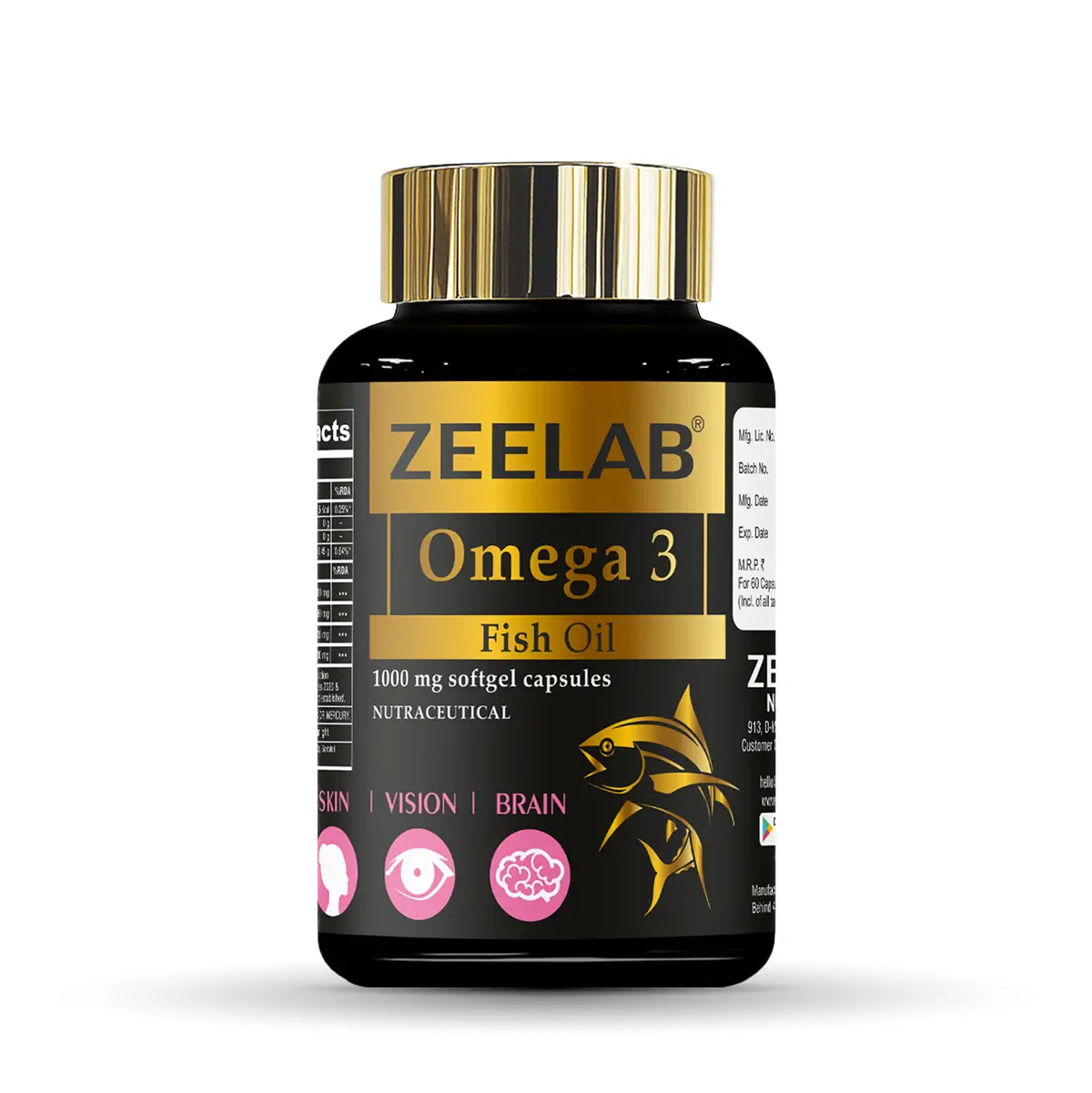
ZEELAB Omega 3 Fish Oil Capsule is a top-quality supplement rich in essential fatty acids DHA (Docosahexaenoic Acid) and EPA (Eicosapentaenoic Acid). Sourced from premium salmon fish, these omega-3 capsules support heart and brain health, help manage cholesterol levels, and enhance overall well-being.
- Composition: Omega-3 Fatty Acids (1000 mg)
- What it does: Provides essential fatty acids for the health of the heart, brain, eyes, and joints.
- How to take: Take one capsule once a day with meals or as directed by a doctor.
Omega 369 Capsules
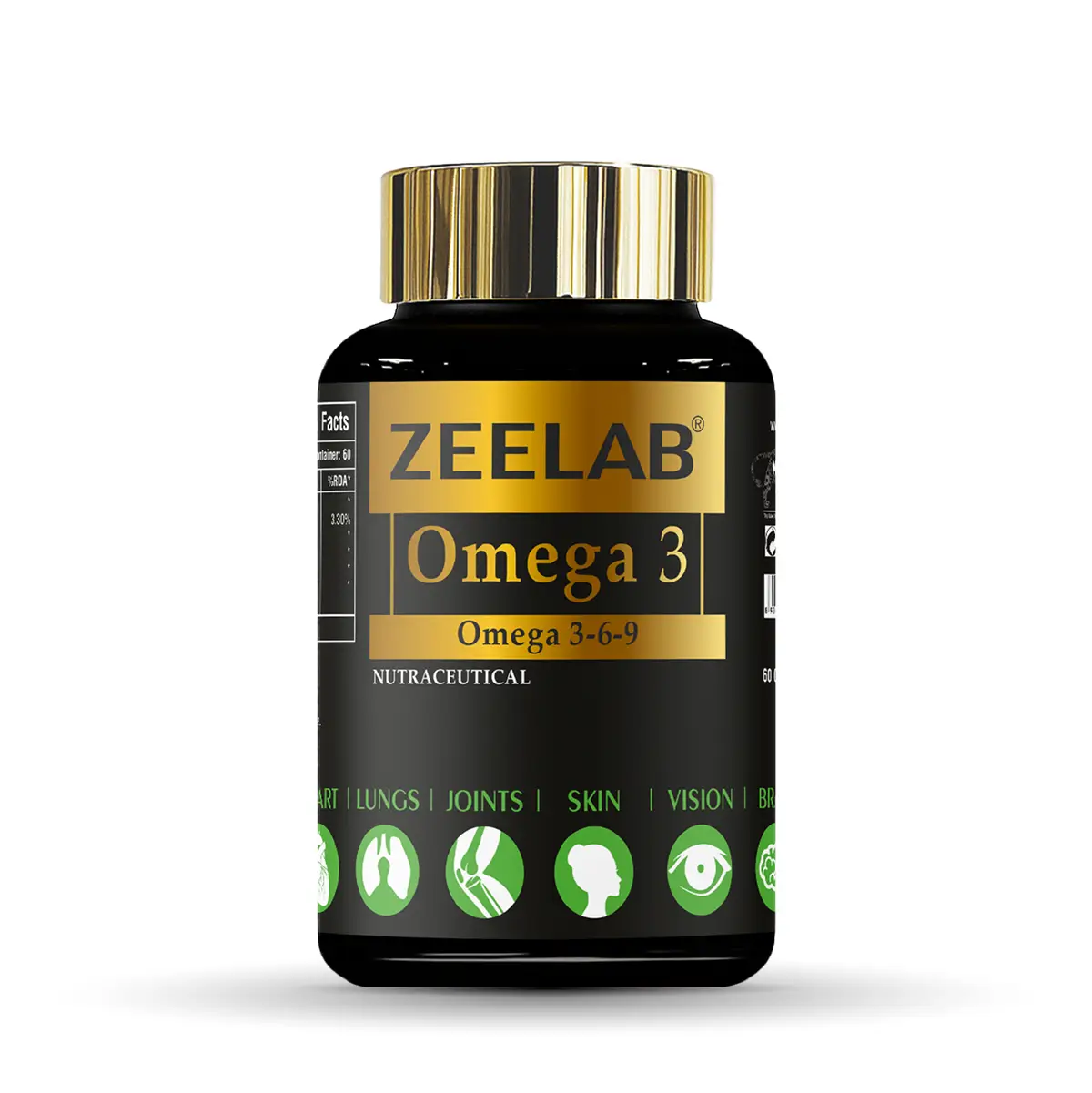
Omega 369 Capsules are a high-quality supplement formulated to provide essential fatty acids Omega-3, 6, and 9 that support overall health. These capsules help maintain heart health, improve brain function, reduce inflammation, and promote healthy skin and joints.
- Composition: Omega 3 (500 mg) + Omega 6 (136 mg) + Omega 9 (200 mg)
- What it does: Maintains healthy heart, brain, joints, skin, and general body health through natural processes.
- How to use: Take one capsule daily with water or as directed by your physician.
E Vitazem Plus Capsule
E Vitazem Plus is a WHO-GMP-certified soft gel capsule formulated to support overall health by addressing nutritional deficiencies. It contains a powerful blend of Natural Vitamin E, Omega-3 Fatty Acids, and Wheat Germ Oil, which work together to enhance the body’s essential functions.
- Composition: Vitamin E 10 mg + Wheat germ Oil 100 mg + Omega 3 Fatty Acids 300 mg
- What it does: It promotes overall health, boosts immunity levels, and also ensures that one has the required dosage of essential vitamins.
- How to take: One capsule should be taken every day after swallowing and drinking more water.
Zeelab Krill Oil Capsule
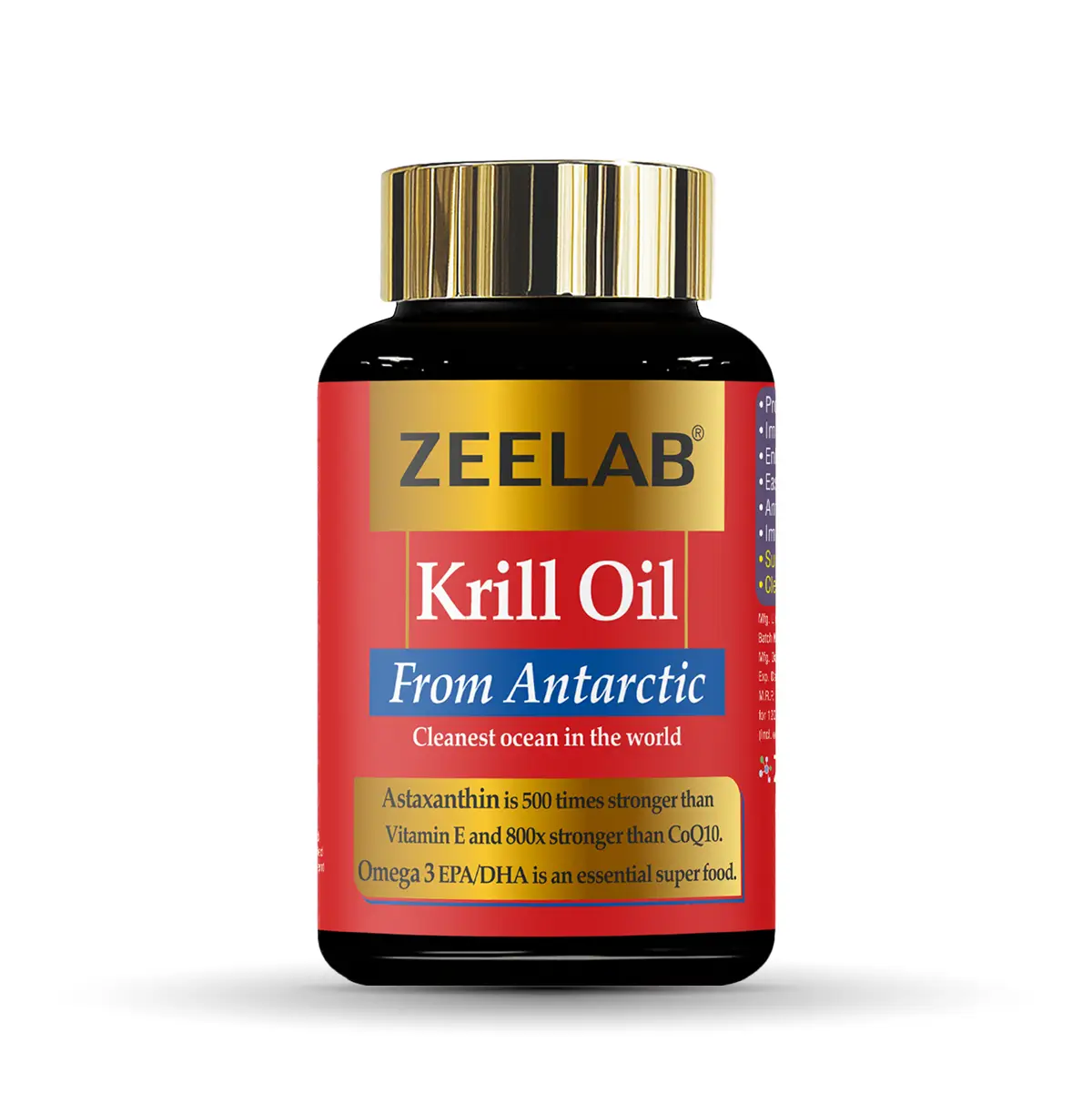
Krill Oil 120 Cap is a premium omega-3 health supplement designed to support overall wellness by providing essential fatty acids EPA and DHA in a highly absorbable phospholipid form.
- Composition: Astaxanthin + Vitamin E + Omega 3
- What it does: It promotes heart health, brain health, mental performance, joint health, and eye health.
- How to take: To be taken one capsule per day with meals or as directed.
Conclusion – Which Omega-3 Supplement Should You Choose?
Both fish oil supplements and plant-based omega-3 supplements are full of essential fatty acids, which are very beneficial for heart health and brain power. However, fish oil contains direct EPA & DHA supplements.
This is very good for all non-vegetarians who want to boost heart or brain health. But for all vegetarian or environmentally conscious people, algae oil or any other plant-based omega-3 supplement is the best option. The fact is that most plants are rich in ALA. Therefore, conversion to DHA & EPA is needed.
Frequently Asked Questions
Q. Do fish oil and omega-3 supplements differ?
A. Yes, they differ. Fish oil supplements contain omega-3 fatty acids in the form of EPA and DHA directly, which the body absorbs easily. Other supplements containing omega-3 fatty acids, particularly those derived from plants, consist mostly of ALA, which the body poorly converts to EPA and DHA.
Q. Is plant-based omega-3 sufficient?
A. Omega-3 from plant sources mainly has ALA, which might not be effectively converted to EPA and DHA.
Q. Is vegan omega-3 rich in EPA & DHA?
A. Vegan omega-3 derived from algae is rich in direct EPA and DHA.
Q. Is algae oil better than fish oil?
A. Algae oil is a sustainable option and contains EPA and DHA components. It’s perfect for vegetarians.
Q. Can I use fish oil and vegan omega-3 supplements simultaneously?
A. Combining is usually safe. However, for high doses or medical conditions, consult your doctor.
Q. What is the best omega-3 for heart health?
A. The capsules containing fish oils and algae oils, which are rich in EPA and DHA, are beneficial to the cardiovascular system.
Q. Can Children Take Omega-3 Supps Safely?
A. Yes, safe dosages for the brain, eye, and development are age-specific for EPA/DHA.
Q. How long does it take for omega-3 to be effective?
A. Daily intake may reveal positive effects concerning heart, brain, and skin conditions after several weeks.
Q. Do omega-3 supplements have side effects?
A. Small fishy burps or nausea may be noticed; a physician should be consulted if these symptoms persist.
Q. Can the Omega-3 capsules be taken with food?
A. Omega-3 supplements are absorbed better with food that includes healthy fats, which minimises stomach upset and increases the bioavailability of EPA and DHA.

Vitamin E (10mg) + Wheat Germ Oil (100mg) + Omega-3 (300mg)
10 Capsules In 1 Strip
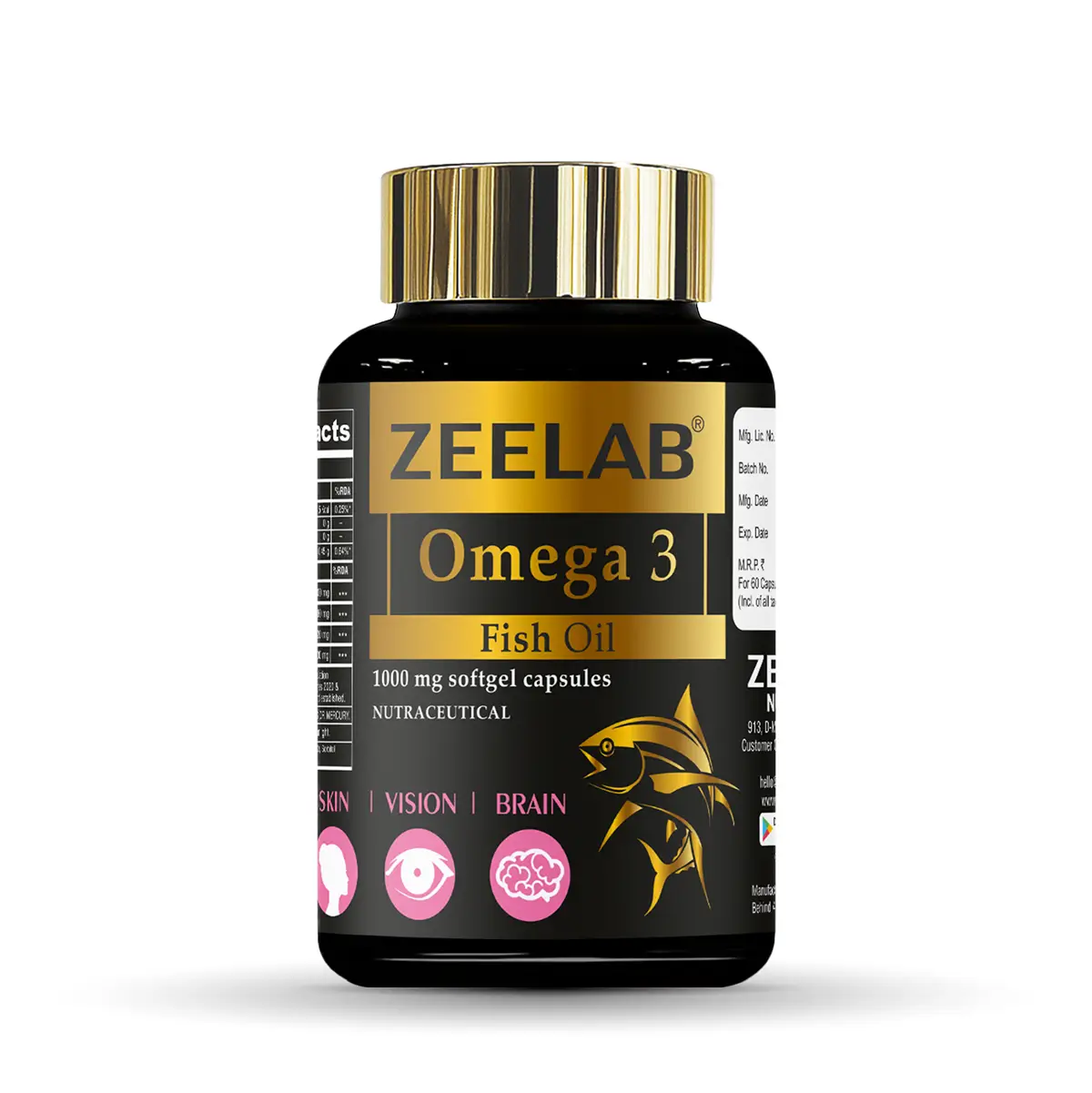
Omega-3 Fatty Acids (1000 mg) + Eicosapentaenoic Acid (EPA) (180 mg) + Docosahexaenoic Acid (DHA) (120 mg) + Other Omega-3 Fatty Acids (100 mg)
60 Capsules In Jar
Krill Oil (1000 mg) + Omega 3 Fatty Acids (200 mg) + EPA (120 mg) + DHA (80 mg) + Phospholipids (200 mg) + Astaxanthin (200 mcg)
120 Capsules Per Jar

Omega-3 Flaxseed Oil (500 mg) + Omega-6 Borage Oil (136 mg) + Omega-9 Olive Oil (200 mg)
60 Capsules Per Jar
Recent Blogs






Disclaimer : Zeelab Pharmacy provides health information for knowledge only. Do not self-medicate. Always consult a qualified doctor before starting, stopping, or changing any medicine or treatment.
Related Products


₹ 0
0
Items added
Quick Links
Categories
Our Policies

Our Socials


Subscribe

2026 Copyright By © Zeelab Pharmacy Private Limited. All Rights Reserved
Our Payment Partners

 Added!