

Can Retinol and Niacinamide Be Used Together? A Complete Skincare Guide
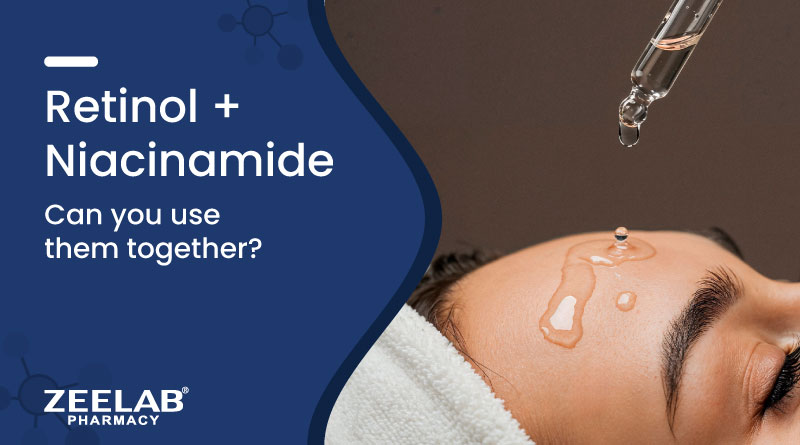
People often worry about using retinol and niacinamide together, thinking they will cancel each other out or irritate their skin. This concern comes from not knowing how to layer them properly, using them too often, or fearing the side effects of retinol.
But when you use them correctly, niacinamide can actually help retinol work better. It can strengthen your skin barrier, reduce irritation caused by retinol, and improve problems like acne, dark spots, large pores, and ageing.
This guide will tell you the right order to use them in, how often to use them, how to stay safe, and why Zeelab pharmacy products are a good choice because they're dermatologist-approved, affordable, easy for beginners, and work well.
What Does Retinol Do for Skin?
Retinol can help with cell turnover and improve your skin by clearing acne, wrinkles and dark spots. Be careful, this may irritate your skin, so check out our guide on how to use retinol for beginners.
Key Benefits of Retinol
- Speeds: Gets rid of old skin cells, making your skin look fresh, smooth and youthful.
- Treats: Clears acne, tackles acne, and prevents new breakouts.
- Reduces: Makes wrinkles and fine lines less noticeable, gradually making your skin look better.
- Brightens: Dark spots disappear, and skin colour becomes uniform. It is safe to use.
- Risks: If you use too much of it or don't apply it correctly, it may cause irritation, dryness or redness.
Common Retinol Side Effects
- Redness: It can make your face red, irritated, and uncomfortable, mainly if you have sensitive skin.
- Peeling: Your skin might flake, get dry, and peel off.
- Sensitivity: Your skin may become more sensitive to sunlight, heat, and strong products.
- Breakouts: When you first use retinol, you might get some temporary acne.
- Itching: It can often cause itching, tightness, or a bit of a burning feeling.
What Does Niacinamide Do for Skin?
Niacinamide is good for your skin because it helps it stay strong, reduces redness, keeps oil levels balanced, and makes your skin less sensitive to strong ingredients.
Key Benefits of Niacinamide
- Strengthens: It strengthens your skin, so it doesn't dry out or get irritated easily.
- Reduces: It calms skin by lowering redness and swelling
- Balances: It keeps oily skin in check and helps stop pimples.
- Improves: It gets your skin ready to handle strong stuff like retinol and acids.
- Brightens: It wakes up your skin, making it look even and glow.
Niacinamide Side Effects
- Flaking: If you use too much, your skin may become flaky or rough.
- Stinging: When you first start using it, your skin might sting a little.
- Tingling: You may feel a slight tingling sensation, especially if you are using more than one active product at the same time.
- Sensitivity: At first, areas exposed to the sun may feel more sensitive.
- Interaction: If you mix it wrong with a really strong acid, it can irritate your skin.
Can Retinol & Niacinamide Be Used Together?
Yes, you can totally use retinol and niacinamide together to get even better results for your skin. Niacinamide helps strengthen your skin, so retinol does not cause as much irritation, and your skin can handle stronger products.
Using them together can help with things like acne, dark spots, uneven skin tone, pores, and signs of ageing. Skin doctors often suggest using them together because niacinamide calms any redness or inflammation, and retinol helps your skin cells renew faster.
This is great if you are just starting to use these ingredients or if you have sensitive skin. If you apply these to your skin in the right way, you can get the most out of both without harming your skin.
Benefits of Using Retinol and Niacinamide Together
Using retinol and niacinamide together may make your skin look better. It can also reduce irritation and help with ageing, blemishes, acne, and the look of your skin.
- Less Irritation: Niacinamide can help calm your skin, so you experience less redness and dryness when using retinol.
- Faster Results: Using the two together may improve acne and dark spots faster than using just one.
- Better Tolerance: Your skin gets used to the treatment, so you can continue using retinol for a long time without any problems.
- Acne Support: Retinol helps clear pores, while niacinamide controls oil. This mixture works well to reduce acne.
- Anti-Ageing & Wrinkles: Retinol increases collagen production, and niacinamide improves skin elasticity. It helps reduce wrinkles and fine lines.
Retinol and Niacinamide for Acne, Dark Spots & Hyperpigmentation
If used safely, retinol and niacinamide can help with acne and dark spots by reducing breakouts, reducing dark spots, and improving skin tone.
Acne & Breakouts
Using retinol and niacinamide together can help deal with acne. Retinol helps unclog your pores and reduce oil, which can also control bacteria. Niacinamide soothes redness, while retinol speeds up skin renewal. This can prevent new pimples from appearing, and your skin will start looking better within a few weeks.
Dark Spots & Hyperpigmentation
Retinol speeds up skin cell renewal to help reduce dark spots. Niacinamide, on the other hand, prevents melanin from spreading, which tightens your skin and makes it more supple. It also helps with acne scars, sunspots and hyperpigmentation if you use it regularly and your skin handles it well.
Enlarged Pores & Uneven Texture
If you struggle with large pores or bumpy skin, using retinol and niacinamide together may help. Retinol speeds up your skin's renewal process and increases collagen, which can make pores appear smaller. Niacinamide helps control oil and strengthens your skin's protective layer. Stick with it, and you should notice smoother, more even skin within a few weeks.
How to Use Niacinamide and Retinol Together
Use niacinamide before retinol. This can help increase your skin's protection, reduce irritation, and help your skin handle retinol better. Studies show that this is a safe way to get even better results.
Morning vs. Night Routine: What's Best?
Retinol is best used at night. Niacinamide can be used morning and night to support your skin barrier.
|
Step |
Morning (AM) |
Night (PM) |
|
Step 1- Cleanse |
Gentle cleanser removes oil without breaking the skin barrier |
Cleanse thoroughly to remove sunscreen, dirt, and pollutants |
|
Step 2- Niacinamide |
Controls oil, minimises pores, strengthens barrier |
Calms skin, reduces irritation from retinol use |
|
Step 3- Retinol |
Not recommended due to sun sensitivity |
Apply only at night for effective cell turnover |
|
Step 4- Moisturise |
Light moisturiser maintains hydration all day long |
Rich moisturiser aids in repair and reduces dryness |
|
Step 5- Sunscreen |
Mandatory to protect skin and prevent pigmentation |
Not necessary at night, but necessary the next morning |
Safety Tips When Using Retinol and Niacinamide
Using active ingredients correctly can prevent skin irritation, keep your skin healthy and ensure that your skin care works well for the long term.
- Patch test: Always do a patch test first.
- Start slowly: Start slowly when using active ingredients.
- Moisturise well: Moisturise your skin to keep it healthy
- Avoid overuse: Do not overuse products to avoid irritation.
- Use sunscreen: Apply sunscreen every day.
What Not to Mix with Retinol?
Mixing retinol with the wrong things can irritate your skin, cause the retinol to not work properly, and damage your skin's natural barrier if you're not careful.
- AHAs/BHAs: Using them together may cause excessive exfoliation, which causes redness, peeling, and damages your skin's protective barrier.
- Benzoyl: This stops the retinol from working and can actually dry out your skin, making it red and causing sensitivity.
- Strong exfoliants: Excessive exfoliation leads to inflammation, barrier damage and delayed skin healing.
- High-strength vitamin C: Strong vitamin C can lower your skin's tolerance to pricking, causing it to sting and become more sensitive.
- Physical scrubs: Physical scrubs with rough particles can irritate your skin and cause minor damage when you are using retinol.
Moisturiser Sandwich Method (For Sensitive Skin)
Moisturiser sandwiched with retinol and niacinamide. It's simple: first moisturiser, then niacinamide, then retinol, and finish with another layer of moisturiser.
The initial moisturiser layer softens the effects of retinol, allowing it to penetrate more slowly and reduce dryness, redness and flaking, and niacinamide aids skin repair.
This method is great if you have just started using retinol or when the weather is cool and dry. Once your skin can handle retinol without any discomfort, usually after a month or two of using it regularly without problems, you can skip the sandwich method.
Best Retinol and Niacinamide Products are Available at Zeelab Pharmacy
Here are some products of Retinol and Niacinamide from Zeelab Pharmacy at affordable prices. Most preferred and dermatologist-approved products, as well as similar affordable ranges, are safe and effective. Additionally, Zeelab Pharmacy products are WHO-GMP, ISO and FDA certified.
Zeelab Niacinamide 10% Face Serum
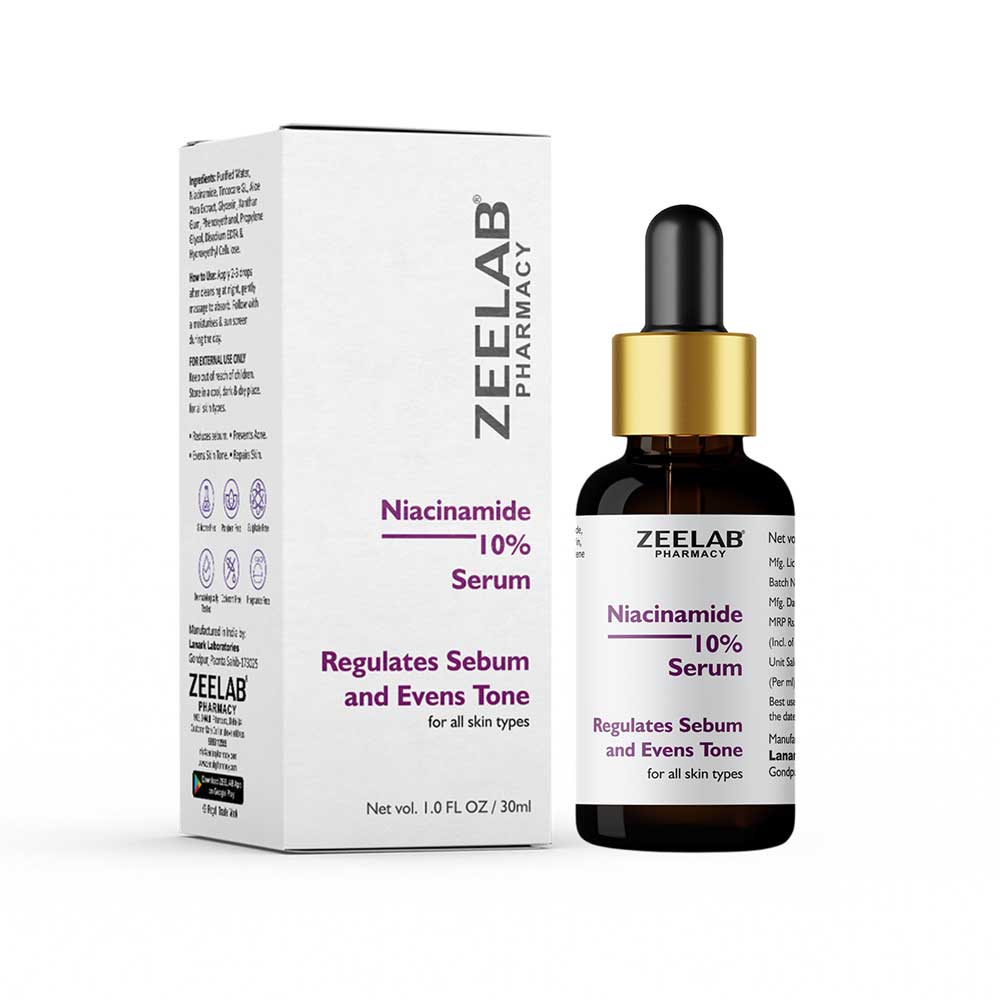
Niacinamide 10% Serum is a WHO GMP-certified derma-care skincare product that is a lightweight and effective skincare formula designed to improve overall skin clarity, smoothness and strength.
- Composition: Niacinamide 10% Serum
- What it does: It fades dark spots, controls oily skin, minimises pores, brightens skin and gives you a better texture.
- How to use: Apply 2 or 3 drops to your cleansed face. Massage it slowly. You can do it in the morning or at night. Then, apply your moisturiser.
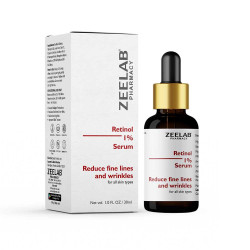
Zeelab Retinol 1% Face Serum
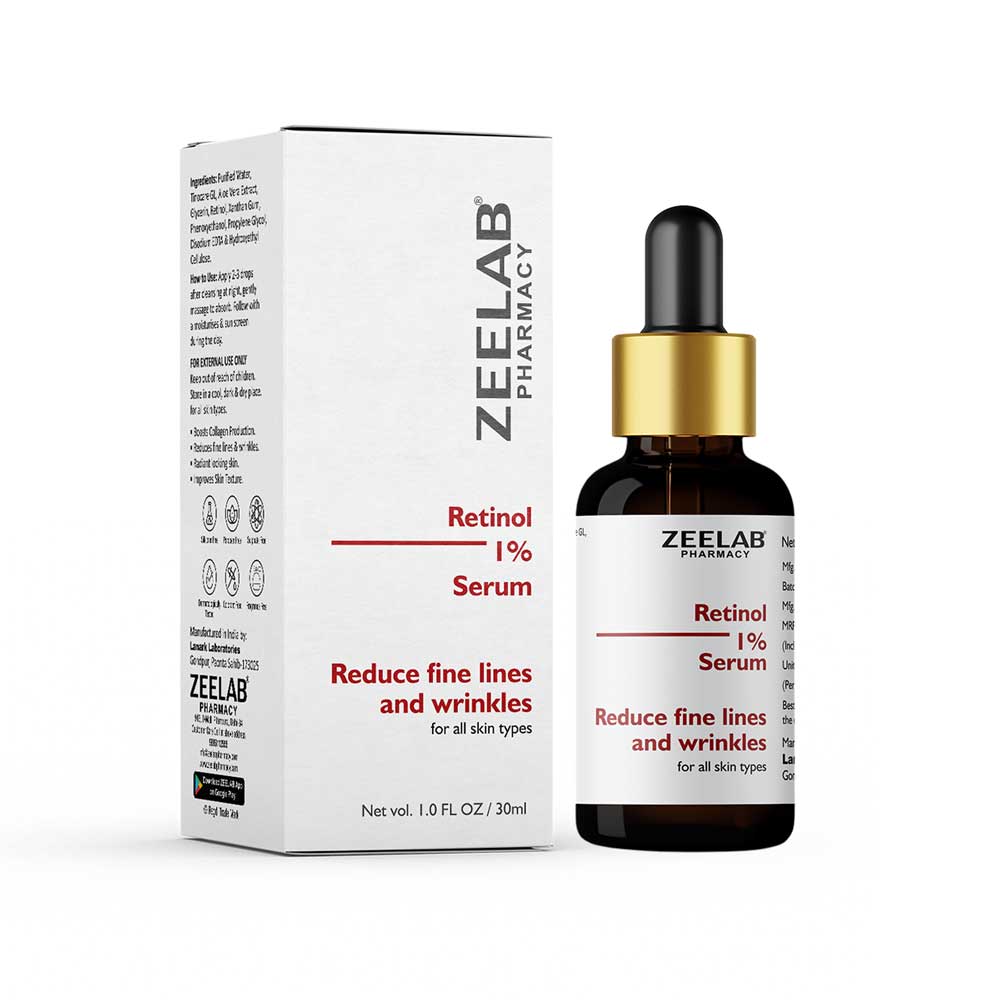
Zeelab Retinol 1% Face Serum is a great skincare product, especially designed to reduce signs of ageing and acne. The serum contains 1% retinol (a derivative of vitamin A), which works to promote collagen production, accelerate skin renewal, and visibly reduce fine lines, wrinkles, dark spots and blemishes.
- Composition: Retinol 1% Serum
- What it does: It helps your skin cells renew faster, which can make wrinkles less noticeable. It also lightens dark spots, softens your skin, and helps with acne and ageing.
- How to use: At night, after cleansing, apply 2-3 drops before moisturiser; Use sunscreen the next day.
G+ Foaming Cleanser with Glutathione + Vitamin C + Niacinamide
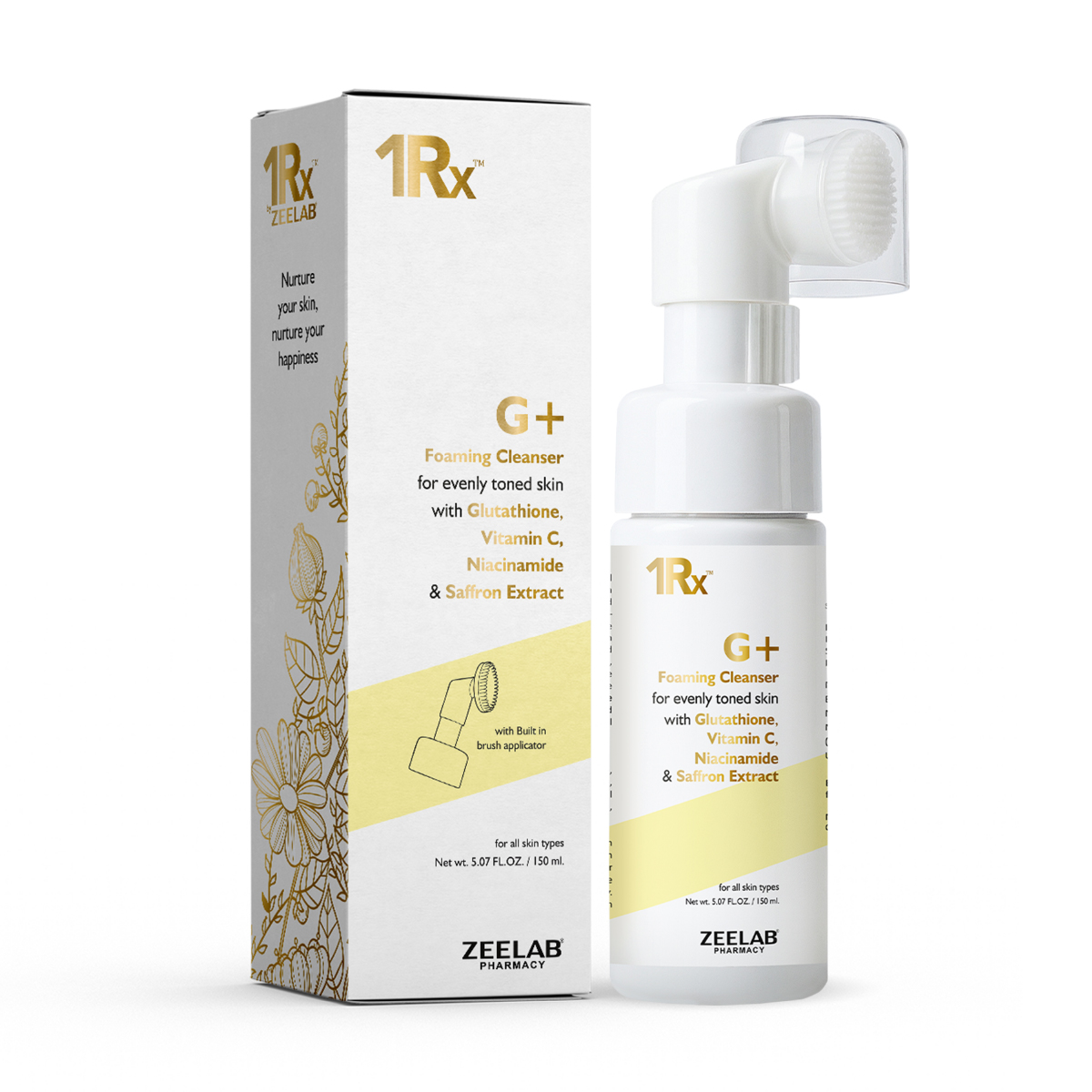
G+ Foaming Cleanser is a skincare formulation enriched with Glutathione, Vitamin C, Niacinamide, and Saffron Extract. It is specially designed to promote even-toned skin, reduce dullness, and improve overall skin texture.
- Composition: Glutathione + Vitamin C + Niacinamide + Saffron Extract
- What it does: This product makes your skin brighter by getting rid of dirt and oil. It helps your skin look radiant and makes your skin tone even with glutathione, vitamin C, and niacinamide.
- How to use: Wet face, work up a lather, massage gently, rinse thoroughly, use daily morning and night.
Conclusion
Using niacinamide with retinol can help strengthen your skin, reduce irritation from retinol, and work better for things like acne, dark spots, discolouration, pores, and ageing. If you are just starting, use a weaker retinol, use it every other day, or try the moisturiser sandwich trick to keep your skin from getting sensitive.
The more you use it, the better your skin will look over time. To be safe, always test a small area of your skin first and apply sunscreen.
If you want to try Zeelab Retinol and Niacinamide Serum, this is a good, affordable option, works well and is good for beginners, especially if you have Indian skin. It is also supported by dermatologists.
Frequently Asked Questions
Q. Is it safe for sensitive skin?
A. Yes, start with a weaker retinol product, combine it with niacinamide, keep your skin hydrated, and gradually use it more often.
Q. Can beginners use them together?
A. Sure, beginners can use retinol and niacinamide together, but start slow.
Q. What if my skin gets irritated?
A. Stop using retinol for a bit, keep using niacinamide, use a moisturiser, and start again gently after your skin feels better.
Q. How can I use retinol and niacinamide without irritation?
A. Put on niacinamide first, wait a bit, then use a small amount of retinol, use lots of moisturiser, and don't forget sunscreen every day.
Q. Can I use retinol and niacinamide every day?
A. Using them daily is doable, but only after your skin gets used to it over some weeks.
Q. Should I put on niacinamide before or after retinol?
A. Put niacinamide on before retinol. It helps protect skin and lessen irritation.
Q. Can I use niacinamide in the morning and retinol at night?
A. Yes, niacinamide is great for the morning, and retinol is best used at night.
Q. Should I use the moisturiser sandwich method if I have sensitive skin?
A. Yes, the moisturiser sandwich method helps cut down irritation and makes your skin handle retinol better.
Q. How long until I see results with retinol and niacinamide?
A. You will normally see changes after using them steadily for four to eight weeks.
Q. Do they help with acne and dark spots if used together?
A. Yes, retinol helps clear acne, and niacinamide helps fade dark spots and redness.
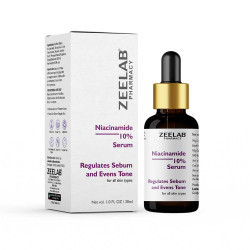
Niacinamide 10% Serum
30ml In 1 Bottle
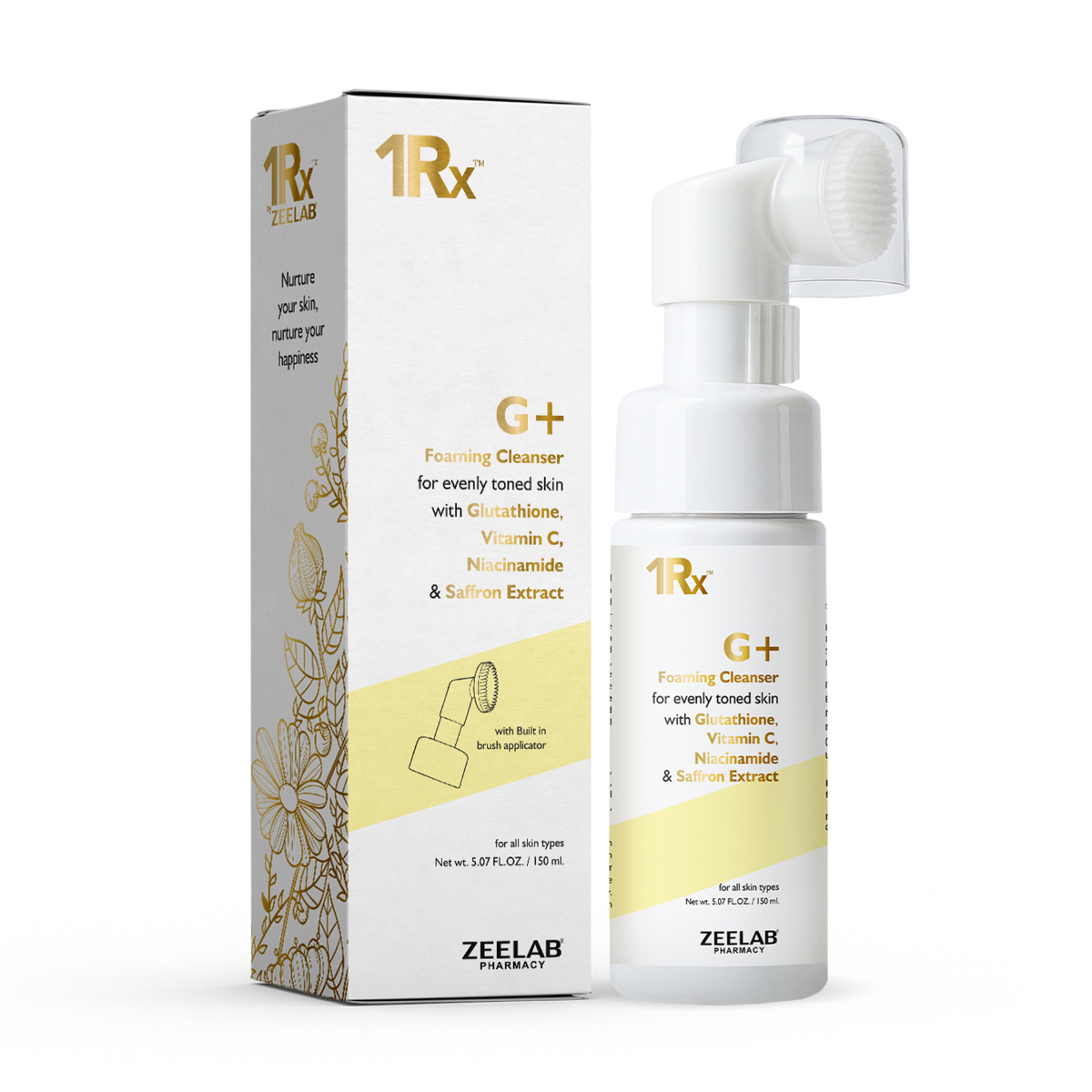
Glutathione + Vitamin C + Niacinamide + Saffron Extract
150ml in 1 bottle
Recent Blogs






Disclaimer : Zeelab Pharmacy provides health information for knowledge only. Do not self-medicate. Always consult a qualified doctor before starting, stopping, or changing any medicine or treatment.
Related Products


₹ 0
0
Items added
Quick Links
Categories
Our Policies

Our Socials


Subscribe

2026 Copyright By © Zeelab Pharmacy Private Limited. All Rights Reserved
Our Payment Partners

 Added!