

Prenatal Vitamins for Pregnancy: Benefits, Dosage & Trimester-Wise Guide
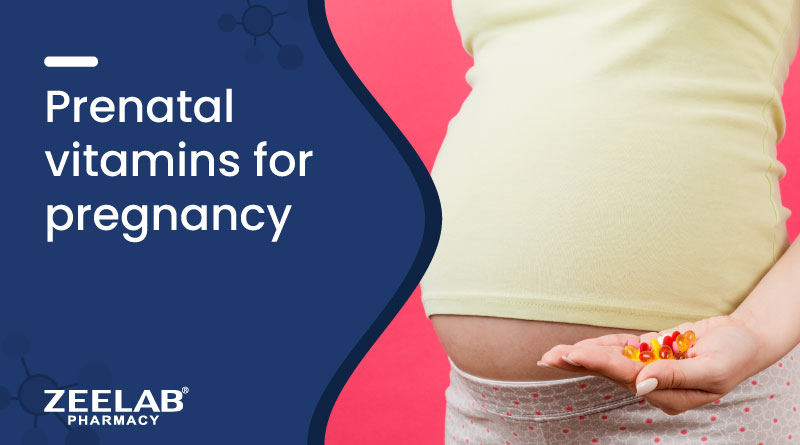
Prenatal vitamins are essential for women’s prenatal care. Women often ask themselves: The use of prenatal vitamins has long been proven to help compensate for nutrient deficiencies during pregnancy.
The benefits of prenatal vitamins during pregnancy are detailed in this prenatal vitamins guide, which focuses on key prenatal vitamins ingredients, including folic acid, iron, vitamin D, iodine, and DHA.
The guide covers prenatal vitamins in the first trimester, second trimester, and third trimesters. If you are pregnant or planning a pregnancy, this prenatal vitamin guide will be helpful. We choose Zeelab Pharmacy because it provides reliable, affordable, high-quality dietary supplements with reliable formulations, pharmacy-quality standards, and great support.
What are Prenatal Vitamins?
These are specialised nutritional supplements designed to cater to the specific needs of women during pregnancy and are also taken before pregnancy.
The nutritional ingredients in these supplements are very crucial in the growth of the baby and are made up of these nutrients: folic acid or methylfolate, iron, calcium, vitamin D, iodine, choline, and omega-3 fatty acids or DHA.
These prenatal vitamins are very useful in preventing birth defects, the development of the brain and bones, and in the prevention of anaemia associated with pregnancy. Moreover, they are more of a specialised supplement compared to other multivitamins.
Why Prenatal Vitamins Are Important During Pregnancy
Prenatal vitamins provide essential nutrients to support the baby's support and development and promote maternal health.
- Support fetal growth: Prenatal supplements give the fetus folic acid, iron, and DHA for brain and spine and organ formation.
- Avoid birth defects: Taking folic acid in sufficient quantities reduces the risk of neural tube problems.
- Maternal health: Iron and calcium ensure the prevention of anaemia, osteoporosis and maternal fatigue associated with pregnancy.
- If you don’t take them: Nutrients may be lacking to ensure good supplies to the placenta.
- Missing doses occasionally: Missing a dose occasionally is not a problem, but taking the medicine regularly is better.
Benefits of Prenatal Vitamins During Pregnancy
Prenatal vitamins help to promote a healthy pregnancy because they offer necessary nutrients that help to develop the fetus, prevent deficiencies, and ensure the energy levels and immune system of the woman.
- Brain: Assists in fetal brain and nervous system formation through folic acid and omega-3 ingredients.
- Blood: Contributes to the prevention of anaemia by promoting the formation of red blood cells through iron.
- Bones: Calcium and Vitamin D help in strengthening the bones and teeth of both mother and child.
- Energy: Improves pregnancy-related weakness by increasing metabolism through Vitamin B.
- Protection: Vitamins help improve maternal and fetal health by reducing the risks associated with nutrient deficiencies.
When to Start Prenatal Vitamins & How Long to Take Them
Prenatal vitamins are preferred before pregnancy, as well as during pregnancy and breastfeeding, for various benefits.
- Pre-pregnancy: When to start taking prenatal vitamins. At least one month before getting pregnant.
- Early pregnancy: Start as early as possible during the first trimester to promote fetal brain and spinal cord development.
- Fertility Support: Prenatal vitamins can help increase nutritional balance and may be helpful for overall fertility.
- During and after pregnancy: Should be taken during pregnancy and breastfeeding as directed by healthcare providers.
- Not pregnant: One does not need to be pregnant to take prenatal vitamins, as taking a multivitamin may be sufficient.
Prenatal Vitamins by Trimester: A Trimester wise Guide
Prenatal vitamin requirements vary from one stage of pregnancy to another. For example, in the first trimester, various prenatal vitamins assist with the baby's developmental stages.
|
Trimester |
Key Focus & Benefits |
|
First Trimester |
Folic acid for the prevention of neural tube defects, a combination of vitamins B for the treatment of nausea and fatigue |
|
Second Trimester |
Iron helps increase blood volume; Vitamin D helps in bone development, and DHA helps in growth |
|
Third Trimester |
DHA and choline stimulate brain development, and the balance of iron and calcium adapts the body to birth |
Prenatal Vitamins Dosage & Recommended Daily Intake
Prenatal vitamin supplements will help ensure proper nutritional intake while pregnant. Vitamins should be taken following proper guidelines to avoid deficiencies, side effects and low absorption rates.
- Dosage form explanation: Take one prenatal vitamin every day unless otherwise directed by your physician.
- Recommended intake: It not only fulfils the total food requirements of a human being but also meets the advice of providing:
- Missed Dose: Take the missed dose as soon as you remember. Do not double up. If the time for the next dose is near.
- Double dose: May cause nausea or constipation; If it occurs again and again, consult a doctor.
- Daily Routine: It is best to take it after meals, ideally in the morning and evening.
Also Read: Top 5 Vitamins Every Pregnant Woman Needs
Key Ingredients in Prenatal Vitamins & Their Benefits
Prenatal supplements will provide the required nutrients for fetal development and will prevent deficiencies and other problems in pregnant women.
|
Ingredient |
Key Benefits |
|
Folate and Folic Acid |
Aids fetal development, prevents neural tube defects, but for sensitive absorbents, methifolate can be used instead |
|
Iron |
Iron content helps increase blood levels and combat anaemia. Iron-free formulas are preferred in case of iron intolerance in women |
|
Vitamin D |
Supports strong bones and teeth, as well as improved mother and baby health. |
|
Omega-3 and DHA |
Provides support to the brain, eyes and nervous system during fetal development. |
|
Choline |
Promotes brain development as well as learning and memory functions. |
|
Iodine |
Aids thyroid and growth, as well as fetal metabolism. |
Special Types of Prenatal Vitamins
There are also special prenatal vitamins, customised according to food preferences, which ensure that all the essential nutrients reach the baby without increasing pregnancy symptoms like nausea.
- Vegan prenatal vitamins: These are plant-based and contain no animal products, and can be taken by a vegetarian or vegan woman.
- Prenatal vitamins iron-free: Suitable for women who are iron-sensitive or already have iron in their bodies.
- Prenatal vitamins for women with nausea: Low iron intake or late intake of prenatal vitamins.
- Prenatal Vitamins for Stomach Sensitivities: Prenatal supplements with buffered minerals are gentle on the stomach.
- Custom formulations: Formulated and recommended by doctors as per one's nutritional needs and tolerance.
Common Side Effects of Prenatal Vitamins & How to Avoid Them
Iron and strong nutrients in prenatal vitamins can cause nausea or constipation in some women, but simple tweaks in timing, formulation, and diet can help minimise discomfort.
- Nausea: Taking prenatal vitamins after meals or at night is said to reduce stomach upset.
- Constipation: Increasing water intake and dietary fibre may help alleviate prenatal vitamins constipation.
- Sensitivity: High iron content explains why prenatal vitamins make me sick sometimes.
- Alternatives: Choose prenatal vitamins without nausea or mild, slow-release formulations.
- Consistency: following a routine day in and day out. In case of persistence of side effects, consult your doctor.
Also Read: Best DHA Supplement for Pregnancy in India
Best Prenatal Supplement Recommendations from Zeelab Pharmacy
Here are some products of Zeelab Pharmacy at affordable prices. Most preferred and dermatologist-approved products, as well as similar affordable ranges, are safe and effective. Additionally, Zeelab Pharmacy products are WHO-GMP, ISO and FDA certified.
Folizee Folic Acid Supplement Tablet
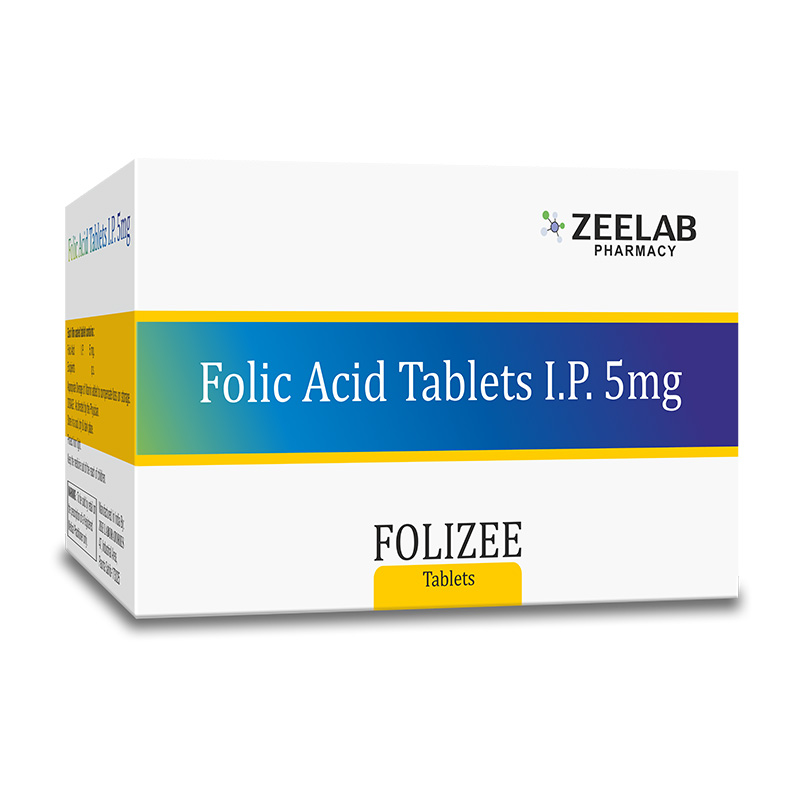
FOLIZEE Folic Acid Tablet contains Folic Acid 5 mg, an essential vitamin that supports the production of red blood cells (RBCs), DNA synthesis, and heart health.
This tablet is especially beneficial for pregnant women to prevent neural tube defects in the developing baby and for individuals with folate deficiency.
- Composition: Folic Acid (5mg)
- What it does: Supports red blood cell formation, prevents folate deficiency, and supports healthy fetal development
- How to take: Swallow one tablet daily after meals or as directed by your physician
Feriext FA Iron Supplement Tablet
Feriext FA Iron Supplement Tablets are designed to boost your iron levels and prevent or treat iron deficiency anaemia. These tablets contain iron, which is essential for making red blood cells and transporting oxygen throughout your body. They also include folic acid, which supports healthy cell growth.
- Composition: Iron (100 mg) + Folic Acid (1.5 mg) + Vitamin B12 (0.0075 mg)
- What it does: Increases iron content, helps in haemoglobin formation, prevents anaemia, and gives energy in case of deficiency
- How to take: Once a day after meals, or as prescribed by a physician
Updee 60K D3 Capsule
Updee Vitamin D3 60K Capsule is a supplement that provides a high dose of Vitamin D3, essential for maintaining healthy bones, teeth, and overall well-being. It helps the body absorb calcium and phosphorus, promoting bone health and muscle function.
- Composition: Cholecalciferol (60000IU)
- What it does: Helps correct deficiencies in vitamin D; it keeps your bones strong and healthy, helps boost your immune system, and provides good muscle tone
- How to take: Take one capsule once a week after meals or as advised by the doctor
Zeelab Omega 3 Fish Oil Capsules
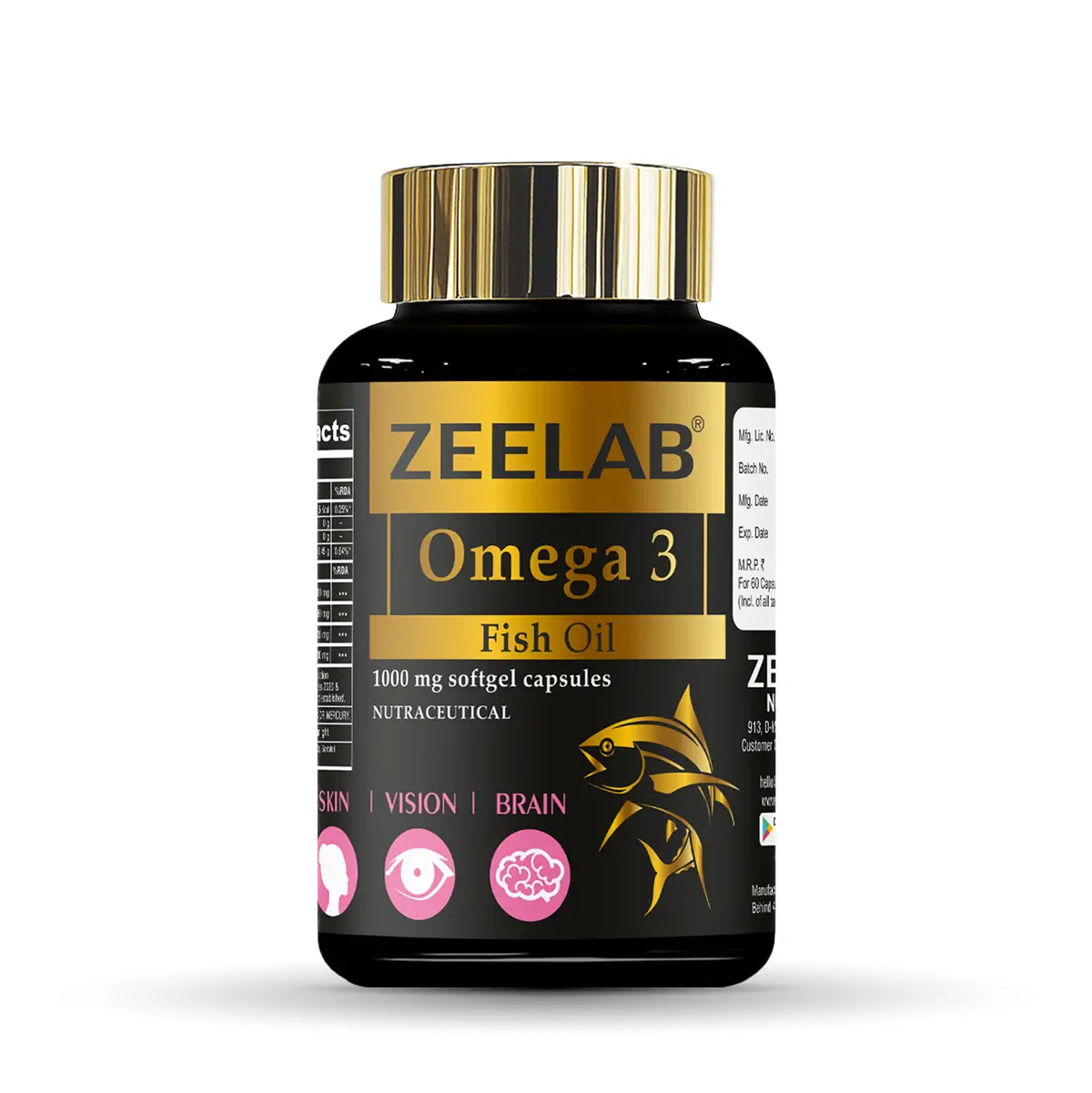
ZEELAB Omega 3 Fish Oil Capsule is a top-quality supplement rich in essential fatty acids DHA (Docosahexaenoic Acid) and EPA (Eicosapentaenoic Acid). Sourced from premium salmon fish, these omega-3 capsules support heart and brain health, help manage cholesterol levels, and enhance overall well-being.
- Composition: Omega-3 Fatty Acids (1000mg)
- What it does: Supports heart, brain, and eye health, reduces inflammation, and improves overall wellness daily naturally
- How to take: Take one capsule daily after meals with water, or as directed by the doctor.
Duconox Folic Acid with DHA Supplement Softgel Capsule
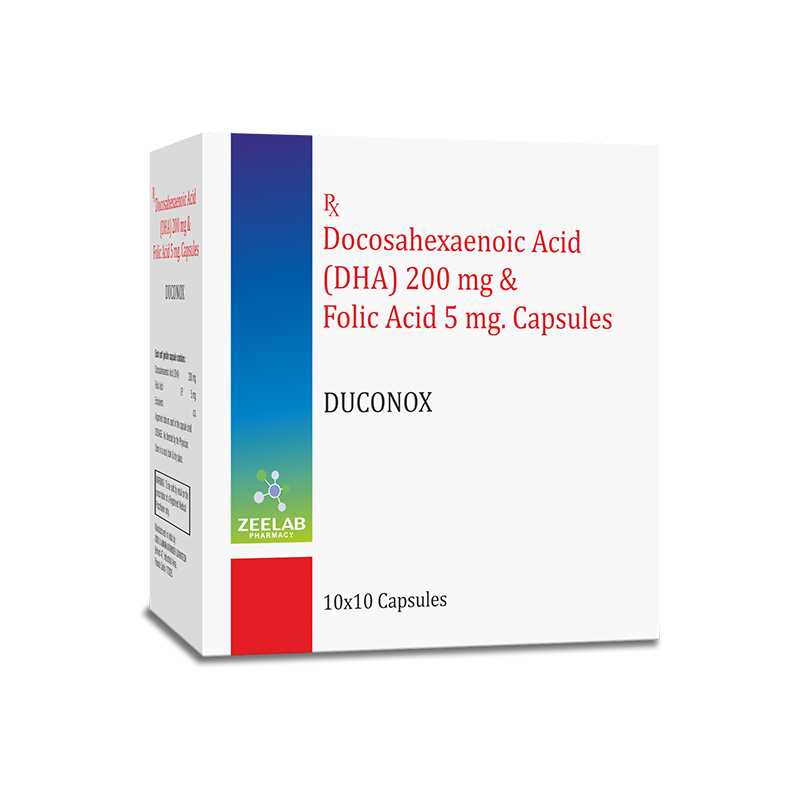
Duconox Soft Gel Capsules are a specially formulated folic acid and DHA capsule designed to support women’s health, especially during pregnancy and periods of nutritional deficiency.
- Composition: Folic Acid (5mg) + Docosahexanoic acid(DHA) (200mg)
- What it does: Supports brain development in the fetus, counters neural tube defects, and promotes healthy nutrition for pregnant women
- How to take: Take one softgel daily after meals, or as directed by your doctor
Conclusion – Are Prenatal Vitamins Necessary?
Prenatal vitamins are an important aid in maintaining a healthy pregnancy by providing essential nutrients. The vitamins can be particularly beneficial in preventing nutrient deficiencies, stimulating brain, bone, and immune system development, and preventing birth defects.
The tablets should be taken as prescribed to ensure that the vitamin mixes well with the blood and produces the desired effect without any side effects. Moreover, prenatal vitamins should be taken every day with healthy food to give the desired results without harming the expectant mother.
Also Read: Best Folic Acid Tablets For Pregnancy
Frequently Asked Questions
Q. What are prenatal vitamins, and why are they important?
A. Prenatal vitamins fill in the nutritional gaps that help in fetal development and maternal health during pregnancy.
Q. When should prenatal vitamins be started?
A. Ideally, these should begin before conception or right after confirmation of pregnancy.
Q. What are the primary benefits of prenatal vitamins throughout a pregnancy?
A. They support the development of the brain, prevent deficiencies, reduce anaemia, and improve maternal energy.
Q. What dosage is recommended for prenatal vitamins?
A. One tablet daily, unless otherwise prescribed by a doctor.
Q. Do prenatal vitamins differ by trimester?
A. Yes, nutrient needs vary by trimester to support growth, bones, and brain development.
Q. Can prenatal vitamins cause side effects?
A. Nausea or constipation may appear, especially owing to the iron content.
Q. How is nausea from prenatal vitamins reduced?
A. Taking them after meals or at night helps reduce nausea.
Q. Are prenatal vitamins necessary with a healthy diet?
A. Yes, diet alone may not meet increased pregnancy nutrient requirements.
Q. Can someone be on prenatal vitamins without being pregnant?
A. They can be taken, but often regular multivitamins are more appropriate.
Q. How long should prenatal vitamins be taken?
A. They should be continued throughout pregnancy and breastfeeding, or as advised by a doctor.
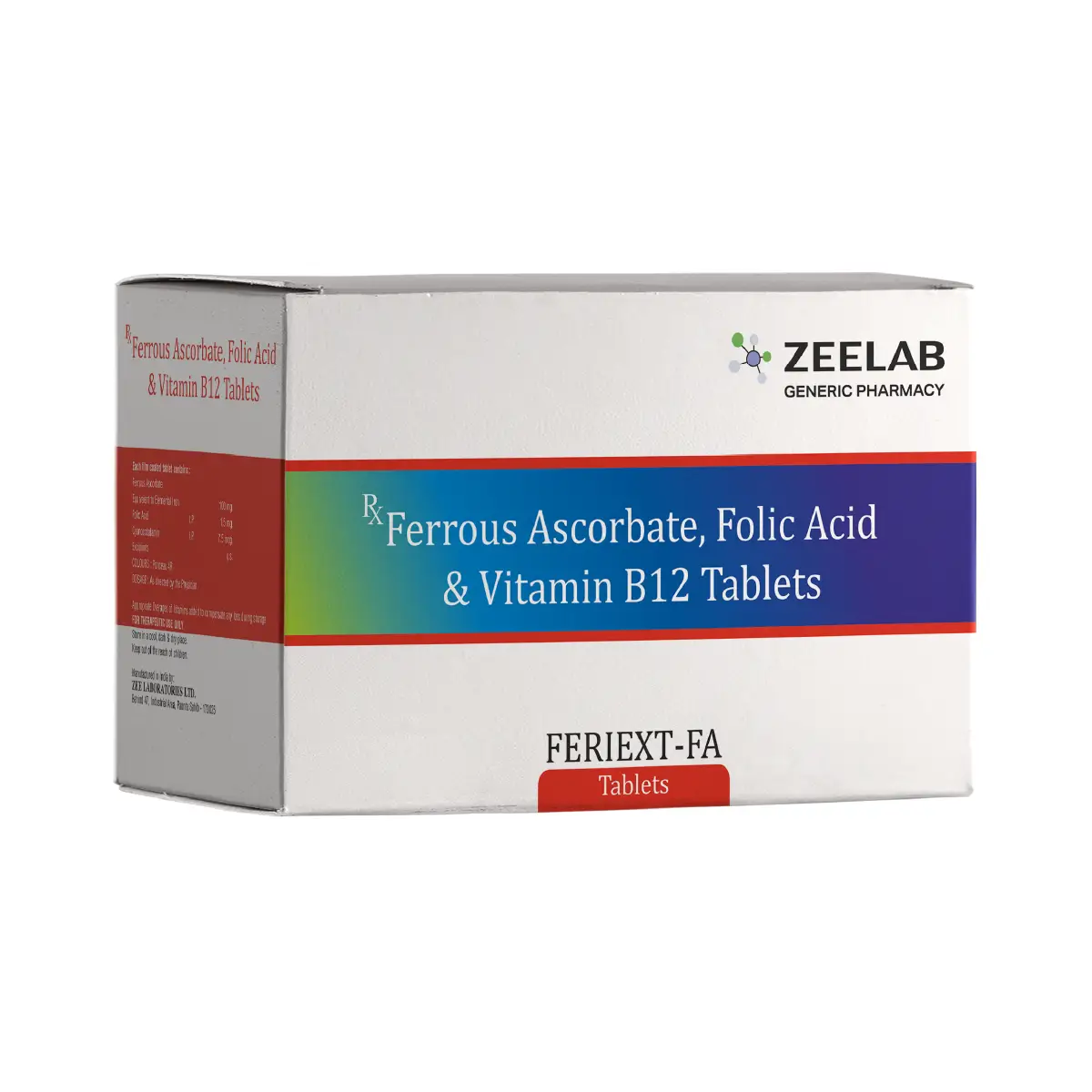
Iron (100 mg) + Folic Acid (1.5 mg) + Vitamin B12 (0.0075 mg)
10 Tablets In 1 Strip
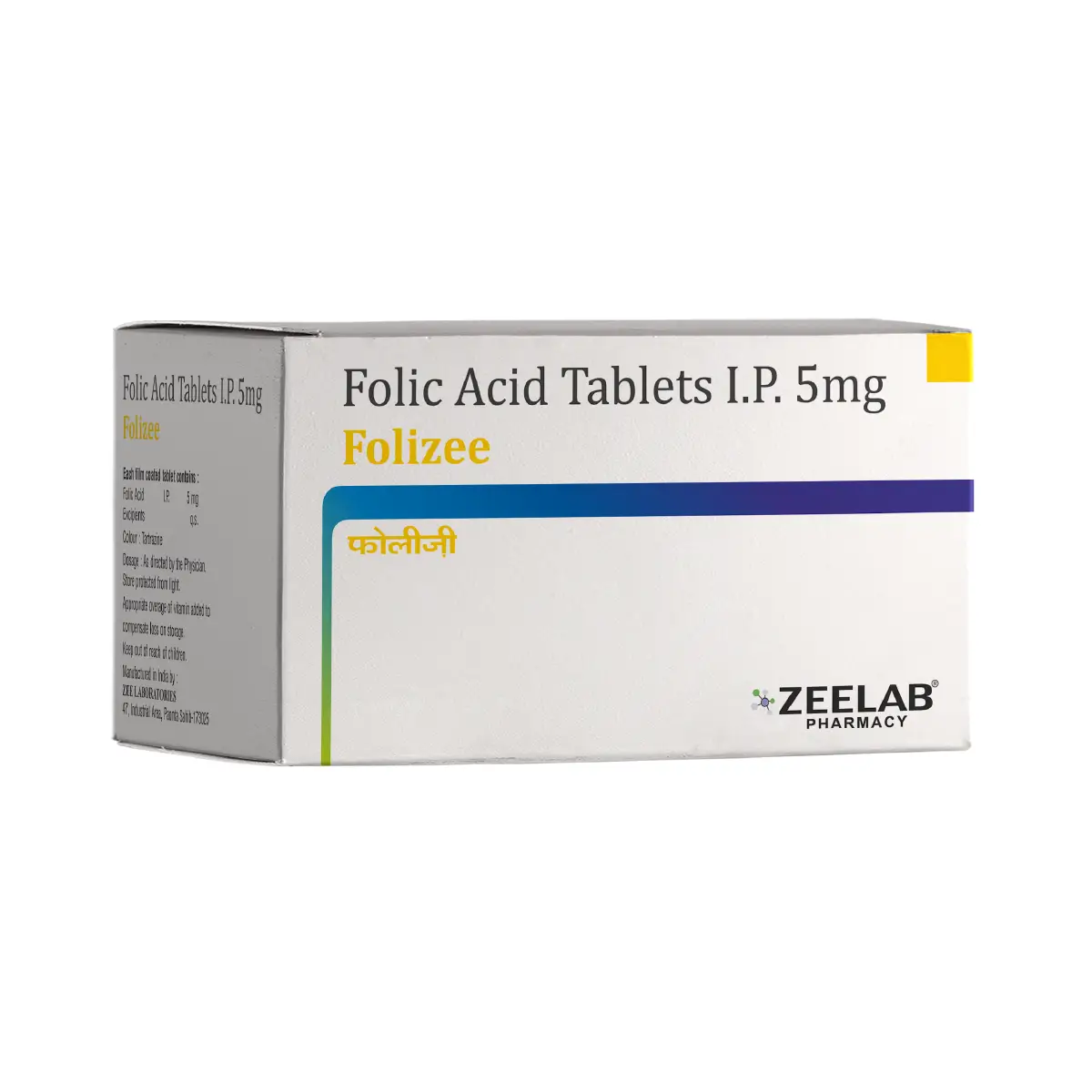
Folic Acid (5mg)
30 Tablets In 1 Strip

Cholecalciferol (60000IU)
4 Capsules In 1 Strip
Folic Acid (5mg) + Docosahexanoic acid(DHA) (200mg)
10 Capsules In 1 Strip
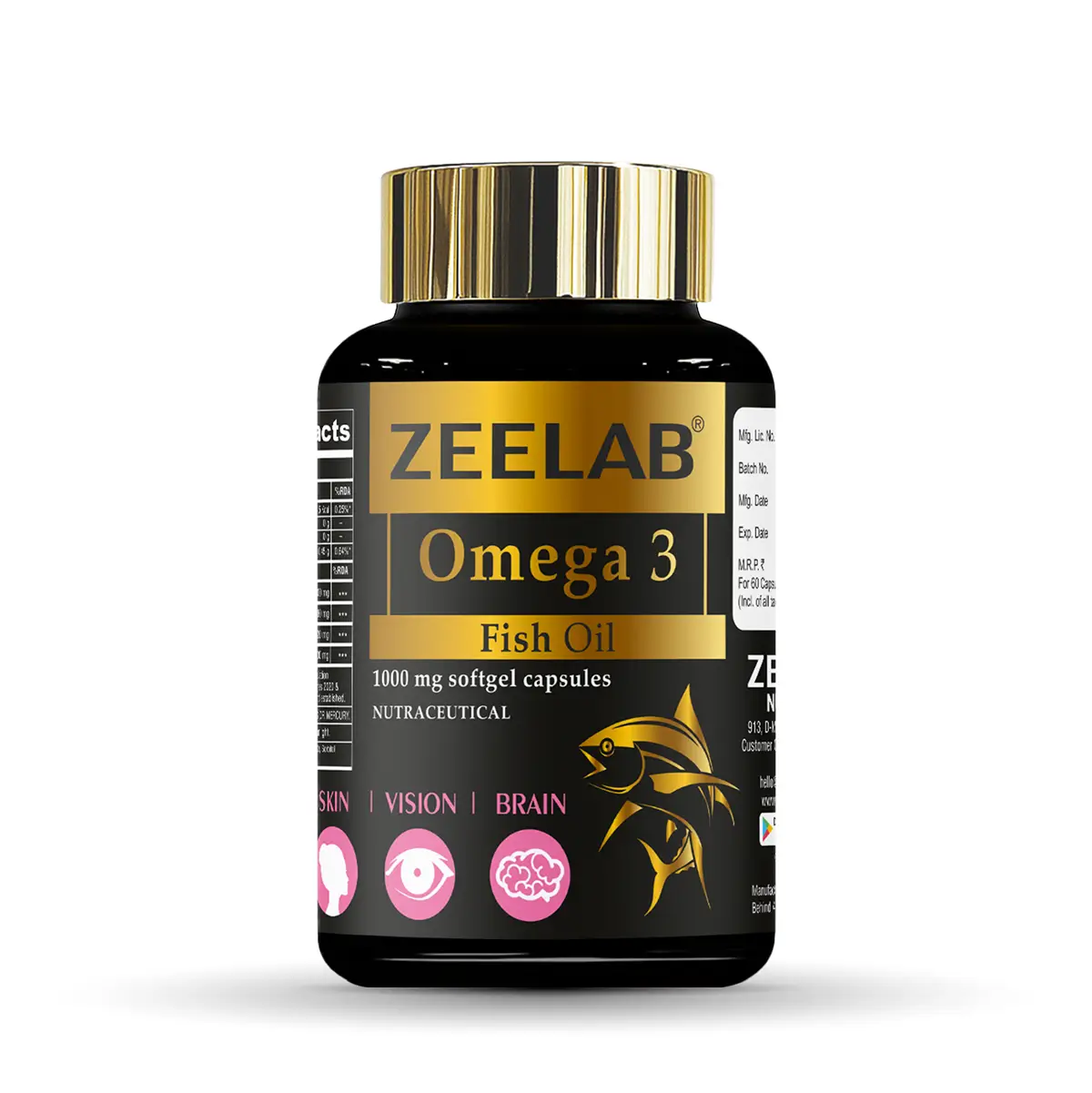
Omega-3 Fatty Acids (1000 mg) + Eicosapentaenoic Acid (EPA) (180 mg) + Docosahexaenoic Acid (DHA) (120 mg) + Other Omega-3 Fatty Acids (100 mg)
60 Capsules In Jar
Recent Blogs





Disclaimer : Zeelab Pharmacy provides health information for knowledge only. Do not self-medicate. Always consult a qualified doctor before starting, stopping, or changing any medicine or treatment.
Related Products


₹ 0
0
Items added
Quick Links
Categories
Our Policies

Our Socials


Subscribe

2026 Copyright By © Zeelab Pharmacy Private Limited. All Rights Reserved
Our Payment Partners

 Added!